5 Lifestyle Changes to Boost Energy Levels in Recovery

Maintaining high energy levels throughout the day can often feel like a battle in today’s fast-paced world. Whether you’re struggling with mid-afternoon slumps or finding it hard to wake up refreshed, making a few strategic changes to your lifestyle can significantly improve your energy levels. Let’s explore five effective changes that can make a real difference in how you feel each day.

Prioritize Quality Sleep

Quality sleep is foundational to high energy levels. It’s not just about the hours of sleep you get but also the quality of your sleeping cycles. Here are some tips to optimize your sleep:

  • Establish a Routine: Go to bed and wake up simultaneously every day, even on weekends, to regulate your body’s internal clock. Consistent sleep patterns help improve restful sleep.
  • Create a Restful Environment: Ensure your bedroom is dark, quiet, and relaxed. Use blackout curtains and earplugs if necessary. An eye mask can also contribute to improved sleep quality.
  • Limit Screen Time: The blue light emitted by screens can interfere with your sleep cycle. The goal is to stop using electronic devices at least an hour before bedtime. Reducing screen exposure can prevent disruptions in your sleep and avoid fatigue from inadequate sleep.
  • Consider Vitamin D Supplements: Vitamin D deficiency, common in areas with less sunlight, can impact sleep quality and overall energy levels. Adding vitamin D to your diet can support better sleep and higher energy.

Stay Hydrated Throughout the Day

Not drinking enough water can make you feel tired and affect how well you think. Make sure to drink plenty of water throughout the day to stay hydrated. Here are some tips to help you stay hydrated effectively:

  • Set Reminders: Use apps or alarms to remind yourself to drink water regularly.
  • Infuse with Flavor: If plain water is unappealing, add a slice of lemon or cucumber to refresh it.
  • Monitor Urine Color: Aim for pale yellow urine to indicate adequate hydration. Proper hydration supports blood flow and helps maintain energy levels.
  • Avoid Sugary Drinks: Sugary drinks can lead to blood sugar spikes followed by energy crashes. Opt for water or herbal teas to keep your energy levels stable.

Incorporate Regular Exercise

Physical activity enhances energy levels by improving circulation and boosting endorphin production. The goal is to use a combination of aerobic and strength-training exercises to maximize these benefits. Here are some tips to consider:

  • Find What You Enjoy: Whether it’s jogging, yoga, or dancing, choose activities that you find enjoyable to make exercise a regular part of your routine. Engaging in physical activity you enjoy can enhance cognitive function and prevent feelings of fatigue.
  • Schedule Exercise Sessions: Treat exercise sessions like any other necessary appointment. Block off time in your calendar to ensure you prioritize physical activity. Regular aerobic exercise contributes to maintaining blood pressure and heart health.
  • Balance Intensity: Incorporate both moderate-intensity exercise and strength training. This balance supports muscle mass and overall energy levels.

Optimize Your Diet

What you eat impacts your energy levels. Focus on maintaining a diet that includes:

  • Lean Proteins: Incorporate sources like chicken, fish, tofu, and beans to provide sustained energy. Highlighted Proteins help maintain muscle cells and overall energy.
  • Complex Carbohydrates: Select whole grains, fruits, and vegetables to provide a steady release of energy for the entire day. Fiber-rich carbs help regulate blood sugar levels and prevent energy dips.
  • Healthy Fats: Include sources like avocados, nuts, and olive oil for brain health and sustained energy. Highlighted Healthy fats are crucial for maintaining cognitive function and overall vitality.
  • Avoid Ultra-Processed Foods: These can lead to energy crashes and are often low in nutrients.

Manage Stress Effectively

Chronic stress can drain your energy levels over time. Implement strategies to manage stress effectively:

  • Practice Relaxation Techniques: Use deep breathing exercises, meditation, or yoga to help relax and reduce stress. Mindful breathing and relaxation techniques can mitigate the fatigue caused by stress.
  • Set Boundaries: Learn to say no to overwhelming tasks or commitments. Prioritize activities that recharge you.
  • Get Support: If stress becomes overwhelming, talk to friends, family, or a therapist. Sometimes, sharing your feelings can lighten the emotional load. Mental health professionals can offer support and strategies for managing stress and maintaining energy levels.

FAQs

What can boost my energy immediately?

Drinking a glass of water, having a small snack with protein and carbs like a banana with peanut butter, or doing a quick exercise like jumping jacks can help. Taking a few deep breaths or getting some fresh air might also provide a quick energy boost.

How can I increase energy levels?

To boost energy levels, focus on a balanced diet rich in whole foods like fruits, vegetables, lean proteins, and whole grains. These provide essential nutrients and sustained energy. Stay hydrated, as even mild dehydration can lead to fatigue. Regular exercise, good sleep hygiene, and managing stress through activities like meditation can also enhance energy levels throughout the day.

How can diet affect my energy levels?

A diet lacking essential nutrients can lead to low energy. Ensure you’re consuming balanced meals with proteins, healthy fats, and complex carbohydrates. Avoid excessive sugar and caffeine, as they can lead to energy crashes. Hydration is also key, as even mild dehydration can cause fatigue.

Does exercise help increase energy?

Regular physical activity enhances circulation and boosts endorphins, which can improve energy and mood. Even short, daily walks or stretches can be beneficial. It’s key to find an activity you enjoy to stay consistent.

Conclusion

Improving your energy levels requires a holistic approach that addresses sleep quality, hydration, exercise, diet, and stress management. By making these five lifestyle changes, you can boost your energy levels and improve your wellness. Adhering to physical activity guidelines and maintaining a balanced diet are key factors in sustaining high energy levels.

Remember, being consistent is essential. Start with small, manageable steps and slowly add these changes to your daily routine. Your body will thank you with more energy and stamina to handle whatever comes your way. Implementing these strategies will improve your energy levels, productivity, and quality of life. Take charge of your health today and experience the difference these changes can make. Here’s to a more energetic and vibrant you!


Rehab Costs Understanding the Financial Aspects of Care

Seeking rehabilitation is a crucial step toward recovery for many individuals facing addiction or other health challenges. However, navigating the financial aspects of rehab can be daunting. Understanding these factors, from insurance coverage to out-of-pocket expenses, is essential for making informed decisions. This comprehensive guide delves into everything you need to know about financing rehabilitation, ensuring you have clarity before embarking on this journey.

Why Understanding the Financial Aspects of Rehab Matters

Before diving into the specifics, it’s essential to grasp why the financial aspects of rehab are critical:

  • Cost Transparency: Knowing the costs involved helps you plan financially and avoid unexpected expenses.
  • Insurance Coverage: Understanding what your insurance covers can significantly impact your choices and financial planning.
  • Budgeting: Proper financial planning prevents unexpected financial strain during the recovery process.

Factors Affecting Rehab Costs

Types of Rehab Facilities

Rehabilitation facilities vary widely in services and amenities, influencing their costs. These can include:

  • Inpatient vs. Outpatient Programs: Inpatient facilities cost more due to accommodation and 24/7 care. Outpatient rehab programs, such as Intensive Outpatient Programs (IOP), are generally more affordable but require daily attendance.
  • Luxury vs. Standard: Luxury facilities offer upscale amenities at a higher price. These may include private rooms, recreational activities, and other luxury amenities.
  • Non-Profit vs. For-Profit: Non-profit organizations may offer lower costs or financial aid options compared to for-profit facilities. State-funded programs often fall into this category and may be more accessible.

Treatment Programs and Services

The type and duration of treatment programs also impact costs:

  • Detox Programs: The initial detoxification phase, involving medical detox and supervision, may incur separate costs. The cost of detox varies depending on the severity of alcohol dependence and the required level of medical care.
  • Therapeutic Interventions: Costs can vary based on therapies like cognitive-behavioral therapy (CBT) or holistic treatments. Specialized programs for co-occurring mental health disorders or specific addictions may also cost more.
  • Specialized Services: Facilities offering specialized treatments for opioid addiction or alcohol use disorder may have higher fees due to the complexity of care required.

Understanding Insurance Coverage

Types of Insurance Plans

Insurance coverage significantly affects your financial responsibility:

  • Health Insurance: Policies vary, but many cover rehab services partially or fully. Verify health insurance coverage details with your insurance provider.
  • Medicaid and Medicare: These government programs may cover rehab under certain conditions. State-funded rehab centers often accept Medicaid and Medicare.
  • Private Insurance: Check specific coverage details, including deductibles and co-pays. Insurance providers might have varying coverage options for substance use disorders.

Verifying Coverage

Steps to ensure you maximize insurance benefits:

  • Contact Your Provider: Understand what services are covered and any pre-authorization requirements.
  • In-Network vs. Out-of-Network Providers: Costs can differ significantly; choose in-network providers when possible to minimize out-of-pocket expenses.
  • Appeal Denials: If coverage is denied, you can often appeal with additional documentation. Contact the admissions team at your treatment facility for guidance.

Managing Out-of-Pocket Expenses

Financial Assistance and Payment Plans

Options to manage costs not covered by insurance:

  • Financial Aid: Some facilities offer scholarships or sliding-scale fees based on income. Non-profit organizations may provide additional financial assistance programs.
  • Payment Plans: Spread out costs over time to ease the financial burden. Many rehab centers offer flexible payment options.
  • Crowdfunding and Grants: Online platforms or community organizations may provide financial support for treatment costs. Exploring government assistance programs could also be beneficial.

Tax Deductions and Savings Accounts

Utilize tax benefits and savings:

  • Medical Expense Deductions: Rehab costs may qualify if they exceed a certain percentage of your income. Consult with a financial advisor to maximize these deductions.
  • Health Savings Accounts (HSA) or Flexible Spending Accounts (FSA): Use pre-tax dollars for rehab expenses, which can help reduce overall costs.

Questions to Ask When Choosing a Rehab Facility

Financial Transparency

Ensure clarity on costs:

  • Detailed Billing: Request an itemized breakdown of costs to avoid surprises.
  • Hidden Fees: Ask about any additional charges not included in initial estimates.

Payment Policies

Understand payment expectations:

  • Deposit Requirements: Know upfront payments needed to secure a spot. Be aware of any additional costs associated with early departure or cancellations.
  • Cancellation Policies: Learn about refund policies for early departures to avoid unnecessary financial strain.

Common Misconceptions About Rehab Costs

Expensive Means Better

Cost alone doesn’t determine quality:

  • Effectiveness: Research outcomes and success rates rather than focusing solely on cost. Effective recovery is more important than luxury amenities.
  • Value vs. Cost: Evaluate what services are essential for your recovery journey. Sometimes, affordable treatment options provide comprehensive care without excessive costs.

Insurance Covers Everything

Be aware of coverage limitations:

  • Coverage Gaps: You may still have significant out-of-pocket expenses even with insurance. Understand the limits of your insurance policy and explore financial options for remaining costs.
  • Negotiation: Facilities may offer discounts or negotiate payment arrangements. It’s often possible to find affordable treatment options even if insurance coverage is limited.

FAQs

What is rehabilitation in financial terms?

Rehabilitation in financial terms refers to the process of reorganizing a debtor’s financial affairs to restore solvency and enable them to meet their obligations. This often involves restructuring debt, negotiating with creditors, and implementing a plan to improve financial stability. The goal is to avoid bankruptcy and ensure the debtor can continue operations or manage personal finances effectively.

What is the primary goal of a rehab facility?

The primary goal of a rehab facility is to help individuals achieve and maintain long-term recovery from substance abuse or addiction. This involves providing a safe and supportive environment where patients can undergo detoxification, receive therapy, and develop coping strategies to prevent relapse. The focus is on addressing the physical, emotional, and psychological aspects of addiction to promote overall well-being and reintegration into society.

What does rehab consist of?

Rehab typically consists of a combination of therapies and treatments designed to address substance abuse and mental health issues. This may include medical detoxification, individual and group therapy, counseling, medication management, and aftercare planning. The goal is to provide a supportive environment for recovery, helping individuals develop coping strategies and build a foundation for a healthier lifestyle.

What are the 4 phases of rehab?

The four phases of rehab are:

1) Acute Phase: Focuses on reducing pain and swelling, and protecting the injured area.

2) Recovery Phase: Aims to restore range of motion, flexibility, and strength.

3) Functional Phase: Involves sport-specific or activity-specific exercises to regain full function.

4) Maintenance Phase: Ensures long-term recovery and prevents re-injury through ongoing exercises and monitoring.

What are the three major components of rehabilitation?

The three major components of rehabilitation are physical therapy, occupational therapy, and speech-language therapy. Physical therapy focuses on improving mobility and strength, occupational therapy helps with daily living activities and functional skills, and speech-language therapy addresses communication and swallowing disorders. These components work together to enhance recovery and improve quality of life.

Conclusion

Navigating the financial aspects of rehab involves understanding costs, insurance coverage, and available financial assistance. By being proactive and informed, you can make the best choices for your recovery journey without unnecessary financial stress. Remember, each person’s situation is unique, so tailor your financial planning to your needs and circumstances.

Whether you’re exploring rehab options for yourself or a loved one, clarity on financial aspects ensures you can focus on what truly matters: achieving lasting recovery. Reach out to financial advisors or admissions navigators at rehab centers for personalized guidance and support throughout your journey to recovery.

Alcohol Rehab Timeline: Your Guide to Recovery Journey

Alcohol addiction is a complex journey, but with a well-defined rehab timeline, recovery becomes achievable. Understanding the stages and milestones of alcohol rehab can provide clarity and motivation on the path to sobriety. This guide will walk you through each phase of the alcohol rehab timeline, incorporating insights from top competitors to ensure you receive the best possible guidance.

What is Alcohol Rehab?

Alcohol rehab is a program designed to help people overcome substance use disorder and alcohol dependence. It typically includes medical care, therapy, and support to address both physical and mental health needs. This approach aims to manage symptoms of alcohol withdrawal and support individuals throughout their recovery journey.

According to the Mental Health Services Administration, alcohol rehab involves a multi-faceted approach, including medical detox to address physical dependence and related health conditions. This often involves overseeing the alcohol detox phase and managing complications of alcohol withdrawal.

Phase 1: Assessment and Intake

The first step in any alcohol rehab program is assessment and intake. This phase includes:

  • Initial Assessment: A comprehensive evaluation of the individual’s physical health, mental health, and level of alcohol dependency. Medical professionals assess for co-occurring mental health conditions and behavioral health conditions. This helps determine the timeline for alcohol withdrawal and plan for the recovery process.
  • Medical History Review: Understanding past medical conditions and any co-occurring disorders. This includes evaluating for liver damage and other potential complications from heavy drinking.
  • Intake Interview: Gathering information about the individual’s alcohol intake patterns, triggers, and personal goals for recovery. This helps in identifying risk factors and tailoring a treatment plan.

Leading rehab facilities emphasize the importance of thorough assessments to tailor treatment plans effectively. This includes evaluating risk factors and potential medical complications related to alcohol abuse, such as Delirium tremens and alcohol withdrawal delirium.

Phase 2: Detoxification

Detoxification, or detox, is the process of clearing alcohol from the body. It’s a crucial phase that often requires medical attention due to potential severe withdrawal symptoms. Key aspects include:

  • Medical Supervision: Monitoring vital signs and managing withdrawal symptoms such as tremors, nausea, and alcohol withdrawal seizures. Rapid heart rate and heart palpitations are common physical symptoms that need careful monitoring. In severe cases, life-threatening symptoms like visual hallucinations and auditory hallucinations may occur.
  • Medication-Assisted Treatment (MAT): Using medications to ease withdrawal symptoms and reduce cravings for alcohol. This approach helps in managing both mild withdrawal symptoms and severe alcohol withdrawal symptoms effectively.
  • Psychological Support: Counseling and therapy sessions to help people cope with the emotional challenges of detox, including depressed mood and brain fog.

Competitors highlight the necessity of a comfortable environment during detox to ensure a smooth transition into the subsequent phases of rehab. This phase addresses physical withdrawal symptoms and severe alcohol withdrawal syndrome, preparing individuals for the next stages of recovery.

Phase 3: Therapy and Counseling

Once detox is complete, the focus shifts to therapy and counseling:

  • Individual Therapy: In-person sessions with a licensed therapist to explore underlying issues contributing to alcohol addiction. This includes addressing mental health disorders and co-occurring mental health issues.
  • Group Therapy: Peer support and sharing personal experiences with others in similar situations, fostering a sense of community.
  • Behavioral Therapy: Cognitive-behavioral techniques to modify thought patterns and behaviors associated with alcohol use, targeting poor impulse control and addictive substances. This helps manage emotional symptoms and psychological symptoms related to addiction.

Competitor analysis reveals a trend towards holistic approaches that combine various therapy modalities to address the complex nature of addiction. These approaches often include strategies for managing emotional symptoms and psychological symptoms, and integrating behavioral therapy for comprehensive care.

Phase 4: Aftercare Planning

As rehab nears completion, aftercare planning becomes crucial:

  • Continuing Care Options: Setting up ongoing therapy sessions or support group meetings to maintain sustained abstinence. Self-help groups and a continuum of care are vital for ongoing support.
  • Relapse Prevention Strategies: Developing skills and strategies to avoid triggers and maintain sobriety. This includes addressing risk factors for relapse and implementing self-help groups.
  • Lifestyle Adjustments: Incorporating healthy habits and routines to support long-term recovery. Engaging in regular exercise and pursuing enjoyable activities can significantly improve quality of life.

Top competitors emphasize the importance of robust aftercare plans to reduce the risk of relapse and support sustained recovery. This often involves a continuum of care that includes inpatient rehab, outpatient setting, and intensive outpatient programs.

FAQs

What is the timeline for recovering alcoholic?

The timeline for recovering from alcohol addiction varies for each individual, generally involving several stages. Initially, detoxification can last a few days to a week. This is followed by weeks or months of acute recovery, focusing on physical health and coping strategies. Long-term recovery and maintenance can span months to years, focusing on sustained sobriety and lifestyle changes.

How long is the average alcohol rehab stay?

The length of an average alcohol rehab stay varies depending on the individual’s needs and the program type. Generally, inpatient programs last 28 to 30 days, though some may extend to 60 or 90 days. Outpatient programs can range from a few weeks to several months. The duration is tailored to ensure comprehensive recovery and address the person’s specific situation.

How long does it take for the body to fully recover from alcohol?

Recovery time from alcohol varies depending on factors like the amount and duration of consumption, individual health, and age. Generally, acute withdrawal symptoms may subside within a week, but full physical and mental recovery can take months. The liver, for instance, may take several weeks to regenerate and restore normal function, while brain chemistry adjustments might require a longer period.

What are the hardest days of sobriety?

The hardest days of sobriety often vary for each individual, but common challenging periods include the first few days after quitting, as withdrawal symptoms can be intense. Milestone days, such as anniversaries of sobriety or stressful life events, may also be difficult as they can trigger cravings or emotional distress. Building a solid support system and coping strategies can help manage these tough times.

What do 100 days without alcohol do to your body?

Quitting alcohol for 100 days can lead to significant health improvements. These include better liver function as the liver starts to repair itself, improved mental clarity and cognitive function, and enhanced sleep quality due to more restful sleep cycles. Additionally, many people notice improvements in their skin, weight management, and a stabilized mood, contributing to overall well-being.

What are the four types of wives of alcoholics?

The four types of wives of alcoholics are often categorized based on their coping mechanisms and interactions with their spouse’s alcoholism. These types include the enabler, who makes excuses and covers up the problem; the controller, who tries to manage the alcoholic’s life; the martyr, who bears the burden silently; and the detached, who emotionally withdraws from the situation.

Conclusion

Navigating the alcohol rehab timeline can be daunting, but understanding each phase and the support available can make the journey more manageable. By leveraging insights from top competitors and focusing on personalized care, individuals can embark on a journey to recovery and improved wellness.

If you or your loved one is struggling with alcohol addiction, contacting a reputable rehabilitation facility can be the first step toward a healthier, alcohol-free life. Recovery is possible with the proper support and commitment.

For more information, you can reach out to resources such as the National Helpline or consult with qualified healthcare providers. Remember, with the right treatment center and range of evidence-based treatments, you can achieve lasting recovery.

Addiction Recovery Journey Steps Toward Sobriety

In the wild dance of life, sometimes our friends stumble. When it comes to the challenging journey of recovery from addiction, being a true friend means being a guiding light, a steady hand, and a source of unwavering support. Silicon Valley Recovery stands as an oasis in this journey, offering a haven where healing is not just a process but a personalized, heart-centered experience.

The Art of Support: A Friend’s Guide to Silicon Valley Recovery

Understanding the Landscape

Before embarking on this journey with your friend, it’s crucial to grasp the unique terrain of addiction recovery. Silicon Valley Recovery, with its cutting-edge methods and compassionate staff, provides a safe space where individuals can breathe freely, away from the suffocating grip of addiction.

Lending an Ear: Communication is Key

Open Dialogues: Breaking the Silence

  • Encourage your friend to express their feelings, fears, and aspirations openly.
  • Silicon Valley Recovery fosters an environment where communication is not just encouraged but celebrated.

Active Listening: More than Words

  • Pay attention not only to what your friend says but also to what remains unspoken.
  • In the nurturing arms of Silicon Valley Recovery, every word is acknowledged, and every silence is understood.

Navigating the Detox Doldrums

Weathering the Storm: Silicon Valley Recovery Style

Compassionate Detox: Beyond the Physical

  • Silicon Valley Recovery prioritizes a holistic detox approach, addressing both the physical and emotional aspects.
  • Your friend won’t just detox; they’ll embark on a journey towards reclaiming their whole self.

Embracing Discomfort: The Growth Zone

  • Recovery is uncomfortable, but it’s also transformative.
  • Silicon Valley Recovery sees discomfort not as an obstacle but as a stepping stone to a brighter, addiction-free future.

Building a Foundation: From Support to Empowerment

Finding Purpose Beyond Addiction

Personalized Care: Tailored for Triumph

  • Silicon Valley Recovery doesn’t believe in one-size-fits-all solutions.
  • Your friend’s journey is unique, and so is the care they’ll receive.

Empowerment through Connection: Fellowship Matters

  • Encourage your friend to forge connections with fellow travelers on the road to recovery.
  • Silicon Valley Recovery is not just a treatment center; it’s a community of individuals supporting each other’s rise.

Celebrating Victories, Big and Small

Small Wins, Big Impact

Daily Triumphs: The Ripple Effect

  • Silicon Valley Recovery understands that every small victory counts.
  • From waking up without cravings to conquering a personal goal, celebrate the victories that pave the way for larger triumphs.

Milestones Matter: The Journey is the Destination

  • Mark milestones in your friend’s recovery journey.
  • Silicon Valley Recovery acknowledges and celebrates each milestone, recognizing that recovery is a journey, not a destination.

A New Beginning, Not The End

In wrapping up this guide to supporting a friend through addiction recovery, it’s important to realize that recovery is not the end of the road; it’s the beginning of a new and vibrant chapter. Silicon Valley Recovery, with its blend of heart-centered care and evidence-based practices, transforms the recovery journey from a daunting path into a promising adventure.

In supporting a friend through recovery, we become architects of hope, builders of resilience, and champions of second chances. Silicon Valley Recovery provides not just treatment but a sanctuary for rebirth, where individuals are not defined by their struggles but empowered by their triumphs.

FAQs

What is a recovery journey?

A recovery journey is a personal process of change and growth where individuals work towards improving their health and well-being. It involves setting goals, developing coping strategies, and building a support network. Each journey is unique, reflecting personal experiences and aspirations. The focus is on progress and resilience, acknowledging that setbacks may occur but can be overcome with determination and support.

What are the 5 Ps of recovery?

The 5 Ps of recovery are: Purpose, which involves finding meaning and direction in life; Passion, focusing on activities and interests that bring joy; Patience, understanding that recovery is a gradual process; Persistence, maintaining effort and commitment despite challenges; and Perspective, keeping a balanced view of progress and setbacks. These elements collectively support a holistic recovery journey.

What are the 5 pillars of recovery?

The five pillars of recovery are crucial components that support a sustainable recovery journey. They include Health, Home, Purpose, Community, and Spirituality. Health focuses on physical and mental well-being. Home provides a stable and safe living environment. Purpose involves meaningful daily activities. Community offers social networks and relationships. Spirituality encompasses personal beliefs and values.

What are the 3 P’s of recovery?

The 3 P’s of recovery are Perspective, Patience, and Perseverance. Perspective involves viewing challenges as opportunities for growth. Patience is essential as recovery is a gradual process that requires time. Perseverance emphasizes the importance of continuous effort and resilience in overcoming setbacks. Together, these principles support a balanced and sustainable recovery journey.

What are the 3 A’s of recovery?

The 3 A’s of recovery are Awareness, Acceptance, and Action. Awareness involves recognizing the problem and understanding its impact. Acceptance means acknowledging the reality of the situation without denial. Action involves taking steps to address the issue and make positive changes. These stages help individuals progress through recovery by fostering understanding, acknowledgment, and proactive behavior.

What are the 3 recovery models?

The three recovery models in SQL Server are Simple, Full, and Bulk-Logged. The Simple recovery model automatically reclaims log space to keep space requirements small, essentially eliminating the need for log backups. The Full recovery model requires log backups and allows for point-in-time restores. The Bulk-Logged recovery model is an intermediate option that allows high-performance bulk copy operations.

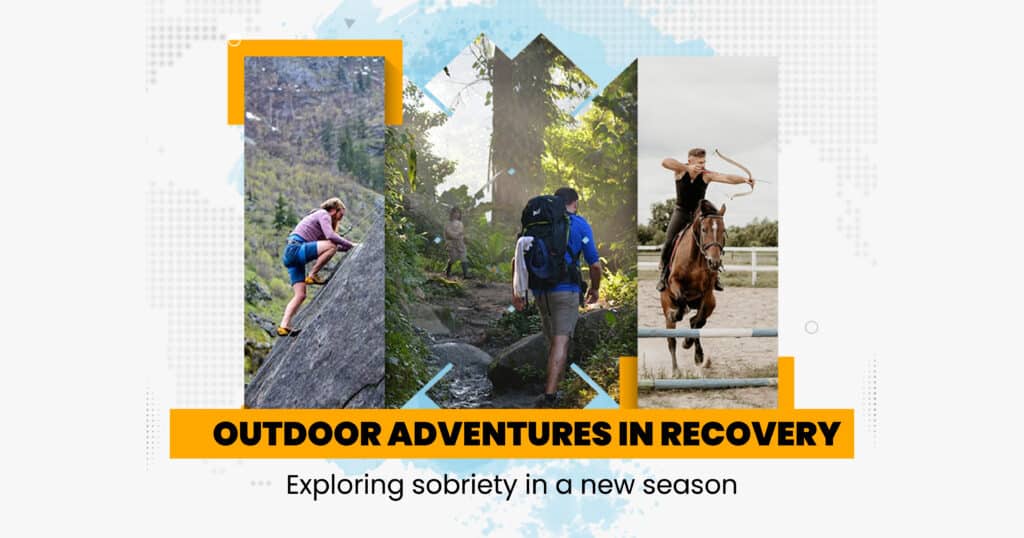
Outdoor Adventures in Recovery: Finding Freedom in Nature

Recovering from addiction is a deeply personal and challenging journey. It often involves confronting past traumas, developing coping mechanisms, and rediscovering oneself. While traditional methods like therapy and support groups play a crucial role in the recovery process, there is an alternative approach that has been gaining popularity in recent years – outdoor adventures.

Nature has an incredible ability to heal, inspire, and transform. Spending time in nature can provide individuals in recovery with an opportunity to escape the pressures of everyday life, embrace new challenges, and embark on a path of self-discovery. From hiking and camping to paddle boarding, Mountain biking, and kayaking, there are endless possibilities for outdoor experiences in recovery. These activities not only enhance physical activity but also contribute to a healthy lifestyle and emotional well-being. Outdoor adventures offer a supportive environment, where people can focus on their recovery journey while enjoying a variety of adventurous experiences.

In this article, we delve into the world of outdoor adventures in recovery, exploring their numerous benefits and the different activities one can engage in. So, put on your hiking boots, breathe in the fresh air, and let nature guide you toward a brighter future.

The Healing Power of Nature

Nature has an uncanny ability to calm the mind, soothe the soul, and provide a sanctuary away from the tumultuous nature of addiction recovery. Here are some ways outdoor adventures in recovery can facilitate healing:

  • Stress Reduction: Nature acts as a natural stress reliever, helping to reduce anxiety, depression, and other mental health issues often associated with addiction recovery. The tranquility of the outdoors allows individuals to escape the pressures of daily life and find solace in the present moment.
  • Mindfulness and Meditation: Engaging in outdoor activities forces individuals to be present, encouraging mindfulness and practicing meditation techniques. By immersing oneself in the natural world, one can learn to let go of negative thoughts and focus on the beauty surrounding them.
  • Physical Health and Well-being: Outdoor adventures in recovery provide opportunities for physical activity, boosting overall health and well-being. Whether it’s hiking, bike riding, or swimming, these activities release endorphins and improve cardiovascular health, ultimately contributing to a sense of vitality and self-confidence. Additionally, adventure-based activities can help individuals with mental health challenges build resilience and adopt healthy coping skills.

Exploring Different Outdoor Activities in Recovery

  • Hiking and Camping: Lace up your boots, grab your tent, and hit the trails. Hiking and Backpacking style camping offer an opportunity to escape the chaos of city life and reconnect with nature’s rhythms. From serene forest paths to breathtaking mountain vistas, there is something enchanting about witnessing the wonders of nature up close.
  • Rock Climbing: Conquer new heights and challenge your physical and mental limits with rock climbing. This exhilarating activity promotes life skills like problem-solving, teamwork, and trust. As you ascend the cliffs, you’ll gain a newfound perspective on your path to recovery, building both mental and physical strength. Basics of climbing techniques and using climbing shoes are essential for this sport.
  • Kayaking and Canoeing: Glide across tranquil waters as you navigate rivers, lakes, or even the open ocean. Kayaking and canoeing offer a serene escape and a chance to find inner peace amidst gentle waves. These activities provide an excellent balance between emotional regulation and physical engagement, offering a holistic approach to recovery.
  • Wildlife Encounters: Immerse yourself in the rich diversity of flora and fauna that nature has to offer. Whether it’s birdwatching, observing marine life, or encountering majestic land animals, witnessing wildlife in its natural habitat can be a powerful and humbling experience. Array of birdwatching opportunities or array of hiking opportunities in national parks like Joshua Tree National Park offer perfect settings for this.

FAQs: Addressing Common Concerns

Is outdoor adventure suitable for everyone in recovery?

Outdoor adventures in recovery can be suitable for individuals at various stages of their addiction recovery process. It is important to consult with healthcare professionals and consider personal limitations or specific circumstances before embarking on any activities.

How can outdoor adventures complement traditional recovery methods?

Outdoor adventures provide a fresh perspective, allowing individuals to break free from routine and gain new insights into their recovery process. They can reinforce the skills learned in therapy or support groups, providing a unique way to apply life skills, such as mental health recovery and addiction recovery treatment. Activities like equine therapy can also foster a deep connection with nature and animals, promoting long-term recovery.

Embrace a Life of Adventure and Recovery

As you venture into the great outdoors, you’ll find yourself being immersed in the raw beauty and transformative power of nature. Outdoor adventures in recovery offer a unique and enriching experience, allowing individuals to heal, grow, and find solace amidst the challenges of recovery. Outdoor adventure therapy provides a transformative experience that fosters personal growth and self-discovery. The world outside becomes a classroom, a sanctuary, and a source of endless possibilities.

Remember, recovery is not a finish line; it’s a lifelong journey. Embrace the outdoors, conquer your fears, and celebrate your victories. Allow Adventure Therapy to unlock your potential, awaken your spirit, and ignite a passion for life. Start your journey today and let nature be your guide, your companion, and your inspiration.

At Silicon Valley Recovery, we believe in a holistic approach to addiction treatment. Our addiction treatment programs provide a supportive atmosphere where you can comfortably experience authentic healing. Our highly-trained staff for drug rehab and alcohol addiction treatment is dedicated to helping you find freedom from your addiction and discover a greater sense of self and purpose. With a focus on adventure therapy activities, we help you embrace sober adventures while learning outdoor skills that foster recovery. Our goal is to support you on your journey toward a recovery lifestyle filled with healthy coping skills and lasting change.

What Does it Mean to White-Knuckle Sobriety?

White-Knuckle Sobriety


White-knuckle sobriety is the struggle to stay sober in the absence of professional treatment. It is a difficult but achievable goal that requires overcoming the cravings and temptations of drug addiction. You’re attempting to fix yourself with your mind or willpower.

Some people who are trying to recover say they will keep themselves busy. They claim that they will not drink regardless of what happens, or that they will hire a personal trainer and exercise more. These attempts to get sober without professional assistance or support may not be successful in maintaining sobriety.

Attempts to become sober through sheer force may assist someone in becoming healthier. It will not, however, address the underlying causes of the addiction problem. To reduce the risk of relapse, most people need to find healthy coping mechanisms and support. 

People who attempt to recover from substance abuse without treatment or support rely on willpower to do so. These people may find it difficult to stay sober in their daily lives. To improve their behavioral and mental health, people in recovery must collaborate with peers, professionals, and loved ones.

History of White-knuckling

Clamping a rail or an object to avoid succumbing to temptation gave rise to the term. People miss out on the opportunity to heal by simply not drinking or using. 

White-knuckling can be traced back to the development of addiction recovery centers and specialty addiction counseling. Many people were suffering from addictions at the time, but they had limited access to support and treatment. As a result, many people have turned to willpower to help them overcome their addictions.

White-knuckling was the first term used to describe this act of willpower. The phrase has recently gained popularity as more people become aware of the dangers of addictive behavior. It is now commonly used to describe people who are attempting to overcome an addictive behavior or routine without seeking professional assistance.

Avoidance of Drugs & Alcohol

Abstinence means abstaining from all drugs and alcohol, and it is an effective tool for avoiding addiction. Abstinence from alcohol and other drugs has numerous advantages. When someone decides to recover from substance abuse, they may reap some of these benefits.

They include the following:

Well-Being, Both, Physical & Mental

The preservation of physical and mental well-being is possibly the most important. The use of alcohol and other drugs on a regular basis can harm the body’s organs, including the heart, liver, and brain. Abstinence from alcohol and other drugs can aid in the protection of these organs, lowering the risk of long-term health problems.

Controls Psychological Issues

Alcohol and drugs can have a significant impact on a person’s mood and behavior, putting them at risk for depression, anxiety, and even suicidal ideation. Avoiding these drugs can help alleviate the symptoms of psychological issues and even prevent them from occurring in the first place.

Helps Individuals in Saving Finances

Abstinence can also help a person’s finances. Regular use of these drugs can be costly and financially draining. People who avoid these substances can reduce their spending and save more money for other financial priorities.

What is a “Dry Drunk”?

A “dry drunk” is a sober person who still exhibits the same addictive behavior patterns, thoughts, and negative emotions. This phrase is frequently used to describe people who have recently stopped drinking but have made little progress in their recovery. They have yet to develop healthy, effective coping mechanisms and may be dealing with the same issues that drove them to drink.

Dry drunks are frequently trapped in the same negative thought patterns that cause them to become inebriated. They are easily irritated and argumentative, struggle to interact, and may continue to engage in risky behaviors. A dry drunk may think and speak about alcohol as if they are still drinking.

The Signs & Symptoms of a Dry Drunk

A dry drunk may exhibit a variety of signs and symptoms, some of which are as follows:

• Difficulty adjusting to daily life: Because they have become accustomed to relying on drugs or alcohol to cope with stress, dry drunks frequently struggle to adjust to the demands of everyday life, such as personal relationships and work.

Unhealthy behavior: They may try to cope with depression or anxiety by engaging in harmful behaviors such as bingeing, gambling, or substance abuse. 

• Short temper, irritability, and mood swings: Because of their underlying distress, they may respond to situations with a short temper and be prone to mood swings.

• Isolation from friends, family, and social activities: Because they are unhappy with their skin, dry drunks may avoid social situations, leading to further isolation.

• Sense of entitlement and lack of empathy: As a result of their own pain and anguish, they may become demanding and entitled, and they may lack empathy for others.

• Difficulty making decisions and problem-solving: Dry drunks may have difficulty making decisions and problem-solving due to distorted thinking and the inability to process data clearly and logically.

Risks of White-Knuckle Sobriety

Here are some of the risks of white-knuckle sobriety:

Physical Risks

When attempting to abstain from drugs or alcohol without professional assistance, a person frequently lacks access to healthcare and support that a person in a recovery program may have. This can lead to physical risks like malnutrition, dehydration, and organ damage.

Those who practice white-knuckle sobriety are also more likely to relapse because they may not receive the same level of guidance and support as those in recovery programs.

Mental Risks

A person may experience depression, loneliness, and anxiety when attempting white-knuckle sobriety. They may be more likely to engage in self-destructive behaviors such as binge drinking or drug use to cope with the stress of sobriety.

Social Risks

White-knuckle sobriety may make it difficult to communicate with family and friends who are still drinking or using drugs. Furthermore, because of the stigma associated with white-knuckle sobriety, they may find it difficult to connect with and form relationships with other people in recovery.

Building a Strong Foundation for Lasting Recovery

White-knuckle sobriety can be challenging, but it is possible to lay the groundwork for long-term recovery. White knuckling can be transformed into a meaningful and long-term recovery by individuals. Sobriety is a courageous step; with the right strategy, people can find the support and courage they need to resist temptation. 

We offer a comprehensive treatment plan that combines evidence-based therapies with holistic practices at Silicon Valley Recovery. We design a program that is tailored to each individual’s specific needs. 

Contact us today to begin your recovery journey and learn how to live a sober life.

FAQs

What does white knuckling mean?

White knuckling refers to the act of holding on tightly to something, often due to stress, fear, or anxiety. It is commonly used to describe a situation where someone is trying to maintain control or endure a difficult situation without seeking help or using coping strategies. The term originates from the way one’s knuckles can turn white from gripping something too hard.

What is the hardest stage of sobriety?

The hardest stage of sobriety often varies for each individual, but many find the initial phase, typically the first 30 to 90 days, to be the most challenging. During this time, individuals may face intense cravings, withdrawal symptoms, and emotional upheaval as they adjust to life without substances. Building a support system and developing coping strategies are crucial during this period to maintain sobriety.

What is a white chip in sobriety?

A white chip in sobriety, often called a surrender chip, is a token given to individuals in recovery programs like Alcoholics Anonymous. It symbolizes a commitment to sobriety, marking the decision to stop drinking or using drugs. The white chip is typically the first chip received, representing a fresh start or a new beginning in the journey towards recovery.

What is the white knuckle technique?

The white knuckle technique is a method used to maintain control and composure in high-stress situations. It involves gripping the steering wheel tightly, focusing intently on the task at hand, and using deep breathing to stay calm. This technique is often employed by drivers in challenging conditions to ensure safety and precision.

What is white knuckling addiction?

White knuckling addiction refers to attempting to quit or manage an addiction without professional help or support systems. It involves relying solely on willpower to resist urges, often leading to increased stress and a higher risk of relapse. This approach can be challenging and may not address underlying issues, making it less effective than comprehensive treatment options.

What is an example of a white-knuckle ride?

A white-knuckle ride is a thrilling and intense experience, often associated with amusement park rides that induce fear and excitement. Examples include roller coasters with steep drops, high speeds, and sharp turns, such as the Kingda Ka at Six Flags Great Adventure or the Top Thrill Dragster at Cedar Point. These rides are designed to push adrenaline levels and provide a heart-pounding adventure.

Art Therapy – Effective Techniques for Addiction Recovery

Art therapy’s capacity to unlock the language of the soul makes it a valuable and transformative resource in addiction recovery. Addiction, a profound and distressing affliction, possesses the capability to impact individuals from all walks of life. The struggle to break free from its clutches can be arduous and daunting, often leaving individuals feeling overwhelmed and helpless. Nevertheless, the path to recovery need not be walked alone, for a multitude of resources exist to offer assistance and support. Among these invaluable aids lies the transformative power of art therapy.

Utilizing the medium of artistic expression, art presents itself as a beacon of hope, offering individuals battling addiction a unique and powerful outlet to confront their innermost struggles, emotions, and experiences. By delving into the creative process, participants can uncover profound insights, find solace in self-expression, and ultimately pave the way toward healing and renewal. Let’s explore the significance of art therapy in addiction recovery, delving into its therapeutic benefits and the profound impact it can have on an individual’s journey to reclaiming a life of health and well-being.

What is Art Therapy?

Art therapy is a multifaceted and innovative therapeutic approach that harnesses the power of artistic expression as a conduit for individuals to articulate their deepest feelings, emotions, and innermost struggles. By engaging in creative processes such as drawing, painting, sculpting, or other artistic endeavors, participants are afforded a profound means of communication beyond the constraints of traditional verbal dialogue. This form of therapy transcends language barriers, allowing individuals to explore and externalize their inner world, even when words fail them.

Within the realm of addiction recovery, art therapy emerges as a transformative tool, offering a profound pathway toward healing and self-discovery. Addiction, with its intricate web of psychological, emotional, and physical entanglements, often leaves individuals grappling with unprocessed emotions, unresolved trauma, and a sense of disconnection from their authentic selves. Art therapy serves as a non-judgmental space wherein these individuals can delve into their subconscious, uncovering the roots of their addiction and cultivating a heightened sense of self-awareness.

How Can Art Therapy Help With Addiction?

Art therapy can help people with addiction in a number of ways. It can help people to:

  • Process difficult emotions: Art therapy can be a way to express feelings that are difficult to put into words. This can be especially helpful for people who have been suppressing their emotions or have difficulty communicating them.
  • Develop coping skills: Art therapy can help people to develop healthy coping skills to deal with stress and difficult emotions. This can help them to reduce their reliance on drugs or alcohol as a way to cope.
  • Build self-esteem: Art therapy can help people to build self-esteem and confidence. This can be helpful for people who have experienced trauma or have low self-esteem due to their addiction.

How Does Art Therapy Work?

Art therapy works by helping people to connect with their emotions and to express themselves creatively. When people create art, they can often access parts of themselves that they may not be able to reach in other ways. This can help them to understand their problems better and to find new ways to cope with them.

How to Find an Art Therapist

If you are interested in trying art therapy, you can find an art therapist in your area by searching online or by contacting your local mental health clinic. When looking for an art therapist, it is vital to find someone experienced in working with addiction. You should also feel comfortable with the therapist and their approach to therapy.

Art therapy is a Valuable Tool

Art therapy is a valuable tool that can help people overcome addiction. If you are struggling with addiction, I encourage you to consider trying art therapy. It could be the one thing that allows you to get your life back on track.

By harnessing the power of creativity, individuals can navigate the complexities of their addiction journey, find healing in expression, and embark on a path of self-discovery and renewal. As an integral part of comprehensive addiction treatment, art therapy paves the way towards lasting recovery, empowering individuals to reclaim their lives and rediscover the strength within themselves.

Here are some additional resources that you may find helpful:

If you or someone you know is struggling with addiction, contact Silicon Valley Recovery today. Committed to the recovery and rejuvenation of our clients, our team of seasoned professionals brings a wealth of expertise to guide individuals through the journey of overcoming addiction and embarking on a fresh, new chapter in life.

FAQs

How does art therapy help with addiction?

Art therapy helps with addiction by providing a non-verbal outlet for expressing emotions and experiences related to substance use. It encourages self-reflection and personal insight, which can aid in identifying triggers and coping mechanisms. Through creative expression, individuals can process complex feelings, reduce stress, and build self-esteem, supporting their recovery journey.

What therapy is most effective for addiction?

Cognitive Behavioral Therapy (CBT) is often considered the most effective therapy for addiction. It helps individuals identify and change negative thought patterns and behaviors related to substance use. CBT equips individuals with coping strategies and problem-solving skills, making it a widely used and effective approach in addiction treatment.

Why is art therapy so powerful?

Art therapy is powerful because it allows individuals to express emotions and thoughts that might be difficult to articulate verbally. It engages the mind and body, fostering self-awareness and emotional release. Through creative processes, individuals can process trauma, reduce stress, and improve mental health. The non-verbal nature of art therapy can help bypass defenses, facilitating healing and personal growth.

What is the role of art therapy in rehabilitation?

Art therapy in rehabilitation helps individuals express emotions, improve self-awareness, and develop coping skills. It provides a non-verbal outlet for processing trauma, reducing stress, and enhancing emotional well-being. Through creative expression, participants can work through challenges, gain insights, and foster personal growth, contributing to overall recovery and healing.

What are the disadvantages of art therapy?

Art therapy may not be suitable for everyone, as it can evoke strong emotions that some individuals might find overwhelming. It requires a level of openness and willingness to engage in self-expression, which not all participants may possess. Additionally, the effectiveness of art therapy can vary depending on the individual’s personal preferences and the skill of the therapist.

How long does art therapy take to be effective?

The effectiveness of art therapy varies depending on individual needs and goals. Some may notice benefits after a few sessions, while others might require several months to see significant changes. Factors such as the frequency of sessions, the therapeutic relationship, and personal engagement in the process can influence the timeline for experiencing positive outcomes.

Overcoming Addiction as a Senior: Challenges and Solutions

Challenges Faced by Seniors in Overcoming Addiction

As we age, we become more susceptible to various health issues, including addiction. Addiction is a complex disease that affects individuals of all ages, races, genders, and socioeconomic backgrounds. Seniors are no exception to this reality, and they may face unique challenges when trying to overcome addiction.

Unlike younger people, seniors may have been struggling with addiction for years or have developed addiction later in life due to various reasons such as loneliness, grief, chronic pain, or retirement. Addiction can be more difficult to overcome as a senior due to the physical and emotional changes that come with aging. In this blog post, we will delve deeper into the unique challenges faced by seniors in overcoming addiction and provide solutions to help them achieve and maintain sobriety.

Challenges Faced by Seniors When Overcoming Addiction

  1. Physical Health Issues

One of the unique challenges seniors face when trying to overcome addiction is physical health issues. As we age, we are more likely to experience chronic pain, mobility problems, and other physical health issues that can lead to prescription drug abuse, which can quickly turn into addiction. Seniors may find it challenging to manage their pain and addiction simultaneously, making it difficult to overcome addiction. Moreover, seniors who struggle with addiction may also have underlying physical or mental health conditions that need to be addressed to achieve and maintain sobriety.

  1. Social Isolation

Another challenge faced by seniors is social isolation. Seniors are more likely to experience social isolation, which can lead to depression and anxiety. These feelings can trigger addiction and make it challenging to overcome. Furthermore, seniors may feel ashamed or embarrassed about their addiction and may be hesitant to seek help or support. Due to social isolation, seniors may also lack a support system that can provide encouragement, motivation, and guidance throughout the recovery journey.

  1. Financial Struggles

Financial struggles are another unique challenge faced by seniors in overcoming addiction. Seniors may face financial struggles, such as limited income, high healthcare costs, and retirement planning. These financial struggles can lead to stress and anxiety, which can trigger addiction. Seniors may also struggle to pay for addiction treatment, which can make it difficult to overcome addiction.

  1. Stigma

There is a stigma associated with addiction, which can prevent them from seeking help or support. There is a common misconception that addiction is a problem for younger generations, and seniors who struggle with addiction may feel ashamed or embarrassed. Due to stigma, seniors may be hesitant to talk to others about their addiction struggles, seek treatment, or join addiction recovery groups.

Solutions to Overcome Addiction as a Senior

Despite these unique challenges, there are solutions that can help seniors overcome addiction and maintain sobriety.

  1. Seek Treatment for Co-occurring Conditions

Seniors with addiction may also have underlying physical or mental health issues. It’s crucial to address these issues along with addiction to achieve and maintain sobriety. Seniors should seek treatment for co-occurring conditions, such as chronic pain or depression, to avoid triggering addiction.

  1. Build a Support System

Second, seniors should build a support system that includes family, friends, and healthcare professionals. This support system can provide encouragement, motivation, and guidance throughout the recovery journey. Seniors can also seek support from addiction recovery groups, such as Alcoholics Anonymous (AA) or Narcotics Anonymous (NA), to connect with others who have similar experiences.

  1. Address Social Isolation

Seniors should address social isolation by staying active and engaged in activities they enjoy. They can also seek out community programs and senior centers to connect with others and combat feelings of isolation.

  1. Explore Financial Assistance Options

Seniors should explore financial assistance options for addiction treatment, such as Medicare or Medicaid. They can also seek addiction treatment programs offering financial assistance or sliding-scale fees to make treatment more affordable.

  1. Combat Stigma

Seniors who are struggling with addiction should not feel ashamed or embarrassed to seek help or support. Unfortunately, there is still a great deal of stigma surrounding addiction, which can prevent seniors from talking openly about their struggles and seeking the help they need. However, one of the best ways to combat this stigma is by talking openly about addiction and sharing their experiences with others. By doing so, seniors can help break down the barriers that prevent individuals from seeking help.

In addition to talking openly about addiction, seniors can also help reduce stigma by educating others about addiction and its effects. Education is a powerful tool that can help reduce misconceptions and increase understanding of addiction. Seniors can share information about the causes of addiction, the different types of treatment available, and the challenges that individuals in recovery face. By sharing their knowledge and experiences, seniors can help others better understand the complexities of addiction and encourage them to offer support and understanding to those who are struggling with this disease.

Overall, it is important for seniors to understand that addiction is a disease, not a moral failing or a weakness. Seeking help and support is a sign of strength and courage, and talking openly about addiction can help reduce stigma and promote understanding. If you or a loved one is struggling with addiction, don’t hesitate to reach out for help. There are many resources available that can help you overcome addiction and achieve a healthy, fulfilling life in your golden years.

If you or a loved one is a senior struggling with addiction, it’s never too late to seek help. Contact Silicon Valley Recovery today to learn about our addiction treatment programs. Our experienced and compassionate team will provide the support and guidance needed to achieve and maintain sobriety.

FAQs

What is the most common addiction in elderly people?

The most common addiction in elderly people is alcohol addiction. As individuals age, they may face various life changes such as retirement, loss of loved ones, or health issues, which can lead to increased alcohol consumption. This addiction can be overlooked due to stereotypes about aging and the assumption that older adults are less likely to engage in substance abuse.

What are the 3 steps of overcoming addiction?

The three steps of overcoming addiction are:

1. Acknowledgment: Recognizing and admitting the presence of an addiction is crucial.

2. Seeking Help: Engaging with professional support, such as therapy or support groups, to address the addiction.

3. Maintenance: Developing coping strategies and lifestyle changes to prevent relapse and maintain sobriety.

What is the hardest drug to quit?

The hardest drug to quit is often considered to be heroin or other opioids due to their highly addictive nature and severe withdrawal symptoms. These substances can cause intense physical and psychological dependence, making cessation challenging. Withdrawal can include symptoms like nausea, muscle pain, anxiety, and cravings, which often require medical intervention and support for successful recovery.

What is the most effective treatment for substance abuse among older adults?

The most effective treatment for substance abuse among older adults often involves a combination of approaches tailored to individual needs. This can include counseling, medication-assisted treatment, support groups, and lifestyle changes. It’s important to consider the unique challenges and health conditions of older adults when designing a treatment plan.

What is the better treatment model for substance abuse for older adults?

The better treatment model for substance abuse in older adults often involves a combination of age-specific interventions, integrated care addressing co-occurring health issues, and support from family and community. Tailoring programs to address the unique physical, emotional, and social needs of older adults can enhance effectiveness and improve outcomes.

What is the first and hardest step of treating addiction?

The first and hardest step of treating addiction is acknowledging the existence of the problem. This involves recognizing the impact of substance use on one’s life and accepting the need for change. It requires honesty with oneself and the courage to face the reality of addiction, which can be challenging due to denial or fear of judgment. This step is crucial as it sets the foundation for recovery and seeking appropriate help.

Overcoming Addiction: A Journey to Recovery

Addiction is a complex and challenging disease that affects millions of people worldwide. Overcoming addiction can be a difficult journey, but with the proper treatment and support, it is possible to achieve lasting recovery. This blog will explore the journey to recovery, including the challenges people face, the importance of seeking help, and the strategies that can help people overcome addiction.

Understanding Addiction

Before discussing the journey to recovery, it’s important to understand addiction. Addiction is a chronic disease that affects the brain and leads to compulsive drug seeking and use, despite the harmful consequences. It can be caused by a combination of genetic, environmental, and psychological factors, and it can profoundly impact a person’s life.

The Challenges of Overcoming Addiction

Overcoming addiction is a challenging journey that requires commitment, dedication, and support. Some of the challenges that people may face along the way include:

  1. Withdrawal symptoms: When people stop using drugs or alcohol, they may experience uncomfortable withdrawal symptoms, including nausea, headaches, and anxiety.
  2. Cravings: Even after the withdrawal symptoms subside, people in recovery may experience intense cravings for drugs or alcohol.
  3. Triggers: Triggers are people, places, or situations that can trigger cravings and lead to relapse.
  4. Social stigma: People in recovery may face social stigma and discrimination, making it difficult to find employment or housing.

The Importance of Seeking Help

Overcoming addiction is not something that can be done alone. Seeking help is an essential step in the journey to recovery. Various treatment options are available, including inpatient rehabilitation, outpatient rehabilitation, medication-assisted treatment, and support groups. These treatments can help people manage withdrawal symptoms, reduce cravings, and develop coping strategies to overcome triggers.

Strategies for Overcoming Addiction

While the journey to recovery is unique for each individual, there are some strategies that can be helpful for many people in recovery. These include:

  1. Building a support network: Building a network of supportive friends and family members can provide the encouragement and motivation needed to overcome addiction.
  2. Developing healthy habits: Developing healthy habits, such as exercising, eating well, and getting enough sleep, can help people in recovery feel better physically and mentally.
  3. Learning coping skills: Coping skills like mindfulness meditation and deep breathing can help people manage stress and avoid triggers.
  4. Setting realistic goals: Goals like returning to work or school can provide a sense of purpose and motivation in recovery.

Maintaining Long-Term Recovery

Achieving recovery is an important milestone, but it’s important to remember that addiction is a chronic disease, and relapse is always a possibility. Maintaining long-term recovery requires ongoing effort and dedication. Some strategies that can help people maintain recovery include:

  1. Continuing therapy: Continuing therapy, whether individual or group, can provide ongoing support and help people maintain their progress.
  2. Attending support groups: Attending support groups, such as Alcoholics Anonymous (AA) or Narcotics Anonymous (NA), can provide a sense of community and accountability.
  3. Avoiding triggers: Avoiding triggers, or developing strategies to manage them, can help people in recovery avoid relapse.
  4. Practicing self-care: Practicing self-care, such as getting enough sleep, eating well, and taking time for relaxation, can help people manage stress and avoid triggers.

At Silicon Valley Recovery, we understand the challenges of overcoming addiction, and we are here to provide the support and guidance needed to achieve lasting recovery. We offer a variety of evidence-based addiction treatment programs that are tailored to meet individual needs. Our team of experienced professionals is dedicated to providing compassionate, personalized care to help you or your loved one achieve recovery.

If you or someone you know is struggling with addiction, don’t wait to seek help. Contact us today to learn more about our services and take the first step towards a healthier, more fulfilling life.

FAQs

What are the 3 steps of overcoming addiction?

The three steps of overcoming addiction are: 1. Acknowledgment: Recognizing and admitting the existence of an addiction problem. 2. Seeking Help: Reaching out for professional support, therapy, or joining support groups to address the addiction. 3. Maintenance: Developing coping strategies and lifestyle changes to prevent relapse and maintain sobriety.

What are the 3 R’s from addiction to recovery?

The 3 R’s from addiction to recovery are Recognize, Rebuild, and Recover. Recognize involves acknowledging the addiction and its impact. Rebuild focuses on creating a new, healthier lifestyle and support system. Recover is the ongoing process of maintaining sobriety and personal growth. Each stage is crucial for a sustainable recovery journey.

What are the 7 tips of recovery if you are an addict?

1. Acknowledge the problem and commit to change.
2. Seek professional help and support groups.
3. Build a strong support network of friends and family.
4. Develop healthy coping mechanisms and stress management techniques.
5. Set realistic goals and track progress.
6. Avoid triggers and high-risk situations.
7. Practice self-care and maintain a balanced lifestyle.

What are the 5 stages of addiction recovery?

The five stages of addiction recovery are precontemplation, contemplation, preparation, action, and maintenance. In precontemplation, individuals may not recognize their addiction. Contemplation involves acknowledging the problem. Preparation is planning for change. Action is actively working towards recovery. Maintenance focuses on sustaining long-term sobriety and preventing relapse.

What are the 4 C’s of addiction?

The 4 C’s of addiction are Compulsion, Craving, Consequences, and Control. Compulsion refers to the overwhelming urge to engage in the addictive behavior. Craving is the intense desire for the substance or activity. Consequences involve continuing the behavior despite negative outcomes. Control is the inability to limit or stop the addictive behavior.

How many days does it take to do a detox?

The duration of a detox can vary depending on the type and purpose of the detox program. Generally, detox programs can last anywhere from 3 to 10 days. Shorter detoxes, like a 3-day juice cleanse, are common for a quick reset, while longer detoxes, such as a 7 to 10-day program, may be aimed at more comprehensive cleansing. It’s important to choose a detox duration that aligns with your health goals and needs.

John Mulaney Rehab Journey – Comedian’s Candid Discussion

There are often situations where celebrities are in the spotlight for reasons they don’t prefer, including struggles with drugs, alcohol, and mental health. Relatively recently, comedian John Mulaney talked about his struggles with addiction and his subsequent stay in an addiction treatment facility. When John Mulaney talks about rehab and his experiences, it helps reduce stigma and highlights the importance of an intervention for people dealing with active addiction.

Who Is John Mulaney?

John Mulaney is an actor, writer, and producer, as well as a standup comedian. He’s perhaps best known for his work as a Saturday Night Live writer and stand-up comedian with specials like The Comeback Kid and the Kid Gorgeous. Mulaney won the Primetime Emmy for Outstanding Writing for a Variety Special for Kid Gorgeous. He also did a Netflix comedy special for children called John Mulaney & the Sack Lunch Bunch.

A History of Addiction Struggles

Throughout his career, Mulaney has been candid about his struggles with addiction and staying sober.

In 2012, Mulaney talked about his initial decision to get sober in his comedy special, New in Town. At the time, Mulaney said he decided to stop drinking because he was told by others he would black out and ruin their parties. He told the audience that when you drink enough and black out enough, you’ve done so many crazy things that you don’t even know if the stories other people tell you about your behavior are true.

In 2014, the comedian and writer said he’d been sober since September 2005.

Then, in September 2020, Mulaney went to rehab after a long run of recovery. He said he left rehab in October of that year and then moved out of the home he shared with his wife. He hosted Saturday Night Live on Halloween and ultimately relapsed on drugs.

Once again, in December of 2020, Mulaney returned to rehab for 60 days in Pennsylvania.

He said he went for problems with both alcohol and cocaine. When he left the inpatient treatment center, reports were that he was doing well and would continue working on an outpatient basis.

Early Substance Use 

Mulaney says that his substance abuse issues started at around 13. He said he started drinking alcohol to fit in with his peers. That then led to prescription drug abuse and cocaine use. Mulaney has said in past interviews that he kept using drugs even though his parents tried to get him help.

He said his rock bottom came when he was 23, and he was so desperate to get drunk or high that he attempted to drink perfume.

During his first set on Late Night with Conan O’Brien, he once said he would go out with money at night, then blackout and wake up with none. He said it would be even more unsettling when he’d go out with some money, blackout, and wake up with more, indicating he’d traded goods or services, which he found scary.

Mulaney said it was during one of these episodes in his 20s that he realized he didn’t want to continue with drugs and alcohol. He quit cold turkey, staying sober for 15 years.

The Pandemic’s Effect

As mentioned, it wasn’t until 2020 that Mulaney relapsed after such a long period of sobriety, and he wasn’t alone. He was significantly affected by the COVID-19 pandemic, as were so many people. He wasn’t working to occupy his time, and he wasn’t experiencing the creative outlet that came with performing. That led to the use of drugs and alcohol for comfort and stimulation.

Before he checked into rehab, Mulaney had temporarily joined the writing staff of Late Night with Seth Meyers.

He said he took the job with the show because it was helping him with his mental health and sense of well-being. Mulaney knew Meyers from his time at Saturday Night Live.

He told Jimmy Kimmel later that he felt he needed a job and that it was beneficial to have assignments and a boss. He said he doesn’t feel like it’s the best thing for him to be in charge of something.

Once he returned to working on Late Night with Seth Meyers, he experienced a full relapse on cocaine and alcohol.

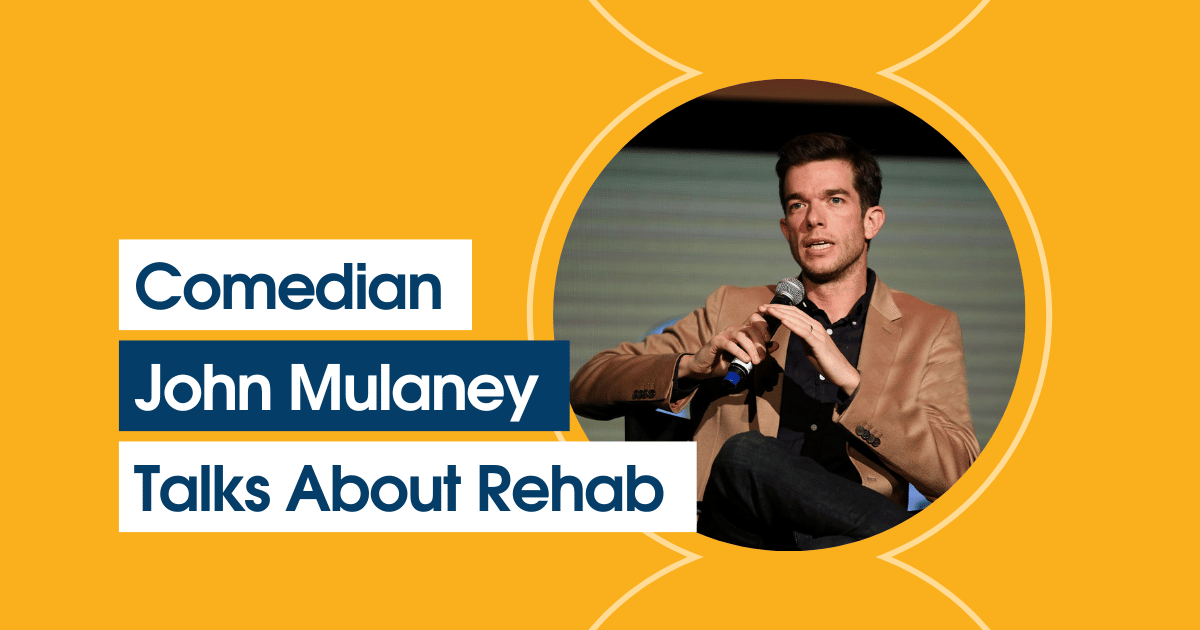
John Mulaney Talks About Rehab

An Important Intervention 

A successful intervention from close friends, including Meyers and Fred Armisen, helped him realize it was time to make a change. He said he was initially mad, but when he looked at the group of friends doing the intervention, realized it was a group of people who cared about him. 

According to Mulaney, as soon as he opened the door, he knew it was an intervention. He thought he was going to have dinner with a college friend, and once he opened the door and saw Meyers, he wanted to beat them all to the punch by letting them know he had a drug problem. He said it came from a desire to always be the smartest person in the room.

Before arriving at the intervention, the comedian had done cocaine and stopped by the studios of Saturday Night Live, acting erratically. 

He accepted the help of the intervention group, going to Pennsylvania and completing 60 days of inpatient rehab.  

Since then, he said he realized he needed to keep working on his recovery after completing inpatient addiction treatment. Mulaney continued with outpatient treatment and moved into a sober living house.

He took a break from his work to put all of his focus on his family and recovery. Mulaney has since said that his life has improved, and he feels there’s a bright future ahead of him, with the support of friends, family, and addiction counselors.

Mulaney also started a new relationship with actress Olivia Munn. The two welcomed a baby together in November 2021.

In February 2022, Mulaney hosted SNL for the fifth time. During his opening monologue, he talked about his experience with drug use, his time in rehab, and the intervention that saved his life.

He went on to talk about his son being born and the meaning that event has in his life. 

Treatment that Feels Like Home

If you’re ready to explore what addiction treatment in the Bay Area could look like for you, please contact our team today. Silicon Valley Recovery can help you improve your quality of life with inpatient rehab programs for drug addiction and alcohol addiction or explain more about another level of care at our rehab facilities, contact us at 408-547-4089.

FAQs

Why did John Mulaney relapse?

John Mulaney relapsed due to a combination of stress, personal struggles, and the pressures of his career. He has been open about his history with addiction and the challenges he faced during the pandemic, which exacerbated his issues. Mulaney sought help by entering rehab, emphasizing the importance of support and treatment in overcoming addiction.

What happened with John Mulaney and Anne?

John Mulaney and Anne Marie Tendler announced their separation in May 2021 after six years of marriage. The split followed Mulaney’s stint in rehab for addiction issues. Tendler expressed her sadness over the end of their marriage, while Mulaney moved on with actress Olivia Munn, with whom he later had a child. The separation was amicable, and both have since focused on their respective careers and personal lives.

What happened with John Mulaney and Olivia Munn?

John Mulaney and Olivia Munn began dating in 2021 after Mulaney’s split from his ex-wife, Anna Marie Tendler. The couple announced they were expecting a child together in September 2021. Their relationship has been a topic of public interest due to its timing and Mulaney’s recent stint in rehab. They welcomed their son, Malcolm Hiệp Mulaney, in November 2021.

How much money does John Mulaney make?

John Mulaney’s net worth is estimated to be around $10 million. His income comes from various sources, including stand-up comedy tours, writing, acting, and producing. Mulaney has gained significant recognition for his work on “Saturday Night Live” and his successful comedy specials. His earnings are also supplemented by appearances on television shows and films.

What comedian has made the most money?

The comedian who has made the most money is Jerry Seinfeld. Known for his successful sitcom “Seinfeld,” he has amassed significant wealth through syndication deals, stand-up performances, and other ventures. His net worth is estimated to be in the hundreds of millions, making him one of the wealthiest comedians in the world.

What happened to John Mulaney’s brother?

John Mulaney’s brother, Peter Mulaney, tragically passed away in 2010. He was a lawyer and a significant influence in John’s life. The loss deeply affected John, and he has mentioned his brother in various interviews and stand-up routines, reflecting on their relationship and the impact of his brother’s passing.

Rediscover Yourself at Silicon Valley Recovery

Experience a sanctuary of healing nestled in the heart of Silicon Valley. Our personalized addiction treatment center in San Jose offers a compassionate environment where individuals can find renewed hope and purpose.

All calls are 100% free and confidential