Dual Diagnosis Treatment in San Jose
Struggling With Addiction and Mental Health? We Treat Both
Silicon Valley Recovery is a trusted addiction treatment center serving San Jose and the Bay Area. Integrated care for co-occurring conditions.
- Most PPO Insurance Plans Accepted
- Same Day Admissions Available
- Discreet & Fully Confidential
- Premium 24/7 Medical Care





Take The First Step Toward Feeling Better





Treat Addiction and Mental Health Together
Treating only one side of a dual diagnosis is why so many people relapse. Our psychiatrists and therapists address both conditions in a single, integrated plan.
-
Round-the-clock medical supervision
-
One-on-one and group therapy sessions
-
Treatment plans built around you
-
Support for co-occurring disorders
-
Holistic and recreational programming


 Trustindex verifies that the original source of the review is Google.
 Trustindex verifies that the original source of the review is Google.
 Trustindex verifies that the original source of the review is Google.
 Trustindex verifies that the original source of the review is Google.
 Trustindex verifies that the original source of the review is Google.
 Trustindex verifies that the original source of the review is Google.
 Trustindex verifies that the original source of the review is Google.
 Trustindex verifies that the original source of the review is Google.
 Trustindex verifies that the original source of the review is Google.
 Trustindex verifies that the original source of the review is Google.
Our Team
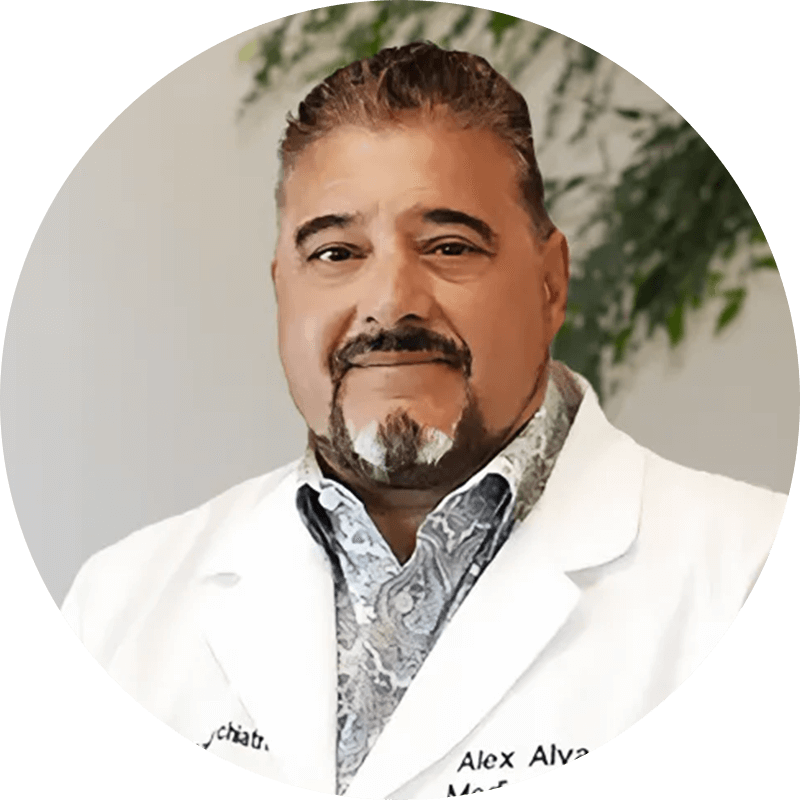
The team behind Silicon Valley Recovery comprises industry leaders with decades of success and experience in the medical, mental health, and hospitality fields. Our staff includes experts in cognitive-behavioral therapy, dialectical behavior therapy, and other behavioral therapies. Our medical professionals and therapists bring a wealth of combined experience to provide the best care possible with specialized services.

Comprehensive Treatment Program
Request a Confidential Callback
Co-Occurring Disorders
The most common co-occurring issues we treat at our center for Dual Diagnosis Treatment in San Jose, California, alongside addiction include:
Depression
Anxiety
PTSD
OCD
Bipolar Disorder
Schizophrenia
ADHD
Borderline Personality Disorder
Panic Disorder
More
Get The Treatment You Need Today!

FAQs
What is the best treatment for dual diagnosis?
The best treatment for dual diagnosis involves an integrated approach that addresses both mental health disorders and substance use disorders simultaneously. This typically includes a combination of medication management, psychotherapy, and support groups. Tailored treatment plans are essential, as they consider the unique needs of each individual, ensuring comprehensive care and better outcomes.
What is integrated treatment for dual diagnosis?
Integrated treatment for dual diagnosis is a comprehensive approach that addresses both mental health disorders and substance use disorders simultaneously. This method involves a coordinated effort by a team of healthcare professionals to provide therapy, medication management, and support services tailored to the individual’s needs, promoting recovery and improving overall well-being.
What are the three different models for treatment services for clients with dual diagnosis?
The three different models for treatment services for clients with dual diagnosis are:
1) Sequential Treatment, where one disorder is treated before the other;
2) Parallel Treatment, where both disorders are treated simultaneously but separately; and
3) Integrated Treatment, where both disorders are treated together in a coordinated approach by the same team.
What are the real world challenges you have had in managing dual diagnosis patients?
Coordinating care between mental health and substance use treatment providers is a significant challenge. Patients often face stigma, which can hinder their willingness to seek help. Additionally, there can be difficulty in accessing integrated treatment programs that address both conditions simultaneously. Ensuring consistent communication among healthcare providers and maintaining patient engagement are also common obstacles.
What is the treatment model for dual diagnosis?
The treatment model for dual diagnosis involves integrated care that addresses both mental health disorders and substance use disorders simultaneously. This approach typically includes a combination of therapy, medication management, and support groups. It emphasizes personalized treatment plans, continuous assessment, and collaboration among healthcare providers to ensure comprehensive care for individuals with co-occurring disorders.
What are the barriers to dual diagnosis treatment?
Barriers to dual diagnosis treatment include a lack of integrated care, where mental health and substance use disorders are treated separately. Stigma and discrimination can prevent individuals from seeking help. Limited access to specialized programs and trained professionals also poses challenges. Additionally, financial constraints and inadequate insurance coverage can hinder access to comprehensive treatment.
Dual Diagnosis Treatment Near Me
Silicon Valley Recovery offers expert therapy and residential treatment in a supportive, healing environment – find us on the map below and take the first step on your journey today.