...

Drug Test Strips – Understanding Their Role and Importance
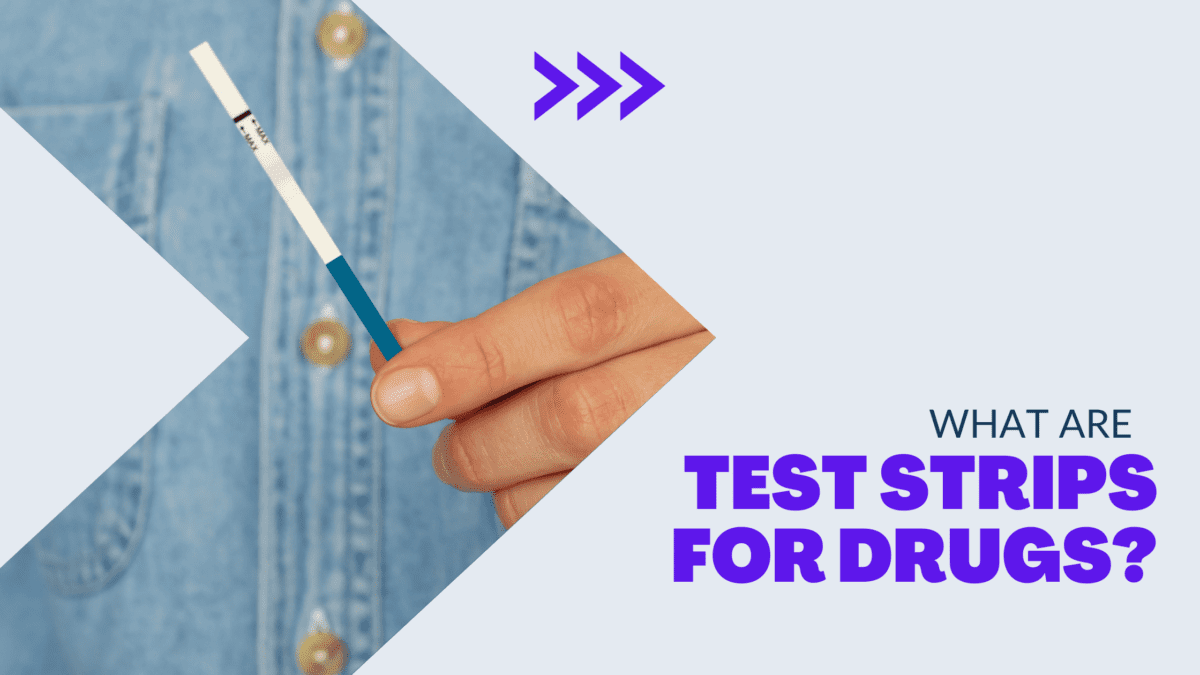
Test strips for drugs are increasingly being used as part of harm reduction programs. These test strips in this context aren’t the same as an at-home drug test to determine if someone has been using a substance, including prescription and illegal drugs like a synthetic opioid. We’ll cover both scenarios below.

Test Strips for Drugs—Drug Checking

One type of drug test that uses strips is called drug checking. Drug checking lets people who use substances identify what they’re going to take. This helps avoid the risks of taking something unknown. In this context, drug checking strips aim to prevent injury and overdose-related to drugs.

  • Research shows that people want to know what’s in the drugs they take, particularly if it contains fentanyl.
  • In one study of 335 people, 76% believed they’d consumed fentanyl unknowingly.
  • In the same sample, 85% said they wanted to know if there was fentanyl in drugs before using them. Most participants also wanted to know the amount of fentanyl and if other substances were present.
  • Drug testing is a harm reduction strategy used in many settings to help people understand what they’re consuming.
  • When someone is aware of contamination by fentanyl or other substances, it reduces the risk of overdose. Individuals can decide not to use the drug or use it more slowly. They can also use it with other people who have naloxone on hand.

Along with drug checking strips, there are also reagent kits available. A reagent is also known as a colorimetric or spot test. Reagents are liquid drops you can apply to a substance sample with minimal training. 

Then, a chemical interaction can identify whether certain substances are in the sample based on color changes. The results take around 30 seconds and can identify many substances, including methamphetamine and opiates.

Fentanyl Testing Strips 

As fentanyl-related drug overdose deaths have been soaring recently, fentanyl checking strips have become more widely used.

Fentanyl checking strips were initially designed for urine drug test kits. Now they can be used off-label to test if something has fentanyl or fentanyl analogs.

  • The user would take the drug testing strip and dissolve a small drug sample into water.
  • Then, they’d insert the test strip, and an indicator line would alert them if fentanyl were in the sample.
  • These drug test strips are single-use for around $1 to $2 per test.
  • They are inexpensive and easy to obtain and can give illicit drug users an accurate read of whether or not a substance contains fentanyl.
  • In 2018, a John Hopkins study indicated the test strips could indicate the presence of fentanyl almost 100% of the time.
  • Some government programs in the United States, such as the California Department of Public Health, have started paying for fentanyl strips distributed to people at syringe exchange programs to reduce opioid overdoses. Other states that have enacted similar programs include North Carolina, Ohio, Maryland, New York, and Massachusetts.

At-Home Drug Tests

As mentioned, fentanyl test strips are derived from at-home drug tests.

These tests are traditionally used to determine if there are illegal or prescription drugs in someone’s system via their urine.

The tests can detect drugs, including:

At-home test strips for drugs are usually qualitative, meaning you find out if there’s the presence of a drug in urine, but you don’t find out how much.

Test Strips for Drugs

How Accurate Are Test Strips?

Test strips are considered fairly accurate in testing for the presence of drugs in someone’s system. If drugs are present, it’s usually going to lead to a positive test result. However, sending urine samples to a lab to confirm at-home test results can be a good idea. Some foods, supplements, medicines, and drinks can affect the results of at-home tests.

  • How you do the test, the way the test or urine is stored, and the specific things someone ate or drank can impact the outcome.
  • If a result shows the presence of amphetamine, it can be triggered by over-the-counter medicine, which is a situation considered false positive. 
  • If the test results are negative, they will not be 100% accurate. 
  • Some factors can lead to a false negative. You might have tested for the wrong drugs or not have tested the urine when the drugs were in it. It takes some time for drugs to appear in someone’s urine after using them, and they don’t stay there indefinitely. The urine sample could have been collected too soon or too late.
  • The chemicals in the test can also go bad if they expire or are stored incorrectly.

How Long are Drugs Detectable?

On an at-home drug test, how soon someone takes the substance and how long it will continue to lead to a positive drug test depend on the drug and the person. Average examples include:

  • Marijuana may show up 1-3 hours after someone takes it, and stay positive for 1-7 days
  • Cocaine could show up in 2-6 hours and stay in someone’s system for 2-3 days
  • Heroin or opiates can create a positive drug test result in 2-6 hours and last for 1-3 days
  • Benzodiazepines can appear in 2-7 hours after someone uses them and continue to lead to a positive test for 1-4 days

An at-home drug test will usually include a collection cup for the sample and the test itself. Commonly it will be test strips, but it can also be a test card or cassette. You should read the instructions carefully before doing one of these tests.

You collect urine in the sample cup and test it based on the instructions. If the test shows the preliminary presence of drugs, it should be sent to a lab for a final result. Some home kits include a container and a pre-addressed mailer for shipping.

Saliva vs. Urine Drug Testing

Another option for drug testing is using a saliva test, also known as oral fluid testing. A saliva test can detect drug use faster than urine tests because urine tests require that the drug metabolizes in the user’s system before there’s a positive result.

The downside of a saliva test is that the result will be positive for a shorter window of time than with a urine test.

Blood tests are also a testing option, but health care professionals administer these tests. 

Where Can You Buy Drug Test Strips?

You can buy drug test strips online and from most pharmacies. But if you’re buying drug test strips, it might be an indicator of a bigger problem. If you’re in the SF bay area and you’re ready to tackle substance abuse once and for all, we’re here to help. Contact Silicon Valley Recovery at 408-547-4089 to learn more about programs available for you or your loved ones.

FAQs

What is the best test for detecting drugs in urine?

The best test for detecting drugs in urine is typically a urine drug screen, which can identify the presence of various substances. This test is commonly used due to its non-invasive nature, cost-effectiveness, and ability to detect recent drug use. It can screen for a wide range of drugs, including opioids, amphetamines, benzodiazepines, cocaine, and marijuana, among others.

How do you use rapid drug test strips?

To use rapid drug test strips, first collect a urine sample in a clean container. Dip the test strip into the urine up to the indicated line for a few seconds. Remove the strip and lay it on a flat surface. Wait for the specified time, usually a few minutes, to read the results. Compare the test strip’s color changes to the provided chart to determine the presence of drugs.

Can you test for drugs at home?

Yes, you can test for drugs at home using over-the-counter drug testing kits. These kits are available at pharmacies and online, and they typically test for a range of substances such as marijuana, cocaine, opiates, and amphetamines. It’s important to follow the instructions carefully for accurate results. However, for confirmation and legal purposes, a lab test is recommended.

How long will drugs show in a urine test?

The detection window for drugs in a urine test varies depending on the substance. Generally, amphetamines can be detected for 1-3 days, cocaine for 2-4 days, opioids for 2-3 days, and marijuana for 1-30 days, depending on usage frequency. Benzodiazepines can be detected for 3-6 weeks with chronic use. These are approximate durations and can vary based on individual metabolism, dosage, and frequency of use.

Are home drug test kits accurate?

Home drug test kits can be accurate if used correctly, but their reliability can vary. Factors such as the quality of the test, the substance being tested for, and the timing of the test can affect results. False positives or negatives are possible, so confirmatory testing in a lab is recommended for definitive results. Always follow the instructions carefully for the most accurate outcome.

    How To Get Someone In Rehab That Doesn’t Want To Go

    One of the hardest parts of having a loved one struggling with a substance use disorder is that they don’t admit there’s a problem, let alone think they should get help for it. Figuring out how to get someone into rehab that doesn’t want to go is tricky and can be explosive.

    You can do things to encourage someone to explore treatment options and the recovery process, like having an intervention, but even these strategies don’t always work.

    What Are Reasons People Don’t Get Treatment?

    When talking about how to get someone in rehab that doesn’t want to go, we first have to realize what could be holding them back. While everyone is different and addiction is complex, some of the common reasons people don’t want treatment when they’re struggling with drugs or alcohol can include:

    • They don’t believe they have a problem with alcohol addiction or drug addiction 
    • Some people are aware of a drug or alcohol abuse issue, but they don’t want to stop using. They’re not ready for a life without being drunk or high. 
    • Not having health insurance or thinking they can’t afford treatment is common.
    • Stigma and the fear of what others will think.
    • Even when someone realizes they have a substance use disorder, they think they can handle it on their own without treatment.
    • Worries about family or career responsibilities.

    Denial is one of the primary reasons people in active addiction refuse to go to treatment facilities and don’t think they need it in the first place. One of the defining characteristics of addiction is a denial of a problem with drugs or alcohol, despite the evidence to the contrary.

    Some people struggling with addiction have problems with letting go of control. They may want to appear like they’re handling anything. Going to rehab facilities could feel like giving in.

    We also have to keep in mind that going to rehab can create a lot of fear and uncertainty. People are afraid of what it will be like to go through detox and withdrawal and what their life might look like in treatment and after completing a program.

    One of the most upsetting reasons people don’t get treatment is because they feel like they’ve given up, and they may have the sense they want to die or don’t care if they do. After years of substance abuse, there’s often a loss of all hope. Someone may feel like they’re not worth getting treatment. Death could seem the only solution to them after a long period of drug abuse or having an alcohol use disorder. 

    Can You Convince Someone to Go to Rehab?

    There are some situations where you may be able to figure out how to get someone in rehab that doesn’t want to go. Then, there are others where it’s possible, but you need the help of a professional, such as an interventionist.

    There are also situations where there may be nothing you can do until the person realizes they need the help and agree to seek it out on their own. This may occur once they reach their so-called rock bottom.

    To try and help convince someone to get help and treatment, consider the following:

    • Learn as much as you can about addiction. Knowledge and education can be powerful. This will help you make sure that you’re the best possible support system for your loved one.
    • Be firm but empathetic, and don’t give up. It can be frustrating to help an addict who doesn’t want help, but you have to come from the perspective that people don’t like feeling like they’re being forced to do something.
    • Avoid using shame or guilt, and don’t plead. If you’re trying to guilt or shame someone into going to rehab, it’s seldom going to turn out well. It can make the person with a substance use disorder more angry and defensive. Blame and shame will isolate the person further.
    • Make sure that you aren’t helping your loved one avoid consequences. You don’t have to protect someone from the consequences of their addiction when you care about them. Doing so can prolong the amount of time they go without getting help. You have to encourage someone to be responsible for their behaviors.
    • Create strong, firm boundaries and stick with them. You have a life that you need to live as well. You have to protect yourself and keep up with your responsibilities. You can only do this with healthy boundaries.
    • Take care of yourself, even as you’re trying to work to convince someone to get help for themselves.
    How To Get Someone In Rehab That Doesn't Want To Go

    What About An Intervention?

    Hosting an intervention with the loved ones of someone struggling with addiction can be helpful. Interventions, especially when a professional interventionist heads them up, are a good way to motivate someone to go to rehab.

    An intervention is an organized confrontation of someone, focusing on the effects of their alcohol or drug use.

    There are different approaches to an intervention, and some will work better than others depending on the particular situation.

    • Most alcohol and drug rehab centers have counselors trained to help families facilitate an intervention. 
    • These meetings aim to put the addicted person in an environment and setting where they’re most likely to listen.
    • Interventions can be a total surprise, but newer techniques allow the person to know it will happen ahead of time.
    • The intervention team frequently hires an interventionist who is a mental health professional and has training in addiction treatment.
    • The experiences people have with interventions are mixed, and they’re not a definite approach to how to get someone into a rehab program who doesn’t want to go.
    • Some families find a successful intervention works very well. In these cases, the family outlines how someone’s addiction affects them, and they also tell their loved ones the actions they’ll take if they don’t agree to treatment.
    • Most groups that don’t find interventions helpful usually report that they were poorly conducted or the addicted person wasn’t in the place where they could hear the feedback.
    • If you are going to encourage someone to go to an addiction treatment program, through intervention, or in another way, it helps if you have something already lined up. It can be overwhelming for them to think about finding a program independently.
    • Before approaching the person, you can begin exploring addiction treatment center options, finding out what their programs are like, and even verifying their insurance coverage. The easier you make it for someone to go into treatment, the more likely they will accept help.

    You might want to offer both outpatient and residential treatment options so the person can feel like they have a say in their treatment plan. 

    From there, you can learn more about how to talk to someone in rehab in a way that will allow you to rebuild a healthy relationship as part of their recovery journey. 

    Final Thoughts

    Involuntary commitment or court-ordered rehab are other ways someone might go to a rehab center, even if they don’t want to. 

    These are specific legal situations, and it’s difficult to force someone to go to treatment centers entirely against their will. Involuntary commitment laws are tricky, even when someone has a severe addiction to drugs or alcohol. 

    Despite legal reasons, if a person isn’t ready to accept help, then they aren’t ready for rehab.

    If you’d like to learn more about treatment options available in the San Francisco area and getting help for your loved one or yourself, contact the Silicon Valley Recovery team of specialists today by calling 408-547-4089. We can speak to you confidentially to help you explore what might be available.

    FAQs

    Can you involuntarily admit someone to rehab?

    Involuntary admission to rehab is possible in certain situations, often involving court orders or specific state laws. These laws vary by location and typically require evidence that the individual poses a danger to themselves or others. Family members may petition the court for involuntary commitment, but the process involves legal criteria and medical evaluations to ensure it’s justified.

    How to deal with an addict who won’t get help?

    Encourage open communication by expressing your concerns without judgment. Set boundaries to protect your well-being and avoid enabling behaviors. Seek support from groups or professionals for guidance. Focus on self-care to maintain your own mental and emotional health. Remember, you can’t force someone to change, but you can offer support and resources when they’re ready.

    What are the requirements for rehab?

    The requirements for rehab typically include a comprehensive assessment to determine the appropriate level of care, a willingness to participate in the program, and sometimes a referral from a healthcare professional. Insurance coverage or payment arrangements may also be necessary. Each facility may have specific criteria, so it’s important to check with the chosen rehab center for their exact requirements.

    How to be there for someone in rehab?

    Offer consistent support by staying in touch through calls or visits, respecting their boundaries. Encourage them by acknowledging their progress and being patient with setbacks. Educate yourself about their treatment process to better understand their journey. Avoid judgment and offer a listening ear, creating a safe space for them to express their feelings.

    Do I qualify for inpatient rehab?

    Eligibility for inpatient rehab typically depends on the severity of the addiction, previous treatment attempts, and the presence of co-occurring mental health disorders. A comprehensive assessment by a healthcare professional can determine if inpatient care is necessary. Factors like the need for a structured environment, medical supervision, and intensive therapy are considered to ensure the best chance for recovery.

    What not to say to someone in rehab?

    Avoid saying things that might seem judgmental or dismissive, such as “Why can’t you just stop?” or “It’s all in your head.” These comments can be harmful and undermine the person’s efforts. Instead, offer support and encouragement by acknowledging their courage and commitment to recovery. Focus on being a positive presence in their journey without making them feel guilty or ashamed.

    Rehab’s Role in Court: How Treatment Affects Outcomes

    If you’re facing a legal situation, you may be wondering, “will rehab help my court case.” In some cases, the answer may be yes, but it can depend.

    Drugs and alcohol are often the primary reasons people end up in jail or deal with legal troubles. Even if you’re in court or have a legal issue unrelated to substances, you might be asked about addiction and its role. In civil situations, such as child custody, substance abuse can become an issue too.

    Some people will write a letter to a judge asking for rehab instead of jail time or another punishment. In other cases, you might voluntarily go to rehab before you’re in court to help your situation proactively. There’s also court-mandated rehab.

    These are all different situations, and we talk more about them below.

    Entering a Treatment Facility Voluntarily

    If you enter rehab voluntarily before a trial or plea deal, you may be doing so because you want to reduce the severity of your sentencing.

    Your charges may have directly been associated with substance use. For example, maybe your criminal charge is driving under the influence or something to do with purchasing illegal drugs. 

    • The court views alcohol and drug-related crimes with varying severity, but drunk driving, particularly for any offense after the first, can come with jail time and significant fines.
    • Courts around the country have started realizing over the past decade that for people with charges related to drugs or alcohol, punishment alone isn’t always effective. It’s often seen as an ineffective response to drug abuse
    • The American Medical Association published a report in 2009 indicating that jail time for offenders whose behavior is related to drug use is a failure as a public safety intervention.
    • The medical journal argued that addiction is a chronic brain disease with strong genetic elements requiring proper treatment. 
    • The study authors also said that the increases in the number of offenders who abuse drugs highlight the urgency of offering treatments for people involved in the criminal justice system.

    If you’re facing criminal charges, there’s no guarantee that rehab will help your court case, but it’s also not going to hurt. You have to think of rehab and seeking treatment for addiction as not only beneficial for potentially reducing the legal consequences you face. When you go to a voluntary drug or alcohol rehabilitation program, it could also save your life.

    Getting appropriate addiction treatment can completely change the course of your life, in addition to perhaps helping you avoid jail time or spend less time there.

    You’re self-petitioning if you write a letter to the judge asking for rehab. Some judges may favor this approach because they’re asking to be put in a situation where they can’t leave treatment.

    When you’re willing to admit you have a problem and take steps to change that, the law is more likely to show leniency. Going to rehab could lead to your sentence being completely suspended for minor crimes.

    The court may want a clear indicator that you weren’t only motivated to go to rehab because you wanted to avoid punishment. They will need to see that you went to treatment out of a genuine desire for a better life free of drugs or alcohol.

    If you have a defense attorney, you should speak to them about how you can show a judge that you’re serious about dealing with your alcohol addiction or drug addiction. 

    Can Rehab Help With Divorce or Custody Cases?

    Another situation where going to rehab could be helpful as far as a court case is if you’re going through a divorce or child custody issues. If you have a problem with drugs or alcohol, it has likely interfered with your personal relationships and responsibilities in your life.

    If you are struggling with addiction, you may be at a disadvantage in family court. 

    The addicted spouse may either give in to whatever the other spouse wants because they fear having their addiction talked about in court, or a judge could decide that one person is in a better position to care for the children due to substance abuse.

    If you go to rehab voluntarily before a child custody hearing, it can be advantageous and show the judge that you care enough to make a significant change.

    If a judge creates a custody order, it can mandate treatment, but it’s not meant to be a punishment. 

    Courts do tend to look favorably at parents who are in rehab because they’re showing that they love their children enough to serve as a motivator for change.

    Can You Force Someone to Go to Rehab?

    Another situation that can come up when discussing whether rehab will help a court case is forcing someone to go to treatment. Some people wonder how to get a court order for rehab if they’re trying to help their loved one.

    There are ways to talk about getting treatment with someone who has an addiction. If they’re not willing, there may be a few limited legal options.

    For example, there is involuntary civil commitment.

    • The Substance Abuse and Mental Health Services Administration says involuntary civil commitment is a legal intervention.
    • The judge or someone acting in a judicial capacity can order someone with symptoms of a serious mental disorder to receive treatment for a period of time. 
    • For the most part, though, substance abuse falls outside the confines of a serious mental disorder.
    • Not every state allows for involuntary civil commitment because of a substance abuse problem. 
    • In states with the option, the standards to involuntarily commit someone due to drugs or alcohol are extremely high. You would usually have to show the person could be a harm to themselves or another person in a serious way.
    Will Rehab Help My Court Case

    Court-Mandated Rehab

    Finally, court-mandated rehab is a little different. In most of the situations above, aside from involuntary commitment from family members, we’ve talked about people who voluntarily go to treatment.

    • There is also court-mandated rehab. With court-ordered treatment or court-ordered rehab, a judge requires that someone participate in a treatment program as part of their ruling.
    • The court-ordered treatment program might be instead of jail time, or it could be a condition of release, probation, or parole when a person has a substance use disorder. 
    • Many juvenile and adult drug courts around the country specifically work with offenders who have substance use disorders. Drug courts’ goal is to get people into long-term treatment options instead of automatically giving a prison sentence. The court monitors offenders for progress as they complete rehab and lifestyle changes.
    • If someone is a first-time offender, particularly for a drug-related offense, their chances of going through drug court and a court-ordered rehab program may be higher. 

    Research shows that using court-ordered rehab programs is an effective deterrent against future crime, and it appears to reduce relapse in terms of drug use and criminality. 

    Court-mandated treatment may be a highly effective way to break the cycle of addiction, which is why these options are growing. 

    If you’re ready to learn more about addiction treatment in the San Francisco Bay area, please contact the Silicon Valley Recovery specialists at 408-547-4089

    FAQs

    Does going to rehab go on your record?

    Going to rehab does not automatically go on your public record. Rehab records are protected by confidentiality laws, such as HIPAA in the U.S., which means your treatment details are private and cannot be disclosed without your consent. However, if rehab is court-ordered, it might be part of legal records. Always check specific legal circumstances and privacy policies related to your situation.

    Why is rehab a better option than jail?

    Rehab offers a supportive environment focused on recovery, addressing the root causes of addiction. It provides therapy, education, and skills training, reducing the likelihood of reoffending. Unlike jail, which often lacks these resources, rehab aims to rehabilitate individuals, promoting long-term recovery and reintegration into society. This approach can lead to healthier communities and lower incarceration rates.

    What is the longest you can go to rehab?

    The longest duration for rehab can vary depending on individual needs and the type of program. Some residential treatment programs offer stays of 30, 60, or 90 days, while others may extend to six months or even a year. Extended care programs are available for those requiring longer-term support, focusing on sustained recovery and reintegration into daily life.

    Does court-ordered treatment work?

    Court-ordered treatment can be effective, as it often provides the necessary structure and accountability for individuals who might not seek help voluntarily. Success depends on various factors, including the individual’s commitment, the quality of the treatment program, and ongoing support. While not a guarantee, it can lead to positive outcomes and reduce recidivism when properly implemented.

    Can therapy be used against you in court?

    Therapy records are generally confidential, but there are exceptions where they might be used in court. These include cases involving child custody disputes, court orders, or if the therapist believes there’s a risk of harm to the client or others. It’s important to discuss confidentiality limits with your therapist to understand how your records might be used in legal situations.

    Can a judge send you to rehab?

    Yes, a judge can send you to rehab as part of a court order, especially if the offense is related to substance abuse. This decision is often made in the interest of rehabilitation rather than punishment, aiming to address the underlying issues contributing to criminal behavior. Compliance with the rehab program is typically mandatory, and failure to adhere can result in further legal consequences.

    Repair Relationships: Effective Steps for Lasting Change

    Understanding why interventions work can be important if you have a loved one struggling with substance abuse and addiction. A drug or alcohol intervention is a way to encourage someone with a substance use disorder to acknowledge a problem and get treatment or at least attend something like an Alcoholics Anonymous program. 

    Of course, as with anything, a formal intervention process may not be right for everyone. How well intervention for an addict will work and its effects depend on the person and the situation. 

    Below, we discuss why interventions work for some people, how they happen, and how they might impact your relationship with the person dealing with substance abuse. 

    What Happens During An Intervention?

    Interventions at their core are a form of peer pressure. The loved ones of an addict come together to encourage the person to admit they have a problem with substance abuse and seek treatment. When an intervention occurs, close family and perhaps friends gather. This gathering may or may not surprise the person with the addiction.

    Typically, each member of an intervention team will go over the harm the substance abuse causes them and its effects on their lives. The group members will ask the person directly to seek treatment and outline the negative consequences they’re willing to enact if they don’t decide.

    For example, if an intervention is for a wife and mother, her husband could point out the specific ways the addiction affects the family. He could then say that he’ll leave the marital home without his spouse getting treatment.

    An actual intervention sparks heightened emotions, and it’s important to go into specific details about the consequences of substance abuse issues and the impact.

    A mental health professional, social worker, or interventionist is an experienced professional who can help a group prepare for intervention and guide it along.

    If the person with a drug or alcohol addiction agrees that they will get treatment, they typically go right after the intervention. Someone who says no to the treatment plan during an intervention should experience follow-through of the consequences outlined.

    Addiction treatment centers have counselors and intervention specialists who can help prepare for an intervention.

    Types of Intervention

    While we most commonly think of the surprise intervention like what’s portrayed on television and in movies, there are actually different types. Some types of intervention are surprises, others aren’t. 

    The right option depends on various individual factors like what your goals are, the family dynamics, and everyone’s experience with addiction.

    Theory-based interventions for substance abuse include:

    • The Johnson Model – This is the most commonly used version for alcohol and drug addiction. In the Johnson Model of intervention, the family and intervention professionals confront the person with the drug abuse or alcohol problem without knowing it will happen ahead of time.
    • Invitation Model – AKA Systemic Family Intervention, This family-focused model includes attending a workshop that an interventionist leads. The group discusses how a drug use disorder or alcohol use disorder affects the entire family unit during the workshop.
    • The Field Model – A confrontational approach that happens without the person’s previous knowledge and is good for potentially complex interventions. The difference in the Field Model is that the interventionist is specifically trained in crisis management during and after the process. A family could choose this option if they believe their loved one could be a danger to themselves or someone else. This model might also be a good option if the person has unmanaged co-occurring mental health issues like bipolar disorder along with substance abuse or alcohol addiction. 

    Preparing for an Intervention

    Not every intervention will have the desired outcome, but the more prepared your group is ahead of time, the better the outcomes are likely to be. One of the primary reasons some interventions don’t have positive outcomes is that the group didn’t plan properly for unintended consequences. 

    Other reasons they fail include hosting an intervention where the person doesn’t feel safe or staging the intervention when the individual is experiencing withdrawal symptoms from substance abuse or is high or drunk.

    Another reason for failure comes from blame, shame, or anger. If you approach an intervention with aggression or defensiveness, the addicted person will likely match your emotions. Individuals with substance use disorders are quick to become defensive or even hostile. 

    An intervention will be best when you come from a place of patience, understanding, and compassion. Work to be non-judgmental in your approach.

    Specific steps to take as you prepare intervention strategies include:

    • Research treatment programs and options. The goal of effective interventions is always to get the person to agree to go to a treatment center, so you need to have options available. You should try to have a specific treatment option prepared so that that action can occur right away. Beforehand, you can start working on the logistics, like whether or not insurance will cover the treatment program and the types of services it offers.
    • If there are medication-assisted treatment options for the particular addiction, you can learn more about those. According to the National Institute on Drug Abuse, these can significantly help someone with opioid addiction or alcohol addiction and may be an important part of the early days of recovery.
    • Create a team including a professional interventionist. Some people shouldn’t be part of your formal intervention groups, such as people who don’t get along with your loved one, or someone who has their own substance use disorder or unmanaged mental health condition.
    • Create real consequences that you’re willing to follow through with for improved outcomes.
    • Know there are risks. According to the Mental Health Services Administration and empirical evidence, a successful intervention can happen, but it can also backfire and make the person feel attacked. Again, working with an intervention or addiction professional can help you mitigate the risks. 
    Why Interventions Work

    Why Interventions Work

    In the addiction treatment community and among health care professionals, interventions are seen as a useful strategy to encourage someone to seek help for substance abuse. 

    The National Council on Alcoholism and Drug Dependence, based on a commitment to seek treatment, has more than 90% success rates. The caveat is that the success rate relies on the appropriate performance of the intervention according to behavioral health statistics and well-supported scientific evidence 

    Again, careful planning and research are key here. Having a good rehab center ready and waiting can help improve the chances of success for an intervention.

    Rehearsing how the group will communicate and anticipating possible objections is also critical.

    You have to prepare to stay on track during the intervention, even if your loved one reacts with hostility or defensiveness.

    Can Interventions Help an Addict Improve Relationships?

    You may be nervous about staging an intervention for your loved one dealing with substance abuse. You could worry that it will make them angry and resentful toward you. It’s not easy to share how substance abuse affects you. It’s also not easy to outline the consequences of refusing to get help.

    Your loved one may express negative feelings toward you in the short term.

    In the long-term, however, that’s unlikely to be the case. If your loved one does agree to go to treatment for their addictive behaviors, the intervention could have been your starting point for open, honest, and transparent communication. Then, you can continue to build on that throughout the treatment process and addiction recovery process

    If you’re preparing for intervention or you’d like to learn more about drug and alcohol treatment programs, please contact us. By calling 408-547-4089, the Silicon Valley Recovery team can confidentially discuss options and help you explore available programs and treatment providers. We can connect you with intervention resources and information about the general process of treatment for substance use. 

    FAQs

    What is the benefit of intervention?

    Intervention can provide significant benefits by addressing issues early, potentially preventing them from escalating. It can improve outcomes by offering targeted support and resources, fostering positive change, and enhancing overall well-being. By intervening, individuals or groups can gain clarity, develop effective strategies, and achieve desired goals more efficiently, leading to improved quality of life and productivity.

    What is the main purpose of intervention?

    The main purpose of intervention is to address and modify specific behaviors, situations, or conditions that are deemed problematic or undesirable. It aims to bring about positive change, improve outcomes, and support individuals or groups in achieving their goals. Interventions can be applied in various contexts, such as education, healthcare, social services, and organizational settings, to facilitate growth, development, and well-being.

    Why are interventions important?

    Interventions are crucial as they provide structured support to address specific challenges or issues. They help in identifying problems early, offering targeted solutions, and preventing escalation. By implementing interventions, individuals or groups can achieve better outcomes, improve performance, and enhance overall well-being. They also facilitate informed decision-making and promote positive change.

    What is the goal of intervention?

    The goal of intervention is to provide support and strategies to address specific challenges or issues, aiming to improve outcomes and foster positive change. It focuses on identifying needs, implementing targeted actions, and monitoring progress to ensure effective solutions. The ultimate aim is to enhance well-being, promote development, and achieve desired objectives in a structured and supportive manner.

    What are the major purposes of response to intervention?

    The major purposes of Response to Intervention (RTI) are to provide early, systematic assistance to children who are struggling, to prevent academic failure through early intervention, frequent progress measurement, and increasingly intensive research-based instructional interventions for children who continue to have difficulty. RTI aims to identify and support students with learning and behavior needs.

    What are the three main goals of early intervention?

    The three main goals of early intervention are to enhance the development of infants and toddlers with disabilities, reduce educational costs by minimizing the need for special education through early support, and support families in meeting their children’s needs. These goals aim to improve long-term outcomes for children and provide families with the necessary resources and guidance.

    Being in Recovery: What It Means for a Sober Life

    The term being in recovery might get thrown around without much thought. Being in recovery isn’t meaningless, however. The recovery process is one of the meaningful things you might have in your life, and you can define it on the terms that work for you.

    Being in long-term recovery is a lifetime commitment, which we discuss more below.

    What Does it Mean to Be “in Recovery from Addiction”?

    What does being in recovery from a substance use disorder mean?

    To understand this question, we first should understand what addiction is and what it isn’t.

    • Addiction is a chronic brain disease that affects emotions, thinking, and behavior. 
    • Over time, there are numerous effects of addiction on every part of a person’s life. As addiction to drugs or addiction to alcohol progresses, you may experience breakdowns in relationships, financial and legal problems, and the loss of your career.
    • Since addiction is a chronic disease based on scientific evidence, there’s not necessarily a cure. We talk about other chronic diseases like Type 2 diabetes or heart disease, similar to a drug or alcohol use disorder in many ways. 
    • While you can’t cure a chronic, long-term disease, what you can do is manage it and keep the symptoms under control. 
    • When your disease isn’t active, you’re in remission, or in addiction terminology, recovery.
    • You typically aren’t actively using when you’re in recovery, and you have control over your life and behavior.

    In 12-step programs like Alcoholics Anonymous, recovery is the period you’re in no matter how long you’ve been drug or alcohol-free or how well your life is going. That 12-step philosophy is why we often view recovery as a lifelong commitment.

    As you grow stronger in your recovery, which is very much a process, you learn how to handle uncomfortable or difficult situations differently. The risk of relapse can go down over time when you’re in recovery. 

    It’s like a practice—the more you practice abstaining from substances, the better you often get.

    • If you have a chronic physical condition, you maintain your remission or recovery by going to doctor’s appointments, making lifestyle changes, and taking your medications to reduce long-term health consequences. 
    • When you’re in addiction recovery, you can maintain it by participating in self-help groups, going to therapy, and getting help when you need it.
    • When you’re in recovery, you’ll likely change your lifestyle. You’re working on rebuilding relationships and developing healthy, lifelong habits.
    • Many people require a formal rehabilitation program to start their recovery plan. It’s similar to criminal rehabilitation within criminal justice in the United States, although, of course, this isn’t to say that addicts are automatically criminals. Instead, a criminal justice rehabilitation program focuses on helping people with a history of criminal behavior separate themselves from the environmental factors leading them down that path in the first place. The idea is in some ways similar to addiction recovery. 

    Being a Woman in Recovery

    Men and women experience active addiction and mental health differently, which can affect the process of recovery. 

    Initially, there are often different reasons women use substances in the first place. 

    • Women frequently use drugs or alcohol to self-medicate when they have undiagnosed or unmanaged mental disorders. 
    • A co-occurring disorder needs to be treated for sustainable long-term recovery.
    • Women are also more likely to have an addiction to alcohol or drugs because of a history of trauma, like sexual or physical abuse.
    • Women often develop addictions more quickly than men, and drugs and alcohol affect them differently.
    • At the same time, women are less likely to seek treatment than men. There are varying reasons for this, including shame, stigma, and an inability to leave family responsibilities.

    These differences can continue even after treatment, and being a woman in recovery comes with its own set of challenges you have to prepare for.

    • If a woman returns to her romantic partner or spouse and they don’t support her recovery, or they have untreated substance use disorders, it can derail her recovery. 
    • Many women also fear the stigma of being judged as a bad mother or person for having an addiction, even when they’re in recovery.
    • Navigating romantic relationships early in recovery can be a challenge for women. A relapse can occur because of a breakup, conflict, or feelings of low self-worth that can stem from romantic relationships.
    • Women may also experience other types of replacement addictions that perhaps they don’t realize, such as love addiction or codependency.
    • For women in recovery, food or body concerns can arise. Women may experience weight gain after they stop using certain substances, particularly stimulants. In recovery, that could trigger deep-seated body image issues if not well-managed.

    None of these challenges are insurmountable. A treatment program and recovery plan should prepare you with coping mechanisms for any situations specific to you, but being prepared for the realities is critical to your recovery journey.

    Being In Recovery

    What Else Should You Know About Being in Recovery for a Substance Use Disorder?

    In your recovery, you’ll learn so much about yourself that no one could have ever told you beforehand. That’s because it is your experience and yours alone. There are some things that people often consistently share, though.

    • Making small changes will lead to long-term success and big payoffs in your personal recovery. For example, it may not seem like a big deal to meditate every day for five minutes. In the long-term, though, that can be one of the foundations of your recovery that you rely on for mental health and accountability. 
    • Making sure that you attend Alcoholics Anonymous or 12-step meetings is something else you can do that will add up over time. There’s value inconsistency when you’re in the process of recovery. 
    • Sobriety is not the same as a personal recovery. Getting sober is an initial step that you start in rehab. Getting sober is undoubtedly hard work and a major achievement, but recovery is about staying sober. You live in your sobriety, and as a result, you change your behavior, patterns, and lifestyle to maintain it.
    • Getting complacent in your personal recovery can be detrimental. You should always be working on it and building on it. This might mean through the fellowship of participating in a 12-step program, continuing therapy, or always learning more about addiction and recovery.
    • Forgiveness is an integral part of recovery for most people—forgiving means asking for forgiveness from other people and forgiving yourself for what happened during your active addiction. You work toward finding peace with other people and hoping they do the same for you. 
    • You’ll often hear that relapse is part of recovery. It can be, but it doesn’t have to be. Relapse does occur, and you can move past it, but you also have to be confident in your recovery. Don’t operate under the assumption relapse is inevitable.

    Addiction Treatment in the San Francisco Area

    Before you can begin to live a life of personal recovery, you have to get treatment for your addiction and get sober initially. We can help, and if you’d like to learn more, we’d like the chance to answer your questions. Silicon Valley Recovery can provide treatment options if you have a co-occurring disorder as well, call 408-547-4089 to learn more.

    FAQs

    What is recovery?

    Recovery is a personal journey toward regaining control over one’s life after facing substance use or mental health challenges. It involves making positive changes, developing resilience, and striving for overall well-being. The process is unique to each individual and may include seeking support, developing coping strategies, and setting personal goals.

    How long does recovery take?

    The duration of recovery varies for each individual. It is a lifelong process that involves ongoing commitment and effort. Progress depends on personal circumstances, goals, and the support available.

    What does it mean to be sober?

    Being sober means abstaining from using substances like drugs or alcohol. It focuses on the physical aspect of not consuming these substances but doesn’t necessarily address the underlying reasons or behaviors associated with addiction.

    What is living in recovery?

    Living in recovery involves maintaining a lifestyle that supports sobriety and well-being after overcoming addiction. It encompasses building healthy habits, fostering supportive relationships, and developing coping mechanisms to handle life’s challenges without reverting to substance use.

    Chronic Pain Management – Strategies for Recovery and Wellness

    According to studies at the Johns Hopkins Institute, around 50 million persons in the United States are living with chronic pain. Individuals, families, and the economy all bear a heavy burden for this. Pain, for example, accounts for $80 billion in lost income each year. This is a massive loss to the economy and will also significantly affect the standard of living of the individual experiencing chronic pains. Pain and related medical disorders significantly impact one’s quality of life and capacity to do daily tasks.

    According to the Centers for Disease Control and Prevention and current medical research, roughly 20% of Americans may be suffering from long-term pain. This form of long-term pain is frequently coupled with other chronic diseases, which can have a negative impact on a person’s life.

    Can I Work With Chronic Pain?

    You might be able to crash through some daily activities, but not all the time. This usually depends on the level of pain that you feel. Assume you have a chronic pain syndrome that makes it difficult for you to work. In that instance, the Social Security Administration may be able to help you file for Social Security Disability benefits. However, proving the presence of pain in this capacity is difficult. This is why you are always advised to visit a medical professional to give you a credible diagnosis and report. You must show the SSA that the source of your discomfort is a mental or physical impairment included on their approved list of impairments. Once you do this, you are in the clear to receive benefits. 

    Chronic pain seldom goes away, but one can manage it with various treatments that work well. Scientists are still researching pain problems, and more effective treatments should result from advances in neuroscience and more profound knowledge of the human body. It’s critical to get mental health treatment if you experience chronic pain, despair, and anxiety. Depression and anxiety, if left untreated, can exacerbate your pain and reduce your quality of life.

    Is Chronic Pain A Disability?

    Even though there is a high chance of getting financial aid for having chronic pain, one might not see it as a disability. The differences between chronic pain and other forms of pain are so blurry that one can conflate them for one another. However, one certain thing is that you can live with them even while being on a disability aid for the pain. If you follow some simple routines and lifestyle habits, you might cope with it just fine. 

    Living With Chronic Pain

    Take care of yourself at all times, in addition to taking medications, going to therapy, and making lifestyle changes. These are the closest things to natural treatment for chronic pain. It does not matter if you are in pain; personal well-being is essential. The steps listed below can assist you in coping with chronic pain and improving your overall health:

    • Smoking and alcohol intake should be avoided.
    • Don’t overextend yourself. Make a daily plan with a few priorities and stick to it.
    • Rest whenever you have the chance to
    • Join a chronic pain support group to learn from others going through the same thing.
    • Maintain a balanced diet.
    • Exercise regularly.
    • Control your anxiety.
    • Make an effort to think optimistically.
    Living With Chronic Pain

    What are the Risk Factors Of Chronic Pain?

    Living with chronic pain can be easier if one employs some effective lifestyle changes. However, did you know that there are risk factors for chronic pain? There are various risk factors for chronic pain because various diseases or traumas can cause it. Some happen naturally, while some are caused by poor lifestyle choices or activities. The following are some of the risk factors:

    • Age: Arthritis and neuropathy are more likely to cause persistent pain in older persons. Everyone can agree on why this happens, and it is one of the natural causes of chronic pains. 
    • Genetics: Some chronic pain conditions, such as migraines, run in families. You are quite likely to develop illnesses that your parents experienced, especially those genetically transmitted. So make sure to pay attention to your family to see if chronic pain is more common than it should be.
    • Weight and Size: Obesity can exacerbate certain health disorders that cause pain, such as arthritis, by putting additional pressure on your joints. This is why eating healthy and exercising regularly are very important.
    • Trauma: If you’ve suffered a traumatic injury in the past, you’re more likely to have chronic pain in the future. Physical trauma from dangerous activities and accidents usually weakens the body, especially if they happen frequently. 
    • Heavy-duty work: This is quite similar to trauma, and it occurs as a result of the weakening of the body over time. Working in a physically demanding profession: If you work in a physically demanding job, you’re more likely to suffer chronic pain than you might expect.
    • Stress: Chronic pain has been linked to both regular stress and post-traumatic stress disorder, according to studies.
    • Smoking: If you smoke, you’re more likely to acquire medical disorders that necessitate the use of chronic pain medication.

    Can Therapy Help?

    Therapy can go a long way in helping you get through chronic pain. It might not eliminate the pain completely, but it might find the root cause and give a vital insight into what to do about it. The following therapies may aid in the management of chronic pain:

    • Cognitive-behavioral therapy: This type of counseling teaches you how to manage suffering by changing how you think about it. A mind is a powerful tool, and it influences many body functions, even though we might not be aware of them.
    • Counseling: Talk therapy, particularly psychogenic pain, can help you manage chronic pain.
    • Physical therapy: This type of treatment incorporates stretching and strengthening exercises that might help you feel better. However, you should also try occupational therapy which teaches you how to perform routine tasks with the most minimal levels of discomfort.

    Treating Chronic Pain Holistically in the San Francisco Area

    Having chronic pain is not the end of the world. There are numerous treatments for chronic pain, and some medical professionals even recommend getting a natural treatment for chronic pain. However, the first step is to consciously make some positive lifestyle changes to help reduce the pain while you see a professional for help. 

    To learn more about holistic treatment options for chronic pain in the San Francisco Bay area, call 408-547-4089 and talk to a member of the Silicon Valley Recovery team today!

    FAQs

    Can you live a normal life with chronic pain?

    Yes, living a normal life with chronic pain is possible with the right strategies. Managing chronic pain often involves a combination of medical treatments, physical therapy, lifestyle changes, and psychological support. It’s important to work closely with healthcare providers to develop a personalized plan that addresses both physical and emotional aspects of pain, enabling individuals to maintain a fulfilling life.

    What do you do when your chronic pain is unbearable?

    When chronic pain becomes unbearable, it’s important to seek support from healthcare professionals who can adjust your treatment plan. Consider using relaxation techniques, such as deep breathing or meditation, to help manage stress and pain levels. Ensure you have a strong support network of friends or family to talk to, and explore various pain management strategies that may include physical therapy or counseling.

    How do you accept living with chronic pain?

    Acceptance of chronic pain involves acknowledging the pain without letting it define your life. Focus on what you can control, such as managing stress, maintaining a healthy lifestyle, and seeking support from healthcare professionals and support groups. Practice mindfulness and relaxation techniques to help cope with the pain. Set realistic goals and celebrate small achievements to maintain a positive outlook.

    What does chronic pain do to a person mentally?

    Chronic pain can lead to mental health challenges such as anxiety, depression, and stress. It often affects mood, leading to irritability and emotional distress. The persistent nature of pain can cause feelings of helplessness and frustration, impacting overall mental well-being. It may also lead to cognitive issues like difficulty concentrating and memory problems.

    What are the 5 coping skills every chronic pain patient needs?

    1. Mindfulness and relaxation techniques help manage stress and reduce pain perception.

    2. Physical activity and exercise improve mobility and release endorphins.

    3. Healthy communication with healthcare providers ensures effective treatment plans.

    4. Pacing activities prevent overexertion and manage energy levels.

    5. Support networks provide emotional support and shared experiences.

    What happens to the brain in chronic pain patients?

    Chronic pain can lead to changes in brain structure and function, affecting areas involved in pain perception, emotion, and cognition. These changes may result in altered pain processing, increased sensitivity, and emotional distress. Over time, the brain’s ability to regulate pain and emotions can be compromised, potentially leading to a cycle of persistent pain and psychological challenges.

    Social Worker Benefits – Understanding Your Support Options

    A social worker can be a mental health professional with a wide-ranging set of skills and abilities, helping people from all walks of life in difficult situations.

    These professionals will often work with people in rehab or recovery from drug or alcohol addiction. They can play an essential role in helping connect you to community resources as you work to navigate a new life in recovery.

    What is a Social Worker?


    Social workers can help individuals, families, and even entire communities. Some of their general duties include counseling, advocacy, and reporting. 

    • These professionals might provide direct counseling to individuals and families. 
    • They can also serve as an advocate on your behalf to community organizations or health professionals.
    • Social work can involve helping clients navigate the legal system, and the most significant goal they have is to help people change their lives in positive ways.
    • Generally, social work programs focus on public health, family services, providing mental health services, working with victims of child abuse, and connecting people with government agencies and social services.
    • These professionals might work in various settings, including health care settings, correctional facilities, homeless shelters, school districts, or private practice. 

    There are a lot of specialized roles within this field of work. For example, a Licensed Clinical Social Worker can diagnose and treat mental and behavioral health conditions and emotional issues. 

    Addiction is itself a specialty within the social work profession. 

    • Broadly, a social worker helps you improve your life as you manage stress and navigate different situations that may be going on at any given time. 
    • They can meet with you, listen to your concerns, and then develop a specific plan to manage problems.
    • Active listening is a big part of what people in social work do, as is observation.

    Benefits of a Social Worker in Substance Abuse Treatment


    When someone has addictive disorders, whether to drugs or alcohol, and decides to receive treatment, they will often work with a wide range of care providers, including a substance abuse social worker. 

    Addiction itself is very complex. With a substance use disorder diagnosis, many factors are part of the addiction. For example, it’s common to have co-occurring mental health disorders such as depression, anxiety, or bipolar disorder. These conditions need to be well-managed for the treatment program to be effective.

    • There may be issues at home that contributed to addiction or occurred because of it. For example, people dealing with substance abuse issues may have broken relationships with their spouse or partner, as well as their children.
    • Someone with an ongoing addiction may be dealing with career problems due to substance use.
    • Legal problems can occur as well.
    • In many cases, physical health conditions also have to be treated as part of a rehab program, from dealing with withdrawal symptoms to getting chronic conditions under control.

    A social worker can be part of a larger, multi-disciplinary treatment team.

    • They often work with people in rehab or who have completed a treatment program as they begin to re-enter society and experience their everyday lives without drugs or alcohol. 
    • These professionals have connections to the community that can be invaluable as someone rebuilds their life.
    • For example, if you were to complete a stay in an inpatient rehab program, you might return to your life to find that it’s challenging to manage. You might have lost your job or be dealing with criminal charges. A social worker is someone who can help you in a wide variety of areas in your everyday life. 

    When you have someone on your side who serves as your advocate, it can help you stay on track in your recovery.

    Many people might not have a home to return to after treatment, and this is another place where a professional can help you. You might only have a home that involves domestic violence, so a social worker could help you find a safe place to live and other assistance programs. 

    They can tap into their vast network and make sure that your transition from treatment to real life is as easy for you as possible. Of course, they can’t alleviate all challenges, but they can connect you with the things you need most during a difficult time.

    Depending on how you receive treatment, someone in social work may be there from the beginning and be part of the creation of your treatment plan.

    To get into the social work field, there are different degree programs. The path someone follows into social work practice can depend on their goals and what they want to specialize in. 

    At a minimum, most professionals have a bachelor’s-level social work degree. 

    When someone has a master’s, they can perform clinical assessments of behavioral disorders and provide counseling in different settings, including mental health clinics. To follow the clinician career path, a person also has to have a certain number of supervised hours in a clinical setting along with advanced education. 

    Substance Abuse and Trauma

    Based on decades of research, we know that trauma and substance abuse are closely related to one another.

    • Around 70% of adults in the United States have gone through a traumatic experience at least once in their lifetime. 
    • Trauma is a risk factor for all substance use disorders. 
    • Additionally, people with substance use disorders are more likely to experience traumatic events. This puts people in a cycle of trauma and potential substance abuse that’s difficult to break out of without professional help.
    • Around 5% of people with post-traumatic stress disorder (PTSD) meet the substance use disorder diagnosis criteria. 
    • Additionally, up to ¾ of people who survive abuse or traumatic violence report problematic alcohol use. 
    • Women with traumatic exposures are at especially high risk for alcohol use disorder.

    There are different reasons for these connections. One theory is that people with trauma may try to self-medicate to cope or deal with their symptoms. That self-medication can spiral into an addiction.

    There’s another theory that people who abuse substances may have a higher trauma rate due to their use. For example, lifestyle choices may increase the risk of trauma exposure stemming from drug or alcohol use.

    It’s also possible that people who use substances are more susceptible to developing PTSD after trauma exposure than people who don’t use drugs or alcohol. The same may be true with other mental disorders and emotional disorders. 

    In the past, people with a co-occurring addiction or substance use disorder and a trauma disorder had worse outcomes. Often, the treatment approach would separate the addiction from the trauma and treat them individually. 

    • Now, there’s an increasing emphasis on dual diagnosis treatment for co-occurring disorders.
    • Treatment tends to be most effective when both issues are addressed and treated simultaneously because they relate to one another.
    • Trauma-informed substance use treatment tends to have good outcomes for many people. There is a recovery mindset in this approach, emphasizing building resiliency.

    The Benefits of Having a Social Worker

    Social workers can bring a unique perspective to trauma-informed care. They’re highly trained in dealing with trauma, both acutely and in chronic conditions like PTSD. That’s one reason the input from social workers can be so critical to an addiction treatment plan.

    Trauma-informed social work means a professional recognizes the signs of trauma and the impact. They can then identify various paths to address the effects and help prevent people from further experiencing traumatic situations. The goal of a social worker in a trauma-informed setting is to stop focusing only on problematic behaviors, like substance use.

    Instead, a trauma-informed social worker will understand what happened to someone to cause the behaviors in the first place, such as exposure to a crisis situation. 

    If you’d like to learn more about trauma-informed substance abuse treatment, please reach out to us at Silicon Valley Recovery today by calling 408-547-4089.

    FAQs

    What exactly does a social worker do?

    Social workers assist individuals, families, and communities in improving their well-being. They provide support, resources, and advocacy to help people cope with challenges such as mental health issues, poverty, and family conflicts. Social workers work in various settings, including schools, hospitals, and government agencies, focusing on enhancing the quality of life and promoting social justice.

    What is the role of a social worker?

    Social workers support individuals, families, and communities by providing counseling, advocacy, and resources. They address issues like mental health, substance abuse, and family dynamics, working in settings such as schools, hospitals, and social service agencies. Their goal is to enhance well-being and help clients navigate challenges, ensuring access to necessary services and support systems.

    How stressful is social work?

    Social work can be stressful due to high caseloads, emotional demands, and limited resources. Social workers often face challenging situations, including working with vulnerable populations and navigating complex systems. Self-care, support from colleagues, and effective time management can help mitigate stress. Despite the challenges, many find the work rewarding and impactful.

    How to make $100,000 as a social worker?

    To make $100,000 as a social worker, consider specializing in high-demand areas like clinical social work or healthcare. Pursue advanced degrees or certifications to increase your qualifications. Seek leadership roles or administrative positions, which often offer higher salaries. Additionally, working in metropolitan areas or private practice can provide more lucrative opportunities.

    Is social work high paying?

    Social work is generally not considered a high-paying field. Salaries can vary based on factors like location, experience, and specialization, but many social workers earn modest incomes. While some positions in certain areas or with advanced degrees may offer higher pay, the profession is often driven by a commitment to helping others rather than financial gain.

    What social pays the most?

    The social media platform that typically pays the most is YouTube, primarily through ad revenue, sponsorships, and partnerships. Influencers with a large following and high engagement can earn significant income. TikTok and Instagram also offer monetization opportunities, but earnings can vary widely based on audience size, engagement, and niche.

      Achieving Long-Term Sobriety with Mindfulness

      The goal of treatment for substance use disorders is to help you achieve long-term sobriety. Of course, we know that recovery isn’t always linear. There are many situations where you can complete treatment successfully and still relapse in your sober life. 

      That’s okay, and that can be part of your recovery process. 

      However, we always want to equip you with the tools you need to achieve long-term sobriety optimally.

      One such tool that can take many different forms to help maintain long-term sobriety is mindfulness. We’ll get more into that, but first, we’ll talk a little more about sobriety in general and what it can look like to learn how to incorporate it into your life on a longer-term basis.

      What is Recovery?

      When you finish rehab or a treatment program and you’re no longer in active addiction, you have to re-enter the world. In many ways, you might feel like you’re experiencing it for the first time. Without the cloud of substances, you may have to re-learn what it’s like to be part of the world around you.

      Undoubtedly, there will be challenges that come with navigating the real world, particularly in the initial stage of recovery. The risk of relapse is highest in these early days. 

      These challenges and difficult times will require reaching into the toolbox you created during treatment to face them.

      In technical terms, your recovery or sobriety is when you aren’t under the influence of a substance. Your recovery can look individual to you, but overall, the goal is to learn how to be a fulfilled, healthy person mentally, physically, and spiritually.

      If you have experienced setbacks previously on the road to long-lasting recovery, you can use these as learning experiences. These are opportunities to explore your triggers and weaknesses so that you can deal with them in different ways.

      What is Mindfulness?

      A concept you can apply to all areas of your life in recovery is mindfulness. Mindfulness is our ability as humans to be present and aware of what we’re doing in a broad sense. When we practice mindfulness throughout the stages of recovery, we’re less likely to become overly reactive or stressed out by things around us.

      We all have the inherent ability to be mindful, but we must train our brains to engage in it. Mindfulness is very active, even though it might not seem like it at first.

      Long-Term Sobriety

      How to Maintain Long Term Sobriety

      To maintain long-term sobriety, while everyone’s recovery plan can be different, general things to keep in mind include:

      • Identify your personal triggers. You can work on this in a treatment program, but it may also be something you explore outside of treatment as you’re navigating life. For some people, triggers include emotional distress, being around people who still drink or use drugs, relationships, or financial problems.
      • Recognize the warning signs of relapse that are personal to you. A relapse isn’t a sudden event. Relapse tends to happen in phases. You are likely to begin the stages of a relapse well before you drink or use drugs. The three main phases of relapse are emotional, mental, and physical. Learn the earliest warning signs so you can start to do the work to avoid a full-blown relapse.
      • Actively avoid your old habits and routines. If you don’t make changes to your lifestyle and routines, it’s going to likely derail your ability to maintain long-term sobriety.
      • Work toward building healthy relationships. While you were actively using, your past relationships may have been toxic or harmful. You may have damaged the healthy relationships you would have had otherwise. Begin to build a social support network of people who positively influence your life or take steps to rebuild existing relationships.
      • Make sure you have support. It’s almost impossible to sustain long-term recovery if you don’t have support. Support comes in many forms. For example, you might work with a therapist or counselor. You could attend a 12-step meeting like Alcoholics Anonymous, or you might make sure that you’re regularly planning activities with family and loved ones. If you don’t prefer 12-step programs, other local recovery programs like SMART Recovery help you navigate your daily life in sobriety.
      • Have a set schedule. Routine is one of the ways you’re going to help yourself stay on track in all areas of your life.
      • Emphasize healthy living. Prioritize making time for self-care, exercise, nutrition, and hobbies and activities. You should also make sure you’re getting enough sleep, and you’re taking care of yourself in all ways. Your mental health should always be part of your healthy lifestyle when you’re in recovery from addiction. Having an untreated or uncontrolled mental health issue will make your recovery process a lot more challenging.
      • Celebrate your milestones and successes. They can be small, and you should still celebrate them. Whenever you make progress, it’s important to recognize how far you’ve come as part of your long-term recovery and personal growth. 


      How Mindfulness Helps with Maintaining Long-Term Sobriety

      Practicing mindfulness can help us get into the moment where we are at any given time and focus on what we’re thinking and feeling.

      Learning how to access mindfulness can help people in recovery stay on track with a life of sobriety. 

      There’s nothing special you need to buy or change about yourself to become mindful. Anyone can practice it, and it’s a way of life that brings a sense of awareness and improvement into all areas of our lives.

      It’s not as new-age as it might sound either. A growing body of evidence shows mindfulness has tangible, positive, physical benefits.

      So how does practicing mindfulness help in maintaining sobriety?

      • Quiet your mind. When you’re more mindful, and that becomes part of your life, it can quiet the talk in your head that might create self-doubt or negativity. Rather than letting your mind ruminate on things that aren’t positive, which can lead to relapse, you can regain a sense of calm and focus. Being calm and focused is going to help you make good decisions.
      • When you stop using drugs or alcohol, you may have difficulty relaxing without substances for a while. Mindfulness allows you to recognize what you’re feeling, and then from there, you can label your thoughts and move away from them.
      • The more you can calm down the noise in your mind, the more you can cope with stress effectively and positively throughout your daily routine and your everyday life.
      • When you pull yourself into the present, you can think before you do anything that you might end up regretting. You can pull yourself out of thoughts like glamorizing a time when you were using substances and get back to where you are at the moment.
      • A lot of what you learn as you practice mindfulness is nonjudgmental. This isn’t just a reference to other people. You can learn to be nonjudgmental of yourself. Too often, addiction and relapse are rooted in a sense of shame. You can begin to evaluate yourself through that nonjudgmental lens to shift those feelings of shame you might otherwise experience.

      Interestingly, mindfulness may even help you with things you go through physically in the early days of recovery, such as pain or physical tension.

      Rather than turning to drugs or alcohol, mindfulness and everything that goes with it can become your coping mechanism, regardless of the situation you may find yourself in.

      If you would like to learn more about addiction treatment and begin your journey of recovery, please reach out to Silicon Valley Recovery by calling 408-547-4089.

      FAQs

      What is the hardest period of sobriety?

      The hardest period of sobriety often varies for each individual, but many find the initial days and weeks to be the most challenging. During this time, physical withdrawal symptoms and intense cravings can occur. Emotional and psychological adjustments also play a significant role, as individuals adapt to life without substances and develop new coping mechanisms. Support systems and professional help can be crucial during this period.

      How long after you quit drinking does your body return to normal?

      The timeline for the body to return to normal after quitting drinking varies. Initial withdrawal symptoms can subside within a week, but full recovery can take months. The liver may start healing within weeks, while brain function and mental health improvements can take longer. Long-term abstinence is key for significant recovery, and individual experiences may differ based on factors like drinking history and overall health.

      What are the odds of long-term sobriety?

      The odds of long-term sobriety vary based on several factors, including the individual’s commitment to recovery, support systems, and treatment approaches. Studies suggest that those who engage in continuous care, such as therapy or support groups, have higher success rates. Relapse is common, but persistence and a strong support network can significantly improve the chances of maintaining sobriety over time.

      How do you prove long term sobriety?

      To prove long-term sobriety, individuals can provide documentation from a treatment program or support group, such as attendance records or certificates of completion. Regular drug and alcohol testing results can also serve as evidence. Personal testimonials from sponsors, counselors, or peers in recovery can further support claims of sustained sobriety.

      How many years is considered long term sobriety?

      Long-term sobriety is generally considered to be five years or more of continuous abstinence from alcohol or drugs. This period signifies a significant commitment to recovery and often involves ongoing personal growth and lifestyle changes. It reflects a stable and sustained effort to maintain a sober life, often accompanied by a strong support system and coping strategies to handle life’s challenges without substance use.

      Can you reverse 20 years of heavy drinking?

      Reversing 20 years of heavy drinking is challenging but possible with commitment and support. The body can heal significantly over time, especially the liver, which can regenerate to some extent. However, some damage may be irreversible. Seeking medical advice, adopting a healthy lifestyle, and possibly engaging in therapy or support groups can aid in recovery and improve overall health.

      Rehab for Teens in San Jose Tailored Recovery Plans

      You may not be surprised to learn that many of the patients entering rehab for teens have fallen behind in their studies, but it’s often their life skills that make the most significant hit. Inpatient rehab for teens makes sure that these teens don’t fall through the cracks by teaching crucial skills they need to become successful adults.

      New York Center For Living notes that one of the main fears for parents is the impact addiction has on adolescent milestones, such as learning to drive, managing money, applying to colleges, and spending time with friends. Rehabs for teens are mindful of this and prioritize teaching patients the necessary life skills to get them back on track.

      According to the National Institute on Drug Abuse, an adolescent’s brain is like a car with a fully functioning gas pedal (the reward system) but weak brakes (the prefrontal cortex). Teens are biologically wired for thrill-seeking and experimenting with new things. Unfortunately, because their brains are not yet fully formed, this puts them at greater risk of sliding into addiction.

      Inpatient Rehab for Teens

      With teen substance abuse and addiction on the rise, inpatient treatment facilities are coming up with new ways to help patients develop better-coping strategies and bridge the gaps in their life experiences.

      The good news is that with the right support and strong foundations, patients can look forward to a brighter, healthier future. Rehab for teens provides a safe, managed environment to encourage them back onto their feet, free from outside influences and triggers.

      Stepping back into day-to-day life after treatment is a positive move forward, but it can also come with challenges. Inpatient rehab aims to reduce the risk of relapse by setting teens up with all of the tools they need to lead happy, fulfilling lives, creating a smoother transition between treatment and the demands of daily life outside of the facility.

      Below are the four key life skills that teens will learn throughout the process.

      1. Planning for the Future

      It’s not uncommon for teens dealing with addiction to struggle in school. Substance abuse can lead to poor attendance and neglected schoolwork, causing a decline in grades and a lack of interest in academic success. Many lose sight of their long-term goals and aspirations, giving in to distractions and feelings of hopelessness.

      During treatment, patients are encouraged to look ahead, set goals and work to achieve them. These don’t have to be groundbreaking feats. Even small-scale accomplishments, such as developing new skills or hitting personal targets, help rebuild confidence and establish positive learning practices.

      Extracurricular activities can also support recovery. Groups that promote team building enable teens to build connections with like-minded people and enrich their social interactions, giving them the chance to broaden their horizons and forge valuable relationships with others.

      1. Growing Communication

      Addiction can be an isolating experience. Many people with substance abuse issues find they need to mend relationships with friends and family that have been broken by negative behaviors, e.g., stealing, anger, aggression. A lack of secure friendships and stable connections can often lead to relapse, so building a positive support network and establishing a circle of sober friends is crucial to recovery.

      Secrecy can also be a big problem for teens dealing with these issues. It can be hard to reach out and let others know when you’re struggling at the best of times, and the nature of addiction only increases the impulse to withdraw or lash out.

      Through inpatient treatment, teens learn how to express their feelings in more constructive ways. They are encouraged to let others know when they need extra support and resist the urge to bottle things up. Support groups and meetings are available outside of the facility, and these are great places to grow strong connections in a safe space.

      Improving self-confidence and assertiveness is also vital for those in recovery. Saying no to peer pressure and high-risk social situations is much easier when teens aren’t seeking outside approval and acceptance from the wrong sources. Treatment teaches teens to develop a strong sense of self-worth, making them more likely to stay on the right path.

      1. Changing Habits and Controlling Impulses

      The structure is important when trying to form any new habits. A good routine, sleep pattern, and personal hygiene regime (which may have previously taken a backseat) are the building blocks for continuing to progress outside of treatment.

      The temptation to fall back into old habits is heightened when teens leave rehab. Inpatient treatment educates them on how to make informed decisions and exert control over their impulses.

      Instead of repeating past behaviors in times of stress, such as hanging out with bad influences, they are guided toward alternative coping mechanisms.

      Establishing a constant baseline helps teens feel more secure and stable when unexpected obstacles or challenges pop up. Things like sticking to a consistent bedtime, writing out to-do lists, and attending support groups keep them grounded in their recovery.

      Exercising can also be a great addition to their schedule. Through exercise, teens can boost their mood and fitness, clear their minds of negative thoughts, and release endorphins. Addiction has a mental and physical impact on the body, so learning about nutrition and how to eat a balanced diet is also advocated.

      1. Self-Care

      Rehab teaches teens to maintain the right mindset even as the stresses and pressures of daily life creep in. They are guided toward recognizing their own needs and replacing negative patterns with positive choices.

      Teens are encouraged to listen to their minds and bodies and take a step back before things bubble up, and old habits resurface. Self-care practices such as meditation, taking a relaxing bath, or even something as simple as keeping their room clean and tidy make a huge difference.

      When we value ourselves and learn to identify which areas of our experience need some extra care and attention, we are more likely to be proactive and employ better, healthier coping methods.

      Getting Treatment for Teen Addiction

      The journey away from addiction can be a long process with many bumps in the road, but recovery is possible with support, encouragement, and persistence. Rehab for teens will equip them with the life skills they need to become well-rounded, fulfilled adults with promising futures, free from addiction and substance abuse.

      If you’re interested in learning more about drug addiction treatment, call 408-547-4089 and talk to a member of the Silicon Valley Recovery team today!

      FAQs

      At what age can you go to rehab?

      The age at which someone can go to rehab varies depending on the facility and the laws of the region. Generally, individuals aged 18 and older can admit themselves to rehab without parental consent. For those under 18, parental consent is typically required. Some facilities offer specialized programs for adolescents, which cater to the unique needs of younger individuals seeking treatment.

      How can I help my son get off drugs?

      Encourage open communication and express your concerns without judgment. Seek professional help from a counselor or therapist specializing in addiction. Consider support groups for both your son and yourself. Establish clear boundaries and consequences while showing empathy and support. Educate yourself about addiction and recovery to better understand his challenges.

      What can families do to cope with a loved one’s addiction?

      Families can cope with a loved one’s addiction by setting healthy boundaries, seeking support from groups or professionals, and focusing on self-care. It’s important to communicate openly and avoid enabling behaviors. Educating oneself about addiction can also help in understanding the situation better. Encouraging the loved one to seek treatment while maintaining a supportive environment is crucial.

      What is the average age of people in rehab?

      The average age of people in rehab varies depending on the type of substance being treated and the demographic factors of the population. Generally, individuals in their late 20s to early 30s are most commonly seen in rehab facilities. However, rehab centers cater to a wide age range, from teenagers to older adults, reflecting the diverse nature of substance use disorders across different age groups.

      What is the 60% rule in rehab?

      The 60% rule in rehab refers to a guideline used in inpatient rehabilitation facilities. It requires that at least 60% of patients admitted have one of 13 qualifying medical conditions, such as stroke, brain injury, or spinal cord injury. This rule ensures that facilities focus on treating patients with significant rehabilitation needs, maintaining a standard of care and resource allocation for those with severe conditions.

      What percentage of addicts recover?

      The percentage of addicts who recover varies widely depending on several factors, including the type of addiction, the individual’s circumstances, and the treatment approach. Studies suggest that recovery rates can range from 30% to 50% for those who engage in treatment programs. Long-term recovery is more likely with ongoing support, lifestyle changes, and addressing underlying issues.

      Is an Emotional Support Animal the Same as a Service Animal?

      Animals, like the human race, have evolved; they are now more commonly used for purposes other than being pets. As a result, American Addiction Centers grouped pets into emotional support animals (ESA) and service animals (SA), and they have also implemented a pet-friendly rehab policy to treat various behavioral disorders. 

      This article will discuss the differences between emotional support animals and service animals.

      Emotional Support Animals (ESA) vs. Service Animals (SA)

      According to the Americans with Disabilities Act (ADA), an Emotional Support Animal is any animal that provides emotional support to its owners to alleviate one or more symptoms or effects of a person’s disability. They are the preferred pets for those suffering from depression, loneliness, panic attacks, and specific phobias. Furthermore, they offer their owners a sense of security.

      On the other hand, service animals have been carefully trained to do certain activities or chores to assist persons with disabilities, including physical, mental, intellectual, or sensory. Until recently, service animals were only dogs. For example, some are trained as hearing dogs, guide dogs, PTSD support dogs, or seizure detection dogs. However, miniature horses are now being trained as guides for the blind.

      Emotional support animals do not have specialized training to provide certain services to people with disabilities. All they get are toilets and obedience training. This ensures the animal is not hostile and determines if it is safe to travel on a plane. Their owners must also have obtained a medical letter from their health care practitioner or mental health specialist. This letter must confirm the need for such animals to treat mental or emotional disorders. However, the plane is virtually the only place an emotional support animal is permitted to enter. They cannot accompany their owners into other public areas like shopping malls, movie theaters, or restaurants. This is in stark contrast to service dogs, who are permitted to enter any location at any time. 

      However, dogs aren’t the only emotional support animals. Cats, peacocks, fish, and hamsters are some other common examples.

      The Addiction Epidemy

      Addiction is a long-standing issue. In the past, people primarily used addiction to describe those who couldn’t control their urge to drink alcohol or abuse prescription medicines. However, the meaning of addiction has evolved to include disorderly behaviors such as compulsive urges for gambling, food, sex, work, coffee, workouts, and substance abuse.  Addiction is caused mainly by genetics and environmental factors such as social pressure, early exposure to drugs/alcohol at home or school, family problems, work/educational issues, and many more. Trauma from different types of abuse– sexual, physical, verbal, emotional, and mental– has also been a factor in addiction cases.

      Addiction causes a plethora of problems. It can cause physical damage like sexually transmitted diseases (STDs), psychological damage like depression, social damage like incarceration or broken relationships, and economic damage like bankruptcy and debt. 

      Finding a quality rehab center, particularly a pet-friendly one, to tackle this issue before it deteriorates is a must. It is essential! It is critical! It is non-negotiable! The sooner this is accomplished, the better the chances of recovery and the lower the danger of relapse.

      Emotional Support Animal

      The Need For Pet-friendly Rehab Centers

      Rehabilitation centers with a pet-friendly policy aid in treating those suffering from various types of addiction and disabilities. This therapeutic approach is referred to as Animal Assisted Therapy (AAT).

      As the name suggests, its purpose is to aid in recovering from addiction. However, it is not a cure for addiction! Instead, it is combined with evidence-based therapy to address many mental or emotional illnesses. 

      Being responsible for your pet’s needs mirrors the effects of drugs and alcohol on your brain. Drugs momentarily flood the brain’s pleasure centers with the “feel-good hormone,” dopamine. The brain becomes acclimated to these drugs over time, and the patient becomes depressed without them. AAT is utilized to reconfigure the brain to produce more sustained pleasure naturally. This is possible when a patient concentrates on keeping his pet happy, which indirectly brings him joy and speeds up his rehabilitation. Furthermore, the more time you spend with your pet – whether playing with it or caring for it – the less time you have to think about your addictions.

      People who own emotional support dogs routinely take their pets for walks, which keeps them physically active and increases their social relationships. It’s a universal truth that most people are drawn to pet dogs.  They always long to touch the dog, stroke it on the back, and comment on how adorable it is. Through this, you get to meet new people and make new friends. This makes loneliness disappear and keeps depression in check. 

      Animal Assisted Therapy Is Not For Everyone 

      No two men are entirely alike. Support animals are not recommended for people who do not like animals, are known to hurt animals, or are afraid of interacting with certain support animals. People who have allergies to fur, hair, or dander of certain animals are also advised against getting support animals.

      Seeking Pet-Friendly Rehabs

      Going through loneliness, depression, anxiety, restlessness, mood swings, and other undesirable events associated with rehabilitation for a month or longer is no mean feat. Thankfully, emotional support animals’ emergence has reduced these concerns considerably. Hence, why all addiction rehab centers in the United States of America are now pet-friendly; they now allow support dogs to accompany their owners through treatment on a case-by-case basis. 

      Now that you can differentiate between emotional support animals vs. service animals and also understand the importance of pet-friendly rehab centers, like Silicon Valley Recovery (408-547-4089), go ahead and choose what’s best for you!

      FAQs

      What can qualify as an emotional support animal?

      An emotional support animal (ESA) primarily provides comfort and support to individuals with mental health issues, helping alleviate some of their symptoms. While dogs and cats are the most common ESAs, other animals can qualify, as there are no strict species limitations. The key requirement is a recommendation from a licensed mental health professional attesting to the animal’s role in the individual’s emotional well-being.

      How do I make my pet an emotional support animal?

      To have your pet recognized as an emotional support animal (ESA), obtain a letter from a licensed mental health professional stating your need for the ESA due to a mental health condition. This letter should be on the professional’s letterhead and include their license details. Note that ESAs don’t have the same access rights as service animals, so check specific policies for housing and travel.

      Does anxiety qualify for an emotional support animal?

      Yes, anxiety can qualify for an emotional support animal (ESA). An ESA can provide comfort and support to individuals with anxiety by reducing feelings of stress and improving overall emotional well-being. To qualify for an ESA, one typically needs a recommendation from a mental health professional stating that the animal is part of the treatment plan for managing anxiety.

      How to prove a pet is an emotional support animal?

      To prove a pet is an emotional support animal, you typically need a letter from a licensed mental health professional. This letter should state that you have a mental or emotional disability recognized in the Diagnostic and Statistical Manual of Mental Disorders (DSM) and that the emotional support animal is part of your treatment plan. The letter must be on the provider’s letterhead, dated, and include their contact information and license details.

      How much does ESA certification cost?

      The cost of ESA certification can vary based on the provider and the specific services included in the certification process. Typically, fees may cover evaluation by a licensed mental health professional, documentation, and any follow-up services. It’s important to review what is included in the fee to ensure it meets your needs for certifying an emotional support animal.

      Can apartments call to verify ESA?

      Apartments can request documentation to verify an ESA, such as an emotional support animal letter from a licensed mental health professional. However, they cannot ask for specific details about the tenant’s condition or require the animal to have special training. The verification process is meant to confirm the need for the ESA rather than delve into personal medical information.

      Rediscover Yourself at Silicon Valley Recovery

      Experience a sanctuary of healing nestled in the heart of Silicon Valley. Our personalized addiction treatment center in San Jose offers a compassionate environment where individuals can find renewed hope and purpose.

      All calls are 100% free and confidential