




If you’re wondering, “How long does Molly stay in your system?” you’re seeking crucial information about detection timeframes. Whether you’re facing an upcoming employment screening, concerned about legal testing, or want to understand how your body processes MDMA, knowing detection windows is essential. Molly, the powder or crystal form of MDMA (3,4-methylenedioxymethamphetamine), can remain detectable in your body for varying periods depending on the type of test administered and your individual physiology. Understanding these detection windows helps you make informed decisions about your health, career, and potential need for support.
For many Bay Area professionals and young adults, questions about MDMA detection time arise from real concerns about workplace drug testing, legal obligations, or health assessments. The timeframe for how long Molly remains in your system ranges from as little as 24 hours for some blood tests to up to 90 days for hair follicle analysis. Most people metabolize and eliminate MDMA within 2-4 days for standard urine testing, but individual variations mean your experience may differ. The question “How long does Molly stay in your system?” doesn’t have a single simple answer because detection times vary significantly based on test type, dosage, frequency of use, and personal metabolic factors. This guide breaks down the science behind ecstasy drug test detection, explores the factors that influence how quickly your body processes MDMA, and provides context for understanding what these timelines mean for your situation. Whether you used Molly once at a music festival or you’re concerned about patterns of regular use, knowing how long this substance stays in your system empowers you to take appropriate next steps.

MDMA Detection Windows by Test Type
The answer to “How long does Molly stay in your system?” depends heavily on which type of drug test is being administered. Urine tests, the most common screening method for employment and legal purposes, can detect MDMA for approximately 2-4 days after last use in most individuals. Blood tests have a shorter detection window, typically identifying Molly for only 24-48 hours, which makes them less common for routine screening but useful in emergency medical situations or recent-use investigations. Saliva tests fall somewhere in between, with the ability to detect Molly in your system for roughly 1-2 days after consumption. Hair follicle tests represent the longest detection window, potentially identifying MDMA use for up to 90 days or even longer in the hair shaft as it grows. Employers often prefer urine testing because it balances cost-effectiveness with a reasonable urine test detection window that captures recent use without the expense of more specialized methods.
Different tests detect MDMA for varying lengths of time because they measure the drug’s presence in different biological matrices. When considering how long Molly stays in your system, urine tests detect both MDMA and its metabolites as your kidneys filter and eliminate the substance, which is why this method provides a multi-day detection window. Blood tests only capture the active drug circulating in your bloodstream, resulting in a much shorter detection window before the MDMA detection time expires. Saliva testing measures drug molecules present in oral fluids, offering a middle-ground approach that’s less invasive than blood draws but more immediate than urine collection. For most employment screening and standard drug testing scenarios, urine analysis remains the gold standard due to its balance of detection window, cost-effectiveness, and ease of administration.
| Test Type | Detection Window | Common Use Cases |
|---|---|---|
| Urine Test | 2-4 days | Employment screening, probation monitoring |
| Blood Test | 24-48 hours | Emergency medical situations, DUI investigations |
| Saliva Test | 1-2 days | Roadside testing, recent-use screening |
| Hair Follicle Test | Up to 90 days | Security clearances, legal investigations |
Factors That Affect How Long Molly Stays in Your System
How to flush MDMA from body? Individual metabolism rates vary significantly from person to person when considering how long Molly remains in your system. Your molly metabolism rate depends on genetic factors, age, overall health status, and how efficiently your liver processes substances. People with faster metabolisms may eliminate MDMA more quickly, while those with slower metabolic rates might retain detectable levels for longer periods. Age plays a particularly important role in MDMA metabolism, as younger individuals typically process the drug more efficiently than older adults whose metabolic systems naturally slow down over time. Additionally, your kidney function directly impacts how quickly your body can filter and excrete MDMA and its metabolites through urine, which is why hydration status and renal health influence detection windows.
The amount and frequency of MDMA consumed dramatically affect how long Molly stays in your system and the intensity of detection windows. Higher doses naturally take longer for your body to metabolize and eliminate, extending the timeframe during which an ecstasy drug test might return positive results. Frequency of use creates another important variable—regular users may accumulate MDMA in their system, leading to longer detection times compared to someone who used the substance once. Polysubstance use, particularly combining MDMA with alcohol or cannabis at social events, can alter metabolism and detection patterns in unpredictable ways.
Several key factors affecting drug detection include:
- Hydration levels: While drinking water doesn’t flush MDMA from body tissue, proper hydration supports normal kidney function and urine production, which facilitates the natural elimination process.
- Liver health: Your liver metabolizes MDMA into various compounds, so liver function directly impacts how efficiently your body breaks down the drug.
- Age and metabolism: Younger individuals typically have faster metabolic rates, potentially clearing MDMA more quickly than older adults with naturally slower metabolism.
- Genetic variations: Specific enzyme variations (particularly CYP2D6) affect MDMA metabolism, meaning some people are genetically predisposed to process the drug faster or slower.
- Concurrent medications: Certain prescription drugs can inhibit or enhance the enzymes responsible for MDMA metabolism, altering detection timeframes in unpredictable ways.
Understanding MDMA Metabolism and Half-Life in the Body
The science behind how long Molly stays in your system begins with MDMA’s metabolic pathway through your body. After ingestion, MDMA is absorbed through your gastrointestinal tract and enters your bloodstream, where it quickly distributes throughout your body and crosses the blood-brain barrier to produce its characteristic effects. Your liver then begins breaking down MDMA through metabolism, primarily using enzymes in the cytochrome P450 family (especially CYP2D6 and CYP3A4). This metabolic process converts MDMA into several metabolites, including MDA, HMMA, and HMA, which are then further processed and eventually eliminated through your kidneys in urine. These specific metabolites are what drug tests often target because they remain detectable even after the parent compound has been eliminated. This metabolic pathway explains why the timeframe for Molly to fully eliminate from your system varies based on liver and kidney function, and why drug tests can detect both the parent compound and its metabolites.
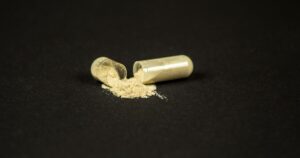
What is MDMA half life? This concept is crucial for understanding timing and elimination rates. The half-life of a drug refers to the time it takes for half of the substance to be metabolized and eliminated from your body. MDMA has an average half-life of approximately 8-9 hours, though this can range from 6-10 hours depending on individual factors. However, the relationship between half-life and how long Molly stays in your system for drug testing purposes isn’t straightforward—even after five half-lives (when about 97% of the drug is eliminated), sensitive tests may still detect trace amounts. The critical distinction is that feeling the effects wear off happens much faster than complete elimination; you might feel back to normal within 6-8 hours, but MDMA detection time for an ecstasy drug test extends much longer because tests can identify metabolites at concentrations far below what produces noticeable effects.
| Time After Use | Approximate MDMA Remaining | Detection Likelihood |
|---|---|---|
| 8-9 hours (1 half-life) | 50% of the original dose | Highly detectable in all test types |
| 16-18 hours (2 half-lives) | 25% of the original dose | Detectable in blood, urine, saliva |
| 40-45 hours (5 half-lives) | ~3% of the original dose | Detectable in urine, possibly saliva |
| 72-96 hours (3-4 days) | Trace metabolites only | May still show on sensitive urine tests |
Get Confidential Support at Silicon Valley Recovery
If concerns about how long Molly stays in your system have led you to this article, you’re taking an important first step toward understanding your relationship with MDMA and other substances. At Silicon Valley Recovery, we provide compassionate, confidential assessment services for individuals throughout the Bay Area who have questions about their substance use patterns or are facing consequences related to MDMA consumption. We offer judgment-free consultations that help you understand your options, whether you’re seeking information about safe detox timelines, exploring outpatient treatment programs, or simply need to talk with someone who understands the unique pressures facing young professionals in Silicon Valley’s high-stress environment. Understanding how long this substance stays in your system is valuable information, but recognizing when detection concerns reflect a need for professional support is equally important. Whether you’re dealing with signs of Molly use in yourself or a loved one, Silicon Valley Recovery provides the expertise and support needed to move toward healthier choices. Our team guarantees complete confidentiality throughout your care journey, ensuring your privacy remains protected at every step. Contact us today to schedule a confidential consultation and take the next step toward reclaiming control of your health and future.
FAQs About MDMA Detection Times
Can you speed up how quickly Molly leaves your system?
There is no proven method to significantly accelerate the elimination process beyond your body’s natural metabolism. While staying hydrated supports normal kidney function and some people try exercising or using saunas, these approaches don’t meaningfully change MDMA detection time because the drug must be metabolized by your liver at its own pace.
What causes false positive results on MDMA drug tests?
False positives on an ecstasy drug test are relatively rare but can occur with certain medications, including some antidepressants, decongestants containing pseudoephedrine, or other amphetamine-class substances. If you receive a positive result and haven’t used MDMA, request a confirmatory test using gas chromatography-mass spectrometry (GC-MS), which is highly specific and can distinguish MDMA from other compounds.
Is there a difference between Molly and ecstasy detection times?
Molly and ecstasy are both forms of MDMA, so their detection windows are the same when both contain pure MDMA. However, street ecstasy pills often contain adulterants or other drugs that may have different detection times, while molly (typically powder or crystal form) is sometimes assumed to be purer, though this isn’t guaranteed.
How long after using MDMA is it safe to stop worrying about tests?
For standard urine tests, most individuals can expect MDMA to be detectable for approximately 4-5 days maximum, though 2-3 days is more typical for single-use scenarios. If you’re facing a hair follicle test, you should be aware that it can extend up to 90 days, making this test type much more challenging to anticipate.
Does drinking water help flush MDMA out faster?
While proper hydration supports your kidneys’ natural filtration process, drinking excessive water does not significantly reduce the timeframe for how long Molly stays in your system or speed up the metabolism rate. Overhydration can actually be dangerous and may dilute urine samples to the point where testing facilities require a retest. This potentially raises suspicion about attempts to manipulate results.