




You wake up after a night out and immediately notice it—that raw, burning sensation when you swallow. Your throat feels scratchy, inflamed, and tender, making even water uncomfortable to drink. If you’ve asked yourself, “Does alcohol make your throat hurt?” after experiencing this discomfort, you’re not alone. Millions of people notice throat pain after drinking, but the frequency and severity of these symptoms tell an important story about what’s happening in your body. While occasional throat irritation from alcohol is common, persistent or worsening throat pain may signal something more serious than simple dehydration.
Understanding why does my throat burn when I drink alcohol involves looking at both immediate physical reactions and longer-term patterns. Alcohol affects throat tissue in multiple ways, from direct irritation to inflammatory responses that can become chronic over time. For some people, throat discomfort is a temporary annoyance that resolves quickly. For others, experiencing a sore throat after drinking every time becomes a red flag that shouldn’t be ignored. This article examines the physiological reasons why alcohol makes your throat hurt, when these symptoms indicate a deeper problem with drinking, and what happens to your throat when you stop consuming alcohol.
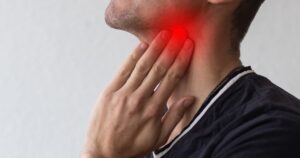
Why Does Alcohol Make Your Throat Hurt? The Physical Mechanisms
The question “Does alcohol make your throat hurt?” has a straightforward physiological answer: yes, because alcohol is a direct irritant to the delicate mucous membranes lining your throat and esophagus. When you drink, the ethanol in alcoholic beverages comes into contact with these tissues, causing immediate inflammation and irritation. This contact triggers your body’s protective response, increasing blood flow to the affected area and causing the burning sensation many people describe. Additionally, alcohol acts as a powerful diuretic, pulling water from your body’s tissues and leaving your throat dry and vulnerable. Dehydrated throat tissue loses its protective moisture barrier, making it more susceptible to pain and irritation. Certain alcoholic beverages containing additional irritants like sulfites, histamines, or congeners intensify throat discomfort beyond what pure ethanol alone would cause.
Beyond direct contact irritation, alcohol intolerance throat symptoms can manifest when your body struggles to process ethanol efficiently. Some people lack sufficient amounts of the enzyme aldehyde dehydrogenase, which breaks down alcohol’s toxic byproducts. This deficiency leads to a buildup of acetaldehyde, triggering histamine release that causes inflammation throughout your upper respiratory system, including your throat. Does alcohol make your throat hurt? When this becomes a question you’re asking after every drinking occasion. Intolerance may be the underlying cause rather than simple irritation. Alcohol also relaxes the lower esophageal sphincter—the muscle that keeps stomach acid where it belongs—allowing harsh digestive acids to flow backward into your esophagus and throat. This acid reflux creates a burning sensation that intensifies the direct irritation from alcohol itself, explaining why my throat burns when I drink alcohol for many individuals.
| Mechanism | How It Affects Your Throat | Timeline |
|---|---|---|
| Direct Irritation | Ethanol inflames mucous membranes on contact | Immediate during/after drinking |
| Dehydration | Removes protective moisture from throat tissue | Within 1-2 hours of drinking |
| Acid Reflux | Stomach acid flows back into the esophagus and throat | During drinking and overnight |
| Histamine Response | Inflammatory reaction to alcohol byproducts | Within 30 minutes to several hours |
| Chronic Inflammation | Repeated exposure prevents tissue healing | Develops over weeks/months of regular drinking |
Does Alcohol Make Your Throat Hurt Every Time? When It Signals a Deeper Problem
Not everyone who asks “Does alcohol make your throat hurt?” is dealing with the same level of concern. Occasional throat irritation after a night of drinking differs significantly from persistent, recurring throat pain that happens every time you consume alcohol. If you’re wondering if alcohol makes your throat hurt after every drinking session, this pattern suggests something more concerning than isolated incidents. When you notice a sore throat after drinking every time, your throat tissue isn’t getting the recovery time it needs between drinking episodes. This pattern suggests that alcohol has become a frequent enough presence in your life that your body cannot fully heal between exposures. Regular heavy drinking causes cumulative damage to the delicate tissues of your throat and esophagus, creating a state of chronic inflammation that worsens over time rather than improving, leading to alcohol causing persistent sore throat.
Throat pain rarely exists in isolation when alcohol use disorder is developing. People experiencing chronic throat irritation from drinking often notice other physical warning signs that collectively paint a concerning picture. These accompanying symptoms might include frequent heartburn or indigestion, disrupted sleep patterns, night sweats, unexplained weight changes, and gastrointestinal distress. When throat discomfort appears alongside these other symptoms, especially if you find yourself unable to cut back on drinking despite wanting to, it’s time to consider whether your relationship with alcohol has crossed from casual use into problematic territory. The throat pain itself becomes less important than what it represents: your body sending clear signals that alcohol is causing harm it can no longer easily repair. Is throat pain a sign of alcoholism by itself? Not necessarily, but when combined with the inability to control drinking and other physical symptoms, it becomes part of a larger pattern requiring professional attention.
- Frequency: Occasional throat irritation happens after isolated drinking episodes, while chronic problems occur every time you drink or persist between drinking sessions.
- Severity: Temporary irritation causes mild discomfort that doesn’t interfere with daily activities, whereas chronic issues create significant pain that affects eating, speaking, and sleeping.
- Accompanying symptoms: Isolated throat pain stands alone, but chronic alcohol-related throat problems appear with acid reflux, digestive issues, sleep disruption, and other systemic symptoms.
- Pattern recognition: Notice whether throat pain correlates directly with drinking occasions or has become a constant background issue regardless of when you last consumed alcohol.
- Impact on daily life: Temporary irritation resolves quickly without lifestyle changes, while chronic throat irritation from drinking begins affecting your ability to work, socialize, and function normally.
- Resistance to home remedies: Acute symptoms respond to hydration and rest, but chronic alcohol-related throat pain persists despite lozenges, warm liquids, and other soothing measures.
How Your Throat Heals When You Stop Drinking Alcohol
Many people who have repeatedly wondered, “Does alcohol make your throat hurt?” experience remarkable relief when they stop drinking. The recovery timeline for throat tissue begins almost immediately after your last drink. Within the first 24 to 48 hours, the acute inflammation starts to subside as your throat is no longer exposed to alcohol’s irritating effects. Dehydration reverses as your body retains fluids more effectively without alcohol’s diuretic influence, restoring the protective moisture layer to your throat’s mucous membranes. Most people notice significant improvement in throat pain after quitting drinking within three to seven days, as the immediate inflammatory response resolves and tissue begins repairing itself. The lower esophageal sphincter regains its normal tone, reducing acid reflux episodes that contribute to throat burning and discomfort.

For individuals who experienced chronic throat irritation from drinking for months or years, complete healing takes longer but follows a predictable pattern. If the question of whether alcohol makes your throat hurt was a constant concern during your drinking days, you’ll likely notice progressive improvement throughout early sobriety. During the first two to four weeks of sobriety, the persistent inflammation that characterized your drinking days gradually diminishes. Your throat tissue regenerates, replacing damaged cells with healthy ones that function normally. By the second month without alcohol, most people report that their throat feels completely normal, without the constant rawness or sensitivity they had grown accustomed to. Learning how to soothe throat after drinking becomes an irrelevant question when you’re no longer drinking—the best remedy is sustained abstinence that allows complete tissue restoration. However, if you continue experiencing significant throat pain several weeks after stopping drinking, this warrants medical evaluation to rule out damage requiring professional treatment.
| Recovery Timeline | What’s Happening | What You’ll Notice |
|---|---|---|
| 24-48 Hours | Acute inflammation begins subsiding, and rehydration starts | Slight reduction in burning sensation, easier swallowing |
| 3-7 Days | Mucous membranes restore the moisture barrier, and acid reflux decreases | Significant improvement in throat comfort, reduced rawness |
| 2-4 Weeks | Chronic inflammation resolves, tissue regeneration accelerates | Throat feels nearly normal, with occasional mild sensitivity only |
| 1-2 Months | Complete healing of minor damage, full tissue restoration | No throat pain, normal swallowing, and speaking comfort |
| Beyond 2 Months | Persistent symptoms may indicate the need for medical evaluation | Seek professional assessment if pain continues |
Get Professional Support for Alcohol-Related Health Concerns at Silicon Valley Recovery
If you’ve been asking yourself, “Does alcohol make your throat hurt?” and the answer keeps being yes, especially when combined with an inability to cut back or stop drinking despite wanting to, it’s time to seek professional assessment. When the question of whether alcohol makes your throat hurt becomes a question you can answer before you even take a drink—because you know the pain will follow, but drink anyway—this pattern indicates dependence requiring professional intervention. Silicon Valley Recovery takes a comprehensive approach to alcohol use disorder, beginning with a thorough medical evaluation to assess both the physical damage alcohol has caused and the underlying factors driving continued use. The evidence-based treatment programs at Silicon Valley Recovery address both the physical symptoms, like chronic throat irritation, and the psychological factors that maintain addictive patterns. Don’t let throat discomfort be the warning sign you ignore—reach out today to discuss how personalized treatment can help you reclaim your health and build a life free from alcohol’s damaging effects.
FAQs: Does Alcohol Make Your Throat Hurt?
Why does my throat burn every time I drink alcohol?
Your throat burns when you drink alcohol because ethanol directly irritates the sensitive mucous membranes lining your throat and esophagus, triggering immediate inflammation. Additionally, alcohol may be causing acid reflux or triggering a histamine response if you have alcohol intolerance, both of which intensify the burning sensation you experience.
Can alcohol cause permanent throat damage?
Yes, chronic heavy drinking can cause lasting damage to throat tissue through persistent inflammation that may lead to cellular changes and increased cancer risk. However, when you stop drinking before severe damage occurs, your throat tissue has remarkable regenerative capacity and can heal significantly over weeks to months of sustained sobriety.
How long does throat pain last after quitting drinking?
Most people experience significant improvement in throat pain within three to seven days after their last drink as acute inflammation subsides and rehydration occurs. Complete healing of chronic irritation typically takes two to eight weeks, depending on how long and heavily you were drinking before stopping, with most throat discomfort resolving completely within two months.
Is a sore throat after drinking a sign of alcoholism?
A sore throat after drinking isn’t automatically a sign of alcoholism, as occasional throat irritation can happen to anyone who consumes alcohol. However, experiencing throat pain every time you drink, or having persistent throat discomfort that doesn’t resolve between drinking episodes, especially when combined with the inability to control your drinking, may indicate alcohol use disorder requiring professional evaluation and treatment.
What helps soothe throat pain after drinking alcohol?
Hydration with water or warm herbal tea, rest, and avoiding further alcohol consumption help soothe acute throat pain after drinking in the short term. However, if you find yourself frequently needing remedies because throat pain occurs regularly with drinking, or if home treatments don’t provide lasting relief, this suggests a pattern requiring professional medical assessment rather than continued self-treatment approaches.