




Waking up with a heavy weight on your chest, struggling to find motivation for tasks that once felt effortless, or feeling disconnected from the people and activities you used to enjoy—these experiences signal something deeper than a bad day. When persistent low mood disrupts your daily functioning, the question of what causes depression has a complex answer—and understanding those factors becomes the first step toward relief. This condition doesn’t always announce itself with a clear reason, and the question “Why do I feel so depressed?” often leads to confusion when external circumstances seem manageable.
Whether you’re experiencing your first episode or navigating recurring symptoms, recognizing the underlying causes of depressive symptoms empowers you to seek appropriate help. This disorder is highly treatable, and understanding your specific triggers creates a foundation for lasting wellness.
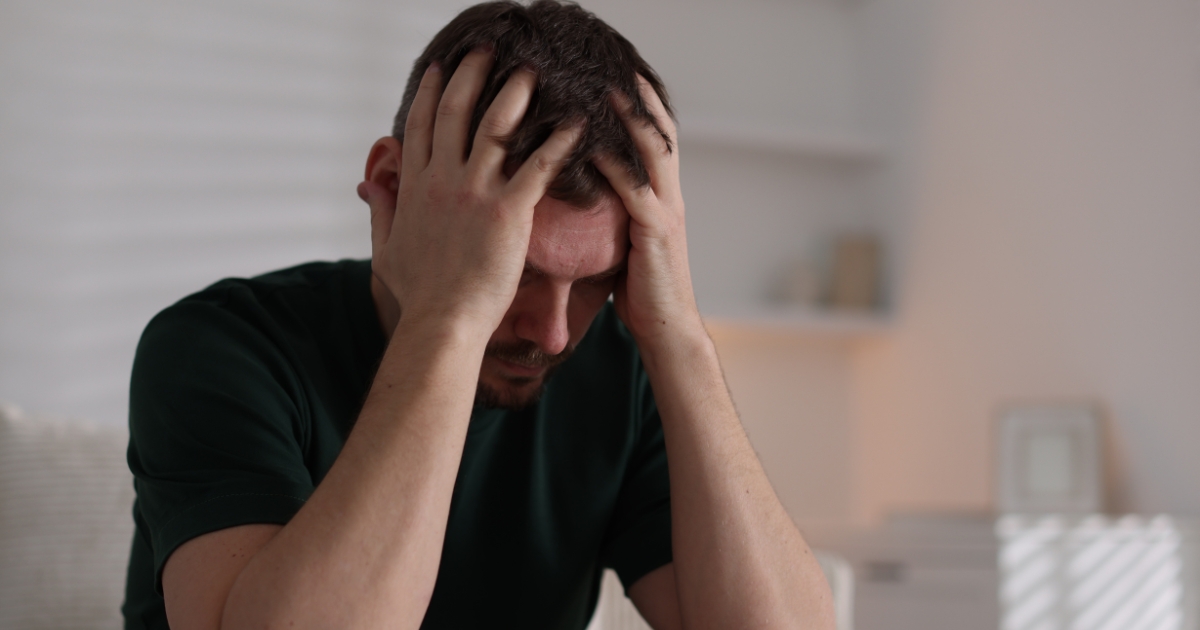
What Causes Depression and Why It Feels Different From Sadness
Depression emerges from a complex interaction of biological vulnerabilities, psychological stressors, and environmental circumstances. Brain chemistry imbalances—particularly involving serotonin, dopamine, and norepinephrine—disrupt mood regulation and create the persistent low mood characteristic of depressive disorders. Genetic predisposition plays a significant role, with individuals who have a family history of this condition facing substantially higher risk of developing the condition themselves.
The difference between sadness and depression lies in duration, intensity, and functional impact. Sadness is a natural emotional response to loss, disappointment, or challenging circumstances that typically resolves within days or weeks as you process the experience. Clinical depression persists for at least two weeks and often much longer, accompanied by physical symptoms like sleep disturbances, appetite changes, fatigue, and difficulty concentrating. While sadness allows you to experience moments of joy or connection, depression creates a pervasive sense of emptiness that colors every aspect of daily life.
When Multiple Risk Factors Converge
Multiple risk factors typically converge to create a depressive episode rather than a single cause acting alone. Someone with genetic vulnerability might remain symptom-free until a traumatic event or chronic stress activates that predisposition. This is why “Why do I feel so depressed?” can be such a difficult question to answer — the cause is rarely singular. Similarly, lifestyle factors like social isolation or poor sleep hygiene can amplify biological vulnerabilities, creating a tipping point where stress response systems in the brain become overwhelmed.
Common Depression Triggers and Underlying Causes
Biological factors of depression include neurotransmitter dysfunction, where the brain produces insufficient serotonin for mood stability, inadequate dopamine for motivation and pleasure, or disrupted norepinephrine affecting energy and alertness.
Psychological and Environmental Triggers
The loss of a loved one, divorce, job termination, or relocation can initiate grief that evolves into depression when the emotional processing stalls. Understanding the persistent low mood requires examining these psychological vulnerabilities alongside biological and environmental factors.
The relationship between substance use and depression creates a particularly destructive cycle. Many people initially use alcohol or drugs to temporarily relieve depressive symptoms, but these substances ultimately worsen brain chemistry imbalances and intensify emotional distress. Alcohol acts as a central nervous system depressant that disrupts sleep architecture and depletes neurotransmitters, while stimulants create artificial dopamine surges followed by deeper crashes. If you’re wondering why symptoms persist despite trying to cut back or quit, this neurochemical disruption explains the ongoing distress. Depression triggers and risk factors multiply when addiction develops, as the shame, isolation, and life consequences of substance use compound existing vulnerabilities.
Recognizing the signs that indicate when depression becomes a disorder requiring professional intervention involves monitoring specific warning signs:
- Persistent depressed mood or loss of interest in activities lasting two weeks or longer without improvement
- Significant changes in sleep patterns, whether insomnia or sleeping excessively, that disrupt daily functioning
- Noticeable weight loss or gain unrelated to intentional dietary changes, or marked appetite disturbances
- Physical agitation or slowing that others can observe, not just internal restlessness
- Recurring thoughts of death or suicide, with or without a specific plan
- Inability to concentrate, make decisions, or complete routine tasks at work or home
If you’re asking, “Why do I feel so depressed?” reviewing this list can help identify which factors apply to your situation.
How to Know If You’re Depressed and When to Seek Help
Signs of clinical depression extend beyond mood changes to encompass cognitive, physical, and behavioral symptoms that persist despite your efforts to feel better. Mental health professionals diagnose major depressive disorder when at least five specific symptoms occur nearly every day for a minimum two-week period, with at least one symptom being either depressed mood or loss of interest in activities. These criteria distinguish clinical depression from situational sadness, which typically improves as circumstances change or you process the triggering event.
Self-reflection that tracks symptom onset, duration, and triggers over several weeks helps identify personal patterns and answer the question of why you feel this way. Notice whether your low mood lifts during enjoyable activities or remains constant regardless of circumstances—persistent emptiness suggests clinical depression rather than temporary sadness. Document sleep quality, energy levels, appetite changes, and your ability to concentrate on tasks, as these physical markers often reveal this disorder’s severity more accurately than mood alone.
Symptoms cross the threshold into requiring professional treatment when they interfere with your ability to work, maintain relationships, or care for yourself. If you’re calling in sick frequently, avoiding social contact, struggling to complete basic hygiene tasks, or noticing that loved ones express concern about changes in your behavior, these signals indicate the need for clinical support. The presence of suicidal thoughts—even passive wishes to not wake up rather than active plans—always warrants immediate professional evaluation. If you or someone you know is in crisis, call or text 988 to reach the Suicide & Crisis Lifeline, available 24/7. A mental health disorder that persists beyond a month despite self-care efforts like exercise, sleep improvement, and social connection typically requires therapy, medication, or both for effective resolution.
| Situational Sadness | Clinical Depression |
|---|---|
| Linked to specific event or circumstance | May occur without clear external trigger |
| Improves with time, support, or problem-solving | Persists despite efforts to feel better |
| Allows moments of joy or connection | Creates pervasive emptiness across all activities |
| Minimal impact on daily functioning | Disrupts work, relationships, and self-care |
| Self-esteem remains relatively intact | Includes feelings of worthlessness or guilt |
Treatment Approaches for Different Depression Types
Moderate to severe depression typically requires professional therapy—particularly cognitive behavioral therapy or interpersonal therapy—to address distorted thinking patterns and relationship difficulties that maintain the depressive cycle. Antidepressant medication may be recommended to correct neurotransmitter imbalances when symptoms significantly impair functioning.
| Depression Severity | Recommended Treatment Level | Expected Timeline |
|---|---|---|
| Mild (minimal functional impairment) | Lifestyle changes, supportive counseling | 4-8 weeks |
| Moderate (noticeable work/relationship impact) | Psychotherapy, possible medication | 6-12 weeks |
| Severe (major functional impairment) | Combined therapy and medication | 8-16 weeks |
| With substance use disorder | Integrated dual diagnosis treatment | 12+ weeks residential or intensive outpatient |

Your Path Forward Starts Here at Silicon Valley Recovery
Depression is one of the most treatable mental health conditions, with research consistently showing that the right combination of therapy, support, and evidence-based interventions produces significant improvement for most people. Whether this is your first episode or you’ve been struggling with recurring symptoms, professional treatment provides answers and relief. Silicon Valley Recovery specializes in treating co-occurring depression and substance use disorders through integrated care that addresses both conditions simultaneously. Our clinical team understands that lasting recovery requires treating the whole person—not just managing symptoms but rebuilding the life circumstances, relationships, and coping skills that support long-term wellness. If you’re tired of feeling this way and ready to explore what genuine relief looks like, our confidential consultation can help you understand your treatment options and take the first step toward feeling like yourself again. You don’t have to navigate this alone, and you don’t have to wait until things get worse to reach out for help.
FAQs
The following questions address common concerns regarding depression and when to seek professional support.
1. Can you be depressed without knowing why?
Yes, depression can develop without an obvious trigger due to brain chemistry imbalances, genetic predisposition, or accumulated stress that manifests gradually. Many people experience clinical depression even when their external circumstances seem fine, as biological vulnerabilities can activate independently of life events.
2. Why does depression feel worse at certain times of day?
Many people with this condition experience diurnal mood variation, where symptoms intensify in the morning due to cortisol fluctuations and circadian rhythm disruptions. Evening improvement occurs as the day progresses, though some individuals experience the opposite pattern with worsening symptoms at night.
3. Can lifestyle changes alone fix depression?
For mild depression, lifestyle modifications like regular exercise, improved sleep hygiene, social connection, and stress management can significantly improve symptoms and may be sufficient. Moderate to severe depression typically requires professional treatment including therapy and possibly medication alongside lifestyle changes for effective recovery.
4. Is depression linked to substance use?
Depression and substance use disorders frequently co-occur, with each condition worsening the other in a cyclical pattern—people may use substances to self-medicate depressive symptoms, while substance use alters brain chemistry and increases depression severity. Integrated treatment addressing both conditions simultaneously produces the best outcomes.
5. How long does depression last without treatment?
Untreated depressive episodes typically last several months, though some people experience chronic depression lasting years or recurring episodes. Professional treatment significantly shortens episode duration and reduces recurrence risk compared to waiting for it to resolve on its own.