...

Developmental Coordination Disorder Challenges in Daily Life and Practical Strategies for Support

Developmental Coordination Disorder (DCD) is a neurodevelopmental condition that affects motor skills and coordination in children and can continue into adulthood. Although the exact causes of DCD are not fully understood, researchers believe that the condition is linked to abnormal brain development and is not caused by any physical illness or injury. DCD is often diagnosed in young kids when they struggle to learn how to walk, run, hold objects, or play sports.

It is estimated that up to six percent of children around the world have DCD, which makes this disorder quite common. While DCD cannot be fully cured, with a proper treatment plan, patients can learn to manage the symptoms of DCD and significantly improve their quality of life. In our article, we will explain the main symptoms of Developmental Coordination Disorder, discuss the ways DCD affects the life of a person diagnosed with this disorder, and provide a few effective treatment options.

What Is Developmental Coordination Disorder?

Developmental Coordination Disorder (DCD), also known as dyspraxia, is a disorder that affects movement and coordination. This disorder is usually diagnosed in childhood when parents or caregivers of the child notice the kid is struggling to develop their motor skills. DCD is not related to the intelligence of the child—the disorder may be diagnosed in a seemingly healthy kid who meets their milestones yet has trouble with balance and coordination.

At the moment, there is no consensus within the medical community regarding the causes of developmental coordination disorder. It is possible that the disorder develops before the child is born due to the abnormal development of neurons in the brain. Some researchers have linked DCD to low birth weight and premature birth.

Common Symptoms of Developmental Coordination Disorder

Here are a few signs of developmental coordination disorder you may notice in your child:

  • Clumsiness: The child often bumps into people and objects, trips and falls when walking or running, and struggles to maintain balance
  • Poor Motor Skills: The kid is unable to master tasks typical for their age—for instance, a four-year-old child with DCD may not be able to use scissors or cutlery
  • Developmental Delays: If the child is not crawling or walking when their peers are already on the move, it may be an indication of DCD

On top of the physical symptoms of DCD, kids with this disorder may have emotional and psychological issues—low self-esteem, difficulty making friends, and anxiety. For example, if a child cannot participate in sports activities together with their peers, it may negatively affect their mental health.

How Is Developmental Coordination Disorder Diagnosed

The diagnosis of Developmental Coordination Disorder should be made by a qualified medical professional—a doctor who specializes in pediatrics or a psychologist.

A healthcare provider will talk to the parents or caregivers of the child to learn more about their medical history and observe the child to see whether their movements are atypical for their age. There are several tests that can be performed to determine whether the child has DCD—for instance, the doctor may want to test the intelligence of the kid to see whether their cognitive functions are intact.

In general, DCD is diagnosed when a child is five years old. If you have reasons to believe your child has this disorder, talk to the doctor as soon as you detect the symptoms of DCD—the earlier the diagnosis is made, the sooner the child will start treatment.

Challenges of Living With Developmental Coordination Disorder

Without proper treatment, Developmental Coordination Disorder may negatively impact the life of the diagnosed individual and persist into their adulthood. Here are a few challenges associated with DCD:

Poor Academic Performance: Children with DCD may struggle in school—their handwriting may be messy and illegible, they may have trouble focusing in class, and their low self-confidence will prevent them from participating in extracurricular activities

Health Issues: Kids with DCD are often incapable of taking part in physical activities and sports, which means they may lead a sedentary lifestyle. Moreover, there is always a risk of injury—for a child with poor balance and coordination, a simple task such as going up and down the stairs may end up in a fall.

Social Difficulties: It can be hard for a child with DCD to make friends and fit in with their peers. When your movement looks awkward and you cannot play with other kids, you may feel isolated and deal with bullying.

Effective Strategies to Treat Developmental Coordination Disorder

While there is no cure for developmental coordination disorder at the moment, there are several therapies parents can implement to help their children. Here are a few treatment options to consider:

Work With an Occupational Therapist

A certified occupational therapist will be able to teach the child skills they lack. The therapist will develop a personalized plan for the kid targeting the skills that require improvement—for example, if the child is unable to dress on their own, the therapist will focus on this skill

Introduce Physical Therapy

A physical therapist can assist the child and their parents in coming up with exercises that will be beneficial for the kid. Regular physical activity will help the child improve their strength, balance, and coordination.

Talk to a Psychologist

Children with DCD may need emotional support to cope with their diagnosis. A mental health provider will give the child tools to manage their stress and build their confidence.

FAQs

What Is Developmental Coordination Disorder?

Developmental Coordination Disorder (DCD) is a disorder that affects a person’s movement and coordination. This disorder is usually diagnosed in early childhood.

What Are the Symptoms of Developmental Coordination Disorder?

The most common signs of DCD are clumsiness (poor balance and difficulty holding objects), inability to master motor skills, and developmental delays.

How Is Developmental Coordination Disorder Diagnosed?

A doctor should diagnose DCD after talking to the parents of the child and observing the child’s behavior. The diagnosis is typically made when the child is five years old.

What Are the Causes of Developmental Coordination Disorder?

There is no known cause of DCD. Some researchers believe the disorder develops before birth due to abnormal brain development, while others have linked DCD to premature birth.

Can Developmental Coordination Disorder Be Treated?

It is possible to manage the symptoms of DCD with targeted therapy. Parents should work with occupational and physical therapists as well as enlist the help of a mental health provider to support their child.

Get Support for Developmental Coordination Disorder at Silicon Valley Recovery

Living with Developmental Coordination Disorder can be overwhelming for both children and their families—but you don’t have to navigate it alone. At Silicon Valley Recovery, our experienced team provides compassionate, individualized care to help individuals manage the emotional and psychological challenges that often accompany DCD. Whether you or your child is struggling with anxiety, low self-esteem, or co-occurring mental health concerns, we’re here to help. Contact Silicon Valley Recovery today to learn more about our treatment programs and take the first step toward a stronger, more confident future.

Can You Lace Weed With Fentanyl: Myths, Risks, and Real-World Concerns

The opioid crisis has raised serious concerns about fentanyl contamination in the drug supply—including marijuana. As fentanyl continues to show up in unexpected substances, many people are asking: can weed be laced with fentanyl?

While fentanyl-laced weed may seem unlikely, reports of this dangerous combination have emerged in communities across the country. Knowing the symptoms, risks, and how to respond to a potential exposure could save your life or the life of someone you care about.

Below, we cover whether it’s possible to lace marijuana with fentanyl, the warning signs of exposure, and what steps to take in an emergency.

Can You Lace Weed With Fentanyl?

Yes, it is technically possible to lace weed with fentanyl. Because fentanyl is water-soluble, it can be dissolved and sprayed onto cannabis leaves—often without any visible trace. While the full effects of smoking fentanyl-laced marijuana are still being studied, inhaling or ingesting fentanyl in any form carries severe health risks, including fatal overdose.

Fentanyl is extraordinarily potent. A dose as small as 2 milligrams can be lethal, and the substance is roughly 50 times stronger than heroin. Because it is both odorless and colorless, a person could consume fentanyl-laced weed without realizing it—even if they are experienced cannabis users with a high tolerance.

Why Would Someone Lace Weed With Fentanyl?

There are several reasons marijuana may be laced with fentanyl, despite the obvious danger:

  • To create a stronger high. Fentanyl is far more powerful than cannabis. Adding it to weed intensifies the psychoactive effects, which some users may seek out deliberately.
  • To increase customer dependency. Some dealers lace marijuana with fentanyl to create a more addictive product. Customers who unknowingly develop a dependence on the opioid are more likely to return for repeat purchases.
  • To feed an existing addiction. In some cases, individuals with an opioid use disorder may add fentanyl to their cannabis supply to increase their tolerance or sustain their habit.

Symptoms of Smoking Fentanyl-Laced Weed

Whether you use marijuana recreationally or medicinally, it’s important to recognize the warning signs of fentanyl exposure. If you experience any of the following symptoms after smoking cannabis, seek help immediately:

  • Nausea or vomiting. Sudden nausea or vomiting after inhaling marijuana may indicate the presence of an opioid contaminant.
  • Dizziness. Feeling unusually lightheaded, unsteady, or disoriented could be a sign of fentanyl exposure.
  • Respiratory distress. Shortness of breath, shallow breathing, or audible wheezing are hallmark symptoms of opioid involvement and require urgent attention.
  • Confusion or erratic behavior. Difficulty concentrating, unusual agitation, or impaired judgment—especially when combined with physical symptoms—should raise immediate concern.

Dangers of Fentanyl-Laced Marijuana

Consuming marijuana that has been contaminated with fentanyl poses several serious risks:

  • Unpredictable and overwhelming effects. While the initial euphoria may feel more intense than expected, the experience can quickly escalate into severe agitation, panic, or a loss of physical control.
  • Addiction. Even a single unintentional exposure to fentanyl can begin to alter brain chemistry. Repeated exposure dramatically increases the risk of developing opioid dependence, which carries devastating physical and psychological withdrawal symptoms.
  • Fatal overdose. Fentanyl is one of the leading causes of overdose death in the United States. If you or someone you know shows signs of overdose—such as slow or stopped breathing, unresponsiveness, or blue-tinged skin—call 911 immediately.

What to Do If You Smoked Fentanyl-Laced Weed

If you suspect that your marijuana was laced with fentanyl and you or someone nearby is showing signs of an overdose, take these steps:

  • Stop using the product immediately. Set aside the remaining cannabis. If possible, preserve a sample—it may be needed by medical professionals or law enforcement to confirm the presence of fentanyl.
  • Use a fentanyl test strip. If you use marijuana regularly, consider keeping fentanyl test strips on hand. These inexpensive kits can detect trace amounts of fentanyl before you consume a product.
  • Administer naloxone (Narcan) if available. Naloxone can temporarily reverse the effects of an opioid overdose. If someone is unresponsive or struggling to breathe, administer naloxone and call 911 right away.
  • Monitor your symptoms closely. The effects of fentanyl exposure—including dizziness, headaches, and breathing difficulties—can persist for several days. Stop all cannabis use, stay hydrated, eat well, rest, and seek medical attention if symptoms worsen.

FAQs

1. Is it possible to put fentanyl in weed?

Yes. Fentanyl can be dissolved in liquid and sprayed onto cannabis during cultivation or packaging. Because fentanyl is odorless and colorless, contaminated weed may look and smell identical to uncontaminated product.

2. How can I tell if my weed was laced with fentanyl?

You typically cannot tell by appearance alone. However, symptoms like nausea, dizziness, difficulty breathing, and confusion after smoking cannabis may indicate fentanyl contamination. Fentanyl test strips offer a reliable way to check your supply before use.

3. What are the risks of smoking fentanyl-laced weed?

The primary risks include opioid addiction, respiratory failure, and fatal overdose. Even a small amount of fentanyl can be lethal, making contaminated cannabis extremely dangerous.

4. Why do people lace weed with fentanyl?

Common reasons include enhancing the drug’s potency, creating customer dependency to boost sales, or feeding an existing opioid addiction. In many cases, the end user has no idea their marijuana has been tampered with.

5. What should I do if I smoked fentanyl-laced weed?

Stop smoking immediately, preserve any remaining product, and monitor for overdose symptoms such as slow breathing, confusion, or loss of consciousness. Administer naloxone if available and call 911 if symptoms are severe. Seek medical care even if symptoms seem mild, as fentanyl effects can escalate quickly.

Protect Yourself From Fentanyl-Laced Weed With Silicon Valley Recovery

If you or a loved one has been affected by fentanyl exposure or is struggling with substance use, Silicon Valley Recovery is here to help. Our compassionate team provides evidence-based treatment for opioid addiction and co-occurring disorders in a supportive, confidential environment. Contact us today to learn about your options and take the first step toward recovery.

Does Fentanyl Make You Itch: Common Causes and What It Can Mean

Fentanyl, a potent synthetic opioid, is used in medical settings to manage severe pain, especially after surgeries or for chronic pain conditions. However, like many opioids, fentanyl has a range of side effects, including addiction, when misused. One of the unexpected side effects of fentanyl is itchiness, which causes discomfort for patients taking this medication.

If you or your loved one is affected by this issue, you may want to know why fentanyl makes you itch and what you can do to address this problem. Our guide will explain the connection between fentanyl use and itchy skin and offer tips to manage this side effect.

Why Does Fentanyl Make You Itch?

It is not uncommon for patients to experience itchy skin after taking fentanyl or other opioids. This side effect is usually linked to the way opioids affect our bodies on the chemical level.

Fentanyl binds to the opioid receptors in our brains, blocking the pain but also triggering the release of histamine. While histamine is a natural chemical released by our bodies to get rid of allergies, an increase in histamine levels is often associated with itching, hives, and headaches.

Fentanyl and Allergic Reactions

There is a difference between normal itching caused by histamine release and an allergic reaction to fentanyl. While allergies to fentanyl are rare, you should be aware of the symptoms of an allergic reaction to this medication:

● Itchy skin and hives

● Skin rash

● Swelling of the face and neck

● Breathing difficulties

If you believe you are allergic to fentanyl, inform your healthcare provider and seek alternative pain management treatments.

How to Manage Itching Caused by Fentanyl

Thankfully, you can tackle the itching from fentanyl with a few simple solutions:

● Moisturize your skin. Apply lotion to your skin at least once a day to prevent dryness and reduce itching.

● Use antihistamines. Over-the-counter antihistamines can be very effective against itching. Talk to your doctor to find the right antihistamines for you.

● Refrain from scratching. It may be tempting to scratch your skin when it itches, but this will only aggravate your condition, leading to skin infections and damage.

When to Speak to a Doctor About Fentanyl Side Effects

While mild itching is not dangerous, you should bring up this side effect during your next visit to the doctor and ask if you should continue taking fentanyl.

If the itching does not go away and is accompanied by other symptoms (nausea, dizziness, breathing problems, chest pain, etc.), seek medical help as soon as possible. A doctor will examine you, prescribe you medications to deal with the side effects, and suggest alternatives to fentanyl.

FAQs

Does Fentanyl Make You Itch?

Yes, fentanyl stimulates the release of histamine in your body, which leads to itchy skin.

What Are the Side Effects of Fentanyl?

Apart from itching, fentanyl use is associated with such side effects as nausea, constipation, drowsiness, confusion, and breathing difficulties.

How Long Does the Itching From Fentanyl Last?

In most cases, the itching will subside within a few hours. If the itching persists, talk to your doctor about discontinuing fentanyl.

How to Get Rid of the Itching From Fentanyl?

You can reduce the itching by taking antihistamines, keeping your skin moisturized, and avoiding hot showers.

Can You Be Allergic to Fentanyl?

While it is uncommon, some people are allergic to fentanyl. If you break out in hives and have trouble breathing after taking fentanyl, seek medical attention immediately

Find Help and Support in Silicon Valley Recovery

Itching is a fairly common side effect of fentanyl, and while it does not pose a threat to your health, it can be quite annoying. Luckily, you can manage this symptom if you know the reason behind the itching and have the right tools to treat it.

If you are planning to take fentanyl or have already started taking it, our team at Silicon Valley Recovery is ready to assist you. Contact Silicon Valley Recovery today and let our experts help you build a personalized treatment plan!

What Does Heroin Look Like, From Street Samples to Real-World Signs

Heroin is a highly addictive and illegal substance derived from morphine, a natural compound found in the seed pods of the opium poppy. Recognizing heroin in its various forms can be a crucial step in identifying potential drug abuse in a friend or a loved one. The appearance of heroin can vary depending on its purity and the additives used by drug manufacturers to dilute the product and increase their profits.

In this blog, we will answer the question “What does heroin look like?”, describe all the main variations of this drug, and explain the risks associated with heroin abuse. If you or someone you care about is struggling with heroin addiction, reach out to Silicon Valley Recovery to get professional help and support.

The Appearance of Heroin

Heroin is a drug made from morphine, a substance naturally found in opium poppy plants. In most cases, this illegal drug looks like a powder or resin and comes in a variety of colors from white to black. The color and texture of heroin depend on the method of manufacturing and the additives included in the final product.

Below you will find a detailed description of the three main types of heroin—brown, white, and black tar—and their unique characteristics. Keep in mind that while the color and the look of heroin can tell you a lot about its purity, even the purest form of heroin is extremely dangerous to your health.

Brown Heroin

As the name suggests, brown heroin is a light brown or beige powder. This type of heroin is usually made with morphine that was not fully refined, which gives the powder its distinctive brown color. Sometimes additives like caffeine, sugar, or lactose are mixed in during the manufacturing process to increase the volume of the product.

Brown powder heroin is usually smoked instead of injected. Compared to white powder heroin, this type is less refined and therefore less potent. Nonetheless, brown heroin is still an addictive and dangerous drug that can lead to many negative health consequences.

White Powder Heroin

White heroin is typically found far away from its place of origin since this type of heroin is considered to be the purest form of the drug. It is made from heavily refined morphine and usually contains few additives, which makes it more potent compared to brown heroin. In addition, white powder heroin easily dissolves in liquid, making it perfect for injection.

It may be difficult to identify white heroin since it closely resembles many innocent substances, such as sugar, salt, baking soda, and certain medications. Pay attention to the behavior of your friend or family member—if they exhibit any symptoms of heroin abuse, you should reach out to them and contact an addiction specialist.

Black Tar Heroin

Black tar heroin looks quite different from brown and white powder heroin. Instead of a fine powder, black heroin resembles a piece of resin or rock. It can be dark brown or black, solid or sticky to the touch. This type of heroin is usually made in Mexico and sold and consumed in North America.

Due to the cheap and quick method of manufacturing, black tar heroin is an impure form of heroin. It is usually injected directly into the bloodstream—the insoluble impurities present in the drug can lead to collapsed veins, inflamed and infected arteries, and serious infections such as tetanus and sepsis.

Signs of Heroin Use

Here are some of the most common symptoms of heroin abuse you may notice in a person who struggles with addiction

  • Euphoria and drowsiness. A short-lived feeling of intense excitement and happiness, followed by extreme sleepiness, is often observed in people who consume heroin.
  • Memory loss and confusion. Heroin affects the brain of the person, making it difficult for them to focus on the task at hand, remember things, and respond to others quickly.
  • Weight loss and poor nutrition. People addicted to heroin often forget to eat and drink, which leads to dehydration, weight loss, and malnutrition.
  • Depression and anxiety. Unfortunately, heroin users often struggle with their mental health—it is common to feel agitated and nervous and have suicidal thoughts after short-term and long-term heroin use.

The Dangers of Heroin Addiction

Heroin is one of the most addictive drugs in the world—it only takes a few doses for a person to develop a mental and physical dependency on the substance. Here are a few reasons to be concerned about heroin abuse

  • Heroin adversely affects the brain function of the person—you may notice cognitive impairment, trouble concentrating, and issues with short-term and long-term memory.
  • People who consume heroin often struggle with their mental health—it is not uncommon to feel depressed and anxious and suffer from insomnia after taking heroin.
  • Heroin addiction will hurt the social life of the individual, from poor performance at work or studies to conflicts with family and friends. Drug abuse will change the life of the person for the worse.

FAQs

What Does Heroin Look Like?

Heroin usually comes in powder form, though in some cases it may look like a rock or a piece of coal. The color of heroin varies from white to black depending on its purity.

What Are the 3 Types of Heroin?

There are three main types of heroin: brown powder heroin (an unrefined form of heroin with additives), white powder heroin (the purest and most potent type of heroin), and black tar heroin (an impure sticky substance with many additives).

What Are the First Signs of Heroin Addiction?

The initial symptoms of heroin abuse include short-term euphoria, drowsiness, confusion, agitation, and nausea. If you suspect someone you know is taking heroin, talk to them and encourage them to see a doctor.

Is Heroin Addiction Treatable?

Yes, it is possible to overcome heroin addiction with therapy and medication. You should reach out to a certified healthcare provider to come up with a personalized treatment plan that suits the patient and their unique circumstances.

How to Help a Person Addicted to Heroin?

There are several things you can do to support a heroin user: educate them about the dangers of drug consumption, be there for them when they need to talk, and accompany them to the rehab center to get the treatment they need.

Overcoming Heroin Addiction With Silicon Valley Recovery

Whether you have spotted heroin in your house or noticed worrying behavior of your loved one, recognizing the drug and the symptoms of its use is only the first step. Get in touch with Silicon Valley Recovery—our team of addiction experts will be able to diagnose the issue, assist the patient in crisis, and come up with a tailored treatment plan for long-term recovery.

Heroin Detox Centers Near Me: What to Look for in Local Medical Supervised Withdrawal Care

Searching for “heroin detox centers near me” is a crucial first step toward recovery. Heroin addiction is a serious medical condition that can affect your physical and mental health, personal and professional life, and future prospects. Heroin withdrawal is extremely challenging and dangerous to manage without professional support.

In this guide, we will help you understand the importance of finding a heroin detox center near you, the benefits of medical detox, the main factors to consider when choosing a rehab facility, and the advantages of ongoing addiction treatment. Overcoming heroin addiction may be difficult—but with the right help, recovery is possible.

Understanding the Importance of Heroin Detox

Heroin detox is the process of removing all traces of the drug from your system and managing the resulting withdrawal symptoms. When you suddenly quit heroin after developing a dependency, your body reacts negatively, leading to a wide range of physical and psychological symptoms—from nausea and muscle pain to depression and insomnia.

The purpose of heroin detox is twofold. First, you need to go through withdrawal to start your recovery journey. Second, you need to establish the foundation for avoiding heroin in the future. Attempting to go through withdrawal without medical assistance is dangerous—you should rely on the expertise of addiction specialists to keep you safe and comfortable.
Benefits of Medical Detox for Heroin Addiction

There are many benefits to enrolling in a professional detox program instead of trying to quit heroin on your own.

Safe environment. Detox centers offer a controlled setting where patients can go through withdrawal under the supervision of trained medical professionals.

Withdrawal management. Doctors can prescribe medication to alleviate withdrawal symptoms and help patients feel more comfortable throughout the process.

Medication-Assisted Treatment (MAT). Certain medications, such as Methadone and Buprenorphine, can be used to reduce cravings and prevent relapse.

Psychological support. In addition to treating the physical symptoms of withdrawal, patients can work with therapists and counselors to address the root causes of their addiction.

How to Choose a Heroin Detox Center Near You

Here are a few factors you may want to consider when selecting a detox facility.

Location. Is the center close to your home? Is it easy to reach? Will your family be able to visit you while you are undergoing treatment?

Accreditation. Is the facility licensed to provide addiction treatment? Does the medical staff have the necessary credentials?

Treatment options. Does the center offer the program you need? Can you get medication-assisted treatment for heroin addiction?

Cost. Will your insurance provider cover the treatment? Can the facility offer you a payment plan?

Local Resources and Support for Heroin Recovery

In addition to joining a detox program, you can expand your support network by relying on local resources.

Support groups. Join a local chapter of Narcotics Anonymous (NA) to share your struggles and achievements with people who will understand you and support your recovery.

Therapy. Find a licensed therapist in your area and attend individual and family therapy sessions to address the mental health aspects of addiction.

Healthcare provider. Talk to your doctor about your substance use disorder—you may receive valuable tips on recovery and prescriptions for medication you may need.

Ongoing Treatment and Therapy After Heroin Detox

Detox is only the first step on the path to long-term recovery. If you were enrolled in a short inpatient or outpatient detox program, you should continue your treatment after you are done with withdrawal.

Preventing relapse. Your chances of avoiding heroin in the future are much higher if you continue going to therapy and benefiting from medication-assisted treatment.

Addressing co-occurring disorders. If your addiction was preceded or caused by mental health issues such as anxiety or depression, you should work with a therapist to improve your mental health.

Building a support network. From joining local support groups to attending therapy with your family members—surround yourself with people who will help you remain sober.

FAQs

  1. What is heroin detox?

        Heroin detox is the process of ceasing drug intake and eliminating it from your body. It is usually accompanied by withdrawal symptoms—physical and psychological reactions of your body to the lack of heroin.

        2. What are the symptoms of heroin withdrawal?

        Heroin withdrawal symptoms may include nausea, vomiting, muscle aches, shaking, anxiety, agitation, depression, insomnia, high blood pressure, and increased heart rate.

        3. Should I enroll in a heroin detox program?

        It is recommended to undergo heroin withdrawal under the supervision of medical professionals. This way, you will have access to the medication you need and receive psychological support from therapists and counselors.

        4. What are the benefits of medical detox for heroin addiction?

        Medical detox allows you to quit heroin in a safe environment under medical supervision, manage withdrawal symptoms with the help of prescribed medications, and get psychological support from mental health professionals.

        5. What should I do after completing a heroin detox program?

        To increase your chances of recovery, you should continue your treatment after detox. Attend therapy sessions, rely on the support of your friends and family, and join a local support group to connect with people who will understand your struggles.

        Begin Your Recovery With Silicon Valley Recovery

        We hope this guide has helped you realize the importance of finding a heroin detox center near you and enrolling in a detox program to overcome your addiction. Detox allows you to quit substance use in a safe environment under medical supervision—give yourself the best chance of recovery.

        Reach out to Silicon Valley Recovery to learn more about our heroin detox and treatment programs. Our team is here to provide you with the guidance and support you need to overcome addiction. You can conquer heroin addiction and return to a healthy and happy life.

        Does Heroin Have a Smell? What People Commonly Notice and Why It Matters

        When it comes to identifying heroin, many people wonder whether this illegal drug has a distinctive aroma. Noticing an unusual smell in your house or car can be an important first step in preventing heroin abuse and addiction. However, heroin comes in many forms, and some varieties of this drug are nearly odorless.

        In our article, we will explain whether heroin has a smell, describe its scent, and list the main signs of heroin use you should be aware of. We will also discuss the dangers of heroin addiction and offer you a path toward a safe and quick recovery. Heroin use disorder is a serious mental health condition—make sure to reach out to Silicon Valley Recovery if you or your loved ones need professional help.

        Does Heroin Have a Smell?

        Yes, heroin does have a smell, though its aroma may not be too strong or easy to recognize, especially if you have never encountered this drug before. Typically, unrefined heroin, such as black tar heroin, has a noticeable acidic smell, while pure white heroin may be completely free of any scent.

        It may be challenging to identify heroin solely by its smell—nonetheless, this drug has a unique aroma that may alert you to its presence. Pay attention to the unusual chemical smell in your residence or vehicle, and combined with other signs of heroin use, you may be able to determine that a friend or a family member is abusing this drug.

        What Does Heroin Smell Like?

        The scent of heroin depends on its type and purity. Here are the most common types of heroin and their smell:

        • Black tar heroin. This unrefined type of heroin is usually produced in Mexico. It is sticky and dark, and it often contains many impurities. Black tar heroin is typically dissolved and injected rather than smoked. This type of heroin has a strong smell that you may be able to notice—people often describe it as vinegary or similar to the smell of burnt licorice.
        • Brown heroin. This light brown powder is common in Europe. It is usually smoked or snorted. Brown heroin has a distinctive acidic smell that resembles the aroma of vinegar.
        • White heroin. This is the purest form of heroin. It is made from diamorphine hydrochloride, and it is popular in Asia. White heroin may have no smell at all, making it difficult to identify.

        How to Recognize Heroin by Its Smell

        While it may be tricky to figure out what heroin smells like if you have never felt its aroma before, there are a few methods you can try to recognize its scent:

        • Pay attention to an unusual smell. If you have never felt a similar aroma in your house before and you cannot explain its origin, it may be heroin, especially if the smell is pungent and acrid.
        • Check the enclosed spaces. The smell of heroin is easier to notice in a small, unventilated room. Walk into the closed room or sit in the car with the windows rolled up to see if you can feel the smell more distinctly.
        • Ask an experienced person for help. You may enlist the help of a friend or a professional who has encountered heroin before—an experienced person will be able to recognize the smell even if it is very faint.

        Other Signs of Heroin Use

        The smell of heroin is only one of the signs that a person may be using this drug. Here are a few common symptoms of heroin abuse you may notice:

        • Heroin paraphernalia. You may find a strange spoon with burn marks on it, tiny plastic bags or balloons, a pipe, and a syringe in the belongings of the person you are worried about.
        • Physical symptoms. A person who suffers from heroin addiction may have constricted pupils, poor personal hygiene, sudden weight loss, shallow breathing, and marks on their skin left from injecting the drug.
        • Mental symptoms. Drug abuse often leads to irritability, anxiety, and depression. If a normally calm person seems on edge and agitated, and there is no apparent reason for their behavior, they may be abusing heroin.

        Dangers of Heroin Use

        Heroin is an illegal, highly addictive substance—its use may lead to a myriad of physical and mental health problems. Here are a few reasons to be concerned about heroin addiction:

        • Short-term effects. A person who uses heroin may feel nauseous and drowsy, struggle to breathe properly, and deal with mental confusion and poor coordination.
        • Long-term effects. Heroin addiction may lead to the development of several chronic conditions—heart and liver disease, constipation, pneumonia, infertility, insomnia, depression, and sexual dysfunction, to name a few.
        • Risk of overdose. It is very dangerous to take a large quantity of heroin at once—a person may lose consciousness and fall into a coma. In some cases, a heroin overdose leads to a fatal outcome.

        FAQs

        Does Heroin Have a Smell?

        Heroin does have a smell, though its scent varies based on the type of heroin—while black tar heroin has a strong smell, white heroin may be odorless.

        What Does Heroin Smell Like?

        The smell of heroin is often described as vinegary or acidic—its aroma is similar to the smell of many cleaning chemicals.

        How Can You Tell Heroin by Its Smell?

        You can recognize heroin by its pungent smell—if you feel an unusual acrid smell in your house and cannot explain its origin, consider this may be heroin.

        What Are the Signs of Heroin Use?

        In addition to the smell of heroin, you may notice a person is abusing the drug if they have drug paraphernalia in their possession and display physical and mental symptoms of drug use.

        Is Heroin Addiction Dangerous?

        Heroin addiction may have devastating consequences for a person—this drug negatively affects both the body and the mind and increases the risk of premature death.

        Address Heroin Concerns With Silicon Valley Recovery

        We hope that our guide was able to help you figure out the smell of heroin and recognize its presence in your home. While noticing the odor of heroin may alert you to the problem, it is crucial to pay attention to other symptoms of heroin abuse and get help for yourself or your loved one.

        Reach out to Silicon Valley Recovery to get in touch with mental health professionals who will be able to assist you. Our experts will design a personalized treatment plan for you and support you during your recovery journey.

        How Long Does Suboxone Block Opioids and What That Means for Daily Life

        Suboxone is a prescription medication utilized in the treatment of opioid addiction and is an important step in the recovery journey for many individuals who struggle with substance use disorder. One of the main benefits of Suboxone is its ability to block the effects of opioids—but how long does Suboxone block opioids, and what are the exact advantages of this medication?

        In our article, we will explain the duration of Suboxone effects, list the factors that may change how long Suboxone stays in a person’s system, and talk about the benefits of this medication in addiction treatment. We will also answer the most frequently asked questions on this topic and provide you with guidance on incorporating Suboxone into your recovery journey.

        What Is Suboxone?

        Suboxone is a medication used to treat opioid addiction. It combines buprenorphine (a partial opioid agonist that blocks the negative effects of opioid drugs) and naloxone (an opioid antagonist that prevents misuse of medication.) Suboxone helps people reduce opioid cravings and withdrawal symptoms and can be used during medically supervised detox as well as long-term maintenance treatment.

        How Long Does Suboxone Block Opioids?

        On average, Suboxone can block the effects of opioid drugs for 12-24 hours. The exact duration of Suboxone effects will depend on a few factors we have listed below—some people will stop experiencing the impact of Suboxone only 6 hours after taking the medication, while others will feel its effects for 2 full days. Your doctor will be able to prescribe you the proper dosage of Suboxone and adjust it to suit your needs.

        What Factors Affect the Duration of Suboxone Effects?

        Here are the main factors that play a role in how long Suboxone will remain in your system:

        • Dosage. Typically, the doctor will prescribe you 2 mg or 8 mg of Suboxone per day—the higher the dosage, the longer you will feel the effects of the medication.
        • Frequency of Use. If you have been taking Suboxone every day for several weeks or months, it may build up in your system and remain there for a long time.
        • Weight and Age. Your body mass and age will affect the way your organism metabolizes medication—a younger person with a lower weight will process Suboxone faster compared to an older and heavier individual.

        What Are the Benefits of Suboxone?

        Proper Suboxone usage under the supervision of a qualified healthcare provider can be very advantageous for a person who suffers from opioid addiction:

        • Manageable Detox. Many people are reluctant to quit opioids because they are scared of withdrawal and the painful symptoms it brings—with Suboxone, you will be able to control and even prevent these symptoms.
        • Reduced Cravings. Suboxone binds to the same receptors in the brain targeted by opioids, which means you will no longer feel the temptation to misuse drugs.
        • Lower Risk of Overdose. Suboxone blocks the effects of opioids—if you take drugs while you are on Suboxone treatment, likely, you will likely not feel their impact on your brain and body.

        FAQs

        How long does it take for Suboxone to start working?

        Suboxone is usually taken sublingually (a person puts a Suboxone tablet or film under their tongue to let it dissolve). You will feel the effects of the medication 20-70 minutes after you take it.

        How long should I take Suboxone?

        There is no fixed duration for Suboxone therapy—some patients take it for a few days during detox to manage withdrawal, while others remain on Suboxone treatment for several years. Consult with your doctor to determine the best course of action for your recovery.

        Can I take Suboxone and opioids at the same time?

        It is highly inadvisable to combine Suboxone and opioid drugs—this may lead to serious side effects (intense headaches, high blood pressure, and accelerated heart rate) and increase the risk of a drug overdose.

        What are the side effects of Suboxone?

        There may be adverse effects you experience after taking Suboxone: headaches, nausea, insomnia, pain in muscles and joints, fatigue, fever, and mood swings. If you suffer from these symptoms, reach out to your doctor—they may decide to lower your Suboxone dosage or discontinue this medication.

        What are the benefits of Suboxone?

        The main advantages of Suboxone include the prevention of withdrawal symptoms, a gradual reduction in drug cravings, and a lower probability of drug misuse in the future. This medication will help you restore normalcy in your life without the negative influence of substance abuse.
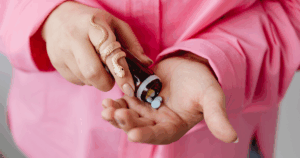
        Embrace Recovery With Suboxone Support

        We hope that our guide was able to explain the purpose of Suboxone treatment and its benefits for a person who struggles with opioid addiction. This medication will block the effects of drugs on your brain, help you cope with withdrawal, and put you on the path to recovery.

        In case you are looking for professionals to assist you with Suboxone therapy and build a personalized treatment plan for yourself or your loved one, get in touch with Silicon Valley Recovery. Our team will be happy to answer your questions about Suboxone and support you on your recovery journey.

        Opioid Withdrawal Insomnia: Causes, Coping Strategies, and Long-Term Sleep Recovery

        Sleep disturbances rank among the most challenging aspects of opioid recovery. When you stop using opioids after prolonged use, your body undergoes significant adjustments that frequently disrupt normal sleep patterns. Opioid withdrawal insomnia affects countless individuals working toward recovery, creating exhaustion that compounds an already difficult process.

        Understanding why insomnia occurs during withdrawal and knowing how to manage it can make a meaningful difference in your recovery journey. Poor sleep doesn’t just leave you tired. It affects judgment, increases stress and raises relapse risk. Addressing sleep problems proactively supports both short-term comfort and long-term success in overcoming opioid dependence.

        Understanding the Connection Between Opioid Withdrawal and Insomnia

        Opioids target specific receptors in the brain, altering how the central nervous system functions. These drugs are commonly prescribed for moderate to severe pain management, but their euphoric effects contribute to high addiction potential. In 2020, approximately 2.7 million people in the United States were diagnosed with opioid use disorder, reflecting the widespread nature of this public health challenge.

        When someone uses opioids regularly, their brain chemistry adapts to the presence of these substances. The body becomes accustomed to functioning with opioids influencing neurotransmitter activity, sleep-wake cycles and stress responses. Once opioid use stops, the body must readjust to operating without these drugs, a process that produces various withdrawal symptoms.

        Sleep disturbances emerge as a common withdrawal symptom because opioids significantly affect the central nervous system’s regulation of sleep. While actively using opioids, many people experience increased drowsiness and sleep more than usual. During withdrawal, this pattern reverses dramatically. The brain’s sleep regulation systems, no longer suppressed by opioids, often overcorrect, producing insomnia, restlessness and difficulty achieving restful sleep.

        Psychological symptoms accompanying withdrawal also contribute to sleep problems. Anxiety, agitation, depression and racing thoughts make relaxing into sleep difficult. Physical discomfort from other withdrawal symptoms, including muscle aches, sweating and restlessness, further interferes with the ability to fall and stay asleep.

        How Long Does Insomnia Last During Opioid Withdrawal?

        The duration of withdrawal-related insomnia varies considerably between individuals. No fixed timeline applies to everyone, as multiple factors influence how long sleep disturbances persist. On average, acute insomnia lasts approximately one to two weeks after the last opioid dose. However, some individuals experience sleep difficulties lasting several months, particularly those recovering from long-term or high-dose opioid use.

        Factors Affecting Insomnia Duration

        Factor Impact on Sleep Recovery Considerations
        Type of opioid used Short-acting opioids clear faster; long-acting opioids may cause prolonged symptoms Heroin, codeine vs. methadone, extended-release formulations
        Duration of use Longer use periods typically mean longer adjustment times Years of use requires more extensive brain readjustment
        Dosage levels Higher doses create greater physiological dependence Tapering may reduce symptom severity
        Previous sleep patterns Pre-existing sleep issues may complicate recovery Address underlying sleep disorders separately
        Access to treatment Professional support improves outcomes Medications and therapy accelerate improvement
        Overall health status Better general health supports faster recovery Nutrition, exercise and stress management matter

        Healthcare providers can assess individual circumstances and provide personalized recommendations for managing insomnia duration and severity. Working with professionals who understand both addiction medicine and sleep health produces the best outcomes.

        Tips for Coping With Insomnia During Opioid Withdrawal

        Managing withdrawal insomnia requires a comprehensive approach addressing physical comfort, behavioral habits and professional support. These strategies can help improve sleep quality during this challenging period.

        Consult with healthcare providers. Medical professionals offer invaluable guidance tailored to your specific situation. Doctors can prescribe appropriate medications to assist with sleep while ensuring these treatments don’t interfere with recovery goals. Both over-the-counter and prescription options may help, but professional guidance ensures safety and effectiveness. Don’t hesitate to reach out if insomnia persists beyond a few days.

        Optimize your sleep environment. Creating conditions conducive to sleep supports your body’s natural rest mechanisms. Keep your bedroom cool, as lower temperatures promote better sleep. Invest in comfortable bedding that supports physical relaxation. Minimize light exposure, particularly blue light from electronic devices, in the hours before bedtime. Consider blackout curtains, white noise machines or other environmental modifications that promote restfulness.

        Establish consistent sleep habits. Maintaining regular sleep and wake times helps regulate your body’s internal clock, even when sleep feels elusive. Go to bed and wake up at the same times daily, including weekends. This consistency trains your body to expect sleep at appropriate times.

        Practice relaxation techniques. Calming activities before bed help transition your mind and body toward sleep. Consider deep breathing exercises, progressive muscle relaxation, gentle stretching, meditation, aromatherapy with lavender or chamomile, warm baths, journaling to process thoughts and emotions, or listening to calming music. Experiment with different approaches to discover what works best for you.

        Limit stimulants and sleep disruptors. Avoid caffeine, nicotine and heavy meals in the hours before bedtime. While alcohol might seem to promote sleep initially, it actually disrupts sleep quality and should be avoided during recovery.

        How Insomnia Affects Opioid Recovery

        Sleep quality directly impacts recovery success in multiple ways. Understanding these connections emphasizes why addressing insomnia matters beyond simple comfort.

        Impact of Sleep on Recovery Outcomes

        Sleep Status Effects on Recovery Long-Term Implications
        Adequate sleep Improved cognitive function, stable mood, sufficient energy for treatment participation Better treatment adherence, stronger coping skills
        Mild insomnia Increased irritability, reduced concentration, moderate fatigue May slow progress but manageable with intervention
        Severe insomnia Impaired judgment, heightened anxiety and depression, exhaustion Significantly elevated relapse risk

        Research consistently demonstrates connections between sleep disturbances and opioid relapse. Patients struggling with insomnia during and after withdrawal show higher rates of returning to drug use. This relationship likely reflects multiple factors. Sleep deprivation impairs decision-making abilities, increases emotional reactivity, reduces stress tolerance and diminishes motivation for recovery activities.

        When you’re well-rested, you’re better equipped to engage in treatment programs, practice coping skills and resist cravings. Cognitive performance improves, mood stabilizes and you have energy to invest in building a drug-free life. Prioritizing sleep isn’t self-indulgence during recovery. It’s an essential component of successful treatment.

        When to Seek Help for Opioid Withdrawal Insomnia

        A few sleepless nights during early withdrawal, while uncomfortable, typically don’t require immediate intervention. Short-term insomnia resolves for most people as acute withdrawal symptoms subside. However, certain situations warrant professional attention.

        Seek help if insomnia persists beyond one to two weeks without improvement. Contact a healthcare provider if you experience signs of significant sleep deprivation including severe irritability, inability to concentrate, dizziness, confusion or emotional instability. Reach out immediately if sleep problems contribute to thoughts of using opioids again or if you’re struggling to participate in recovery activities due to exhaustion.

        Healthcare providers can diagnose underlying causes of persistent insomnia and prescribe appropriate treatments. Mental health professionals offer additional support, teaching coping skills, relaxation techniques and lifestyle modifications that promote better sleep. Comprehensive treatment addresses both the physical and psychological aspects of withdrawal insomnia.

        Find Support at Silicon Valley Recovery Center

        Opioid withdrawal insomnia presents real challenges, but you don’t have to face them alone. Professional support makes a meaningful difference in managing sleep disturbances and building a foundation for lasting recovery. Silicon Valley Recovery Center provides comprehensive addiction treatment programs that address the full spectrum of withdrawal symptoms, including sleep difficulties. Our experienced team understands the connection between quality sleep and successful recovery, offering evidence-based approaches to help you rest better and recover stronger. Contact Silicon Valley Recovery Center today to learn how our programs can support your journey toward an opioid-free life.

        FAQs

        1. What are the common symptoms of opioid withdrawal?

        Opioid withdrawal produces both physical and psychological symptoms. Physical symptoms include muscle aches, nausea, vomiting, diarrhea, sweating, hot and cold flashes, runny nose and increased heart rate. Psychological symptoms include anxiety, irritability, agitation, depression, difficulty concentrating and insomnia. Symptom severity varies based on the type of opioid used, duration of use and individual factors.

        2. How long does opioid withdrawal insomnia typically last?

        Opioid withdrawal insomnia duration varies considerably between individuals. On average, acute sleep disturbances last one to two weeks after stopping opioid use. However, some people experience sleep difficulties for several months, particularly those recovering from long-term or high-dose use. Factors influencing duration include the specific opioid used, length of use, dosage levels and access to professional treatment.

        3. Can medications help treat insomnia during opioid withdrawal?

        Yes, various medications can help manage withdrawal insomnia when prescribed by healthcare providers. Options may include sleep aids, anti-anxiety medications or other treatments tailored to individual needs. Medical supervision ensures these medications support rather than interfere with recovery goals. Never take sleep medications without consulting a doctor, as some substances may complicate opioid recovery.

        4. Why is addressing insomnia important for opioid recovery success?

        Sleep quality directly impacts recovery outcomes. Research shows that patients struggling with insomnia during withdrawal face higher relapse rates. Sleep deprivation impairs judgment, increases stress and anxiety, reduces coping capacity and diminishes energy for treatment participation. Addressing sleep problems supports cognitive function, emotional stability and overall treatment adherence, all factors contributing to successful long-term recovery.

        5. What natural strategies help improve sleep during opioid withdrawal?

        Natural sleep improvement strategies include maintaining consistent sleep and wake times, creating a cool and dark sleep environment, avoiding caffeine and screens before bed, practicing relaxation techniques like deep breathing or meditation, taking warm baths, engaging in gentle exercise during the day and limiting daytime napping. Combining multiple approaches often produces better results than relying on any single strategy.

        Does Gabapentin Help With Opioid Withdrawal as a Supportive Treatment Option

        When facing the challenge of overcoming opioid addiction, many people wonder whether certain medications can alleviate their withdrawal symptoms. One of the drugs that is often mentioned in this context is gabapentin. Does gabapentin help with opioid withdrawal, and should you include it in your recovery journey?

        In our article, we will explore the benefits of using gabapentin for opioid withdrawal and examine the effectiveness of this medication. We will also look into the side effects of gabapentin and offer alternative solutions to address opioid withdrawal symptoms.

        What Is Gabapentin?

        Gabapentin is a medication primarily designed to treat epilepsy and manage seizures. The drug can also be prescribed to address chronic pain and relieve the symptoms of restless legs syndrome. Gabapentin is an anticonvulsant—it affects the nerves and chemicals in the human body responsible for seizures and pain.

        In recent years, the off-label use of gabapentin has expanded to include anxiety reduction and insomnia treatment. Thanks to the drug’s ability to decrease agitation and promote calmness, gabapentin has become a useful tool in assisting patients undergoing various addiction treatments, including alcohol dependency and marijuana addiction.

        Understanding Opioid Withdrawal

        Opioids are powerful painkillers that target the brain’s opioid receptors and increase the production of endorphins—chemicals responsible for alleviating pain and enhancing pleasure. Unfortunately, while effective, opioids are highly addictive—even a short prescription from your healthcare provider can lead to dependency.

        Once a person becomes addicted to opioids, they may experience a myriad of unpleasant symptoms when they attempt to cut down on their drug consumption or quit taking opioids altogether. These symptoms are both physical (muscle pain, headaches, sweating, nausea) and psychological (anxiety, irritability, insomnia, depression).

        Can Gabapentin Help With Opioid Withdrawal?

        There are several benefits to using gabapentin during opioid withdrawal:

        Gabapentin can be of great help during opioid withdrawal. Several studies have confirmed the efficacy of this medication—patients who were given gabapentin during their recovery reported that it helped them cope with the withdrawal symptoms and reduced their pain.

        Potential Side Effects of Gabapentin

        Like any medication, gabapentin may have side effects:

        Before you start taking gabapentin for opioid withdrawal, you should be aware of the side effects associated with this drug. While gabapentin is usually well-tolerated by patients, some individuals may have an adverse reaction to the medication—in this case, the doctor may adjust the dosage or suggest you stop taking gabapentin.

        Alternatives to Gabapentin for Opioid Withdrawal

        If you are looking for medications similar to gabapentin or want to have several options to choose from before you start your recovery, consider these alternatives to gabapentin for opioid withdrawal:

        While gabapentin is a viable option for opioid withdrawal, you may want to consider other medications that can help you cope with the symptoms of this challenge. Make sure to talk to your physician—a trained medical professional will be able to diagnose your issue and prescribe the best medication for your unique circumstances.

        FAQs

        What was gabapentin originally used for?

        Gabapentin is a drug intended to prevent and treat seizures—it was first approved for medical use in 1993 for epilepsy treatment.

        What are the symptoms of opioid withdrawal?

        Opioid withdrawal may lead to various physical and mental health issues—patients struggle with muscle aches, anxiety, headaches, insomnia, nausea, and depression.

        Is gabapentin good for opioid withdrawal?

        Gabapentin is capable of reducing the symptoms of opioid withdrawal—this medication lowers anxiety, improves sleep, and manages pain.

        What are the side effects of gabapentin?

        The most common side effects of gabapentin are dizziness, drowsiness, and fatigue. In rare cases, patients may suffer from breathing difficulties and suicidal thoughts.

        What are the alternatives to gabapentin?

        There are several drugs similar to gabapentin you may want to use for opioid withdrawal—ask your doctor about methadone, buprenorphine, clonidine, and naloxone.

        Embracing Recovery With Silicon Valley Recovery

        Incorporating gabapentin into your treatment plan can be a smart choice—this medication has been proven to be effective when it comes to addressing opioid withdrawal. Gabapentin will reduce the symptoms of withdrawal and make your recovery journey easier.

        If you are looking for a personalized approach to opioid addiction treatment, reach out to Silicon Valley Recovery. Our team will support you every step of the way—we will help you select the best medication for your unique case and provide you with the tools you need to conquer your addiction. Contact us today to find out how we can assist you.

        How Long Does Prescription Medicine Last: What to Know About Safety and Effectiveness

        When you or a loved one is treated by a healthcare provider, you are likely to receive a prescription for one or several medications. It is important to remember that all drugs have a specific shelf life and will eventually expire. Consuming expired pills can be dangerous to your health.

        If you are wondering how long prescription medicine lasts, our blog will be able to help you. Below you will find the definition of the shelf life of prescription drugs, a few factors that affect the longevity of medications, and useful tips on the proper storage of your medicine.

        What Is the Shelf Life of Prescription Medication?

        Prescription medication shelf life can be defined as the period of time calculated from the date the medicine was manufactured during which the drug is safe to consume, and it remains effective to treat the symptoms it was prescribed for. After this time passes, the medication is considered expired—it may lose its potency and, in some cases, become dangerous for the patient.

        There is no universal shelf life for prescription drugs—on average, medications are safe to use for up to two or three years. You should check the packaging of the medicine to see its expiration date and pay attention to the storage instructions, especially if you are planning to keep the drug at home for a long time.

        Does the Type of Medicine Affect Its Shelf Life

        The formulation of the medicine plays a huge role when it comes to the duration of its shelf life. Here are a few types of medicine and their average shelf life:

        • Tablets. Solid drugs usually last longer compared to their liquid alternatives—you may be able to store and use them for up to four or five years.
        • Capsules. Similar to tablets, this type of medicine is good for long-term storage—the average shelf life of a capsule is around five years.
        • Powders. This medication is often used to make an oral suspension—once you mix the powder with the liquid, its shelf life will be limited to five or seven days.
        • Creams. If your doctor has prescribed topical treatment, make sure you do not keep it for a long time—on average, creams and ointments last for a year.
        • Injectables. Liquid medications intended for injection should not be used for more than a year or two. Besides, once the bottle is opened, it must be consumed within a few days.

        What Factors Impact the Longevity of Prescription Medicine

        Several elements may influence the shelf life of prescription drugs:

        • Storage conditions. Environmental factors such as light, temperature, humidity, and air exposure may either shorten or prolong the shelf life of the medicine.
        • Type of packaging. It has been confirmed that drugs kept in their original containers last longer; moreover, blister packs are better for the longevity of the medicine compared to plastic or glass bottles.
        • Type of medicine. As we have explained above, certain formulations are more suitable for long-term storage—for instance, solid drugs have a longer shelf life than liquid medicines.

        How to Store Prescription Medication Properly

        Follow these tips to make sure your prescription drugs remain safe and effective:

        • Review the instructions on the medication label and adhere to them. If the packaging says you must keep the drug away from sunlight or store it in a cool place, ensure these conditions are met.
        • Find a suitable location for the medicine. Patients often make the mistake of storing drugs in the bathroom—this room is rarely dry. Choose a locked cabinet in your bedroom or kitchen instead.
        • Pay attention to the expiration date. While it is not always dangerous to consume expired drugs, it is recommended to dispose of the medicine once it has passed its expiration date.

        Can You Take Expired Prescription Medicine

        It is advised to avoid taking medicine that has expired. While in many cases the drug will not harm you, it may not have the desired effect—the medicine loses its potency after its shelf life is over. This may be crucial for your treatment and recovery—for instance, if you fail to take effective pain medication after the surgery, your healing process may be delayed.

        In rare cases, expired medicine will negatively affect your health. If you or your family member has taken drugs that have passed their expiration date, and you have noticed unusual side effects—dizziness, nausea, or abdominal pain—reach out to your doctor.

        FAQs

        What Is the Average Shelf Life of Prescription Drugs?

        On average, prescription medicines last for two or three years. The shelf life of the drug will depend on its formulation and storage conditions.

        What Determines the Shelf Life of a Drug?

        Several factors affect the longevity of the medicine—its type (tablets, capsules, liquid, injectables, etc.) and storage (temperature, light exposure, humidity of the room, and type of container).

        Is It Safe to Take Medicine After Its Expiration Date?

        You should not consume drugs that have expired—they may be ineffective for your treatment and, in some cases, harmful to your health.

        How to Know the Expiration Date of a Prescription Medicine?

        Check the packaging of the drug to learn its expiration date—manufacturers usually calculate the shelf life of the medicine and list the date on the label.

        How to Extend the Shelf Life of Prescription Medicine?

        To increase the longevity of your medicine, store it in a dry, dark, and cool place. There may be special storage instructions on the label of the drug—follow them to preserve the medicine.

        Ensure Your Safety With Silicon Valley Recovery

        Understanding how long prescription drugs last and when it is time to dispose of expired medicine is crucial for your health. Different types of medicines have varying shelf lives—if you are unsure whether a particular drug is safe to consume, it is best to consult with a healthcare professional.

        Our team is here to help you—get in touch with Silicon Valley Recovery to receive personalized advice regarding prescription medications and make sure you never put your health at risk.

        Strongest Adderall Prescription: What Doctors Consider Before Reaching Maximum Dosage

        Adderall is a widely recognized medication primarily prescribed for Attention Deficit Hyperactivity Disorder (ADHD) and narcolepsy. It is a central nervous system stimulant that can help increase attention, focus, and impulse control for those diagnosed with ADHD. However, understanding the strongest Adderall prescription, its potential side effects, and the proper way to use it is crucial for patients and caregivers.

        In this guide, we will delve into the uses of Adderall, the available dosage options, potential risks associated with its consumption, and alternative treatments for ADHD. If you or your loved one is considering starting Adderall, consult your healthcare provider to determine if this medication suits your needs.

        What Is Adderall?

        Adderall is a prescription medication consisting of four amphetamine salts: amphetamine aspartate, amphetamine sulfate, dextroamphetamine saccharate, and dextroamphetamine sulfate. This combination of ingredients makes Adderall a potent stimulant designed to affect brain chemicals and neurotransmitters.

        Adderall is approved by the Food and Drug Administration (FDA) to treat the following conditions:

        • Attention Deficit Hyperactivity Disorder (ADHD): Adderall can increase focus, reduce impulsivity, and improve organizational skills in patients diagnosed with ADHD.
        • Narcolepsy: Adderall can be used to manage narcolepsy, a chronic sleep disorder characterized by an overwhelming urge to sleep and sudden attacks of daytime drowsiness.

        In some cases, Adderall is also used off-label to treat depression and help patients struggling with major depressive disorder (MDD) achieve better results when combined with antidepressants. Nonetheless, the efficacy of Adderall for depression remains unproven.

        Available Adderall Dosages

        Adderall comes in two formulations: instant release (IR) and extended release (XR). Patients can choose to take Adderall orally in the form of tablets or capsules. Your healthcare provider will help you select the optimal Adderall dosage based on your age, weight, medical history, and personal needs.

        Adderall IR Dosages

        Adderall IR tablets are available in the following strengths:

        • 5 mg
        • 7.5 mg
        • 10 mg
        • 12.5 mg
        • 15 mg
        • 20 mg
        • 30 mg

        Adderall IR is usually taken two to three times a day, with the first dose administered in the morning. You can expect Adderall IR to kick in within an hour and last four to six hours.

        Adderall XR Dosages

        Adderall XR capsules are available in the following strengths:

        • 5 mg
        • 10 mg
        • 15 mg
        • 20 mg
        • 25 mg
        • 30 mg

        Adderall XR is designed to be taken once a day since this formulation lasts between 12 and 24 hours. While Adderall XR takes longer to start working (from 30 minutes to 2 hours), its prolonged benefits make it a popular choice among patients.

        Potential Side Effects of Adderall

        Like any medication, Adderall may cause certain side effects, from mild to severe. Make sure you are aware of the potential consequences of taking Adderall before you start your treatment.

        Common Side Effects of Adderall

        Here are a few of the most common side effects of Adderall:

        • Headache
        • Nausea
        • Dry mouth
        • Loss of appetite
        • Weight loss
        • Difficulty sleeping
        • Increased heart rate
        • Feeling nervous and restless

        These side effects are typically minor and go away on their own after a few days of treatment. If these side effects persist or cause you significant discomfort, talk to your doctor about adjusting your dosage or switching to a different medication.

        Severe Side Effects of Adderall

        In rare cases, taking Adderall can lead to more serious side effects, such as:

        • Chest pain
        • Shortness of breath
        • Paranoia
        • Hallucinations
        • Uncontrollable muscle movements (tremors and tics)
        • Changes in vision
        • Allergic reaction (rash, swelling, difficulty breathing)

        If you experience any of these side effects after taking Adderall, seek medical help immediately.

        Who Should Take Adderall?

        Adderall is primarily prescribed to children and adults with ADHD or narcolepsy. There is no single age group that can benefit from taking Adderall—anyone from a six-year-old child to a senior can be prescribed this medication.

        However, Adderall is not suitable for people with certain pre-existing conditions. Make sure you do not fall under the following categories before you take Adderall:

        • Allergy: If you are allergic to any of the ingredients used to make Adderall (such as amphetamine), do not include it in your treatment.
        • Heart Disease: Adderall can increase your blood pressure and heart rate. People with a history of heart problems (arrhythmia, heart attacks, etc.) should not take Adderall.
        • Mental Disorders: While Adderall can be used off-label to treat depression, it is not recommended for people with bipolar disorder, schizophrenia, and other mental illnesses due to its negative effect on psychosis.

        Adderall Alternatives

        If Adderall is not a good fit for you, there are plenty of alternative medications you can try to manage ADHD.

        Medication

        Here are a few ADHD medications you can try instead of Adderall:

        • Ritalin (Methylphenidate): Ritalin is a nervous system stimulant used to treat ADHD and narcolepsy. It is similar to Adderall in many ways yet has a lower risk of causing insomnia and weight loss.
        • Vyvanse (Lisdexamfetamine): Vyvanse is an amphetamine prescribed for ADHD and binge eating disorder. It is an alternative to both Adderall and Ritalin and a good option for patients who struggle with drug abuse since it is less addictive.
        • Dexedrine (Dextroamphetamine): Dexedrine is an amphetamine similar to Adderall that can boost a person’s focus, productivity, and alertness. It is mostly prescribed to patients with ADHD and narcolepsy.

        Therapy

        In addition to medication, consider enrolling in therapy to address ADHD. Working with a licensed therapist can help you understand the root of the problem and develop healthy coping mechanisms to reduce the symptoms of ADHD without drugs.

        FAQs

        1. What is the strongest Adderall prescription available?

        The highest FDA-approved dosage of Adderall is 30 mg for both immediate-release (IR) and extended-release (XR) formulations. However, higher doses increase the risk of dependency, misuse, and adverse side effects, especially when taken without close medical supervision.

        2. Can Adderall be addictive?

        Yes. Adderall is a stimulant and a Schedule II controlled substance, meaning it carries a high potential for misuse and addiction. Taking higher doses than prescribed or using Adderall without a prescription significantly increases the risk of substance use disorder.

        3. What are signs of Adderall misuse or dependence?

        Common signs include needing higher doses to feel the same effect, taking Adderall for reasons other than prescribed, insomnia, anxiety, irritability, appetite loss, and difficulty functioning without the drug. In severe cases, misuse can lead to paranoia, psychosis, or cardiovascular issues.

        4. Is it safe to stop taking Adderall suddenly?

        Stopping Adderall abruptly—especially after long-term or high-dose use—can cause withdrawal symptoms such as fatigue, depression, mood swings, and intense cravings. It’s important to seek medical guidance before discontinuing use.

        5. What are alternatives to Adderall for ADHD or stimulant misuse recovery?

        Treatment options may include non-stimulant ADHD medications, behavioral therapy, cognitive behavioral therapy (CBT), lifestyle changes, and structured addiction treatment programs that address both mental health and substance use concerns.

        Start Your Recovery From Adderall Dependence with Silicon Valley Recovery Center 

        If Adderall use has become difficult to control or is affecting your mental health, relationships, or daily life, help is available. The experienced team at Silicon Valley Recovery Center provides comprehensive, evidence-based treatment for stimulant misuse, co-occurring mental health conditions, and substance use disorders. Reach out today to schedule a confidential assessment and take the first step toward recovery, stability, and long-term wellness.

        What Is a Pink Pill? The Mystery Behind This Colorful Drug

        The world of pharmaceuticals and recreational substances is complex and often confusing, especially when it comes to identifying pills based solely on their color. Among the spectrum of pill colors, the “pink pill” stands out due to its vibrant hue and the mystery that surrounds it. Is it a harmless supplement, a necessary prescription medication, or a potentially dangerous street drug? In this comprehensive guide, we will explore the enigma of the pink pill, discuss its many possible forms, and equip you with the knowledge you need to safely approach any unidentified medication.

        What Is a Pink Pill?

        At its simplest, the term “pink pill” refers to any pharmaceutical tablet or capsule that is colored pink. However, this description alone does not clarify the pill’s intended use, safety profile, or effects. Pink pills can be found in medicine cabinets, pharmacies, and even on the street, and their functions range from treating allergies to managing mental health conditions. To accurately identify a pink pill, it is crucial to consider not just its color, but also its shape, size, and especially the imprint—unique markings, numbers, or letters—on its surface. This information is essential for determining what the pill actually is and whether it is safe for consumption.

        Why Are Pills Different Colors?

        The coloring of pills is a deliberate choice made by pharmaceutical manufacturers. While the color itself usually has no therapeutic value, it serves several important purposes:

        • Identification: Color helps both consumers and healthcare professionals quickly identify a medication, reducing the risk of errors.
        • Branding: Unique colors help distinguish one medication from another, aiding in brand recognition and patient compliance.
        • Appeal: Color can make pills more visually appealing and easier for patients to swallow, especially for children or those with aversions to medication.
        • Differentiation: Different colors help prevent mix-ups between similar-looking pills, particularly in facilities that handle large quantities of medication.

        For more information on why medications come in different colors, visit the U.S. Food & Drug Administration (FDA).

        How to Identify a Pink Pill

        Finding a pink pill can be concerning, especially if you are unsure of its origin or purpose. Proper identification is essential to avoid unintended side effects or drug interactions. Here are the steps you should take:

        1. Examine the Shape and Size

        Pills come in a variety of shapes, such as round, oval, oblong, or even octagonal. While shape alone is not a definitive identifier, it can help narrow down possibilities when combined with color and imprint.

        2. Check the Imprint on the Pill

        In the United States, the FDA requires that all prescription and most over-the-counter pills have unique imprints—combinations of numbers, letters, logos, or symbols. These imprints are crucial for identification. By entering the imprint into a reputable online pill identification tool or search engine, you can often determine the medication’s name and use.

        3. Research the Ingredients

        If the pill comes with original packaging or a leaflet, review the listed ingredients. Look up these ingredients using trusted medical resources to learn more about the medication’s intended use and potential side effects. Reputable sites like Drugs.com offer comprehensive pill identification tools.

        4. Use Online Pill Identification Tools

        Many authoritative websites provide automated pill identifiers. You can enter the pill’s color, shape, and imprint to search their databases for a match. Always use well-known and reputable sources to ensure accurate results.

        Common Pink Pills and Their Uses

        There are numerous medications that come in pink, each serving a unique purpose. The following table lists some well-known pink pills and their primary uses:

        Pink Pill Name Purpose of the Pink Pill
        Aspirin Pain relief, headache alleviation, reduction of menstrual pain, and anti-inflammatory purposes
        Benadryl Antihistamine for treating allergies, reducing anxiety, and assisting with insomnia
        Adderall Stimulant prescribed for ADHD (attention-deficit/hyperactivity disorder) and narcolepsy
        Motrin Anti-inflammatory drug for migraines, arthritis, and injury-related pain
        Pepto-Bismol Digestive aid for diarrhea, heartburn, nausea, and indigestion

        It’s important to note that just because a pill is pink does not mean it is one of the above medications. The same color can be used for many different drugs, each with its own effects, dosages, and risks.

        Why Is the Pink Pill Prescribed?

        Because “pink pill” is a generic term, the reasons for its prescription vary widely. If your healthcare provider has prescribed you a pink pill, you should have received detailed instructions regarding its dosage, timing, potential side effects, and interactions with other medications. Following these guidelines is essential for your safety and treatment success.

        Some pink pills are prescribed for chronic conditions such as ADHD or allergies, while others are used for acute symptoms like pain or digestive upset. If you are unsure why a pink pill was prescribed to you, consult your healthcare provider or pharmacist for clarification.

        Pink Pills as Prescription Medications

        Certain pink pills, such as Adderall, are classified as controlled substances in the United States and require a doctor’s prescription. Unauthorized use or possession of these medications can have serious legal and health consequences. These drugs are prescribed only after a thorough medical evaluation, and their use is carefully monitored due to the risk of abuse and dependence.

        For more information on controlled substances and their regulation, refer to the Drug Enforcement Administration (DEA).

        Pink Pills as Over-the-Counter Medications

        Not all pink pills require a prescription. Medications like Aspirin and Benadryl are available over the counter at most pharmacies. However, even these medications can pose risks, especially if you have pre-existing health conditions or allergies. Always consult with a healthcare provider before starting any new medication, regardless of whether it is prescription or OTC.

        Pink Pills in the Context of Street Drugs

        Unfortunately, not all pink pills are safe or legal. Some street drugs are manufactured in pink tablet form to mimic legitimate medications or to appeal to specific demographics. For example, Ecstasy (MDMA), a psychoactive drug known for its euphoric effects, is often found in pink pill form. The unregulated nature of street drugs means that their composition and potency are unpredictable, increasing the risk of overdose, addiction, and even death.

        The Dangers of Taking an Unknown Pink Pill

        Consuming an unidentified pink pill can be extremely hazardous. Potential risks include:

        • Severe Side Effects: Even FDA-approved drugs can cause allergic reactions, overdose symptoms, or other adverse effects if taken improperly.
        • Drug Interactions: Taking an unknown pill alongside your prescribed medications can lead to dangerous interactions and reduce the effectiveness of your treatment.
        • Illegal Substances: There is always a risk that the pill is a street drug, which may contain harmful additives or unpredictable doses.

        If you experience any negative symptoms after taking a pink pill, seek immediate medical attention.

        What to Do If You Can’t Identify a Pink Pill

        If you discover a pink pill in your home or elsewhere and cannot identify it, follow these safety steps:

        • Do Not Take the Pill: Refrain from ingesting any unidentified medication, as it could have serious health consequences.
        • Consult a Pharmacist: Take the pill to your local pharmacy, where a professional may be able to identify it based on its imprint and appearance.
        • Dispose of the Pill Safely: If the pill cannot be identified, do not throw it in the trash. Instead, mix it with an unpalatable substance (like dirt or cat litter) and take it to a designated medication disposal site.

        Proper medication disposal is critical to preventing accidental ingestion by children, pets, or others in your household.

        Tips for Safe Medication Consumption

        Whether you’re taking a pink pill or any other medication, follow these best practices to ensure your safety:

        • Track Your Medications: Maintain a detailed list of all medications you take, including their names, dosages, and purposes. This can help prevent accidental misuse or dangerous drug interactions.
        • Store Medications Securely: Keep all medications in a cool, dry place, out of reach of children and pets. Use child-resistant containers whenever possible.
        • Monitor for Side Effects: Pay close attention to your body’s response when starting a new medication. If you notice unusual symptoms, contact your healthcare provider immediately.
        • Follow Medical Advice: Only take medications as prescribed or directed by a healthcare professional. Never share prescription drugs with others.
        • Keep Medications in Original Packaging: This ensures that you have access to important information about dosage, expiration date, and usage instructions.

        When to Reach Out to a Healthcare Professional

        While some pink pills are safe and effective for treating common ailments, others can be dangerous if misused or taken without proper guidance. If you are ever unsure about a medication—whether it’s pink or any other color—consult your doctor or pharmacist. Medical professionals have the expertise to advise you on safe usage, potential side effects, and what to do in case of an adverse reaction.

        If you suspect that you or someone else has ingested a potentially harmful pink pill, do not hesitate to seek emergency medical help. Prompt action can prevent serious health complications and even save lives.

        Get Help and Support from Silicon Valley Recovery

        If you or a loved one is struggling with substance misuse or uncertainty about medications, Silicon Valley Recovery offers compassionate and comprehensive support. Our team provides individualized treatment plans, medical detox, and ongoing recovery resources to help you regain control and achieve lasting wellness. Contact us today to learn more about our evidence-based programs and how we can support you on your journey to recovery.

        FAQs About Pink Pills

        What does a pink pill mean?

        The meaning of a pink pill varies greatly, as the color alone does not indicate its use or safety. Pink pills can be used for pain relief, allergy treatment, digestive issues, or even as prescription stimulants. The key to understanding a pink pill is to examine its imprint, shape, and packaging, or consult a pharmacist for proper identification.

        Are all pink pills prescription drugs?

        No, not all pink pills are prescription medications. Some, like Aspirin or Benadryl, are available over the counter, while others, such as Adderall, require a doctor’s prescription. It’s crucial to identify the pill before consumption, as taking the wrong medication can have serious health consequences.

        How can I safely identify a pink pill?

        To safely identify a pink pill, examine its color, shape, and imprint. Use reputable online pill identification tools, such as the one provided by Drugs.com, or consult your pharmacist. Never rely solely on the pill’s color for identification, as many different medications can be pink.

        Is it dangerous to take a pink pill without knowing what it is?

        Yes, taking any unidentified pill can be extremely dangerous. Unknown pills may cause allergic reactions, drug interactions, or serious side effects. Some may even be illicit substances with unpredictable effects. Always consult a healthcare provider before taking any medication you cannot identify.

        What should I do if I feel unwell after taking a pink pill?

        If you experience adverse symptoms after ingesting a pink pill—such as dizziness, nausea, allergic reactions, or confusion—seek medical attention immediately. Bring any remaining medication and packaging with you to the hospital to assist healthcare professionals in identifying the substance and providing appropriate treatment.

        For more detailed information on medication safety and pill identification, refer to the Centers for Disease Control and Prevention (CDC).

        Why Do People Snort Adderall? The Highs and Serious Risks

        Adderall, a widely prescribed medication for Attention Deficit Hyperactivity Disorder (ADHD), has increasingly become a substance of misuse, especially among students and young adults seeking to enhance focus or energy. While the drug is effective when used as directed, some individuals turn to snorting Adderall in pursuit of a faster, more intense high. This practice, known as insufflation, is fraught with risks and can lead to significant short-term and long-term health consequences. In this comprehensive guide, we’ll explore why people snort Adderall, the perceived benefits, the dangers, and what you can do if you or someone you care about is struggling with Adderall misuse.

        What Is Adderall?

        Adderall is a prescription medication that combines two central nervous system stimulants: amphetamine and dextroamphetamine. It is approved by the U.S. Food and Drug Administration (FDA) for the treatment of ADHD and narcolepsy. By increasing the levels of certain neurotransmitters in the brain, Adderall helps individuals with ADHD improve their attention span, focus, and impulse control. When taken as prescribed, Adderall is generally safe and effective, but misuse—especially through methods such as snorting—poses significant health hazards.

        Adderall is most commonly available in immediate-release and extended-release formulations, administered orally in tablet or capsule form. The effects typically begin within 30 to 60 minutes after ingestion and can last between four and six hours for immediate-release versions. Dosages are carefully tailored by healthcare professionals based on the patient’s age, weight, and medical history.

        According to the Centers for Disease Control and Prevention, stimulant misuse, including Adderall, has become a growing concern in the United States, highlighting the importance of using these medications responsibly and under medical supervision.

        Reasons People Snort Adderall

        While Adderall is intended for oral use, some people choose to snort the drug for various reasons. Understanding these motivations can help inform prevention and intervention efforts.

        Achieving a Faster High

        Snorting Adderall allows the active ingredients to bypass the digestive system and enter the bloodstream rapidly through the nasal mucosa. This results in a much quicker onset of effects, often within minutes, compared to the 30-60 minutes it takes for the oral form to take effect. The rapid delivery intensifies the drug’s stimulant properties, making the user feel more alert and energetic almost immediately.

        Enhancing Mental Performance

        Many individuals, particularly students and professionals under pressure, misuse Adderall in the hope of boosting cognitive performance. By snorting the drug, they seek to maximize its effects on focus, memory, and productivity, often during periods of high academic or occupational stress.

        Seeking Euphoria

        Adderall increases dopamine levels in the brain, producing a sense of pleasure and well-being. Snorting the drug can amplify these euphoric effects, which is why some people misuse it for recreational purposes, chasing the “feel-good” sensation associated with stimulants.

        Peer Influence

        Social dynamics can play a significant role in Adderall misuse. Adolescents and young adults, especially those in high-pressure academic environments, may feel compelled to snort Adderall to fit in with peers or keep up with perceived performance expectations.

        The Desired Effects of Snorting Adderall

        Snorting Adderall produces several immediate effects that users may find desirable. However, these short-term benefits come at a high cost to physical and mental health.

        • Increased Alertness and Focus: Users may experience heightened concentration and improved ability to complete tasks, making Adderall misuse particularly appealing during exams or important projects.
        • Boosted Energy: The stimulant properties of Adderall can temporarily reduce fatigue and increase stamina, which is why some athletes or busy professionals may misuse it.
        • Elevated Mood: The surge in dopamine can lead to feelings of euphoria, confidence, and motivation.

        It is important to note that these effects are typically short-lived and can quickly give way to negative side effects, especially with repeated misuse.

        The Short-Term Side Effects of Snorting Adderall

        Insufflating Adderall introduces the drug directly to the nasal tissues, causing both localized and systemic side effects. Some of the most common short-term effects include:

        • Nasal Congestion and Irritation: Snorting any powdered substance can damage the sensitive lining of the nose, resulting in congestion, nosebleeds, and discomfort.
        • Headaches: Many users report experiencing headaches or migraines after snorting Adderall, which can range from mild to severe and disrupt daily activities.
        • Nausea and Vomiting: The body may react negatively to the drug, leading to gastrointestinal distress, loss of appetite, and vomiting.
        • Elevated Heart Rate and Blood Pressure: As a stimulant, Adderall can increase heart rate and blood pressure, posing risks for individuals with underlying cardiovascular conditions.
        • Restlessness and Insomnia: Difficulty sleeping is a common side effect, often leading to fatigue and irritability the following day.

        The Long-Term Dangers of Snorting Adderall

        Chronic misuse of Adderall, especially through snorting, can have lasting and potentially irreversible consequences. These dangers extend far beyond the initial high and can significantly impact quality of life.

        Long-Term Effect Description
        Damage to Nasal Cavity Repeated insufflation can erode nasal tissues, leading to chronic congestion, loss of smell, nosebleeds, and even septal perforation (holes in the nasal septum).
        Adderall Addiction Snorting increases the drug’s addictive potential. Users may develop tolerance, requiring higher doses to achieve the same effects, and experience withdrawal symptoms when not using.
        Mental Health Issues Long-term misuse is linked to anxiety, depression, paranoia, hallucinations, and even suicidal thoughts.
        Physical Health Problems Chronic use can result in significant weight loss, insomnia, high blood pressure, cardiovascular disease, and increased risk of stroke.
        Social and Legal Problems Adderall is a controlled substance. Possession or distribution without a prescription can lead to legal issues, while addiction can strain relationships and hinder academic or career success.

        Who Is More Likely to Snort Adderall?

        Although anyone with access to Adderall may be tempted to misuse it, certain populations are at higher risk:

        • Teenagers: Adolescents are more vulnerable to peer pressure and experimentation, especially in social or academic settings where Adderall misuse is normalized.
        • College Students: According to research from the National Institute on Drug Abuse, up to 10% of U.S. college students have misused Adderall, often to enhance academic performance.
        • Individuals with a History of Substance Abuse: Those who have previously struggled with addiction to stimulants or other substances are more likely to misuse Adderall in search of similar effects.

        Recognizing Signs of Adderall Misuse

        If you are concerned about a friend or family member, recognizing the signs of Adderall abuse can be the first step toward intervention. Warning signs include:

        • Behavioral Changes: Increased anxiety, irritability, paranoia, and erratic actions.
        • Physical Symptoms: Unexplained weight loss, frequent nosebleeds, difficulty breathing, or persistent nasal congestion.
        • Neglect of Responsibilities: Decline in academic or work performance, absenteeism, and withdrawal from social activities.

        These symptoms may indicate a deeper problem and should prompt compassionate, nonjudgmental conversation and support.

        The Difference Between Snorting and Oral Consumption of Adderall

        Understanding the distinctions between oral and intranasal (snorted) Adderall use can highlight the increased risks of misuse.

        Method Onset Time Duration Risks
        Oral (Swallowed) 30-60 minutes 4-6 hours Low when used as prescribed; monitored by healthcare provider
        Snorted (Insufflated) 5 minutes or less 15 minutes to 2 hours High risk of addiction, nasal damage, cardiovascular events, and mental health issues

        Taking Adderall as prescribed minimizes health risks, while snorting it increases the potential for both acute and chronic complications.

        What to Do If You Have Snorted Adderall

        If you or someone you know has snorted Adderall, it’s important to take immediate and appropriate action:

        • Monitor Symptoms: Be aware of both the positive and negative effects. Seek medical attention if you experience chest pain, severe headache, difficulty breathing, or confusion.
        • Watch for Withdrawal: If dependency has developed, stopping use may trigger withdrawal symptoms such as fatigue, depression, agitation, and intense cravings.
        • Consult a Healthcare Provider: Whether it’s a single incident or a recurring issue, reach out to a medical professional for advice. Treatment may involve therapy, medication, or a combination of interventions to address both physical and psychological aspects of addiction.

        Treatment Options for Adderall Addiction

        Recovery from Adderall addiction is possible with the right support and treatment strategies. Here are some evidence-based options:

        Therapy

        Counseling and behavioral therapies, such as cognitive-behavioral therapy (CBT), help address the underlying causes of addiction and teach coping skills to avoid relapse. Therapy can be delivered individually or in group settings, and may include family involvement for additional support.

        Medication

        While there are no FDA-approved medications specifically for stimulant addiction, certain drugs may be prescribed to alleviate withdrawal symptoms or co-occurring mental health conditions, such as depression or anxiety. A healthcare provider can create a personalized treatment plan based on your needs.

        Support Groups

        Connecting with others who have experienced similar struggles can provide invaluable encouragement and accountability. Support groups such as Narcotics Anonymous or SMART Recovery offer structured environments for sharing experiences and building resilience.

        For additional information on substance abuse treatment and recovery, the Substance Abuse and Mental Health Services Administration (SAMHSA) offers resources and a confidential helpline for those seeking help.

        Preventing Adderall Misuse

        Prevention is crucial in reducing the rates of Adderall misuse and its associated harms. Here are some strategies to help prevent misuse in your community or household:

        • Education: Raise awareness about the risks of nonmedical Adderall use, particularly among students, parents, and educators.
        • Safe Storage and Disposal: Keep prescription medications secure and out of reach of others. Dispose of unused Adderall responsibly by following FDA guidelines or participating in local drug take-back programs.
        • Monitor for Signs of Misuse: Stay alert to behavioral and physical changes in those around you, and offer support if you suspect someone is struggling.

        Legal and Social Consequences of Adderall Misuse

        Misusing Adderall is not only a health risk—it can also lead to significant legal and social consequences:

        • Academic and Career Impacts: Substance abuse can derail educational and professional aspirations, resulting in poor performance, disciplinary action, or job loss.
        • Relationship Strain: Addiction often leads to secrecy, dishonesty, and isolation, putting stress on family and friendships.
        • Legal Ramifications: Possessing or distributing Adderall without a valid prescription is illegal and may result in criminal charges, fines, or imprisonment.

        Get Help at Silicon Valley Recovery

        If you or someone you care about is struggling with Adderall misuse or addiction, professional help is available. Silicon Valley Recovery offers comprehensive, evidence-based treatment programs tailored to individual needs. Their experienced team provides medical detox, therapy, and ongoing support to help you reclaim your health and build a fulfilling, drug-free life. Reach out today to take the first step toward recovery.

        FAQs

        Is it safe to snort Adderall?

        No, snorting Adderall is unsafe and highly discouraged. Insufflation increases the risk of nasal damage, addiction, cardiovascular complications, and serious mental health issues. Adderall should only be taken as prescribed and under medical supervision.

        How long does Adderall stay in your system?

        Adderall can be detected in the body for varying durations, depending on the type of drug test used. It typically remains in the blood for about 12 hours, in urine for up to 7 days, and in hair follicles for up to 90 days. Factors such as dosage, frequency of use, and individual metabolism can affect detection times.

        What are the warning signs of Adderall addiction?

        Signs of Adderall addiction include persistent cravings, increased tolerance, withdrawal symptoms (such as fatigue, depression, and irritability), neglect of responsibilities, and physical symptoms like frequent nosebleeds or unexplained weight loss. Behavioral changes such as secrecy, lying, or withdrawal from social activities are also common.

        Can Adderall addiction be treated successfully?

        Yes, with appropriate treatment and support, recovery from Adderall addiction is possible. Treatment often includes a combination of therapy, medical care, support groups, and lifestyle changes. Early intervention increases the chances of successful recovery and reduces the risk of long-term complications.

        How can Adderall misuse be prevented in schools and communities?

        Prevention strategies include comprehensive drug education programs, promoting safe storage and disposal of medications, fostering open communication about the dangers of prescription drug misuse, and providing support resources for students and families. Schools and communities can work together to create supportive environments that discourage substance abuse and encourage healthy coping skills.

        Why Can’t You Drink on Accutane? Side Effects You Shouldn’t Ignore

        Accutane, also known by its generic name isotretinoin, is a highly effective prescription medication used to treat severe, cystic, or nodular acne that does not respond to other treatments. While Accutane can provide life-changing results for those struggling with persistent acne, it is also associated with a range of serious side effects and strict usage guidelines. One of the most important precautions is to avoid alcohol while on Accutane. But why can’t you drink on Accutane? The answer lies in the combined impact on your liver and overall health. In this comprehensive guide, we’ll explore the dangers of mixing alcohol with Accutane, the potential side effects, and important steps to take if you’ve consumed alcohol during your treatment.

        What Is Accutane?

        Accutane is a retinoid medication derived from vitamin A, prescribed for cases of severe acne that do not respond to other treatments such as antibiotics or topical creams. Its primary function is to decrease the amount of oil (sebum) produced by your skin’s sebaceous glands and regulate skin cell turnover. This process helps prevent clogged pores and reduces the severity of acne outbreaks. Although the brand name Accutane was discontinued by its original manufacturer in 2002, generic forms of isotretinoin are still widely prescribed and have become a standard solution for resistant acne worldwide.

        Despite its effectiveness, isotretinoin is a powerful drug with a lengthy list of possible side effects. Patients must follow strict guidelines, including regular blood tests and contraceptive measures for women of childbearing age. One of the most frequently emphasized precautions is to avoid alcohol. This is because both Accutane and alcohol are metabolized by the liver, and combining them can increase the risk of liver toxicity and other complications. For more information on isotretinoin, visit the FDA’s official resource on isotretinoin.

        Can You Drink Alcohol on Accutane?

        Medical professionals universally advise against drinking alcohol while taking Accutane. The primary reason is the added strain both substances place on your liver. Isotretinoin can elevate liver enzymes, and alcohol is a well-known liver toxin. Consuming both together can exacerbate liver stress, increasing the risk of inflammation, fatty liver disease, and long-term hepatic damage. Even small amounts of alcohol can heighten these risks, especially if consumed regularly throughout your course of Accutane treatment.

        In addition to liver concerns, combining alcohol and Accutane can amplify other side effects, such as dehydration, mood changes, and impaired concentration. If you are considering Accutane or are currently taking it, it’s best to abstain from alcohol until your treatment is complete and your healthcare provider confirms it’s safe to resume drinking.

        Side Effects of Combining Accutane and Alcohol

        Mixing Accutane and alcohol can lead to a host of unwanted side effects. These effects can range from mild discomfort to severe, long-term health complications. Below is a table outlining the most common symptoms and their descriptions:

        Symptom Description
        Increased Liver Enzymes Temporary elevation that may lead to liver inflammation or permanent liver damage if left unchecked.
        High Cholesterol Levels Accutane can raise triglycerides, increasing the risk of heart disease and pancreatitis.
        Dehydration Both alcohol and isotretinoin can dehydrate the body, causing headaches, nausea, and joint pain.
        Mood Swings Alcohol is a depressant, and combined with Accutane, it can intensify anxiety, depression, and aggressive behaviors.
        Poor Concentration Dizziness and lightheadedness may impair your ability to drive or operate machinery safely.

        Long-Term Consequences of Drinking on Accutane

        While some side effects may be temporary, others can have lasting impacts on your health. Here are some of the most significant long-term risks associated with combining Accutane and alcohol:

        • Liver Damage: The liver is responsible for metabolizing both alcohol and isotretinoin. Using them together significantly increases the risk of liver inflammation, hepatitis, or even liver failure. Warning signs include jaundice (yellowing of the skin and eyes), persistent nausea, dark urine, and abdominal pain. If you experience any of these symptoms, seek medical help immediately.
        • Blood Toxicity: Accutane may elevate triglyceride levels, which can lead to a condition called hypertriglyceridemia. This increases your risk of pancreatitis, diabetes, and other cardiovascular diseases. If you have a history of high cholesterol or blood disorders, discuss these risks with your doctor before starting Accutane.
        • Mental Health Issues: There is evidence linking isotretinoin to mood disturbances, including depression and anxiety. Alcohol is also known to negatively impact mental health, often causing mood swings and increased depressive symptoms. Combining the two can intensify these effects, potentially leading to suicidal thoughts or behaviors in susceptible individuals.

        For more information on how medications can affect liver health, consult the U.S. Department of Veterans Affairs resource on liver-damaging medications.

        How Accutane Affects the Liver

        Accutane is processed in the liver and is known to cause temporary increases in liver enzymes. For most people, these changes are mild and resolve after stopping the medication. However, in combination with alcohol, the risk of severe liver problems increases substantially. Symptoms to watch for include fatigue, loss of appetite, jaundice, and unexplained weight loss. It’s crucial to have your liver function monitored regularly with blood tests while on Accutane.

        Symptoms of Liver Damage from Accutane and Alcohol

        If you suspect liver damage, recognizing the symptoms early can make a significant difference. Here’s a table summarizing common warning signs:

        Symptom Description
        Jaundice Yellowing of the skin and eyes, a classic sign of liver dysfunction.
        Abdominal Pain Tenderness or aching in the upper right abdomen, indicating liver inflammation.
        Nausea Feeling dizzy, unsteady, or vomiting, especially after consuming alcohol.
        Dark Urine Urine appears darker than usual due to improper processing of bilirubin.
        Fatigue Persistent exhaustion, which can be a sign of advanced liver disease.

        Who Is at Greater Risk of Liver Damage on Accutane?

        While anyone taking isotretinoin should exercise caution, certain individuals are at higher risk for liver complications. These groups include:

        • People with a history of liver disease: If you’ve had hepatitis, fatty liver disease, or other liver problems, inform your healthcare provider before starting Accutane.
        • People with alcohol use disorder: If you struggle to abstain from alcohol, discuss this with your doctor. They may recommend alternative acne treatments that pose less risk to your liver.
        • Individuals on other liver-metabolized medications: Drugs such as certain antibiotics, antifungals, or painkillers can further burden the liver. Always provide your doctor with a full list of medications and supplements before starting Accutane.

        Understanding your risk factors and openly communicating with your healthcare provider can help you avoid serious complications during your Accutane treatment.

        Tips for Managing Accutane Treatment and Alcohol Consumption

        • Consult Your Doctor Before Starting Accutane: Personalized medical advice is essential. Your doctor will assess your overall health, review your medication history, and provide tailored guidance on how to safely navigate Accutane treatment.
        • Avoid Alcohol Entirely During Treatment: The safest approach is to abstain from alcohol until your Accutane course is complete. This minimizes the risk of adverse effects and supports successful acne resolution.
        • Monitor Your Physical and Mental Health: Stay alert for any new or worsening symptoms. If you notice mood changes, liver-related symptoms, or other side effects, report them to your healthcare provider promptly.
        • Stay Informed: Read up on potential side effects and drug interactions associated with isotretinoin. Reliable sources like the American Academy of Dermatology’s isotretinoin guide can provide additional insights.

        What to Do If You Have Consumed Alcohol on Accutane

        If you’ve accidentally consumed alcohol while taking Accutane, don’t panic. There are steps you can take to reduce potential harm:

        Step Description
        Stay Hydrated Drink plenty of water to counteract dehydration caused by both alcohol and Accutane.
        Monitor for Symptoms Watch for signs of liver stress such as jaundice, abdominal pain, or persistent fatigue.
        Contact Your Doctor Inform your healthcare provider that you’ve consumed alcohol while on Accutane and follow their instructions for further care.

        When to Seek Medical Help

        Even if you only drank once while on Accutane, it’s important to know when to seek medical assistance. Call your doctor or go to the emergency room if you experience:

        • Yellowing of the skin or eyes (jaundice)
        • Persistent pain in the upper right abdomen
        • Unusually dark urine
        • Confusion, disorientation, or poor concentration
        • Swelling in the legs or ankles

        These symptoms may indicate acute liver distress or other serious complications that require immediate evaluation and treatment.

        How Long Should You Avoid Alcohol After Finishing Accutane?

        After completing your Accutane treatment, it is generally recommended to wait at least one to two weeks before resuming alcohol consumption. This allows your body sufficient time to clear isotretinoin from your system and for your liver enzymes to return to normal. If your treatment lasted several months, your healthcare provider may schedule follow-up blood tests to confirm your liver health before giving you the green light to drink alcohol again. Always check with your doctor before reintroducing alcohol into your routine.

        Other Precautions to Take While on Accutane

        • Review All Medications and Cosmetics: Some medications, such as tetracycline antibiotics and corticosteroids, should not be combined with Accutane. Additionally, avoid topical products containing alcohol or harsh ingredients, as your skin will be more sensitive and prone to irritation.
        • Practice Effective Birth Control: Accutane is highly teratogenic, meaning it can cause severe birth defects. Women of childbearing age must use two forms of birth control and take regular pregnancy tests before, during, and after treatment. Your doctor will provide detailed instructions to ensure safety.
        • Protect Your Skin from Sun Exposure: Isotretinoin increases your skin’s sensitivity to sunlight, making you more susceptible to sunburn. Use broad-spectrum sunscreen with a high SPF, wear protective clothing, and avoid tanning beds during treatment.
        • Maintain Good Hydration and Skin Care: Accutane commonly causes dry skin, chapped lips, and dry eyes. Drink plenty of water, use gentle moisturizers, and apply lip balm regularly to minimize discomfort.

        Get Support for Safe Recovery with Silicon Valley Recovery

        If you or someone you love is struggling with alcohol use while undergoing Accutane treatment, support is available. Silicon Valley Recovery offers expert guidance, medical detox, and holistic care to help individuals manage substance use and achieve lasting wellness. Their team of professionals understands the unique challenges faced by those on medications like isotretinoin and provides compassionate, evidence-based support tailored to your needs. Don’t let alcohol put your health or acne recovery at risk—reach out for help and reclaim your well-being today.

        Frequently Asked Questions About Accutane and Alcohol

        Is it ever safe to drink alcohol while on Accutane?

        No, it is not considered safe to drink alcohol while taking Accutane. The combination significantly increases the risk of liver damage, elevated cholesterol, dehydration, and mental health side effects. It’s best to abstain from alcohol until your course of treatment is complete and your doctor has confirmed your liver function is normal.

        What should I do if I accidentally drank alcohol while taking Accutane?

        If you consumed alcohol while on Accutane, monitor yourself for symptoms such as nausea, jaundice, abdominal pain, and fatigue. Stay hydrated and contact your healthcare provider to discuss your next steps. They may recommend additional blood tests or temporary discontinuation of the medication, depending on your symptoms and overall health.

        How long does Accutane stay in your system after you finish treatment?

        Accutane (isotretinoin) can remain in your system for several days after your last dose, but most of the drug is cleared within one to two weeks. Your doctor may recommend waiting at least 7-14 days before resuming alcohol consumption to ensure your liver has fully recovered and all traces of isotretinoin have been eliminated.

        Can Accutane cause permanent liver damage?

        While most liver-related side effects from Accutane are reversible upon discontinuation, combining it with alcohol or taking it for extended periods can increase the risk of permanent liver injury. Regular monitoring and abstaining from alcohol are crucial steps to prevent long-term complications.

        Are there any alternatives to Accutane for severe acne?

        Yes, there are alternative treatments for severe acne, including oral antibiotics, hormonal therapies, and other prescription retinoids. However, these options may be less effective for some individuals. If you have concerns about Accutane’s risks or cannot avoid alcohol, consult your dermatologist for personalized recommendations and alternative therapies that fit your lifestyle and health profile.

        How to Convince Someone to Stop Drinking When They Don’t Think They Have a Problem

        Are you struggling to help a friend or a loved one who is misusing alcohol? We know how hard and stressful it can be to watch someone you care about be harmed by drinking too much. Our guide will teach you how to accurately spot the symptoms of alcohol use disorder and have a productive and compassionate conversation about this issue.

        It is not easy to support someone on their journey to sobriety – but your care and guidance can make a huge difference in their life. Use our tips to find the right words and the right time to talk to your friend or your family member about cutting alcohol out of their life.

        Understand the Impact of Alcohol Addiction

        Before you talk to your friend or family member about their drinking problem, it is crucial to comprehend the scope of the issue, both for the person struggling with addiction and the people around them. While moderate alcohol consumption is generally not considered harmful, becoming dependent on alcohol will lead to negative consequences both for the physical health of the individual and their lifestyle.

        Alcohol abuse may lead to numerous health complications –  high blood pressure, liver disease, stroke, digestive problems, and cancer, to name a few. In addition, a person who suffers from alcohol addiction may struggle to maintain their normal lifestyle –  they can have problems at work or in school, get into fights with their friends, and be isolated from their peer group, and face legal troubles due to their erratic behavior.

        Learn to Recognize the Signs of Alcohol Use Disorder

        There is no one single symptom of alcohol addiction;  however, there are several red flags you can pay attention to, especially if your friend has been acting strangely lately. Here are a few common behavioral and physical signs of alcohol use disorder (AUD):

        ●    High tolerance. If your friend has been drinking more than usual and they do not seem to be intoxicated after consuming large quantities of alcohol, they may have developed a high tolerance for alcohol –  this is one of the main signs of addiction.

        ●    Mood swings. Has your loved one seemed irritable, anxious, or aggressive lately? Their bizarre behavior may be linked to alcohol addiction, especially if they are showing symptoms of depression.

        ●    Withdrawal symptoms. When a person feels unwell after they stop drinking alcohol, it may be a sign of withdrawal. Pay attention to symptoms such as headaches, nausea, sweating, and shaky hands –  your friend may require medical assistance to safely detox from alcohol.

        Talk to a Person Struggling With Alcoholism

        Choose the right time to sit down with your friend and have a private conversation with them. You should speak to them when they are sober, and no one is around to interrupt your discussion. It is recommended to talk to your friend in a familiar, comfortable environment –  for instance, you may come over to their place and speak to them at home.

        There is no “right” thing to say to a person with an alcohol problem –  every conversation will be unique. However, you should aim to express your concerns without accusing your friend or making them feel guilty. Let them know you have noticed the changes in their behavior, explain the dangers of alcohol addiction, and offer your help –  it may be a good idea to reduce alcohol consumption or quit drinking altogether.

        Provide Long-Term Support and Assistance

        Your job is not done after you talk to your loved one one time –  whether your friend listened to your concerns and decided to keep drinking or they agreed to embrace sobriety, be there for them in the future. A short, friendly message or a quick visit to check up on your friend will be appreciated.

        If your loved one decided to give up alcohol, remind them of their achievement if they start backtracking in their decision –  for instance, if they feel left out when your friend group goes to the bar, invite them to join you in alcohol-free activities you can enjoy together. In case the behavior of your friend does not change for the better, you may talk to their family and reach out to mental health professionals together.

        Reach Out to Professional Addiction Services

        You do not have to handle this challenge on your own –  nowadays, there are many organizations and individuals specializing in addiction treatment that will be able to assist you and your friend. Below you can find a few resources that may be useful to you and your loved one:

        ●    Substance Abuse and Mental Health Services Administration (SAMHSA). Contact SAMHSA at 1-800-662-4357 to get free, confidential guidance 24/7 –  their representatives will be able to refer you to the nearest treatment facility.

        ●    Alcoholics Anonymous (AA). Join the support group in your area to meet other people who struggle with alcoholism and attend meetings together with your friend –  you may find a local chapter of AA on their official website.

        ●    Silicon Valley Recovery (SVR). Get in touch with our team of professionals who have experience in dealing with alcohol addiction and recovery –  we will design a personalized treatment plan for your friend and help them start their journey to sobriety.

        FAQs

        What are the main symptoms of alcohol addiction?

        Common signs of alcohol addiction include high tolerance to alcohol, withdrawal symptoms such as nausea and headaches, and mood swings.

        How does alcohol addiction affect a person?

        Alcohol misuse may lead to serious health problems –  for instance, a person may suffer from heart disease or cancer. Moreover, alcohol addiction will negatively impact a person’s life –  their productivity will go down, they may get into fights with friends, and their behavior may lead to legal troubles.

        What should you say to someone to make them stop drinking?

        When you talk to your friend about their alcohol problem, tell them you are worried about their well-being and list the symptoms you have noticed –  make sure they know you are not blaming them and are willing to support them on their recovery journey.

        How to help a person with alcohol addiction?

        There are several ways to assist a loved one with this challenge –  talk to them to express your concern, be there for them in the future, even if they decide to keep drinking, and reach out to mental health professionals who specialize in addiction recovery.

        What is Alcohol Use Disorder?

        Alcohol Use Disorder (AUD) can be defined as a person’s inability to control their drinking despite the negative consequences of this behavior. If your friend suffers from AUD, you should talk to them and persuade them to give up alcohol for their own well-being.

        Rely on Your Conversation Skills to Help Someone You Care About

        Talking to a friend or a family member about their drinking habits may feel daunting, yet it is necessary to prevent long-term addiction and the negative consequences associated with alcohol misuse. From recognizing the symptoms of alcoholism to enlisting the help of a professional therapist,  you can do a lot to help your loved one.

        Our team at Silicon Valley Recovery is here to assist you and your friend—do not hesitate to get in touch with us, share your concerns, and find the best treatment for your loved one. Reach out to us today.

        How Long Does it Take To Die from Alcoholism, and What The Timeline Reveals About Addiction and Recovery

        Alcoholism, a severe form of alcohol use disorder, is a chronic disease characterized by an inability to control or stop drinking despite adverse consequences. Excessive alcohol consumption leads to numerous physical and mental health issues, impacting personal and professional life and reducing life expectancy. Understanding the dangers of alcohol addiction and how long it takes to die from alcoholism is crucial for timely intervention and prevention.

        Several factors determine how fast a person may die from alcohol poisoning or related health conditions, from the average amount of alcohol consumed daily to co-occurring disorders and lifestyle. In this guide, we will explore the life expectancy of people diagnosed with an alcohol use disorder (AUD), the main factors affecting the prognosis, and the benefits of quitting alcohol.

        Table of Contents

        Average Life Expectancy of a Person With Alcohol Use Disorder

        On average, people addicted to alcohol die 24-28 years earlier than individuals who do not drink. One study found that the mean age of death for men diagnosed with alcoholism was 47-53 years, depending on the study group. For women, the average age of death was 50-58 years.

        For comparison, according to the CDC Centers for Disease Control and Prevention, the average life expectancy in the United States for the general population is 76.4 years, 73.5 years for men, and 79.3 years for women. Excessive alcohol consumption significantly reduces a person’s lifespan, especially if left untreated.

        Factors Affecting the Longevity of a Person Struggling With Alcohol Addiction

        The life expectancy of an individual suffering from alcohol addiction depends on numerous factors, including:

        • Drinking habits: In general, the more a person drinks, the more harm they do to their health. Binge drinking and heavy drinking are associated with a higher risk of death.
        • Age: Young people are more resilient and may have a higher chance of recovery compared to older individuals.
        • Gender: Research shows that women are more prone to alcohol-related deaths than men.
        • Overall health: People with underlying health conditions may suffer more from alcohol abuse, especially if they struggle with liver disease, heart disease, or mental health disorders.
        • Access to treatment: Fortunately, alcoholism is a treatable disease—but without proper medical help, a person may succumb to addiction.

        How Alcoholism Shortens Your Life

        There are many ways in which alcohol kills a person, from acute alcohol poisoning to chronic conditions caused by long-term alcohol consumption:

        • Liver damage: The liver is the organ responsible for filtering toxins, alcohol included, from your blood. Drinking leads to fat buildup in the liver, inflammation, liver scarring (cirrhosis), and ultimately liver failure.
        • Heart disease: While some believe that alcohol is good for the heart, in reality, alcohol raises your blood pressure and increases the risks of high cholesterol, arrhythmia, cardiomyopathy, heart attack, and stroke.
        • Pancreatitis: Inflammation of the pancreas is often linked to alcohol abuse. People with pancreatitis suffer from severe stomach pain, nausea, fever, and an increased heart rate.
        • Cancer: Alcohol is considered a carcinogen—a substance that promotes cancer. Alcohol drinkers have a higher chance of being diagnosed with breast, liver, esophagus, throat, and mouth cancer.
        • Mental health problems: From memory lapses and cognitive decline to depression and anxiety, alcohol negatively affects the brain of the drinker.

        Does Quitting Alcohol Increase Your Life Expectancy?

        The best thing you can do for your health is to give up alcohol, return to a healthy lifestyle, and add a few more years to your life. Here are a few benefits of alcohol cessation:

        • Lower mortality. A study dedicated to the life expectancy of people with AUD discovered that individuals who received treatment for their addiction lived longer than those who continued drinking.
        • Better physical health. After you stop drinking, you will quickly notice positive changes in your body—your weight is returning to normal, your skin looks better, and you no longer suffer from insomnia.
        • Improved mental health. It takes only a few weeks of abstinence to see the benefits of sobriety—reduced stress levels, stable mood, no brain fog, and better concentration.

        FAQs

        What is the life expectancy of an alcoholic?

        On average, alcohol addiction reduces a person’s lifespan by 25 years—compared to non-drinkers, individuals diagnosed with AUD die much younger.

        What is the most common cause of death in alcoholics?

        The leading cause of death among people who struggle with alcoholism is cardiovascular disease—excessive drinking is known to contribute to high blood pressure, arrhythmia, heart attacks, and strokes.

        What are the chances of dying from alcoholism?

        Research shows that one in ten adults between 20 and 64 years old dies prematurely because of alcohol consumption. In the group of people aged 20-49 years, one in eight deaths is attributed to drinking.

        Can you die from alcohol withdrawal?

        In some cases, alcohol detox may be fatal – symptoms like seizures and delirium tremens pose a serious danger to the person’s life. This is why it is important to undergo alcohol withdrawal under medical supervision.

        Can you recover from alcohol addiction?

        Yes, it is possible to overcome alcoholism with the help of healthcare professionals and the support of your loved ones. Talk to a doctor you trust to come up with a treatment plan that suits your needs.

        Get Help From Silicon Valley Recovery

        Alcoholism drastically shortens a person’s life; from chronic health issues to premature death, there are many dangers associated with alcohol addiction. Fortunately, this is a problem you can solve—as soon as you quit drinking, you will be able to reap the benefits of sobriety and prolong your lifespan.

        Whether you are struggling with alcohol addiction or worried about a loved one who drinks, our team is here to help you. Silicon Valley Recovery offers personalized treatment plans for patients with AUD—reach out to us today to start your recovery journey.

        How To Get Rid of Hot Flashes After Drinking Alcohol with Simple Science-Backed Strategies

        Experiencing hot flashes after enjoying a drink or two can be an uncomfortable surprise. While hot flashes are often associated with menopause and hormonal changes, alcohol consumption is also a known trigger for this phenomenon. In most cases, hot flashes after drinking are mild and should not be a cause for concern.

        If you would like to learn how to get rid of hot flashes after drinking alcohol as well as prevent this reaction in the future, there are several simple steps you can take. In our guide, we explore the connection between hot flashes and alcohol and provide effective solutions to this problem.

        Table of Contents

        Why Am I Getting Hot Flashes After Drinking Alcohol?

        Before you can treat hot flashes after alcohol consumption, it is important to understand why this reaction occurs in the first place. Several factors may contribute to hot flashes triggered by drinking.

        The main reason why alcohol may cause hot flashes is the effect of drinking on your cardiovascular system. Alcohol is known to increase your heart rate and raise your body temperature. As blood vessels in your skin dilate, you may experience a sensation of warmth and observe skin redness.

        If you are going through menopause, hormonal changes caused by this process, combined with the vasodilating properties of alcohol, may lead to hot flashes. Women who drink during menopause are also more likely to suffer from night sweats after consuming alcohol in the evening.

        How to Stop Hot Flashes After Drinking Alcohol?

        There are several methods you can try to get relief from hot flashes after drinking alcohol.

        Drink Cold Water

        One of the easiest ways to lower your body temperature and hydrate yourself is to drink a glass of cold water after you get a hot flash. If you are at a party or in a bar, remember to ask for water with your drinks.

        Put Ice Packs on Your Skin

        Applying something cold to your skin, such as an ice pack or a wet washcloth, can help you cool down and feel better. Focus on such areas as your neck, forehead, and wrists for the best results.

        Practice Deep Breathing

        When you start feeling unwell, take a few minutes to step outside, get some fresh air, and practice deep breathing. This will help you calm down, reduce stress, and accelerate your recovery.

        How to Prevent Hot Flashes When Drinking Alcohol?

        While hot flashes after alcohol intake are usually harmless, it is best to avoid this unpleasant experience in the future. Here is what you can do to prevent hot flashes:

        Identify Drinks That Cause Hot Flashes

        Some types of alcohol may be more likely to give you hot flashes. For example, beverages with a high alcohol percentage, such as vodka or whiskey, are a common trigger for this reaction. Pay attention to how your body reacts to different drinks so you can avoid those that do not suit you in the future.

        Wear Light Clothes

        Your outfit can have a huge impact on your comfort when you drink. Choose loose clothes made of breathable fabrics—this way, if you do get a hot flash, you will not feel restricted by what you are wearing.

        Reduce Your Alcohol Consumption

        Perhaps the best way to prevent hot flashes is to cut down on drinking or quit alcohol altogether. There are many benefits to giving up alcohol, from improved physical health to better sleep and mental clarity.

        When to Seek Help for Hot Flashes After Drinking

        In most cases, hot flashes should not alarm you—this is a short-term issue you can resolve within minutes. Nonetheless, sometimes hot flashes are a symptom of a more serious problem that requires a visit to a healthcare provider.

        If your hot flashes persist for a long time and you struggle to get rid of them, you feel dizzy and nauseous after drinking, or you have chest pain and difficulties breathing after consuming alcohol, you should see a doctor. A medical professional will examine you and create a personalized treatment plan suited to
        your needs.

        FAQ

        What Are the Symptoms of Hot Flashes After Drinking Alcohol?

        You can feel a hot flash coming if you suddenly feel warm or even hot in particular areas of your body—usually the face, neck, and chest. Hot flashes are often
        accompanied by excessive sweating and skin redness.

        Can Alcohol Trigger Hot Flashes?

        Yes, alcohol can give you hot flashes. This may happen due to the dilatation of blood vessels, increased heart rate, and higher body temperature after you drink
        alcohol.

        Does Alcohol Make Menopausal Hot Flashes Worse?

        Women who go through menopause are sometimes advised to give up alcohol; hormonal changes combined with the negative effects of alcohol on the endocrine
        The system may exacerbate the symptoms of menopause, including hot flashes.

        How Long Does It Take to Recover From a Hot Flash?

        Fortunately, the duration of a hot flash is usually short—on average, it lasts for three to four minutes. In rare cases, hot flashes persist for ten minutes or
        longer.

        What Is the Best Way to Get Rid of Hot Flashes After Drinking?

        You can deal with a hot flash after drinking by rehydrating your body, pouring cold water on your skin, breathing deeply, and stepping away from a hot or
        stressful environment.

        Stay Cool and Comfortable Without Alcohol

        Hot flashes are certainly unpleasant, but with the help of our tips and tricks, you will be able to manage and prevent them! Pay attention to the signals your body
        sends you—if drinking alcohol leads to discomfort, it may be better to reduce or quit consumption.

        Are you struggling with hot flashes and looking for assistance with alcohol withdrawal? Reach out to Silicon Valley Recovery! Our team will be happy to support you in designing a unique treatment plan and help you on your recovery journey.

        “`

        How Long Does It Take for Alcohol Withdrawal to Go Away? Timeline and Key Stages of Recovery

        Alcohol withdrawal is a challenging and often uncomfortable process that occurs when someone who has been drinking heavily for a long time suddenly stops or significantly reduces their alcohol intake. Understanding the timeline of alcohol withdrawal symptoms and the best ways to manage them is crucial for a safe and successful recovery. Whether you are concerned about your drinking habits or want to help a loved one who wants to quit drinking, it is important to know what to expect during alcohol withdrawal.

        How long does it take for alcohol withdrawal to go away? The symptoms of alcohol withdrawal usually begin within a few hours after the last drink and may last for several weeks, depending on the severity of alcohol use disorder. In some cases, people develop a potentially life-threatening condition known as delirium tremens and require professional medical assistance to deal with alcohol withdrawal. In this blog, we will explain the main symptoms of alcohol withdrawal, the typical duration of withdrawal from alcohol, and effective methods to relieve the symptoms.

        Table of Contents

        Understanding Alcohol Withdrawal

        Alcohol withdrawal happens when a person who is dependent on alcohol decides to quit alcohol or reduce the consumption of alcohol. Chronic alcohol use affects the chemicals in your brain—in particular, it reduces the production of gamma-aminobutyric acid (GABA), which is responsible for having a calming effect on your brain. It also increases the production of excitatory neurotransmitters such as norepinephrine.

        When you stop drinking alcohol, your brain may become overexcited, and you may experience a variety of unpleasant symptoms from mild anxiety to severe agitation. It is never a good idea to go through alcohol withdrawal on your own—reach out to friends and family and ask for help from medical professionals to ensure your safety.

        Alcohol Withdrawal Symptoms

        Here is a list of physical and mental symptoms you may suffer from when you stop drinking:

        • Headaches
        • Nausea and vomiting
        • Stomach pain
        • Loss of appetite
        • Sweating
        • Increased heart rate
        • Muscle tremors
        • Insomnia
        • Hyperactivity
        • Anxiety
        • Irritability
        • Depression
        • Hallucinations
        • Seizures

        While most people only have to deal with mild symptoms that go away on their own within a few days, in rare cases alcohol withdrawal leads to a condition called delirium tremens (DTs). If you or the person you are caring for starts shaking and sweating profusely, becomes disoriented and confused, and has visual hallucinations, bring them to the hospital as soon as possible.

        How Long Do Alcohol Withdrawal Symptoms Last?

        On average the alcohol withdrawal timeline spans a week. However the symptoms may persist for weeks and even months

        Here is what the timeline looks like:

        • 6-12 hours after the last alcoholic drink. Minor symptoms—headaches, nausea, sweating, and anxiety.
        • 12-24 hours after the last alcoholic drink. Moderate symptoms include hand tremors, disorientation, and agitation.
        • 24-72 hours after the last alcoholic drink. Severe symptoms include high blood pressure, hallucinations, and seizures.
        • 3-7 days after the last alcoholic drink. The symptoms start to subside after 72 hours, peaking on the fourth day.
        • 7+ days after the last alcoholic drink. In some instances psychological symptoms such as anxiety and irritability continue troubling the person.

        Factors Affecting the Duration of Alcohol Withdrawal

        The length of alcohol withdrawal depends on several factors—it is unique to every individual.

        People who have been drinking for years and have consumed large quantities of alcohol regularly whereas are more likely to struggle with withdrawal. If a person has tried to quit drinking before and gone through withdrawal in the past, the symptoms may be more severe the next time they stop consuming alcohol. Younger individuals have a better chance of coping, with withdrawal; for an older person, it may be more difficult to quit alcohol. Pre-existing mental health conditions, such as depression and anxiety, may exacerbate the symptoms of withdrawal. It is crucial to have a solid support system made up of friends, family, and medical providers who can offer their assistance and guidance.

        Tips to Manage Alcohol Withdrawal Symptoms

        There are several methods you can implement to treat alcohol withdrawal.

        It is advised to talk to a therapist or a doctor before you quit drinking, especially if you have an alcohol addiction—a healthcare provider will be able to design a treatment plan suitable for your needs. Let your friends and family know you are planning to give up alcohol—their encouragement and emotional support will be invaluable for your recovery. Even if you cannot enter a rehab facility, you should be under the supervision of a doctor who can prescribe certain medications to deal with withdrawal. Drugs like lorazepam and diazepam can be used to reduce anxiety and prevent seizures.

        Make sure you adhere to a healthy lifestyle. Eat nutritious meals, stick to the sleeping schedule you are comfortable with, and drink plenty of water to stay hydrated. You have to avoid situations that trigger you to drink, but it does not mean you should withdraw from social events.

        FAQs

        What is alcohol withdrawal?

        Alcohol withdrawal is a set of physical and psychological symptoms that start when a person who suffers from alcohol dependence stops drinking.

        What are the symptoms of alcohol withdrawal?

        The symptoms of alcohol withdrawal are numerous—a person may have headaches, nausea, and agitation, and in severe cases, hallucinations and seizures.

        How soon do alcohol withdrawal symptoms start?

        In most cases, the withdrawal symptoms begin 6 hours after the last drink—a person may feel anxious, have a headache, and struggle to fall asleep.

        How long does alcohol withdrawal last?

        Typically, it takes 3-7 days to get through alcohol withdrawal—the symptoms will peak on the fourth day after you stop drinking.

        Should you get a doctor to help you with alcohol withdrawal?

        Yes, it is recommended to reach out to a healthcare provider and ask for their assistance with alcohol withdrawal—they will be able to prescribe you medications to manage the symptoms.

        Start Your Recovery Journey Today

        We hope that our guide was able to answer your question—how long does it take for alcohol withdrawal to go away?—and that you learned the basics of alcohol withdrawal and its treatment. Remember that you do not have to go through this challenge on your own—rely on your close ones and bring in professionals to help you!

        Silicon Valley Recovery specializes in alcohol addiction treatment—our team will be glad to assist you! Reach out to us to discuss your unique circumstances, and we will design a personalized plan to fit your needs.

        Home Remedies to Stop Drinking Alcohol For a Calmer Mind and Healthier Body

        Struggling with alcohol addiction can be a daunting experience, affecting every aspect of a person’s life, from personal relationships to work performance and the state of a physical body and mental well-being. There are many ways to address this problem, from therapy and support groups to inpatient and outpatient treatment, as well as simple and effective home remedies to stop drinking alcohol.

        In our guide, we will explore the benefits of quitting alcohol, remedies you can try on your own, and the advantages of implementing these solutions. Lowering your alcohol consumption or cutting it out of your life completely will lead to a happier and healthier future.
        Understanding the Impact of Alcohol Consumption

        It is crucial to be aware of the negative consequences of alcohol addiction, whether you are struggling with this issue yourself or worried about the drinking habits of a person you care about. While on the surface, alcohol may seem like a harmless way to relax and have fun, when drinking becomes excessive and chronic, it leads to numerous problems.

        From minor symptoms such as headaches and nausea to the increased risk of heart disease, stroke, and liver damage, the adverse effects of alcohol on a person’s physical health are well-documented. Besides, alcohol abuse is often linked to mental health disorders—many people rely on alcohol to cope with stress and anxiety.

        Dietary Changes to Support Alcohol Withdrawal

        One of the best natural remedies to give up alcohol is to modify your diet. The food you consume may either help you deal with withdrawal symptoms or exacerbate the problem.

        Here are a few dietary tips to stop drinking:

        • Stay Hydrated—Drink at least 8 glasses of water every day to keep your body properly hydrated
        • Eat Fruits and Vegetables—Nutrient-dense food will replenish your body
        • Avoid Caffeine – Cut down on coffee and energy drinks that may increase your anxiety

        Herbal Supplements to Reduce Alcohol Cravings

        There are many vitamins and herbs to stop drinking alcohol that you can add to your diet to speed up your recovery. Below you can see the list of supplements that will assist you in the process:

        • Milk Thistle—Protect your liver with this powerful antioxidant
        • Kudzu—This herbal medicine has been praised for its ability to treat headaches and dizziness associated with alcohol withdrawal
        • Vitamin B—Heavy drinking is known to cause vitamin B deficiency—you can resolve this issue with supplements or food such as eggs and nuts

        Lifestyle Adjustments to Quit Drinking

        To successfully give up alcohol, you should make changes in your daily routine and surroundings. Implement the following suggestions to lower your alcohol consumption:

        • Identify Triggers—Pay attention to the situations that make you want to drink and avoid them
        • Pick Up a Hobby—Fill up your free time with fun activities that have nothing to do with alcohol
        • Exercise Regularly – Physical activity is known to reduce stress and improve a person’s mood

        When to Seek Help From Medical Professionals

        While home remedies can certainly be helpful, it is important to reach out to a healthcare provider when the situation gets out of control. A doctor will be able to diagnose the issue, prescribe medication, and come up with a personalized treatment plan that suits the patient and their unique circumstances.

        In addition, you may want to contact a mental health counselor or a therapist and explore the reasons behind the addiction with a professional. Very often, alcohol abuse has underlying psychological causes that should be addressed during therapy.

        FAQs

        What Are the First Steps to Stop Drinking Alcohol?

        Answer: Some of the initial steps to quit drinking include recognizing the problem, setting a goal, reaching out for support, and avoiding triggers.

        What Are the Benefits of Quitting Alcohol?

        Answer: Giving up alcohol will improve your physical and mental health, boost your energy levels, enhance your appearance, and help you build better relationships with those around you.

        What Vitamins Help With Alcohol Withdrawal?

        Answer: You should supplement your diet with vitamins B, C, and E – these nutrients will alleviate the symptoms of withdrawal and protect your organism.

        Can I Quit Drinking Without Medical Assistance?

        Answer: It is possible to stop drinking on your own, especially if you only drank socially in the past; however, if you were a heavy drinker, it is recommended to see a doctor.

        Should I See a Doctor About My Alcohol Addiction?

        Answer: Yes, if you or someone you care about is struggling with alcohol addiction, do not hesitate to reach out to a healthcare provider and ask for help.

        Embracing a Sober Future With Silicon Valley Recovery

        There are numerous home remedies to stop drinking alcohol that you can try—from dietary adjustments to lifestyle changes. If you or your loved one is struggling with alcohol addiction, remember that you can always rely on Silicon Valley Recovery to help you in your journey to sobriety. Our team is here to support you—get in touch with us to learn more about our services

        Can You Die From Drinking Rubbing Alcohol? What Really Happens When You Swallow It?

        Rubbing alcohol may seem like a harmless household item, but it is incredibly dangerous to drink. It is very different from alcohol that you drink at parties or at home with friends. There is a huge difference between sipping a glass of wine and ingesting rubbing alcohol.

        This blog was created to help you understand the dangers of drinking rubbing alcohol. Can you die from drinking rubbing alcohol? What should you do if someone you love drank rubbing alcohol by mistake? How can a professional team help you deal with the consequences of ingesting isopropyl alcohol?

        What Is Rubbing Alcohol?

        Rubbing alcohol, also known as isopropyl alcohol, is a common household item used for cleaning and disinfection. It is present in many health and cleaning products, and it is widely used by medical professionals and ordinary people at home.

        While rubbing alcohol is only meant for topical application, some people may decide to drink it. This is a terrible idea—isopropyl alcohol is not meant for human consumption, and it is dangerous to ingest it.

        Can You Die From Drinking Rubbing Alcohol?

        Yes, it is possible to die from drinking rubbing alcohol. The fatal dosage depends on a variety of factors—your age, weight, health condition, allergies, and much more. Even if you do not die from ingesting isopropyl alcohol, you may seriously harm your body by drinking it.

        There is a huge difference between safe-to-drink ethanol and dangerous isopropyl alcohol. If you are worried about someone you love accidentally drinking rubbing alcohol stored in a mislabeled bottle, you should learn about the symptoms of rubbing alcohol poisoning to react fast in case of an emergency.

        Symptoms of Isopropyl Alcohol Poisoning

        Here are the most common signs of rubbing alcohol poisoning you should look out for:

        • Stomach pain and cramps
        • Nausea and vomiting
        • Diarrhea
        • Dizziness and confusion
        • Headache
        • Low body temperature
        • Slurred speech
        • Difficulty breathing
        • Loss of coordination

        In some cases, a person who drank rubbing alcohol may go into a coma. Pay attention to their symptoms and make sure to get medical assistance as soon as possible.

        What to Do If You Drank Rubbing Alcohol?

        Whether you consumed isopropyl alcohol yourself or you are worried about a friend or a family member who drank rubbing alcohol, there are a few things you can do to improve the situation.

        First of all, do not panic—a clear head will help you figure out the next steps. If a person who drank rubbing alcohol is only exhibiting mild symptoms—such as an upset stomach and a minor headache—you may decide to let them stay at home and treat them there without calling an ambulance.

        Nonetheless, it is recommended to get a professional medical provider to examine the person who ingested isopropyl alcohol. A doctor or a nurse will be able to properly diagnose the symptoms of rubbing alcohol poisoning and prescribe adequate treatment.

        Preventing Rubbing Alcohol Misuse

        Here are a few tips you can follow to make sure no one drinks rubbing alcohol by mistake:

        • Keep isopropyl alcohol out of reach of children
        • Always properly label bottles that contain rubbing alcohol
        • Supervise teenagers in your household—sadly, some minors may decide to drink rubbing alcohol to get intoxicated
        • Talk to your kids about the dangers of drinking alcohol – both ethanol and isopropyl alcohol are unsafe for children

        Seek Help From Silicon Valley Recovery

        If you believe a person in your household drank rubbing alcohol – whether it was accidental or they consumed it on purpose – reach out to mental health professionals from Silicon Valley Recovery to get the help you need.

        Our team will be able to advise you—we have a lot of experience when it comes to alcohol and drug abuse prevention and treatment. Let our experts support you and your family during this challenging time.

        Frequently Asked Questions

        What is rubbing alcohol made of?

        Rubbing alcohol is primarily composed of isopropyl alcohol and water. It is meant for external use only.

        Is rubbing alcohol safe to drink?

        No, you should never drink rubbing alcohol—it is dangerous to ingest it.

        How many people die from rubbing alcohol poisoning?

        Fatalities from rubbing alcohol are rare—it is estimated that around 150 people die from isopropyl alcohol poisoning in the US every year.

        What are the symptoms of rubbing alcohol poisoning?

        The most common signs of rubbing alcohol poisoning are stomach pain, nausea, vomiting, dizziness, and confusion.

        How to prevent rubbing alcohol poisoning?

        To make sure no one in your family drinks rubbing alcohol by mistake, you should keep it out of the reach of children and always label it properly.

        Understand the Danger of Drinking Rubbing Alcohol

        Accidentally or intentionally drinking rubbing alcohol can have serious consequences for a person’s health. From mild symptoms such as nausea to coma and death, isopropyl alcohol should never be consumed.

        If you or your loved one drank rubbing alcohol by mistake, get in touch with Silicon Valley.
        Recovery Silicon Valley Recovery to talk to our professionals. We will be able to advise you and guide you and come up with a personalized treatment plan to suit your needs.

        Alcohol Withdrawal Seizure Timeline What To Expect And How Symptoms Typically Progress

        Understanding the alcohol withdrawal seizure timeline is crucial for anyone considering reducing their alcohol consumption or supporting a loved one struggling with addiction. While drinking is an accepted social activity in many cultures worldwide, heavy alcohol use is known to cause a wide range of health problems and increase the risk of accidental injuries. It is important to be aware of the symptoms of alcohol withdrawal and the dangers of quitting alcohol abruptly without medical supervision.

        This article will explain what alcohol withdrawal seizures are, list the main symptoms to watch out for, describe the typical timeline of the withdrawal process, and offer treatment and management tips. We will also answer the most frequently asked questions on this topic to provide our readers with the information they need to protect their health and make safe choices.

        Table of Contents

        What Are Alcohol Withdrawal Seizures?

        Alcohol withdrawal seizures are a serious complication that may occur when a heavy drinker suddenly stops consuming alcohol. In most cases, seizures are preceded by mild and moderate withdrawal symptoms, such as nausea, headaches, anxiety, and tremors. People experiencing seizures may lose consciousness, shake uncontrollably, and fall to the ground, which puts them at risk of getting injured.

        According to research, approximately 2 to 5 percent of patients going through alcohol withdrawal develop seizures within 2 or 3 days after quitting alcohol. The likelihood of getting a seizure depends on a variety of factors, including a history of epilepsy, previous withdrawal attempts, and concurrent health disorders. It is advised to seek medical help as soon as the initial symptoms of alcohol withdrawal appear to prevent seizures.

        Symptoms of Alcohol Withdrawal Seizures

        Mild and moderate symptoms of alcohol withdrawal usually show up within 6 hours of the last drink. Below are the most common symptoms to look out for

        • Agitation and irritability
        • Anxiety and depression
        • Sweating and clammy skin
        • Headaches and dizziness
        • Nausea and vomiting
        • Shaky hands and body tremors
        • Increased heart rate and high blood pressure
        • Sensitivity to light and noises

        Alcohol withdrawal seizures are considered a severe symptom of withdrawal. Here are the warning signs of a pending seizure to be aware of

        • Intense confusion and disorientation
        • Sudden loss of consciousness
        • Uncontrollable muscle spasms
        • Jaw clenching and teeth grinding
        • Falling on the floor and shaking
        • Loss of bladder and bowel control

        If someone you know is having a seizure, move them away from dangerous locations (for example, a busy road), put a soft object under their head, turn them on their side, and call emergency services for assistance.

        Timeline of Alcohol Withdrawal Symptoms

        While the alcohol withdrawal timeline may differ from person to person, in most cases the duration of the withdrawal fits into a 7-day timeframe.

        Here is what you can expect when you stop drinking alcohol.

        6 to 12 Hours

        The first symptoms of alcohol withdrawal may appear as soon as 6 hours after your last drinking session. Minor symptoms you may experience during this time include

        • Hand tremors
        • Excessive sweating
        • Feelings of anxiety
        • Lack of appetite
        • Difficulty sleeping

        12 to 48 Hours

        More symptoms may develop within 12 to 48 hours of abstaining from alcohol. It is not unusual to have

        • Stomach ache
        • High blood pressure
        • Vomiting
        • Confusion
        • Increased heart rate

        This is the period when you are most likely to get a seizure, especially if you have a history of seizures and were a heavy drinker. Make sure you are supervised by a medical professional during the first two days of your withdrawal.

        48 to 72 Hours

        After 2 days, more serious symptoms of alcohol withdrawal may kick in. You may go through the following

        • Body temperature fluctuations
        • Hallucinations
        • Trouble thinking clearly
        • High fever
        • High blood pressure

        On top of that, between 48 and 72 hours, you may have an episode of delirium tremens, a severe symptom of alcohol withdrawal that requires hospitalization.

        4 to 7 Days

        The majority of people who go through alcohol withdrawal feel better by the end of the first week. Nonetheless, some symptoms may persist for 7 days or longer, especially if you were addicted to alcohol for a long time. It is not uncommon for psychological symptoms such as anxiety and insomnia to last for several weeks.

        Remember that the alcohol withdrawal timeline depends on many factors: your drinking habits, medical history, and personal circumstances. Reach out to a doctor to come up with a personalized withdrawal plan that works for you.

        Factors Affecting the Onset of Alcohol Withdrawal Seizures

        There are several factors that can influence the development of seizures during alcohol withdrawal

        • Quantity and Duration of Alcohol Consumption
          People who consumed large quantities of alcohol on a daily basis and were addicted to alcohol for many years are more likely to struggle with withdrawal and get seizures when they stop drinking.
        • Previous History of Withdrawal and Seizures
          If you have attempted to quit alcohol in the past and had seizures during or outside of the withdrawal process, your chances of having seizures this time are higher.
        • Medical History
          Do you suffer from epilepsy or any other condition characterized by seizures? Make sure to consult your physician before you give up alcohol—your doctor will be able to advise you and offer you medication to manage the withdrawal.
        • Age and Gender
          While there is no definitive research on the link between a person’s demographics and their chances of having alcohol withdrawal seizures, some studies claim that older people and women are more susceptible to seizures.

        FAQs

        1. How common are alcohol withdrawal seizures?

        Alcohol withdrawal seizures occur in approximately 2–5% of people who suddenly stop drinking after heavy or prolonged alcohol use. While not extremely common, they are serious and can escalate quickly without proper care. Individuals with a history of seizures or multiple withdrawal attempts are at higher risk.

        2. Can alcohol withdrawal seizures happen without other symptoms first?

        Although most people experience early symptoms—such as tremors, anxiety, and nausea—before a seizure occurs, it is possible for seizures to appear suddenly without clear warning. This is especially true for people with severe alcohol dependence. Because symptoms can be unpredictable, medical supervision is always recommended.

        3. How long after quitting alcohol can seizures occur?

        Seizures most commonly occur between 12 and 48 hours after the last drink, though some cases develop as early as 6 hours or as late as 72 hours into withdrawal. The exact timing depends on individual health factors and drinking patterns. Continuous monitoring during the first two days is especially important.

        4. Are alcohol withdrawal seizures life-threatening?

        Yes, withdrawal seizures can be dangerous and may lead to complications such as falls, injuries, or progression to delirium tremens (DTs). Without prompt treatment, DTs can become life-threatening. Immediate medical attention significantly reduces the risk of severe outcomes.

        5. How can alcohol withdrawal seizures be prevented?

        The best way to prevent seizures is to undergo medically supervised detox, where healthcare providers can offer medications to stabilize the nervous system. Benzodiazepines are commonly used to reduce seizure risk and manage symptoms. Attempting to quit “cold turkey” at home increases the likelihood of complications and should be avoided.

        How Does Someone on Meth Act: Signs, Behaviors, and Changes in Daily Life

        Methamphetamine, commonly known as meth, is a powerful and addictive stimulant that affects the central nervous system. This drug has a significant impact on a person’s behavior, appearance, and mental health. Recognizing the signs of meth use can be crucial for providing timely help and support to those in need. In this guide, we will explore the behavioral and psychological symptoms of meth abuse and offer advice on addressing this issue.

        Whether you suspect that your loved one may be struggling with meth addiction or want to learn more about the effects of this drug, our comprehensive resource will equip you with the necessary knowledge. From short-term agitation to long-term cognitive deficits, meth use can manifest in various ways and harm a person’s life in many aspects. Continue reading to understand how meth affects users and what you can do to assist them.

        Understanding Methamphetamine

        Methamphetamine is a highly addictive stimulant that affects chemicals in the brain responsible for pleasure, focus, energy levels, and more. Initially developed as a medication for narcolepsy and obesity, meth is primarily used as an illegal recreational drug nowadays.

        This substance looks like a white crystalline powder with no smell and a bitter taste. People ingest meth in a variety of ways—by snorting the powder, injecting it into their veins, inhaling it through a pipe, or ingesting it in pill form. The method of administration affects the onset and duration of meth effects.

        Short-Term Behavioral Effects of Meth Use

        The initial effects of meth use are temporary—you may notice these symptoms for a few hours or days after the person ingests the drug. Here are the most common short-term signs of meth use you should be aware of:

        Changes in Physical Appearance

        Even a brief meth use may negatively affect the way the person looks. You may see their skin is pale and sweaty, they have acne or other skin conditions, their jaw is clenched, and their lips are dry and cracked.

        Behavioral Changes

        Meth is a psychoactive drug, which means it has a powerful effect on a person’s behavior. The user may appear more energetic and talkative than usual—while euphoria and alertness are not necessarily negative symptoms, they should raise concern when there is no apparent reason for such a mood change.

        Emotional Symptoms

        In addition to affecting a person’s looks and mannerisms, meth has an impact on their mental health. The drug may make the user anxious and confused—in certain cases, meth leads to aggressive behavior and hallucinations.

        Long-Term Behavioral Consequences of Meth Addiction

        If a person continues to take meth, their addiction will lead to severe and sometimes irreversible consequences for their behavior. Chronic meth use harms a person’s life in many ways:

        Addiction

        While it is possible to get addicted to meth after one or two intakes, when the drug use is not stopped, the person may develop a substance use disorder that will persist for a long time. Meth targets the brain chemistry of the user—their body starts to depend on the drug to function normally.

        Cognitive Deficits

        Meth is known for its negative effect on a person’s cognition. Long-term drug use is associated with memory loss, poor concentration, inability to make decisions, lack of verbal skills, and reduced motor speed.

        Lifestyle Changes

        Meth addiction will inevitably affect a person’s life. The individual may abandon their professional responsibilities and give up on their personal hobbies to focus on drug use; in many cases strained relationships with friends and family members are observed.

        Psychological Symptoms of Meth Use

        Methamphetamine significantly affects a person’s brain function and behavior. Here are the mental symptoms you may notice after short- and long-term meth use:

        Anxiety and Depression

        It is common for meth users to feel uneasy and agitated after they take the drug. Meth messes with the neurotransmitters in the person’s brain—once the effect of the drug wears off, the individual may feel hopeless and depressed.

        Psychosis

        In some cases meth use leads to psychosis—the person may struggle to distinguish between reality and hallucinations. If you have noticed someone is being delusional and paranoid, talk to them and reach out to a medical professional for help.

        Violent Behavior

        Agitation caused by meth may result in aggressive outbursts. Typically calm and composed individuals may start raising their voices and even resort to physical violence when they are confronted or provoked.

        How to Help Someone Struggling With Meth Addiction

        Whether the meth use of your loved one was short-lived or they have been struggling with addiction for a long time, your support and compassion combined with assistance from a mental health professional will help them to overcome this challenge. Here is what you can do to help a meth user:

        Talk to the Person

        It is important to speak to the individual you are worried about and share your concerns with them. Choose a quiet, private spot for a conversation; approach the person without judgment and offer your support—you may be able to convince them to give up meth and seek therapy.

        Reach out to a professional.

        Get in touch with a doctor or therapist that specializes in drug addiction and ask them for advice. A mental health provider will be able to diagnose the patient and come up with a personalized treatment plan that suits the needs of the meth user.

        Rely on Support Groups

        There are numerous organizations in the country that specialize in helping meth addicts and their loved ones. You can find a local peer support group to join—being surrounded by people that can relate to your struggles will be beneficial both for the drug user and their family.

        FAQs

        What are the short-term effects of meth use?

        Meth use may temporarily affect a person’s appearance (pale skin, dry lips) and behavior (euphoria, increased energy levels). In most cases these symptoms disappear within a few days.

        What are the long-term effects of meth use?

        Prolonged meth use may lead to addiction and cognitive deficits (such as memory loss and poor concentration) as well as mental health issues like anxiety and depression.

        Subtle Physical and Behavioral Signs and How To Tell if Someone is On Methadone

        Recognizing the signs that someone might be taking methadone can be a crucial step in offering them the support and care they might need. Methadone is a medication often prescribed to help with opioid addiction, but like any drug, it can have side effects and consequences for a person’s health and behavior. If you suspect a friend or a loved one is struggling with methadone use, our guide will help you understand the symptoms of methadone consumption and its impact.

        Our comprehensive guide on how to tell if someone is on methadone will assist you in spotting the physical symptoms of methadone use as well as the changes in a person’s behavior and lifestyle this medication may cause. We will also explain the purpose of methadone prescriptions and give you advice on supporting someone who is on methadone—from having a compassionate private conversation to involving medical professionals in their treatment.

        What Is Methadone?

        Methadone is a medication that is used to treat individuals who struggle with addiction to opioids—it changes the way the brain and nervous system respond to pain, which makes it similar to drugs such as heroin or morphine. In addition, methadone may be prescribed to a patient who suffers from severe chronic pain, especially if other medications have failed to help them.

        Developed in the last century, methadone is on the World Health Organization’s List of Essential Medications and remains one of the most popular drugs to manage opioid dependence. This medication reduces drug cravings and eases withdrawal symptoms, making it easier for the patient to stick to their recovery journey.

        Why Is Methadone Prescribed?

        There are two main reasons to prescribe methadone to the patient: pain relief and opioid addiction treatment. This synthetic analgesic drug can be given to the person who is struggling with post-surgical pain or chronic pain that disrupts their daily life as well as the individual that requires assistance with substance abuse treatment.

        While methadone can be efficient to address opioid dependence, it is important to remember that this medication should only be taken under the supervision of a healthcare provider. The administration of methadone comes with certain risks—for instance, a patient may develop a dependence on this drug, especially if they were taking it to treat their addiction to heroin or oxycodone.

        Physical Symptoms of Methadone Use

        Here are the most common physical signs of methadone consumption you may notice:

        ● Drowsiness. Similar to other sedatives, methadone may make the person feel sleepy—they can have trouble staying awake and alert during the day and appear lethargic.

        ● Nausea. Your loved one looks pale and complains about feeling unwell—it is possible they are taking methadone or another drug they are allergic to.

        ● Slow Breathing. If you can tell the person’s breathing is unusually slow and their movements are uncoordinated, they may be experiencing a methadone overdose, which means they will require immediate medical assistance.

        Behavioral Signs of Methadone Consumption

        Methadone use may affect the behavior of the individual—below you can see the changes to watch out for:

        ● Confusion. Is your friend having trouble focusing on a simple task? Are they struggling to remember things that happened recently? Methadone consumption may lead to cognitive impairment.

        ● Poor Concentration. Someone on methadone may not be able to pay attention to what is going on around them—this can be especially dangerous if they are driving a car or operating machinery.

        ● Mood Swings. Methadone impacts the brain function of the person—this can mean elevated or depressed mood, agitation, irritation, and euphoria.

        Supporting Someone on Methadone

        Whether your family member or a friend was prescribed methadone by their doctor or started taking it without a prescription, they will benefit from the support of their loved ones. Pay attention to the symptoms listed above, talk to the person you are worried about, and advise them to see a doctor to adjust or discontinue their methadone treatment.

        If you believe methadone use negatively affected the physical and mental health of the person you care about, you can reach out to a mental health professional or an addiction specialist and ask your friend to join you in a therapy session. A qualified therapist will be able to diagnose the issue and come up with a personalized treatment plan for the patient.

        FAQs

        What is methadone used for?

        Methadone is a medication used to treat chronic pain and assist patients who suffer from opioid dependence—it minimizes withdrawal symptoms and has a calming effect on the person.

        What are the side effects of methadone?

        The most common adverse effects of methadone are dizziness, drowsiness, nausea, vomiting, and muscle pain. In case the methadone overdose is suspected—for example, the person has trouble breathing and passes out—you should call the emergency services.

        Can you tell if someone is taking methadone?

        It is possible to recognize the signs of methadone use upon close observation—from the changes in the person’s behavior, such as confusion and agitation, to the physical symptoms, like sleepiness and lack of coordination.

        Is methadone safe to use?

        When it is taken as prescribed by the doctor, methadone can be good for the patient; nevertheless, you should be aware of its side effects and make sure the person stops taking it if it harms their health.

        What to do if someone is on methadone?

        If a person close to you is taking methadone, whether they have a prescription or not, you can be there for them to talk. Talk to them about your concerns and bring them to a healthcare provider who will be able to help them.

        Offer Help and Support With Methadone Use

        We hope that our guide was useful and you learned how to tell if someone is on methadone—both the physical symptoms and behavioral changes associated with this drug may mean your loved one is in trouble. While methadone can be beneficial for the treatment of opioid addiction, its use should be carefully monitored.

        Are you looking for advice and support for someone on methadone? Reach out to Silicon Valley Recovery! Our team is a phone call away—we will be able to guide you, listen to your concerns, and come up with a treatment plan tailored to the needs of your friend or family member. Do not hesitate to contact us!

        How to Help Someone With Alcohol Withdrawal When A Loved One is Struggling

        Supporting someone going through alcohol withdrawal can be a challenging yet incredibly important task. Withdrawal symptoms can be intense, and managing them requires patience, knowledge, and understanding. Whether you are a family member, a close friend, or a colleague of a person struggling with alcohol addiction, you may want to learn how to help them during this difficult time.

        In our guide, we will walk you through the basics of alcohol withdrawal, explain the symptoms of this condition, and teach you how to assist your loved one on their journey to recovery. From creating a safe environment for them to knowing when to reach out to medical professionals, there are many ways you can make a difference and be there for the person you care about.

        Table of Contents

        Understanding Alcohol Withdrawal

        Alcohol withdrawal is a range of physical and mental symptoms a person may experience after they abruptly stop drinking alcohol or significantly reduce their alcohol consumption after being dependent on alcohol for a long time. This condition may last for several weeks—in most cases, symptoms resolve within five days, but psychological effects may persist.

        Withdrawal happens when the brain has to adjust to the absence of alcohol—this substance affects the brain chemistry, so its sudden removal leads to a brain dysfunction. On average, symptoms of alcohol withdrawal start within eight hours after the last drink and peak within three days.

        Steps to Support Someone During Alcohol Withdrawal

        Here are a few ideas you may find useful when helping your loved one manage alcohol withdrawal:

        • Educate the Person Struggling With Alcohol Addiction and Yourself. It is crucial to recognize the symptoms of withdrawal and understand the reason behind this condition—talk to your friend or family member to make sure they realize their drinking habits have affected their physical and mental health.
        • Be There for Your Loved One. Tell the person you care about that you are aware of their problem and you are ready to help them—sometimes, moral support and a friendly shoulder to cry on are enough to set the individual on the path to recovery.
        • Create a Safe Environment for Them. If your friend decides to quit alcohol, you can assist them by removing alcohol from their residence, keeping them company when they stay at home, and discouraging them from attending parties and events where alcohol is served, at least for a little while.
        • Monitor Alcohol Withdrawal Symptoms. While there are many mild symptoms you should be on the lookout for—headaches, nausea, insomnia, and anxiety—some symptoms, such as seizures and hallucinations, will require medical intervention.

        Medical Treatment for Alcohol Withdrawal

        Do you wonder whether alcohol withdrawal can be treated at home or the person you care about needs to be hospitalized? A doctor will be able to evaluate the severity of the withdrawal and prescribe a suitable course of treatment based on the symptoms of the patient.

        In case the alcohol dependence of the individual is mild, it may be possible to manage the withdrawal with medication at home. Nonetheless, it is recommended to consult a healthcare provider who can prescribe drugs that will alleviate the symptoms of withdrawal—for instance, benzodiazepines are known for their efficacy when it comes to alcohol withdrawal treatment.

        Long-Term Recovery From Alcohol Addiction

        Therapy After Alcohol Withdrawal. Once the acute symptoms of withdrawal have been resolved, it is still important to address the addiction—a therapist will help the patient understand the reasons why they started drinking in the first place and come up with a treatment plan that suits the individual and prevents relapse.

        Build a Support Network for the Person Struggling With Addiction. Let your friend know they can rely on you—if you cannot be there for them all the time, make sure they are surrounded by people who care about their well-being. You can also suggest they join a support group in your area—sharing their struggles with people who go through the same thing may be beneficial.

        Focus on the Lifestyle of Your Loved One. There are many habits the person can implement to reinforce their recovery—sticking to a healthy diet, exercising, picking up new hobbies, and avoiding people and places that trigger their addiction are some of the things that will help them move on.

        How Silicon Valley Recovery Can Assist You

        Whether you are able to convince your loved one to handle their withdrawal at home or the person requires inpatient treatment in the hospital, the support of addiction recovery professionals will be invaluable. Reach out to Silicon Valley Recovery to learn from the experts!

        Our team will be able to guide you and your friend or family member struggling with alcohol addiction—we will develop a personalized treatment plan for our patient and equip them with the skills they need to overcome their dependency and lead a happy, fulfilling life.

        FAQ

        What are the symptoms of alcohol withdrawal?

        Symptoms of alcohol withdrawal range from mild (headaches, nausea, sweating) to severe (hallucinations, seizures, agitation). On average, the symptoms persist for 3-5 days.

        How long does alcohol withdrawal last?

        The duration of alcohol withdrawal depends on several factors—in most cases, it lasts for less than a week, but some symptoms may persist for a few weeks.

        How can I help someone going through alcohol withdrawal?

        You can assist the person struggling with alcohol addiction by educating them about the dangers of withdrawal, being there to support their efforts, and bringing them to a doctor.

        Is alcohol withdrawal dangerous?

        It is possible to treat alcohol withdrawal at home; however, in some cases, this condition may be life-threatening. It is advised to show the patient to a healthcare provider who can prescribe them the necessary medication.

        Do I need to involve doctors in the treatment of alcohol withdrawal?

        Yes, you should at least consult a medical professional about the condition of your loved one—a doctor will be able to diagnose the patient and either let you treat them at home or admit them to the hospital.

        Reach Out to Silicon Valley Recovery for Help

        Now that you know how to help someone with alcohol withdrawal, you can be there for your loved one during this challenging time and provide them with the support they need. From recognizing the symptoms of withdrawal to coming up with a long-term recovery plan together with a therapist, your care and encouragement may make all the difference.

        At Silicon Valley Recovery, we are prepared to assist you and your loved one on this journey. Do not hesitate to contact us—our experienced professionals will be able to advise you, respond to your concerns, and treat your friend or family member either at home or in the hospital.

        “`

        What Is a Situationship? Not Quite a Relationship, Not Just Friends

        In today’s world of modern dating, relationships can be more nuanced and ambiguous than ever before. The rise of dating apps, shifting cultural expectations, and a focus on personal growth have given birth to new relationship paradigms. One such term, “situationship,” has become a buzzword among millennials and Gen Z, capturing a unique blend of friendship and romance that doesn’t quite fit into traditional categories. But what is a situationship, and how do you know if you’re in one? In this in-depth guide, we’ll break down everything you need to know about situationships, how they differ from other relationship types, their advantages and drawbacks, and how to navigate this modern romantic arrangement with confidence.

        Defining a Situationship

        What Is a Situationship?

        A situationship is a romantic or sexual connection between two individuals that exists without a formal label or defined expectations. Unlike traditional relationships, where roles, boundaries, and intentions are typically clear, a situationship thrives in ambiguity. Those involved might go on dates, spend quality time together, and even share intimacy, yet avoid conversations about exclusivity or the future. This lack of definition can make a situationship feel both liberating and confusing.
        Situationships have become increasingly common as people seek connections that allow them to explore compatibility and emotional intimacy without the pressure of commitment. For some, it’s a way to test the waters before diving into a more serious relationship; for others, it’s a comfortable middle ground that fits their current lifestyle or emotional needs. According to Psychology Today, the rise of situationships reflects broader trends in how we approach relationships and self-discovery.

        Situationship vs. Casual Fling: What’s the Difference?

        At first glance, a situationship might seem similar to a casual fling, but there are important distinctions:

        Aspect Situationship Casual Fling
        Emotional Involvement Often includes emotional connection and personal sharing Primarily based on physical attraction, minimal emotional depth
        Time Spent Together Regular hangouts, sometimes similar to dating Occasional meetings, usually for intimacy
        Duration Can last for months or longer Usually short-lived
        Clarity Unclear boundaries and expectations Clear understanding that it’s casual and temporary

        Unlike a casual fling, a situationship may lead to deeper emotional entanglement, making it more likely to create confusion or mixed signals. The uncertainty of where you stand can be both exciting and anxiety-inducing.

        Situationship vs. Friends With Benefits: Are They the Same?

        Another commonly confused arrangement is the “friends with benefits” (FWB) dynamic. While both situationships and FWB relationships avoid traditional labels, they differ in several key ways:

        • Foundation of Friendship: FWB arrangements typically begin with an established friendship, whereas situationships often start with romantic or sexual interest.
        • Presence of Feelings: FWB partners usually agree to keep things platonic emotionally, but situationships can involve romantic feelings or even hopes for a future together.
        • Public Perception: People in a situationship may appear as a couple to outsiders, while FWB partners are often introduced simply as friends.
        • Potential for Progression: Situationships sometimes transition into official relationships, while FWB arrangements often end when boundaries blur or feelings develop.

        Understanding these subtle differences is essential for managing expectations and avoiding heartbreak. For a deeper exploration of relationship types, see this Healthline article on relationship dynamics.

        The Characteristics of a Situationship

        To identify whether you’re in a situationship, look for these hallmark features:

        • Lack of a Relationship Label: There’s no clear discussion about your status—terms like “boyfriend” or “girlfriend” are never used.
        • Absence of Commitment: Neither party expects exclusivity; both are free to see other people.
        • Blurry Boundaries: There are no set rules or expectations about behavior, leading to uncertainty about what’s acceptable.
        • Inconsistency: Your interactions may be sporadic or unpredictable—sometimes intensely close, other times distant.
        • Emotional Confusion: You may feel attached or even develop strong feelings, but have no idea how the other person feels.

        These characteristics can create a sense of emotional limbo, especially if one person desires more clarity or commitment than the other.

        The Pros and Cons of a Situationship

        Like any romantic arrangement, a situationship comes with its own set of advantages and disadvantages. Carefully weighing these can help you determine if this kind of relationship is right for you.

        The Benefits of a Situationship

        • No Pressure: Without the expectations of a traditional relationship, you’re free to focus on personal goals, career, or self-discovery. The flexibility can be liberating, especially for those who aren’t ready to settle down.
        • Freedom to Experiment: Situationships allow you to explore what you want in a partner, test your boundaries, and learn about your needs in a low-pressure environment.
        • Flexibility: You and your partner can define your arrangement in a way that works for both of you, whether that means exclusivity or keeping things open.
        • Building a Connection: Sometimes, taking things slow helps you build a genuine connection without rushing into a commitment. This can lay the groundwork for a more meaningful relationship in the future.
        The Drawbacks of a Situationship

        • Lack of Certainty: Not knowing where you stand can create anxiety, especially if one person develops stronger feelings than the other.
        • Short-Lived Nature: Situationships are often temporary and may end abruptly, especially if both parties aren’t on the same page about their intentions.
        • Communication Issues: Avoiding tough conversations can set a precedent for poor communication in future relationships.
        • Social Stigma: Despite changing attitudes, some friends or family members may judge non-traditional arrangements, leading to feelings of isolation or misunderstanding.

        It’s important to assess your own needs and boundaries before entering a situationship, and to communicate openly with your partner about what you both want.

        Signs You Are in a Situationship

        Wondering if your current romantic dynamic qualifies as a situationship? Here are some telltale signs:

        • You’ve Never Defined Your Relationship: If you hesitate when someone asks who your partner is, or feel awkward introducing them, this is a classic sign.
        • Lack of Structure: Your plans are always last-minute, and you’re never quite sure when you’ll see each other next.
        • Not a Priority: Your partner often cancels plans or is unavailable when you need emotional support.
        • Emotional Confusion: You feel anxious, unsure, or even frustrated about where things are going, and your mental health may be affected.

        If these signs resonate, it may be time to have an honest conversation with your partner about your needs and expectations.

        How to Handle a Situationship

        Navigating a situationship requires self-awareness, communication skills, and emotional intelligence. Here are some strategies to help you manage this unique relationship dynamic:

        1. Open Communication: Don’t shy away from discussing your feelings and boundaries. Be honest about what you want, and encourage your partner to do the same.
        2. Set Boundaries: Even without a formal label, it’s important to agree on what is and isn’t acceptable—such as exclusivity, frequency of communication, or public displays of affection.
        3. Monitor Your Emotions: Regularly check in with yourself to ensure you’re comfortable and content. If you notice a decline in your well-being, address it with your partner or consider ending the situationship.
        4. Decide on the Future: Situationships are often temporary. If you develop deeper feelings or want more commitment, initiate a conversation about the future. Be prepared for any outcome, and prioritize your emotional health.
        For additional insights into healthy relationship communication, the CDC offers resources on managing relationship stress and effective communication strategies.

        When to End a Situationship

        Ending a situationship can be difficult, especially if you’ve developed strong feelings. However, it’s crucial to prioritize your happiness and mental well-being. Consider ending the situationship if:

        • You Want to Date Others: If your partner isn’t the right fit, be honest and end things respectfully.
        • You’re Ready for Commitment: If you desire an exclusive relationship, communicate your feelings. If your partner isn’t on the same page, it’s better to move on.
        • Your Mental Health Is Suffering: If the uncertainty or lack of clarity is causing you distress, prioritize self-care and consider ending the dynamic.

        Communicating Your Needs in a Situationship

        Regardless of your relationship status, clear communication is vital. To ensure your needs are met in a situationship:

        • Share your boundaries and expectations early on.
        • Encourage honest feedback from your partner.
        • Regularly reassess the dynamic to ensure it’s still working for both of you.

        Transparent communication helps prevent misunderstandings and builds a foundation of trust, even in non-traditional arrangements.

        Transitioning From a Situationship to a Relationship

        It’s possible for a situationship to evolve into a committed relationship, but it requires intentional effort and mutual agreement. Here’s how to facilitate that transition:

        1. Express Your Feelings: Let your partner know you’re interested in a more serious commitment.
        2. Define the Relationship: Decide together on the terms and label that fit both your needs.
        3. Establish Boundaries and Goals: Discuss exclusivity, communication, and future plans to ensure alignment.
        4. Invest in the Relationship: Support each other, communicate openly, and work through challenges as a team.

        Transitioning from a situationship to a relationship can be rewarding, but it’s important to move at a pace that feels comfortable for both parties.

        Embracing Clarity in Your Romantic Life

        While situationships offer flexibility and room for exploration, long-term ambiguity can take a toll on your emotional well-being. Seeking clarity—whether through open communication, setting boundaries, or making a decision about the future—empowers you to build healthier, more fulfilling relationships. Remember, your feelings and needs are valid, and you deserve a partnership that brings you joy and security.

        Prioritize Your Mental Health With Mental Health California

        Whether you’re navigating the challenges of a situationship or seeking support for relationship-related stress, your mental well-being should always come first. Mental Health California offers compassionate care, counseling services, and resources designed to help individuals and couples achieve emotional clarity and resilience. Reach out to their expert team to discover how you can build healthier relationships and a stronger sense of self.

        FAQs About Situationships

        What is a situationship and how is it different from dating?

        A situationship is a romantic or sexual arrangement without a clear label or defined expectations. Unlike traditional dating, where intentions and boundaries are usually discussed, situationships thrive on ambiguity, leaving both parties uncertain about their future together.

        Can a situationship turn into a serious relationship?

        Yes, many situationships have the potential to evolve into committed relationships. Open and honest communication about feelings and expectations is crucial for making this transition successfully. Both partners must be willing to move forward together.

        What are the emotional risks of being in a situationship?

        Situationships can lead to confusion, anxiety, and emotional distress, especially if one person desires more commitment than the other. The lack of clarity and open communication can make it difficult to manage expectations and protect your mental health.

        How do I set boundaries in a situationship?

        Start by discussing your needs and expectations with your partner. Agree on rules regarding exclusivity, communication, and public appearances. Regularly check in to ensure both parties are comfortable with the arrangement and make adjustments as needed.

        Is a situationship right for me?

        Whether a situationship is a good fit depends on your current goals, emotional needs, and readiness for commitment. If you value flexibility and are comfortable with ambiguity, a situationship may suit you. However, if you seek security and long-term commitment, it’s important to discuss your desires with your partner and make decisions that prioritize your well-being.

        Household Items That Can Get You High: Inhalant Dangers

        Substance abuse is a critical issue that extends far beyond illegal drugs and prescription medications. Many people are unaware that a range of everyday household items can be misused to produce a “high,” especially through inhalation. This dangerous behavior, known as inhalant abuse, is alarmingly common among adolescents and can have severe consequences for physical and mental health. Understanding what household items can get you high, the science behind inhalant abuse, and the dangers associated with these substances is crucial for parents, caregivers, and anyone concerned about substance misuse at home.

        Understanding Inhalants: What Are They?

        Inhalants are volatile substances that emit chemical vapors, which can be inhaled to induce psychoactive, mind-altering effects. Unlike most drugs, inhalants are not typically designed for recreational use. Instead, they are found in many household products, such as cleaning fluids, glues, aerosols, and more. The chemicals in these products evaporate at room temperature, making them accessible and easy to misuse—particularly for curious teenagers seeking a quick and inexpensive high.

        According to the Centers for Disease Control and Prevention (CDC), inhalant abuse is especially concerning due to the wide availability and lack of awareness surrounding these substances. Unlike more commonly discussed drugs, inhalants are often overlooked, which increases the risk of unintentional exposure and misuse, especially among younger populations.

        How Inhalants Affect the Brain and Body

        Inhalants primarily act as central nervous system (CNS) depressants. When inhaled, the chemicals rapidly enter the bloodstream through the lungs and travel to the brain. There, they disrupt normal communication between neurotransmitters—chemical messengers responsible for regulating mood, perception, and behavior. This interference can result in a range of symptoms, from mild euphoria and dizziness to hallucinations, confusion, and loss of motor control.

        Unlike many other substances, the effects of inhalants are almost immediate but typically short-lived, often lasting only a few minutes to half an hour. However, even brief exposure can be dangerous, as inhalants can cause sudden heart failure, known as “sudden sniffing death,” and long-term neurological damage. The risk is compounded by the accessibility of these substances in the average household.

        Common Household Items That Can Be Abused as Inhalants

        Many household products contain chemicals that can be misused for their psychoactive effects. Understanding which items are commonly abused is essential for prevention and early intervention. Below is a comprehensive list of household items that are often misused as inhalants:

        Household Item Main Chemicals Potential Effects
        Glue & Adhesives Toluene, Xylene Euphoria, dizziness, slurred speech
        Paint Thinners & Removers Acetone, Turpentine Headache, nausea, hallucinations
        Nail Polish Remover Acetone Short-lived euphoria, eye & skin irritation
        Permanent Markers Xylene, Toluene Dizziness, confusion
        Aerosol Sprays Propellants (Butane, Propane) Euphoria, loss of coordination
        Cooking Spray Nitrous Oxide Calm, relaxation, impaired motor skills
        Whipped Cream Dispensers Nitrous Oxide Short-term euphoria, hallucinations
        Cleaning Products Ammonia, Chloroform Disorientation, respiratory distress

        Detailed Look at Household Inhalants

        Glue and Adhesives

        One of the most commonly abused inhalants is glue, especially rubber cement and model glue. These products often contain toluene, a solvent that can produce intense euphoria when inhaled. The practice, known as “glue sniffing,” is particularly dangerous for young users, as it can cause rapid intoxication, loss of motor skills, and even irreversible brain damage with prolonged use. It’s essential to monitor the use and storage of adhesives in homes with children or teens.

        Paint Thinners and Removers

        Paint thinners, removers, and other solvents like acetone and turpentine are widely available and often used for household projects. When inhaled, these chemicals can quickly produce a high but are accompanied by unpleasant side effects such as headaches, nausea, and confusion. Chronic exposure can lead to severe neurological and organ damage. Always use these products in well-ventilated areas and store them securely away from children.

        Nail Polish Remover

        Acetone-based nail polish removers are easy to find in most homes. When inhaled, acetone can induce a brief period of euphoria, but it also poses significant health risks, including respiratory distress and irritation of the eyes and skin. Never leave bottles open, and ensure proper storage to minimize accidental or intentional misuse.

        Permanent Markers

        The strong smell of permanent markers comes from solvents like xylene and toluene. Although sniffing markers may seem harmless, even short-term exposure can result in dizziness, confusion, and in extreme cases, loss of consciousness. Children may be tempted to experiment with markers, making it important for parents to educate them about the risks.

        Aerosol Sprays

        Aerosol products, such as spray paints, deodorants, and hair sprays, contain propellants like butane and propane. These substances can be inhaled for a rapid high, but they are also associated with serious health risks, including heart arrhythmias and sudden death. Proper storage and supervision are key to preventing abuse.

        Cooking Spray and Whipped Cream Dispensers

        Many people are surprised to learn that even kitchen staples like cooking spray and whipped cream chargers (commonly called “whippets”) can be abused for their nitrous oxide content. Nitrous oxide, or “laughing gas,” is a dissociative anesthetic that can produce feelings of calm and mild euphoria. However, misuse can result in oxygen deprivation, nerve damage, and fatal accidents.

        Cleaning Products

        Cleaning agents, including ammonia and chloroform-based products, can be inhaled to achieve a high. These chemicals are extremely toxic and can cause immediate respiratory distress, unconsciousness, and long-term organ damage. Always keep cleaning supplies locked away and out of reach of children and teens.

        The Dangers of Inhaling Household Products

        Inhalant abuse is not only illegal in many areas but also extremely hazardous to health. The risks extend beyond short-term intoxication to include severe, life-altering consequences. According to the National Institute on Drug Abuse (NIDA), even a single session of inhalant use can result in sudden death due to heart failure or asphyxiation. Chronic misuse leads to cumulative damage that may be irreversible.

        Short-Term Effects of Inhalant Use

        • Dizziness and loss of coordination
        • Headaches and nausea
        • Vomiting and confusion
        • Slurred speech
        • Hallucinations and delusions
        • Temporary euphoria, usually lasting less than 30 minutes

        Long-Term Health Risks of Inhalant Abuse

        • Brain damage: Inhalants are neurotoxic, potentially causing permanent cognitive impairment, memory loss, and loss of motor skills.
        • Organ damage: The liver, kidneys, and heart are especially vulnerable to repeated exposure, leading to chronic health issues and organ failure.
        • Addiction: Prolonged use can lead to psychological dependence, where individuals crave the fleeting high and feel unable to function without it.
        • Death: Both short-term and long-term use can result in fatal consequences, particularly if oxygen deprivation or heart failure occurs.

        Who Is Most at Risk for Inhalant Abuse?

        Inhalant abuse can affect anyone, but it is most prevalent among adolescents and young teens. According to the Substance Abuse and Mental Health Services Administration (SAMHSA), children as young as 12 have reported using inhalants to get high. Factors that increase risk include peer pressure, lack of awareness, and easy access to household products containing volatile chemicals.

        Parents and caregivers should be vigilant for signs of inhalant use, such as unexplained disorientation, slurred speech, frequent headaches, and stains from chemicals on clothing or skin. Open communication and early education about the dangers of inhalants can help prevent experimentation and abuse.

        Prevalence of Inhalant Use Among Teenagers

        Inhalant use is most common among younger teens and preteens, often because these substances are more accessible than illicit drugs. National surveys indicate that more than 3% of children under 13 have experimented with inhalants at least once. For teens aged 12 to 17, inhalant use is a significant concern, with curiosity, mental health struggles, and peer influence driving experimentation. Schools and community organizations must play a proactive role in educating youth and parents about the dangers of household inhalants.

        Recognizing Signs of Inhalant Abuse

        Identifying inhalant abuse early can be life-saving. Watch for the following symptoms and behaviors in children, teens, or adults:

        • Frequent confusion or disorientation
        • Difficulty concentrating or remembering things
        • Incoherent or slurred speech
        • Unexplained stains or chemical odors on clothing or skin
        • Frequent complaints of nausea or passing out
        • Unexplained presence of empty aerosol cans, whipped cream chargers, or glue containers

        If you notice these signs, initiate a supportive conversation and seek professional help as soon as possible.

        Legal and Social Consequences of Inhalant Abuse

        Beyond health risks, inhalant abuse can lead to significant legal and social problems. Many states have strict laws regarding the purchase and possession of inhalants with intent to misuse. Teens caught abusing inhalants may face criminal charges, school suspension, or expulsion. Socially, addiction can damage relationships with family and friends, result in poor academic performance, and lead to social isolation.

        How to Prevent and Address Inhalant Abuse

        Prevention and intervention are vital to reducing the risk of inhalant abuse in the home. Here are actionable steps for families and caregivers:

        Educate Children and Teens

        Start by having open and honest conversations about the dangers of inhalant use. Explain how seemingly harmless products can cause severe health problems and even death. Provide examples and discuss the short- and long-term risks, emphasizing that the consequences far outweigh any perceived benefits.

        Safe Storage and Disposal of Household Chemicals

        Keep all potentially dangerous household items, such as glues, paints, aerosols, and cleaning products, in locked cabinets or areas inaccessible to children and teens. Dispose of unused or expired chemicals properly, and monitor household inventory to detect any missing items that could signal abuse.

        Seek Professional Help for Inhalant Addiction

        If you suspect someone in your household is abusing inhalants, do not hesitate to seek professional help. Addiction specialists, therapists, and healthcare providers can offer assessments, counseling, and treatment plans tailored to the individual’s needs. Support from family and friends is also crucial for recovery.

        Getting Help for Inhalant Abuse

        If you or someone you love is struggling with inhalant abuse, remember that help is available. Early intervention is key to preventing long-term damage and supporting recovery. Reach out to addiction professionals, local health organizations, or national helplines for guidance and support. With the right resources and a strong support network, recovery from inhalant abuse is possible.

        Take Action with Silicon Valley Recovery

        If you’re concerned about inhalant abuse in your home or community, Silicon Valley Recovery is here to help. Our team of experienced addiction specialists provides comprehensive treatment programs tailored to each individual’s needs. From initial assessment to ongoing support, we offer evidence-based therapies, education, and compassionate care for those struggling with substance use disorders. Don’t wait—reach out today and take the first step toward a healthier, safer future for you and your loved ones.

        Frequently Asked Questions

        What are inhalants, and how do they differ from other substances?

        Inhalants are a broad category of volatile substances that produce chemical vapors, which are inhaled to induce psychoactive effects. Unlike drugs that are ingested or injected, inhalants work by being rapidly absorbed through the lungs. Most are not intended for recreational use and are found in everyday household items, making them especially dangerous due to their accessibility and lack of regulation.

        What are the warning signs that someone may be abusing inhalants?

        Common warning signs include frequent headaches, unexplained confusion, slurred speech, chemical odors on clothing or breath, stained fingers or clothing, and the presence of empty aerosol cans or chemical containers. Behavioral changes, such as withdrawal from family, declining grades, or increased secrecy, may also indicate a problem.

        Why are teenagers particularly vulnerable to inhalant abuse?

        Teenagers are at greater risk due to curiosity, peer pressure, and the easy accessibility of household products containing inhalants. Lack of awareness about the dangers and the perception that these substances are “safer” than illegal drugs contribute to higher rates of experimentation among young people. Education and supervision are essential for prevention.

        What should I do if I suspect someone is abusing inhalants?

        If you suspect inhalant abuse, address the issue calmly and supportively. Express your concerns, ask open-ended questions, and avoid judgment. Seek professional guidance from addiction specialists or healthcare providers, and ensure the individual has access to appropriate treatment and support services.

        Can inhalant abuse lead to long-term health problems or death?

        Yes, inhalant abuse can result in severe long-term health problems, including permanent brain and organ damage, cognitive impairment, and psychological dependence. In some cases, even a single use can be fatal due to sudden heart failure or asphyxiation. Early intervention and treatment are vital for preventing these serious outcomes.

        What Is Farmapram? The Mexican Xanax You Should Know About

        If you have been grappling with anxiety or panic disorders, you might have heard about Farmapram—often referred to as the “Mexican Xanax.” Farmapram is an alprazolam-based medication manufactured in Mexico, widely used for the treatment of anxiety and related mental health conditions. Although Farmapram and Xanax share the same active ingredient, there are crucial differences in their legality, availability, and the risks involved when using Farmapram in the United States. In this comprehensive guide, we will dive deep into the uses, benefits, side effects, legal status, and safe purchasing practices for Farmapram, ensuring you have all the information needed to make informed decisions about your mental health treatment.

        Understanding Farmapram: The Mexican Xanax

        Farmapram is a brand name for alprazolam, a prescription medication that belongs to the benzodiazepine (benzo) class of drugs. Benzodiazepines are well-known for their calming effects on the central nervous system, and Farmapram is primarily used to treat anxiety disorders, panic attacks, and insomnia. Originally produced by the Mexican pharmaceutical company IFA Celtics, Farmapram has garnered significant attention as a cost-effective alternative to U.S.-branded Xanax. However, before considering Farmapram as part of your anxiety management plan, it is vital to understand its benefits, risks, and legal considerations.

        The Purpose and Medical Uses of Farmapram

        Farmapram is prescribed to address a variety of mental health issues, most notably generalized anxiety disorder (GAD) and panic disorder. The medication functions by increasing the levels of gamma-aminobutyric acid (GABA) in the brain, which helps to suppress excessive brain activity that leads to anxiety and panic. Some additional uses include:

        • Treating Anxiety: Farmapram provides rapid relief for those experiencing persistent or acute anxiety symptoms, offering a calming effect within a short time frame.
        • Managing Panic Attacks: For individuals who suffer from sudden episodes of intense fear and physical symptoms like heart palpitations, Farmapram can help reduce the frequency and severity of these attacks.
        • Improving Sleep: Due to its sedative properties, Farmapram is sometimes prescribed off-label for those with insomnia or sleep disturbances caused by anxiety.

        Before starting Farmapram, consult a licensed healthcare professional to discuss your symptoms and determine if this medication aligns with your health needs.

        How Farmapram Works: The Science Behind the Relief

        Farmapram, like other benzodiazepines, acts on the central nervous system by enhancing the effects of GABA, a neurotransmitter that inhibits neural activity. This increase in GABA results in a tranquilizing effect, helping patients feel calm and less anxious. Many individuals with anxiety have lower levels of GABA, making medications like Farmapram an effective option for restoring balance in the brain. By modulating neurotransmitter activity, Farmapram not only helps in the immediate management of anxiety symptoms but also supports long-term emotional well-being when used under proper medical supervision.

        Farmapram vs. Xanax: Key Differences and Similarities

        Both Farmapram and Xanax contain alprazolam and are used to treat the same conditions. The main differences between the two lie in their manufacturing origin, regulatory approval, and availability:

        Feature Farmapram Xanax
        Active Ingredient Alprazolam Alprazolam
        Country of Manufacture Mexico (IFA Celtics) United States (Pfizer)
        FDA Approval No Yes
        Availability in U.S. Not sold in U.S. pharmacies Prescription required, widely available
        Typical Use Anxiety, Panic Disorders Anxiety, Panic Disorders

        While both medications provide similar therapeutic effects, the legality and risk of counterfeit products are higher with Farmapram, especially when purchased online or outside regulated channels.

        Effectiveness of Farmapram for Anxiety Disorders

        Farmapram has demonstrated significant efficacy in managing both acute and chronic anxiety symptoms. Patients often experience relief within an hour of ingestion, making it a preferred option for sudden anxiety or panic attacks. Over the long term, when taken as prescribed, Farmapram can help stabilize mood, improve sleep quality, and reduce the frequency of panic episodes. However, due to its potential for dependency and withdrawal symptoms, Farmapram is generally recommended for short-term use or as part of a broader therapeutic plan, including counseling or behavioral therapy. For more on the use of benzodiazepines in anxiety treatment, visit the National Institute of Mental Health.

        Potential Side Effects of Farmapram

        As with any medication, Farmapram comes with potential side effects, particularly when not used as directed. Common side effects include:

        • Drowsiness and sedation
        • Difficulty concentrating
        • Memory impairment
        • Low blood pressure
        • Decreased libido

        Most side effects are mild and tend to diminish as your body adjusts to the medication. However, more serious side effects, such as mood changes, depression, or allergic reactions, require immediate medical attention. Long-term use can also lead to tolerance, dependence, and withdrawal symptoms, emphasizing the importance of medical supervision. For a comprehensive overview of alprazolam side effects, see the MedlinePlus alprazolam resource.

        Risks Associated with Farmapram Use

        Farmapram, while effective, is associated with several risks that users should consider:

        • Addiction: Benzodiazepines are habit-forming. Misuse or long-term use can result in physical and psychological dependence.
        • Sedation: The sedative effects can impair driving and operating machinery, especially when combined with alcohol or other depressants.
        • Counterfeit Products: When purchasing Farmapram outside of regulated pharmacies, there is a significant risk of counterfeit or contaminated pills, which can be dangerous or even life-threatening.

        To minimize these risks, only use Farmapram as prescribed by a qualified healthcare provider and purchase from reputable sources.

        Farmapram Dosage and Safe Administration

        Farmapram is typically prescribed in doses ranging from 0.25 mg to 0.5 mg, taken two or three times daily depending on the severity of symptoms. The exact dosage should be tailored to individual needs and response to treatment. Tablets should be swallowed whole with water, and missed doses should be taken as soon as remembered unless it is nearly time for the next dose. Never double up doses to compensate for a missed one. Consistent monitoring by your physician is crucial, especially during the initial weeks of therapy or when adjusting dosages.

        Legal Status of Farmapram in the United States

        Farmapram is not approved by the U.S. Food and Drug Administration (FDA) and is not available in U.S. pharmacies. However, under specific circumstances, individuals may import Farmapram from Mexico for personal use. U.S. regulations allow importation of up to a 90-day supply for personal use, provided you have a valid prescription and declare the medication at customs. Selling or distributing Farmapram without a license is illegal and can result in severe penalties. For more details, refer to the U.S. Drug Enforcement Administration.

        How to Obtain Farmapram Safely

        If you are considering Farmapram for anxiety management, it is essential to obtain the medication safely and legally. Here are your main options:

        • Mexican Pharmacies: If you are traveling to Mexico, you can purchase Farmapram from licensed pharmacies. Having a prescription from your U.S. doctor can facilitate the process.
        • Online Pharmacies: Some online pharmacies ship Farmapram to the U.S., but exercise extreme caution. Verify that the website is licensed and check for customer reviews and transparent contact information.
        • Friends or Family: Trusted individuals traveling to Mexico can bring Farmapram back for you, provided they do not exceed the personal-use supply limit and carry a prescription.

        Be vigilant about counterfeit products by checking packaging, manufacturer information, and the appearance of the tablets. Never purchase medication from unverified or suspicious sources.

        Farmapram and U.S. Drug Regulations

        The U.S. Drug Enforcement Administration (DEA) permits individuals to import small quantities of non-FDA-approved medications, such as Farmapram, for personal use under strict guidelines. This allowance covers a 90-day supply, with the condition that you present a valid prescription and declare the medication at the border. Despite this exception, Farmapram remains unapproved for sale in U.S. pharmacies, and unauthorized distribution or sale is illegal. Future changes in FDA policy could potentially affect the availability and legality of Farmapram, so stay informed by regularly checking authoritative regulatory updates.

        Important Considerations Before Taking Farmapram

        Before starting Farmapram, it is important to weigh its benefits and risks:

        • Therapeutic Benefits: Farmapram is highly effective for acute anxiety relief, panic attack prevention, and improving sleep quality.
        • Side Effects: Drowsiness, dizziness, and cognitive impairment are common. The medication is not suitable for pregnant or breastfeeding women, individuals with a history of substance abuse, or those with certain chronic conditions.
        • Legal Concerns: Farmapram is not FDA-approved, and its import is subject to strict personal-use regulations. Never attempt to sell or distribute Farmapram in the U.S. without proper licensing.

        Consult your healthcare provider to discuss alternative treatments if Farmapram is not suitable for your health profile.

        Discover Recovery and Support at Silicon Valley Recovery

        If you or a loved one is struggling with anxiety, substance use, or challenges related to prescription medication, Silicon Valley Recovery offers comprehensive, compassionate support tailored to your needs. Our experienced team specializes in addiction treatment, mental health therapy, and holistic recovery solutions, helping you reclaim control over your life. We understand the complexities of medication management, international pharmaceuticals, and mental wellness—let us guide you toward a healthier, more balanced future. Reach out today to learn more about our personalized programs and how we can support your journey to recovery.
        Frequently Asked Questions About Farmapram

        What is Farmapram, and how does it differ from Xanax?

        Farmapram is a brand name for alprazolam produced in Mexico, often called “Mexican Xanax.” Both Farmapram and Xanax share the same active ingredient and are used to treat anxiety and panic disorders. The main difference lies in their country of manufacture and regulatory approval. While Xanax is FDA-approved and widely available in the United States with a prescription, Farmapram is not approved for sale in U.S. pharmacies and is mainly available through importation from Mexico.

        Is Farmapram legal to use or import in the United States?

        Farmapram is not FDA-approved for sale in the United States, making it illegal to sell or distribute within the country. However, U.S. regulations allow individuals to import up to a 90-day supply for personal use if they have a valid prescription and declare it at customs. It is crucial to follow all legal requirements and never attempt to sell Farmapram domestically.

        What are the common side effects and risks of taking Farmapram?

        Common side effects of Farmapram include drowsiness, dizziness, difficulty concentrating, and memory impairment. More serious risks involve the potential for addiction, withdrawal symptoms, and the dangers associated with counterfeit products when purchased from unregulated sources. Long-term or improper use can lead to dependence, so always use Farmapram under medical supervision.

        How can I safely purchase Farmapram if it’s not available in U.S. pharmacies?

        If you choose to purchase Farmapram, the safest route is through licensed Mexican pharmacies with a valid prescription. Exercise caution when buying online, ensuring the pharmacy is reputable and properly licensed. Always verify the authenticity of the product and avoid sources with questionable credentials or negative reviews. For more guidance on safe medication purchasing, consult the FDA’s guide to buying medicine online.
        Can Farmapram be used as a long-term solution for anxiety?

        While Farmapram is effective for short-term relief of anxiety and panic symptoms, it is not generally recommended as a long-term treatment due to the risk of tolerance, dependence, and withdrawal. Your healthcare provider may suggest a combination of therapy, lifestyle changes, and other medications for sustainable anxiety management. Always follow your doctor’s guidance regarding duration and dosage to minimize risks.
        What Are Words of Affirmation? Speaking the Language of Love

        In the intricate dance of human relationships, effective communication serves as the cornerstone for connection, intimacy, and emotional support. Beyond exchanging information, the way we express our feelings can profoundly impact our relationships with romantic partners, friends, family, and even colleagues. One of the most transformative and accessible ways to nurture these bonds is through words of affirmation. This unique love language, rooted in the power of positive and intentional communication, can elevate your relationships, boost self-esteem, and foster a nurturing environment where everyone feels valued.

        What Are Words of Affirmation?

        Words of affirmation are verbal or written expressions that communicate love, appreciation, encouragement, and respect. Popularized by Dr. Gary Chapman in his influential book The Five Love Languages, this concept highlights the importance of speaking love into existence through kind and uplifting words. Chapman identifies five primary ways people give and receive love, known as the Five Love Languages:

        Love Language Description
        Words of Affirmation Expressing love and appreciation through spoken or written words
        Acts of Service Demonstrating love by performing helpful actions
        Receiving Gifts Giving thoughtful presents as a symbol of affection
        Quality Time Spending meaningful, undistracted time together
        Physical Touch Showing love through physical closeness and touch

        If you or your partner feel most loved when you hear words like “I appreciate you,” “You matter to me,” or “I’m proud of you,” then words of affirmation may be your primary love language. Recognizing this can help you foster deeper emotional intimacy and ensure both partners feel truly valued.

        The Importance and Benefits of Words of Affirmation

        Incorporating words of affirmation into your daily life offers a multitude of benefits that extend far beyond romantic relationships. Here’s why this love language is so impactful:

        • Boosting Self-Esteem: Genuine praise and recognition can enhance your partner’s confidence, self-worth, and resilience, especially during challenging times.
        • Strengthening Emotional Connection: Consistently expressing appreciation and encouragement deepens emotional bonds and fosters a sense of belonging.
        • Promoting Positive Communication: Choosing affirming language helps de-escalate conflicts, resolve misunderstandings, and encourage open, honest dialogue.
        • Reducing Relationship Tension: A heartfelt “I love you” or “I appreciate your efforts” can diffuse tense situations and help your loved one feel seen and heard.
        • Increasing Mutual Appreciation: Speaking each other’s love language ensures both partners feel recognized and cherished, enhancing relationship satisfaction.

        Research has shown that positive verbal reinforcement can be a crucial factor in healthy relationship dynamics. According to Psychology Today, expressing affection and appreciation is directly linked to greater relationship stability and individual well-being.

        How to Use Words of Affirmation in Your Relationships

        Mastering the art of words of affirmation doesn’t require poetic prowess—authenticity and intentionality matter most. Here are practical ways to infuse your daily interactions with meaningful affirmations:

        Simple Words and Phrases of Affirmation

        • I love you. Never underestimate the power of these three words—express them often and sincerely.
        • You look amazing today. Compliment your partner’s appearance or unique qualities to boost their confidence.
        • I’m proud of you. Celebrate achievements, big or small, and acknowledge your partner’s hard work.
        • Thank you for everything you do. Express gratitude for their efforts and contributions.
        • You inspire me. Let your loved one know how much they motivate and uplift you.

        Creative Ways to Share Words of Affirmation

        • Say “I love you” daily: Make it a ritual to express love at the start or end of each day.
        • Praise your partner in public: Compliment them in front of friends, family, or colleagues to reinforce their value.
        • Write heartfelt notes: Leave sticky notes on mirrors, inside lunchboxes, or on their desk with uplifting messages.
        • Send thoughtful texts: A quick “thinking of you” or “I appreciate you” message can brighten their day, no matter the distance.
        • Share compliments on social media: Publicly acknowledge your partner’s strengths and achievements for the world to see.

        Words of Affirmation in Everyday Scenarios

        Here are examples of how you can tailor words of affirmation to different situations:

        • Before a big event: “You’re going to do great in your interview. Your skills and dedication always shine.”
        • After a thoughtful gesture: “Thank you for making dinner tonight. I feel so loved and cared for.”
        • When your partner is struggling: “I believe in you. No matter what happens, I’m here to support you.”
        • On a regular day: “I’m so grateful to have you in my life.”

        Words of Affirmation in Different Types of Relationships

        While words of affirmation are often associated with romantic partnerships, their benefits extend to friendships, family dynamics, and professional settings. Here’s how this love language can be adapted for different relationships:

        • Romantic Partners: Regularly express admiration, gratitude, and love to strengthen your romantic bond.
        • Friends: Celebrate your friends’ accomplishments and offer encouragement during tough times. A simple “You’re an amazing friend” goes a long way.
        • Family Members: Build confidence in children by affirming their abilities and efforts. Encourage elderly family members with words of love and respect.
        • Colleagues: In the workplace, positive feedback and recognition contribute to higher job satisfaction and productivity. According to Mind Tools, affirmations can improve motivation and morale in professional environments.

        Tips for Effectively Delivering Words of Affirmation

        To maximize the impact of your affirmations, consider these expert strategies:

        • Be sincere and authentic: Only say what you genuinely mean. Forced or exaggerated praise can feel insincere.
        • Be specific and personal: Tailor your affirmations to your partner’s unique qualities and achievements for greater resonance.
        • Mind your body language: Make eye contact, speak in a warm tone, and be present in the moment to reinforce your words.
        • Respect your partner’s preferences: Some may prefer private affirmations, while others enjoy public recognition. Adapt your approach accordingly.
        • Combine with other love languages: Pair verbal affirmations with acts of service, quality time, or physical touch for a holistic approach to expressing love.

        Encouraging Your Partner to Use Words of Affirmation

        If words of affirmation are important to you, but your partner isn’t naturally inclined to express them, consider these gentle strategies:

        • Communicate your needs: Let your partner know why affirmations matter to you and how they make you feel loved.
        • Lead by example: Regularly affirm your partner, and they may feel inspired to reciprocate.
        • Practice patience: It may take time for your partner to develop new communication habits—encourage them and celebrate small efforts.

        Common Misconceptions About Words of Affirmation

        Despite their proven benefits, several myths persist about this love language. Let’s clarify some common misconceptions:

        • Only for romantic relationships: In reality, affirmations are valuable in all types of relationships, from friendships to professional settings.
        • Only for people with low self-esteem: Everyone benefits from feeling appreciated and valued, regardless of confidence levels.
        • Words are less meaningful than actions: While actions matter, words can validate, encourage, and inspire in ways that gestures alone may not achieve.

        Other Love Languages and How They Compare

        Understanding the full spectrum of love languages can help you better meet your partner’s needs. Here’s a closer look at how each one compares to words of affirmation:

        Love Language Key Features Ideal Expressions
        Words of Affirmation Verbal or written praise, encouragement, appreciation “I’m proud of you,” “You mean so much to me”
        Acts of Service Helping with chores, running errands, doing thoughtful tasks Cooking a meal, helping with a project
        Receiving Gifts Thoughtful presents, surprise tokens of affection Giving a favorite book, flowers, or a handmade card
        Quality Time Undistracted attention, shared activities Going for a walk, having a long conversation
        Physical Touch Hugs, hand-holding, kisses, gentle touches Holding hands, cuddling, a reassuring touch

        If you’re curious about your own love language or want to better understand your partner, consider taking a love language quiz for insights into your unique preferences.

        Call to Action: Support Your Mental Wellness with Mental Health California

        If you’re seeking deeper emotional connection, improved self-esteem, or guidance in navigating relationships, professional support can make a meaningful difference. Mental Health California offers compassionate counseling, therapy, and resources designed to help individuals and couples strengthen their emotional well-being. Explore their services to begin your journey toward healthier, more fulfilling relationships.

        Frequently Asked Questions (FAQs) About Words of Affirmation

        What are words of affirmation and why are they important?

        Words of affirmation are positive, encouraging statements that express love, appreciation, and respect. They are vital in relationships because they help individuals feel valued, boost self-confidence, and reinforce emotional bonds. Regularly using affirmations can improve communication, reduce misunderstandings, and foster a supportive environment for growth and connection.

        How can I use words of affirmation if I’m not naturally expressive?

        If you’re not used to verbalizing your feelings, start small. Begin by acknowledging your partner’s efforts or qualities with simple phrases like “Thank you for your help” or “You did a great job.” Over time, as you observe the positive impact on your loved one, you’ll find it easier to incorporate affirmations into daily conversations.

        Are words of affirmation effective in non-romantic relationships?

        Absolutely. Words of affirmation are valuable in friendships, family relationships, and professional environments. Complimenting a friend’s achievements, encouraging a child, or recognizing a colleague’s hard work can strengthen trust, increase motivation, and create a more positive social atmosphere.

        What are some creative ways to express words of affirmation?

        Get creative by writing heartfelt notes, leaving surprise messages, recording a voice memo, or posting a public shout-out on social media. You can also personalize your affirmations by referencing specific accomplishments or qualities unique to your loved one, making your words even more meaningful.

        Can words of affirmation replace other love languages?

        While words of affirmation are powerful, they are most effective when combined with other love languages. Every individual has unique preferences, and incorporating a mix of verbal affirmations, quality time, acts of service, physical touch, and thoughtful gifts ensures a well-rounded and deeply satisfying relationship experience.

        What Are Track Marks? The Telltale Signs of IV Drug Use

        Intravenous (IV) drug use is a method of administering substances directly into the bloodstream, providing a rapid onset of effects. While this technique is sometimes used in medical settings for life-saving interventions, its misuse with illicit drugs poses significant health risks. Among the most telling physical signs of IV drug use are track marks—visible scars, bruises, and blemishes that appear on the skin after repeated injections. Understanding what track marks are, how to recognize them, and how to address them is essential for both individuals and families affected by substance abuse.

        What Are Track Marks?

        Track marks are visible signs left on the skin as a result of frequent injections with a needle. Initially, these marks may present as tiny red or purple dots, but with continued IV drug use, they can evolve into more severe manifestations such as scabs, discoloration, and raised scars. Over time, the repeated trauma to the same area can cause chronic skin damage, leading to permanent scarring and even vein collapse.

        Track marks are most commonly associated with substances like heroin, methamphetamine, and other drugs that are injected to achieve an immediate and intense euphoria. The urgency to feel the effects quickly often leads individuals to inject repeatedly in the same spot, which not only increases the risk of visible scarring but also exposes them to numerous health hazards. The stigma attached to track marks can lead to social isolation and emotional distress, compounding the challenges of addiction recovery.

        Why Does IV Drug Use Cause Track Marks?

        To fully grasp why track marks appear, it’s important to consider the physiological impact of injecting substances directly into the veins. The process involves more than just breaking the skin—it disrupts blood vessels, damages tissue, and can introduce harmful bacteria and contaminants into the body.

        Skin Puncture

        Each injection creates a puncture wound, resulting in immediate trauma to the skin and underlying tissue. The site may become red, swollen, and tender. With repeated injections, these minor wounds struggle to heal, often resulting in chronic irritation and visible marks.

        Vein Damage

        Injecting drugs can severely damage veins. Not only does the needle itself cause trauma, but the substances injected—often impure and contaminated—can inflame and irritate blood vessels. This can lead to collapsed veins, which are not only painful but also hinder future attempts to inject and may restrict blood flow permanently. According to the Centers for Disease Control and Prevention (CDC), IV drug use is a leading cause of bloodstream infections and related complications.

        Skin Infection

        Unsterile injection practices are a major risk factor for skin infections. Sharing needles or failing to clean the skin before injection can introduce bacteria that cause localized infections, abscesses, and in severe cases, systemic infections such as sepsis. These infections can manifest as redness, warmth, swelling, and pus formation at the injection site.

        How to Recognize Track Marks

        Recognizing track marks is crucial for early intervention and support. While track marks are often found on the forearms or inner elbows, individuals may inject in less visible locations to hide their drug use. The following table outlines the key symptoms and how to identify them:

        Symptom Description
        Location Most commonly on arms, especially the inner elbow and forearm. May also be found on legs, hands, feet, or groin if the person is concealing their drug use.
        Discoloration Redness at first; with continued use, the area can turn purple, blue, or brown due to bruising and poor healing.
        Scabs Scabbing or blistering, often a sign of infection. Picking at scabs can worsen scarring.
        Swelling Swelling and puffiness, often from repeated trauma or infection, may lead to edema.
        Bruising Painful bruises at injection sites, indicating damage to underlying blood vessels.

        Track Marks vs. Symptoms of Skin Infection

        Track Marks Symptoms of Skin Infection
        Redness, bruising, swelling, scabs Localized pain, warmth, skin discoloration, tenderness, fluid buildup, pus, blisters

        Other Physical Signs of IV Drug Use

        Track marks are not the only physical indicator of IV drug use. Recognizing other signs can help families and healthcare professionals identify individuals at risk and provide timely intervention.

        Collapsed Veins

        Repeated injections can cause veins to collapse, which may present as swelling, discoloration, and restricted movement in the affected limb. While some vein damage can heal if drug use stops and medical care is provided, chronic damage can be permanent. The National Institute on Drug Abuse (NIDA) notes that vein collapse is a common complication among people who inject drugs.

        Skin Infections

        Conditions such as cellulitis and dermatitis are frequently observed in IV drug users due to poor injection hygiene. These infections can cause redness, rashes, and sometimes peeling skin. If left untreated, they may progress to more severe conditions requiring hospitalization.

        Abscesses

        An abscess is a pocket of pus that forms when bacteria enter the body through the injection site. These can be painful, swollen, and warm to the touch. Severe abscesses may need surgical intervention to prevent the spread of infection.

        Scarring

        Long-term IV drug use often leads to permanent scarring. While minor scars may fade over time, repeated trauma and infection can cause thick, raised scars (keloids) that persist for years. Scarring can be particularly distressing for individuals seeking to recover and reintegrate into society.

        The Dangers of Ignoring Track Marks

        Ignoring track marks can have serious consequences, both medically and psychologically. Prompt recognition and treatment are essential to prevent complications and support recovery.

        Skin Infection

        Track marks that are not properly cared for can become infected, potentially leading to life-threatening conditions like sepsis. If bacteria from an infected injection site enter the bloodstream, emergency medical intervention may be required. According to World Health Organization (WHO), people who inject drugs are at increased risk for infectious diseases, including HIV and hepatitis C, due to unsafe injection practices.

        Vein Damage

        Persistent IV drug use causes progressive damage to the veins, resulting in swelling, pain, and permanent loss of venous access. This can complicate future medical treatments and increase the risk of chronic pain and circulatory problems.

        Psychological Distress

        Visible track marks can significantly impact self-esteem, leading to anxiety, depression, and social withdrawal. The stigma associated with these marks can make it harder for individuals to seek help, further perpetuating the cycle of addiction and isolation.

        How to Treat Track Marks

        The first and most important step in treating track marks is to cease IV drug use. This allows the body to begin healing and reduces the risk of further complications. Here are additional steps to help manage and heal track marks:

        • Stop IV Drug Use: Seek professional help for substance abuse. Addiction specialists can provide support, therapy, and medical interventions to facilitate recovery.
        • Maintain Skin Hygiene: Cleanse the skin with mild soap and water, and apply antiseptic to prevent infection. Keeping the area covered with a sterile bandage can also protect against bacteria.
        • Apply Topical Remedies: Use ointments containing vitamin E, aloe vera, or lavender to soothe inflammation and promote healing. These products can help minimize scarring and improve skin texture.
        • Utilize Home Remedies: Cold compresses can reduce swelling, while olive oil and Epsom salt scrubs may help with scar reduction and exfoliation. Always consult a healthcare provider before trying new remedies, especially if infection is suspected.

        When to Seek Help for Track Marks and IV Drug Use

        It is essential not to ignore track marks, even if they appear mild. Medical professionals can assess the severity of skin damage, prescribe antibiotics for infections, and recommend topical treatments for healing. For those struggling with substance use disorder, reaching out to a mental health provider or addiction specialist is crucial. Early intervention can prevent complications and support long-term recovery.

        If you notice symptoms such as persistent redness, swelling, pus, or fever, seek immediate medical attention. These signs may indicate a serious infection that requires prompt treatment.

        Supporting a Loved One With Track Marks

        Discovering that a friend or family member is using IV drugs can be overwhelming. However, your support can play a pivotal role in their recovery journey. Here are some steps you can take:

        • Approach With Compassion: Initiate a non-judgmental conversation expressing your concern for their well-being. Avoid accusations and instead focus on support and understanding.
        • Educate Yourself: Learn about substance use disorders, the specific drugs involved, and their effects. This knowledge will help you provide informed and empathetic support.
        • Encourage Treatment: Offer to accompany your loved one to medical appointments or therapy sessions. Professional help is vital for addressing both the physical and psychological aspects of addiction.
        • Promote Harm Reduction: If your loved one is not ready to stop using, encourage safer practices such as using sterile needles and cleaning injection sites. This can reduce the risk of infection and other complications.

        Preventing Track Marks in the Future

        Prevention is always preferable to treatment. Here are some strategies to minimize the risk of track marks and associated complications:

        • Avoid Drug Use: The most effective way to prevent track marks is to abstain from IV drug use altogether. Seek healthy coping mechanisms and support networks to address underlying issues.
        • Explore Alternative Administration Methods: If drug use occurs, avoid injecting. Other methods may pose fewer risks to the skin and veins, though all substance use carries health risks.
        • Practice Safe Injection Techniques: Always use new, sterile needles and clean the skin before and after injection. Never share needles or equipment with others, as this increases the risk of bloodborne infections.
        • Access Harm Reduction Services: Many communities offer needle exchange programs and safe injection sites to reduce the spread of infections and provide resources for those seeking recovery.

        Why Choose Silicon Valley Recovery?

        If you or a loved one are struggling with the physical and emotional toll of IV drug use, Silicon Valley Recovery offers compassionate, evidence-based addiction treatment. Our multidisciplinary team is dedicated to helping individuals heal from substance use disorders and reclaim their lives. We provide personalized treatment plans, medical detox, therapy, and long-term support to address every aspect of recovery. Whether you’re seeking help for yourself or someone you care about, Silicon Valley Recovery is here to guide you toward a healthier, more fulfilling future.

        FAQs About Track Marks and IV Drug Use

        Are track marks permanent?

        Track marks can persist for months or even years, depending on the severity of skin and vein damage. While some minor scars may fade with time and proper care, deeper scarring may be permanent. Using topical treatments and seeking medical attention can help reduce their appearance.

        Can track marks heal on their own?

        Yes, track marks can heal if the person stops injecting drugs and practices good skin care. Keeping the area clean, using healing ointments, and avoiding further trauma are essential steps. However, severe or infected track marks may require professional treatment to ensure proper healing.

        What health risks are associated with track marks?

        Track marks are not only a cosmetic concern; they can indicate underlying health risks such as skin infections, abscesses, vein damage, and increased susceptibility to bloodborne diseases like HIV and hepatitis C. Early intervention and medical care are crucial to prevent complications.

        Where do track marks typically appear on the body?

        Track marks are most commonly found on the forearms and the inner elbows, where veins are easily accessible. However, individuals who wish to hide their drug use may inject in less visible areas such as the thighs, feet, hands, or groin.

        How can track marks be prevented?

        Preventing track marks involves avoiding IV drug use or practicing harm reduction strategies, such as using sterile needles, rotating injection sites, and maintaining proper hygiene. Accessing addiction treatment and harm reduction resources can significantly reduce the risk of developing track marks and associated complications.

        What Is a Toxic Relationship? 10 Signs You Shouldn’t Ignore

        Relationships play a pivotal role in shaping our emotional well-being, personal development, and overall happiness. While healthy relationships can provide comfort, love, and support, some relationships can turn toxic, leading to significant mental and emotional distress. Understanding the characteristics of a toxic relationship and learning to recognize the warning signs is crucial for anyone striving to maintain a positive and fulfilling life.

        What Is a Toxic Relationship?

        A toxic relationship is defined by persistent unhealthy patterns, emotional harm, and a lack of mutual respect and support between two individuals. These relationships can exist in various forms, including romantic partnerships, friendships, and even family connections. When a relationship consistently leaves you feeling drained, anxious, or diminished, it may be exhibiting toxic traits.

        Unlike healthy relationships that nurture growth and happiness, toxic relationships often involve manipulative behaviors, emotional abuse, and a breakdown in trust. According to Psychology Today, the negative impact of such relationships can be profound, affecting your self-esteem, mental health, and daily functioning. Recognizing these signs early can help you protect your emotional well-being and take steps toward healing.

        10 Signs You Are in a Toxic Relationship

        Sign Description
        1. Emotional Abuse Includes constant criticism, humiliation, or dismissiveness that damages your self-worth.
        2. Manipulation Frequent use of guilt-tripping, silent treatment, or dishonesty to control your actions.
        3. Gaslighting Making you doubt your own reality, memories, or feelings, causing confusion and self-doubt.
        4. Power Imbalance One partner dominates decision-making, controls finances, or restricts your freedom.
        5. Red Flags Secretive behavior, frequent lying, or evasiveness that makes you feel insecure or suspicious.
        6. Codependency An unhealthy reliance on your partner for emotional validation and identity.
        7. Constant Conflict Regular arguments without resolution, leading to ongoing tension and distress.
        8. Mental Health Decline Increased anxiety, depression, fatigue, or physical symptoms triggered by the relationship.
        9. Loss of Identity Neglecting your own needs, goals, and interests in favor of your partner’s preferences.
        10. Unhappiness Persistent feelings of dissatisfaction, dread, or emotional numbness when with your partner.

        Let’s explore these signs in more depth to help you determine whether your relationship might be toxic and what steps you can take to protect yourself.

        1. You Are a Victim of Emotional Abuse

        Emotional abuse is often insidious and can be more difficult to identify than physical abuse. It may include constant criticism, public humiliation, or subtle put-downs that erode your self-esteem. Over time, emotional abuse can lead to anxiety, depression, and a diminished sense of self-worth. If your partner’s words or actions make you feel worthless, powerless, or constantly on edge, it’s essential to acknowledge the emotional harm and seek support.

        2. Your Partner Constantly Manipulates You

        Manipulation in a relationship often manifests as guilt-tripping, silent treatment, or dishonest behavior aimed at controlling your actions or emotions. Manipulative partners may use your vulnerabilities against you or distort facts to make you question your reality. Consistent manipulation erodes trust and can leave you feeling isolated and confused about your own needs and desires.

        3. You Are Being Gaslighted

        Gaslighting is a form of psychological manipulation where one partner makes the other doubt their perceptions, memories, or sanity. Common tactics include denying past events, trivializing your feelings, or shifting blame. This behavior is not only emotionally damaging but can also lead to long-term confusion and self-doubt. If you frequently second-guess yourself or feel like you’re “going crazy,” gaslighting may be at play.

        4. There Are Numerous Unhealthy Dynamics in the Relationship

        Healthy relationships are built on mutual respect, equality, and shared decision-making. In toxic relationships, one partner often assumes control over major aspects of life, such as finances, social interactions, or even personal choices. This imbalance can create a sense of entrapment, leading to resentment and a loss of autonomy. Recognizing and addressing these power dynamics is critical for your emotional well-being.

        5. You Are Noticing Red Flags in Your Partner’s Behavior

        Red flags may include secretiveness, dishonesty, or a lack of transparency about their whereabouts and relationships. Trust your instincts—if you feel uneasy or suspicious about your partner’s actions, don’t ignore those feelings. Open communication is essential, but persistent red flags may signal deeper issues that require professional intervention.

        6. You and Your Partner Are Codependent

        Codependency is characterized by an excessive reliance on your partner for emotional support, validation, or identity. This dynamic can stifle personal growth and foster unhealthy attachment patterns. Symptoms include low self-esteem, neglect of your own needs, and a constant desire to please your partner, even at your own expense. Cultivating independence and self-care is vital for breaking free from codependent cycles.

        7. You and Your Partner Are in Constant Conflict

        Frequent, unresolved conflicts are a hallmark of toxic relationships. While disagreements are natural, ongoing arguments that escalate without resolution can lead to emotional exhaustion and a breakdown in communication. If you and your partner are unable to find common ground or compromise, it may be time to reevaluate the relationship’s health.

        8. Your Mental Health Is Suffering

        Chronic stress, anxiety, and depression are common in toxic relationships. Physical symptoms such as headaches, insomnia, and fatigue may also arise. If you notice a decline in your mental health and suspect your relationship is the cause, prioritize self-care and seek support from loved ones or a mental health professional. According to the U.S. Department of Health & Human Services, mental health should always be a priority.

        9. You Are Losing Your Identity

        In toxic relationships, individuals often lose sight of their own goals, interests, and values. This loss of identity can lead to feelings of emptiness and dissatisfaction. It’s important to nurture your own passions, maintain friendships outside the relationship, and set personal boundaries to protect your sense of self.

        10. You Feel Unhappy in the Relationship

        Persistent unhappiness, dread, or emotional numbness when with your partner are clear indicators of toxicity. If you no longer find joy in spending time together or feel a constant sense of discomfort, it may be time to consider whether the relationship is serving your best interests.

        What to Do if You Are in a Toxic Relationship?

        If you suspect you are in a toxic relationship, taking proactive steps to address the situation is essential for your well-being. Here are some strategies to consider:

        Talk to Your Partner

        Open communication can sometimes resolve misunderstandings and help your partner understand the impact of their behavior. Approach the conversation with honesty and express your feelings without blame. If both partners are willing to work together, setting boundaries and seeking compromise may improve the relationship. However, if your concerns are dismissed or minimized, it may be a sign that deeper issues exist.

        Reach Out to Friends and Family

        Isolation is a common tactic in toxic relationships. Maintaining connections with supportive friends and family members can provide valuable perspective and emotional support. Loved ones may offer advice, a safe space, or even practical assistance if you decide to leave the relationship. Don’t hesitate to share your experiences and ask for help when needed.

        Talk to a Therapist

        Professional therapy can offer a safe environment to explore your feelings, develop coping strategies, and gain clarity about your relationship. Individual counseling can help you build self-esteem and set healthy boundaries, while couples therapy may address underlying issues if both partners are committed to change. The National Institute of Mental Health provides resources on different types of therapy that may be beneficial.

        When Is It Time to End a Toxic Relationship?

        Deciding to end a relationship is never easy, especially when strong emotions or shared history are involved. However, certain signs indicate that leaving may be the healthiest choice for both partners:

        • Your partner’s behavior does not change despite repeated efforts to communicate and set boundaries.
        • You feel unsafe, anxious, or uncomfortable in your partner’s presence.
        • Your mental health is deteriorating, and you no longer find joy in activities you once loved.
        • Attempts at reconciliation consistently fail, leading to repeated cycles of conflict and distress.

        Leaving a toxic relationship requires courage and support. Develop a safety plan if necessary, and rely on trusted friends, family, or professionals for assistance during the transition.

        Prioritize Your Well-Being and Happiness

        Recognizing the signs of a toxic relationship empowers you to make informed decisions about your emotional and mental health. Whether you choose to work on the relationship or move on, always prioritize your happiness, self-respect, and long-term well-being. Sharing your story and seeking help can inspire others to take positive steps toward healing and growth.

        Support from Mental Health California

        If you are struggling with the effects of a toxic relationship or need guidance on improving your emotional well-being, Mental Health California is here to help. Our team offers compassionate support, evidence-based therapy, and resources designed to empower individuals facing relationship challenges. Your mental health is our top priority—reach out today to begin your journey toward healing and personal growth.

        FAQs About Toxic Relationships

        What are some early warning signs of a toxic relationship?

        Early warning signs include constant criticism, frequent arguments, isolation from loved ones, and feeling anxious or uneasy around your partner. These behaviors can escalate over time, so it’s important to address them as soon as you notice them. Other red flags may involve jealousy, possessiveness, and a lack of respect for your boundaries.

        Can toxic relationships affect your physical health?

        Yes, toxic relationships can lead to physical symptoms such as headaches, sleep disturbances, fatigue, and changes in appetite. Chronic stress from unhealthy relationships has been linked to increased risk of heart disease, high blood pressure, and weakened immune function. Prioritizing your mental and physical health is essential if you are experiencing these symptoms.

        Is it possible to repair a toxic relationship?

        Repairing a toxic relationship is possible, but it requires both partners to acknowledge the problem and commit to change. Open communication, setting clear boundaries, and seeking professional help are key steps. However, if one partner is unwilling to change or continues abusive behaviors, it may be healthier to end the relationship.

        How can I set boundaries in a toxic relationship?

        Setting boundaries involves clearly communicating your needs, limits, and expectations. Be assertive about what behaviors are unacceptable and follow through with consequences if boundaries are crossed. Healthy boundaries help protect your self-esteem and create a safer emotional environment. Consider seeking guidance from a therapist to develop effective boundary-setting skills.

        Where can I find support if I want to leave a toxic relationship?

        There are many resources available to support individuals leaving toxic relationships, including local mental health organizations, hotlines, and online communities. The National Domestic Violence Hotline provides confidential assistance and safety planning for those in abusive situations. Reaching out for help is a vital step toward reclaiming your well-being and independence.

        What Does Laced Weed Look Like? How to Spot Dangerous Additives

        As cannabis use continues to grow across the United States and globally, concerns about product safety are at an all-time high. Among the most pressing issues for both new and experienced users is the risk of unknowingly consuming laced weed—marijuana that has been contaminated with harmful or potentially lethal additives. Understanding what laced weed looks like and learning how to spot dangerous substances is essential for anyone interested in safe cannabis consumption. In this comprehensive guide, we’ll explore how to identify laced weed, examine the risks associated with common additives, and provide actionable tips for protecting yourself and your loved ones.

        What Is Laced Weed?

        Laced weed refers to cannabis that has been intentionally mixed or contaminated with other substances. The reasons behind lacing marijuana vary: some illicit sellers add substances to increase the product’s weight, enhance its psychoactive effects, or simply to deceive buyers. While some additives may be relatively benign, others can be extremely dangerous—even deadly. The practice of lacing cannabis is illegal and unethical, but it still occurs in unregulated markets. As such, it’s crucial for consumers to be aware of the risks and know how to identify potentially harmful weed.

        For more information on cannabis regulations and safety, visit the Centers for Disease Control and Prevention (CDC).

        Why Is Laced Weed Dangerous?

        Consuming laced weed can expose users to a wide array of health risks, from mild discomfort to severe, life-threatening conditions. The specific dangers depend on the substance used to lace the marijuana. Some common symptoms include headaches, nausea, confusion, hallucinations, respiratory distress, and even cardiac arrest. In recent years, reports of fentanyl-laced cannabis have raised particular alarm, as even trace amounts of fentanyl can cause fatal overdoses. Recognizing the dangers associated with laced weed is a critical step toward responsible cannabis use and personal safety.

        To better understand the health impacts of contaminated cannabis, you can review resources from the National Institutes of Health (NIH).

        Common Additives in Laced Weed

        The substances most frequently found in laced marijuana can range from relatively harmless to highly toxic. Below is a table summarizing some of the most common additives, their reasons for use, and their associated health risks:

        Additive Purpose Potential Health Risks
        Glass Increase weight, mimic trichomes Mouth, throat, and lung injuries
        Laundry Detergent Mimic frosty appearance Respiratory distress, chemical poisoning
        Rat Poison Unknown, possibly accidental Internal bleeding, organ failure
        Fentanyl Increase psychoactive effects Overdose, respiratory arrest, death
        Psychedelics (LSD, PCP) Enhance or alter effects Hallucinations, psychosis, heart issues
        Stimulants (Cocaine, MDMA) Increase euphoria Heart palpitations, anxiety, overdose

        Some of these additives, like glass and laundry detergent, are intended to deceive consumers by mimicking the appearance of high-quality cannabis. Others, such as fentanyl or PCP, can have devastating effects even in small amounts. Awareness is your first line of defense against these hidden dangers.

        How to Identify Laced Weed

        Spotting laced weed can be challenging, especially for inexperienced users. However, there are several key signs—visual, olfactory, and physical—that can help you determine whether your cannabis has been contaminated. By carefully inspecting your marijuana before use, you can reduce your risk of exposure to dangerous additives.

        Visual Signs of Laced Weed

        The appearance of your cannabis can reveal a lot about its quality and purity. Here are some visual cues that may indicate your weed has been laced:

        • Discolored Buds: Natural cannabis typically ranges from deep green to purple hues. Unusual colors such as bright red, blue, or yellow may suggest contamination.
        • White Hairs: While some strains have natural pistils, abnormal white fibers could be a sign of fiberglass or asbestos, both of which are extremely hazardous when inhaled.
        • Crystalline Appearance: Trichomes give cannabis its frosty look, but excessive shine or visible, hard crystals might indicate the presence of glass or sugar.
        • Color of the Ashes: Pure cannabis should leave behind white or light gray ash. Dark, black, or green ash may signal chemical contamination or impurities.

        Smell Indicators of Laced Weed

        Cannabis is known for its pungent, complex aroma, which can range from earthy and piney to fruity and sweet. If your weed smells unusual, it may be laced. Warning signs include:

        • Chemical Odor: Scents resembling gasoline, ammonia, or solvents are red flags for contamination with chemicals or drugs.
        • Overly Sweet Smell: While some strains are naturally sweet, an artificial candy-like aroma could suggest the presence of LSD or other additives.
        • No Smell: If your cannabis is completely odorless, it may have been chemically treated to mask its scent—a common tactic among illicit sellers.

        Taste Differences in Laced Weed

        The flavor of cannabis is influenced by its terpenes and cannabinoids. However, certain tastes can be warning signs of laced weed:

        • Bitter or Chemical Taste: A harsh, acrid, or chemical flavor may point to the presence of pesticides, detergents, or other contaminants.
        • Metallic Taste: A metallic flavor is sometimes associated with PCP or other potent hallucinogens, which can be extremely dangerous.
        • Unnaturally Sweet Taste: An overly sweet flavor may indicate the addition of sugar or certain drugs like LSD.

        Physical Symptoms of Smoking Laced Weed

        Sometimes, the effects of laced weed become apparent only after consumption. If you experience any of the following symptoms, seek medical help immediately:

        • Severe headaches or migraines
        • Nausea, vomiting, or abdominal pain
        • Shortness of breath, coughing, or chest pain
        • Heart palpitations or irregular heartbeat
        • Visual or auditory hallucinations
        • Extreme anxiety, paranoia, or confusion

        These symptoms may indicate exposure to harmful substances such as fentanyl, PCP, or synthetic cannabinoids. Quick medical intervention can be life-saving.

        Specific Additives and Their Appearance

        Understanding how certain additives appear in cannabis can further aid in identification. Here are some details on common contaminants:

        • Glass: Look for unnatural sparkle or tiny, sharp particles that do not resemble trichomes.
        • Laundry Detergent: Watch for powdery, white residues that coat the buds or rub off onto your fingers.
        • Fentanyl: This potent opioid is often a fine, white powder; any unexplained white flecks or powder should be treated with extreme caution.
        • PCP: Usually added as a liquid, it can leave a sticky, chemical-smelling residue on the cannabis.

        For further details on identifying adulterants in cannabis, consult the U.S. Drug Enforcement Administration (DEA) fact sheets.

        The Dangers of Specific Additives

        Each type of additive presents unique risks. Below is a breakdown of the dangers associated with the most common contaminants found in laced weed:

        • Glass: Smoking glass-laced weed can cause serious physical injuries, including cuts, bleeding, and potential long-term lung damage.
        • Laundry Detergent: Inhalation of detergent fumes or particles can lead to respiratory distress, chemical burns, and poisoning.
        • Fentanyl: Even trace amounts of fentanyl can cause overdose, respiratory depression, or death. Its presence in marijuana is especially concerning due to its potency.
        • PCP: This hallucinogen can induce violent behavior, psychosis, seizures, and cardiovascular complications.
        • Other Drugs: The addition of stimulants, psychedelics, or depressants can lead to unpredictable effects, dangerous drug interactions, and long-term mental health issues.

        How to Protect Yourself From Laced Weed

        Protecting yourself from the dangers of laced weed requires vigilance and responsible purchasing habits. Here are some practical steps you can take to minimize your risk:

        • Purchase from Licensed Dispensaries: Always buy cannabis from reputable, licensed retailers. Regulated dispensaries are subject to quality controls and lab testing, reducing the risk of contamination.
        • Visually Inspect Your Product: Take the time to examine your weed for unusual colors, residues, or textures before use.
        • Smell and Taste Test: Trust your senses. If something smells or tastes off, do not consume the product.
        • Use Testing Kits: Fentanyl test strips and other home testing kits are available and can detect the presence of certain dangerous substances.
        • Educate Yourself and Others: Share information about the risks of laced weed with friends, family, and the community. The more people are aware, the safer everyone will be.

        What to Do if You Have Smoked Laced Weed

        If you suspect that you have consumed laced cannabis, it’s important to act quickly. Here are the recommended steps:

        • Recognize Symptoms: Pay attention to any unusual physical or psychological effects, especially those listed above.
        • Seek Immediate Medical Attention: If you experience severe symptoms such as trouble breathing, hallucinations, or loss of consciousness, call emergency services right away and inform them that you may have ingested a contaminated substance.
        • Stop Using the Product: Discontinue use of the suspected cannabis immediately and avoid sharing it with others.
        • Preserve a Sample: If possible, save a portion of the product for testing. This can help medical professionals provide appropriate treatment and may assist authorities in investigating the source.

        Ensuring Safe Cannabis Consumption

        Responsible cannabis use starts with informed decision-making and a commitment to personal safety. Always prioritize purchasing from legitimate sources, and never hesitate to ask questions about product origin, lab testing, and quality control. If you’re unsure about the safety of your cannabis, it’s better to err on the side of caution. Stay updated on cannabis news and research by following reputable organizations, and consider joining community forums where you can share experiences and learn from others.

        Get Help and Support from Silicon Valley Recovery

        If you or a loved one are struggling with the effects of laced weed or any substance use disorder, Silicon Valley Recovery offers comprehensive support and treatment programs. Our expert team provides personalized care, evidence-based therapies, and a compassionate approach to help individuals achieve lasting recovery. Don’t face these challenges alone—reach out to Silicon Valley Recovery for guidance, intervention, and a path toward a healthier future.

        Frequently Asked Questions About Laced Weed

        How common is laced weed in the United States?

        Laced weed is more common in areas where cannabis is illegal or unregulated. In states with legal, regulated dispensaries, the risk is significantly lower due to mandatory lab testing and quality control. However, reports of contaminated cannabis still surface, especially among street-purchased or black-market products.

        What are the first signs that weed may be laced?

        Early signs include unusual appearance (discoloration, powdery residues), odd smells (chemical, ammonia, or no smell at all), and strange flavors (bitter, metallic, or overly sweet). Physical symptoms such as headaches, nausea, or rapid heartbeat soon after consumption are also red flags.

        Can testing kits detect all types of laced weed?

        Most home testing kits are designed to detect specific substances, such as fentanyl. While these kits can be helpful, they may not identify all possible contaminants. For comprehensive safety, consider sending a sample to a professional lab or purchasing only from licensed dispensaries.

        Is it safe to use cannabis from an unknown source if it looks and smells normal?

        No, appearances can be deceiving. Some additives may not alter the look or smell of the cannabis. The safest choice is to avoid using products from unknown or unregulated sources, as the risk of contamination remains.

        What should I do if I suspect I’ve consumed laced weed but don’t feel sick?

        If you suspect you’ve used laced cannabis, stop consumption immediately and monitor your health closely. Even if you don’t feel sick, some contaminants can have delayed effects. If you develop symptoms or feel unwell, seek medical attention as soon as possible.

        What Do Snakes Mean in a Dream? The Spiritual Side of Serpents

        Dreams have captivated the human mind for centuries, offering a unique window into our subconscious thoughts and emotions. Among the various symbols that frequently appear in our dreams, snakes are perhaps the most enigmatic and compelling. The image of a serpent slithering through the dreamscape can evoke fear, fascination, or even curiosity. By exploring the deeper meaning of snake dreams, we can gain valuable insights into our innermost feelings, unresolved issues, and potential paths for personal growth. Understanding what snakes mean in dreams is not just about interpreting a single image—it’s about unlocking the wisdom your subconscious is trying to communicate, helping you navigate life’s challenges and embrace transformation.

        The Symbolism of Snakes in Different Cultures

        Snakes have played a significant role in human culture, mythology, and religion for thousands of years. These creatures have been revered and feared, representing both danger and divine power depending on the context. To truly understand what snakes mean in dreams, it’s essential to examine how different cultures interpret this powerful symbol. By comparing these cultural perspectives, we can develop a richer, more nuanced understanding of snake symbolism in our own dreams.

        Culture/Tradition Symbolic Meaning of Snakes Notable Associations
        Western (Christianity & Ancient Greece) Temptation, sin, fertility, healing Serpent in the Garden of Eden, Rod of Asclepius
        Eastern (Hinduism & Chinese Culture) Protection, wisdom, luck, transformation Nagas, Chinese Zodiac Snake, dragon symbolism
        Indigenous Traditions Creation, supernatural power, protection Rainbow Serpent (Aboriginal), Mayan snake gods, Native American rattlesnake rituals

        Snakes in Western Culture

        In Western culture, snakes often evoke images of temptation and danger, primarily due to their role in biblical stories. The serpent in the Book of Genesis tempts Eve, leading to humanity’s expulsion from paradise—a narrative that has deeply influenced Western perceptions of snakes. However, not all symbolism is negative. In ancient Greece, snakes were revered as symbols of healing and renewal, as exemplified by the Rod of Asclepius, which remains a universal emblem of medicine today. This duality—danger and healing—reflects the complex nature of snake symbolism in Western thought. For more on the Rod of Asclepius and its medical significance, visit the Encyclopedia Britannica.

        Snakes in Eastern Traditions

        Eastern philosophies and religions often interpret snakes in a more positive light. In Hinduism, snakes or nagas are revered as guardians and are believed to possess immense power and wisdom. Deities such as Vishnu are frequently depicted with snakes, highlighting their protective and transformative qualities. In Chinese culture, the snake is one of the twelve animals in the Chinese zodiac, symbolizing intelligence, grace, and mystery. People born in the Year of the Snake are said to be wise and insightful. Additionally, snakes are closely linked to dragons in Chinese folklore, representing prosperity and good fortune. To learn more about the symbolism of snakes in Hinduism, see the article on Learn Religions.

        Snakes in Indigenous Beliefs

        Indigenous cultures worldwide have their own unique interpretations of snake symbolism. Aboriginal Australians tell the story of the Rainbow Serpent, a powerful creator deity who shaped the landscape and brought life to the earth. In Mayan culture, snakes were seen as protectors, and their images adorned temples and ceremonial objects to ensure victory and safety. Many Native American tribes regard rattlesnakes as creatures with supernatural powers, honoring them in rituals and considering them symbols of fertility and transformation. These diverse interpretations highlight the universal significance of snakes as potent spiritual symbols.

        Common Interpretations of Snake Dreams

        Dreams about snakes can be both unsettling and enlightening. While some people wake up feeling anxious after encountering a snake in their dream, others see these visions as signs of positive change. The meaning of a snake dream often depends on the dreamer’s personal associations, cultural background, and the context of the dream itself. Below are some of the most common interpretations of snake dreams, each offering a unique perspective on what your subconscious might be trying to tell you.

        Snake as a Symbol of Change and Renewal

        One of the most powerful associations with snakes is their ability to shed their skin—a process that symbolizes transformation, rebirth, and renewal. If you are experiencing significant changes in your life, such as moving to a new city, starting a new job, or ending a relationship, dreaming of a snake can be a sign that you are ready to let go of the past and embrace new opportunities. The snake in your dream may be encouraging you to welcome change rather than resist it, reminding you that growth often comes from stepping outside your comfort zone. For more about the symbolism of transformation, see the article on Psychology Today.

        Snake as a Representation of Fear and Anxiety

        Dreams involving snakes can also reflect underlying fears, anxieties, or unresolved conflicts in your waking life. If you dream of being bitten or chased by a snake, it may indicate that you are avoiding a difficult situation or suppressing negative emotions. Your subconscious mind uses the image of a snake to bring these feelings to the surface, urging you to confront the issue rather than ignore it. By acknowledging and addressing your fears, you can achieve greater emotional balance and peace of mind.

        Snake as a Sign of Danger and Betrayal

        For some, snakes in dreams are a warning sign of deception or betrayal. If you associate snakes with dishonesty or treachery, a dream about a snake may be your mind’s way of alerting you to potential threats in your personal or professional life. Pay attention to the people around you and trust your instincts—sometimes, your subconscious picks up on subtle cues that your conscious mind overlooks. If a snake appears in your dream during a period of uncertainty, it may be wise to exercise caution and protect yourself from possible harm.

        Spiritual Meanings of Seeing Snakes in a Dream

        The spiritual interpretation of snake dreams adds another layer of depth to this powerful symbol. Many spiritual traditions view snakes as messengers or guides, capable of leading the dreamer toward self-discovery, enlightenment, and healing. Below are some of the most common spiritual meanings associated with dreaming about snakes.

        Snake as a Dream Symbol of Personal Growth

        The ancient symbol of the ouroboros—a snake eating its own tail—represents the cyclical nature of life, eternity, and the constant process of renewal. Dreaming of a snake can be a reminder of your ongoing journey of personal growth and transformation. Whether you are working on self-improvement, seeking spiritual enlightenment, or overcoming past traumas, the snake in your dream signifies that you are moving forward and evolving. Embrace this symbol as encouragement to continue your journey, knowing that change is a natural and necessary part of life.

        Snake as a Reminder of Your Hidden Fears

        Even when snakes represent positive change, they can also serve as reminders of the fears and anxieties that often accompany transformation. If you are facing a major life challenge—such as a career change, a difficult conversation, or a new responsibility—your dream may manifest these fears in the form of a snake. Rather than seeing this as a negative sign, use the dream as an opportunity to identify what is holding you back and develop strategies for overcoming your apprehensions. By facing your fears head-on, you can turn anxiety into motivation and grow stronger as a result.

        Snake as an Emblem of Your Spiritual Journey

        In some spiritual belief systems, animals serve as guides or protectors on our journey through life. If you identify with the snake as your spirit animal, dreaming of a serpent may indicate that you are in tune with your spiritual path and open to new experiences. The snake’s ability to adapt and reinvent itself is a powerful metaphor for your own spiritual evolution. Pay attention to the guidance your dreams provide—they may hold the key to unlocking your true potential and achieving a deeper sense of self-awareness.

        Specific Scenarios of Snake Dreams and Their Meanings

        The specific details of your dream can greatly influence its interpretation. Whether you are bitten by a snake, killing a serpent, or surrounded by multiple snakes, each scenario carries its own unique message. Understanding the context of your snake dream can help you decipher its meaning and apply its wisdom to your waking life.

        Dream Scenario Possible Interpretation
        Being bitten by a snake Avoiding unresolved issues or emotional pain
        Killing a snake Overcoming obstacles or self-sabotage
        Multiple snakes around you Feeling overwhelmed by stress or challenges
        Peaceful encounter with a snake Accepting change or achieving emotional balance
        Seeing a snake shed its skin Personal growth, renewal, and transformation

        Being Bitten by a Snake

        If you dream of being bitten by a snake, it often signifies that you are avoiding a difficult issue or refusing to confront a problem in your waking life. The bite serves as a wake-up call, urging you to address the situation before it escalates. Whether it’s a conflict with a loved one, a challenge at work, or an unresolved emotional wound, facing the issue directly will ultimately lead to healing and resolution.

        Killing a Snake

        Dreaming of killing a snake can have both positive and negative connotations. On the positive side, it may symbolize your triumph over a major obstacle or your ability to overcome self-doubt and negative patterns. If you have recently achieved a personal victory, the dream may be celebrating your success. However, if the act of killing the snake feels unsettling or regretful, it could indicate that you are resisting necessary change or holding onto destructive habits. Reflect on your feelings during the dream to better understand its message.

        Multiple Snakes Surround You

        Encountering several snakes in a dream often represents a sense of being overwhelmed by multiple challenges or stressors in your life. This scenario may indicate that you are juggling too many responsibilities or feeling under pressure in both your personal and professional spheres. Use the dream as a reminder to prioritize self-care, seek support when needed, and create space for relaxation and mental wellness.

        How to Respond to a Snake Dream

        Interpreting snake dreams requires a thoughtful approach that considers your emotions, the dream’s context, and its relevance to your current life circumstances. Here are some steps to help you analyze and respond to snake dreams effectively:

        • Reflect on your emotions: Take note of how you felt during and after the dream. Were you frightened, calm, or curious? Your emotional response provides important clues to the dream’s meaning.
        • Examine the dream context: Consider the setting, the snake’s behavior, and any other people or animals present in the dream. The details can help you interpret the message more accurately.
        • Connect to your waking life: Think about current challenges, relationships, or changes that may relate to the dream. Identifying parallels can reveal the subconscious issues your mind is processing.
        • Embrace the wisdom: Use the insights from your dream to guide your actions, whether that means addressing a conflict, embracing change, or seeking personal growth.

        Embracing the Wisdom of Snake Dreams

        Snake dreams, whether unsettling or inspiring, carry valuable lessons for those willing to explore their deeper meaning. These powerful symbols invite us to reflect on our fears, confront challenges, and pursue transformation with courage and openness. By paying attention to the messages our subconscious sends through snake dreams, we can unlock new pathways to personal and spiritual growth, ultimately enriching our lives and relationships.

        Prioritize Your Mental Health with Mental Health California

        Interpreting dreams and addressing the emotions they reveal is an important part of maintaining overall well-being. If your dreams are causing you distress or highlighting issues that are difficult to resolve on your own, seeking professional support can make a significant difference. Mental Health California offers compassionate care, resources, and expert guidance to help you manage anxiety, stress, and other mental health challenges. Take the first step toward emotional wellness and let experienced professionals support your journey to a healthier, more balanced life.

        Frequently Asked Questions About Snake Dreams

        What is the spiritual meaning of dreaming about snakes?

        Dreaming about snakes often symbolizes personal transformation, spiritual awakening, and the process of shedding old habits or beliefs. Many spiritual traditions regard the snake as a messenger, guiding the dreamer toward greater self-awareness and enlightenment. This dream can be an invitation to embrace change and trust in your ability to adapt and grow.

        Are snakes in dreams always a bad sign?

        No, snakes in dreams are not always negative. While some cultures associate them with danger or betrayal, many interpret snake dreams as symbols of renewal, healing, and positive transformation. The key is to consider the context of the dream and your own feelings toward snakes. Often, a snake dream encourages self-reflection and personal growth rather than signaling harm.

        What does it mean to dream of being bitten by a snake?

        Being bitten by a snake in a dream can indicate that you are avoiding a significant issue or emotional pain in your waking life. The bite serves as a prompt to address unresolved conflicts or fears head-on. While the dream may feel alarming, it often represents your mind’s attempt to encourage healing and confrontation of suppressed problems.

        How should I interpret recurring snake dreams?

        Recurring snake dreams may suggest that there is an ongoing issue or pattern in your life that requires attention. These dreams can point to repeated fears, unresolved emotions, or a persistent need for change. Keeping a dream journal and noting patterns can help you uncover the underlying message and take steps to address it constructively.

        Can snake dreams indicate health or healing issues?

        In many cultures, snakes are linked to healing and medicine, as seen in symbols like the Rod of Asclepius. Dreaming of snakes may sometimes reflect concerns about physical or emotional health, or a need for renewal and self-care. If you consistently dream about snakes and feel anxious about your health, consider consulting a healthcare professional for guidance and reassurance.

        What Does Cocaine Smell Like? A Guide to Recognizing the Scent

        Cocaine is a potent and illegal stimulant drug that originates from the leaves of the coca plant. Commonly appearing as a fine, white powder or as solid crystals known as crack cocaine, this substance is abused for its intense, albeit short-lived, euphoric effects. However, cocaine use is accompanied by a host of dangerous physical, psychological, and behavioral side effects. If you suspect someone you care about is using cocaine, recognizing the unique scent of this drug can be an important first step toward helping them seek assistance and recovery. This comprehensive guide will answer the question, “What does cocaine smell like?”, explore the factors that influence its scent, and discuss other telltale signs of cocaine use.

        What Is the Usual Smell of Cocaine?

        For those unfamiliar with cocaine, it’s easy to assume that this drug is odorless. In reality, pure cocaine has a subtle but distinct scent, although it may not be immediately noticeable unless you are in close proximity. Some individuals describe the smell of cocaine as faintly sweet or floral, but more accurately, it possesses a chemical aroma reminiscent of gasoline or ether. Because cocaine is a hydrochloride salt, it can also emit a slightly metallic odor.

        Cocaine’s anesthetic properties—historically used in medical settings for numbing—may further influence its scent. If you are familiar with the odors of anesthetics like lidocaine or procaine, you might recognize a similar note in cocaine. However, it’s important to remember that street cocaine is rarely pure, and its smell can be altered significantly by the presence of various additives and impurities.

        What Factors Affect the Smell of Cocaine?

        Understanding what cocaine smells like is valuable, but several factors can alter its scent, making identification more challenging. These variables include the drug’s purity, its form, and the method of consumption. Let’s examine each factor in more detail:

        The Purity of Cocaine

        Pure cocaine is relatively rare outside of laboratory or medical settings. Drug dealers frequently “cut” cocaine with various substances to increase profits and bulk up the product. These cutting agents range from common household items such as baking soda and powdered sugar to hazardous chemicals like ammonia and chloroform. The additives not only impact the potency of cocaine but can also dramatically alter its scent. For instance, the presence of chloroform or other volatile chemicals can make cocaine smell much stronger and more acrid.

        Common Cocaine Cutting Agents and Their Smells
        Cutting Agent Odor Profile
        Baking Soda Neutral, slightly salty
        Powdered Sugar Sweet, mild
        Ammonia Pungent, chemical
        Chloroform Strong, sweet, chemical
        Lidocaine/Procaine Medicinal, anesthetic

        The Form of Cocaine

        Cocaine is most commonly encountered in two forms: powder and crystal (crack cocaine). Powdered cocaine is often snorted, while crack cocaine is typically smoked. Crack cocaine, formed by mixing cocaine with water and baking soda and then drying it into solid crystals, has a much stronger and more offensive smell when burned. Many people compare the scent of smoked crack cocaine to burning plastic or chemicals, making it easily distinguishable from other substances.

        The Method of Consumption

        The way cocaine is consumed directly influences the strength and persistence of its odor. Snorting powdered cocaine produces a mild scent that is usually confined to the immediate area. In contrast, smoking crack cocaine or even heating powder cocaine intensifies the smell, which can linger in the environment and on clothing, furniture, or skin for extended periods. This is particularly important for parents, teachers, or loved ones who may notice unusual odors in living spaces.

        Why Does Cocaine Have a Unique Smell?

        Cocaine’s distinctive odor is the result of its chemical composition, the manufacturing process, and the additives used to cut the drug. Here’s a closer look at each of these contributors:

        The Chemical Composition of Cocaine

        Cocaine’s molecular structure consists of several key components, including benzoyl, ecgonine, and methyl ester. The presence of methyl and benzene compounds is largely responsible for the drug’s signature chemical aroma, which is often likened to gasoline or industrial solvents. This unique scent is a direct result of the way these chemicals interact during the manufacturing and refinement process.

        The Manufacturing Process of Cocaine

        To extract cocaine from coca leaves, illicit manufacturers use a range of solvents and chemicals, including ether, gasoline, and ammonia. These substances help break down the plant material and isolate the active compound, but they also leave behind trace residues that contribute to cocaine’s overall smell. As a result, even high-purity cocaine can carry the faint but unmistakable scent of industrial chemicals.

        The Additives Used to Cut Cocaine

        As previously mentioned, street cocaine is rarely pure. Additives such as lidocaine, procaine, and various other chemicals are frequently mixed in to enhance bulk or mimic the numbing effects of real cocaine. Some of these additives have powerful odors of their own, which can either mask or intensify the drug’s original scent. In some cases, the smell of the cutting agent is more pronounced than that of the cocaine itself.

        How to Recognize Cocaine by Its Smell

        Learning to recognize the smell of cocaine can be a valuable tool in identifying drug use, especially in environments where visual cues are absent. Here are some key characteristics to help you identify the scent of cocaine:

        • Subtle Sweetness: When first encountered, cocaine may have a faintly sweet or flowery fragrance, especially if it contains certain additives.
        • Chemical Odor: The most common description of cocaine’s smell is “chemical”—similar to household cleaning agents or gasoline.
        • Pungency When Burned: If cocaine is smoked or heated, particularly in the form of crack cocaine, it produces a strong, acrid, and often unpleasant smell that can resemble burning plastic or harsh chemicals.

        Keep in mind that while smell can be a useful indicator, it is not always definitive. Many other substances can mimic the scent of cocaine, and the presence of additives can make identification even more difficult.

        Other Symptoms of Cocaine Use to Watch For

        If you’re unable to detect the smell of cocaine, there are numerous other signs and symptoms that may indicate cocaine use. These can be grouped into physical, psychological, and behavioral categories:

        Physical Symptoms

        • Runny or Bloody Nose: Frequent snorting of cocaine can cause significant damage to the nasal passages, leading to persistent nosebleeds and irritation.
        • Dilated Pupils: Cocaine stimulates the muscles of the iris, resulting in noticeably larger pupils that are highly sensitive to light.
        • Poor Appetite: Cocaine is a powerful appetite suppressant, and users often experience sudden weight loss or drastic changes in eating habits.

        Psychological Symptoms

        • Agitation: Cocaine use can cause heightened alertness, restlessness, and irritability, often followed by episodes of anxiety.
        • Depression: After the effects of cocaine wear off, users may experience deep feelings of sadness or hopelessness, sometimes leading to depressive episodes.
        • Paranoia: Chronic cocaine use can induce paranoia and delusional thinking, making users feel threatened or suspicious without cause.

        Behavioral Symptoms

        • Increased Energy: Cocaine users often exhibit bursts of energy, excessive talkativeness, and difficulty sleeping.
        • Poor Concentration: Regular use can impair cognitive functions, making it hard for individuals to focus or remember important details.
        • Social Withdrawal: Users may begin to avoid social situations, isolate themselves from friends and family, and neglect personal responsibilities.

        The Dangers of Cocaine Use

        Cocaine poses serious health risks, both in the short term and over extended periods of use. Recognizing these dangers can underscore the urgency of seeking help for yourself or a loved one struggling with cocaine addiction.

        Short-term Effects of Cocaine

        • Headache: The stimulating effects of cocaine often lead to severe headaches or migraines, particularly in individuals prone to such conditions.
        • Nausea: Cocaine disrupts normal gastrointestinal function, causing nausea, vomiting, and even loss of consciousness in severe cases.
        • Increased Heart Rate: Cocaine elevates heart rate and blood pressure, posing significant risks for those with pre-existing heart conditions. Chest pain and palpitations are common symptoms.

        Long-term Effects of Cocaine

        • Addiction: Cocaine is highly addictive, and dependency can develop quickly. If you suspect addiction, it is vital to seek professional help immediately.
        • Lung Damage: Smoking cocaine can cause respiratory issues ranging from persistent coughing to severe conditions like pneumonia or collapsed lungs.
        • Brain Damage: Chronic use can result in irreversible damage to brain function, including memory loss, impaired motor skills, and diminished cognitive abilities.

        For more detailed information on the health effects of cocaine, consult resources such as the Centers for Disease Control and Prevention and the National Institute on Drug Abuse.

        What to Do if Someone You Know Is Using Cocaine?

        If you recognize the scent of cocaine or observe any of the above symptoms in someone close to you, it’s crucial to approach the situation with empathy and understanding. Avoid accusations or confrontational language, as this can cause defensiveness or denial. Instead, choose a private and supportive setting to express your concern. Let the person know you’ve noticed changes in their behavior or well-being and that you are there to support them in seeking help.

        Consider assisting them in finding a qualified therapist or addiction treatment center. There are many healthcare professionals and facilities equipped to guide individuals through recovery and help them regain control of their lives. For additional guidance, the Substance Abuse and Mental Health Services Administration (SAMHSA) National Helpline is a valuable resource for those seeking confidential advice and support.

        Prevent Cocaine Use With Scent Recognition

        Learning to recognize the distinct scent of cocaine can play a vital role in early intervention and prevention. Whether you are a concerned parent, teacher, or friend, being aware of the unique chemical, sweet, and sometimes pungent fragrance of cocaine enables you to act swiftly if you suspect drug use. Remember, while scent recognition is helpful, it should be paired with an understanding of other behavioral and physical symptoms for a more accurate assessment.

        Cocaine is an illegal substance with devastating consequences for physical and mental health. If you suspect someone you care about is using cocaine, approach them with compassion and encourage them to seek professional support. Your vigilance and understanding can make a significant difference in their journey to recovery.

        Start Healing with Silicon Valley Recovery

        If you or a loved one is struggling with cocaine addiction, professional help is essential for long-term recovery. Silicon Valley Recovery provides personalized, evidence-based treatment programs in a safe and supportive environment. Our dedicated team of addiction specialists is committed to guiding clients through every stage of the recovery process, from detoxification to ongoing therapy and aftercare planning. Take the first step toward a healthier, drug-free life by reaching out to us today.

        Frequently Asked Questions About Cocaine’s Smell and Use

        What does pure cocaine smell like?

        Pure cocaine typically has a very mild odor that is hard to detect unless you are close to the substance. It is often described as slightly sweet, floral, or chemical—similar to gasoline or ether. However, the scent can be masked or altered by the various chemicals and additives used in illicit manufacturing and street-level distribution.

        How does the smell of crack cocaine differ from powdered cocaine?

        Crack cocaine, which is the crystal form of the drug, emits a much stronger and more pungent odor when smoked. The smell is often compared to burning plastic, chemicals, or even electrical wiring. In contrast, powdered cocaine has a subtler, chemical aroma that is less likely to linger in the air unless it is heated or burned.

        Can the smell of cocaine linger on clothes and furniture?

        Yes, especially when cocaine is smoked, the odor can cling to clothing, upholstery, carpets, and other surfaces for hours or even days. This lingering scent is due to the chemical residues and additives present in the drug, which can be difficult to remove without thorough cleaning.

        Are there any health risks associated with smelling cocaine?

        While briefly smelling cocaine in the environment is unlikely to cause direct health effects, regular exposure to the fumes—especially from smoked crack cocaine—can pose respiratory risks and contribute to secondhand exposure. Inhaling the drug directly or being in close proximity to users increases the risk of health complications.

        What should I do if I suspect someone is using cocaine?

        If you suspect someone is using cocaine based on its smell or other symptoms, approach them with care and concern. Avoid judgment or confrontation, and instead offer your support and assistance in seeking professional help. Encourage them to consult with addiction specialists or contact a treatment center for guidance.

        What Is a Unicorn in Dating? The Rare Third Everyone Talks About

        In the dynamic landscape of modern relationships, new terminology continues to emerge, reflecting evolving social norms and desires. One such concept that has sparked widespread curiosity is the idea of a “unicorn” in dating. While the name might conjure images of mythical creatures, in the context of relationships, a unicorn refers to a rare individual—most commonly a bisexual woman—who is open to joining an established couple for romantic or sexual experiences. This unique arrangement, often sought after in polyamorous and ethically non-monogamous circles, can be both exhilarating and complex.

        Understanding what a unicorn in dating truly means is essential for anyone considering this arrangement. Whether you’re part of a couple seeking to expand your relationship or an individual intrigued by the idea of becoming a unicorn yourself, this comprehensive guide will explore the definition, roles, benefits, challenges, and best practices for successful unicorn dating. We’ll also debunk common myths and provide actionable tips for navigating this nuanced aspect of modern love.

        What Is a Unicorn in Dating?

        The term “unicorn” in dating originated within the swinger and polyamorous communities. It describes a person—most frequently a bisexual woman—who agrees to join a pre-existing couple, often forming what is known as a “throuple.” The label “unicorn” highlights the rarity of finding someone who not only fits the desired criteria but is also willing to engage in such a dynamic. Unicorns are often sought after for their openness, flexibility, and the ability to connect with both members of the couple.

        This role requires a unique set of interpersonal skills, emotional intelligence, and a willingness to navigate uncharted relationship territory. Over time, the unicorn concept has gained mainstream attention, with couples and singles alike exploring the possibilities of this non-traditional relationship structure. The phenomenon is discussed in depth in reputable sources like Psychology Today, which explores the social and psychological dimensions of unicorn dating.

        The Role of a Unicorn in a Relationship

        Unicorns play a multifaceted role in the relationships they join. Their involvement can bring new energy, perspectives, and experiences to an established partnership. Here’s a closer look at some of the main reasons couples and singles seek out unicorns:

        Expand Sexual Experience

        Introducing a third person into a romantic relationship can be a powerful way to reinvigorate intimacy. A unicorn often brings a fresh perspective on sexuality and can introduce new dynamics and experiences that may not have been possible in a monogamous relationship. For couples feeling stuck in a routine, this can be a way to explore fantasies, communicate desires, and strengthen their bond through shared adventure.

        Start a Throuple

        Polyamory, or consensual non-monogamy, is becoming increasingly popular as more people question the limitations of traditional monogamous relationships. A unicorn can become an integral part of a throuple, where all three members are romantically and/or sexually involved. This setup allows for deeper connections and a broader support network, as discussed by BBC Worklife, which highlights the growing acceptance of polyamorous lifestyles.

        Build a Friendship

        Not every unicorn relationship needs to be centered on romance or sex. Sometimes, the unicorn becomes a close friend to both partners, offering emotional support and a unique perspective. These friendships can last for years, providing invaluable advice and a sense of community. The key is to remain open-minded and avoid rigidly defining the relationship from the outset.

        Why Do People Look for a Unicorn to Date?

        The appeal of unicorn dating extends beyond mere novelty. Here are some of the core motivations:

        Embrace Polyamory and Ethical Non-Monogamy

        More individuals and couples are exploring ethical non-monogamy as a way to foster personal growth and mutual satisfaction. This approach values honest communication, consent, and respect for all parties involved. A unicorn can help guide couples new to this world, sharing their experiences and facilitating a smoother transition. Leading experts in relationships, such as those at Talkspace, emphasize the importance of ethical considerations in non-monogamous arrangements.

        Improve Communication Skills

        Integrating a unicorn into an existing relationship requires exceptional communication. Couples must articulate their boundaries, desires, and concerns, while also listening to the unicorn’s needs. This heightened level of dialogue often leads to improved conflict resolution and a deeper understanding of each partner’s emotional landscape.

        Benefit from an Outsider’s Perspective

        An outsider, such as a unicorn, can identify patterns and issues that the couple may overlook. Their fresh perspective can reveal areas for growth, foster empathy, and encourage self-reflection. Even if the relationship with the unicorn is temporary, the insights gained can have a lasting positive impact on the couple’s dynamic.

        Common Reasons Couples Seek a Unicorn
        Reason Description
        Spice Up Intimacy Introducing new experiences and energy into the relationship
        Explore Polyamory Experimenting with non-monogamous relationship structures
        Gain New Perspectives Benefiting from an outsider’s insights and advice
        Develop Friendships Building lasting connections that aren’t strictly romantic or sexual
        Personal Growth Learning more about oneself and one’s partner through new experiences

        How to Find a Unicorn to Date

        While unicorns are rare, finding one is possible with the right approach. Here are actionable steps to increase your chances:

        Talk to Your Partner First

        Before seeking a unicorn, ensure you and your partner are aligned. Discuss your motivations, boundaries, and expectations. Are you both interested in the same type of connection? What are your dealbreakers? Having these conversations early prevents misunderstandings and ensures everyone is on the same page.

        Utilize Dating Apps

        There are dating platforms specifically designed for people interested in polyamory and non-traditional arrangements. Apps like Feeld, OkCupid, and #Open allow couples to specify that they are searching for a unicorn. Create an honest and respectful profile, clearly outlining your intentions and what you’re looking for in a third partner.

        Attend Swinger Events and Socials

        In-person events, such as swinger parties or polyamory meetups, provide opportunities to connect with like-minded individuals. These gatherings are typically welcoming spaces where you can discuss your interests openly and gauge compatibility face-to-face. Remember to respect privacy and consent at all times.

        Be Transparent and Respectful

        Once you meet a potential unicorn, honesty is paramount. Share your intentions, listen to their concerns, and make adjustments to ensure everyone feels comfortable. Transparency builds trust, laying the foundation for a healthy, respectful relationship dynamic.

        Tips for Successfully Integrating a Unicorn in Your Relationship

        Successfully welcoming a unicorn into your relationship requires thoughtfulness and ongoing effort. Here are best practices for creating a positive experience for all involved:

        Set Clear Boundaries

        All parties should agree on boundaries from the outset. These may include rules about one-on-one time, communication outside the group, and expectations around intimacy. Regularly revisit and adjust these boundaries as the relationship evolves to ensure everyone’s needs are being met.

        Prioritize Respect and Consent

        Respect is the cornerstone of any successful relationship, especially when introducing a unicorn. Treat the unicorn as an equal partner whose feelings, opinions, and autonomy matter. Avoid objectifying them or using them as a means to fix pre-existing relationship issues.

        Maintain Open Communication

        Frequent check-ins help address concerns before they escalate. Encourage honest feedback and be willing to make changes based on everyone’s comfort levels. Non-verbal cues are just as important as verbal ones; pay attention to how everyone is feeling throughout the process.

        Misconceptions and Myths About Unicorn Dating

        Despite growing acceptance, unicorn dating is still shrouded in misconceptions. Let’s debunk some of the most common myths:

        Unicorns Are Objectified

        While some worry that unicorns are treated as disposable or less important, this is not inherently true. Healthy unicorn relationships are built on mutual respect, equality, and clear communication. The unicorn’s needs and boundaries should always be valued alongside those of the couple.

        Unicorns Have No Rights or Say

        It’s a misconception that couples hold all the power. In reality, the unicorn has just as much agency and should be an active participant in all decision-making processes. Consent and mutual agreement are essential for everyone involved.

        Unicorns Are Never Satisfied

        Some believe unicorns are destined to feel left out or dissatisfied. However, many unicorns enjoy the unique connection, personal growth, and fulfilling experiences that come from being part of a throuple or polyamorous dynamic. With the right communication and respect, all parties can thrive.

        Unicorns Are Always Bisexual Women

        Although the term often refers to bisexual women, unicorns can be of any gender or sexual orientation. The key is their willingness to join a couple and navigate the associated dynamics.

        Unicorn Dating Always Leads to Drama

        While adding a third person can introduce challenges, drama is not inevitable. With preparation, honesty, and empathy, unicorn dating can be a rewarding and harmonious experience for everyone involved.

        CTA: Discover Mental Health Support in California

        Exploring new relationship dynamics like unicorn dating can bring excitement and growth, but also emotional challenges. If you or someone you know is seeking guidance, support, or counseling in California, consider reaching out to Mental Health California. Their experienced professionals offer compassionate care and resources tailored to individuals and couples navigating the complexities of modern relationships and mental wellness.

        Frequently Asked Questions About Unicorn Dating

        What is a unicorn in dating, and how did the term originate?

        A unicorn in dating is a person—traditionally a bisexual woman—who agrees to join an established couple for a romantic or sexual relationship. The term was coined within swinger and polyamorous communities to describe how rare it is to find someone willing to participate in this unique dynamic. Over time, the concept has entered mainstream dating culture as more people explore non-traditional relationship structures.

        How do I respectfully approach someone about being a unicorn?

        Approaching someone about being a unicorn requires honesty, respect, and sensitivity. Start by building a genuine connection and discussing your intentions clearly. Ensure the conversation is open, and invite them to share their thoughts, boundaries, and expectations. It’s important to avoid objectifying the person and to treat them as an equal partner with agency and autonomy.

        What are the potential benefits and challenges of unicorn dating?

        The benefits of unicorn dating include enhanced intimacy, new perspectives, personal growth, and the opportunity to explore polyamory. However, challenges may arise, such as jealousy, communication issues, or difficulties balancing the needs of all parties. Success depends on clear boundaries, ongoing communication, and mutual respect.

        Are there any risks or ethical considerations in unicorn dating?

        Yes, there are several ethical considerations in unicorn dating. Consent, honesty, and respect are crucial. All parties should have equal say in relationship decisions and boundaries. It’s important to avoid using the unicorn as a solution for existing relationship problems, and to ensure everyone’s emotional well-being is prioritized.

        Where can I learn more about polyamory and non-monogamous relationships?

        There are many resources for learning about polyamory and non-monogamous relationships. Authoritative websites like More Than Two offer in-depth guides and personal stories. Additionally, books like “The Ethical Slut” and online communities provide support, advice, and education for those exploring these relationship styles.

        What Does “Greening Out” Mean? When Too Much Weed Goes Wrong

        Cannabis use is on the rise globally, thanks to increasing legalization and growing recognition of its therapeutic potential. However, as more people explore cannabis for both recreational and medicinal purposes, it’s crucial to understand not just its benefits but also its potential drawbacks. One of the most unpleasant side effects users may encounter is an episode known as “greening out.” This comprehensive guide will explain what greening out means, why it occurs, how to prevent it, and the best steps to take if it happens to you or someone you know.

        What Is “Greening Out”?

        “Greening out”—sometimes called “white out”—refers to an adverse reaction experienced after consuming too much cannabis, especially products high in THC (tetrahydrocannabinol), the main psychoactive component of marijuana. The phenomenon can affect both novice and seasoned users, though it’s more common among those with low tolerance or individuals experimenting with potent cannabis edibles or concentrates for the first time.

        When someone greens out, their body and mind become overwhelmed by the effects of THC, resulting in a range of uncomfortable physical and psychological symptoms. This reaction is not fatal, but it can be distressing and, in rare cases, may require medical attention. Understanding the science and causes behind greening out is essential for anyone looking to enjoy cannabis responsibly.

        Recognizing the Symptoms of “Greening Out”

        Identifying the signs of greening out can help you take action quickly and minimize discomfort. The symptoms typically appear shortly after consuming cannabis, especially when the dosage is too high for the user’s tolerance level. Here are the most common symptoms associated with greening out:

        Symptom Description
        Nausea & Vomiting Feeling queasy or actually vomiting is one of the hallmark symptoms of greening out, particularly after ingesting edibles.
        Dizziness & Lightheadedness Users may feel as if the room is spinning, struggle to stand or walk, and experience general unsteadiness.
        Headache Dehydration or THC overconsumption can trigger mild to severe headaches during a green out episode.
        Sweating & Clammy Skin Increased perspiration and clamminess often accompany the body’s stress response to excess THC.
        Rapid Heart Rate Palpitations and a racing heart are common as THC stimulates the cardiovascular system.
        Anxiety & Panic Attacks Some users may feel intensely anxious, paranoid, or even experience panic attacks during a green out.

        It’s important to note that not everyone will experience all these symptoms, and the severity can vary depending on individual factors such as metabolism, body weight, and prior cannabis use.

        Main Causes of “Greening Out”

        The primary reason behind greening out is the overconsumption of THC, but several factors can increase the risk:

        • Method of Consumption: Smoking or vaping cannabis allows users to feel the effects almost immediately, making it easier to gauge when to stop. In contrast, edibles are notorious for delayed onset—sometimes taking up to two hours to kick in—which can lead to unintentional overconsumption. Learn more about how cannabis affects the body from the CDC.
        • Lack of Experience: New users may not understand their tolerance levels or how to interpret the effects of THC, putting them at higher risk of greening out, especially with potent strains or products.
        • Physical Health Factors: Body weight, metabolism, and underlying health conditions can all influence how someone responds to cannabis. People with certain sensitivities or medical issues may be more prone to adverse reactions.
        • Mixing Substances: Combining cannabis with alcohol or other substances can intensify its effects and increase the risk of negative side effects, including greening out.
        • THC Potency: High-THC strains and concentrates are more likely to cause overwhelming effects, especially for those with low tolerance.

        How Long Does “Greening Out” Last?

        The duration of a green out episode varies from person to person, largely depending on the amount of THC consumed, the method of ingestion, and individual factors. Typically, symptoms last anywhere from 30 minutes to several hours. When cannabis is smoked or vaped, effects usually dissipate faster, while edibles can result in prolonged discomfort due to their slow absorption and extended metabolism in the digestive system.

        For most people, the worst symptoms subside within four to six hours. However, mild aftereffects like fatigue or grogginess can linger for up to a day. If symptoms persist beyond 24 hours, it’s advisable to seek medical advice, as this could indicate the presence of contaminants or an underlying health issue.

        Prevention: How to Avoid “Greening Out”

        Preventing greening out is possible with mindful consumption and awareness of personal limits. Here are effective strategies to minimize the risk:

        • Know Your Limits: If you have prior experience with cannabis, stick to dosages and products that have worked well for you in the past. Avoid the temptation to keep up with others or to experiment with higher doses without understanding the risks.
        • Start Low, Go Slow: Especially for first-timers, begin with a small dose and wait at least 30-60 minutes to gauge the effects before consuming more. This is particularly important with edibles, which can take time to manifest their full impact.
        • Check Product Labels: Purchase cannabis from reputable dispensaries and carefully read product labels for THC content. Budtenders can help guide you toward products suitable for your tolerance level.
        • Avoid High-Potency Edibles: Edibles can be deceptive in their strength and slow to act. Beginners should steer clear of potent edibles and opt for low-dose products until they understand their own response.
        • Stay Hydrated and Nourished: Eating a meal and drinking water before using cannabis can help buffer the effects and reduce the risk of nausea and dizziness.
        • Don’t Mix with Alcohol or Other Drugs: Combining substances increases the risk of adverse effects and makes it harder to manage symptoms if you do green out.

        For more tips on responsible cannabis use, refer to the guidelines from SAMHSA.

        What to Do If You “Green Out”

        If you or a friend begins to experience the symptoms of greening out, the most important thing is to remain calm. While the experience can be frightening, it is rarely dangerous. Follow these steps to manage the situation:

        • Stop Cannabis Consumption: Immediately cease using any more cannabis. This will prevent the symptoms from worsening.
        • Find a Safe, Quiet Space: Move to a comfortable, quiet area away from crowds, bright lights, or loud noises. If you are outside, find a shady spot and sit or lie down.
        • Rest and Relax: Lying down and closing your eyes can help ease dizziness and anxiety. Try to focus on your breathing—slow, deep breaths can calm both your mind and body.
        • Hydrate: Sip water or a mild, non-caffeinated beverage. Hydration can help reduce headaches and support your body’s recovery.
        • Eat Something Sweet: If possible, eat a small amount of sugar, such as fruit or chocolate. Some users find that this helps stabilize blood sugar and alleviates symptoms.
        • Stay with a Trusted Friend: If you are not alone, let someone you trust know what’s happening. Having support can help you stay calm and get assistance if needed.

        Remember, while the symptoms may be intense, they will pass. If you are ever in doubt or feel that your symptoms are severe or unusual, don’t hesitate to seek medical help.

        When Should You Seek Medical Attention?

        Most cases of greening out resolve on their own, but there are certain situations where medical intervention is necessary. You should seek professional help if:

        • Loss of Consciousness: If someone faints or is unresponsive, immediate medical attention is required to rule out other causes and ensure their safety.
        • Prolonged Symptoms: If nausea, vomiting, dizziness, or anxiety persist for more than 24 hours, or if symptoms worsen, consult a healthcare provider.
        • Suspected Contaminants: If you suspect the cannabis may have been contaminated or laced with another substance, seek help immediately.
        • Severe Mental Health Effects: Persistent anxiety, paranoia, or panic attacks that do not resolve may benefit from professional mental health support. Learn more about cannabis and mental health from the National Institute of Mental Health.

        Is “Greening Out” Dangerous?

        While greening out is rarely life-threatening, it can be extremely uncomfortable and frightening for those who experience it. The key risks associated with greening out are usually related to the symptoms themselves—such as falls from dizziness or injury during a panic attack—rather than any direct toxicity from THC. By staying informed, consuming responsibly, and knowing what to do if symptoms arise, most users can avoid serious consequences.

        It’s important to remember that everyone’s body reacts differently to cannabis. Building tolerance, understanding your own limits, and choosing reputable products are the best ways to enjoy cannabis safely and avoid unpleasant experiences.

        Get Support with Silicon Valley Recovery

        If you or someone you know is struggling with cannabis use or experiencing frequent negative reactions like greening out, it may be time to seek professional help. Silicon Valley Recovery offers compassionate, evidence-based addiction treatment services tailored to your unique needs. Our experienced team provides support for substance use, mental health challenges, and recovery planning in a safe, nonjudgmental environment. Whether you’re seeking guidance for yourself or a loved one, our experts are here to help you reclaim your health and well-being.

        Frequently Asked Questions About “Greening Out”

        What does “greening out” mean?

        Greening out refers to a set of unpleasant symptoms that occur when someone consumes more cannabis than their body can handle, especially THC. It often involves nausea, dizziness, anxiety, and sometimes vomiting or rapid heartbeat. While not life-threatening, it can be distressing and requires time and self-care to recover.

        What are the main symptoms of greening out?

        The most common symptoms include intense nausea, vomiting, dizziness, headache, sweating, a racing heart, anxiety, and sometimes panic attacks. The severity and combination of symptoms can vary depending on the individual and the amount of cannabis consumed.

        How long does greening out last?

        Most people recover from greening out within a few hours, especially if they stop consuming cannabis and rest. However, when edibles are involved, symptoms may persist for up to 24 hours. If you continue to feel unwell after a day, consider consulting a healthcare professional.

        Who is most at risk of greening out?

        Individuals new to cannabis, those with low THC tolerance, people with certain health conditions, or anyone consuming potent edibles or concentrates are at higher risk. Mixing cannabis with alcohol or other substances can also increase the likelihood of greening out.

        What should I do if I or a friend greens out?

        If you or someone else is greening out, stop all cannabis consumption immediately, move to a calm and safe environment, rest, hydrate, and eat something light or sweet if possible. If symptoms are severe or do not improve, seek medical help right away.

        What Happens If Your Vyvanse Dose Is Too Low? Subtle Signs Explained

        Vyvanse is a widely prescribed medication for the treatment of Attention Deficit Hyperactivity Disorder (ADHD) and is recognized for its significant ability to improve concentration, boost focus, and enhance mental clarity. However, optimizing the benefits of Vyvanse hinges on taking the correct dosage, tailored specifically to your individual needs. If your Vyvanse dose is too low, you might not only miss out on the positive effects but could also experience subtle, sometimes frustrating symptoms that hinder your progress. In this comprehensive guide, we’ll explore what happens when your Vyvanse dose is insufficient, how to recognize the signs, and what steps you should take to address it.

        What Is Vyvanse?

        Vyvanse, also known by its generic name Lisdexamfetamine, is a central nervous system stimulant used primarily to manage ADHD and, in some cases, moderate to severe binge eating disorder. Vyvanse belongs to the amphetamine class of medications and works by influencing the balance of certain neurotransmitters in the brain, specifically dopamine and norepinephrine. By slowing the reuptake of these chemicals, Vyvanse helps regulate mood, attention, and behavior, making it easier for individuals with ADHD to remain calm, focused, and organized in daily life.

        Most commonly, Vyvanse is prescribed to children, adolescents, and adults diagnosed with ADHD, a neurodevelopmental disorder characterized by persistent inattention, hyperactivity, and impulsivity. It is also FDA-approved for treating binge eating disorder, where it can help reduce the frequency and severity of binge episodes. For more information on how ADHD affects the brain, visit the Centers for Disease Control and Prevention (CDC).

        Can a Lower Vyvanse Dose Affect Your Treatment?

        Following your healthcare provider’s dosage instructions is crucial when taking Vyvanse. While the risks of an excessively high dose—such as insomnia, elevated blood pressure, and, in rare cases, cardiovascular complications—are well known, the consequences of a dose that is too low are often overlooked. An inadequate Vyvanse dose may leave you feeling as though your symptoms remain untreated, or worse, introduce new side effects that disrupt your daily routine.

        Many individuals are initially prescribed a lower dose to minimize side effects, but if the dose is too low for your physiology and needs, you may not experience the desired improvements in attention, focus, or impulse control. It is essential to communicate openly with your healthcare provider, who will tailor your Vyvanse prescription based on factors such as age, body weight, medical history, and individual response to the medication. If you suspect your dose is insufficient, don’t hesitate to schedule a follow-up appointment for reassessment.

        Subtle Signs Your Vyvanse Dose Is Too Low

        Identifying when your Vyvanse dose is too low can be challenging, as the signs are often subtle and easily mistaken for ongoing ADHD symptoms or other issues. Here are the most common indicators that your current Vyvanse dosage may not be sufficient:

        • You Still Have Trouble Focusing: Difficulty maintaining attention on tasks, becoming easily distracted, and failing to complete assignments are all hallmarks of untreated or under-treated ADHD. If you don’t notice an improvement in your ability to concentrate after starting Vyvanse, your dose may be too low.
        • Persistent Agitation and Anxiety: Rather than feeling calmer and more collected, you may experience restlessness, nervousness, or a sense of unease. Vyvanse should help you manage stress and stay composed, but an insufficient dose can leave you feeling mentally unsettled.
        • Continued Impulsivity: ADHD is often associated with impulsive behavior, such as interrupting conversations or making hasty decisions. Vyvanse is designed to help regulate these tendencies, but if your dose is inadequate, impulsivity may persist.
        • Physical Discomfort and Headaches: Inadequate dosing can lead to physical symptoms, including headaches, lightheadedness, and dizziness. These may be compounded by dehydration, so ensure you’re drinking enough water and consult your doctor if symptoms persist.
        • Constant Fatigue: One of Vyvanse’s benefits is increased energy and motivation. If you continue to feel tired, lethargic, or unmotivated—even with adequate sleep—your dose may need adjustment.

        Table: Common Symptoms of a Low Vyvanse Dose

        Symptom Description
        Lack of Focus Inability to concentrate, frequent distractions, unfinished tasks
        Agitation Feelings of restlessness, unease, and anxiety
        Impulsivity Quick decisions without thinking, interrupting others
        Headaches Frequent migraines, dizziness, and lightheadedness
        Fatigue Persistent tiredness, lack of motivation, low energy

        What to Do If Your Vyvanse Dose Feels Too Low

        If you suspect that your Vyvanse dose is not meeting your treatment needs, it’s important to take proactive steps. Here’s how you can address the issue:

        1. Consult Your Doctor

        Your first step should always be to reach out to your prescribing healthcare provider. Explain your ongoing symptoms and how you feel on your current dose. Whether through an in-person visit or a telehealth appointment, your doctor can assess your situation and recommend the most appropriate course of action, which may include increasing your dose or switching medications.

        2. Gradual Dose Adjustments

        Never adjust your Vyvanse dosage on your own. If your doctor decides an increase is necessary, they will guide you through the process, usually making incremental changes to minimize the risk of side effects. For adults, the typical starting dose is 30 mg per day, but initial prescriptions may be as low as 10 mg or 20 mg. Monitor your response to any changes and keep detailed notes on your symptoms and side effects.

        3. Track Your Progress

        Maintaining a symptom diary or using an ADHD tracking app can help you and your doctor evaluate the effectiveness of your treatment. Note changes in concentration, mood, energy, and any physical symptoms you experience. This information will be invaluable during follow-up appointments, ensuring your dosage is optimized for your needs.

        4. Lifestyle and Supportive Strategies

        In addition to medication, adopting supportive lifestyle changes can amplify your results. Regular exercise, a healthy diet, sufficient sleep, and mindfulness practices can all support brain health and emotional well-being. For more information about managing ADHD holistically, visit CHADD (Children and Adults with Attention-Deficit/Hyperactivity Disorder).

        5. Communicate Openly

        Effective ADHD management relies on open communication between you, your healthcare provider, and, if applicable, your family or support network. Be honest about your experiences, and don’t hesitate to seek a second opinion if you feel your concerns are not being addressed.

        Work With a Healthcare Provider to Adjust Your Vyvanse Dosage

        The drawbacks of taking a low dose of Vyvanse often outweigh any perceived benefits. When your dose is too low, you may experience persistent symptoms of ADHD—such as poor focus, impulsivity, agitation, and fatigue—without the intended improvements in quality of life. Timely collaboration with your healthcare provider is essential. Through careful monitoring and open communication, you can achieve a dosage that effectively manages your symptoms, improves your daily functioning, and minimizes unwanted side effects.

        For more information on ADHD medications and their management, refer to the authoritative resource at National Institute of Mental Health (NIMH).

        Why Choose Silicon Valley Recovery for Medication Management?

        At Silicon Valley Recovery, we understand that managing ADHD and other behavioral health conditions requires a personalized, comprehensive approach. Our experienced team of clinicians works closely with you to evaluate your symptoms, monitor medication effectiveness, and make adjustments as needed to ensure you achieve the best possible outcomes. Whether you’re struggling with medication management, need support for co-occurring conditions, or are seeking a holistic path to recovery, Silicon Valley Recovery is committed to guiding you every step of the way. Reach out to us today to start your journey toward improved focus, balance, and well-being.

        Frequently Asked Questions (FAQs) About Low Vyvanse Dosage

        1. What are the most common signs that my Vyvanse dose is too low?

        The most frequent indicators of an insufficient Vyvanse dose include continued difficulty focusing, persistent impulsivity, feelings of agitation or anxiety, regular headaches, and ongoing fatigue. If you notice these symptoms persisting after starting Vyvanse, it may be time to consult your doctor for a dosage reassessment.

        2. Can a low Vyvanse dose affect my performance at work or school?

        Yes, if your Vyvanse dose is too low, you may continue to experience challenges with attention, organization, and impulse control. These symptoms can hinder your ability to complete tasks efficiently, follow instructions, or maintain productivity in academic or professional settings. Adjusting your dose with the guidance of your healthcare provider can help you perform at your best.

        3. Is it dangerous to increase my Vyvanse dose without a doctor’s supervision?

        It is never safe to alter your Vyvanse dose without medical supervision. Doing so can increase the risk of adverse effects, including insomnia, high blood pressure, and, in rare cases, heart complications. Always consult your healthcare provider before making any changes to your medication regimen.

        4. How long does it take to notice improvements after adjusting my Vyvanse dose?

        Many people begin to notice improvements within a few days to a week after a dosage adjustment. However, the timeline can vary depending on individual factors such as metabolism, overall health, and the presence of co-occurring conditions. Tracking your symptoms and maintaining regular follow-up appointments will help ensure your treatment is on the right track.

        5. Are there alternatives to Vyvanse if I don’t respond well to this medication?

        Yes, several alternative medications are available for ADHD, including other stimulants like Adderall and non-stimulant options such as atomoxetine (Strattera) or guanfacine. If Vyvanse is not providing adequate symptom control or is causing side effects, discuss these alternatives with your healthcare provider to find the best fit for your needs.

        What Is an Empath Person? The Deep Feelers Among Us

        In today’s rapidly evolving society, the ability to truly connect and empathize with others has become increasingly valuable. Some individuals naturally possess an extraordinary sensitivity to the emotions and energy of those around them—these individuals are known as empaths. But what is an empath person? Is it a rare gift, a challenge, or perhaps both? In this comprehensive guide, we’ll explore the definition of an empath, examine the core traits that distinguish empaths, and delve into how this unique characteristic shapes a person’s daily life, relationships, and career choices. We’ll also provide practical advice for empaths and those who support them.

        Defining an Empath: Understanding the Deep Feelers

        An empath is a person who has a heightened capacity to sense and internalize the emotions, moods, and even physical sensations of others. Unlike basic empathy, which allows someone to understand another’s feelings, an empath actually feels those emotions as if they were their own. This remarkable sensitivity extends beyond just emotional experiences—it can encompass physical symptoms, environmental energies, and even unspoken undercurrents in social situations.

        Empaths are often sought after for their supportive nature, intuitive insights, and compassionate listening. However, this deep connection to others’ experiences can sometimes make it difficult for empaths to distinguish their own feelings from those of the people around them. While this can be overwhelming, it also empowers empaths to thrive in creative, healing, and people-focused fields, where their gifts are invaluable.

        Common Traits of an Empath: Signs You May Be One

        Wondering if you or someone you know is an empath? Below is an expanded list of the most common traits that define empathic individuals. Recognizing these characteristics can help empaths harness their abilities and maintain healthy boundaries:

        Trait Description
        High Sensitivity Empaths are highly attuned to the emotional states of others, often feeling joy, sadness, or anxiety as if it were their own.
        Absorption of Emotions They tend to absorb both positive and negative emotions from those around them, which can be uplifting or draining depending on the context.
        Intuitive Decision-Making Empaths frequently rely on intuition or gut feelings to make choices, often sensing the right path even without logical evidence.
        Preference for Solitude To recharge, empaths may seek time alone or with a few close friends, as crowds can feel overwhelming and energetically taxing.
        Exceptional Listening Skills They are often the confidant of their social circles, offering nonjudgmental support and understanding.
        Compassionate and Supportive Empaths are naturally drawn to helping others, often volunteering or supporting causes for marginalized groups.
        Discomfort in Crowded Places Large gatherings can cause sensory overload, prompting empaths to avoid busy environments when possible.
        Connection to Nature Spending time outdoors is grounding and restorative for empaths, helping them clear emotional residue.
        Easily Overwhelmed Without adequate self-care, empaths may become anxious or depressed due to constant exposure to others’ emotions.
        Prioritizing Self-Care Regular self-care, boundary setting, and mindfulness practices are crucial for maintaining balance and well-being.

        These traits, when recognized and nurtured, can help empaths lead fulfilling, balanced lives while making a positive impact on those around them.

        The Different Types of Empaths: Unique Gifts and Abilities

        Empathy manifests in various forms, and not all empaths experience their sensitivity in the same way. Here are the main types of empaths, each with distinct characteristics and strengths:

        • Emotional Empath: The most common type, emotional empaths deeply feel others’ emotions, often intuiting what someone else is experiencing even without words.
        • Physical Empath: These individuals sense physical symptoms or ailments in others, sometimes experiencing headaches, fatigue, or pain that mirrors what someone else is going through.
        • Intuitive Empath: Intuitive empaths have a strong “sixth sense,” often knowing things about people or situations instinctively. They may pick up on hidden motives or foresee events before they happen.
        • Geomantic (Environmental) Empath: Highly attuned to the energy of physical spaces and nature, these empaths feel rejuvenated outdoors and may be sensitive to changes in the environment.
        • Heyoka Empath: The rarest type, Heyoka empaths use humor and unconventional wisdom to reflect others’ behaviors, helping people grow through self-awareness and laughter.

        Understanding which type of empath you are can help you make lifestyle choices that align with your strengths and protect your energy.

        The Science Behind Empathy: What Makes an Empath?

        While the concept of being an empath is often discussed in spiritual or psychological terms, scientific research is beginning to shed light on what sets empaths apart. Here are some of the leading theories:

        • Mirror Neurons: Empaths are believed to have highly responsive mirror neurons, which are brain cells that fire both when we act and when we observe others acting. This neural mechanism is thought to underpin empathy and social understanding. (Read more on mirror neurons)
        • Brain Activity: Neuroimaging studies show that empaths may have more active amygdalae, the brain regions responsible for processing emotions. This heightened activity can make empaths more responsive to others’ feelings but also more susceptible to emotional overwhelm.
        • Genetic Factors: Some research suggests that empathy can be inherited, with certain genetic markers linked to higher empathic abilities. Family history and early life experiences also play a role in developing empathy. (Learn more about the science of empathy)

        Although research is ongoing, these findings help validate the experiences of empaths and highlight the importance of understanding and supporting those with this trait.

        The Challenges Empaths Face: Navigating the World

        Despite the many benefits of being an empath, this trait comes with its own set of challenges. Empaths must learn to manage their sensitivity to prevent emotional burnout and protect their mental health. Here are some common struggles:

        • Self-Neglect: Empaths often prioritize others’ needs above their own, risking exhaustion and neglecting self-care.
        • Emotional Confusion: Absorbing others’ feelings can make it difficult for empaths to identify their own emotions, leading to confusion or emotional overwhelm.
        • Attraction to Toxic People: Empaths’ kindness and openness may attract manipulative or narcissistic individuals who take advantage of their generosity.

        Awareness and proactive self-care are key to overcoming these challenges. Learning to set healthy boundaries, practice mindfulness, and seek professional support when needed can make a significant difference.

        The Benefits of Being an Empath: Unique Strengths

        Being an empath is not just about facing challenges—it also brings unique advantages. Empaths enrich their communities and relationships in countless ways, such as:

        • Building Deep Relationships: Their ability to understand and support others creates strong, meaningful bonds with friends, family, and colleagues.
        • Helping Others: Empaths often excel in helping professions, such as counseling, healthcare, and social work, where their compassion is an asset.
        • Creative Expression: Many empaths are drawn to the arts, using their heightened emotions to fuel creativity in music, writing, painting, and more.

        Embracing their empathic nature allows individuals to find fulfillment in personal and professional endeavors, while making a positive impact on the world.

        How to Cope With Empathy Overload: Practical Strategies

        Empathy overload, or “empath burnout,” can manifest as anxiety, fatigue, irritability, and even physical symptoms. If you’re an empath, it’s crucial to recognize the signs of overwhelm and implement effective coping strategies:

        • Remove Yourself From Triggers: Limit exposure to negative people or environments whenever possible. Give yourself permission to walk away from situations that drain your energy.
        • Schedule Regular Alone Time: Prioritize solitude to process your emotions, recharge, and reconnect with yourself. Engaging in hobbies, meditation, or nature walks can be particularly restorative.
        • Practice Mindfulness and Meditation: Mindfulness techniques, such as deep breathing or guided visualization, can help empaths center themselves and reduce anxiety. (Explore mindfulness practices)
        • Set Healthy Boundaries: Learn to say “no” and communicate your needs clearly to avoid overcommitting or absorbing too much from others.
        • Seek Professional Support: If empathy overload leads to chronic stress or mental health challenges, consider speaking with a mental health professional for guidance.

        These strategies empower empaths to maintain balance, protect their well-being, and continue using their gifts to help others.

        Supporting an Empath in Your Life: How to Help

        If you have an empathic friend, family member, or partner, you can play a crucial role in supporting their well-being. Here are practical ways to help:

        • Communicate Openly: Ask the empath in your life what they need and respect their boundaries, even if it means giving them space.
        • Offer Emotional Support: Remember that empaths also need someone to listen to them. Be present and attentive when they need to share their feelings.
        • Encourage Self-Care: Remind your empath loved one to prioritize rest, relaxation, and activities that bring them joy and peace.
        • Promote Professional Help: If an empath is struggling with anxiety, depression, or emotional exhaustion, suggest that they seek support from a therapist or counselor.

        By fostering understanding and respect, you can help the empaths in your life thrive while maintaining their own health and happiness.

        Professions That Suit Empaths: Leveraging Empathic Strengths

        Empaths tend to excel in careers that allow them to utilize their natural sensitivity and compassion. Here are a few professions where empaths often shine:

        • Therapists and Counselors: Empaths’ listening skills and emotional insight make them exceptional mental health professionals.
        • Teachers and Educators: Their ability to connect with students on an emotional level fosters a supportive and effective learning environment.
        • Artists and Creatives: Empaths channel their emotions and experiences into creative pursuits, excelling as writers, musicians, actors, and visual artists.
        • Healthcare Providers: Empaths in nursing, medicine, or holistic health can provide compassionate care that addresses both physical and emotional needs.
        • Social Workers and Advocates: Empaths’ drive to help others makes them powerful advocates for social justice and community support.

        Choosing a profession that aligns with empathic qualities can lead to a rewarding and purpose-driven career.

        Embracing Your Empathic Nature: Living Authentically

        Recognizing and embracing your empathic nature is the first step toward living a more authentic and empowered life. Whether you are an empath or have empathic loved ones, understanding the intricacies of this trait can foster deeper connections and greater self-awareness. By practicing self-care, setting boundaries, and seeking out environments that nurture your gifts, you can harness your empathy to make a positive impact in your own life and the lives of others.

        Mental Health California: Supporting Empaths and Emotional Wellness

        If you or someone you care about is navigating the challenges and rewards of being an empath, Mental Health California is here to support your journey. Our team of compassionate professionals specializes in emotional wellness, offering personalized therapy, workshops, and resources tailored to highly sensitive individuals. Whether you need help managing empathy overload, building resilience, or simply seeking a supportive community, we are dedicated to helping you thrive. Reach out today to discover how our services can empower you to embrace your empathic gifts and maintain balance in your everyday life.

        Frequently Asked Questions About Empaths

        What is the difference between empathy and being an empath?

        Empathy refers to the ability to understand and share the feelings of another person, which is a common human experience. Being an empath, however, means experiencing emotions and sensations more intensely and often absorbing them as if they were your own. Empaths have a heightened sensitivity that goes beyond typical empathy, impacting their emotional, mental, and sometimes even physical well-being.

        Are empaths born or made?

        Research suggests that empathic abilities are influenced by a combination of genetics, upbringing, and life experiences. Some people may be born with a natural predisposition toward empathy due to genetic factors, while others develop empathic traits through nurturing environments and meaningful relationships during childhood. Ongoing studies continue to explore how nature and nurture contribute to empathic development.

        Can being an empath affect your mental health?

        Yes, being an empath can impact mental health both positively and negatively. While empaths often experience deep connections and fulfillment, they may also be prone to anxiety, depression, and emotional exhaustion due to absorbing others’ feelings. Practicing self-care, setting boundaries, and seeking professional support can help empaths maintain their mental health and overall well-being.

        How can empaths protect themselves from emotional overload?

        Empaths can protect themselves by setting clear boundaries, limiting exposure to negative environments, and engaging in regular self-care activities such as meditation, exercise, and time in nature. Learning to recognize the signs of overwhelm and taking proactive steps to recharge is crucial. Support from understanding friends, family, or mental health professionals can also make a significant difference.

        What are some common misconceptions about empaths?

        A common misconception is that empaths are overly emotional or weak, when in fact, their sensitivity can be a powerful strength. Another myth is that empaths can “fix” everyone’s problems; while they offer support and understanding, it’s important to remember that they also need care and boundaries. Lastly, some believe that being an empath is rare, but research indicates that many people experience empathic traits to varying degrees.

        Treat Test

        Embarking on a romantic journey with someone special is an exhilarating and transformative experience, often filled with both unforgettable moments and important decisions. One of the key steps in building a healthy, lasting partnership is understanding how compatible you and your partner truly are. Relationship compatibility is about more than just shared interests; it’s about emotional connection, mutual respect, and the ability to navigate life’s challenges together. The “treat test” has recently emerged as a fun and insightful way to gauge compatibility and attentiveness in a relationship, giving couples a simple yet effective tool to assess whether they are truly in sync.

        In this comprehensive guide, we will delve into the treat test meaning, explore its origins, and explain why this trend has become so significant for couples seeking stronger relationships. We’ll also highlight the key benefits of taking the treat test, offer practical tips to help you and your partner succeed, and discuss how to use the results to enhance your bond. Whether you’re at the start of your relationship journey or looking to deepen your connection, understanding the treat test can be a valuable step toward lasting happiness.

        What Is a Treat Test?

        The treat test is a social media trend that has quickly gained traction among couples worldwide. The concept is simple: ask your partner to go to a store or supermarket and observe whether they bring back a treat—a snack or drink you enjoy—without being explicitly asked. The underlying idea is to see if your partner is considerate, thoughtful, and attentive to your preferences, even when you’re not around to remind them.

        This lighthearted relationship test is not about material gifts or grand gestures; rather, it’s about the small, everyday acts of kindness that demonstrate care and attentiveness. If your partner returns with your favorite treat, it can be a sign that they are thinking of you and want to make you happy. On the other hand, if they come back empty-handed, it might indicate a lack of attention to the little things that matter most in a relationship. It’s important to remember that the treat test is just one of many ways to assess compatibility, and failing it doesn’t necessarily mean your relationship is doomed.

        History of the Treat Test

        The treat test first entered the public consciousness thanks to comedian Taylor Tomlinson, who mentioned the concept during a 2020 appearance on a popular podcast hosted by influencers Alex Cooper and Sofia Franklyn. Tomlinson emphasized the importance of being with a partner who considers your wants and needs, even in your absence. Her relatable take on the treat test quickly resonated with listeners, sparking a viral trend on platforms like TikTok and Instagram.

        Within months, the treat test exploded in popularity. TikTok users began sharing videos of themselves testing their partners, often capturing genuine and heartfelt reactions. The hashtag #treattest has since amassed over 50 million views, highlighting the widespread appeal of this simple yet telling relationship challenge. The treat test has even attracted attention from relationship experts and psychologists, who note its value in promoting communication and empathy within couples. For more on relationship trends and psychology, check out Psychology Today’s guide to relationships.

        Why You Should Take a Treat Test

        Wondering if the treat test is right for you and your partner? Here are several compelling reasons to give it a try:

        • Assess Your Compatibility: The treat test provides insight into your partner’s personality, revealing whether they are naturally thoughtful and attentive. This can help you determine if you’re a good match in the long run.
        • Gauge Empathy and Consideration: Healthy relationships are built on empathy and care. The treat test helps you see if your partner is attentive to your needs and enjoys making you happy, even in small ways.
        • Appreciate the Little Things: Over time, couples can start taking each other for granted. The treat test encourages both partners to value the everyday acts of kindness that strengthen emotional bonds.
        • Promote Communication: Discussing the results of the treat test can open up important conversations about expectations, love languages, and relationship goals.
        • Encourage Mutual Effort: When both partners are invested in making each other happy, it sets a positive tone for the relationship and lays the foundation for future success.

        To learn more about the psychology behind thoughtful gestures in relationships, explore this resource from The Gottman Institute.

        Key Factors to Consider Before Taking a Treat Test

        Before you jump into the treat test, it’s important to reflect on your relationship dynamics and consider whether this challenge is appropriate for your current stage. Here are some key factors to keep in mind:

        Factor Description Why It Matters
        Relationship Duration How long you’ve been together New couples may not know each other’s preferences yet; long-term partners may have established habits.
        Personality Types Introverted vs. extroverted, private vs. outgoing Some people embrace trends, while others may feel uncomfortable with “tests.”
        Communication Style Open and direct vs. reserved Discussing the test beforehand can prevent misunderstandings and build trust.
        Expectations Understanding what the test represents Ensure both partners see the treat test as a lighthearted activity, not a pass/fail judgment.
        Emotional Readiness Ability to handle outcomes constructively Being prepared for any result can prevent unnecessary conflict or disappointment.

        Evaluating these factors ensures that the treat test is a positive and meaningful experience for both you and your partner.

        How to Take a Treat Test With Your Partner

        If you’ve decided to try the treat test, follow these steps to make the process smooth and enjoyable:

        1. Communicate the Importance: Sit down with your partner and explain why the treat test matters to you. Be honest about your intentions and make sure they’re comfortable with the idea. This conversation can also help you set expectations and avoid misunderstandings.
        2. Choose the Right Moment: Wait for a natural opportunity—perhaps when your partner is heading out for groceries or running errands. Avoid making it feel like a setup or a high-pressure situation.
        3. Observe Thoughtfulness: Pay attention to whether your partner remembers your favorite snack, drink, or treat. Don’t be discouraged if they don’t get it perfect; the effort and intention are what count most.
        4. Discuss the Outcome: Regardless of the result, talk about the experience together. If your partner brought you a treat, express your gratitude and appreciation. If not, use it as an opportunity to share your feelings and encourage more attentiveness in the future.
        5. Respect Boundaries: Always ensure that the treat test is conducted with mutual consent and respect. Avoid recording or sharing your partner’s reaction without their permission, as trust and privacy are essential in any healthy relationship.

        By following these steps, you can turn the treat test into a fun and meaningful way to strengthen your bond and promote open communication.

        What to Do After You Take a Treat Test

        So, you’ve completed the treat test—what comes next? Here’s how to interpret and respond to the results in a constructive way:

        • Your Partner Passed: If your partner returned with your favorite treat, celebrate this small victory! Acknowledge their thoughtfulness and let them know how much it means to you. Positive reinforcement can encourage even more considerate behavior in the future.
        • Your Partner Missed the Mark: If your partner didn’t bring back a treat, don’t jump to conclusions. Instead, initiate a gentle conversation about what the treat test represents and why small gestures matter to you. This can be a valuable opportunity to learn more about each other’s expectations and communication styles.
        • Reevaluate Compatibility: If the treat test reveals deeper issues—such as a lack of empathy or ongoing disregard for your needs—it may be worth reflecting on your overall compatibility. Remember, one failed test doesn’t define a relationship, but consistent patterns can signal areas for improvement or reconsideration.

        For more expert advice on navigating relationship challenges and improving communication, visit The Australian Psychological Society’s relationship resources.

        Benefits of Passing a Treat Test

        Successfully passing the treat test offers several tangible and emotional benefits for couples. Here are some of the key advantages:

        • Demonstrated Compatibility: Passing the treat test indicates that you and your partner are in tune with each other’s likes, dislikes, and needs. This alignment is a strong foundation for a happy and resilient relationship.
        • Thoughtfulness and Consideration: When your partner goes out of their way to remember and act on your preferences, it shows genuine care and investment in your happiness. These small acts can have a profound impact on relationship satisfaction.
        • Strengthened Emotional Connection: Regularly practicing thoughtfulness and kindness deepens emotional intimacy and trust, making it easier to navigate challenges together.
        • Encouragement for Future Efforts: A positive treat test experience can inspire both partners to continue finding ways to make each other feel valued, fostering a culture of appreciation and mutual support.
        • Clearer Path to Long-Term Goals: When both partners are attentive and considerate, it becomes easier to align on important life decisions, such as moving in together, getting engaged, or starting a family.

        Incorporating Treat Test Results Into Your Relationship

        Whether your partner passes or fails the treat test, the most important outcome is the opportunity for honest communication and growth. Use the results as a springboard for deeper conversations about your needs, love languages, and expectations. If your partner is open to feedback and willing to make positive changes, this can be a sign of a healthy, adaptive relationship.

        Keep in mind that no single test can capture the full complexity of a romantic partnership. Relationship compatibility is multifaceted, and small lapses in attentiveness are often outweighed by other strengths. Focus on maintaining open dialogue, practicing empathy, and supporting each other’s growth as individuals and as a couple.

        To further strengthen your relationship, consider exploring additional compatibility exercises, such as taking personality quizzes, discussing future goals, or seeking guidance from a relationship counselor if needed. Remember, the goal is not perfection, but progress toward greater understanding and connection.

        Ready to Deepen Your Relationship? Explore Treat Mental Health

        Building a healthy and fulfilling relationship often requires support, understanding, and the right resources. Treat Mental Health offers a range of tools, articles, and expert guidance to help couples navigate the ups and downs of their journey together. Whether you’re looking to improve communication, address relationship challenges, or simply learn more about compatibility, Treat Mental Health can empower you to create the strong, supportive partnership you deserve.

        Frequently Asked Questions About the Treat Test

        What is the treat test and why is it important for couples?

        The treat test is a simple relationship challenge where one partner asks the other to go to a store and observes whether they return with a favorite snack or drink. This test is important because it highlights the level of attentiveness and thoughtfulness in a relationship. It can reveal how much partners care about each other’s preferences and whether they prioritize small gestures of affection, which are essential for long-term relationship satisfaction.

        Can failing the treat test mean my relationship is in trouble?

        Failing the treat test does not automatically mean your relationship is doomed. It’s essential to consider the context, such as how long you’ve been together and whether your partner knew about your preferences. Open communication about the outcome can often resolve misunderstandings and help both partners become more aware of each other’s needs. Consistently failing to show consideration, however, may indicate a need for deeper conversations about compatibility and emotional connection.

        How can I talk to my partner about the treat test without causing conflict?

        Approach the conversation with empathy and openness. Explain that the treat test is meant to be a fun and lighthearted way to connect, not a serious evaluation or a reason for criticism. Focus on how thoughtful gestures make you feel appreciated and loved. Encourage your partner to share their perspective as well, and use the opportunity to discuss how you both can support each other’s happiness in everyday life.

        Are there other ways to assess compatibility besides the treat test?

        Absolutely! While the treat test is a fun and insightful exercise, compatibility can be evaluated through various other means. Consider taking relationship quizzes, discussing long-term goals, exploring each other’s values, or even attending couples counseling. Activities that encourage honest communication and mutual understanding are effective for deepening your bond and ensuring long-term happiness.

        Is the treat test suitable for all couples, regardless of relationship stage?

        The treat test can be adapted for couples at any stage, but it’s especially meaningful for those who have been together long enough to know each other’s preferences. For new couples, it can be a playful way to learn about each other, while for established couples, it can reinforce the importance of ongoing attentiveness. Always ensure that both partners are comfortable with the idea and that it’s conducted in the spirit of fun and connection.

        What Does Crack Look Like? Spotting the Signs of This Dangerous Drug

        Crack cocaine is a highly addictive and dangerous substance that has devastated countless individuals and families since it first emerged in the 1980s. Understanding what crack looks like, how it is used, and the warning signs of addiction can be the first steps toward prevention, intervention, and recovery. If you’ve ever wondered, “What does crack look like?” or how to identify its use, this comprehensive guide will provide you with the critical information needed to spot the signs, protect your loved ones, and find the right support.

        What Is Crack Cocaine?

        Crack cocaine is a crystalline form of cocaine, which is a potent stimulant derived from the leaves of the coca plant. Unlike powdered cocaine, which is typically snorted or injected, crack is processed with baking soda or ammonia and water to create solid “rocks” intended for smoking. The name “crack” comes from the crackling sound the crystals make when heated. Introduced in the 1980s as a cheaper, more accessible alternative to powdered cocaine, crack rapidly gained notoriety for its intense high and highly addictive nature. The drug’s affordability and rapid onset of effects have contributed to widespread abuse and significant social and health consequences.

        The use of crack cocaine is illegal and associated with severe health risks, including addiction, mental health disorders, and increased risk of infectious diseases. According to the U.S. Drug Enforcement Administration (DEA), crack cocaine is classified as a Schedule II controlled substance, highlighting its high potential for abuse and dependence.

        Why Is It Important to Recognize Crack?

        Recognizing crack cocaine and its signs of use is vital for several reasons:

        • Protecting Health: Crack use can lead to immediate and long-term health issues, including cardiovascular problems, respiratory failure, and neurological damage. Early detection can prevent serious medical complications.
        • Preventing Addiction: Crack’s addictive potential is extremely high. Even brief experimentation can result in rapid dependence, making it essential to identify use early and intervene before addiction develops.
        • Supporting Loved Ones: Being able to recognize the signs of crack use enables families and friends to offer support, initiate conversations, and guide individuals toward professional help and rehabilitation.

        Understanding the appearance and symptoms of crack use is crucial for both prevention and effective intervention, helping to reduce the devastating impact of this drug on individuals and communities.

        What Does Crack Look Like?

        Crack cocaine is distinguishable by its unique appearance, which sets it apart from other illicit substances. Below, we detail the key characteristics that can help you identify crack cocaine and avoid confusion with other drugs.

        Physical Description of Crack

        Characteristic Description
        Color Typically white or off-white; may appear yellowish or beige due to impurities.
        Shape Irregular, jagged “rocks” or chunks; no standard shape.
        Size Varies from tiny crystals (like coarse salt) to large rocks the size of a walnut.
        Texture Brittle, crumbly, and lightweight; easily broken with fingers.

        Crack is usually sold in small, individually wrapped bags or containers, making it relatively easy to conceal. Its distinct look and texture make it different from many other street drugs.

        How Crack Differs from Other Drugs

        • Crack vs. Cocaine Powder: While both are forms of cocaine, powdered cocaine is a fine, white powder, whereas crack is solid and crystalline.
        • Crack vs. Methamphetamine: Meth often appears as translucent, crystalline shards, sometimes with a bluish tint, while crack is opaque and white or off-white.
        • Crack vs. Heroin: Heroin can sometimes appear as a brownish or off-white powder or solid, but it is generally not as brittle or crystalline as crack.

        For more information about how to identify different illicit substances, visit the Centers for Disease Control and Prevention (CDC) resource on drug identification and overdose prevention.

        Where Is Crack Usually Stored?

        Dealers and users often go to great lengths to hide crack cocaine from authorities and loved ones. Some of the most common hiding spots include:

        • Plastic Bags: Small, resealable bags are a popular method for storing and transporting crack rocks. These bags may be hidden in clothing, shoes, or taped to the body.
        • Containers with False Bottoms: Everyday items such as soda cans, deodorant sticks, or hollowed-out books are often modified to conceal drugs.
        • Household Items: Look for unusual objects that seem out of place, like makeup kits with hidden compartments or personal hygiene products that feel heavier or sound different when shaken.

        Being aware of these hiding places can help parents and caregivers detect drug use early and take appropriate action.

        How Is Crack Used?

        The primary method of using crack cocaine is smoking, but there are other, less common methods as well. Each method carries its own set of health risks and dangers.

        Smoking Crack

        Most users smoke crack by placing a rock in a glass pipe and heating it. As the rock is heated, it produces vapors that are inhaled. This method delivers the drug quickly to the brain, resulting in an intense, short-lived high that typically lasts five to ten minutes. The rapid onset of effects is one of the reasons crack is so addictive, as users often chase the initial euphoria by smoking more.

        Other Methods of Crack Consumption

        • Injecting: Some users dissolve crack in water and inject the solution with a syringe. This practice greatly increases the risk of bloodborne infections like HIV and hepatitis, especially when needles are shared.
        • Snorting: Although uncommon, some may crush crack rocks into powder and snort them. This can cause severe nasal damage and is generally less effective than smoking in terms of producing a high.

        For more detailed information about drug consumption methods and associated risks, refer to the Substance Abuse and Mental Health Services Administration (SAMHSA).

        What Are the Signs of Crack Use?

        Spotting the signs of crack cocaine use early can be life-saving. The physical, behavioral, and environmental symptoms of crack addiction are often pronounced and can escalate quickly.

        Physical Symptoms

        • Increased Heart Rate: Crack stimulates the central nervous system, causing rapid heartbeat, chest pain, shortness of breath, and elevated blood pressure. These symptoms can be dangerous, especially for individuals with pre-existing heart conditions.
        • Poor Appearance: Neglect of personal hygiene and appearance is common. Users may appear disheveled, with unhealthy skin, brittle hair, and noticeable weight loss.
        • Dental Issues: “Crack mouth” refers to dental problems such as swollen gums, discolored teeth, and rapid tooth decay, often caused by the harsh chemicals in crack and poor oral hygiene.

        Behavioral Changes

        • Mood Swings: Users may shift rapidly from euphoria to irritability or depression, often without clear cause. This emotional volatility can strain relationships and disrupt daily life.
        • Lack of Focus: Crack impairs cognitive function, making it difficult to concentrate, remember information, or complete tasks.
        • Social Withdrawal: Individuals addicted to crack often isolate themselves, avoiding friends and family in favor of drug use.

        Environmental Clues

        • Drug Paraphernalia: Items like glass pipes, lighters, small plastic bags, and improvised smoking devices may be found hidden in personal spaces.
        • Unusual Smells: The smell of crack smoke is often described as a combination of chemicals and burning plastic. Persistent, unexplained odors in a room may indicate drug use.

        What Are the Dangers of Crack Use?

        The consequences of crack cocaine use are severe, affecting nearly every aspect of a person’s physical and mental health. Both short-term and long-term dangers must be considered when assessing the risks of crack addiction.

        Short-Term Effects of Crack

        • Euphoria and Increased Energy: The initial high is characterized by intense pleasure, hyperactivity, and a false sense of confidence.
        • Physical Discomfort: As the high fades, users may experience chest pain, muscle twitches, and blurred vision.
        • Psychological Distress: Anxiety, panic attacks, paranoia, and hallucinations are common even after a single use.

        Long-Term Effects of Crack

        • Mental Health Disorders: Chronic use can cause depression, anxiety, paranoia, and even psychosis, with symptoms persisting long after drug use has stopped.
        • Physical Deterioration: Crack use damages organs such as the lungs, heart, liver, and reproductive system. Users are also at risk for infectious diseases due to risky behaviors.
        • Addiction and Withdrawal: Crack is notorious for its addictive potential. Withdrawal symptoms include severe cravings, fatigue, depression, and agitation, making recovery challenging without professional help.

        How to Help Someone Struggling With Crack Addiction

        If you suspect a loved one is using crack cocaine, there are steps you can take to provide support and encourage recovery:

        • Initiate a Conversation: Approach the individual with compassion, express your concerns, and offer your support without judgment or anger.
        • Seek Professional Help: Contact addiction specialists, therapists, or rehabilitation centers experienced in treating crack addiction. Treatment may involve detoxification, counseling, and ongoing support.
        • Provide Ongoing Support: Recovery is a long-term process. Offer emotional support, attend therapy sessions if appropriate, and help maintain a drug-free environment at home.

        It’s important to remember that recovery is possible, but it often requires a combination of medical intervention, therapy, and a strong support network.

        Preventing Crack Use and Addiction

        Prevention is key to keeping crack cocaine and other illicit drugs out of your home and community. Consider these strategies for reducing the risk of drug use among family members, especially teens:

        • Educate Your Family: Have honest conversations about the dangers of drugs, including crack cocaine. Use age-appropriate language and provide real-life examples of the consequences of drug use.
        • Build Trusting Relationships: Foster open communication so that children and teens feel comfortable discussing peer pressure and challenges. Avoid punitive reactions, as understanding and support are more effective in preventing drug use.
        • Support Mental Health: Address underlying mental health issues, such as anxiety or depression, that may increase the risk of substance abuse. Seek professional help if you notice changes in mood, behavior, or academic performance.

        Community involvement, early intervention, and continued education are vital to preventing crack addiction and promoting healthy, drug-free lifestyles.

        Find Help and Support at Silicon Valley Recovery

        If you or someone you care about is struggling with crack cocaine addiction, seeking professional help is essential for a safe and lasting recovery. Silicon Valley Recovery offers compassionate, evidence-based treatment programs tailored to the unique needs of each individual. Our team of experienced clinicians provides comprehensive care, including medical detox, counseling, and aftercare planning, to help clients achieve and maintain sobriety. Take the first step toward healing—contact Silicon Valley Recovery today to learn more about our services and how we can support your journey to a healthier, drug-free life.

        FAQs About Crack Cocaine

        What does crack cocaine look like?

        Crack cocaine typically appears as small, irregularly shaped “rocks” or crystals that are white or off-white in color. Sometimes, due to impurities or the manufacturing process, the rocks may have a yellowish or beige tint. The texture is brittle and crumbly, and the size can vary from tiny granules to larger chunks. Unlike powdered cocaine, crack is solid and intended for smoking.

        What are the most common signs of crack use?

        Common signs of crack use include rapid heartbeat, erratic mood swings, sudden weight loss, dental problems, neglect of personal hygiene, social withdrawal, and the presence of drug paraphernalia such as glass pipes or small plastic bags. Unusual chemical smells and secretive behavior may also be indicators of crack use.

        How dangerous is crack cocaine compared to other drugs?

        Crack cocaine is considered one of the most dangerous illicit drugs due to its high potential for addiction, rapid onset of effects, and severe health risks. Compared to substances like methamphetamine or heroin, crack’s addictive potential and short, intense high make it particularly hazardous. Chronic use can lead to irreversible physical and mental health damage.

        Can someone recover from crack addiction?

        Yes, recovery from crack addiction is possible with the right support and treatment. Successful recovery often involves a combination of medical detox, behavioral therapy, counseling, and support groups. Professional treatment centers, such as Silicon Valley Recovery, provide individualized care plans to address both the physical and psychological aspects of addiction.

        How can I prevent my family from being affected by crack cocaine?

        Prevention strategies include open communication about the risks of drug use, fostering a supportive home environment, monitoring for behavioral changes, and seeking professional help for underlying mental health issues. Educating children and teens about the dangers of crack and encouraging healthy coping mechanisms can significantly reduce the risk of substance abuse.

        For additional information and resources on crack cocaine, addiction, and recovery, consult trusted authorities like the National Institute on Drug Abuse (NIDA).

        What Does Autosexual Mean? Exploring Attraction to Oneself

        In today’s evolving landscape of sexual identity and orientation, new terms and concepts are constantly emerging to help individuals better understand themselves and others. One such concept that has garnered attention is autosexuality. While it may initially seem unconventional, autosexuality is a valid and recognized aspect of human sexuality. In this comprehensive guide, we’ll explore what it means to be autosexual, highlight the signs and characteristics of this orientation, and discuss how individuals can embrace and celebrate their autosexual identity.

        What Is Autosexuality?

        Autosexuality refers to the experience of being sexually attracted to oneself. People who identify as autosexual often find their own bodies, appearance, or presence sexually arousing. They may prefer to engage in sexual activities alone rather than with a partner. The term was first introduced by Dr. Bernard Apfelbaum in 1989, who described autosexuality as part of the broader spectrum of narcissism. However, it’s important to note that autosexuality is not the same as narcissism or a personality disorder. While narcissism centers on excessive self-admiration and a need for external validation, autosexuality is specifically about deriving sexual pleasure from oneself.

        According to modern sexology and psychological research, everyone may have some degree of autosexuality, but for some individuals, it becomes a core part of their sexual identity. This orientation is increasingly recognized and discussed in mental health and LGBTQ+ communities, with resources and support available for those who identify as autosexual. For more information on sexual orientations and identities, consider visiting the American Psychological Association.

        Autosexuality vs. Autoromanticism

        While autosexuality describes sexual attraction to oneself, autoromanticism is about being romantically attracted to oneself. Autoromantic individuals may engage in self-dates, celebrate romantic milestones alone, and treat themselves as their own ideal partner. Although these two orientations often coexist, it is entirely possible for someone to be autosexual without being autoromantic, and vice versa. For example, a person may feel sexual desire toward themselves but seek romantic relationships with others, or they may deeply love their own personality while preferring sexual intimacy with partners.

        This distinction highlights the complexity of human attraction and demonstrates that sexuality and romance are multi-faceted experiences. Understanding these nuances can foster greater empathy and acceptance for diverse identities. For more on romantic and sexual attraction spectrums, you can explore resources from Planned Parenthood.

        Signs You Might Be Autosexual

        Sign Description
        Arousal by Your Appearance Feeling sexually attracted to your own body, enjoying looking in the mirror, dressing up, or watching yourself.
        Preference for Solo Masturbation Choosing self-pleasure over partnered sex, often having a vivid imagination for personal fantasies.
        Fantasizing About Yourself Placing yourself at the center of sexual fantasies, focusing on your own appearance or scenarios where you are the object of desire.
        Preference for Being Single Lack of interest in dating, finding more satisfaction in solitude and personal growth.
        Rejecting Potential Partners Turning down romantic or sexual advances due to a stronger attraction to oneself.

        It’s important to understand that these signs exist on a spectrum, and identifying with one or more does not necessarily mean you are autosexual. Each individual’s experience is unique, and self-discovery is an ongoing process.

        The Spectrum of Sexual Attraction

        Sexual attraction is just one aspect of human connection. Many people experience different types of attraction, each playing a unique role in their relationships and self-understanding. Here are some of the most common forms:

        • Aesthetic Attraction: Being drawn to someone’s physical appearance, such as their face, body, or style, without necessarily experiencing romantic or sexual feelings.
        • Emotional Attraction: Feeling connected to someone on an emotional level, often after bonding over shared experiences or feelings.
        • Romantic Attraction: Wanting to form a romantic relationship with someone, such as going on dates, holding hands, or expressing love.
        • Sexual Attraction: Experiencing desire to engage in sexual activities with another person, which may include flirting, fantasizing, or physical intimacy.

        It’s completely normal to experience one or more types of attraction, or none at all. For example, asexual individuals may not feel sexual attraction, while aromantic people may not experience romantic feelings. Understanding these distinctions helps create a more inclusive society. For more details on these spectrums, check out The National LGBTQIA+ Health Education Center.

        How to Embrace Your Autosexual Identity

        Accepting and celebrating your autosexual identity can be an empowering and transformative journey. Here are some steps you can take to foster self-love and personal growth:

        Practice Self-Love and Acceptance

        Regardless of your sexual orientation, treating yourself with kindness and compassion is essential. Start by identifying your strengths, celebrating your achievements, and practicing positive self-talk. Daily affirmations and spending time appreciating your own reflection can significantly boost self-esteem and body image. Remember, embracing your identity is a sign of strength and authenticity.

        Incorporate Self-Care Into Your Routine

        Self-care goes beyond physical appearance—it includes taking care of your mental and emotional health. Prioritize nutritious meals, regular exercise, and sufficient sleep. Engage in activities that bring you joy, such as creative hobbies, reading, or spending time in nature. If you’re struggling with self-acceptance or facing challenges related to your identity, seeking support from a mental health professional can be incredibly helpful.

        Explore Solo Intimacy and Pleasure

        Discovering what brings you pleasure is an important aspect of self-exploration. Set the mood for solo intimacy by creating a comfortable environment—light candles, play your favorite music, or use sensual products like massage oils or sex toys. Masturbation is a healthy and normal way to connect with your body, and it can help you learn more about your preferences and desires. Understanding your own needs can also improve future relationships, should you choose to pursue them.

        The Benefits of Being Autosexual

        Being autosexual comes with a range of advantages that can positively impact your overall well-being and quality of life. Here are some key benefits:

        Body Confidence and Self-Esteem

        People who are sexually attracted to themselves often develop a strong sense of body confidence. This self-assurance can translate into other areas of life, including work, friendships, and creative pursuits. Embracing your appearance helps you feel empowered and attractive, which can make social interactions more fulfilling.

        Personal Growth and Independence

        Prioritizing your own needs allows for deeper self-discovery and personal growth. When you invest time in yourself, you gain a clearer understanding of your values, interests, and goals. This independence can lead to greater life satisfaction and the ability to form healthier relationships with others, should you choose to do so.

        Freedom and Flexibility

        Perk Description
        More Free Time Single individuals often have more time to pursue hobbies, travel, or focus on personal development.
        Financial Independence Being single can reduce expenses related to dating or maintaining a relationship.
        Reduced Conflict Fewer interpersonal conflicts can mean less emotional stress and more peace of mind.

        How to Support Someone Who Is Autosexual

        If a friend or loved one comes out as autosexual, your support can make a significant difference in their journey. Here are some ways to show understanding and encouragement:

        Respect Their Choices

        Accept their identity without judgment. If they choose to remain single or prioritize themselves, honor their decision. Avoid pressuring them into relationships or making assumptions about their needs.

        Engage in Open Communication

        Ask questions respectfully and show genuine interest in their experiences. However, be mindful that this topic may be sensitive. Allow your friend to open up at their own pace, and always maintain confidentiality.

        Celebrate Their Self-Love

        Encourage your friend to continue practicing self-love and self-care. Celebrate their achievements, and offer support in ways that affirm their identity. Positive reinforcement can help them feel accepted and valued.

        Common Misconceptions About Autosexuality

        There are several myths surrounding autosexuality that can lead to misunderstanding or stigma. Let’s debunk some of the most prevalent misconceptions:

        • Myth: Autosexuality is the same as narcissism.
          Fact: While both involve a focus on oneself, autosexuality is a sexual orientation, not a personality disorder. Narcissism is characterized by a lack of empathy and an excessive need for admiration, whereas autosexuality is about personal sexual attraction.
        • Myth: Autosexual people have a mental illness.
          Fact: Being autosexual is not a disease or disorder. It is a normal variation of human sexuality.
        • Myth: Autosexual individuals can’t form relationships.
          Fact: Many autosexual people have fulfilling romantic and sexual relationships with others if they choose to. Self-attraction does not preclude the ability to connect with others.

        When to Seek Help

        Autosexuality is generally a healthy and positive orientation. However, if self-focus becomes so intense that it disrupts daily life or leads to isolation, it may be beneficial to seek support. For instance, if you find yourself neglecting relationships, work, or personal responsibilities due to preoccupation with your appearance, or if you feel significant distress or anxiety about your identity, a mental health professional can help you explore these feelings and develop coping strategies. Therapy can provide a safe space to discuss your experiences and ensure your well-being remains a priority.

        The Role of Autosexuality in a Person’s Life

        Autosexuality can play a significant role in shaping self-esteem, personal values, and life choices. People who are comfortable with their autosexual identity often exhibit higher confidence, resilience, and a strong sense of autonomy. They are more likely to engage in self-care, pursue their passions, and build a fulfilling life on their own terms. By embracing their orientation, autosexual individuals contribute to a broader culture of self-acceptance and diversity.

        Celebrating Diverse Sexual Identities

        Autosexuality is just one example of the rich diversity of human sexuality. As society grows more accepting of different orientations, it’s important to honor and celebrate every individual’s unique experience. Whether you identify as autosexual, allosexual, asexual, or another orientation, self-love and respect are vital for mental and emotional health. Understanding and accepting yourself—and others—fosters a more compassionate and inclusive world.

        Prioritize Your Mental Health with Mental Health California

        At Mental Health California, we believe in supporting individuals on every aspect of their mental and emotional well-being. Whether you’re exploring your sexual identity, dealing with self-esteem challenges, or seeking a safe space to discuss your feelings, our team of compassionate professionals is here to help. We offer evidence-based therapy, counseling, and resources tailored to your unique needs, ensuring you have the support and guidance necessary to thrive. Take the first step toward self-acceptance and holistic wellness with Mental Health California today.

        FAQs about Autosexuality

        Is it normal to be sexually attracted to yourself?

        Yes, it is entirely normal to experience sexual attraction toward yourself. This orientation, known as autosexuality, is a recognized aspect of human sexuality and does not indicate any form of mental illness or disorder. Many people feel varying degrees of self-attraction, and embracing it can lead to greater confidence and self-understanding.

        How can I tell if I am autosexual?

        Signs that you may be autosexual include feeling aroused by your own appearance, preferring solo masturbation, fantasizing about yourself, and often choosing to remain single. However, everyone’s experience is different. If you resonate with several of these signs and feel a strong sense of self-attraction, you may identify as autosexual.

        Can autosexual people still have relationships?

        Absolutely. Many autosexual individuals choose to pursue romantic or sexual relationships with others. Autosexuality simply means you are attracted to yourself, but it does not preclude the desire or ability to connect with others. Some people may prefer to be single, while others enjoy both self-intimacy and relationships.

        Is autosexuality linked to narcissism?

        No, autosexuality and narcissism are distinct concepts. While both involve a focus on oneself, narcissism is a personality disorder characterized by an excessive need for admiration and lack of empathy. Autosexuality is specifically about sexual attraction to oneself and is considered a normal variation of human sexuality.

        When should I seek help regarding my autosexuality?

        If your self-focus starts to negatively impact your daily life—such as causing social withdrawal, anxiety, or distress—it may be helpful to speak with a mental health professional. Therapy can offer support, coping strategies, and reassurance, helping you navigate any challenges related to your identity in a healthy way.

        What Is Zaza? The Truth Behind This Street Slang for Potent Weed

        If you’ve spent any time in cannabis circles or browsed online dispensaries, you’ve probably encountered the term “Zaza.” This intriguing street slang for potent weed has surged in popularity, capturing the curiosity of cannabis enthusiasts and casual users alike. But what exactly is Zaza, and why is it making waves in the cannabis community? In this comprehensive guide, we’ll explore the origins of Zaza, its unique qualities, popular strains, benefits, potential drawbacks, and essential tips for enjoying this high-quality marijuana safely and responsibly.

        What Is Zaza?

        The word “Zaza” was catapulted into mainstream cannabis culture thanks to American rapper 21 Savage, who referenced it in his 2019 hit song “a lot.” The mention, alongside the term “gas,” piqued the interest of fans and soon became synonymous with top-shelf, high-THC marijuana. In today’s cannabis vernacular, Zaza is used to describe exotic, premium weed that stands out for its exceptional potency, vibrant appearance, and rare flavor profiles. When someone refers to Zaza, they’re talking about the crème de la crème of cannabis—strains that deliver a powerful experience and are often prized for their rarity and effects.

        The Origins of Zaza

        While Zaza’s popularity skyrocketed after 21 Savage’s mention, the term quickly gained traction within the hip-hop community and beyond. In 2019, artists like Ski Mask the Slump God, Trippie Redd, and Rick Ross all dropped references to Zaza in their tracks. The viral 2020 song “Blueberry Faygo” by Lil Mosey further entrenched the term in popular culture, with the catchy line “Zaza, I’m smokin’ on high.” These musical endorsements turned Zaza into a coveted commodity among cannabis enthusiasts and led to its widespread use by dispensaries and street vendors alike to market premium strains.

        What Makes Zaza Different From Regular Weed?

        So, what sets Zaza apart from standard cannabis? Several distinctive features make Zaza a top choice for both seasoned users and newcomers seeking an elevated experience:

        Unique Flavor and Aroma

        Zaza strains are renowned for their complex and often fruity flavor profiles. Many varieties offer notes of citrus, berries, mango, and even grape, making each puff a unique sensory journey. The aroma of Zaza is equally compelling—typically pungent, earthy, and infused with sweet or spicy undertones, depending on the specific genetics of the strain.

        High THC Content

        One of the most significant differentiators is Zaza’s potency. Most Zaza strains boast THC levels around 20% or higher, with some rare variants exceeding 25%. This high THC concentration translates to more intense effects, so beginners should approach Zaza with caution and moderation. For experienced users, the strong psychoactive impact is a major draw, offering deep relaxation, euphoria, and relief from pain and stress.

        Aesthetic Appeal

        Beyond taste and potency, Zaza is celebrated for its visual allure. The buds are often dense, brightly colored, and generously coated in trichomes (crystals), making them stand out in any dispensary display. The striking appearance not only signifies quality but also enhances the overall experience for those who appreciate the artistry of cannabis cultivation.

        Feature Zaza (Exotic Weed) Regular Weed
        Flavor & Aroma Fruity, pungent, complex Earthy, mild, less distinct
        THC Content 20–25% or higher 10–18%
        Appearance Bright colors, heavy trichomes Green, less vibrant
        Price Premium Standard

        The Most Popular Zaza Strains

        With a rapidly growing market, there’s no shortage of Zaza strains to explore. Whether you’re seeking intense euphoria, creative stimulation, or medicinal benefits, there’s a Zaza strain tailored to your needs. Here are some of the most sought-after options:

        Blue Dream

        Arguably the most iconic Zaza strain, Blue Dream originated in California and is a hybrid of Haze and Blueberry. Its aroma blends sweet berry with spicy undertones, creating an uplifting and energizing experience. Many users report feeling an immediate mood boost, heightened creativity, and a gentle sense of euphoria, making it a favorite for both daytime and evening use.

        Strawberry Cough

        Perfect for those who prefer fruit-forward flavors, Strawberry Cough is a cross between Haze and Strawberry Fields. Its THC content averages around 15%, making it a great entry-level Zaza strain. Users praise it for its ability to reduce anxiety, sharpen focus, and provide a pleasant, smooth smoke with a pronounced strawberry aroma.

        Pineapple Express

        This legendary strain gained mainstream fame thanks to the 2008 comedy film of the same name. A hybrid of Hawaiian and Trainwreck, Pineapple Express is beloved for its pain-relieving properties and its delectable flavor profile, which combines pineapple, apple, and mango. Medical marijuana patients often turn to Pineapple Express for its uplifting effects and ability to alleviate chronic pain.

        Other Noteworthy Zaza Strains

        • Gelato: Known for its dessert-like aroma and balanced effects, Gelato is a hybrid that’s as tasty as it is potent.
        • Runtz: This hybrid offers a candy-like sweetness and powerful euphoria, making it a trendy choice among connoisseurs.
        • Lemon Haze: Featuring a zesty lemon scent, this sativa-dominant strain delivers energetic and creative highs.

        The Effects of Smoking Zaza

        Why do so many people gravitate toward Zaza? The answer lies in its powerful effects, which can benefit both the mind and body.

        Mental Effects

        Zaza’s high THC content means users often experience a deep sense of calm, enhanced creativity, and even euphoria. Many people turn to Zaza to combat anxiety, depression, and insomnia, as it can help quiet the mind and promote restful sleep. Creative professionals also appreciate the way Zaza can spark inspiration and boost artistic output.

        Physical Effects

        Beyond mental wellness, Zaza is used for a range of physical ailments. Its analgesic properties make it a popular choice for those managing chronic pain, migraines, or muscle spasms. Additionally, Zaza can stimulate appetite—a benefit for individuals undergoing treatments like chemotherapy—and help ease nausea.

        Effect Description
        Relaxation Promotes calm and reduces stress
        Euphoria Elevates mood and boosts creativity
        Pain Relief Alleviates chronic pain and inflammation
        Appetite Stimulation Helps with nausea and increases hunger
        Improved Sleep Assists with insomnia and restless nights

        How to Buy Authentic Zaza

        With the growing demand for Zaza, it’s essential to ensure you’re getting the real deal. Here are expert tips to help you purchase authentic, high-quality Zaza safely:

        • Research the Seller: Look for established dispensaries with positive reviews and a professional online presence. Avoid purchasing from unverified sources or individuals.
        • Inspect the Packaging: Legitimate Zaza products will have clear labeling, including strain name, THC/CBD percentages, ingredients, expiration date, and storage instructions.
        • Request Lab Reports: Reputable vendors should provide third-party lab test results to confirm the absence of pesticides, mold, and harmful chemicals.
        • Check for Compliance: Make sure the dispensary complies with state regulations regarding cannabis sales and product safety. You can find more about cannabis regulations at National Conference of State Legislatures.

        Tips for Smoking Zaza

        If you’re new to Zaza, following best practices can help you enjoy a safe and satisfying experience:

        • Choose Your Consumption Method: Zaza can be smoked in joints, pipes, or bongs, or infused into edibles like brownies and cookies.
        • Start Low, Go Slow: Due to its potency, begin with a small dose to gauge your tolerance. Gradually increase as needed.
        • Monitor Your Reactions: Pay attention to how your body and mind respond. If you feel uncomfortable, stop and hydrate.
        • Consume Responsibly: Avoid mixing Zaza with alcohol or other substances, and never drive under the influence.
        • Store Properly: Keep your Zaza in a cool, dry place to preserve its potency and flavor.

        The Role of Zaza in Modern Cannabis Culture

        Zaza has done more than just add a new word to the cannabis lexicon—it’s reshaped how enthusiasts view and consume marijuana. Here’s how Zaza has influenced the broader cannabis scene:

        The Rise of Cannabis Slang

        From “gas” to “loud” and now “Zaza,” street slang has long been part of cannabis culture. The widespread adoption of Zaza reflects the ever-evolving nature of cannabis language, fueled by musicians, influencers, and online communities. As cannabis becomes more mainstream, expect new terms to emerge and old ones to evolve.

        The Demand for Exotic Weed

        Today’s consumers are more discerning than ever, seeking out unique strains with distinctive flavors, effects, and appearances. Zaza fits this trend perfectly, offering a premium alternative to standard cannabis. As a result, dispensaries and breeders are focusing on developing exclusive, high-quality genetics to meet the demand for exotic weed.

        Zaza and Cannabis Legislation

        The popularity of Zaza coincides with significant changes in cannabis legalization across the United States and beyond. As more states legalize recreational and medical marijuana, access to premium strains like Zaza has become easier. For the latest on cannabis policy, visit Drug Policy Alliance.

        Is Zaza Worth Trying?

        There are plenty of reasons to consider Zaza for your next cannabis experience. Its potent effects, diverse flavors, and visual appeal make it a favorite among enthusiasts and medical users alike. Whether you’re seeking relief from stress, pain, or insomnia, or simply want to enjoy a premium marijuana product, Zaza delivers a memorable experience. Always remember to purchase from trustworthy sources, follow best practices for consumption, and stay informed about local laws and regulations.

        Discover a Healthier Path with Silicon Valley Recovery

        If you or a loved one is struggling with cannabis dependence or any other substance use disorder, compassionate support is available. Silicon Valley Recovery offers comprehensive addiction treatment services tailored to your unique needs. Our expert team provides evidence-based therapies, counseling, and holistic care to help you achieve lasting recovery. Take the first step toward a healthier future—reach out to Silicon Valley Recovery today for confidential guidance and support.

        Frequently Asked Questions About Zaza

        What is Zaza in the context of cannabis?

        Zaza is a popular slang term for premium, high-THC marijuana. The term typically refers to exotic or “designer” weed strains known for their potent effects, unique flavors, and eye-catching appearance. Zaza stands out from regular cannabis for its quality and is often sought after by connoisseurs and enthusiasts.

        Is Zaza legal to buy and use?

        The legality of Zaza depends on your location. In many states across the U.S., recreational and medical marijuana are legal, allowing for the purchase and use of Zaza strains at licensed dispensaries. Always check your state’s laws before buying or consuming Zaza. For up-to-date legal information, visit the Leafly cannabis legalization map.

        What are the main benefits of using Zaza?

        People choose Zaza for its potent mental and physical effects, which include deep relaxation, stress relief, pain management, appetite stimulation, and improved sleep. Its high THC content and unique flavor profiles also make it a popular choice for recreational enjoyment and creative inspiration.

        How can I tell if I’m buying authentic Zaza?

        To ensure you’re purchasing real Zaza, buy only from reputable dispensaries that provide lab-tested products and clear labeling. Authentic Zaza should have detailed packaging, a certificate of analysis, and transparent ingredient lists. Avoid unverified sources to minimize the risk of contaminants or misrepresented strains.

        Are there any risks or side effects associated with Zaza?

        While Zaza offers many benefits, it also comes with potential risks, especially for inexperienced users. Its high THC levels can cause anxiety, dizziness, paranoia, or increased heart rate in some individuals. Always start with a low dose, stay hydrated, and consult a healthcare provider if you have underlying health conditions or concerns about cannabis use.

        The Realities of Meth Face and Its Impact on Lives

        Modern society experiences one of its most destructive substances through the harmful use of crystal methamphetamine which society recognizes as meth. The National Institute on Drug Abuse reports that 1.6 million Americans used methamphetamine during the past year, leading to substantial growth in substance abuse incidents. A condition known as “meth face” describes the noticeable physical breakdown of someone’s face that occurs when they use methamphetamine over extended periods. Methamphetamine abuse results in permanent physical and emotional damage to its users.

        The numerous destructive effects of methamphetamine upon the body become most visible through the facial tissue. The markers of meth face include facial sores, skin picking and meth mouth and sudden shifts in skin appearance. Methamphetamine damages the body to create visible wounds that reveal the extent of addiction damage while affecting users’ physical and mental well-being. This blog will investigate meth face origins, alongside its physical and mental effects, and the permanent damage done to substance abusers and their lives.

        The Visible Effects of Methamphetamine Abuse

        Methamphetamine damage extends beyond brain functions since it causes substantial bodily harm to the facial area. The telltale symptom of meth face manifests as severe skin damage along with facial sores and accelerated tooth decay. Visible marks on the body demonstrate how meth ravages both physical health and emotional stability of users.

        The common hallucination of bugs crawling beneath the skin leads individuals to itch and dig at their faces compulsively. After stopping drug use, the damage to skin and scarring continues to produce painful sores that survive drug exposure. Meth mouth emerges from dry mouth, poor dental care and acidic saliva to produce broken teeth while destroying gums. The rate at which skin ages contributes to a physical appearance that makes users seem older than their actual age.

        Meth Face and the Physical Signs of Drug Addiction

        The physical effects of methamphetamine addiction affect more than appearance because it damages various parts of the body. Methamphetamine destroys the body through multiple destructive mechanisms. The skin condition known as meth face demonstrates all the physical destruction from regular drug abuse while identifying continued substance abuse issues. Every area of the human body experiences the widespread negative effects that develop from methamphetamine addiction, while the face remains the most visually noticeable manifestation.

        Skin damage represents one of the most significant consequences of methamphetamine drug abuse. Rapid weight loss among Meth users results in sagging skin and wrinkling together with decreased collagen production which drives up skin aging. Meth addiction causes the skin to become fragile because addicts often experience malnutrition and dehydration which are common characteristics of drug abuse.

        Methamine abuse beyond creating meth face causes detectable bodily signs which impact various parts of the human body. The physical modifications methamphetamine creates inside the body function as clear indicators of the dangerous substances it releases into the system.

        Physical Signs of Meth Addiction:

        Individuals suffering from Meth Addiction display the following group of physical indicators:

        • Facial Sores and Scarring
        • Meth Mouth (Severe Tooth Decay)
        • Severe Weight Loss
        • Pockmarked or Wrinkled Skin
        • Dilated Pupils and Unfocused Eyes
        • Dry, Flaky, and Sensitive Skin
        • Hyperactivity and Restlessness
        • Premature Aging

        How Methamphetamine Damages the Skin and Facial Features

        Individuals who use methamphetamine typically develop visible skin and facial damage which doctors refer to as meth face. The drug produces adverse effects on the skin, resulting in dehydration and deterioration, leading to permanent changes in facial features.

        Dehydration and Skin Deterioration

        Skin dehydration caused by meth leads to sagging and dryness that results in an unhealthy appearance of the skin. Lack of moisture in the skin increases its susceptibility to both irritation and damage.

        Compulsive Skin Picking and Facial Sores

        While under the influence of meth, users often develop hallucinations which drive them to compulsively pick their skin resulting in face-specific painful sores and scars.

        Acne and Skin Infections

        Meth usage elevates cortisol in the blood leading to acne conditions and skin infections that result from restrictive pore circulation and improper cleansing.

        Meth Mouth and the Deterioration of Facial Structure

        People who use meth experience dry mouth leading to tooth decay which results in meth mouth and final tooth loss that modifies their facial structure while creating a sunken facial appearance.

        Premature Aging of the Skin

        Methamphetamine contributes to the rapid destruction of collagen and elastin, resulting in premature aging of the skin with wrinkling and sagging.

        Meth Mouth: A Devastating Dental Consequence

        The prolonged exposure to methamphetamine leads to dental destruction that medical professionals call meth mouth. When consuming the drug, saliva production decreases, causing dry mouth that facilitates bacterial growth and speeds up the process of tooth decay. Methamphetamine use contributes to extensive dental cavities while causing severe gum disease and eventually leading to severe tooth loss.

        Substance abusers commonly avoid taking care of their teeth because methamphetamine consumption disrupts their ability to perform regular dental practices. The fast-acting damage to teeth results from dry mouth together with forgotten dental care and constant sugar desires, which causes teeth to turn black or break apart or disappear. Methamphetamine addiction produces two alarming signs, which include both apparent tooth destruction and facial tissue destruction that results in permanent impacts to eating, speaking, and smiling abilities.

        Other Physical Symptoms Linked to Crystal Meth Use

        The visible manifestations of meth face and meth mouth represent only two of the extensive physical impacts that methamphetamine damages throughout the whole body. The drug’s extremely stimulating nature produces various symptoms through its destructive impact on regular bodily functions, which leads to wide-ranging harm throughout the user’s lifetime. Some of the major physical consequences related to crystal meth consumption follow in this table.

        Physical SymptomDescription
        Severe Weight LossMeth suppresses appetite, leading to extreme weight loss and a gaunt appearance.
        Dilated PupilsMeth causes the pupils to dilate, resulting in unnaturally large eyes.
        Increased Heart RateThe drug accelerates the heart rate, leading to potential heart problems.
        HyperactivityUsers often experience extreme restlessness, excessive movement, and tremors.
        Sweating and OverheatingMeth causes excessive sweating and body temperature regulation problems.
        Skin Burns and SoresDue to intense scratching or the effects of the drug, skin becomes damaged.

        The Psychological Weight of Meth’s Visible Damage

        Methamphetamine use leads to physical changes that create serious mental health consequences. Appearing changes to the face function as perpetual evidence of drug damage that impose substantial mental health challenges to users. The physical descent of users induces both social discrimination and shame while advancing their emotional disorder and anxiety to levels that become severe depression.

        Meth face generates such heavy psychological distress that users tend to isolate themselves and become more depressed which drives them to continue drugs as their primary coping mechanism. Patients who battle meth addiction need help to recover from both their drug-induced physical problems and their resulting emotional and mental health damage.

        Psychological Impacts of Meth’s Visible Damage:

        Loss of Self-Worth

        Facial features, dental and skin damage, which become obvious to others, result in major emotional harm to a person’s sense of self.

        Social Isolation and Stigma

        Methamphetamine abuse signs that are apparent in the body create challenges for users because they face social rejection, which reduces their ability to connect with others.

        Depression and Anxiety

        The physical breakdown combined with social isolation risks depression and anxiety development at times when users feel entrapped by their body appearance.

        Emotional Burden and Shame:

        Shame and guilt become almost overwhelming emotions for meth users that block their ability to find help or start recovering from their addiction.

        Increased Risk of Relapse:

        Some individuals experience emotional failure that drives them back to drugs while trying to escape their physical damage-related distress.

        Reversing the Damage: Hope and Healing

        The effects of methamphetamine abuse like meth face might seem permanent at first but suitable medical assistance alongside recovery programs will help people heal. Those who dedicate themselves to healing can achieve both emotional and physical wellness recovery. Through detoxification, along with proper nutrition and dental care combined with therapy, individuals can undo the damage from methamphetamine abuse. Through dedicated care and treatment programs, many people can restore their physical health and rebuild the foundation of their lives.

        Get Help from Silicon Valley Recovery Today

        Silicon Valley Recovery offers complete treatment plans that supply essential resources so patients can learn addiction recovery methods and discover the path to wellness. Contact our team today to start your healing process and recover your physical and emotional well-being.

        FAQs

        What are the physical symptoms of methamphetamine addiction?

        Weight loss and facial sores and tooth decay (meth mouth) and skin damage result from an addiction to methamphetamine due to dehydration and compulsive behaviors.

        How does crystal meth use contribute to facial sores and skin picking?

        Hallucinations from Crystal meth usage creates a sensation of bugs beneath the skin that drives users to continuously scratch themselves leading to extensive skin injuries.

        What is meth mouth, and how does it relate to substance abuse?

        The drug-induced drying effect of methamphetamine causes severe tooth decay and gum disease which doctors call Meth mouth.

        How can substance abuse lead to long-term methamphetamine effects on the body?

        Long-term methamphetamine abuse destroys multiple body systems, creating enduring changes that affect both physical and cognitive abilities as well as dental well-being and overall health.

        What are the common signs of drug addiction visible on the face and skin?

        Drug addiction causes wrinkled, sagging skin combined with dilated pupils, while also resulting in acne, facial sores, tooth decay, and sunken features because of methamphetamine use.

        How to Explain Depression to My Husband – Tips for Talking

        It is not uncommon to hear from people who successfully recovered from depression “Talking to my husband about depression was the smartest choice I made.” Being sincere and emotionally vulnerable with your partner can be a challenge, especially for people who are used to dealing with their feelings on their own. Yet this may be necessary to help you in your treatment and to save your marriage as well.

        This article will show you how to open up to your husband about depression and explore helpful tips for honest conversations. You can also learn how to build understanding and support in your relationship through effective dialogue.

        Understanding the Importance of Explaining Depression

        It is essential to share your struggles with your husband if you suspect you may have depression or if you went to a doctor and formally confirmed your diagnosis. It is well known that the earlier you receive treatment, the sooner you can recover – and who better to support you in your recovery than the partner you trust?

        The emotional impact of depression on partners cannot be ignored – couples that have been in love for years may feel distant from one another, experience physical intimacy issues, and even struggle to have a normal conversation without feeling frustrated. One of the common misconceptions about depression in relationships is the belief your marital status or a long-term relationship alone should make you feel better and cure your depression yet it is not true – this is a road with many obstacles, and talking about depression with your husband should be one of the first steps you take.

        Preparing to Talk About Depression With Your Husband

        If you are planning to tell your partner you are struggling mentally, you should thoroughly prepare for this difficult conversation. Here are some tips you may take into account:

        Recommendation Description

        Recognize the Right Time for the Conversation
        Make sure you choose the right moment to inform your husband about your struggles. The best time to do it is when you are alone, there are no distractions around you, and no one can bother you with a phone call – for example, during a dinner or before you and your husband go to bed
        Understand Your Own Feelings Before Explaining Depression Whether you are able to do it on your own or you go to a counselor who helps you explore your inner world, it is important to explain to yourself what you feel before you bring up this topic in a conversation with your husband
        Approach Sensitive Topics Like Anxiety and Mental Health Struggles While it may be hard to explain your anxiety to your partner just like it is difficult to let him know you have been diagnosed with depression, do not shy away from your mental health condition and do not choose the words that misrepresent the situation

        How to Go About Explaining Depression to My Husband to Make Sure He Understands?

        When you are talking to your husband about depression, there may be things he will not understand – and not for the lack of trying. Since you are the one who got the official diagnosis and better insight into this mental illness, you should meet your partner halfway to ensure they grasp the situation:

        • Use simple and relatable terms. If your husband has never experienced depression, he may confuse it with sadness or irritability, which we all deal with from time to time, so try to avoid complicated medical terms or methods of treatment until the basics are understood.
        • Explain depression with analogies. Some people find it easier to comprehend what is going on if they hear a metaphor or visualize this condition with an abstract concept. For instance, to explain the feeling of hopelessness and mental fatigue you have felt for a while, you may say you feel as if you are carrying a large stone and are unable to put it down to focus on anything else.
        • Describe anxiety and depression together. In case both anxiety and depression manifest at the same time or your anxiety transforms into depression, it may be necessary to describe anxiety to your partner before a more serious condition is brought up.

        Addressing Your Husband’s Questions and Concerns

        Many people are hesitant to start a dialogue because they are scared of confrontation and uncomfortable questions they may have to handle on top of their mental condition. After you speak, give your husband the opportunity to express his mind – and here is how you can continue your conversation:

        Advice Description

        Explain why you are feeling depressed without blame
        Unless your therapist advised you to stand up to your husband who has been causing you grief, it is required to pick the right words to state the reality of the situation – if you had a physical illness, you would not go around assigning blame

        Answer common questions like “Why didn’t you tell me earlier?”
        Prepare a list of questions you believe you will hear during the conversation and come up with answers for them. You can tell your partner you have been moving at your own pace, and it was essential for you to make peace with the diagnosis before sharing it with anyone else

        Reassure your husband it is not his fault
        Even though in some relationships the behavior of the husband can easily contribute to his spouse’s mental illness, if you are not putting any blame on him, let him know depression was not the result of his actions or words

        How to Help Your Husband Support You During Depression

        A supportive spouse will want to be involved in their partner’s depression treatment and recovery – he can be your number one supporter as you are regaining control over your emotions and returning back to normal life. Still, you need to be strategic as you are enlisting your husband’s help:

        • Come up with practical ways your husband can be supportive. We all view support differently – your husband may think a dinner date and flowers may be what you need to feel happy while you are simply too overwhelmed for any kind of special event. Instead of adding new responsibilities, ask him to share the old ones with you and find ways to get physically and mentally healthy together. 
        • When your husband asks, “How can I help?” Do not hesitate to delegate tasks and chores you have been in charge of forever. You may not even realize it but running certain errands may be one of the reasons your depression does not leave you so prepare a list of obligations your husband is going to be responsible for until you get better – and maybe even after that.
        • Set boundaries while seeking support. For example, if it is important to you to attend counseling sessions alone and your depression is not rooted in family disputes or anything that would involve your husband, protect your privacy and let your husband know he will not join you in the office of your therapist.

        Tips for Managing Depression as a Couple

        Whether the depressed partner was not heard during their marriage or their recovery showed them they would be better off without their husband, depression is a tough challenge for any relationship. Here are a few suggestions you should bear in mind as you are navigating your life post-diagnosis:

        • Strengthen your relationship during tough times. If you love your partner and you see your future with him no matter what, keep making romantic gestures and respond to your husband’s invitations to spend quality time together.
        • Unfortunately, many people think, “To explain depression to my husband means to push him away.” Unless you are directly blaming your spouse for your mental health condition as you are breaking the news, hope for his understanding and tell him your mental health issues are not his fault.
        • Find strategies to cope with depression together. For example, in case your therapist advises you to change your lifestyle to feel better in the long run, exercise, and do sport with your husband – you both can feel good while you are spending time together fighting against your depression.

        Frequently Asked Questions About Explaining Depression

        1. Can talking about depression with my husband improve my mental wellness?

        If you assume “To explain depression to my husband would make the situation worse,” yet so far your partner has been nothing but supportive, loving, and caring, you should give him a chance to prove himself when the stakes are high – relying on a partner who truly cares about you will help you in your battle.

        1. How do I tell my partner I am depressed without overwhelming them?

        Make sure you pick the right time for the conversation – do not bring up your depression when your partner is anxious or worried about something. Stay positive and strong to ensure you are heard and understood and be ready to answer questions about your current mental state. 

        1. What if my husband does not believe depression is real?

        Do I tell my partner I am depressed if he dismisses the existence of mental illnesses? This complicates matters for you as you may be met with distrust instead of unconditional support. If you want to involve your husband in your treatment and demonstrate to him the gravity of the situation, you may invite him to join you in individual or group therapy where he learns more about depression and stops being yet another hurdle on the path to recovery.

        1. How do you explain anxiety to your partner along with depression?

        It may be easier to explain anxiety to your partner before you move towards explaining further issues that are less common – let your husband know you have been feeling stressed, nauseous, and sweating as if every day of your life is the day before a big exam you are not prepared for. As for depression, put your physical sensations into words and metaphors that are more familiar to a person with no mental health issues.

        1. Can I help my spouse with depression?

        As long as you are listening to your partner’s concerns and fulfilling their requests related to their treatment or aimed to make their life easier, you have a chance to improve your relationship and their mental wellness. While it may be challenging to help a spouse with depression, if you care about this person’s well-being and your family as a whole, you should take responsibility and step up.

        Can Alcohol Withdrawal Cause Seizures? – Risks & Symptoms

        It may seem quitting drinking on your own is a great decision that can only improve the person’s well-being, both in a physical and emotional sense. However, this is only true in certain cases – people accustomed to drinking may experience severe alcohol withdrawal to the point of tremors and seizures. If no medical assistance is given, your health may be permanently damaged, and in some instances, your life is at risk as well.

        In this article we will discover the connection between alcohol withdrawal and seizures, including potential risks, causes, and symptoms of withdrawal-related seizures in individuals – learn more about alcohol withdrawal seizure prevention and start your sober life wisely.

        Can Alcohol Withdrawal Cause Seizures?

        After you stop drinking or, at the very least, decrease the amount of alcohol you consume every day, you may suffer from alcohol withdrawal – seizures are rather rare yet they may manifest if the drinking was heavy. While it is hard to know for sure who may experience alcohol withdrawal and seizures in particular, there are certain alcohol withdrawal seizure risk factors that increase the likelihood of that happening:

        • If you have been drinking every day for days and weeks, the chances of seizures occurring are higher.
        • The age of the person plays a major role – elderly people with alcohol use disorder are more prone to going through alcohol withdrawal and its most severe symptoms.
        • Doctors pay attention to the general health of the individual – for instance, if there are chronic illnesses present or the patient’s liver function is damaged, the manifestations of alcohol withdrawal are more probable.
        • The use of prescription medication or illegal drugs, when combined with alcohol, may lead to unpredictable consequences and exacerbate the physical condition of the person when they quit drinking.

        What Is An Alcohol Withdrawal Seizure?

        An alcohol withdrawal seizure is a sudden change in a person’s behavior and muscle control caused by the sobriety the brain was not prepared for. The individual might have convulsions, faint, or exhibit repetitive movements of their entire body or certain body parts. 

        Alcohol withdrawal seizure causes vary from case to case but the main factor present in every instance is the restoration of the normal brain activity of the individual during the process of withdrawal – the brain activity exceeds the usual levels and increases the risk of a seizure.

        If you are in the presence of a person going through an alcohol withdrawal seizure, do not try to touch them during the episode – you must move away the objects around them to prevent them from hurting themselves and call an ambulance. Once the seizure is over, put the individual on their side and wait for emergency services to arrive – do not attempt to help them with the medication you have at your disposal.

        Why Do Seizures From Alcohol Withdrawal Happen?

        When your body adapts to alcohol, your sudden choice to stop drinking or drinking a limited amount of alcohol can be dangerous. Your brain chemistry is so used to the presence of alcohol in your system, that it overloads the central nervous system. When receptors that are regularly affected by alcohol can transmit signals between nerve cells without obstruction, you may experience anxiety, tremors, and even alcohol withdrawal seizures.

        Alcohol withdrawal seizures can only be diagnosed by a doctor – when you undergo a physical examination, and your physician learns more about your symptoms and looks into your medical history, they can tell you more about the likelihood of other symptoms occurring later on such as tremors or cognitive decline.

        The Kindling Effect

        Studies have shown that the longer a person drinks alcohol, the more severe alcohol withdrawal symptoms are. Moreover, even after they are properly treated and the manifestations of the withdrawal no longer bother them, the probability of experiencing seizures after yet another decision to be done with alcohol increases due to multiple periods of detoxification. This phenomenon is called the kindling effect – your brain is irritated over and over again by every withdrawal you go through.

        Delirium Tremens (DTs)

        Delirium tremens is considered one of the gravest consequences of alcohol withdrawal – the symptoms onset in about three to five days since you last drank alcohol and may put your life in danger. Delirium tremens is characterized by sweating, trembling, hypertension, tremors, seizures, and hallucinations – as soon as you notice any of these symptoms in yourself or someone nearby, seek immediate medical assistance.

        Treatment for Alcohol Use Disorder (AUD)

        Detox Goals

        Detoxification is the first step in the recovery journey. The main objectives of alcohol detox are as follows: 

        • Create a safe space for the recovering individual to cope with alcohol withdrawal symptoms and let their body free itself of alcohol.
        • Carry out procedures that will reduce the consequences of the withdrawal or provide sufficient alcohol withdrawal seizure treatment in case the person stops drinking after a prolonged period of excessive use.
        • Build a foundation for therapy aimed at alcohol use disorder to ensure the individual in question knows a healthy future is possible.

        Medications

        Depending on the symptoms of alcohol withdrawal, there are different medications that are supposed to take care of various manifestations of this condition. For instance, benzodiazepines – often prescribed first by doctors – are going to prevent alcohol withdrawal seizures, clonidine will lower blood pressure, and beta-blockers will reduce the anxiety the alcohol-free individual is experiencing.

        Remember only a qualified healthcare professional can be in charge of the proper alcohol withdrawal treatment and prescribe the right medications after evaluating the physical condition of their patient – do not attempt to self-medicate to reduce the impact of alcohol withdrawal syndrome.

        Addiction Treatment

        Once your body is free from alcohol, it is time to free your mind as well and ensure your addiction is managed successfully. There are diverse therapeutic approaches that help addicts to regain control over their lives:

        Method of TreatmentDescription
        Individual CounselingYou should talk to a therapist one-on-one to address the circumstances that caused you to get so used to alcohol that the dependence led to complications of various kinds and possibly even alcohol withdrawal seizures
        Cognitive TherapyOne of the most effective treatment options for individuals who cannot stay sober for long is therapy whose purpose is to tackle negative thought patterns in the patient’s mind and replace their destructive thoughts with positive notions and affirmations
        Group CounselingYou will understand you are not alone in your fight upon meeting your peers who went through alcohol withdrawal syndrome and experienced the same issues you have had so far. Additionally, you may undergo therapy with your family members – alcohol may have damaged your relationship to the point you can no longer be happy together as a family unit without the guidance of a counselor
        Admission to Rehabilitation CentersDepending on the severity of your condition and the possibility of relapsing in the nearest future if you are not helped by a mental health professional, you should consider reaching out to a mental health facility that offers residential or inpatient treatment for addiction. You may stay there for as long as you need to recover – some patients spend up to a year at a facility in order to never drink again


        FAQs

        Does alcohol withdrawal affect every newly sober person?

        If you drink a glass of wine during the weekend or social gathering or you drink a lot of alcohol to celebrate a special occasion and wake up hungover once a year, alcohol withdrawal should not be your main concern. However, if drinking has become your habit or you exhibit the signs of addiction, the chances of getting withdrawal symptoms are higher.

        What is the average alcohol withdrawal timeline?

        Milder symptoms such as anxiety and headache may onset within six to twelve hours since the person had their last drink. In about a day, hallucinations might appear especially if the individual had been binge-drinking before that. The most severe symptoms manifest within two to three days – the risk of seizures, in particular, is high in about two days.

        How do you recognize an alcohol withdrawal seizure?

        Stiffness of muscles, violent muscle contractions, falling, fainting, and incontinence are common signs of a seizure. If someone in your proximity is experiencing a seizure for longer than five minutes or there are non-stop seizures of a shorter duration, call emergency help.

        Can you treat alcohol withdrawal seizures?

        Thankfully, just like other mild and severe symptoms of alcohol withdrawal, seizures can be dealt with as long as the individual seeks alcohol withdrawal seizure treatment. Upon physical examination, a doctor will be able to tell you if you may expect further seizures to occur or you need to take medication to prevent them in the next few days.

        Do I need therapy after alcohol detox?

        While this is not as urgent and necessary as the medical supervision during the time alcohol leaves your system, psychotherapeutic counseling may be the long-term solution you are looking for after a major health scare – discuss your dependence on alcohol with a therapist, figure out why it was essential for you to quit drinking, and learn how to ensure a successful recovery.

        How Long Does Crack Stay in Your Urine? – Detection Timeline

        Crack cocaine is one of the most dangerous drugs out there – a person may get addicted to it quickly, and it ruins their life in ways they could never foresee. From losing your job and breaking up with your partner to getting infected with deadly diseases – it is a scary substance, which is why drug tests become increasingly popular. A relatively long crack cocaine detection period allows treatment program administrators, employers, laboratories, and doping agencies to find out if the individual used crack cocaine recently.

        In this article, we will get detailed insights into how long crack stays in your urine, blood, and hair. We will also learn accurate timelines for drug detection, the factors that affect results, and the variables that influence the crack cocaine urine detection time.

        What Is Crack Cocaine?

        Crack cocaine is a powerful and highly addictive stimulant drug made out of powdered cocaine and baking soda. People who use this drug recreationally want to improve their mood – indeed, the short-term effects of crack cocaine will make you feel excited, energetic, and alert. Nevertheless, this substance is extremely addictive – many individuals develop a dependence on crack after a few uses, and cocaine addiction is very hard to overcome.

        How Is Crack Cocaine Metabolized in the Body?

        Although the effects of cocaine or crack cocaine may not last long, the drugs stay in the person’s system for several days. When you smoke crack cocaine, it reaches your bloodstream rapidly and heads to the brain – you will feel high very quickly. The liver enzymes will break down the drug into crack cocaine metabolites in urine that are much easier to eliminate – these metabolites will show up during the crack cocaine testing.

        How Long Does Crack Cocaine Stay in Urine?

        Compared to other testing methods, crack cocaine urine analysis will verify the presence of crack cocaine in the system for about 72 hours after the person has used the drug in question for the last time. Naturally, if an individual is smoking crack more often, the detection window is longer – the cocaine is detectable for around seven days.

        While three days is an average crack cocaine detection window, there are certain factors that affect how long crack cocaine is detectable in urine:

        • The general state of health impacts the metabolism – crack cocaine leaves the body of a person with a faster metabolism quicker. Individual characteristics of a crack cocaine user, such as their weight, age, and the presence of liver disease, may also affect the metabolic rates.
        • Frequency of cocaine use is another important factor – when you use crack often, your body gets used to it, and the drug accumulates in your system making various detection tests confirm the use of the drug many days since the last use. The same factor makes a difference for people who use crack cocaine occasionally or smoke very small doses of it – crack cocaine elimination time is reduced to just a couple of days.
        • Dehydration of the individual can be an unexpected element of drug testing – if you are not hydrated enough, metabolism slows down, and crack cocaine may show up on a crack cocaine drug test in a week.

        What Are the Alternative Ways to Test for Crack Cocaine?

        There are other body fluids that can be used for toxicology testing. The easiest way is to rely on a urine analysis, especially if after the test the fluids must be sent to a facility that is far from the location where the test took place – the crack cocaine urine detection time is around three days.

        Nevertheless, if you are looking into other testing methods, you should know that crack can be found in a person’s blood for up to twelve hours and in their saliva for up to twenty-four hours. Hair follicle drug tests are rare but they are renowned for their crack cocaine detection duration – there may have been ninety days since the person last used crack, and the test will confirm it without a shadow of a doubt.

        What Are the Health Risks Associated with Crack Cocaine Use?

        There are endless side effects a person using crack cocaine must know about before trying this drug for recreational purposes;

        Health RisksDescription

        Short-Term Consequences
        Hallucinations, heart rhythm problems, shortness of breath, and headache may manifest shortly after you try crack cocaine for the first time. Restlessness and psychosis are also present – you are more agitated than usual, and it is difficult to keep your emotions under control

        Long-Term Side Effects
        When you use crack for a long time, your mental health takes a hit – anxiety and depression are common symptoms among drug users. The risks of getting a stroke or heart attack as well as infections – from pneumonia to HIV and AIDS – are much higher for a crack cocaine user

        Addiction
        Since this substance is highly addictive, you will notice the adverse effects of crack use quickly – rapid weight loss, susceptibility to infections, and severe paranoia will become an integral part of your life


        Withdrawal
        In case a person abruptly stops using crack cocaine, their body will react violently – when your system is used to the presence of crack in your body, your thoughts become disoriented and confused and you experience tremors and seizures – do not attempt to quit crack cocaine without consulting with a doctor first

        How Can Individuals Detox or Clear Crack Cocaine From Their System?

        Make sure you seek professional help once you decide to put an end to your drug use – only a doctor can oversee the process of detoxification and guide you as you are experiencing severe withdrawal symptoms. Still, to ensure your detox goes smoothly, you can help medical professionals by focusing on proper nutrition, hydration, and exercise since a healthy lifestyle is the key to success. 

        What Support Is Available for Crack Cocaine Addicts?

        Whether you have been sober for a while or you are struggling with daily use of crack cocaine, there are several ways to go about the arduous process of recovery:

        • Counseling has been a lifesaver for individuals whose mental issues and mood disorders led them to drugs and alcohol – talk to a therapist and figure out how to cope with your addiction together.
        • Meet with your peers whose experiences you can easily relate to – stories of addicts like yourself will motivate you to stay sober; moreover, you can even make new friends in group therapy.
        • Look into local rehabilitation facilities – if your addiction cannot be overcome without round-the-clock supervision, it is crucial to receive inpatient treatment and stay clean for several weeks or months in a row.

        Begin Your Journey to Healing Here

        Being sober is worth it – it does not matter how long you have been using crack cocaine and how neglected your mental and physical health have been, there is always a chance for a better future. You can make a judgment call and commit to sobriety today – transform yourself by letting go of the drug use and abuse that have been holding you back.

        FAQs

        Can other substances affect the detection of crack cocaine in urine tests?

        When a person takes an antibiotic or painkiller, the crack cocaine urine test may be positive despite the lack of the drug in the person’s system. 

        How does my health affect crack cocaine urine detection time?

        If you are in good shape, do not neglect the importance of a healthy diet and hydration, and your liver has not been damaged by various diseases or an alcohol use disorder, it is possible that crack leaves your system faster. On the other hand, people who have not been taking care of themselves properly and use crack cocaine in larger doses are likely to test positive even after a week.

        What are the consequences of prolonged crack cocaine use?

        From physical decline and illnesses you may have to face within a few months of dependence on crack to emotional issues every addict deals with such as unemployment, strained relationships, and financial troubles – there are many ways crack cocaine can seriously ruin your life until you decide to bounce back and fight your addiction.

        What are the legal and employment considerations for crack cocaine users?

        It is impossible to qualify for certain jobs without a crack cocaine urine analysis; additionally, you should remember drug possession is a serious crime, and no matter how emotionally damaged you are because of your addiction, the penalty may be severe despite the tough circumstances you have been going through.

        Is it possible to beat crack cocaine addiction?

        There are many resources available for individuals struggling with addiction nowadays – whether crack cocaine has been your primary drug of choice or you mixed it with other drugs or alcohol, recovery is possible if you make an effort. Due to how powerful crack cocaine is, we strongly recommend you to undergo treatment at a medical center that specializes in treating addiction otherwise you may relapse or hurt yourself further by taking medications you are not 100% sure about.

        My Husband Has Relapsed: How Do I Support Their Recovery?

        “My husband relapsed” – this is the sad reality of thousands of spouses who have to deal with their partners’ addiction all over again. While setbacks are often inevitable whether the person is physically or mentally ill, it can be soul-crushing to learn your husband who previously kept his alcohol use disorder or drug abuse under control could not manage it well enough and started drinking or taking drugs once again.

        In our guide we will list the steps you should take when you suspect or know your husband is doing drugs or consuming alcohol again, advise you on measures that will ensure your life remains balanced with or without future recovery, and tell you if it is okay to move forward when your spouse does not want any help.

        1. Know the Signs of a Relapse

        Early intervention is key when it comes to both mental and physical health – this includes recognizing the signs of potential substance abuse in a recovering addict. Whether it has been months or years since your husband last drank or did drugs, here are several behavioral patterns that unite people that relapsed:

        • Changes in Behavior and Self-Isolation.

        There is nothing wrong with occasional anger or the desire to be left alone for a while; however, when your husband is irritated all the time, prefers to spend time alone or away from you and other family members more and more, and looks anxious, that may signify he relapsed.

        • Hygiene Indifference.

        Even if the physical relapse has not occurred yet, it is possible your husband is experiencing a mental relapse – if he does not shower, brush his teeth, wear new clean clothes, or participate in activities he used to carry out daily, this may mean he is not well.

        • Rekindling Old Friendships That Harm the Addict.

        Catching up with an old friend is a good thing but for a recovering addict this often means falling back into old habits – if you learned your husband met or plans to meet up with someone who used to encourage his addiction in the past, there may be a reason to say “My husband relapsed.”

        Remember that the aforementioned actions do not automatically indicate a relapse – your husband may have had a rough time at work or there are other mental health issues whose symptoms you have noticed. Do not suspect him of behavior you are afraid of and do not burden yourself with negative thoughts – ask him if he relapsed or not.

        1. Talk to Your Partner About Their Relapse

        Direct communication is the best strategy – ask your husband if the recent changes in his behavior mean the worst thing you suspect which would be the relapse. Once you get the confirmation (in some instances, a partner will lie and hide until confronted with the truth), here is how you should speak to your spouse:

        • Avoid Frustration and Anger.

        It is understandable – you are hurt and you feel betrayed especially if you had to deal with denial of alcohol or drug use. Still, these feelings are counterproductive – your goal is to make sure your husband knows you are in his corner in this fight.

        • Let Your Husband Talk.

        If the relapse was triggered by an event or conversation with someone, it is good to allow your partner to speak up about his worries and concerns. Understanding what went wrong will help both of you in the long run.

        • Come Up With a Plan.

        While it may be tempting to start the dialogue right away, wait until you and your husband have an opportunity to speak privately and be ready for the discussion – for instance, do your research online and offer him to seek therapy without delay.

        1. Ask Your Partner to Get Professional Help

        Therapy can make all the difference when it comes to substance abuse especially when a person who opted for a healthy lifestyle stumbled on their path. There are two main ways to advise addiction treatment if your husband has relapsed:

        • Offer him to go to a doctor in a private conversation

        As we have mentioned above, talking one-on-one is a preferred way to bring up the potential relapse – this will give your partner space to come clean about his bad habits.

        • Stage an intervention

        Gather family members and closest friends of your husband to help him realize he has a problem. Interventions are effective in case your spouse fails to see how his loved ones are hurt by his addiction – also this may be the safest way to deal with the person who has been exhibiting violent behavior since the relapse happened.

        1. Practice Patience & Compassion While Your Partner Is in Recovery

        Here are a few suggestions and tips for a spouse who wants to help their partner while he is recovering:

        • Show your husband you understand what he is going through

        Whether you experienced similar troubles or not, it should not prevent you from putting yourself in the shoes of the person struggling with addiction. Learn as much as you can about the types of therapy and the recovery timeline and support your spouse every day.

        • Do not neglect your own needs

        Alcohol and drug addiction take their toll on the families of the addicts – dysfunctional life may have become your reality but it should not be this way forever. Remember your own existence has value and practice self-care to be able to carry on no matter how the recovery process goes – we strongly recommend you to seek private counseling and tell a therapist, “My husband relapse,d” to get the support you need.

        • Be ready for changes

        Whether the challenges ahead of you are psychological or financial, sometimes it takes a lot for a couple to handle the damage caused by addiction. You may have to move, get another job, or get rid of close friends if they were enabling the addiction – it is hard to predict what may happen when your husband is on his road to recovery. Be patient and rely on each other in these tough times.

        1. Know When to Walk Away

        It may be the most difficult decision in your life to break up with your husband if his addiction affects you and you cannot deal with the situation. Yet if it must be done for your own safety and the safety of other family members, in particular your kids, make sure you are ready for this step. Here are a few signs you need to take into account when leaving a spouse struggling with addiction:

        • You offered him to undergo treatment but he refused

        It is not possible to get an adult man into rehab if he does not want to go – however harmful the addiction is, at the end of the day, it is the individual’s choice to recover.

        • The behavior of the spouse puts you and other people at risk

        Naturally, this includes physical abuse the person may inflict on anyone around them but do not forget to consider the financial aspects of the lasting addiction – if your husband spends all your money on drugs, your kids may not get the education they deserve which is obviously a massive consequence to bear in mind.

        • You notice a negative impact of your husband’s addiction on your own mental health. 

        Anxiety, insomnia, and depression are rather common when your partner no longer lives a normal life. If your own mental well-being is in danger, it may be time to put an end to a relationship – come to that conclusion on your own or with the help of a therapist.

        Spousal Addiction | FAQs

        What do I do if my husband relapsed again but doesn’t want help?

        Remember that there is only so much you can do when the person categorically refuses any kind of treatment – proceed with rational arguments but remember your life and safety matter as well so be ready to remove yourself from the situation as soon as your husband’s addiction threatens your well-being.

        How do I set boundaries when married to someone who is an addict?

        It is important to let the addict know what he can expect if his bad habit continues – inform your spouse you will either leave or inform authorities if he brings drugs to the house, ban communication with people that enable the addiction, and give your husband the deadline to seek therapy and start resolving his issues.

        How can I recognize a potential relapse?

        Out-of-character behavior, unexplained expenses, secret meetings with people that enable addiction, lack of enthusiasm for previously loved activities and hobbies – all these signs are quite common when the former addict goes back to his old lifestyle.

        Can I help my husband on my own if he relapses?

        In many instances, professional help is the only way forward especially if this is not the first setback in recovery. Offer your husband to book an appointment with a therapist or search for a support group full of individuals who used and abused the same substance.

        How can I find a good rehab for my husband? 

        If your husband has never had any treatment for his addiction, you can look online for local mental health institutions and rehabilitation facilities that specialize in treating people with his condition or ask friends for a referral. Talk to several mental health professionals to find a therapeutic approach that works for you and your family.

        Mindfulness and Meditation as Tools for Addiction Recovery

        Addiction is a complex journey, often characterized by ups and downs that can be challenging to navigate. In recent years, mindfulness and meditation have emerged as powerful tools that can support individuals in their recovery process. 

        Essential Takeaways

        1. Effective Tools for Recovery: Mindfulness and meditation enhance emotional regulation and stress reduction, helping individuals manage cravings and triggers.
        2. Accessibility of Practice: Starting a mindfulness practice is easy; simple techniques like mindful breathing and short meditations can lead to significant improvements.
        3. Improved Recovery Outcomes: Integrating mindfulness and meditation into recovery programs complements traditional treatments, fostering resilience and overall well-being.

        Mindfulness and meditation can play crucial roles in breaking free from the chains of addiction by fostering a deeper connection with the self and promoting awareness of thoughts and feelings. Let’s explore how these practices can enhance your recovery journey, providing you with practical insights and inspiration along the way.

        Understanding Mindfulness and Meditation

        What is Mindfulness?

        At its heart, being mindful is to be present at the moment with full awareness of what you are thinking, feeling, and experiencing from around you without judgment. It acknowledges what you’re experiencing on a physical or an emotional level without a struggle to change it. Mindfulness has roots in ancient Eastern traditions, notably Buddhism, but its principles have been found useful globally to enhance well-being and mental clarity.

        What Is Meditation?

        On the other hand, meditation is a slightly more structured practice that guides the individual in the concentration of the mind and achieving a stable mental state with an emotionally balanced condition. While mindfulness can be done at any given time, meditation usually entails dedicating a specific time to sitting quietly, focusing, and reflecting. There are several forms of meditation, like guided meditation, loving-kindness meditation, and transcendental meditation, each providing a different benefit.

        Though they are distinct practices, mindfulness and meditation overlap frequently; practicing one enhances the other. Both, together, form a very strong arsenal for overcoming addiction recovery challenges.

        The Science Behind Mindfulness and Meditation

        How They Affect the Brain

        Studies have demonstrated that higher reorganizations of the brain, especially of areas associated with emotional response as well as decision-making, can be achieved by mindfulness and meditation. The imaging studies conducted on the brain showed increased gray matter density in areas associated with memory, self-awareness, and emotional regulation among those who habitually exercised mindfulness and meditation. These types of neurobiological modifications make a person cope with cravings and triggers more effectively and hence reduce the possibility of a relapse.

        Impact on Mental Health

        Most of the time, the addiction is coupled with any form of mental illness, which includes anxiety, depression, and even PTSD. Mindfulness and meditation have been proven to minimize the symptoms of all these conditions to provide a better sense of relief to individuals through stress and emotional disturbances. It is now well understood that increased awareness of thoughts and emotions can help change negative thinking cycles among people that are often associated with addiction.

        Benefits of Mindfulness and Meditation in Addiction Recovery

        Emotional Regulation

        One of the most profound benefits for a person engaged in mindfulness and meditation is emotional regulation. An addict encounters extremely overwhelming emotions at times that challenge him or her to revert to using or relapse into using once again. Mindfulness, however, allows people to develop a kind of attunement to their emotionally felt experiences without judgment, thus creating a gap between the feeling and the action towards it. It helps in the bubbling up of better-coping mechanisms and not reverting to those old patterns labeled with addiction.

        Stress Reduction

        Triggers of stress are one of the most common reasons for relapse. Stress reduction is one absolute aspect of recovery, and mindfulness and meditation have been found to activate the relaxation response in the body, lowering levels of cortisol-the hormone produced by the body in response to stress- and calming the nervous system. Regular practice often builds resilience against stressors and helps manage cravings and triggers.

        Improved Focus and Clarity

        They improve concentration and clarity of thought to better adhere to recovery goals. People become more responsive to their thinking and behavior when they are taught how to focus the mind on the present moment, and then they learn how to get alert and chart healthier responses to known triggers. This increased concentration enables people to be more active and interactive in their therapies and support groups, making recovery more pleasant for them.

        Mindfulness Practices for Recovery

        Simple Mindfulness Techniques

        Incorporating mindfulness into daily life doesn’t have to be complicated. Here are some simple techniques to get started:

        Technique Description
        Mindful Breathing Focus on your breath. Inhale deeply through your nose, hold, and exhale slowly through your mouth.
        Body Scan Lie down, close your eyes, and bring awareness to each body part, from toes to head.
        Mindful Walking Pay attention to the sensation of your feet touching the ground while walking. Notice your surroundings.

        Meditation Techniques for Beginners

        Starting with guided sessions can be incredibly helpful for those new to meditation. Here are a few techniques to consider:

        Meditation Technique Description
        Guided Meditation Follow guided sessions via apps or online resources with soothing music and narration.
        Loving-Kindness Meditation Cultivate compassion by repeating phrases like “May I be happy, may I be healthy.” Extend this to others.
        Mindfulness Meditation Sit comfortably and focus on your breath. Gently redirect your attention back to your breath when the mind wanders.

        Creating a Mindfulness Routine

        Establishing a regular mindfulness practice can significantly enhance its benefits. Here are some tips to help you create a routine:

        Tip Explanation
        Set a Specific Time Choose a consistent time each day for practice, such as morning or evening.
        Start Small If you’re new, begin with just five minutes a day, and gradually increase the duration.
        Create a Dedicated Space Create a quiet space free from distractions to practice mindfulness.

        Challenges and Misconceptions

        Common Misunderstandings About Mindfulness and Meditation

        While mindfulness and meditation offer numerous benefits, some misconceptions can hinder individuals from engaging with these practices:

        Misunderstanding Clarification
        I Need to Empty My Mind It’s normal for thoughts to arise during meditation. The goal is to observe them without judgment and refocus on the present.
        It Takes Too Much Time Short sessions, even five to ten minutes a day, can be practical. You don’t need hours to see benefits.

        Overcoming Obstacles in Practice

        Starting and maintaining a mindfulness practice can come with challenges, such as:

        Obstacle Solution
        Distractions When your mind wanders, gently guide it back to your focus without frustration.
        Impatience Be patient with yourself and allow progress to unfold naturally over time.
        Skepticism Try different techniques or explore success stories to see what resonates with you.

        Integrating Mindfulness and Meditation into Recovery Programs

        Supportive Therapies

        Mindfulness and meditation can be seamlessly integrated into traditional addiction treatment methods, such as therapy and support groups. Many rehabilitation programs now offer mindfulness-based therapies, recognizing the value these practices bring to recovery. Programs that incorporate mindfulness can enhance emotional regulation, improve coping strategies, and ultimately lead to better recovery outcomes.

        Workshops and Resources

        If you’re interested in exploring mindfulness and meditation further, numerous resources are available:

        Resource Type Description
        Local Classes Communities often offer workshops focused on mindfulness and meditation, providing hands-on guidance and support.
        Apps and Online Resources Meditation apps like Headspace, Calm, or Insight Timer offer guided sessions tailored to different needs and skill levels.
        Books and Podcasts Numerous books and podcasts provide insights and techniques to deepen mindfulness and meditation.

        Let’s Wrap it Up 

        Mindfulness and meditation are invaluable tools for those in addiction recovery. By fostering self-awareness, emotional regulation, and resilience, these practices can empower individuals to navigate the complexities of recovery with grace and strength. Whether new to mindfulness or looking to deepen your existing practice, remember that every moment spent cultivating awareness is a step toward healing.

        Now, take a minute or two, breathe deeply, look around, and stop focusing on anything other than what is beautiful about this moment. Remember again that you have been given this incredible capacity to change anything in your life. Start your journey today.

        FAQs

        How can mindfulness help with addiction recovery?

        Mindfulness helps individuals become more aware of their thoughts, emotions, and triggers, allowing them to respond to cravings more effectively and develop healthier coping strategies.

        Do I need to meditate for long periods to see benefits?

        No, even short sessions of mindfulness and meditation can be beneficial. Starting with just five to ten minutes a day can lead to positive changes over time.

        Can mindfulness and meditation be practiced by anyone?

        Absolutely! Mindfulness and meditation are accessible practices that anyone can incorporate into their daily life, regardless of prior experience.

        What if I find it hard to focus during meditation?

        It’s normal for your mind to wander during meditation. When it happens, gently guide your focus back to your breath or the present moment without judgment.

        How can I integrate mindfulness into my daily routine?

        You can integrate mindfulness into your daily routine by practicing mindful breathing, engaging in mindful walking, or dedicating time for meditation, even if it’s just a few minutes each day.

        How Inpatient Detox Centers Differ from Outpatient Programs

        Choosing the right detox program is a crucial step in the recovery process. Whether you’re struggling with substance use disorders or just exploring your options, understanding the differences between inpatient and outpatient treatment programs can help you make an informed decision.

        Essential Takeaways

        • Level of Care: Inpatient detox provides 24/7 medical care and supervision within inpatient facilities, offering a structured environment, making it ideal for severe substance use disorders. Outpatient detox offers flexibility with scheduled sessions and is suited for those with less severe addiction or robust support systems.
        • Treatment Environment: Inpatient treatment programs offer a controlled, substance-free environment with comprehensive care, while outpatient treatment allows individuals to live at home and balance treatment with daily responsibilities.
        • Cost and Flexibility: Outpatient detox programs are generally more cost-effective and flexible, allowing individuals to continue their daily routines. Inpatient detox programs are more immersive and intensive, often required for individuals with severe addiction or those needing a focused treatment environment.

        Let’s explore these two types of addiction treatment programs and their unique characteristics, benefits, and factors to consider when choosing the best option for your needs.

        Understanding Detox Programs: Inpatient vs. Outpatient

        When faced with the decision to start a detox program, many people find themselves overwhelmed by the different options available. Detoxification, or detox, is the process of removing harmful substances from the body, and it can be an essential first step in overcoming drug addiction. Detox programs generally fall into two categories: inpatient and outpatient treatment options. Each type has its own structure, level of care, and suitability depending on individual circumstances.

        What Is Inpatient Detox?

        Inpatient detox centers provide a residential treatment environment where individuals stay on-site for the duration of their detoxification process. This program is designed to offer comprehensive care, ensuring that individuals receive 24-hour medical care and supervision.

        Definition and Overview

        Inpatient detox programs are often located within larger inpatient rehab facilities, offering a structured environment where individuals can focus solely on their recovery from substance use disorders. The length of stay in an inpatient treatment program can vary depending on the severity of the addiction, the substance being used, and individual progress. Typically, individuals may stay anywhere from a few days to several weeks.

        Treatment Environment

        One key feature of inpatient care is the controlled environment. Residents live on-site in a safe and secure setting specifically designed to support their recovery. This environment helps eliminate distractions and temptations that might hinder the detox process. The setting also has medical facilities to manage withdrawal symptoms and provide emergency care.

        Medical Supervision

        Inpatient detox programs offer a high level of medical detox and supervision. This means that individuals have access to healthcare professionals 24/7, which is crucial for managing severe withdrawal symptoms. Medical care is essential for individuals with severe substance use issues, ensuring a safer detox experience with round-the-clock support.

        What Is Outpatient Detox?

        Outpatient detox programs offer a more flexible approach to detoxification. Unlike inpatient programs, individuals in outpatient treatment do not stay on-site but rather attend scheduled sessions while continuing to live at home or in a supportive community environment.

        Definition and Overview

        Outpatient treatment programs are designed to provide treatment while allowing individuals to maintain their daily responsibilities. These programs typically include regular visits to a treatment center or clinic for detox sessions, counseling, and medical check-ups. The frequency and duration of these visits can vary based on the individual’s needs and progress.

        Treatment Flexibility

        One of the major advantages of outpatient treatment is its flexibility. Individuals can continue working, attending school, or managing personal responsibilities while undergoing detox. This flexibility can be particularly beneficial for those who have strong support systems at home and need to balance treatment with their daily lives. For example, individuals with less severe addictions can benefit from intensive outpatient programs (IOPs), which provide a structured treatment plan without the need for 24-hour care.

        Support and Supervision

        While outpatient treatment options do offer medical care, it is generally less intensive than what is provided in inpatient treatment programs. Individuals typically meet with healthcare professionals on a scheduled basis rather than having constant access to care. Outpatient facilities may include family therapy, individual therapy sessions, and behavioral therapy, but the level of support is more limited compared to residential programs.

        Key Differences Between Inpatient and Outpatient Detox

        Understanding the key differences between inpatient and outpatient treatment programs can help you determine which option is best suited to your needs.

        Level of Care

        Inpatient detox programs provide a higher level of care due to the residential nature of the treatment. Individuals receive constant medical detox attention and support, which is essential for managing severe substance use issues. Outpatient detox programs, including Partial hospitalization programs, offer a lower level of care, with scheduled visits and less frequent supervision.

        Environmental Factors

        The environment in an inpatient detox program is designed to be supportive and conducive to recovery. Individuals live in a controlled, substance-free setting where they can fully concentrate on their treatment. Outpatient care, on the other hand, requires individuals to continue living at home or in non-residential settings, which may expose them to triggers that could affect their recovery path.

        Benefits of Inpatient Detox

        Comprehensive Care

        One of the primary benefits of inpatient addiction treatment programs is the comprehensive care provided, including medical detox, therapeutic support, and continuous 24-hour supervision.

        Medical and Therapeutic Support

        Inpatient detox programs provide continuous medical and therapeutic support. Healthcare professionals monitor withdrawal symptoms and offer evidence-based behavioral therapy to address addiction and co-occurring disorders like post-traumatic stress disorder and Attention Deficit Hyperactivity Disorder.

        Advantages of Outpatient Detox

        Flexibility and Convenience

        One of the major benefits of outpatient detox is its flexibility. While attending scheduled sessions, individuals can continue with their normal life and daily responsibilities, making it an appealing option for those with work or family obligations.

        Continuity of Care

        Outpatient treatment offers continuity of care by allowing individuals to maintain connections with their social support network while undergoing treatment, which can improve long-term outcomes.

        Alcohol Detox: Signs, Symptoms & Treatment Options

        In today’s fast-paced world, many individuals, particularly heavy drinkers, find themselves grappling with alcohol dependency. Recognizing when you need alcohol detoxification is crucial for your health and well-being. This comprehensive guide will explore the signs, symptoms, and treatment options available, ensuring you know how to make informed decisions about seeking help.

        What is Alcohol Detoxification?

        Alcohol detoxification, or detox for short, is the process of eliminating alcohol from the body. For individuals struggling with alcohol addiction, detox marks the first step toward recovery. It involves managing alcohol withdrawal symptoms under medical supervision to ensure safety and comfort. Medical alcohol detoxification is essential as it helps manage severe withdrawal symptoms, preventing medical complications such as cardiovascular issues, alcohol withdrawal seizures, and other serious medical conditions.

        Signs That You Might Need Alcohol Detoxification

        Recognizing the need for alcohol detoxification starts with understanding the signs and symptoms associated with dependence on alcohol:

        • Increased Tolerance: Needing more alcohol to achieve the desired effect.
        • Withdrawal Symptoms: Experiencing nausea, tremors, anxiety, or sweating when alcohol consumption is reduced or stopped. Symptoms of alcohol withdrawal can include auditory hallucinations, visual hallucinations, and sleep disturbance.
        • Loss of Control: Inability to limit alcohol intake or unsuccessful attempts to cut down.
        • Neglecting Responsibilities: Prioritizing drinking over work, family, or social obligations.
        • Health Issues: Developing liver disease, cardiovascular problems, or mental health issues linked to alcohol abuse.

        Effects of Alcohol on the Body

        The effects of alcohol on the body are far-reaching, affecting multiple organ systems. Chronic alcohol misuse can lead to liver damage, cardiovascular complications, and neurological disorders. Ethanol withdrawal syndrome, a severe form of alcohol withdrawal, can cause significant distress and requires immediate medical attention.

        How to Recognize When You Need Alcohol Detoxification

        Physical Symptoms
        Pay attention to bodily changes such as shaking hands, sweating excessively, or experiencing nausea and headaches when not drinking. Symptoms of alcohol withdrawal can vary in severity, including mild symptoms like insomnia and severe symptoms such as alcohol withdrawal seizures. Elevated heart rate and high blood pressure are also common physical symptoms during withdrawal. A thorough physical examination by a healthcare provider can assess your need for detox.

        Behavioral Changes
        Notice if your behavior around alcohol has changed, such as needing to drink larger amounts to feel intoxicated or becoming irritable when alcohol isn’t available. Craving in alcohol dependence can be a strong indicator of a deeper problem. Previous alcohol withdrawals are also key markers to consider.

        Social Impact
        Evaluate how alcohol use affects relationships, work, or daily activities. Is it causing conflicts or interfering with your responsibilities? Patients with alcohol problems often face strained relationships and neglect of personal and professional duties.

        Understanding the Detoxification Process

        Alcohol detox can be challenging, and it’s essential to seek professional help to manage potential complications. Detoxification for alcohol addiction should be supervised by professionals due to the risks associated with withdrawal symptoms.

        Medication-Assisted Treatment (MAT)
        Using medications to alleviate withdrawal symptoms and reduce alcohol cravings. Common withdrawal medications include benzodiazepines and anticonvulsants. In some cases, the administration of magnesium sulfate can also be beneficial in managing withdrawal symptoms. Long-acting agents, such as diazepam, are often used to reduce the risk of seizure threshold complications during detox.

        Supportive Care
        Providing a supportive environment with counseling and therapy to address the psychological aspects of addiction. Programs may follow guidelines set by the American Society of Addiction Medicine Working Group on Pharmacological Management of Alcohol Withdrawal for a comprehensive approach to care.

        Nutritional Support
        Replenishing essential nutrients often depleted by chronic alcohol abuse is crucial. Counseling without medication may also be part of holistic treatment plans.

        Treatment Options for Alcohol Detoxification

        Inpatient Detox Programs
        Offered in hospitals or specialized detox centers, providing 24/7 medical supervision and intensive care. Inpatient care is particularly beneficial for those with severe withdrawal symptoms and those at risk of alcohol withdrawal delirium. The cost of inpatient treatment can be high, but it offers the highest level of medical support.

        Outpatient Detox Programs
        Suitable for individuals with less severe alcohol dependence, allowing them to receive treatment while living at home. Outpatient treatment care can manage mild-to-moderate alcohol withdrawal syndrome effectively and is more flexible and less disruptive to daily life.

        Holistic Approaches
        Incorporating alternative therapies such as yoga, acupuncture, or meditation to complement traditional detox methods. Holistic approaches focus on the mind-body connection, promoting overall well-being. Mental Health Services Administration guidelines also encourage addressing the mental health aspects of addiction.

        FAQs

        How do you know when you need to detox your body?

        You might need to detox your body if you’re experiencing persistent fatigue, unexplained headaches, digestive issues, skin problems, or difficulty concentrating. These symptoms can indicate a buildup of toxins in your system. Additionally, if you’ve been exposed to environmental pollutants, consumed a diet high in processed foods, or feel generally sluggish, a detox might be beneficial.

        What are some signs you need to stop drinking?

        Signs you need to stop drinking include neglecting responsibilities, experiencing legal issues, having relationship problems, or noticing health issues related to alcohol. If you find yourself drinking more than intended, experiencing withdrawal symptoms, or needing alcohol to relax, these are also indicators. Recognizing these signs early can help in taking necessary steps towards healthier habits.

        How long does it take for your body to detox from alcohol?

        The detox process from alcohol can vary depending on several factors, including the amount and duration of alcohol consumption, individual health conditions, and metabolism. Generally, acute withdrawal symptoms can begin within 6 to 24 hours after the last drink and may last for a few days. However, the complete detox process can take a week or more, with some symptoms potentially persisting longer.

        How to detox your body from alcohol?

        To detox your body from alcohol, start by stopping alcohol consumption and staying hydrated with water, herbal teas, or electrolyte drinks. Eat a balanced diet rich in fruits, vegetables, and whole grains to support your body’s recovery. Rest and sleep are crucial for healing. If withdrawal symptoms are severe, seek medical assistance. Consider support groups or counseling for emotional and psychological support.

        What will flush alcohol out of your system?

        Time is the only factor that can effectively flush alcohol out of your system. The liver processes alcohol at a constant rate, typically about one standard drink per hour. Drinking water, eating food, or taking a cold shower may help alleviate some symptoms of intoxication, but they do not speed up the elimination of alcohol from the body.

        What is the hardest day when you quit drinking?

        The hardest day when quitting drinking is often the first day. This is when the body and mind start to adjust to the absence of alcohol, leading to withdrawal symptoms and cravings. The initial 24 hours can be challenging as the body detoxifies and the individual confronts the psychological habit of drinking. Support and coping strategies are crucial during this period to manage discomfort and maintain motivation.

        Benefits of Seeking Professional Help for Alcohol Detoxification

        Medical Expertise
        Trained professionals can monitor your health and adjust treatment, managing medical conditions and ensuring safety during the detox process. Comprehensive care includes both inpatient detoxification and outpatient detox programs for patients with varying levels of dependency.

        Reduced Risk
        Lower risk of complications or medical emergencies during detox. This includes managing symptoms of withdrawal such as acute alcohol withdrawal and severe form symptoms.

        Comprehensive Care
        Access to counseling and support to address the emotional and psychological aspects of addiction. The goal of detoxification is to ensure that individuals can transition smoothly into recovery and maintain long-term abstinence.

        Administration of Medications
        In a medical detoxification setting, routine administration of medications can alleviate withdrawal symptoms. Benzodiazepine for alcohol withdrawal is commonly used to manage anxiety and prevent seizures. Studies, such as Hayashida et al. 1989, show the efficacy of certain medications in treating alcohol withdrawal. Medications like magnesium sulfate have also been studied for their effectiveness in a randomized double-blind controlled trial.

        Conclusion

        Recognizing when you need alcohol detoxification is the first step toward reclaiming your health and life. The treatment of alcohol withdrawal involves addressing both the physical and psychological aspects. By understanding the signs, symptoms, and treatment options, you can make informed decisions about seeking help. Long-term treatment and support are essential to maintain recovery.

        If you or someone you know is struggling with alcohol addiction, don’t hesitate to reach out for support. Detoxification of patients is a crucial step toward recovery, and professional guidance can significantly increase your chances of successful treatment.

        The Future of MAT: Advances in Medication-Assisted Care

        Medication-assisted treatment (MAT) has become a cornerstone of addiction recovery. This evidence-based approach combines medications that manage cravings and withdrawal symptoms with behavioral therapies to address the underlying cognitive and social aspects of addiction. However, the future of MAT is even brighter, with exciting possibilities for personalization and innovative medications on the horizon.

        Why is MAT so Effective?

        Traditional addiction treatment often focuses solely on behavioral therapy, with limited success. Addiction, however, is a complex brain disease characterized by changes in the reward system and impulse control. MAT bridges this gap by providing pharmacological support, making recovery more achievable.

        Here’s how MAT works:

        • Opioid Use Disorder (OUD): Medications like methadone, buprenorphine, and naltrexone reduce cravings and withdrawal symptoms, helping individuals to focus on therapy and rebuilding their lives.
        • Alcohol Use Disorder (AUD): Medications such as acamprosate and naltrexone help regulate neurotransmitters disrupted by alcohol dependence, reducing cravings and relapse risk.

        Personalization: A Game-Changer in Addiction Treatment

        The “one-size-fits-all” approach to addiction treatment is giving way to a more personalized future. Here’s how MAT is evolving to suit individual needs better:

        • Genetic Testing: Understanding a person’s genetic makeup could influence medication selection and dosage. For instance, some individuals metabolize medications differently, requiring adjustments for optimal results.
        • Comorbidity Focus: Many people with addiction struggle with co-occurring mental health conditions. Personalized MAT plans can incorporate medications that address both addiction and mental health needs.
        • Patient Preferences: Involving patients in treatment decisions fosters a sense of ownership. Exploring different medication options and delivery methods (e.g., tablets and injections) allows for a more comfortable and practical treatment experience.

        New Medications on the Horizon

        Researchers are actively developing new medications to improve treatment outcomes. Here are some promising areas of exploration:

        • Long-Acting Formulations: Medications with longer-lasting effects could improve treatment adherence and reduce the risk of relapse associated with missed doses.
        • Combination Therapies: Combining medications with different mechanisms of action could offer a more targeted approach, addressing multiple aspects of addiction.
        • Medications for Stimulant Use Disorders: While MAT is well-established for opioid and alcohol use disorders, new medications are being explored for stimulant addiction, which is a growing concern.

        Looking Ahead: A Brighter Future for Recovery

        The future of MAT is brimming with possibilities. By incorporating personalized approaches and innovative medications, we can revolutionize addiction treatment:

        • Increased Treatment Accessibility: Personalized care plans and long-acting medications can make MAT more accessible and convenient for individuals seeking recovery.
        • Reduced Stigma: Highlighting the effectiveness of MAT can help subside the stigma associated with addiction treatment, encouraging more people to seek help.
        • Improved Quality of Life: Effective treatment empowers individuals to reclaim their lives, rebuild relationships, and contribute positively to society.

        Unlocking the Potential of MAT

        While MAT holds immense promise, there are still challenges to overcome:

        • Expanding Access: Increasing access to qualified healthcare providers who can administer MAT is crucial.
        • Insurance Coverage: Ensuring adequate coverage for MAT is essential to make it a viable option for everyone.
        • Combatting Stigma: Educating the public about the science behind MAT can dispel misinformation and encourage broader acceptance.

        Taking Charge of Your Recovery

        If you or someone you know is struggling with addiction, MAT can be a powerful tool for recovery. Here’s what you can do:

        • Talk to Your Doctor: Discuss your options and determine if MAT suits you.
        • Research Treatment Centers: Look for facilities with qualified MAT providers and a personalized approach.
        • Embrace Support: Connect with support groups and therapy to complement your MAT program.

        The future of addiction recovery is personalized, evidence-based, and hopeful. With advancements in MAT, we can empower individuals to overcome addiction and build a better future.

        FAQs

        What is the new term for medication assisted treatment?

        The new term for medication-assisted treatment is “medications for opioid use disorder” (MOUD). This change emphasizes the role of medications as a critical component in treating opioid use disorder, rather than just an adjunct to other forms of therapy. The term aims to reduce stigma and highlight the importance of these medications in recovery.

        How successful is the MAT program?

        The MAT program has shown a high success rate, with many graduates securing teaching positions shortly after completion. Alumni often report feeling well-prepared for classroom challenges and demonstrate strong teaching skills. The program’s comprehensive curriculum and practical experience components contribute to its effectiveness, making it a respected choice for aspiring educators.

        Is Moud evidence-based?

        Yes, Moud is evidence-based. It utilizes scientifically validated methods and data-driven insights to ensure its effectiveness. The approach is grounded in research and continuously updated to reflect the latest findings in the field. This commitment to evidence-based practices ensures that users receive reliable and effective support.

        What is the success rate of medication-assisted treatment?

        The success rate of medication-assisted treatment (MAT) varies depending on several factors, including the specific medication used, the individual’s commitment to the program, and the presence of supportive services. Generally, MAT can significantly improve recovery outcomes, with some studies indicating success rates of 50% to 60% or higher when combined with counseling and behavioral therapies.

        Does suboxone really work?

        Suboxone is effective for many individuals in managing opioid dependence. It works by reducing withdrawal symptoms and cravings, helping patients focus on recovery. Its success varies based on individual commitment and comprehensive treatment plans, including counseling and support. Always consult healthcare professionals for personalized advice and to determine if Suboxone is suitable for your situation.

        What are the benefits of mat?

        Medication-Assisted Treatment (MAT) offers several benefits, including reducing withdrawal symptoms and cravings, improving patient survival rates, increasing retention in treatment, and enhancing the ability to gain and maintain employment. It also decreases illicit opiate use and other criminal activity among people with substance use disorders, while improving birth outcomes among women who have substance use disorders and are pregnant.

          Trauma & Addiction: Breaking the Cycle of Dependency

          Substance abuse and addiction are complex issues with a multitude of contributing factors. However, research consistently highlights a powerful connection: the link between trauma and addiction. Understanding this connection is crucial for effective treatment and lasting recovery. In this blog post, we will explore how trauma can lead to addiction, discuss the challenges it creates, and provide valuable insights on healing from both.

          What is Trauma?

          Trauma is a deeply distressing or disturbing experience that overwhelms a person’s ability to cope. These experiences can range from single events like accidents or assaults to chronic situations like abuse or neglect.

          The emotional and psychological scars left by trauma can be long-lasting, leading to a variety of symptoms, including:

          • Anxiety
          • Depression
          • Flashbacks
          • Nightmares
          • Avoidance of triggers
          • Difficulty with relationships

          How Does Trauma Lead to Addiction?

          Trauma can significantly increase a person’s risk of developing an addiction. Here’s how:

          • Emotional Numbing: Substances like drugs and alcohol provide a temporary escape from the intense emotions linked to trauma. People may use them to numb painful memories, feelings of isolation, or emotional distress.
          • Self-Medication: Trauma can lead to mental health conditions like depression or anxiety. Individuals struggling with these conditions may use substances to self-medicate and manage their symptoms.
          • Disrupted Brain Development: Trauma, especially during childhood, can disrupt the development of the brain’s reward system. This can make individuals more susceptible to addiction later in life.
          • High-Risk Behaviors: People who have experienced trauma may be more likely to engage in behaviors that include substance abuse as a way to cope with their emotional pain.

          Challenges of Addressing Trauma and Addiction Together

          Treating both trauma and addiction simultaneously presents some unique challenges:

          • Unmasking the Trauma: People struggling with addiction may not initially recognize or acknowledge the underlying trauma. Building trust and creating a safe enviornment for them to explore their past is essential.
          • Addressing Complex Emotions: The emotions associated with trauma can be intense and overwhelming. It’s important to find healthy coping mechanisms to deal with these emotions without resorting to substance abuse.
          • Relapse Risk: Healing from trauma takes time and can be a triggering experience. Individuals may be more vulnerable to relapse during this process. A robust support system and relapse prevention strategies are crucial.

          The Path to Healing: Trauma-Informed Care

          The good news is that there is hope for healing. Trauma-informed care is a treatment approach that understands the impact of trauma on a person’s life and incorporates this understanding into all aspects of addiction treatment.

          Trauma-informed care typically includes:

          • Individual therapy: Therapy can help individuals process their trauma and develop healthy coping mechanisms to manage difficult emotions. Therapies like cognitive-behavioral therapy (CBT) and eye movement desensitization and reprocessing (EMDR) have proven effective in treating both trauma and addiction.
          • Support groups: Connecting with other individuals who have experienced similar struggles can provide valuable support, encouragement, and a sense of belonging.
          • Mindfulness practices: Techniques like mindfulness meditation can help individuals become more aware of their thoughts and feelings, allowing them to manage them healthily.
          • Addressing co-occurring disorders: Many individuals with trauma also struggle with co-occurring psychological health conditions like depression or anxiety. Treating these conditions alongside addiction can significantly improve outcomes.

          Seeking Help: Breaking Free from the Cycle

          If you or someone you know is struggling with both trauma and addiction, it’s essential to seek professional help. There are many resources available to support you on your journey to healing.

          FAQs

          What is the connection between addiction and trauma?

          Addiction and trauma are often interconnected, as trauma can lead to emotional pain and distress, which some individuals may attempt to cope with through substance use or addictive behaviors. This coping mechanism can develop into an addiction, creating a cycle where the addiction further exacerbates the trauma. Addressing both issues simultaneously is crucial for effective recovery and healing.

          What is the cyclical relationship between trauma and addiction?

          Trauma and addiction often create a self-perpetuating cycle. Trauma can lead to substance use as a coping mechanism, while addiction can result in further traumatic experiences. This cycle can make recovery challenging, as addressing both trauma and addiction is crucial for healing. Breaking this cycle involves therapeutic interventions that target both issues simultaneously.

          What is the trauma-informed model of addiction?

          The trauma-informed model of addiction recognizes that trauma can be a significant underlying factor in substance use disorders. It emphasizes creating a safe and supportive environment for individuals, acknowledging the impact of trauma on behavior, and integrating this understanding into treatment approaches. This model aims to empower individuals by fostering resilience and promoting healing through compassionate care.

          How can injuries lead to addiction?

          Injuries can lead to addiction when pain management involves prescription opioids. These medications, while effective for pain relief, have a high potential for dependency. As the body builds tolerance, individuals may require higher doses to achieve the same effect, increasing the risk of addiction. Additionally, the psychological impact of an injury can lead to substance use as a coping mechanism.

          What are the top 3 forms of trauma that link to addiction?

          Childhood abuse, neglect, and domestic violence are the top three forms of trauma linked to addiction. These traumatic experiences can lead to emotional distress and coping mechanisms that increase the risk of substance use disorders. Addressing these underlying traumas is crucial in the treatment and recovery process for individuals struggling with addiction.

          Is trauma the gateway drug?

          Trauma can significantly impact an individual’s mental health and coping mechanisms, potentially leading to substance use as a form of self-medication. Addressing trauma through therapy and support can help reduce the risk of substance dependency. It’s crucial to recognize the signs of trauma and seek appropriate help to prevent it from becoming a gateway to substance use.

            Psychedelic Therapy for Addiction New Treatment Options

            For millions struggling with addiction, the path to recovery can feel grueling and riddled with setbacks. Traditional therapies, while often effective, leave many individuals with treatment-resistant addictions. In this scenario, psychedelic-assisted therapy (PAT) emerges as a groundbreaking approach, offering a glimmer of hope for those who haven’t found lasting relief through conventional methods.

            Understanding Treatment-Resistant Addictions

            • Definition: Treatment-resistant addictions (TRA) describe cases where conventional therapies like behavioral therapy and medication fail to produce sustained abstinence or significant reduction in substance use.
            • Challenges: Individuals with TRA often experience co-occurring mental health conditions like depression, anxiety, and trauma, further complicating their recovery journey.
            • Frustration and Relapse: The lack of progress in traditional treatment settings can lead to feelings of despair and an increased risk of relapse.

            How Psychedelic-Assisted Therapy Differs

            Psychedelic-assisted therapy (PAT) integrates the use of psychedelic substances like psilocybin (found in magic mushrooms) or MDMA (ecstasy) with psychotherapy sessions. Here’s what sets PAT apart:

            • Altered States of Consciousness: Psychedelics induce altered states of consciousness, potentially leading to profound self-reflection, emotional processing, and a shift in perspective on addiction.
            • Enhanced Therapy: The psychedelic experience, when guided by a trained therapist, can act as a catalyst for a deeper exploration of core issues underlying addiction.
            • Unlocking New Pathways: PAT may help individuals break free from negative thought patterns and compulsive behaviors associated with addiction.

            The Science Behind Psychedelic-Assisted Therapy

            While research on PAT is still evolving, there’s growing evidence supporting its efficacy:

            • Psilocybin for Treatment-Resistant Depression: A 2020 study published in Nature Medicine showed psilocybin-assisted therapy to be more effective than a placebo in subsiding the symptoms of treatment-resistant depression [LSI: psilocybin therapy for depression].
            • MDMA for PTSD: Studies suggest MDMA-assisted therapy holds promise for treating post-traumatic stress disorder (PTSD), a common co-occurring condition in addiction [LSI: MDMA therapy for PTSD].
            • Early Findings on Addiction: Research on PAT for addiction is ongoing, but initial findings on psilocybin and MDMA show potential for reducing cravings and promoting long-term abstinence [LSI: psilocybin therapy for addiction, MDMA therapy for addiction].

            It’s important to note that PAT is not a magic bullet. It’s administered in a controlled setting with extensive therapeutic support before, during, and after the psychedelic experience.

            Benefits of Psychedelic-Assisted Therapy for Addiction

            • Reduced Cravings: Studies suggest PAT can decrease cravings for addictive substances and make it easier to resist relapse.
            • Enhanced Self-Awareness: The psychedelic experience can foster a deep understanding of the root cause of addiction, empowering individuals to make positive changes.
            • Shifting Perspectives: PAT may help individuals develop a more compassionate and accepting view of themselves, reducing shame and self-blame associated with addiction.
            • Improved Mental Health: By addressing co-occurring mental health issues like anxiety and depression, PAT can create a more stable foundation for recovery.

            What to Expect During Psychedelic-Assisted Therapy

            PAT typically involves several stages:

            • Preparation: In-depth sessions with a therapist to discuss expectations, set goals, and assess suitability for PAT.
            • Psychedelic Session: The administration of the psychedelic substance in a safe and supportive environment under the supervision of a trained therapist.
            • Integration Sessions: Therapists help patients understand and incorporate the insights from their psychedelic experience.

            It’s crucial to remember that PAT is a complement to, not a replacement for, traditional addiction treatment approaches.

            Is Psychedelic-Assisted Therapy Right for You?

            While PAT shows promise for treatment-resistant addictions, it’s not suitable for everyone. Here are some factors to consider:

            • Underlying Medical Conditions: Certain medical conditions may make PAT inadvisable. Consultation with a healthcare professional is essential.
            • Mental Health Concerns: PAT might not be suitable for people with severe psychological health conditions such as psychosis. A robust support system of friends, family, and therapists is essential for a successful recovery after PAT.

            The Future of Psychedelic-Assisted Therapy

            Research into PAT is rapidly expanding, with ongoing clinical trials exploring its efficacy for various treatment-resistant conditions. As research progresses, we can expect:

            • Increased Accessibility: With growing evidence of its effectiveness, PAT may become more widely available in regulated settings.
            • Development of New Psychedelic Treatments: Research on other psychedelics with therapeutic potential is ongoing.
            • Integration with Traditional Therapies: PAT will likely be integrated with existing addiction treatment programs for a more comprehensive approach.

            Ethical Considerations and Legal Landscape

            The use of psychedelics for therapeutic purposes raises essential ethical considerations:

            • Safety and Regulation: Strict regulations are necessary to ensure PAT’s safety and ethical administration under the supervision of qualified professionals.
            • Potential for Abuse: As with any medication, there’s a risk of misuse. Proper screening and controlled settings are crucial to mitigate this risk.
            • Patient Selection: Carefully selecting patients suitable for PAT is essential to ensure positive outcomes.

            The legal landscape surrounding psychedelics is evolving. While some countries have decriminalized certain psychedelics for therapeutic use, PAT remains illegal in many regions. Continued research and open dialogue are crucial for shaping responsible regulations around PAT.

            A Beacon of Hope with Responsible Implementation

            Psychedelic-assisted therapy offers a ray of hope for individuals struggling with treatment-resistant addictions. While research is ongoing, early findings hold immense promise. As with any new treatment approach, responsible implementation and continued study are crucial for ensuring the safety and efficacy of PAT.

            For those seeking new avenues for recovery, PAT presents a compelling possibility. You can make intelligent choices about your healing journey by staying informed and talking with your healthcare professional.

            FAQs

            What is psychedelic-assisted therapy?

            Psychedelic-assisted therapy involves the use of psychedelic substances, such as psilocybin or MDMA, in a controlled therapeutic setting to address mental health issues. It combines the effects of these substances with psychotherapy to enhance emotional breakthroughs and insights. This approach is being researched for its potential to treat conditions like PTSD, depression, and anxiety.

            Who is eligible for psychedelic therapy?

            Eligibility for psychedelic therapy typically includes individuals with treatment-resistant depression, PTSD, anxiety, or certain substance use disorders. Candidates should be evaluated by a qualified healthcare professional to ensure they meet specific criteria and do not have contraindications such as certain psychiatric conditions or medications. A thorough assessment ensures safety and appropriateness for the therapy.

            What are psychedelics used for in therapy?

            Psychedelics in therapy are used to address mental health conditions such as depression, anxiety, PTSD, and addiction. They can help patients process emotions, gain insights, and achieve breakthroughs in therapy sessions. These substances are believed to facilitate neuroplasticity and enhance emotional release, contributing to therapeutic progress and personal growth.

            What are the negatives of psychedelic-assisted therapy?

            Psychedelic-assisted therapy can have several negatives, including potential psychological distress, such as anxiety or paranoia during sessions. There is also a risk of triggering latent mental health issues, like psychosis, in vulnerable individuals. The therapy requires a controlled setting and professional guidance, which can be costly and inaccessible for some. Additionally, the legal status of psychedelics varies, complicating access and research.

            How much does psychedelic assisted therapy cost?

            The cost of psychedelic-assisted therapy can vary widely depending on factors such as the type of therapy, location, and the specific psychedelic used. Generally, sessions can range from $2,000 to $7,000 or more. This typically includes preparation, the therapy session itself, and integration follow-ups. Insurance coverage is limited, so it’s important to check with providers for specific pricing and payment options.

            What happens in a psychedelic therapy session?

            In a psychedelic therapy session, a trained therapist guides the participant through the experience, often in a comfortable and controlled setting. The session typically begins with a preparatory phase, followed by the administration of a psychedelic substance. The participant is encouraged to focus inward, with the therapist providing support and guidance as needed. The session concludes with an integration phase to process insights gained.

            Telehealth Addiction Treatment: Virtual Recovery Help

            Struggling with addiction can feel isolating and overwhelming. Traditional treatment options often involve geographical limitations and scheduling conflicts, further hindering the path to recovery. But there’s a beacon of hope – telehealth addiction treatment is revolutionizing how people access help.

            This post delves into the surge of telehealth in addiction treatment, exploring its benefits and effectiveness and how it can be the key to unlocking your journey to a healthier you.

            What is Telehealth Addiction Treatment?

            Telehealth, or telemedicine, utilizes technology to deliver healthcare services remotely. In the context of addiction treatment, this translates to receiving therapy, support groups, and even medication-assisted treatment (MAT) through secure video conferencing, phone calls, or mobile apps.

            Why is Telehealth Addiction Treatment on the Rise?

            The rise of telehealth addiction treatment can be attributed to several factors:

            • Accessibility: Telehealth removes geographical barriers. Individuals in rural areas can have access of qualified specialists, eliminating the need to travel long distances for treatment.
            • Convenience: Telehealth sessions can easily fit into busy schedules. Appointments can be conducted from the comfort and privacy of your home, minimizing disruptions to work or family life.
            • Reduced Stigma: Telehealth can feel less intimidating for some individuals struggling with addiction. The anonymity and familiarity of their environment can make it easier to open up and engage in therapy.
            • Pandemic Impact: The COVID-19 pandemic significantly accelerated the adoption of telehealth across healthcare sectors. With social distancing measures in place, telehealth became a vital tool for ensuring continuity of care for addiction treatment.

            Benefits of Telehealth Addiction Treatment

            Telehealth offers numerous advantages for those seeking addiction recovery:

            • Increased Engagement: Telehealth can improve treatment adherence due to its convenience and flexibility.
            • Reduced Costs: Telehealth can be more cost-effective than traditional in-person treatment, eliminating travel expenses and potentially reducing childcare needs.
            • Improved Privacy: The comfort and privacy of a familiar environment can make you feel more at ease, leading to a more open and honest therapeutic relationship.
            • Work-Life Balance: Telehealth allows individuals to seamlessly integrate treatment into their daily lives, minimizing work or family routine disruption.
            • Expanded Support Network: Telehealth platforms can connect individuals with therapists and specialists who may not be available locally.

            Effectiveness of Telehealth Addiction Treatment

            Research suggests that telehealth can be as effective as traditional in-person treatment for various addictions, including alcohol, opioids, and stimulants [consider citing a relevant study here]. Telehealth therapy sessions can be structured similarly to in-person sessions, incorporating cognitive-behavioral therapy (CBT), motivational interviewing (MI), and relapse prevention strategies.

            Who Can Benefit from Telehealth Addiction Treatment?

            Telehealth addiction treatment can be a valuable option for a wide range of individuals, including:

            • People living in rural areas with limited access to treatment facilities
            • Individuals with transportation difficulties or work schedule limitations
            • Those struggling with social anxiety or feeling hesitant about in-person treatment
            • People who require ongoing support after completing a residential treatment program

            Things to Consider Before Choosing Telehealth Addiction Treatment

            While telehealth offers numerous benefits, it’s essential to consider these factors before starting:

            • Technology Requirements: For video conferencing, ensure you have a stable internet connection and a device with a microphone and camera.
            • Privacy and Security: Choose a telehealth provider that prioritizes data security and HIPAA compliance to ensure the confidentiality of your information.
            • State Regulations: Telehealth regulations can vary from state to state. Confirm that your chosen provider is licensed to practice in your location.
            • Level of Support: Evaluate the telehealth provider’s range of services. Look for individual therapy, group support, and relapse prevention planning options.

            Finding the Right Telehealth Addiction Treatment Provider

            Here are some tips for finding the right telehealth addiction treatment provider for you:

            • Ask Your Doctor: Seek a referral from your primary care physician or a cognitive health professional.
            • Research Online Resources: National organizations like SAMHSA (Substance Abuse and Mental Health Services Administration) offer directories of telehealth providers [Consider mentioning relevant SAMHSA resources here].
            • Check Insurance Coverage: Many insurance companies now cover telehealth services. Contact your insurance provider to understand your coverage details.
            • Read Reviews and Testimonials: Researching user experiences can provide valuable insights into a telehealth provider’s effectiveness and quality of care.

            The Future of Telehealth Addiction Treatment

            Telehealth addiction treatment is rapidly evolving, with advancements in technology promising even greater accessibility and effectiveness:

            • Virtual Reality (VR): VR therapy shows promise in creating immersive experiences to help manage cravings and triggers.
            • Mobile Apps: Addiction recovery apps can offer self-assessment tools, relapse prevention strategies, and mindfulness exercises readily available on smartphones.
            • Wearable Devices: Wearable devices can track biometric data and provide real-time insights into physical and emotional well-being, aiding treatment personalization.

            Your Recovery Starts Here

            Telehealth addiction treatment is no longer a futuristic concept; it’s a readily available and effective option for overcoming addiction. With its convenience, privacy, and accessibility, telehealth can be the key to unlocking a healthier and happier future. Don’t hesitate to take the first step – research your options, choose a qualified provider, and embark on your journey to recovery today.

            FAQs

            What are the benefits of telehealth for substance abuse?

            Telehealth for substance abuse offers increased accessibility to treatment, allowing individuals to receive care from the comfort of their homes. It reduces the stigma associated with in-person visits and provides flexibility in scheduling. Telehealth can also facilitate continuous support and monitoring, enhancing the overall effectiveness of treatment programs.

            Does BetterHelp deal with addiction?

            Yes, BetterHelp provides support for individuals dealing with addiction. Their platform connects users with licensed therapists who can offer guidance and support for various addiction-related issues. While BetterHelp is not a substitute for in-person treatment or rehabilitation programs, it can be a valuable resource for those seeking additional support in managing addiction.

            What is considered the most effective treatment for substance abuse?

            The most effective treatment for substance abuse often involves a combination of behavioral therapies and medications. Behavioral therapies help modify attitudes and behaviors related to drug use and increase healthy life skills. Medications can be used to manage withdrawal symptoms, prevent relapse, and treat co-occurring conditions. A personalized approach tailored to the individual’s needs is crucial for success.

            Can you get methadone through telehealth?

            Methadone cannot be prescribed through telehealth for opioid use disorder treatment. It requires in-person visits to a certified opioid treatment program. Telehealth can be used for counseling and other support services, but the initial prescription and administration of methadone must occur in person due to federal regulations.

            Can telehealth doctors prescribe opiates?

            Telehealth doctors can prescribe opiates, but there are strict regulations. The Ryan Haight Online Pharmacy Consumer Protection Act requires an in-person evaluation before prescribing controlled substances, including opiates. However, during public health emergencies, temporary exceptions may apply, allowing telehealth prescriptions without an initial in-person visit. Always check current regulations and guidelines.

            What is the 3 day rule for methadone?

            The 3-day rule for methadone allows a physician who is not part of a narcotic treatment program to administer methadone to a patient for a maximum of three days while arranging for the patient’s referral to a treatment program. This is intended for emergency situations and cannot be renewed or extended beyond the three-day period.

              Volunteerism in Recovery: Giving Back for Lasting Sobriety

              In today’s fast-paced world, finding purpose and meaning can be challenging, especially for those in recovery. However, one avenue that has proven immensely rewarding is volunteerism. In this blog post, we’ll explore the transformative power of giving back and how it can positively impact individuals in recovery.

              Understanding the Role of Volunteerism in Recovery

              Volunteerism is not just about lending a helping hand; it’s also about finding a sense of purpose and belonging. This sense of purpose can be particularly crucial for individuals in recovery in maintaining sobriety and rebuilding their lives. By actively participating in volunteer work, individuals can:

              • Foster Connection: Volunteering provides opportunities to connect with others with similar experiences and values. This camaraderie can combat feelings of isolation and loneliness often experienced during recovery.
              • Build Self-Esteem: Engaging in meaningful activities can boost self-esteem and confidence. As individuals see the positive impact they are making in the lives of others, they begin to recognize their own worth and capabilities.
              • Reduce Stress: Serving others can be a powerful stress reliever. Focusing on the needs of others can shift the focus away from personal struggles and anxieties, leading to a greater sense of peace and fulfillment.

              The Impact of Volunteerism on Mental Health

              Research has shown that volunteerism has numerous mental health benefits, including:

              • Reduced Risk of Depression: Regular volunteering has been linked to lower rates of depression and anxiety. The sense of purpose and social connection gained through volunteer work can help buffer against the adverse effects of mental illness.
              • Increased Happiness: Giving back releases endorphins, often called the “feel-good” hormones, which can increase happiness and overall well-being.
              • Improved Coping Skills: Volunteering provides opportunities to develop and practice coping skills, such as problem-solving and resilience. These skills are invaluable for individuals navigating the ups and downs of recovery.

              Finding the Right Volunteer Opportunity

              When exploring volunteer opportunities, finding a role that aligns with your interests, skills, and schedule is essential. Here are some steps to help you find the right fit:

              1. Identify Your Passions: Reflect on causes or issues that are meaningful to you. Whether animal welfare, environmental conservation, or community outreach, there are countless ways to make a difference.
              2. Assess Your Skills: Consider what skills or talents you can contribute. Are you a good communicator? Do you have experience in fundraising or event planning? Identifying your strengths can help you find a volunteer role where you can excel.
              3. Research Opportunities: Explore volunteer opportunities in your local community or online. Websites like VolunteerMatch and Idealist.org helps you to search for volunteer positions based on your interests and location.
              4. Start Small: If you’re new to volunteering, don’t feel pressured to immediately commit to a significant time investment. Start with small, manageable tasks to see how volunteering fits your life and schedule.

              Success Stories: Real-Life Examples of Volunteerism in Recovery

              To illustrate the impact of volunteerism in recovery, let’s look at some real-life success stories:

              1. John’s Journey: After completing a rehabilitation program for alcohol addiction, John struggled to find a sense of purpose. However, when he started volunteering at a local homeless shelter, he found fulfillment in serving others. Today, John is sober and thriving, partly thanks to his volunteer work.
              2. Maria’s Mission: Maria always felt a deep connection to animals but struggled with substance abuse for years. When she entered recovery, she knew she wanted to give back to the community meaningfully. By volunteering at an animal rescue organization, Maria found purpose and joy in caring for neglected animals.
              3. David’s Dedication: David spent years battling addiction before finally seeking help. Through counseling and support groups, he began to rebuild his life. As part of his recovery journey, David started volunteering at a local food bank, where he found solace in helping others experiencing hardship.

              By strategically incorporating these keywords in the content, we can enhances the visibility and relevance of the blog post for users searching for information on volunteerism in recovery.

              In conclusion, volunteerism offers a powerful pathway to healing and growth for individuals in recovery. By giving back to their communities, individuals find purpose and fulfillment and strengthen their sobriety and mental well-being. Whether it’s through mentoring, environmental conservation, or community service, the act of serving others has the potential to transform lives and create ever lasting positive change.

              FAQs

              What are the 4 elements of volunteerism?

              The four elements of volunteerism are: 1) Free Will: Participation is voluntary without coercion. 2) Commitment: Volunteers dedicate time and effort to their chosen cause. 3) Altruism: Actions are motivated by a desire to benefit others or the community. 4) No Financial Gain: Volunteers do not receive monetary compensation for their efforts, emphasizing the selfless nature of their contributions.

              What do rehab volunteers do?

              Rehab volunteers assist with various tasks such as supporting therapy sessions, helping with administrative duties, organizing recreational activities, and providing companionship to patients. They play a crucial role in creating a supportive environment, ensuring smooth operations, and enhancing the overall rehabilitation experience for patients. Volunteers may also help with maintaining facilities and assisting staff as needed.

              What are the 5 pillars of recovery?

              The five pillars of recovery are crucial components that support a sustainable recovery journey. They include Health, which focuses on physical and mental well-being; Home, ensuring a stable and safe living environment; Purpose, involving meaningful daily activities and goals; Community, fostering relationships and social networks; and Spirituality, which can provide a sense of meaning and connection.

              What are the five 5 types of volunteerism?

              The five types of volunteerism are:

              1) Skills-based volunteering, where individuals use their professional skills to benefit organizations;

              2) Environmental volunteering, focusing on conservation and sustainability efforts;

              3) Community volunteering, which involves local projects and initiatives;

              4) Corporate volunteering, organized by companies for their employees;

              5) Virtual volunteering, conducted online to support various causes.

              What is the golden rule of volunteering?

              The golden rule of volunteering is to treat others as you would like to be treated. This means showing respect, kindness, and understanding to everyone you interact with, whether they are fellow volunteers, staff, or those you are helping. It’s about being reliable, committed, and maintaining a positive attitude, ensuring that your actions contribute positively to the community and the cause you are supporting.

              What are the 3 Ts of volunteering?

              The 3 Ts of volunteering are Time, Talent, and Treasure. Time refers to the hours you dedicate to volunteering activities. Talent involves using your skills and expertise to benefit the organization or cause. Treasure means providing financial support or resources to help sustain the mission of the organization. These elements together contribute to a well-rounded and impactful volunteering effort.

              Workplace Drug Testing: Policies & Employee Support

              In today’s fast-paced work environment, ensuring a safe and productive workplace is paramount. One critical aspect is implementing effective drug testing policies prioritizing employee well-being and organizational safety. In this comprehensive guide, we’ll delve into the intricacies of workplace drug testing, explore the importance of supportive frameworks, and equip employers with the knowledge they need to strike the right balance.

              Understanding the Importance of Workplace Drug Testing

              Drug testing in the office or workplace serves multiple purposes, including:

              • Safeguarding workplace safety: Drug use can impair judgment and performance, posing significant risks in safety-sensitive industries.
              • Maintaining productivity: Substance abuse can lead to absenteeism, tardiness, and decreased productivity, which can impact overall business operations.
              • Compliance with legal requirements: Some industries are mandated by law to conduct drug testing to ensure regulatory compliance and mitigate liability risks.

              Types of Drug Testing Policies

              Employers can adopt various drug testing policies, including:

              • Pre-employment testing: Conducted during the hiring process to screen potential candidates for drug use.
              • Random testing: Periodic testing of employees without prior notice to deter substance abuse.
              • Reasonable suspicion testing: Triggered by observable signs of impairment or suspicious behavior.
              • Post-accident testing: Implemented after workplace accidents or incidents to determine if drug use contributed to the event.

              Crafting Comprehensive Drug Testing Policies

              Key considerations for developing effective drug testing policies include:

              • Legal compliance: Familiarize yourself with federal, state, and local laws governing drug testing to ensure adherence and mitigate legal risks.
              • Clear communication: Clearly outline the purpose, procedures, and consequences of drug testing in your organization’s policies to promote employee transparency and understanding.
              • Confidentiality: Establish protocols for maintaining the confidentiality of test results to protect employee privacy rights and prevent discrimination.
              • Rehabilitation support: Incorporate provisions for employee assistance programs (EAPs) or referrals to substance abuse treatment resources to support employees struggling with addiction.

              Supporting Employees through Drug Testing Processes

              Navigating the drug testing process can be daunting for employees. Employers can offer support by:

              • Providing educational resources: Offer informational sessions or materials that explain the purpose and procedures of drug testing and provide resources for seeking help with substance abuse issues.
              • Offering flexibility: Accommodate employees’ schedules when scheduling drug tests to minimize disruptions and alleviate stress.
              • Encouraging open dialogue: Foster a culture of trust and openness where employees feel comfortable discussing concerns or seeking help without fear of judgment or reprisal.

              Leveraging Technology for Efficient Drug Testing

              Advancements in technology have streamlined the drug testing process, offering benefits such as:

              • Rapid screening methods: Utilize innovative testing kits that deliver quick and accurate results, minimizing wait times and expediting decision-making.
              • Electronic documentation: Implement electronic systems for securely recording and storing test results, reducing paperwork and administrative burden.
              • Remote testing options: Explore virtual or mobile testing solutions that offer convenience and accessibility for remote or dispersed workforces.

              Addressing Common Challenges and Concerns

              Despite the benefits of workplace drug testing, employers may encounter challenges such as:

              • False positives: Mitigate the risk of false positive results by using reliable testing methods and confirming positive results through secondary analysis.
              • Employee resistance: Address concerns about privacy invasion or distrust of the testing process through transparent communication and emphasis on the benefits of a drug-free workplace.
              • Legal complexities: Seek legal guidance to navigate complex legal requirements and make sure compliance with applicable laws and regulations.

              FAQs

              How does drug testing for a job work?

              Drug testing for a job typically involves collecting a sample, such as urine, hair, saliva, or blood, from the candidate. The sample is then analyzed in a lab to detect the presence of drugs or their metabolites. Employers use drug testing to ensure a safe and productive workplace. The process may vary depending on the employer’s policies and the type of test administered.

              What is the most common drug test for employment?

              The most common drug test for employment is the urine drug test. It is widely used due to its cost-effectiveness, ease of administration, and ability to detect a wide range of substances. Employers often choose urine tests because they can identify recent drug use and are non-invasive. This type of test is typically conducted in a controlled environment to ensure accuracy and reliability.

              What happens if you fail a drug test at work?

              If you fail a drug test at work, the consequences can vary depending on company policy and local laws. You might face disciplinary action, which could include suspension or termination. Some employers may offer a chance for rehabilitation or a second test. It’s important to review your company’s drug policy to understand the specific implications and next steps.

              What kind of drug test does Workforce use?

              Workforce typically uses urine drug tests for their screenings. These tests are designed to detect a range of substances, including but not limited to marijuana, cocaine, opiates, amphetamines, and PCP. The urine test is a common method due to its effectiveness in identifying recent drug use and its ability to provide reliable results.

              How long does it take for a drug to be cleared from the body?

              The time it takes for a drug to be cleared from the body depends on several factors, including the drug’s half-life, the individual’s metabolism, age, health condition, and liver and kidney function. Generally, it can take anywhere from a few hours to several days for a drug to be eliminated. Some drugs with longer half-lives may take weeks to be fully cleared.

              How many people fail pre-employment drug tests?

              The percentage of people who fail pre-employment drug tests can vary based on industry, location, and the specific substances being tested. On average, studies and reports suggest that the failure rate for pre-employment drug tests is around 4-5%. However, this rate can be higher in industries with stricter testing policies or in regions with higher substance use rates.

              Conclusion

              In conclusion, implementing effective workplace drug testing policies is essential for promoting a safe, productive, and healthy work environment. Employers can encourage a culture of accountability and safety while safeguarding their organization’s reputation and success by prioritizing employee well-being, maintaining legal compliance, and providing support throughout the testing process.

              By staying abreast of industry best practices, leveraging technological advancements, and fostering open communication, employers can confidently navigate the complexities of drug testing and ensure the well-being of their workforce. Remember, a proactive approach to drug testing protects your organization and demonstrates your commitment to the health and safety of your employees.

              Addiction and the Law: What to Do If You’re Arrested

              In the intricate landscape of addiction, the legal system can present a daunting maze to navigate. Understanding what to expect if arrested is crucial for individuals grappling with addiction. From arrest to courtroom proceedings, this comprehensive guide sheds light on the intersection of addiction and the legal system, providing insights and guidance for those facing such challenges.

              The Legal System: A Primer

              Before delving into the specifics of addiction and the legal system, let’s lay down the foundation of how the legal system operates. The legal system comprises various components, including law enforcement agencies, courts, and correctional facilities, all working in tandem to uphold justice and maintain law and order in society.

              Understanding Arrest

              An arrest marks the initiation of the legal process. When law enforcement officers have probable cause to believe that an individual has committed a crime, they have the authority to make an arrest. For individuals struggling with addiction, arrests commonly stem from offenses related to substance abuse, such as possession or driving under the influence.

              Courtroom Proceedings

              Once arrested, individuals enter the realm of courtroom proceedings. This phase involves several key stages, including arraignment, pre-trial hearings, trial, and sentencing. Throughout these stages, individuals have certain rights, such as the right to legal representation and a fair trial.

              Addiction and the Legal System: What to Expect

              Now, let’s delve into the intricacies of how addiction intersects with the legal system and what individuals can expect if they find themselves in such a situation.

              Substance Abuse Assessment

              Upon arrest, individuals may undergo a substance abuse assessment to get the extent of their addiction and whether treatment is necessary. This assessment plays an important role in shaping the legal proceedings and potential outcomes.

              Treatment Options

              For individuals struggling with addiction, the legal system may offer alternatives to traditional punishment, such as diversion programs or drug courts. These programs prioritize rehabilitation over incarceration and aim to address the underlying issues driving addictive behavior.

              Legal Ramifications

              Despite the potential for leniency, addiction-related offenses can still carry significant legal ramifications. From fines and probation to incarceration, the consequences of a conviction can vary depending on factors such as the severity of the offense and the individual’s criminal history.

              Rehabilitation and Support

              Navigating the legal system while battling addiction can be overwhelming, but it’s essential to remember that support is available. From substance abuse treatment programs to support groups, accessing resources can make an absolute difference in one’s journey toward recovery.

              Addressing Common Concerns

              Will My Addiction Be Taken into Consideration?

              Yes, addiction can factor into legal proceedings significantly if it contributes to the commission of a crime. However, the extent to which addiction influences the outcome can vary depending upon factors such as the jurisdiction and the individual’s willingness to seek treatment.

              Can I Receive Treatment Instead of Incarceration?

              In many cases, individuals struggling with addiction may be eligible for treatment alternatives to incarceration. These alternatives prioritize rehabilitation and aim to address the root causes of addictive behavior, offering a path toward recovery instead of punishment.

              How Can I Advocate for Myself?

              If you are facing legal proceedings related to addiction, seeking legal representation is crucial. An Years-Experienced attorney can advocate for your rights, explore potential treatment options, and help you navigate the complexities of the legal system.

              Conclusion

              Navigating the legal system while grappling with addiction can be a daunting experience, but it’s not insurmountable. Individuals can embark on a path toward recovery and rehabilitation by understanding what to expect if arrested and accessing the appropriate support and resources. Remember, you’re not alone in this journey; help is available every step.

              FAQs

              How does addiction affect the criminal justice system?

              Addiction significantly impacts the criminal justice system by increasing the number of drug-related offenses, straining resources, and complicating rehabilitation efforts. It often leads to higher incarceration rates for non-violent drug offenses and challenges in providing adequate treatment for substance use disorders within the system. This cycle can perpetuate recidivism and hinder effective reintegration into society.

              What impact does the legal system have on trends for substance use treatment?

              The legal system significantly influences trends in substance use treatment by mandating treatment as an alternative to incarceration, shaping policies that affect funding and availability of treatment programs, and impacting public perception and stigma. Legal reforms and drug court programs can increase access to treatment, while changes in laws can shift focus towards rehabilitation over punishment.

              Is addiction protected under the ADA?

              Yes, addiction is considered a disability under the ADA if it substantially limits one or more major life activities. The ADA protects individuals who are recovering from addiction and are no longer engaging in illegal drug use. However, individuals currently using illegal drugs are not protected. Employers may require that employees not be under the influence of alcohol or drugs at work.

              What is the law of addiction?

              The law of addiction states that administration of a drug to an addict will cause reestablishment of chemical dependence upon the addictive substance. This means that even a single use of the addictive substance can trigger a relapse, making it crucial for individuals recovering from addiction to completely abstain from the substance to maintain their recovery.

              Is addiction a defense in court?

              Addiction itself is not typically a defense in court. However, it may be considered in certain circumstances, such as when determining sentencing or if the addiction led to a lack of intent or diminished capacity. Courts may also consider addiction when evaluating the need for rehabilitation or treatment as part of sentencing. Legal outcomes can vary based on jurisdiction and specific case details.

              What is the law of effect addiction?

              The law of effect addiction refers to the principle where behaviors followed by satisfying consequences are more likely to be repeated, while those followed by discomfort are less likely to recur. This concept is crucial in understanding how addictive behaviors develop and persist, as the immediate rewards of substance use or certain activities reinforce the behavior, making it more habitual over time.

              Medication-Assisted Treatment for Addiction Recovery

              In the battle against addiction, finding the proper treatment is crucial for recovery. Medication-assisted treatment (MAT) has emerged as a transformative approach, offering a beacon of hope for those struggling with substance abuse. This comprehensive guide explores the intricacies of MAT, its effectiveness, and its role in fostering lasting recovery.

              Understanding Medication-Assisted Treatment (MAT):

              Medication-assisted treatment (MAT) is a holistic approach to addiction recovery that combines medications with counseling and behavioral therapies. This integrated method addresses the biological, psychological, and social aspects of addiction, offering a multifaceted solution for individuals battling substance use disorders.

              The Science Behind MAT

              MAT operates on the principle of pharmacotherapy, utilizing medications to mitigate withdrawal symptoms, reduce cravings, and block the euphoric effects of drugs. MAT works by focusing on certain chemicals in the brain, like dopamine and serotonin, to bring back balance and stability. This helps make the recovery journey smoother.

              Types of Medications Used in MAT

              Methadone: This drug helps people addicted to opioids like heroin or prescription painkillers. It eases withdrawal symptoms and cravings without causing a high.

              Buprenorphine: Buprenorphine is another medication for opioid addiction. In Addition, to withdrawal symptoms and cravings by attaching to opioid receptors, but with less risk of misuse.

              Naltrexone: This medication blocks the effects of opioids, helping prevent relapse by stopping the high. It can be taken as a pill or given as a shot, offering long-lasting protection against cravings.

              Effectiveness of MAT

              Research has consistently demonstrated the efficacy of MAT in promoting recovery and reducing the risk of relapse. According to the National Institute on Drug Abuse (NIDA), MAT significantly improves treatment outcomes, including reduced drug use, lower mortality rates, and improved social functioning. Moreover, MAT has been shown to decrease criminal activity and improve retention in treatment programs, underscoring its value in comprehensive addiction care.

              Benefits of MAT

              1. Reduced Cravings: MAT helps individuals manage cravings and withdrawal symptoms, enabling them to focus on recovery without the constant urge to use drugs.
              2. Improved Retention: By alleviating withdrawal symptoms and stabilizing mood, MAT enhances retention in treatment programs, increasing the likelihood of long-term recovery.
              3. Lowered Risk of Overdose: MAT reduces the risk of overdose by blocking the euphoric effects of opioids, providing a crucial safety net for individuals in recovery.
              4. Enhanced Quality of Life: MAT empowers individuals to reclaim their lives, rebuild relationships, and pursue personal and professional goals, fostering a sense of hope and empowerment.

              Integrating Counseling and Behavioral Therapies

              While medications play a pivotal role in MAT, counseling and behavioral therapies are essential components of comprehensive addiction treatment. Therapy sessions help individuals address underlying issues, develop coping strategies, and build resilience against triggers and cravings. By combining pharmacological interventions with psychosocial support, MAT offers a holistic approach to recovery that addresses the root causes of addiction.

              Common Misconceptions About MAT

              Despite its proven effectiveness, MAT is often surrounded by misconceptions and stigma. Addressing these misconceptions is crucial to promoting access to evidence-based addiction treatment. Some common myths about MAT include:

              1. MAT Substitute Addiction: MAT medications are carefully prescribed and monitored by healthcare professionals to ensure safe and effective treatment. Unlike illicit drugs, MAT medications are administered under medical supervision and are not associated with the same risks of addiction and misuse.
              2. MAT Enables Addiction: MAT is not a crutch for addiction; instead, it is a tool for recovery. By reducing cravings and withdrawal symptoms, MAT empowers individuals to engage in counseling and behavioral therapies, laying the foundation for sustainable recovery.
              3. MAT is a One-Size-Fits-All Solution: MAT is tailored to meet the unique needs of each individual, taking into account factors such as drug history, co-occurring mental health disorders, and treatment goals. Healthcare providers collaborate with patients to develop personalized treatment plans that optimize outcomes and promote long-term recovery.

              FAQs

              Which recovery program is for people with a drug addiction?

              The recovery program for people with a drug addiction is typically a structured treatment plan that may include detoxification, counseling, therapy, and support groups. Programs like Narcotics Anonymous (NA) or inpatient rehabilitation centers offer comprehensive support to help individuals overcome addiction, develop coping strategies, and maintain long-term sobriety.

              Is there hope for addicts?

              Yes, there is hope for addicts. Recovery is possible with the right support, treatment, and commitment. Many individuals have successfully overcome addiction and lead fulfilling lives. It’s important to seek professional help, build a strong support network, and stay committed to the recovery process. Each person’s journey is unique, but with perseverance, change is achievable.

              What are the three P’s in addiction recovery?

              The three P’s in addiction recovery are Patience, Persistence, and Perseverance. Patience involves allowing time for healing and understanding that recovery is a gradual process. Persistence is about consistently working towards recovery goals despite challenges. Perseverance emphasizes maintaining effort and commitment to recovery, even when faced with setbacks or difficulties.

              Can a recovering drug addict drink?

              A recovering drug addict should avoid drinking alcohol. Alcohol can trigger cravings and lead to relapse, as it affects the brain in similar ways to drugs. Maintaining sobriety involves steering clear of all substances that can impair judgment and decision-making. It’s important to focus on a healthy lifestyle and seek support from recovery groups or professionals to maintain long-term sobriety.

              What not to say to an addict in recovery?

              Avoid saying things like “Just have one drink,” “You don’t look like an addict,” or “Why can’t you just stop?” These statements can be dismissive and undermine the person’s recovery journey. Instead, offer support by acknowledging their efforts and asking how you can help. It’s important to respect their boundaries and encourage their progress without judgment or pressure.

              How many days does it take to do a detox?

              The duration of a detox can vary depending on the type and purpose. Generally, detox programs can last anywhere from 3 to 10 days. Shorter detoxes, like a 3-day juice cleanse, aim to give the digestive system a break and flush out toxins quickly. Longer detoxes, such as a 7 to 10-day program, may focus on more comprehensive cleansing and resetting of the body. Always consider individual health needs and consult a healthcare professional.

              Conclusion

              Medication-assisted treatment (MAT) represents a paradigm shift in addiction care, offering a comprehensive approach that combines medications with counseling and behavioral therapies. Medication-Assisted Treatment (MAT) helps people with addiction by considering their biology, thoughts, and social environment. It allows them to take charge of their lives and start on a path to long-term recovery. As more people understand addiction better and judgment decreases, MAT becomes a source of hope for many affected by substance use problems.

              Mental Health Awareness Month Breaking the Stigma

              Introduction

              Ah, May! The time of year when flowers bloom and the days grow warmer. It’s also Silicon Valley Recovery Mental Health Awareness Month—a special period dedicated to highlighting mental health, breaking down stigmas, and encouraging everyone to take care of their mental well-being. Let’s dive into why this month is so vital and how you can get involved.

              Understanding the Importance of Mental Health

              Why Mental Health Matters

              Mental health is every bit as crucial as physical health. It influences how we think, feel, and act, affecting every part of our lives. Good mental health is essential for a fulfilling life, yet many people face mental health challenges at some point in their lives.

              Battling the Stigma

              One of the biggest hurdles in addressing mental health is the stigma attached to it. People often feel ashamed or embarrassed to talk about their mental health struggles, preventing them from seeking the help they need. Silicon Valley Recovery Mental Health Awareness Month aims to break down these barriers and foster open, honest conversations about mental health.

              Getting Involved in Silicon Valley Recovery Mental Health Awareness Month

              Participate in Local Events

              During May, communities across Silicon Valley host various events to promote mental health awareness. From workshops and seminars to support groups and wellness activities, there’s something for everyone. Check out local listings or visit websites like Mental Health America to find events near you.

              Educate Yourself and Others

              Knowledge is power. Take time to learn about different mental health conditions, their symptoms, and treatment options. Share this information with friends and family to help spread awareness and understanding.

              Support Mental Health Organizations

              Consider donating to or volunteering with organizations that support mental health initiatives. Your time and resources can make a significant impact on the lives of those struggling with mental health issues.

              Practical Tips for Maintaining Mental Health

              Stay Connected

              Maintaining strong relationships with friends and family provides much-needed support during tough times. Make an effort to stay connected, even if it’s just a quick call or text.

              Practice Self-Care

              Taking care of your mental health involves taking care of yourself. Here are some self-care activities to consider:

              • Exercise Regularly: Physical activity boosts your mood and reduces stress.
              • Eat a Balanced Diet: Good nutrition positively impacts your mental health.
              • Get Enough Sleep: Adequate rest is essential for mental well-being.

              Seek Professional Help

              If you’re struggling with your mental health, don’t hesitate to seek professional help. Therapists, counselors, and doctors can provide valuable support and guidance.

              Silicon Valley Recovery’s Commitment to Mental Health

              Innovative Programs

              Silicon Valley Recovery is home to numerous innovative mental health programs aimed at improving access to care and supporting those in need. For example, the Silicon Valley Community Foundation offers various mental health services and programs.

              Legislative Efforts

              In recent years, there have been several legislative efforts aimed at improving mental health care. These laws focus on increasing funding for mental health services, expanding access to care, and reducing the stigma surrounding mental health issues.

              FAQs about Silicon Valley Recovery Mental Health Awareness Month

              Is Mental Health Awareness Month in May or October?

              Mental Health Awareness Month is observed in May. This month is dedicated to raising awareness about mental health issues, reducing stigma, and promoting mental well-being. Various organizations and communities engage in activities and events to educate the public and support those affected by mental health conditions.

              What mental health awareness is in September?

              In September, mental health awareness focuses on several key observances. Suicide Prevention Awareness Month is a major focus, aiming to reduce stigma and promote resources for those in need. Additionally, World Suicide Prevention Day on September 10th highlights global efforts to prevent suicide. These initiatives encourage open conversations about mental health and emphasize the importance of support and understanding.

              Why do we celebrate Mental Health Month?

              Mental Health Month is celebrated to raise awareness about mental health issues, reduce stigma, and promote the importance of mental well-being. It encourages open conversations about mental health, supports those affected by mental health conditions, and highlights the resources available for mental health support and treatment. The month serves as a reminder of the importance of mental health in overall well-being.

              What color is Mental Health Month?

              The color for Mental Health Month is green.

              What color ribbon for anxiety?

              The color ribbon for anxiety is teal.

              What is the tattoo for mental health?

              The tattoo for mental health often includes symbols like the semicolon, which represents a pause in a sentence rather than an end, symbolizing hope and continuation for those struggling with mental health issues. Other popular designs include the lotus flower, which signifies overcoming adversity, and the green ribbon, a universal symbol for mental health awareness. These tattoos serve as reminders of resilience and strength.

              Bringing It All Together

              Silicon Valley Recovery Mental Health Awareness Month is a crucial time to highlight the importance of mental health and support those in need. By getting involved, educating yourself, and supporting mental health initiatives, you can make a difference. Remember, mental health is just as important as physical health, and taking care of yourself should always be a priority.If you or a loved one is experiencing mental health issues, talk to our team and see how we can help. For more information, visit Silicon Valley Recovery.

              The Role of Family Therapy in Addiction Treatment

              In the realm of addiction treatment, family therapy stands as a cornerstone, offering a holistic approach that not only addresses the individual’s struggle with addiction but also acknowledges the significant impact it has on the family unit. In this comprehensive guide, we delve into the profound role of family therapy in addiction treatment, exploring its benefits, methodologies, and effectiveness. Drawing insights from top competitors in the field, we unveil strategies to enhance understanding and implementation, ensuring a superior grasp of this vital aspect of recovery.

              Understanding the Nexus of Addiction and Family Dynamics

              Addiction doesn’t occur in a vacuum; it ripples through every facet of an individual’s life, especially the family environment. Thus, effective addiction treatment must recognize and involve the family unit. As we embark on this journey to explore the symbiotic relationship between addiction and family dynamics, let’s unravel the essence of family therapy in fostering lasting recovery.

              The Integral Role of Family Therapy in Addiction Treatment

              Breaking the Cycle of Dysfunction:

              • Family therapy aims to unearth and address dysfunctional patterns within the family system that may contribute to or perpetuate addictive behaviors.
              • By fostering open communication and empathy, family therapy empowers families to break free from destructive cycles and establish healthier dynamics.

              Enhancing Support Systems:

              • Addiction thrives in isolation, but family therapy cultivates a robust support network essential for recovery.
              • Through education and counseling, family members learn how to provide constructive support while setting boundaries to foster accountability.

              Identifying Triggers and Relapse Prevention:

              • Family therapy delves into identifying triggers within the familial environment that may precipitate relapse.
              • By equipping families with coping mechanisms and conflict resolution skills, therapy minimizes the risk of relapse and fortifies resilience.

              Rebuilding Trust and Healing Relationships:

              • Addiction often fractures trust and strains relationships within the family. Family therapy provides a platform for rebuilding trust and fostering healing.
              • Through facilitated dialogue and forgiveness exercises, family members embark on a journey of reconciliation and restoration.

              Unveiling Best Practices in Family Therapy for Addiction Treatment

              Tailored Approach:

              • Effective family therapy acknowledges the unique dynamics of each family unit and tailors interventions accordingly.
              • By recognizing cultural nuances and individual preferences, therapists ensure interventions resonate deeply with each family member.

              Incorporating Evidence-Based Modalities:

              • Drawing from evidence-based modalities such as Cognitive-Behavioral Therapy (CBT) and Family Systems Therapy, therapists deploy proven techniques to facilitate healing.
              • Integrating experiential activities and role-playing exercises adds depth to the therapeutic process, fostering experiential learning and insight.

              Empowering Family Involvement:

              • Empowering families as active participants in the recovery journey fosters a sense of ownership and commitment.
              • Involving family members in treatment planning and decision-making promotes collaboration and enhances outcomes.

              Benchmarking Against Competitors: Enhancing Content Relevance and Depth

              By analyzing the top competitors in the field, we identify key strategies to augment content relevance and depth:

              Incorporating LSI Keywords:

              • Integrating latent semantic indexing (LSI) keywords such as “family counseling for addiction” and “family therapy techniques” enriches content relevance and boosts SEO performance.
              • Utilizing LSI keywords seamlessly throughout the content ensures a nuanced understanding of the topic and enhances discoverability.

              Addressing Common Queries:

              • Anticipating and addressing common queries through FAQ sections and targeted subsections enhances user engagement and satisfaction.
              • By elucidating topics like “How does family therapy help addiction recovery?” and “What are the different types of family therapy approaches?” we provide comprehensive answers, positioning our content as authoritative and informative.

              Interactive Elements:

              • Incorporating interactive elements such as quizzes, polls, and downloadable resources enriches user experience and encourages prolonged engagement.
              • By offering downloadable worksheets for family exercises and interactive quizzes to assess familial dynamics, we provide actionable insights and foster active participation.

              Nurturing Wholeness Through Family-Centric Addiction Treatment

              In the tapestry of addiction treatment, family therapy emerges as a pivotal thread, weaving together individual healing and familial reconciliation. By embracing the multifaceted role of family therapy, individuals embark on a journey of holistic recovery, fortified by the unwavering support and understanding of their loved ones. As we continue to champion the integration of family therapy in addiction treatment, let us pave the path towards lasting wholeness and transformation.

              FAQs

              What role does family play in addiction?

              Family plays a significant role in addiction, both as a potential risk factor and as a source of support. Family dynamics, such as communication patterns, emotional support, and conflict resolution, can influence the development and progression of addiction. A supportive family environment can aid in recovery, while dysfunctional family relationships may exacerbate addiction issues.

              What are the 4 stages of family therapy?

              The four stages of family therapy are engagement, assessment, intervention, and termination. Engagement involves building trust and rapport with the family. Assessment focuses on identifying issues and dynamics. Intervention includes implementing strategies to address problems. Termination involves reviewing progress and planning for future challenges.

              What is the family model for addiction?

              The family model for addiction views addiction as a family disease, affecting not just the individual but the entire family unit. It emphasizes the interconnectedness of family members and how their interactions can contribute to or help resolve addiction issues. This model encourages family involvement in treatment and recovery, recognizing that healing the family system is crucial for long-term recovery.

              What are family-based interventions for substance abuse?

              Family-based interventions for substance abuse involve engaging family members in the treatment process to improve outcomes. These interventions focus on enhancing communication, resolving conflicts, and building supportive environments. They aim to address family dynamics that may contribute to substance use and promote healthier relationships, ultimately supporting recovery and reducing relapse rates.

              How effective is family therapy for addiction?

              Family therapy can be highly effective for addiction treatment as it addresses the dynamics within the family that may contribute to substance use. It helps improve communication, resolve conflicts, and build a supportive environment for recovery. By involving family members, therapy can enhance understanding and cooperation, leading to better outcomes for the individual struggling with addiction.

              Workplace Addiction Strategies for Support & Prevention

              In today’s fast-paced work environment, the issue of addiction in the workplace is more prevalent than ever. With the pressures of deadlines, competition, and performance expectations, individuals may find themselves turning to substances or addictive behaviors as a coping mechanism. However, recognizing and addressing addiction in the workplace is crucial not only for the well-being of the individual but also for maintaining a productive and supportive work environment.

              Understanding Addiction in the Workplace

              What constitutes addiction in a professional setting?

              • Addiction can manifest in various forms, including substance abuse (alcohol, drugs), behavioral addictions (gambling, internet addiction), and even workaholism.
              • Signs of addiction may include decreased productivity, frequent absences, mood swings, and strained relationships with colleagues.

              The impact of addiction on employment

              • Addiction can significantly impair job performance, leading to errors, missed deadlines, and increased workplace accidents.
              • Employers may face legal liabilities and financial losses due to absenteeism, healthcare costs, and decreased productivity.

              Statistics on addiction in the workplace

              • According to the Substance Abuse and Mental Health Services Administration (SAMHSA), around 10% of full-time employees have a substance abuse disorder.
              • The National Safety Council reports that substance abuse costs employers $81 billion annually in lost productivity.

              Seeking Help: Resources and Support Systems

              Recognizing the signs and reaching out

              • Encourage open communication and create a supportive environment where employees feel comfortable discussing their struggles without fear of judgment.
              • Provide training for managers and HR personnel on recognizing the signs of addiction and offering appropriate support.

              Employee assistance programs (EAPs)

              • Many companies offer EAPs, which provide confidential counseling and support services for employees dealing with addiction issues.
              • Promote awareness of EAPs and encourage employees to utilize these resources for assistance and guidance.

              Community support groups

              • Encourage employees to participate in support groups such as Alcoholics Anonymous (AA) or Narcotics Anonymous (NA) for additional peer support and accountability.
              • Hosting on-site meetings or providing information about local support groups can facilitate access to these resources.

              Maintaining Employment While in Recovery

              Establishing a supportive work environment

              • Work with employees in recovery to create a personalized plan for managing triggers and maintaining sobriety in the workplace.
              • Offer flexibility in work schedules or job responsibilities to accommodate recovery efforts and reduce stressors.

              Implementing workplace wellness programs

              • Promote overall well-being through initiatives such as mindfulness meditation sessions, stress management workshops, and physical fitness programs.
              • Fostering a culture of wellness can help prevent relapse and improve overall employee satisfaction and productivity.

              Encouraging ongoing education and professional development

              • Provide opportunities for employees in recovery to enhance their skills and advance their careers through training programs, workshops, or tuition assistance.
              • Investing in employees’ professional growth can boost morale and motivation, reducing the risk of relapse and promoting long-term employment stability.

              How can I identify signs of addiction in the workplace?

              Look for changes in behavior, unexplained absences, decreased productivity, and mood swings. These signs could indicate a problem that needs addressing.

              How does addiction impact workplace productivity?

              Addiction can lead to decreased productivity due to impaired concentration, increased errors, and absenteeism. Employees struggling with addiction might also exhibit reduced motivation, impacting their overall work performance and efficiency.

              What are the signs of substance abuse in the workplace?

              1. Changes in behavior such as increased absenteeism, frequent tardiness, and unexplained disappearances during work hours can indicate substance abuse. Additionally, a decline in work performance, neglect of personal hygiene, and physical signs like bloodshot eyes or slurred speech may be present.

              2. A noticeable decline in work quality, missed deadlines, and a lack of focus can be signs of substance abuse. Colleagues may observe mood swings, irritability, or uncharacteristic risk-taking behavior, which can disrupt team dynamics and affect overall productivity.

              3. Safety is compromised when impaired judgment leads to mishaps or accidents. Substance abuse can heighten risks, especially in roles requiring precision and alertness. This can endanger not only the individual but also colleagues, resulting in potential harm and liability for the organization.

              Can a job legally fire you for having an addiction?

              Yes, an employer can terminate employment due to addiction if it hampers job performance or violates workplace policies. However, employees may be protected under laws like the Americans with Disabilities Act (ADA), provided they seek treatment and do not use substances while at work. It’s essential to review workplace policies and relevant laws.

              Conclusion

              Addiction in the workplace is a complex issue that requires proactive measures from both employers and employees. By fostering a culture of support, providing access to resources and assistance programs, and prioritizing employee well-being, organizations can help individuals overcome addiction challenges while maintaining productive and fulfilling employment. Remember, addiction is not a moral failing but a treatable medical condition, and with the right support systems in place, recovery and sustained employment are achievable goals.

              Marijuana Addiction – Myths, Truths, and Pathways to Freedom

              In recent years, the discussion around marijuana has shifted from debates over legalization to concerns about addiction. With the increasing availability and acceptance of cannabis products, questions about the addictive potential of marijuana have become more prevalent. In this comprehensive guide, we’ll delve into the question: “Marijuana Addiction: Is It Real and How Do I Quit?” We’ll explore the science behind marijuana addiction, debunk common myths, and provide practical strategies for those looking to break free from dependency.

              Understanding Marijuana Addiction: Contrary to popular belief, marijuana addiction is indeed real. While marijuana may not cause physical dependence in the same way as drugs like heroin or cocaine, it can lead to psychological addiction. The active compound in marijuana, THC (tetrahydrocannabinol), interacts with the brain’s reward system, producing feelings of pleasure and euphoria. Over time, regular marijuana use can lead to tolerance, where higher doses are needed to achieve the same effects, and dependence, where individuals feel compelled to use marijuana despite negative consequences.

              Debunking Myths Surrounding Marijuana Addiction

              Myth: Marijuana is not addictive.


              Fact: While marijuana may not cause physical dependence, it can lead to psychological addiction, characterized by compulsive drug-seeking behavior despite negative consequences.

              Myth: Marijuana addiction is harmless.


              Fact: Marijuana addiction can have significant negative effects on physical health, mental well-being, relationships, and overall quality of life. It can also impair cognitive function and contribute to mental health disorders such as anxiety and depression.

              Myth: Quitting marijuana is easy.


              Fact: Like any addiction, quitting marijuana can be challenging, especially for individuals who have developed a dependence on the drug. Withdrawal symptoms such as irritability, insomnia, anxiety, and cravings can make it difficult to quit without support.

              How to Quit Marijuana

              If you or someone you know is struggling with marijuana addiction, know that help is available. Here are some steps you can take to quit marijuana and regain control of your life:

              Acknowledge the Problem:


              Admitting that you have a problem with marijuana is the first step towards recovery. Be honest with yourself about the impact that marijuana is having on your life and your desire to make a change.

              Seek Support:


              Reach out to friends, family members, or support groups who can offer encouragement, understanding, and accountability. Consider joining a support group or seeking professional counseling to help you navigate the challenges of quitting.

              Develop Coping Strategies:


              Identify healthier ways to cope with stress, boredom, and negative emotions. Engage in activities that bring you joy and fulfillment, such as exercise, hobbies, or spending time with loved ones.

              Set Clear Goals:


              Establish specific, achievable goals for reducing or quitting marijuana use. Keep track of your progress and celebrate your successes along the way.

              Consider Professional Help:


              If you’re struggling to quit on your own, don’t hesitate to seek professional help. A qualified therapist or addiction specialist can provide personalized guidance and support tailored to your needs.

              Frequently Asked Questions About Marijuana Addiction:

              What is SMART Recovery for marijuana?

              SMART Recovery for marijuana focuses on self-empowerment and self-reliance to help individuals manage their marijuana use. It offers tools and techniques for building and maintaining motivation, coping with urges, managing thoughts and behaviors, and living a balanced life. The program is based on scientific research and is designed to support individuals in achieving their personal goals related to marijuana use.

              What is the marijuana use syndrome?

              Marijuana Use Syndrome refers to a range of symptoms and behaviors associated with the use of marijuana. It can include dependency, withdrawal symptoms, and negative impacts on mental and physical health. Individuals may experience changes in mood, cognition, and behavior, which can affect daily functioning and quality of life. Treatment options are available to help manage and reduce these effects.

              What are at least three signs of marijuana use disorder?

              Three signs of marijuana use disorder include: 1) Craving or strong desire to use marijuana, 2) Continued use despite social or interpersonal problems caused by the effects of marijuana, and 3) Increased tolerance, needing more marijuana to achieve the same effect.

              What is the marijuana addiction gene?

              The marijuana addiction gene refers to genetic variations that may influence an individual’s susceptibility to developing a cannabis use disorder. Research has identified several genes that could be linked to marijuana addiction, including those involved in the endocannabinoid system, dopamine regulation, and neurotransmitter pathways. However, addiction is complex and influenced by both genetic and environmental factors.

              Marijuana addiction is a real and complex issue that affects individuals from all walks of life. By understanding the science behind addiction, debunking common myths, and adopting practical strategies for quitting, you can take the first steps towards reclaiming your health and well-being. Remember, you’re not alone in this journey, and help is available for those who seek it. With determination, support, and perseverance, you can overcome marijuana addiction and embrace a brighter, drug-free future.

              Addiction as a Disease – Understanding the Medical Perspective

              In recent years, the debate over whether addiction is a disease has intensified, with proponents arguing for its classification as such and skeptics advocating alternative viewpoints. This article delves into the heart of the matter, exploring the science behind addiction and the implications for recovery. By examining the latest research and insights, we aim to provide a comprehensive understanding of addiction and its relationship to disease.

              Addiction: A Complex Interplay of Biology and Behavior

              Addiction, often characterized by compulsive drug-seeking and use despite harmful consequences, is a multifaceted phenomenon influenced by various factors. While societal stigma may portray addiction as a moral failing, scientific evidence suggests otherwise. At its core, addiction involves alterations in brain chemistry, fundamentally reshaping neural circuits involved in reward, motivation, and decision-making.

              • The Brain’s Reward System: Dopamine, the neurotransmitter central to the brain’s reward pathway, plays a pivotal role in addiction. Substances such as drugs or alcohol hijack this system, flooding the brain with dopamine and artificially inducing feelings of pleasure and euphoria.
              • Neuroplasticity: Chronic substance use induces changes in brain structure and function, leading to tolerance, dependence, and ultimately addiction. These neural adaptations contribute to the compulsive behavior characteristic of addiction, as individuals become increasingly driven to seek out and use substances despite adverse consequences.
              • Genetic Predisposition: While environmental factors play a significant role in addiction development, genetic predispositions also contribute to susceptibility. Certain genetic variations can influence an individual’s likelihood of developing addiction, highlighting the complex interplay between genetics and environmental influences.

              Understanding the Disease Model of Addiction

              Central to the debate over addiction is the disease model, which conceptualizes addiction as a chronic, relapsing brain disorder. Proponents argue that viewing addiction through this lens destigmatizes the condition and underscores the need for medical intervention and support.

              • Chronic Nature: Like other chronic diseases such as diabetes or hypertension, addiction is characterized by its long-lasting nature and propensity for relapse. Despite periods of abstinence, individuals with addiction often experience relapses triggered by various factors, including stress, cravings, or environmental cues.
              • Brain Changes: Neuroimaging studies have provided compelling evidence of structural and functional changes in the brains of individuals with addiction. These changes, particularly in regions involved in decision-making and impulse control, contribute to the compulsive behavior observed in addiction.
              • Treatment Implications: Embracing the disease model of addiction has significant implications for treatment approaches, emphasizing the importance of evidence-based interventions such as medication-assisted treatment (MAT) and behavioral therapies. By addressing the underlying neurobiological mechanisms driving addiction, clinicians can better tailor treatment strategies to individual needs.

              Alternative Perspectives on Addiction

              While the disease model dominates much of the discourse surrounding addiction, alternative perspectives offer nuanced insights into the complexities of addiction and recovery.

              • Behavioral Model: Some experts advocate for a behavioral model of addiction, which focuses on learning processes and environmental influences rather than inherent brain abnormalities. According to this perspective, addiction arises from maladaptive patterns of behavior reinforced by environmental cues and social factors.
              • Choice Theory: Critics of the disease model argue that labeling addiction as a disease absolves individuals of responsibility for their actions, undermining personal agency and accountability. Choice theory posits that individuals actively choose to engage in substance use, and recovery is contingent upon making healthier choices and adopting coping strategies.
              • Bio-Psycho-Social Model: A holistic approach to addiction, the bio-psycho-social model acknowledges the contributions of biological, psychological, and social factors to addiction development and recovery. By considering the interplay between these factors, clinicians can develop comprehensive treatment plans tailored to each individual’s unique needs.

              The Role of Stigma in Addiction

              Stigma surrounding addiction remains a pervasive barrier to recovery, perpetuating misconceptions and hindering access to treatment and support services.

              • Social Stigma: Individuals with addiction often face societal judgment and discrimination, compounding feelings of shame and isolation. Stigmatizing attitudes contribute to reluctance in seeking help and can impede recovery efforts.
              • Self-Stigma: Internalized stigma, or self-blame, further exacerbates the challenges faced by individuals with addiction. Feelings of worthlessness and hopelessness may deter individuals from seeking treatment or disclosing their struggles to others.
              • Destigmatizing Addiction: Combating stigma requires concerted efforts at both individual and societal levels. Education and awareness campaigns can dispel myths surrounding addiction and promote empathy and understanding. By fostering supportive environments and advocating for policy changes, we can create a more compassionate and inclusive society for individuals in recovery.

              The Path to Recovery: Hope, Healing, and Resilience

              Despite the formidable challenges posed by addiction, recovery is possible with the right support, resources, and determination.

              • Holistic Approach: Recovery from addiction encompasses physical, psychological, and social dimensions, necessitating a holistic approach to treatment. Comprehensive interventions that address co-occurring mental health issues, interpersonal relationships, and lifestyle factors are essential for sustained recovery.
              • Support Systems: Building a strong support network comprising family, friends, peers, and healthcare professionals can bolster recovery efforts and provide much-needed encouragement and accountability. Mutual aid groups such as Alcoholics Anonymous (AA) and Narcotics Anonymous (NA) offer peer support and a sense of community for individuals in recovery.
              • Resilience and Self-Empowerment: Recovery is a journey marked by resilience, self-discovery, and personal growth. Cultivating resilience skills, such as coping strategies and stress management techniques, equips individuals with the tools to navigate challenges and setbacks along the path to recovery.
              • Celebrating Milestones: Acknowledging and celebrating milestones, however small, is integral to the recovery process. Each day of sobriety represents a triumph over adversity and a step toward a healthier, more fulfilling life.

              In conclusion, addiction is a complex phenomenon with profound implications for individuals, families, and society as a whole. While the disease model offers valuable insights into the neurobiological underpinnings of addiction, alternative perspectives underscore the multifaceted nature of addiction and the importance of personalized, holistic approaches to recovery. By addressing stigma, fostering support systems, and promoting resilience, we can empower individuals in their journey toward healing and recovery from addiction. Together, we can challenge misconceptions, promote understanding, and create a more compassionate and inclusive society for all.

              FAQs

              Is addiction considered a disease?

              Yes, addiction is considered a disease. It is a chronic, relapsing disorder characterized by compulsive drug seeking, continued use despite harmful consequences, and long-lasting changes in the brain. These changes can lead to harmful behaviors seen in people who abuse substances. Like other chronic diseases, addiction often involves cycles of relapse and remission.

              What is addiction considered as?

              Addiction is considered a complex brain disorder and a mental health issue. It involves compulsive engagement in rewarding stimuli despite adverse consequences. This condition affects brain circuits related to reward, motivation, and memory, leading to an inability to abstain consistently. It is recognized as a chronic disease that requires comprehensive treatment and management strategies.

              Does the CDC recognize addiction as a disease?

              Yes, the CDC recognizes addiction as a disease. It is considered a complex condition that affects brain function and behavior, leading to an inability to control the use of legal or illegal drugs or medication. Addiction is characterized by compulsive drug seeking and use despite harmful consequences, and it is often chronic, requiring long-term treatment and care.

              Is addiction a disease in 2024?

              Addiction is widely recognized as a disease in 2024, characterized by chronic brain changes and compulsive substance use despite harmful consequences. It involves complex interactions between genetic, environmental, and psychological factors. Treatment often requires a comprehensive approach, including medical, psychological, and social support, to address the multifaceted nature of the condition.

              Is alcoholism a disease or a choice?

              Alcoholism is considered a disease because it alters brain function and structure, leading to compulsive alcohol use despite negative consequences. It involves genetic, environmental, and psychological factors. While initial drinking may be a choice, the progression to addiction is not. Treatment and support can help manage the disease, but it requires ongoing effort and commitment.

              Disease Model of Addiction What It Means for Treatment

              Addiction is a multifaceted phenomenon that transcends simple explanations or solutions. Historically, society’s understanding of addiction has shifted dramatically, from seeing it as a moral failing to recognizing it as a complex, chronic condition that can be treated. This evolution in thought culminates in the Disease Model of Addiction, which posits addiction as a disease with biological, neurological, genetic, and environmental origins. This model is now widely accepted among psychiatric authorities, including the National Institute on Drug Abuse (NIDA), and represents a significant shift in how addiction is perceived and treated​​​​.

              Core Tenets of the Disease Model of Addiction

              The Disease Model of Addiction delineates addiction as a condition characterized by an abnormal state that induces discomfort, dysfunction, or distress. It emphasizes the role of the brain’s mesolimbic pathway and acknowledges the potential influence of other biological, psychological, or sociological factors. This model has highlighted the common biomolecular mechanisms, such as CREB and ΔFosB, underlying all forms of addiction, revealing the profound impact that substances can have on the brain’s structure and function​​.

              Genetic and Environmental Influences

              Research underscores the significant role of genetic factors and mental disorders in the severity of drug addiction, with about fifty percent of the susceptibility to addiction attributed to genetic factors. This insight emphasizes the importance of considering an individual’s genetic background in understanding their risk of developing an addiction​​.

              Stigma and the Disease Model

              One of the pivotal discussions around the Disease Model of Addiction concerns the stigma associated with addiction. The model seeks to reduce stigma by framing addiction as a medical issue rather than a moral failing. Reducing stigma is crucial for encouraging individuals with Substance Use Disorders (SUDs) to seek and receive proper treatment. Research has shown that beliefs about the disease model of addiction correlate with attitudes towards individuals with SUDs, suggesting that education on this model could play a vital role in decreasing stigma and promoting treatment engagement​​.

              The Brain Disease Model of Addiction

              Advances in neuroscience have played a crucial role in shaping the Brain Disease Model of Addiction, which views addiction as a chronic brain disorder. This perspective is less stigmatizing and opens the door to the development of medications to treat the disease. It is supported by evidence showing observable brain changes in individuals with addiction. The model outlines a repeating cycle of addiction with three stages—binge/intoxication, withdrawal/negative affect, and preoccupation/anticipation—each linked to specific brain regions and functions​​.

              • Binge/Intoxication Stage: Involves the use of substances for their pleasurable effects.
              • Withdrawal/Negative Affect Stage: Characterized by a negative emotional state in the absence of the substance.
              • Preoccupation/Anticipation Stage: The phase where an individual seeks the substance again after a period of abstinence.

              This cycle is associated with changes in brain areas such as the basal ganglia, extended amygdala, and prefrontal cortex, highlighting the neurobiological underpinnings of addiction​​.

              Implications for Treatment

              The understanding of addiction as a brain disease has led to significant advancements in treatment approaches. Identifying the neural systems and structures altered by substance use allows for the development of targeted treatments, both medication-based and non-medication-based. Furthermore, ongoing research into genetics and epigenetics is paving the way for identifying biomarkers associated with addiction, which could further refine treatment and prevention strategies​​.

              The Disease Model of Addiction represents a critical shift in the understanding of addiction, emphasizing its complexity and the multifaceted approaches needed for effective treatment. By acknowledging the biological, genetic, and environmental factors involved, this model offers a compassionate and scientifically grounded framework for addressing addiction. As research continues to unveil the intricate mechanisms underlying addiction, society’s ability to support individuals struggling with SUDs will only improve, moving closer to a world where addiction is treated with the same urgency and care as any other chronic disease.

              FAQs

              What is the disease model theory?

              The disease model theory posits that addiction is a chronic, relapsing brain disorder characterized by compulsive substance use despite harmful consequences. It views addiction as a medical condition similar to other diseases, emphasizing biological, genetic, and neurological factors. Treatment often involves medical intervention, behavioral therapies, and support groups, focusing on managing symptoms and preventing relapse.

              What are the stages of the disease model of addiction?

              The disease model of addiction outlines progressive stages: experimentation, regular use, risky use, dependence, and addiction. Initially, individuals may try substances out of curiosity. With regular use, they might develop risky patterns that could lead to dependence. Eventually, addiction occurs, characterized by a loss of control and compulsion despite adverse consequences.

              What are the three main models of addiction?

              The three main models of addiction are the moral model, the disease model, and the biopsychosocial model. The moral model views addiction as a choice and a result of moral failing. The disease model considers addiction a chronic illness with genetic, neurological, and environmental influences. The biopsychosocial model integrates biological, psychological, and social factors, providing a holistic view of addiction.

              What is the disease model of addiction substance use disorder?

              Addiction is viewed as a chronic disease impacting brain chemistry and function, similar to diseases like diabetes or heart disease. Genetic, environmental, and psychological factors contribute to the development and progression of addiction. Treatment often involves a combination of medication, therapy, and support, recognizing that recovery is an ongoing process requiring lifestyle changes and support.

              What are the disease models?

              Disease models are systems used to study and understand various diseases, often to develop treatments or preventive measures. These models can be biological, such as animal models that mimic human disease, or computational, using algorithms and simulations to predict disease outcomes. They play a crucial role in biomedical research by providing insights into disease mechanisms and potential therapeutic targets.

              What does the disease model of drug use argue?

              The disease model of drug use argues that addiction is a chronic disease, similar to diseases like diabetes or heart disease. It emphasizes that drug addiction is characterized by compulsive drug seeking and use, despite harmful consequences, and that it involves changes in the brain’s structure and function. This model supports the need for medical and therapeutic interventions for treatment.

              Dry Drunk Syndrome – Recognizing and Managing the Symptoms

              Recovery from alcohol addiction is a multifaceted journey that extends beyond the cessation of alcohol consumption. One of the less-discussed but significant challenges faced by individuals in this journey is the “Dry Drunk Syndrome” (DDS). This condition can be perplexing and frustrating for both the individuals experiencing it and their loved ones. This blog post aims to demystify DDS, offering insights into its symptoms, causes, and coping strategies.

              What is Dry Drunk Syndrome?

              Dry Drunk Syndrome refers to a condition where an individual has stopped drinking alcohol but continues to exhibit behaviors, emotions, and attitudes similar to those during their drinking days. Despite the absence of alcohol in their system, the person may struggle with the psychological aspects of addiction, affecting their recovery process and overall well-being.

              Symptoms of Dry Drunk Syndrome

              Understanding the symptoms of DDS is crucial for recognition and intervention. Some common signs include:

              • Emotional Instability: Mood swings, irritability, and anger without apparent reasons.
              • Resentment: Feeling resentful towards the need to abstain from alcohol or towards people who are still drinking.
              • Anxiety and Depression: High levels of anxiety and depressive episodes that seem disconnected from current life events.
              • Difficulty in Enjoying Life: An inability to find joy in activities that don’t involve alcohol.
              • Isolation: Withdrawing from social interactions and support systems.
              • Nostalgia for Drinking Days: Romanticizing the times when alcohol was a part of life.

              Causes of Dry Drunk Syndrome

              Several factors contribute to the development of DDS, including:

              • Unresolved Psychological Issues: The presence of underlying mental health issues that were masked by alcohol use.
              • Lack of Coping Mechanisms: Insufficient development of healthy coping strategies for stress and emotions.
              • Inadequate Support System: A lack of a supportive environment or community that understands the challenges of recovery.
              • Unmet Expectations in Sobriety: Feeling that life in sobriety is not meeting the expectations one had.

              Coping Strategies for Dry Drunk Syndrome

              Overcoming DDS requires a proactive approach to recovery, focusing on mental, emotional, and social rehabilitation. Here are some strategies to cope with DDS:

              • Engage in Therapy: Therapy can provide valuable insights into unresolved issues and help develop new coping mechanisms.
              • Build a Supportive Network: Connecting with support groups or individuals who understand the recovery journey can offer encouragement and advice.
              • Practice Mindfulness and Relaxation Techniques: Activities such as meditation, yoga, and deep breathing can reduce stress and improve emotional regulation.
              • Explore New Interests: Finding hobbies and interests that are rewarding and do not involve alcohol can bring joy and fulfillment.
              • Maintain a Healthy Lifestyle: Regular exercise, a balanced diet, and sufficient sleep can improve physical and mental health.

              Conclusion

              Dry Drunk Syndrome poses a challenge to individuals in recovery, but it’s important to remember that it is a common part of the journey towards sobriety. Recognizing the symptoms and understanding the underlying causes are the first steps towards addressing DDS. With the right strategies and support, individuals can overcome DDS and move closer to a fulfilling, sober life.

              By focusing on comprehensive recovery, addressing both the physical and psychological aspects of addiction, individuals can navigate through the challenges of DDS and build a solid foundation for long-term sobriety. Remember, recovery is a journey, not a destination, and each step forward is a victory in itself.

              Loneliness – A Key Challenge in Addiction Recovery Journey

              Loneliness in addiction recovery is a common and challenging obstacle many individuals face. It’s a multifaceted issue that requires attention, understanding, and actionable strategies for overcoming. Below, we delve into seven effective ways to combat loneliness during this critical journey, drawing insights from leading resources in the field of addiction recovery.

              Understanding the Role of Loneliness in Recovery

              Recovery from addiction is often accompanied by feelings of loneliness and isolation. Such emotions are not only distressing but can also pose significant risks to one’s recovery process. Loneliness can mirror the emotional pain experienced during periods of active addiction, making it a critical issue to address for those seeking to maintain sobriety and rebuild their lives​​.

              1. Forge Connections with Yourself

              The journey begins with self-connection. Engaging in activities such as meditation, journaling, and spending time alone can significantly enhance your understanding and appreciation of your own company. This foundational step is crucial in combating feelings of loneliness, as it shifts the perspective from solitude being a negative state to a more positive and self-reflective one​​.

              2. Rebuild and Strengthen Relationships

              Recovery offers a pivotal opportunity to mend and enhance relationships that may have been strained or neglected. Actively reaching out to family and friends, expressing your intentions to rebuild connections, and participating in shared activities can rekindle relationships and provide a valuable support network​​​​.

              3. Engage in Group Therapy and Support Networks

              Participation in group therapy sessions and support networks like AA or NA can be incredibly beneficial. These settings not only offer a platform for sharing experiences and receiving support but also facilitate the formation of meaningful connections with individuals who understand the challenges of recovery​​​​.

              4. Address and Accept Your Emotions

              Confronting and accepting your emotions is a vital step in overcoming loneliness. Recognizing feelings of sadness, anxiety, or depression as part of the recovery process allows for a healthier coping mechanism, moving away from substance use as a means of escape​​​​.

              5. Cultivate New Friendships and Interests

              Exploring new hobbies, joining clubs, or taking classes can open doors to meeting new people and forming friendships based on shared interests. This not only enriches your social life but also plays a significant role in preventing relapse by filling your time with positive and engaging activities​​.

              6. Maintain Physical Activity

              Exercise is a powerful tool against loneliness, known to release endorphins and promote feelings of well-being. Regular physical activity can improve both mental and physical health, providing a natural boost to your mood and helping to combat feelings of isolation​​​​.

              7. Limit Social Media Use

              While social media can offer a sense of connection, excessive use may lead to feelings of isolation and inadequacy. Balancing online interactions with real-world connections is crucial for maintaining mental health and fostering genuine relationships​​.

              Overcoming loneliness in addiction recovery is a multifaceted challenge that requires a proactive and comprehensive approach. By focusing on self-connection, rebuilding relationships, engaging in supportive networks, addressing emotions, exploring new interests, maintaining physical activity, and balancing social media use, individuals can significantly enhance their recovery experience and overall well-being.

              As you navigate the path of recovery, remember that loneliness is a common experience, but with the right strategies and support, it can be overcome. Embrace these steps as part of your journey toward a fulfilling and sober life.

              FAQs

              How do you deal with loneliness in recovery?

              Connect with support groups or communities that share similar experiences. Engage in activities that bring joy and fulfillment, such as hobbies or volunteering. Practice self-care and mindfulness to maintain emotional balance. Reach out to friends or family for support and maintain open communication. Consider professional help if feelings of loneliness persist.

              Why does sobriety feel so lonely?

              Sobriety can feel lonely because it often involves leaving behind social circles and activities centered around substance use. This transition can create a sense of isolation as one adjusts to a new lifestyle. Building new, supportive relationships and engaging in sober activities can help alleviate this loneliness. It’s important to connect with others who understand and support the journey of sobriety.

              What is the connection between addiction and loneliness?

              Addiction and loneliness are interconnected as loneliness can lead to substance use as a coping mechanism, while addiction can further isolate individuals, exacerbating feelings of loneliness. This cycle can make recovery challenging, as social support is crucial for overcoming addiction. Addressing both issues simultaneously is important for effective treatment and recovery.

              What does life look like for a recovering addict?

              Life for a recovering addict involves rebuilding relationships, establishing a routine, and focusing on personal growth. It includes managing triggers, attending support groups, and maintaining a healthy lifestyle. Recovery is a continuous process that requires commitment and support from loved ones. It can be challenging but also rewarding as individuals regain control and find new purpose.

              What not to say to an addict in recovery?

              “Why can’t you just stop?” Recovery is a complex process that involves more than just willpower. Addiction is a chronic condition that often requires ongoing support and treatment. It’s important to be supportive and understanding rather than judgmental.

              What are the three P’s in addiction recovery?

              The three P’s in addiction recovery are Patience, Persistence, and Perseverance. Patience involves allowing time for healing and understanding that recovery is a gradual process. Persistence is about consistently working towards recovery goals despite challenges. Perseverance emphasizes maintaining effort and commitment to recovery, even when faced with setbacks or difficulties.

              Dissociative Drugs – Comprehensive Guide to Effects and Risks

              Dissociative drugs, a class of substances that alter consciousness and perception, have long intrigued both the medical community and the public. These substances, which include ketamine, PCP, DXM, nitrous oxide, and salvia divinorum, can induce a range of effects from euphoria to profound disconnection from reality. This blog post delves into the nature of dissociative drugs, their effects, risks, and the ongoing debate about their safety and potential therapeutic applications.

              Understanding Dissociative Drugs

              Dissociative drugs are known for their ability to disrupt the action of N-methyl-D-aspartate (NMDA) receptors in the brain, which are crucial for glutamate transport, affecting perception, mood, and one’s sense of self. These substances can make individuals feel detached from their environment and their body, leading to altered sensory perceptions and, in some cases, hallucinations​​.

              The Effects of Dissociative Drugs

              The effects of dissociatives can vary widely and depend on numerous factors including the type of drug, dosage, and individual biology. Short-term effects may include heightened senses, euphoria, visual and auditory distortions, and out-of-body experiences. However, these drugs also carry the risk of adverse reactions like panic, paranoia, and a disconcerting feeling of disconnection from reality known as a “K-hole”​​.

              Long-term use of dissociatives has been associated with a variety of health risks, such as cognitive impairments, memory loss, and psychological dependency. The severity of these effects often correlates with the frequency and amount of drug use​​.

              The Therapeutic Potential vs. Risks

              Despite their risks, some dissociative drugs have recognized medical applications. For instance, ketamine has been used as an anesthetic and more recently, in a derivative form, as a treatment for resistant depression. Research is ongoing into the therapeutic potential of these substances for conditions such as PTSD, substance use disorders, and severe depression​​.

              Navigating Use and Misuse

              The dual nature of dissociative drugs—as both potential therapeutic agents and substances of abuse—highlights the importance of understanding their effects, risks, and the contexts in which they can be safely used. Misuse of dissociatives can lead to serious health issues, including addiction and long-term mental health problems​​.

              The Legal and Social Context

              The legal status of dissociative drugs varies, with some being available by prescription for medical use, while others are illegal due to their high potential for abuse and harm. The ongoing research into their therapeutic potential could reshape this legal landscape, making it crucial to stay informed about the latest developments​​.

              Dissociative drugs represent a complex category of substances with the power to alter human consciousness profoundly. While they offer significant therapeutic potential, their use comes with substantial risks. As research continues to uncover the complexities of how these drugs affect the brain and behavior, it is essential for individuals to approach them with caution and for society to regulate their use responsibly. Understanding the balance between benefit and risk is key to harnessing the potential of dissociatives safely and effectively.

              In navigating the intricate world of dissociatives, it is clear that education and responsible use are paramount. As we explore the boundaries of human consciousness and potential therapeutic applications, let us proceed with both curiosity and caution, mindful of the profound impact these substances can have on the mind and body.

              FAQs

              What are examples of dissociative drugs?

              Dissociative drugs include substances such as ketamine, PCP (phencyclidine), and dextromethorphan (DXM). These drugs can cause distortions in perception and a sense of detachment from the body or environment. They are known for altering sensory experiences and can lead to hallucinations, often impacting mood, memory, and personal identity.

              What drugs help dissociation?

              Medications that may help with dissociation include antidepressants, antipsychotics, and mood stabilizers. These drugs are typically used in conjunction with therapy to manage symptoms. Each individual’s reaction to medication can differ, so professional guidance is crucial to determine the most effective treatment plan for reducing dissociative symptoms.

              What drugs are similar to DMT?

              DMT, a psychedelic compound, shares similarities with several other substances known for their powerful mind-altering effects. These include psilocybin, found in magic mushrooms, known for its hallucinogenic properties, and LSD, famous for its intense visual and sensory distortions. Another related substance is mescaline, derived from peyote cacti, which also induces vivid visual experiences.

              What are the nicknames for dissociative drugs?

              Dissociative drugs have various street names based on their effects and forms. Common nicknames include Angel Dust for PCP, Special K for Ketamine, and DXM for Dextromethorphan. These names often reflect the drug’s perceived effects or its intended use. It’s important to be aware of these terms as they are frequently used in both casual and illicit contexts.

              What popular drug alters consciousness?

              Cannabis is a widely used drug known for altering consciousness. It contains compounds like THC that interact with the brain, leading to changes in perception, mood, and cognition. Its effects can vary depending on the strain, dosage, and individual factors, often resulting in relaxation, euphoria, or altered sensory experiences.

              What is the most serious dissociative disorder?

              The most serious dissociative disorder is Dissociative Identity Disorder (DID). It involves a person experiencing two or more distinct identities or personality states, each with its own pattern of perceiving and interacting with the world. These identities may take control of the person’s behavior at different times, leading to significant memory gaps and disruptions in daily functioning. Treatment is typically long-term and involves psychotherapy.

              Weed Detox – Mastering the Art of Natural Cleansing Techniques

              In the fast-paced world of Silicon Valley, where stress and demands can be overwhelming, it’s not uncommon for individuals to turn to marijuana as a means of relaxation or escape. However, there comes a time when some may feel the need to detox from weed, whether it’s for personal or professional reasons. At Silicon Valley Recovery, we understand the challenges of overcoming marijuana dependency, and we’re here to guide you through the best practices for a successful weed detox.

              Understanding the Need for Weed Detox

              The Impact of Weed on the Body and Mind

              Marijuana, known for its psychoactive properties, can have a profound impact on both the body and mind. While its use for medicinal purposes is recognized, excessive or prolonged use can lead to dependency. Detoxing from weed becomes essential when individuals experience unwanted side effects, such as impaired cognitive function, memory issues, and a decline in overall motivation.

              The Importance of Seeking Professional Help

              Weed detox is a complex process that requires careful attention to physical and psychological aspects. Seeking professional assistance, such as the comprehensive addiction treatment offered at Silicon Valley Recovery, ensures a guided and effective journey toward detoxification.

              Best Practices for Weed Detox

              • Gradual Reduction of Marijuana Consumption

              A sudden cessation of marijuana use can lead to withdrawal symptoms, making the detox process challenging. At Silicon Valley Recovery, our approach involves a gradual reduction strategy tailored to each individual’s needs. This method minimizes withdrawal symptoms and helps the body adjust to decreasing levels of THC.

              • Holistic Approach to Detoxification

              Detoxing from weed isn’t just about addressing physical dependency; it’s also about healing the mind. Silicon Valley Recovery integrates holistic therapies, including yoga, meditation, and mindfulness practices, to promote mental well-being during the detox process. These practices empower individuals to cope with stress and anxiety without resorting to marijuana use.

              • Nutritional Support for Recovery

              Proper nutrition plays a crucial role in the weed detox process. Silicon Valley Recovery emphasizes the importance of a well-balanced diet to replenish essential nutrients that may be depleted during prolonged marijuana use. Our nutritionists work closely with clients to create personalized plans that support physical recovery and overall health.

              • Individualized Counseling and Therapy

              Addressing the root causes of marijuana use is key to a successful detox. Our expert counselors at Silicon Valley Recovery provide individualized therapy sessions to explore and understand the factors contributing to dependency. Through evidence-based therapeutic approaches, clients gain insights into their behaviors and develop coping mechanisms for a sustainable recovery.

              The Silicon Valley Recovery Difference

              • Personalized Treatment Plans

              Recognizing that each individual’s journey is unique, Silicon Valley Recovery offers personalized treatment plans. Our experienced team assesses the specific needs of each client, ensuring that the detox process is tailored to their physical, mental, and emotional well-being.

              • Supportive Community Environment

              Detoxing from weed can be a challenging experience, but the support of a community can make a significant difference. Silicon Valley Recovery fosters a supportive environment where individuals going through detox can connect, share experiences, and inspire one another on the path to recovery.

              • Post-Detox Recovery Programs

              We believe that a successful weed detox is just the beginning of the recovery journey. Silicon Valley Recovery offers comprehensive post-detox programs that include ongoing counseling, support groups, and skill-building workshops. This ensures that individuals not only overcome dependency but also build the resilience needed to maintain a drug-free lifestyle.

              Detoxing from weed is a transformative journey that requires commitment, guidance, and a comprehensive approach. Silicon Valley Recovery stands at the forefront of addiction treatment, providing individuals with the tools and support needed for successful weed detox. By embracing gradual reduction, holistic therapies, nutritional support, and personalized counseling, we empower individuals to reclaim their lives and thrive in the dynamic environment of Silicon Valley. If you or someone you know is ready to embark on the path to recovery, Silicon Valley Recovery is here to guide you every step of the way.

              FAQs

              How is weed removed from the body?

              Weed is removed from the body primarily through metabolism and excretion. The liver metabolizes THC into metabolites, which are then excreted through urine and feces. The process can take several days to weeks, depending on factors like frequency of use, body fat percentage, and metabolism rate. Hydration, exercise, and a healthy diet may support the body’s natural detoxification processes.

              How long does it take for your body to reset from weed?

              The time it takes for your body to reset from weed varies depending on factors like frequency of use, metabolism, and overall health. Generally, THC can be detected in the body for up to 30 days after last use, but most physical and mental effects diminish within a few days to weeks. Full recovery of cognitive functions and mood may take longer, especially for heavy users.

              What’s the fastest way to clear your system?

              The fastest way to clear your system is to stay hydrated by drinking plenty of water, which helps flush out toxins. Engaging in regular physical activity can also boost your metabolism and aid in detoxification. Consuming a balanced diet rich in fiber, fruits, and vegetables supports the body’s natural cleansing processes. Avoiding processed foods, alcohol, and caffeine can further enhance the body’s ability to detoxify efficiently.

              How can I speed up my detox?

              Stay hydrated by drinking plenty of water to help flush out toxins. Incorporate a balanced diet rich in fruits, vegetables, and whole grains to support your body’s natural detox processes. Regular exercise can boost circulation and promote sweating, aiding in toxin elimination. Prioritize sleep to allow your body to repair and detoxify. Avoid processed foods, alcohol, and caffeine to reduce toxin intake.

              How to detox your body after smoking?

              Increase your water intake to help flush out toxins. Incorporate antioxidant-rich foods like fruits and vegetables into your diet. Regular exercise can boost circulation and lung capacity. Consider deep breathing exercises to improve lung function. Avoid exposure to pollutants and secondhand smoke. Rest adequately to support your body’s natural detoxification processes.

              What to drink to flush your system?

              Drinking water is the most effective way to flush your system. It helps to hydrate the body, support kidney function, and eliminate toxins. Herbal teas, such as dandelion or green tea, can also aid in detoxification. Lemon water is another option, as it can enhance digestion and support liver function. Avoid sugary drinks and alcohol, as they can hinder the detox process.

              Healthy vs. Unhealthy Coping Mechanisms in Addiction Recovery

              Welcome to Silicon Valley Recovery, where the healing journey is as unique as each individual we serve. In the fast-paced world of Silicon Valley, where success is measured in gigabytes and innovation never sleeps, the line between healthy and unhealthy coping mechanisms can blur. In this article, we’ll explore the intricacies of coping mechanisms, shedding light on the shadows that can hinder or propel recovery.

              Unpacking Coping Mechanisms at Silicon Valley Recovery

              What Are Coping Mechanisms Anyway?

              In the dynamic landscape of addiction recovery, coping mechanisms are the tools we use to navigate the twists and turns of life without resorting to substances. Silicon Valley Recovery recognizes the importance of understanding these mechanisms to tailor effective interventions.

              The Healthy Arsenal

              1. Mindfulness Meditation: Silicon Valley Recovery encourages clients to embrace the power of the present moment. Mindfulness meditation fosters self-awareness and helps individuals manage stress without relying on unhealthy crutches.
              2. Physical Exercise: Our approach recognizes the mind-body connection. Engaging in regular physical activity not only boosts mood-enhancing endorphins but also provides a healthy outlet for stress.
              3. Supportive Community Engagement: Silicon Valley Recovery is not just a facility; it’s a community. Healthy coping mechanisms often involve building supportive connections. Group therapy sessions and communal activities create a sense of belonging crucial for recovery.
              4. Creative Expression: Whether it’s through art, music, or writing, fostering creativity allows individuals to channel their emotions positively. Silicon Valley Recovery believes in the therapeutic power of self-expression.

              The Unhealthy Culprits

              1. Isolation: In the pressure-cooker environment of Silicon Valley, it’s easy to retreat into isolation. Silicon Valley Recovery emphasizes the dangers of shutting oneself off from support systems, a habit that can exacerbate addictive behaviors.
              2. Overworking: The Silicon Valley ethos often glorifies the hustle, but excessive work can become an unhealthy coping mechanism. Silicon Valley Recovery guides individuals to strike a balance, preventing burnout and addressing the root causes of addiction.
              3. Escapism: From virtual realities to excessive gaming, Silicon Valley offers numerous avenues for escapism. Silicon Valley Recovery confronts the allure of these distractions, encouraging clients to face challenges rather than evade them.

              Navigating the Maze: Silicon Valley Recovery’s Approach

              Personalized Care: Not Just a Buzzword

              Silicon Valley Recovery understands that one size does not fit all. Our personalized care model tailors interventions to each individual, recognizing the unique blend of factors contributing to their addiction.

              Heart-Centered Healing

              In the heart of Silicon Valley, we bring a compassionate touch to addiction recovery. Our dedicated staff goes beyond treating symptoms; they nurture the emotional well-being of our clients, fostering an environment where healing can flourish.

              Evidence-Based Practices: More Than a Trend

              Silicon Valley Recovery stays at the forefront of addiction treatment by incorporating evidence-based practices. We don’t just follow trends; we rely on scientific methodologies to ensure the effectiveness of our interventions.

              Beyond the Finish Line

              As we navigate the labyrinth of coping mechanisms, Silicon Valley Recovery stands as a beacon of hope. Our holistic approach empowers individuals to choose healthier paths, cultivating resilience for the challenges that lie ahead. Recovery is not merely an endpoint; it’s a continuous journey of self-discovery and growth.

              In the bustling heart of Silicon Valley, where innovation and success echo through the corridors, Silicon Valley Recovery provides a sanctuary for those seeking a transformative journey from unhealthy coping mechanisms to a life of authentic healing.

              FAQs

              What is the difference between healthy vs unhealthy coping mechanisms?

              Healthy coping mechanisms are strategies that effectively manage stress and emotions without causing harm. They include activities like exercise, meditation, and talking to friends. Unhealthy coping mechanisms, on the other hand, may provide temporary relief but can lead to negative consequences. These include substance abuse, overeating, or avoidance behaviors. The key difference lies in their long-term impact on well-being.

              What is the difference between positive and negative coping mechanisms?

              Positive coping mechanisms are strategies that help manage stress in a healthy way, promoting well-being and resilience. Examples include exercise, meditation, and seeking social support. Negative coping mechanisms, on the other hand, may provide temporary relief but can be harmful in the long run, such as substance abuse, avoidance, or aggression. The key difference lies in their impact on long-term mental and physical health.

              How do healthful and harmful coping strategies differ?

              Healthful coping strategies involve constructive actions that address stressors and promote well-being, such as exercise, meditation, or seeking support. Harmful coping strategies may provide temporary relief but ultimately exacerbate stress or create additional problems, like substance abuse, avoidance, or aggression. The key difference lies in their long-term impact on mental and physical health.

              What are some healthy coping mechanisms?

              Healthy coping mechanisms include practicing mindfulness, engaging in physical activity, maintaining a balanced diet, and ensuring adequate sleep. Connecting with supportive friends or family, setting realistic goals, and taking breaks when needed can also help. Creative outlets like art or music, as well as seeking professional support when necessary, are beneficial strategies.

              What are 5 unhealthy coping strategies?

              1. Substance abuse: Using drugs or alcohol to escape reality can lead to addiction and health issues.

              2. Overeating: Turning to food for comfort can result in weight gain and related health problems.

              3. Avoidance: Ignoring problems instead of addressing them can worsen situations.

              4. Self-harm: Inflicting pain on oneself is dangerous and requires professional help.

              5. Social withdrawal: Isolating from others can increase feelings of loneliness and depression.

              Which of the following is a healthy coping mechanism?

              A healthy coping mechanism involves strategies that promote emotional well-being and resilience. Examples include engaging in physical activity, practicing mindfulness or meditation, maintaining a balanced diet, seeking social support, and setting realistic goals. These methods help manage stress, improve mood, and enhance overall mental health, contributing to a more balanced and fulfilling life.

              Relapse Prevention Plan Steps to Maintain Sobriety

              Recovery is a journey filled with opportunities for growth, healing, and self-discovery. However, along this path, individuals may face triggers, cravings, and challenges that can potentially lead to relapse. Developing a relapse prevention plan is a crucial step in safeguarding your progress and maintaining long-term recovery.

              A relapse prevention plan serves as a proactive strategy to identify potential triggers, develop coping mechanisms, and establish a support network that helps you navigate challenges and stay on track. In this article, we will explore the importance of a relapse prevention plan and provide strategies to assist you in creating a personalized plan that strengthens your journey of recovery.

              The Significance of a Relapse Prevention Plan

              Understanding Potential Triggers

              A relapse prevention plan allows you to identify and understand the potential triggers that may lead to relapse. By recognizing these triggers, whether they are situations, people, emotions, or places, you can prepare yourself and implement strategies to minimize their impact.

              Developing Coping Mechanisms

              Creating a prevention plan involves developing effective coping mechanisms to manage triggers and cravings. This may include utilizing healthy outlets, such as exercise, mindfulness, or engaging in creative pursuits, to redirect your energy and emotions.

              Establishing Support Systems

              A relapse prevention plan emphasizes the importance of establishing a strong support system. Surrounding yourself with supportive individuals, such as friends, family, or peers in recovery, provides a safety net and encouragement during times of vulnerability.

              Enhancing Self-Awareness

              Through the process of creating a prevention plan, you gain a deeper understanding of yourself, your strengths, and your vulnerabilities. This self-awareness empowers you to make informed choices and take proactive measures to protect your recovery.

              Strategies for Creating a Relapse Prevention Plan

              1. Identify Triggers

              Identify potential triggers by reflecting on past experiences and analyzing patterns. Consider situations, people, places, emotions, and thoughts that have previously led to cravings or setbacks. Write them down and use this list as a foundation for your prevention plan.

              2. Develop Coping Strategies

              Once you have identified your triggers, develop a range of coping strategies that align with your needs and preferences. Some effective coping techniques include:

              • Healthy distractions: Engage in activities or hobbies that bring you joy and provide a healthy diversion from triggers.
              • Mindfulness and meditation: Practice techniques such as deep breathing, meditation, or yoga to cultivate present-moment awareness and manage stress.
              • Journaling: Write down your thoughts, emotions, and challenges. Journaling can provide clarity, self-reflection, and a safe outlet for processing difficult moments.
              • Reach out for support: Establish a network of supportive individuals you can turn to during challenging times. This may include friends, family, sponsors, or support groups.

              3. Create a Support Network

              Building a strong support network is crucial for maintaining recovery. Surround yourself with individuals who understand and support your journey. This may involve attending support group meetings, seeking guidance from a therapist or counselor, or connecting with mentors in your community.

              4. Practice Self-Care and Stress Management

              Prioritize self-care and stress management as essential components of your relapse prevention plan. Engage in activities that promote physical, mental, and emotional well-being, such as exercising, practicing relaxation techniques, getting enough sleep, and maintaining a healthy diet.

              5. Regularly Evaluate and Adjust

              A prevention plan is not static; it should be reviewed and adjusted as needed. Regularly reassess your plan, take note of what strategies are effective, and modify any elements that are no longer serving their purpose.

              FAQs

              What should be in a relapse prevention plan?

              A relapse prevention plan should include identifying personal triggers, developing coping strategies, and establishing a support network. It should also outline steps for managing high-risk situations and include a list of emergency contacts. Regularly reviewing and updating the plan is crucial to ensure it remains effective and relevant to the individual’s current circumstances.

              What are the 9 stages of relapse prevention plan?

              1. Self-Care: Prioritize physical and emotional well-being.
              2. Recognize Triggers: Identify situations or emotions that may lead to relapse.
              3. Coping Strategies: Develop healthy ways to handle stress and cravings.
              4. Support System: Build a network of supportive individuals.
              5. Mindfulness: Stay present and aware of thoughts and feelings.
              6. Goal Setting: Set realistic and achievable goals.
              7. Lifestyle Changes: Implement positive changes in daily routines.
              8. Monitor Progress: Regularly assess progress and adjust plans as needed.
              9. Emergency Plan: Have a plan in place for high-risk situations.

              What are the four main ideas in relapse prevention?

              The four main ideas in relapse prevention are:

              1) Identifying high-risk situations that may trigger a relapse and developing strategies to manage them.

              2) Enhancing coping skills to deal with stress and cravings effectively.

              3) Building a supportive network to provide encouragement and accountability.

              4) Fostering a balanced lifestyle that includes healthy habits and self-care practices.

              What are the five rules of relapse prevention?

              1. Change your life by avoiding high-risk situations.

              2. Ask for help and build a support network.

              3. Be honest with yourself and others about your struggles.

              4. Practice self-care to manage stress and emotions.

              5. Don’t bend the rules; stick to your recovery plan.

              What are the 2 primary tools for relapse prevention?

              The two primary tools for relapse prevention are developing coping strategies and building a strong support network. Coping strategies involve identifying triggers and creating a plan to manage cravings and stress. A support network includes friends, family, or support groups that provide encouragement and accountability. These tools help maintain sobriety and prevent relapse by addressing both emotional and social aspects of recovery.

              What are the 3 P’s of addiction recovery?

              The 3 P’s of addiction recovery are Patience, Persistence, and Perseverance. Patience involves allowing time for healing and understanding that recovery is a gradual process. Persistence is about consistently working towards recovery goals despite challenges. Perseverance emphasizes maintaining effort and commitment to recovery, even when faced with setbacks or difficulties.

              Conclusion

              Developing a relapse prevention plan is an essential step in safeguarding your recovery and maintaining long-term sobriety. By identifying triggers, developing coping strategies, establishing a support network, and practicing self-care, you empower yourself to navigate potential challenges and protect the progress you have made.

              Embrace the opportunity to create a personalized prevention plan, tailor-made to suit your needs and circumstances. Armed with this comprehensive plan, you can confidently navigate your recovery journey, equipped with the tools and support necessary to flourish.

              Remember, you are not alone in this journey—reach out, seek support, and embrace the resilience within you.

              Art Therapy Types – Discover Various Approaches and Techniques

              Art therapy harnesses the transformative power of art to facilitate emotional expression and offer profound healing benefits. Its therapeutic efficacy extends beyond the realm of addiction, encompassing a wide spectrum of challenges such as anxiety, depression, and trauma, making it a versatile and invaluable tool in promoting holistic well-being and personal growth.

              There are many different types of art therapy, each with its unique benefits. Some of the most common types of art therapy include:

              • Expressive art therapy: This type of art therapy focuses on the process of creating art, rather than the final product. The goal is to allow people to express their thoughts, feelings, and experiences through art, without judgment.
              • Creative arts therapy: This type of art therapy uses a variety of art forms, such as painting, drawing, music, and dance, to help people explore their thoughts, feelings, and experiences.
              • Gestalt art therapy: This type of art therapy focuses on the here-and-now experience. People are encouraged to use art to express their thoughts, feelings, and experiences in the moment.
              • Sandplay therapy: This art therapy uses a sandbox filled with miniature objects to help people explore their thoughts, feelings, and experiences.
              • Art journaling: This art therapy involves keeping a journal of art and writing. This can be a helpful way to track your treatment progress and reflect on your thoughts and feelings.

              The Benefits of Art Therapy

              Integrating the transformative potential of art with the path to healing, art therapy offers a myriad of invaluable benefits for individuals grappling with addiction, anxiety, depression, and trauma. Art therapy benefits people struggling with addiction, anxiety, depression, and trauma. Some of the benefits of art therapy include:

              • It can help people express their feelings and emotions in a safe and supportive environment.
              • It can help people develop coping skills to deal with stress and difficult emotions.
              • It can help people build self-esteem and confidence.
              • It can help people heal from trauma.
              • It can help people improve their overall mental health and well-being.

              How to Choose the Right Type of Art Therapy

              Selecting the most suitable form of art therapy to embark on a transformative journey is contingent upon recognizing and understanding your unique requirements and personal inclinations. If you find yourself uncertain about which specific art therapy approach aligns best with your needs, seeking guidance from a therapist with expertise in this realm proves immensely beneficial.

              Art therapy specialists possess the adeptness to engage in thoughtful discussions with you, helping unravel your emotional landscape, discern your aspirations for therapy, and navigate the intricacies of your individual circumstances. Drawing from their vast knowledge and experience, these professionals can aptly assess your needs, aspirations, and challenges, ultimately providing you with informed recommendations on the ideal type of art therapy that resonates most powerfully with your healing journey.

              How to Find an Art Therapist

              If you are interested in trying art therapy, you can find an art therapist in your area by searching online or by contacting your local mental health clinic. When you are looking for an art therapist, it is important to find someone who is experienced in working with the type of problem you are facing. You should also feel comfortable with the therapist and their approach to therapy.

              Silicon Valley Recovery

              Silicon Valley Recovery is a leading addiction treatment facility in the San Francisco Bay Area. We offer various treatment options, including inpatient, outpatient, and partial hospitalization programs. Silicon Valley Recovery also offers art therapy as part of its comprehensive treatment program.

              If you or someone you know is struggling with addiction, anxiety, depression, or trauma, art therapy can be a helpful tool in your recovery. To learn more about art therapy at Silicon Valley Recovery, visit the website or call us today.

              FAQs

              Are there different types of art therapy?

              Yes, there are different types of art therapy. These include visual art therapy, which uses drawing, painting, and sculpture; music therapy, which involves creating or listening to music; dance/movement therapy, focusing on body movement; and drama therapy, which uses performance arts. Each type utilizes creative expression to support emotional, cognitive, and social well-being.

              What are the two main approaches of art therapy?

              The two main approaches of art therapy are the psychodynamic approach and the humanistic approach. The psychodynamic approach focuses on uncovering unconscious processes and emotions through art, while the humanistic approach emphasizes personal growth and self-expression. Both methods use creative processes to facilitate emotional healing and self-discovery.

              What are the different types of arts based methods?

              Arts-based methods encompass a variety of approaches that integrate artistic processes into research and practice. These methods include visual arts, such as drawing and painting; performing arts, like theater and dance; literary arts, including poetry and storytelling; and multimedia arts, which combine different forms. Each method offers unique ways to convey meaning, engage participants, and generate insights.

              What are the different types of art relief?

              Art relief is categorized into three main types: bas-relief, high relief, and sunken relief. Bas-relief features slight projections from the background, creating a subtle depth. High relief involves more pronounced projections, with elements often appearing almost detached from the background. Sunken relief is carved into the surface, with the design set below the surrounding area.

              What are the relief techniques in art?

              Relief techniques in art involve sculpting elements that remain attached to a solid background, creating a raised effect. The main types are bas-relief, where the projection is slight, and high relief, where elements stand out more prominently. Sunken relief, where the design is carved into the surface, is also used. These techniques are applied in various materials like stone, wood, and metal.

              What are the three categories that all works of art fall into?

              The three categories that all works of art fall into are representational, abstract, and non-objective. Representational art depicts recognizable subjects from the real world. Abstract art uses shapes, colors, and forms to achieve its effect, often without direct reference to reality. Non-objective art does not represent or depict any specific object or subject from the real world.

                How to Recognize the Signs of Substance Abuse

                Substance abuse is a widespread problem that can affect individuals from all walks of life, regardless of their age, gender, or social status. It is a serious issue that can have significant negative impacts on an individual’s physical, emotional, and mental health, as well as their relationships, career, and overall quality of life. If you suspect that someone you know is struggling with substance abuse, it is crucial to take action and help them get the support they need.

                One of the first steps in helping someone with substance abuse is to recognize the signs of addiction. The signs can vary depending on the substance being abused, but some common indications include changes in behavior, such as becoming withdrawn, anxious, or depressed. Additionally, you may notice physical changes, such as bloodshot eyes, slurred speech, or tremors.

                Other signs can include a lack of interest in activities they once enjoyed, changes in sleeping or eating patterns, and secretive or suspicious behavior. If you suspect someone you know is struggling with substance abuse, it is essential to approach the situation with care and concern, avoiding judgment and criticism. Encourage them to seek professional help and offer to support them in their journey towards recovery.

                Remember, addiction is a treatable condition, and with the right support and resources, individuals can overcome substance abuse and reclaim their lives. Now, we’ll discuss recognizing the signs of substance abuse.

                Behavioral Signs of Substance Abuse

                Behavioral changes are often the first signs of substance abuse. If someone you know is displaying any of the following signs, they may be struggling with substance abuse:

                1. Changes in social circle: They may start hanging out with a new group of people, often those who are also using drugs or alcohol.
                2. Neglecting responsibilities: They may start neglecting their work, school, or other responsibilities.
                3. Mood swings: They may experience sudden mood swings or changes in personality, such as becoming more aggressive, irritable, or anxious.
                4. Financial problems: They may experience sudden financial issues, such as borrowing money or stealing to fund their addiction.
                5. Risky behavior: They may engage in risky behavior, such as driving under the influence or having unprotected sex.

                Physical Signs of Substance Abuse

                Physical changes are also common signs of substance abuse. Some of the physical symptoms to look out for include the following:

                1. Changes in appetite: They may experience sudden weight loss or gain and changes in their appetite.
                2. Poor hygiene: They may need to pay more attention to personal hygiene, such as showering or brushing their teeth.
                3. Sleep problems: They may experience sleep problems, such as insomnia or sleeping too much.
                4. Physical health problems: They may experience physical health problems, such as frequent illnesses, headaches, or tremors.
                5. Changes in appearance: They may experience changes in their appearance, such as bloodshot eyes, dilated pupils, or track marks on their arms.

                Psychological Signs of Substance Abuse

                Substance abuse can also significantly impact a person’s mental health. Some of the psychological signs to look out for include:

                1. Depression: They may experience feelings of sadness, hopelessness, and helplessness.
                2. Anxiety: They may experience feelings of anxiety, panic, and fear.
                3. Paranoia: They may become paranoid or experience delusions.
                4. Mood swings: They may experience sudden mood swings, such as going from happy to sad in a short amount of time.
                5. Poor decision-making: They may make poor decisions, such as engaging in risky behavior or neglecting responsibilities.

                What to Do if You Suspect Substance Abuse

                If you suspect that someone you know is struggling with substance abuse, it is essential to take action. Here are some steps you can take:

                1. Approach the person: Talk to the person in a non-judgmental and supportive way. Express your concerns and offer to help them get the help they need.
                2. Educate yourself: Learn more about substance abuse and addiction to understand what the person is going through and how to help them best.
                3. Seek professional help: Encourage the person to seek professional help, such as counseling or addiction treatment.
                4. Provide support: Offer your support and encouragement throughout the recovery process. Attend therapy sessions or support groups with the person if they are willing.
                5. Take care of yourself: Taking care of someone struggling with substance abuse can be emotionally draining. Make sure to take care of your mental health and well-being.

                FAQs

                What are five warning signs of substance abuse?

                Changes in behavior, such as increased secrecy or withdrawal from social activities, can be a warning sign of substance abuse. Other signs include neglecting responsibilities, sudden mood swings, changes in sleep patterns, and physical symptoms like bloodshot eyes or unexplained weight changes. These indicators may suggest a problem that requires attention.

                What are 15 signs of addiction?

                1. Increased tolerance to substances or behaviors.

                2. Withdrawal symptoms when not using.

                3. Loss of control over usage.

                4. Neglecting responsibilities.

                5. Preoccupation with substance or behavior.

                6. Abandoning activities once enjoyed.

                7. Continued use despite negative consequences.

                8. Secrecy or lying about usage.

                9. Financial issues due to spending on addiction.

                10. Relationship problems.

                11. Risk-taking behaviors.

                12. Changes in appearance or hygiene.

                13. Mood swings or irritability.

                14. Denial of the problem.

                15. Attempts to quit but failing.

                Which of the following are symptoms of substance abuse?

                Symptoms of substance abuse can include changes in behavior, such as increased secrecy or withdrawal from social activities, neglecting responsibilities, and experiencing legal or financial issues. Physical signs may involve changes in appetite or sleep patterns, unexplained weight loss or gain, and deterioration in physical appearance. Emotional symptoms can include mood swings, irritability, or anxiety.

                What are 4 characteristic of substance abuse?

                1. Compulsive use: Individuals feel an overwhelming urge to use the substance, often losing control over its consumption.

                2. Cravings: A strong desire or urge to use the substance, which can be triggered by various cues.

                3. Tolerance: Needing more of the substance to achieve the same effect.

                4. Withdrawal: Experiencing physical or psychological symptoms when not using the substance.

                What are the symptoms of drug addicts?

                Symptoms of drug addiction can vary but often include changes in behavior, such as increased secrecy or withdrawal from social activities. Physical signs may include changes in appearance, weight loss, or neglect of personal hygiene. Psychological symptoms can involve mood swings, anxiety, or depression. Additionally, addicts may experience cravings, increased tolerance, and withdrawal symptoms when not using the substance.

                What are 6 examples of substance abuse?

                1. Alcohol abuse: Excessive drinking leading to health issues or impaired functioning.
                2. Prescription drug misuse: Using medication in a way not prescribed by a healthcare provider.
                3. Illicit drug use: Consuming illegal substances like cocaine or heroin.
                4. Tobacco addiction: Regular use of cigarettes or other tobacco products.
                5. Inhalant abuse: Sniffing substances like glue or paint for a high.
                6. Cannabis misuse: Overuse or dependency on marijuana affecting daily life.

                  Get Help Today

                  Substance abuse is a severe problem that requires professional help. If you or someone you know is struggling with substance abuse, don’t hesitate to ask for help. Silicon Valley Recovery offers addiction treatment programs to help individuals overcome their addiction and start living healthier and happier lives.

                  Our team of experienced professionals is committed to helping our clients recover from addiction and start fresh. If you have any questions about our services or would like to learn more about how we can help you or a loved one, please don’t hesitate to contact us today

                  Rediscover Yourself at Silicon Valley Recovery

                  Experience a sanctuary of healing nestled in the heart of Silicon Valley. Our personalized addiction treatment center in San Jose offers a compassionate environment where individuals can find renewed hope and purpose.

                  All calls are 100% free and confidential