Amphetamines and Depressants Comparison – Key Differences Explained

While certain drugs can be used legally and treat the most severe symptoms of physical and mental illnesses, improper use of these drugs and substance abuse will seriously harm the health of the person. By understanding drug classifications, medical professionals are able to prescribe the right dosage and warn their patients about the potential consequences of illicit drug use – this is particularly relevant for stimulant drugs like amphetamines and sedatives like depressants.

In this guide, we will discover the differences between amphetamines and depressants through thorough amphetamines and depressants comparison, explore how they affect the body, and learn why their effects are considered opposites.

What Are Depressants?

Depressants are drugs that inhibit neurotransmitters in the central nervous system. They slow down the activity between brain neurons – after you take an antidepressant, you will experience drowsiness, intense relaxation, and relief from pain. 

Since the messages between the brain and the body are no longer transmitted at the same speed, the individual on depressants will struggle with coordination and concentration – in particular, their reaction time will become slower. Make sure you avoid combining depressants a doctor prescribed you for a sleep disorder or anxiety with alcohol, muscle relaxants, antipsychotics, and opioids – sedating effects are much stronger.

Depressant drug examples are as follows: 

  • Non-prescription drugs can have the same positive and negative effects as medication recommended by a medical professional – for instance, certain antihistamines whose main purpose is to cope with allergies will sedate a person in order to relieve their motion sickness or help them sleep.
  • Prescription drugs a doctor advises their patient to take to cope with their anxiety, sleep disturbances, and panic attacks include Xanax, Ativan, and Valium.
  • Alcohol is considered a depressant as well since it has a similar effect on the central nervous system of a person who drinks alcoholic beverages. Notify your doctor about potential drinking, whether you drink alcohol occasionally or struggle with alcohol use – there is a chance they will offer you to undergo addiction treatment alongside treatment of the medical condition you decided to discuss with them.

Effects of Depressants

Prolonged administration of depressants or failure to follow instructions given to you by your medical provider can lead to various adverse effects – here is a short list of issues you may deal with when there is no moderation in depressant use:

EffectDescription

Disorientation and Confusion
If you take a large dose of depressants or improperly use them, you may have to deal with low coordination, slowed breathing and heart rate, and confused thoughts. It is not uncommon for an individual who takes depressants to fall asleep suddenly while they are busy with an important task

Chronic Tiredness
Constant fatigue, insomnia, depressive episodes, and panic attacks are frequent effects of depressant drugs – beware of these symptoms because they indicate the dependency on the depressant as well as a growing craving for it
Problems With VisionBlurred vision is a common side effect depressant users experience. Some people have reported the symptoms of paranoia, which are possible if you were abusing depressants


Overdoses
When a significant amount of depressants is taken, an overdose can be the worst consequence for an individual in question. Make sure you are familiar with the signs of overdose – excessive vomiting, unresponsive state despite being awake, and slowed down breathing – and contact emergency services right away

What Are Amphetamines?

Amphetamines are powerful stimulants which means they will significantly speed up the human body. Here is where the stimulant and depressant differences lie, and this is evident by the names given to these substances – the function of the central nervous system is enhanced when the amphetamines are administered. 
Amphetamine drug classification includes drugs like dextroamphetamine, which is legally produced and designed to treat narcolepsy, and methamphetamine, manufactured illegally and used to experience temporary euphoria. The effects of either type can be felt immediately – from a random burst of energy that makes you excited and restless to sweating and dilated pupils. If you administer illegal amphetamines, and especially if you share needles with other drug addicts, the consequences can be more severe – from vein damage to various infections including HIV.

Although in some cases, medical professionals will prescribe amphetamines to manage the symptoms of illnesses such as Attention Deficit Hyperactivity Disorder (ADHD), this drug is often manufactured and distributed illegally. Athletes may use amphetamines to boost their performance, while individuals addicted to drugs take amphetamines for recreation, which further affects their dependence on this stimulant.

Effects of Amphetamines

Both depressants and amphetamines effects vary based on the overall health of the individual taking these drugs, their age, and other medications this person may take of their own volition or following the advice of the doctor. Here are the most common side effects of amphetamine use you can expect:

EffectDescription

Lack of Sleep
Amphetamines and similar drugs will cause insomnia – you will not be able to fall asleep after spending several hours in bed or you will wake up very early feeling fatigued and agitated at the same time. This may be dangerous since there may be an impulsive desire to get access to other medications that will not necessarily make you feel better 

Cognitive Impairment
As a consequence of a previous side effect, a person who does not sleep well will exhibit a lack of concentration, memory issues, and an inability to make decisions when they are forced to do so

Erratic Speech
It is easy to spot a person using amphetamines by how fast they talk – if their speech has no pauses, it is rapid, and it is impossible to discern what they are talking about, it may be the effect of central nervous system stimulants

Mood Fluctuations and Disorders
Sudden changes in an individual’s emotional state can threaten their relationships with others. While mood swings can be a bother for someone else, anxiety and constant stress that come as a result of this emotional instability will be a big disadvantage for a person using amphetamines regularly

Amphetamines and Depressants Comparison: What Is the Difference?

Amphetamines will increase your heart rate and accelerate your breathing – you will feel intense joy, energy, alertness, and performance no matter what task is at hand. Depressants, in contrast, will make you feel relaxed and sleepy as well as lower the awareness in your brain which makes them perfect for panic attacks and insomnia.

Remember that despite the disparity between depressants and amphetamines, both categories of drugs have a high potential for abuse and quick addiction. Whether you are not sure about the side effects you may have heard about before, you are planning to drink alcohol or take other medications while you are undergoing treatment based on amphetamines or depressants, or you were ever interested in taking these drugs for recreation, get medical advice first and avoid putting your health and life in danger.

FAQs

Do doctors prescribe amphetamines?

In certain cases, the best treatment of medical conditions requires the prescription of stimulant drugs. As long as the health care provider is sure this is the best course of action, and the doses of a particular drug are meticulously calculated, the use of amphetamines is legal to help with narcolepsy, hyperactivity, and obesity.

What are the side effects of amphetamines?

While amphetamines can make you feel euphoric, self-confident, sociable, energetic, and clear-minded, the harmful effects of amphetamine use will put your health and life at risk – from visible weight loss, increased heart rate, and memory loss you can easily go to tremors, seizures, tooth decay, and overdose.

Can I take a depressant to minimize the side effects of amphetamines?

Do not experiment with addictive substances on your own – even if it seems like a smart idea, the opposite effects of stimulants and depressants will put your internal organs – kidneys, liver, and heart – in danger. Consult with a doctor if the amphetamines prescribed to you cause irritability, fatigue, or nausea.

What are the depressant withdrawal symptoms?

It is easy to confuse the withdrawal symptoms you experience after no longer using depressants with typical signs of flu – the withdrawal will begin with body aches, headaches, sleep disturbances, and restlessness. However, soon after a person whose withdrawal is not given medical attention will feel a rapid heartbeat and a high blood pressure which may lead to hallucinations and seizures – this is why make sure you get professional help before coming off depressants.

Can I drink alcohol while I take depressants?

If you drink while you are in the process of treatment with depressants, you will get drunk much quicker – the intoxication will increase the chances of experiencing nausea, sleeping troubles, and losing consciousness; moreover, it is not safe to drive in this condition as well as risk overdosing. It is essential to discuss with the doctor how frequently you plan to drink alcoholic beverages – it is likely they will advise you to stick to sobriety while you are undergoing treatment in order to avoid any issues arising from the combination of drugs and alcohol in your body.

Dual Diagnosis: Treating Addiction & Mental Health Together

Understanding dual diagnosis—the simultaneous presence of addiction and a mental health disorder—can be a game changer for those struggling with these challenges. 

Essential Takeaways

  1. Integrated Treatment: Simultaneous care for addiction and mental health disorders is crucial for recovery.
  2. Support Systems Matter: Strong family, friend, and community support is vital.
  3. Recovery is Achievable: With the right help, individuals can overcome dual diagnosis challenges and lead fulfilling lives.

This blog post will explore what dual diagnosis is, why integrated treatment is essential, the available treatment options, the importance of a strong support system, the challenges faced in treatment, and inspiring success stories that highlight hope and resilience. Let’s dive in!

Understanding Dual Diagnosis

What Is Dual Diagnosis?

Dual diagnosis refers to the condition where an individual experiences both a substance use disorder and a mental health disorder at the same time. This combination complicates the recovery process and can lead to a cycle of worsening symptoms, making treatment more challenging. 

For instance, someone with depression may turn to alcohol to cope, which, in turn, exacerbates their depression. Recognizing the dual nature of these issues is crucial for effective treatment.

Common Co-Occurring Disorders

Many mental health disorders are often found alongside substance use disorders. Some of the most common co-occurring disorders include:

Disorder Description
Depression Individuals may self-medicate to escape feelings of sadness or hopelessness.
Anxiety Disorders People with anxiety may use substances to manage their symptoms, leading to dependency.
Post-Traumatic Stress Disorder (PTSD) Trauma survivors might turn to drugs or alcohol as a means of coping with their distress.

Understanding the interplay between these disorders can help individuals and professionals tailor treatment strategies to address each person’s unique needs.

The Importance of Integrated Treatment

Why Integrated Treatment is Essential

Integrated treatment is the process of addressing both addiction and mental health disorders simultaneously. This approach is crucial because treating one condition without addressing the other can lead to poor outcomes. For instance, if someone receives treatment for substance abuse, but their underlying depression is ignored, they may relapse into substance use as a way to cope with their untreated mental health issues.

Research shows that individuals receiving integrated treatment are more likely to achieve lasting recovery. This comprehensive approach addresses the complexity of dual diagnosis, allowing for more effective care and support.

Key Components of Integrated Treatment

An effective integrated treatment program typically includes several key components:

Therapy Therapeutic approaches like Cognitive-Behavioral Therapy (CBT) and Dialectical Behavior Therapy (DBT) help manage addiction and mental health issues.
Medication Management Medications, such as antidepressants or those designed for addiction treatment, can help stabilize mood and reduce cravings.
Support Groups Support groups like Alcoholics Anonymous (AA) or Narcotics Anonymous (NA) provide a sense of community and accountability.
Holistic Approaches Holistic therapies, such as mindfulness, yoga, or art therapy, enhance emotional and physical well-being.
Family Involvement Engaging family members in treatment provides additional support and fosters healthier relationships.

Treatment Options for Dual Diagnosis

Therapy Approaches

Various therapy options can be beneficial for individuals with dual diagnosis. Here are a few commonly used approaches:

Cognitive-Behavioral Therapy (CBT) CBT is one of the most effective therapies for treating both addiction and mental health disorders. This approach focuses on identifying and changing negative thought patterns and behaviors. For example, CBT helps individuals recognize triggers for substance use and develop healthier coping strategies.
Dialectical Behavior Therapy (DBT) Originally developed for borderline personality disorder, DBT has shown effectiveness in treating addiction and co-occurring disorders. It emphasizes emotional regulation, distress tolerance, and interpersonal effectiveness. DBT helps individuals develop skills to manage intense emotions and reduce impulsive behaviors.
Motivational Interviewing Motivational interviewing is a client-centered counseling style that helps individuals find their own motivation for change. This approach is particularly effective in the early stages of treatment, as it fosters self-empowerment and encourages individuals to explore their ambivalence toward recovery.

Medication-Assisted Treatment (MAT)

Medication-assisted treatment (MAT) is an essential component of treating addiction, particularly for opioid and alcohol use disorders. MAT combines medications with counseling and behavioral therapies to provide a holistic approach to recovery. Some commonly used medications include:

Methadone and Buprenorphine These medications help manage withdrawal symptoms and cravings for opioid addiction.
Naltrexone Used for both alcohol and opioid dependence, naltrexone blocks the euphoric effects of these substances, helping to reduce cravings.
Disulfiram This medication is prescribed for alcohol use disorder. It causes unpleasant reactions when alcohol is consumed, discouraging individuals from drinking.

Integrating MAT into a comprehensive treatment plan can significantly improve recovery outcomes for individuals with dual diagnosis.

Building a Support System

The Role of Family and Friends

A robust support system is vital for successful recovery from dual diagnosis. Family members and friends can provide encouragement, understanding, and motivation. However, family members need to educate themselves about addiction and mental health disorders. This knowledge will enable them to offer empathetic support without enabling harmful behaviors.

Here are a few tips for family members to support their loved ones effectively:

Educate Yourself Learn about dual diagnosis to understand what your loved one is going through.
Encourage Open Communication Create a safe space for your loved one to share their feelings and experiences without judgment.
Set Boundaries Establish healthy boundaries to protect your own well-being while supporting your loved one.
Attend Family Therapy Participating in family therapy can help heal relationships and improve communication.

Support Groups and Community Resources

Support groups play a crucial role in recovery. These groups provide a safe environment for individuals to share their experiences and learn from others facing similar challenges. Popular support groups include:

Alcoholics Anonymous (AA) A fellowship of individuals who share their experiences to help others recover from alcoholism.
Narcotics Anonymous (NA) Similar to AA but focused on helping those with drug addiction.
SMART Recovery A science-based approach to addiction recovery that emphasizes self-empowerment and motivation.

In addition to support groups, numerous community resources are available to individuals facing dual diagnosis. Local mental health organizations, rehabilitation centers, and hotlines can provide valuable assistance and information.

Challenges in Treatment

Stigma and Misunderstanding

Despite increasing awareness of mental health and addiction, stigma remains a significant barrier to treatment. Many individuals fear judgment or discrimination, preventing them from seeking help. Educating the public about dual diagnosis and promoting empathy can help reduce stigma.

Overcoming stigma involves fostering understanding and compassion. Share stories of recovery and emphasize that addiction is a complex issue that affects many people. Encourage open conversations about mental health and addiction to normalize these discussions.

Navigating Treatment Obstacles

Individuals seeking treatment for dual diagnosis may face several obstacles, including:

Access to Care Limited availability of integrated treatment programs can make it challenging to find appropriate care.
Cost of Treatment Financial constraints can deter individuals from pursuing necessary treatment options.
Awareness of Dual Diagnosis Some individuals may not realize they have both an addiction and a mental health disorder, leading to inadequate care.

To navigate these challenges, individuals should:

Research Local Resources Look for local treatment centers that specialize in dual diagnosis.
Seek Financial Assistance Explore options for financial aid, insurance coverage, or sliding scale fees to make treatment more affordable.
Advocate for Yourself Be proactive in seeking help, and don’t hesitate to ask questions or express concerns during the treatment process.

Encouragement for Those Struggling

Dual diagnosis affects not only you but also your loved ones. If you or anyone you know is afflicted with a dual diagnosis, keep in mind that you are not alone; many face this, and help is always available to whoever may need it. However recovery can get very lengthy and complex, taking much time, effort, and commitment. Success is indeed possible for this kind of recovery when the right help and support come into place.

Its ok to reach out for help, whether it’s talking to a good friend who will listen, reaching out to a support group that understands them, or a mental health professional who truly will be of help. Take the first step toward your recovery today because you deserve a healthier, happier life.

FAQs

What is dual diagnosis?

Dual diagnosis refers to the condition where an individual experiences both a substance use disorder and a mental health disorder simultaneously.

Why is integrated treatment important for dual diagnosis?

Integrated treatment addresses both addiction and mental health issues simultaneously, leading to better recovery outcomes and reducing the risk of relapse.

What types of therapy are effective for dual diagnosis?

Effective therapies include cognitive-behavioral therapy (CBT), dialectical behavior therapy (DBT), and motivational interviewing.

How can family members support someone with dual diagnosis?

Family members can educate themselves, encourage open communication, set healthy boundaries, and participate in family therapy.

Are there support groups specifically for dual diagnosis?

Yes, support groups like Alcoholics Anonymous (AA), Narcotics Anonymous (NA), and SMART Recovery provide support for individuals with dual diagnosis.


Anxiety Treatment: Finding the Right Approach for You


Anxiety can feel like a constant burden, holding you back from enjoying life and making progress in your personal or professional world. If you’re feeling overwhelmed, it might be time to explore your options for anxiety treatment. Choosing the right approach can make all the difference. Whether you’re seeking help for the first time or exploring new methods, understanding the available treatments is key to moving forward. 

What is Anxiety? 

Anxiety is more than occasional stress or worry. It’s a persistent feeling of dread or unease that can disrupt your daily activities, relationships, and overall well-being. While many people experience some level of anxiety, anxiety disorders involve a higher level of intensity and duration, interfering with daily functioning. 

Common Symptoms of Anxiety 

Recognizing anxiety symptoms is the first step toward seeking treatment. Common signs include: 

  • Persistent worry or fear 
  • Feeling restless or on edge 
  • Difficulty concentrating 
  • Muscle tension 
  • Trouble sleeping 
  • Rapid heartbeat or palpitations 

If any of these sound familiar, you might benefit from exploring anxiety treatment options tailored to your needs. Remember, anxiety can manifest differently in everyone, so it’s important to talk to a healthcare professional to get an accurate diagnosis. 

Types of Anxiety Treatment 

There is no one-size-fits-all solution for treating anxiety. The best approach should be personalized to your specific needs. Below are some of the most effective treatments for managing anxiety.

Cognitive Behavioral Therapy (CBT) 

Cognitive Behavioral Therapy (CBT) is one of the most widely used methods for treating anxiety. It helps individuals change negative thought patterns that fuel anxiety. Through structured sessions, patients learn to identify, challenge, and replace harmful thoughts with healthier, more realistic ones. If you’re looking for a proven way to address anxiety, CBT is a good option to consider. 

Medication for Anxiety 

For many people, therapy alone isn’t enough. Medication can be an effective tool for reducing anxiety symptoms, especially in cases of moderate to severe anxiety disorders. Commonly prescribed medications include Selective Serotonin Reuptake Inhibitors (SSRIs) and Serotonin-Norepinephrine Reuptake Inhibitors (SNRIs), which work by balancing the brain chemicals that affect mood and anxiety. 

However, medication isn’t for everyone. Some people respond better to therapy, while others may benefit from a combination of both. It’s important to find what works best for you, under the guidance of a doctor. 

Mindfulness and Relaxation Techniques 

Mindfulness-based therapies and relaxation techniques have gained popularity as effective tools for managing anxiety. These strategies focus on staying present and gaining control over your thoughts and emotions. Guided meditation, yoga, and breathing exercises are common mindfulness practices that can be a powerful way to reduce anxiety symptoms. 

While these methods can be used independently, many people find combining mindfulness with other treatments provides the best results. 

Exercise and Physical Activity 

Regular physical activity has been proven to lower anxiety. Exercise reduces stress hormones like cortisol while increasing endorphins, which are natural mood lifters. Engaging in activities like running, swimming, or even walking can significantly improve mental health and reduce anxiety. 

How to Choose the Right Treatment?

Choosing the right anxiety treatment depends on factors such as the severity of your anxiety, your personal preferences, and your lifestyle. Here are a few key considerations:

  1. Severity of Symptoms: Mild anxiety may be managed with lifestyle changes or therapy, while more severe cases may require medication or a combination of treatments. 
  2. Comfort Level: If the idea of medication makes you uncomfortable, starting with therapy or holistic approaches might be more appealing. 
  3. Lifestyle: Some treatments, like mindfulness and exercise, can be easily integrated into your daily routine. Others, like medication, require regular check-ins with a healthcare provider. 

Final Thoughts on Anxiety Treatment 

Anxiety doesn’t have to control your life. With the right approach, whether through therapy, medication, or lifestyle changes, you can manage your anxiety and begin feeling like yourself again. While there’s no single answer to how to treat anxiety, the most important step is seeking help. Once you take that step, your journey toward healing can begin.

Frequently Asked Questions 

  1. Can anxiety go away on its own? 

In some cases, mild anxiety may improve over time with self-care. However, chronic or severe anxiety often requires treatment to manage symptoms effectively. Without intervention, anxiety may persist or worsen. 

  1. Is medication always necessary for treating anxiety? 

No, medication isn’t always necessary. Many individuals find relief through therapy, mindfulness, or other non-medication approaches. However, medication can be vital for those with more severe anxiety or those who don’t respond to other treatments. 

  1. How long does therapy for anxiety typically last? 

Therapy duration varies by individual. Some people may experience 

improvement after just a few sessions, while others may need several months or more. Cognitive Behavioral Therapy (CBT), for example, is often short-term and goal-oriented but is tailored to the individual’s needs and progress. 

  1. Is professional help really necessary? 

Some people may wonder whether professional help is essential. While it can be tempting to manage anxiety on your own, professional guidance can provide you with the tools and strategies to handle anxiety more effectively. Early intervention can prevent anxiety from worsening and ensure you’re receiving the right treatment for your specific needs.

Root Causes of Addiction Mental Health & Trauma Link

Addiction is a multidimensional process and for many people in this world, it is very personal. It is not just about use or dependence, but very often an addiction comes from the complex interrelation of psychological, traumatic, and genetic factors.

Fully comprehending why a person would get addicted requires an understanding of these causes or reasons. When one looks beyond this simple issue of addiction, there comes an appreciation of the struggle and the use of better approaches to its treatment.

Essential Takeaways

Interconnected Factors Addiction is influenced by mental health, trauma, and genetics, requiring a holistic approach.
Focus on Root Causes Addressing underlying causes is vital for sustainable recovery.
Comprehensive Treatment Effective treatment integrates mental health support, trauma healing, and genetic awareness.

In this post, we’ll dive into the mental health connection to addiction, the role of trauma, and how genetics may influence a person’s susceptibility to addiction. Each of these areas contributes to a clearer picture of how addiction takes hold and how recovery must address these root causes.

The Mental Health Connection to Addiction

Addiction is so importantly linked with mental health. Many individuals who suffer from an addiction have other problems, either simultaneously or shortly arising from mental health issues, each of which exacerbates the others in a no-end cycle. It is crucial to learn how the development of mental health disorders contributes to addiction and what consequences it will have for treatment.

How Mental Health Disorders Contribute to Addiction?

Anxiety, depression, bipolar disorder, and PTSD are just some of the mental health conditions that considerably heighten one’s risk of developing an addiction. Mostly, individuals suffering from a mental health condition that is either left unaddressed or poorly treated resort to using substances for relief as a way of self-medication. Though this might momentarily relieve them from the emotional and psychological distress they are experiencing, their dependence on such substances typically escalates into an addiction over time.

A person afflicted with acute anxiety might turn to alcohol or drugs to “calm their nerves” or ease discomfort in social situations, for example. Remedies like that are temporary and do little if anything to cure the anxiety problem instead they will make them dependent upon such substances to get them through the day and eventually create more serious ones. In fact, it is said that 50% of people with a severe mental disorder develop a substance use disorder at some point in their lifetime. A correlation such as this points to the fact that addiction can start in the field of mental health.

Self-Medication and the Cycle of Addiction

Self-medication is a very serious problem for all people who suffer from any kind of mental health disorder and addiction problems. Most of them use drugs or alcohol to reduce their emotional pain or in order to be distracted from psychological struggles. Unfortunately, it creates a vicious circle.

The vicious cycle tends to follow a common pattern: anxious, depressed, or just very stressed people try to find temporary relief with the use of substances.

The behavior of reaching for a substance when a downturn occurs is reinforced by the fleeting relief they get from the substance itself. The body gradually becomes accustomed to the substance, and more and more is required to produce the effect. It becomes a vicious circle of addiction, while the initial mental health condition goes unaddressed.

This is a dangerous cycle, for substances could further deteriorate a mental health condition, setting a vicious cycle that is ever-hard to reverse.

Trauma’s Role in Addiction

Trauma is another significant factor in the development of addiction. Most addicts report some sort of traumatic experience sometime in their life, either physical, emotional, or psychological. Traumatic reactions can last for decades, many times presenting themselves as addiction, while the person attempts to deal with the long-lasting effects of his experiences.

Trauma and Its Lasting Impact on Mental Health

Trauma can have a profound effect on mental health. When someone experiences a traumatic event, it can leave deep emotional scars that are difficult to heal. For some, the pain of trauma is so overwhelming that they turn to substances as a way to numb or escape these feelings.

Trauma can take many forms, including:

  • Physical or sexual abuse
  • Emotional or verbal abuse
  • Neglect during childhood
  • Witnessing violence or experiencing a traumatic loss
  • Surviving a natural disaster or other catastrophic events

When trauma is left unaddressed, it can lead to mental health disorders like PTSD, depression, or anxiety. These conditions, in turn, can increase the likelihood of substance abuse as individuals try to manage their emotional pain.

The Link Between Childhood Trauma and Addiction in Adulthood

The connection between childhood trauma and addiction in adulthood is well-documented. The experience of abuse by a family member or caregiver drives an individual to a highly probable continuance of their addiction throughout their lifetime. This is the reason trauma has an effect on normal emotional development and the ways of coping. This can cause a hindrance in handling a stressful situation or an emotionally difficult situation as well.

A child who develops under abuse will subsequently always seek survival means from the feelings, for example, through dissociation from emotions or being addicted to some sort of substance later in life. Traumatic events during the growing years form a blueprint for later addiction.

The shock of childhood trauma casts long shadows in the brains of survivors, particularly in systems that govern emotion, memory, and decision-making. Therefore, the capability to regulate their feelings in a healthy way is significantly curtailed in traumatized individuals and often drives them toward seeking refuge in substances.

The Genetic Predisposition to Addiction

Along with mental health and trauma, genetics also proves to be one of the important factors that influence the effects of addiction. Though environment and personal experiences matter a lot, it is true that some individuals have a genetic predisposition toward addiction.

Can Addiction Be Inherited? Understanding Genetic Factors

Current literature indicates that addiction normally runs in the family. This strong genetic linkage underlying addiction is supported across a wide variety of cases. For instance, if a person has a family that is afflicted with addiction problems, then that person has a much higher predisposition to the having same problems.

Though no single “addiction gene” has been found, studies have identified that a person’s genes may contribute to their risk for addiction. An individual may inherit the tendency toward drug addiction as determined by genetic factors affecting the rewarding feelings they experience when using an addictive substance.

In fact, various studies demonstrate that 40-60% of addiction liability originates from an individual’s genes. This kind of association makes it obvious that a person’s family medical history is a significant prognostic factor in determining the addictive propensity of a patient.

Epigenetics: How Environment Can Influence Your Genes

Addictive genes are just one part of the jigsaw of addiction. Epigenetic, a term describing how the ambient environment interacts with the expression of genes, is the sum of all causes of addiction. Even in those people with a genetic component to addiction, life events and the ambient environment can “switch on” or “switch off” whatever predispositions might be hardwired into the person’s brain.

While someone genetically predisposed toward addiction will never experience the torture of addiction if they happened to grow up in an extremely nurturing home where healthy coping mechanisms are modeled, for example, someone without a family history of addiction may become entangled into addiction if they have witnessed great traumas or mental health issues. Epigenetics illustrates, however, that where the body sets the base, it’s truly environmental influences that create all the difference between turning a person into an addict or not.

The Interplay Between Mental Health, Trauma, and Genetics in Addiction

While mental health, trauma, and genetics are significant factors in addiction, they often do not operate in isolation. In most cases, addiction is the result of multiple overlapping factors. Understanding the interplay between these elements is key to getting a complete picture of why addiction occurs and how to treat it best.

Why It’s Rarely Just One Factor

Addiction is rarely caused by just one factor. For example, someone may have a genetic predisposition to addiction, but if they grow up in a stable, supportive environment, they may never develop a substance use disorder. On the other hand, someone with no family history of addiction might become addicted due to untreated mental health issues or unresolved trauma.

It’s important to recognize that addiction is a complex condition with multiple contributing factors. Focusing on just one aspect, such as mental health or genetics, is not enough to fully understand or treat addiction.

Breaking the Cycle: Addressing the Root Causes in Treatment

When it comes to treating addiction, addressing the root causes is essential for long-term recovery. Simply focusing on the addiction itself without looking at the underlying mental health issues, trauma, or genetic predispositions will not lead to lasting change. A comprehensive approach is necessary to break the cycle of addiction and support meaningful recovery.

Why Comprehensive Treatment Matters

Comprehensive addiction treatment takes into account the whole person, not just their substance use. This means addressing mental health issues, past trauma, and any genetic predispositions that may have contributed to the addiction. For example, someone with a dual diagnosis of addiction and mental health issues will need treatment that addresses both conditions simultaneously.

Holistic treatment approaches, which include therapies such as cognitive-behavioral therapy (CBT), trauma-informed care, and family therapy, can be effective in addressing these underlying issues. By focusing on the root causes of addiction, individuals have a better chance of achieving lasting recovery.

The Importance of Understanding Root Causes

Understanding the root causes of addiction, mental health, trauma, and genetics, is crucial for effective treatment and recovery. By recognizing how these factors interplay and contribute to addiction, we can develop more comprehensive treatment approaches that address the whole person.

Ultimately, addressing the underlying causes of addiction not only helps individuals recover but also promotes healthier communities. As we work toward breaking the cycle of addiction, let’s focus on understanding and treating the factors that lead individuals to substances in the first place.

FAQs

What is the relationship between mental health and addiction?

Mental health issues can increase the likelihood of substance use, as individuals often self-medicate to alleviate emotional pain. This can lead to a cycle of addiction.

How does trauma contribute to addiction?

Experiencing trauma can leave lasting emotional scars, leading individuals to seek relief through substances, which can escalate into addiction if left unaddressed.

Can addiction be inherited?

Yes, genetics can play a significant role in addiction susceptibility. Individuals with a family history of addiction are at a higher risk.

What is self-medication in the context of addiction?

Self-medication refers to the practice of using substances to cope with mental health issues, which can lead to dependency and addiction.

How can addiction treatment address underlying causes?

Effective addiction treatment should include therapy for mental health issues, trauma-informed care, and support for any genetic predispositions to ensure comprehensive recovery.

Mental Health and Addiction: What is the Connection?

Understanding the complex relationship between mental illness and drug addiction is crucial for anyone seeking recovery or supporting a loved one through it. These two issues often intertwine, creating a challenging cycle that can be difficult to break.

Essential Takeaways

  • Integrated Treatment is Essential: Treating both mental disorders and substance use disorders together is crucial for successful recovery and lasting stability.
  • Act Early: Early intervention can prevent the worsening of dual diagnosis and reduce serious complications.
  • Support is Critical: A strong support network during and after treatment greatly enhances the chances of long-term recovery and mental health.

However, with the right mental health services, it’s possible to address both issues and pave the way toward lasting recovery. In this post, we’ll explore the connection between mental health and drug addiction and the importance of dual diagnosis treatment in effectively managing both conditions.

Understanding the Link Between Mental Health and Drug Addiction

Mental health challenges and drug addiction are deeply connected. It’s not uncommon for individuals struggling with mental health concerns to turn to drugs or alcohol as a way to cope with their symptoms. This self-medication might provide temporary relief but often leads to a worsening of both the mental health condition and the substance use disorder.

For example, someone dealing with severe anxiety may use alcohol to calm their nerves. Initially, it might seem like a helpful solution, but over time, the person becomes dependent on alcohol, leading to addiction. Misuse of alcohol can worsen their anxiety, creating a vicious cycle where both conditions feed into each other.

How Mental Health Disorders Lead to Substance Abuse

Mental health disorders often contribute to the development of substance misuse. Conditions such as generalized anxiety disorder, panic disorder, depression, PTSD, and bipolar disorder can be overwhelming, and individuals may turn to substances in an attempt to manage their symptoms. This section will explore how specific mental health issues can lead to substance abuse and the importance of addressing both simultaneously.

Self-Medication: A Dangerous Coping Mechanism

Self-medication is a term used to describe the use of substances like drugs or alcohol to manage mental health symptoms without professional guidance. While it may offer short-term relief, this practice can be incredibly dangerous and often leads to addiction. The substances used for self-medication can alter brain chemistry, worsening mental health concerns over time.

For instance, someone with depression might use prescription drugs or stimulants like cocaine to feel more energetic. However, the effects are temporary, and as the drug wears off, the individual may feel even worse than before, leading to a cycle of increased use and dependency. Over time, this can result in full-blown addiction, compounding the initial mental illness.

How Drug Addiction Worsens Mental Health Conditions

Just as mental health disorders can lead to substance abuse, drug addiction can also exacerbate existing mental health conditions or even trigger new ones. This creates a dangerous cycle where both the addiction and the mental health disorder fuel each other, making it difficult for the individual to break free without professional help.

The Importance of Dual Diagnosis Treatment

Dual diagnosis treatment is a specialized approach to treating individuals with co-occurring mental health and substance use disorders. It recognizes that these two issues are often interconnected and must be addressed for effective treatment.

The National Institute of Mental Health and Mental Health Services Administration recommend integrated approaches to address both mental health and addiction issues in tandem. This can lead to sustained recovery by tackling both issues simultaneously.

The National Institute on Drug Abuse also supports this dual approach, recognizing the impact of illicit drug use on the brain, which can worsen mental health conditions. Dual diagnosis treatment integrates mental health care and addiction treatment, ensuring both conditions are addressed in a coordinated manner, increasing the likelihood of long-term success.

Components of an Effective Dual Diagnosis Treatment Program

An effective dual-diagnosis treatment program is comprehensive and personalized, addressing all aspects of the individual’s mental health and addiction. It includes a variety of therapeutic approaches, medication management, and behavioral health services to ensure long-term recovery.

Personalized Treatment Plans

Every individual is unique, and their treatment plan should reflect that. An effective dual diagnosis treatment program tailors the plan to the individual’s specific needs, considering their mental health concerns, substance use history, and personal circumstances.

This personalized approach ensures that all aspects of the individual’s health are addressed, including physical health and behavioral health. The treatment plan may include a combination of therapy, medication, and recovery services tailored to the individual’s needs.

Support Systems and Aftercare

Recovery from dual diagnosis doesn’t end with treatment. Building a strong support system is essential for maintaining long-term sobriety and mental health. Public health organizations like Mental Health America emphasize the importance of community support for people with substance use and mental health issues. An effective dual-diagnosis treatment program includes aftercare planning and support services to help individuals transition from treatment to everyday life.

Key components of support systems and aftercare include:

  • National Survey on Drug Use and Health findings stress the importance of aftercare in preventing relapse.
  • Peer support groups and other behavioral health services provide ongoing encouragement and accountability.

Why It’s Important to Seek Help

Seeking help for dual diagnosis is crucial for anyone struggling with both a mental disorder and a substance use disorder. These conditions are often intertwined, and treating one without addressing the other can lead to relapse and ongoing struggles. Health services that offer dual diagnosis treatment provide a comprehensive approach that addresses both conditions simultaneously, increasing the chances of successful recovery.

When to Seek Help

It’s important to seek help as soon as possible if you or a loved one is struggling with both a mental health disorder and substance use. Common risk factors for substance use include mental health challenges like anxiety, depression, and trauma. Signs that it’s time to seek help include:

  • Inability to control substance use despite negative consequences.
  • Worsening mental health symptoms despite efforts to manage them.
  • Struggling to meet responsibilities at work, school, or home due to symptoms of substance use.

Conclusion

The connection between mental health and drug addiction is complex, but understanding this relationship is key to effective treatment and recovery. Dual diagnosis treatment offers a comprehensive approach that addresses both mental health disorders and substance misuse, providing individuals with the tools they need to break free from the cycle of addiction and mental health decline.

With the right treatment and support, including resources from organizations like the National Institute on Drug Abuse, it’s possible to achieve lasting recovery and wellness. Remember, recovery is a journey, and with the right mental health treatment and support, it can lead to a fulfilling and healthy life.

FAQs

What is dual diagnosis?

Dual diagnosis refers to the co-occurrence of a mental health disorder and a substance use disorder, a critical area of focus in both mental health services and addiction treatment.

How common is dual diagnosis?

According to the National Survey on Drug Use and Health, dual diagnosis is more common than many realize. About 50% of individuals with a mental health disorder also struggle with substance use issues.

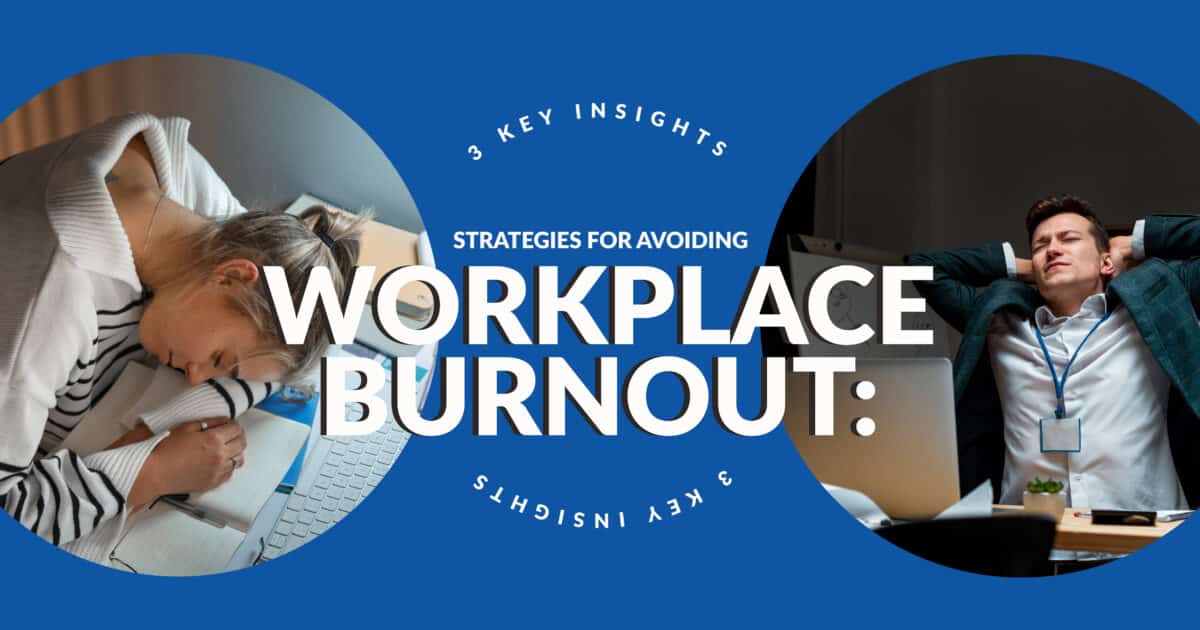
Strategies for Avoiding Workplace Burnout: 3 Key Insights

In today’s fast-paced work environment, workplace burnout has become increasingly prevalent. Employees in many fields often feel overwhelmed and stressed, struggling to balance work and personal life. For your well-being and the organization’s success, it’s important to spot signs of burnout and use effective strategies to prevent it.

Understanding Workplace Burnout

Before diving into strategies, it’s essential to understand what workplace burnout entails. Burnout isn’t just feeling tired or stressed occasionally; it’s a state of emotional, physical, and mental exhaustion caused by prolonged stress or excessive workload. Symptoms of burnout include feelings of hopelessness, lack of control, and decreased motivation.

Common symptoms include:

  • Feeling drained and depleted
  • Loss of motivation and interest
  • Increased cynicism and negativity
  • Reduced productivity
  • Difficulty concentrating
  • Health issues such as headaches or insomnia

Identifying these signs early can help individuals proactively avoid burnout before it escalates.

Key Insights to Prevent Workplace Burnout

Establishing Boundaries and Prioritizing Self-Care

Setting clear boundaries between work and personal life is crucial for preventing burnout. Here are some actionable steps:

  • Define Work Hours: Clearly define when your workday starts and ends. Stick to these hours as much as possible to prevent work from encroaching on personal time. Implementing flexible scheduling options can further support this balance, allowing for a more manageable work pace.
  • Take Breaks: Take regular breaks during the day to recharge. Use this time to walk briefly, do deep breathing exercises, or step away from your desk. Incorporating mindful breathing and stress & burnout prevention exercises can enhance the effectiveness of these breaks.
  • Prioritize Tasks: Use time management techniques like the Eisenhower Matrix to prioritize tasks based on importance. This helps focus on essential functions while delegating or postponing less critical ones. Effective prioritization also helps manage work-related stress and reduce burnout risks.

By establishing boundaries and prioritizing self-care, individuals can create a healthier work environment and reduce the risk of burnout.

Building a Supportive Work Culture

Organizational culture plays an essential role in employee well-being. Companies that foster a supportive work environment can help prevent burnout. Key strategies include:

  • Encourage Open Communication: Create channels for employees to voice concerns or seek support without fear of judgment. Regular check-ins with managers can provide opportunities to discuss workload and stress levels. Encouraging transparent discussions about burnout signs can lead to a more supportive workplace culture.
  • Promote Work-Life Balance: Offer flexible work arrangements that include telecommuting or flexible hours to accommodate diverse needs. Encourage employees to use their vacation time and discourage a culture of overworking. Remote workers, for example, benefit greatly from flexible scheduling that allows for better balance and reduced stress.
  • Provide Resources: Offer resources such as employee assistance programs (EAPs), wellness initiatives, or stress management workshops. These resources can equip employees with tools to manage stress effectively. Access to health care and mental health days can further support employees in managing chronic workplace stress.

Building a supportive work culture enhances employee satisfaction, boosts productivity, and reduces turnover rates.

Investing in Professional Development and Skill Enhancement

Continuous learning and skill development are not only beneficial for career growth but also for preventing burnout. Here’s how:

  • Set Career Goals: Encourage employees to set clear career goals and support them through training programs or mentorship. Achieving career milestones can enhance job satisfaction and mitigate feelings of hopelessness.
  • Promote Learning Opportunities: Provide access to online courses, seminars, or workshops that allow employees to acquire or deepen new skills. This not only enhances job satisfaction but also stimulates intellectual engagement. Investing in professional development can help combat burnout and foster a more resilient workforce.
  • Encourage Job Rotation: Offer opportunities for employees to explore different roles or departments within the organization. Job rotation can prevent monotony and keep employees motivated. This approach addresses burnout risks associated with job stagnation and promotes a sense of control over one’s career trajectory.

Investing in professional development shows employees that their growth is valued, which can significantly contribute to job satisfaction and reduce burnout.

FAQs

What are coping strategies for burnout?

Prioritize self-care by ensuring adequate sleep, nutrition, and exercise. Set boundaries to manage workload and avoid overcommitment. Practice relaxation techniques like meditation or deep breathing. Seek support from friends, family, or professionals. Take regular breaks and disconnect from work-related activities. Reflect on personal goals and values to realign priorities.

How can you prevent burnout at work?

To prevent burnout at work, prioritize self-care by maintaining a healthy work-life balance. Set clear boundaries, take regular breaks, and ensure you get enough rest. Practice stress-reducing activities like exercise or meditation. Communicate openly with your manager about workload and seek support when needed. Regularly assess your goals and adjust them to stay aligned with your personal and professional values.

Which of the following is are strategies for avoiding burnout?

Strategies for avoiding burnout include setting boundaries to maintain a work-life balance, prioritizing self-care activities such as exercise and adequate sleep, seeking support from friends, family, or professionals, and taking regular breaks to recharge. Additionally, practicing mindfulness or meditation can help manage stress levels and prevent burnout.

How to avoid burnout in 5 easy steps?

To avoid burnout, prioritize self-care by setting boundaries and ensuring regular breaks. Manage your workload by delegating tasks and focusing on what’s essential. Maintain a healthy work-life balance by dedicating time to hobbies and relaxation. Stay connected with supportive colleagues and friends. Regularly assess your goals and adjust them to align with your well-being.

How do successful people avoid burnout?

Successful people avoid burnout by setting clear boundaries between work and personal life, prioritizing self-care, and ensuring regular breaks. They focus on time management, delegate tasks, and maintain a supportive network. Regular exercise, mindfulness practices, and hobbies also play a crucial role in maintaining balance and preventing burnout.

Which strategy is first for burnout prevention?

Prioritizing self-care is the first strategy for burnout prevention. This involves ensuring adequate rest, maintaining a balanced diet, and engaging in regular physical activity. Setting boundaries to manage workload and taking breaks to recharge are also crucial. By focusing on self-care, individuals can build resilience and reduce the risk of burnout.

    Conclusion

    In conclusion, preventing workplace burnout requires a proactive approach addressing both individual and organizational factors. Employees can mitigate stress and maintain well-being by establishing clear boundaries, fostering a supportive work culture, and investing in professional development. Employers play a crucial role in creating environments where employees can thrive, ultimately leading to higher productivity and retention rates.

    Social Media’s Role in Rehab: Benefits & Challenges

    In addiction recovery, social media is increasingly recognized for its potential to support individuals during rehabilitation. As technology continues to intertwine with everyday life, strategically leveraging social media platforms can significantly augment traditional rehab methods. This blog explains how social media can be effectively utilized within rehabilitation programs, drawing insights from leading practices and studies in the field.

    Understanding the Role of Social Media in Rehab

    Social media platforms like Facebook, Instagram, and Twitter have transformed how individuals communicate, share experiences, and seek support. In the context of rehab, these platforms offer unique opportunities to:

    • Build Support Networks: Connecting with peers and support groups online can foster a sense of community and belonging, which is crucial for recovery. Engaging in social media interactions allows individuals to maintain social lives even during intensive outpatient programs.
    • Access Resources: Rehab facilities and counselors at drug rehab centers can share educational content, coping strategies, and motivational messages easily accessible to individuals undergoing treatment. Informative content about substance use disorders and behavioral therapy can be particularly beneficial.
    • Provide Real-time Support: Immediate access to encouragement and advice from peers and professionals can help individuals navigate challenging moments during their recovery. This real-time interaction is essential for managing mental health concerns that arise unexpectedly.

    Benefits of Integrating Social Media into Rehab Programs

    Enhanced Connectivity and Support

    By bridging geographical barriers, social media helps individuals to connect with others who share similar experiences, creating a virtual support network that extends beyond physical boundaries. This is particularly useful in outpatient rehab facilities where patients may feel isolated.

    24/7 Access to Resources

    Unlike traditional support groups that meet at scheduled times, online communities and resources are available round-the-clock, providing continuous support whenever needed. This is especially important for those dealing with co-occurring disorders, as they may require support at unpredictable times.

    Personalized Recovery Journeys

    Rehab facilities can tailor content based on individual needs, providing personalized guidance and encouragement through targeted messaging and interactive platforms. A personalized matching process for content delivery can enhance the effectiveness of support.

    Best Practices for Using Social Media in Rehab

    Privacy and Confidentiality

    Ensuring strict privacy settings and guidelines to protect the identities and confidentiality of participants is paramount. This is crucial for maintaining the trust of individuals in recovery.

    Educational Content

    Sharing evidence-based information on addiction, recovery techniques, and mental health can empower individuals with the knowledge and tools to manage their journey effectively. Educational posts on platforms like social media channels can provide valuable insights into overcoming addiction.

    Interactive Engagement

    Encouraging active participation through polls, Q&A sessions, and live discussions fosters engagement and community bonding. These interactions can mimic real-life relationships and provide a sense of human interaction that is often missing in digital platforms.

    Challenges and Considerations

    Potential Triggers

    Exposure to particular content or individuals online may trigger cravings or negative emotions, necessitating careful content curation and moderation. Monitoring social media addiction treatment content can help mitigate these risks.

    Security Concerns

    Ensuring platforms comply with HIPAA regulations and implementing strong security measures to protect user data and maintain confidentiality is crucial. Addressing these concerns can prevent potential negative consequences for users.

    Future Trends and Innovations

    Predictive Analytics

    The integration of artificial intelligence (AI) and machine learning in social media platforms could revolutionize rehab support by analyzing user data to anticipate relapse triggers and provide preemptive support. This could significantly improve the outcomes of addiction treatment programs.

    Virtual Reality (VR)

    Immersive VR experiences could simulate real-life scenarios for individuals to practice coping mechanisms and resilience skills in a controlled environment. This can be an innovative addition to traditional addiction rehab programs.

    The Role of Social Media in Addressing Mental Health Issues

    Social media can be a double-edged sword in mental health. While it offers support and connectivity, it can also contribute to issues like social media addiction, which requires specialized social media addiction counseling. Balancing these aspects is critical for effective addiction treatment.

    Integrating Social Media into Daily Life in Rehab

    Rehab centers must establish guidelines for social media usage to prevent it from becoming a distraction or a source of stress. Setting specific phone times and limiting cell phone usage can help maintain focus on recovery.

    Enhancing Treatment Through Social Media Marketing Strategies

    Using a well-crafted social media marketing strategy, rehab centers can reach potential clients and share success stories. This not only helps in building a robust online presence but also showcases the positive impact of their programs.

    FAQs

    What is the role of social media in health care?

    Social media in health care serves as a platform for patient engagement, education, and support. It allows health professionals to share information, promote health awareness, and connect with patients. It also facilitates peer support among patients and can be used for public health campaigns. However, it requires careful management of privacy and accuracy to ensure reliable information dissemination.

    What is the role of social media in drug abuse?

    Social media can influence drug abuse by normalizing substance use, providing platforms for buying and selling drugs, and exposing users to peer pressure. It can also spread misinformation about drug effects and safety. However, it can be a tool for prevention and recovery support by connecting individuals to resources and communities focused on sobriety and health.

    What positive influence do social networks have on the treatment of addiction?

    Social networks offer support and connection, reducing feelings of isolation for those in recovery. They provide a platform for sharing experiences and advice, fostering a sense of community. Access to resources and information is enhanced, helping individuals stay informed about treatment options. Encouragement and accountability from peers can motivate continued sobriety and personal growth.

    What is the role of media in the prevention of drug abuse?

    The media plays a crucial role in preventing drug abuse by raising awareness, providing accurate information, and shaping public perceptions. Through campaigns, news reports, and educational programs, media can influence attitudes and behaviors, promote healthy lifestyles, and highlight the consequences of drug use. It serves as a platform for experts to share insights and for communities to engage in dialogue about prevention strategies.

    How does the media play a role in drug use and addiction?

    The media can influence drug use and addiction by shaping public perceptions and attitudes. It often glamorizes drug use, downplays risks, and normalizes behavior through movies, music, and social media. This portrayal can lead to increased curiosity and experimentation, especially among impressionable audiences, contributing to the spread of misinformation and potentially encouraging substance use.

    How can you promote the prevention of drug abuse?

    Encourage open communication about the risks and consequences of drug use. Support community programs that educate and provide resources for prevention. Foster environments that promote healthy lifestyles and coping mechanisms. Advocate for policies that limit access to drugs and provide support for those at risk. Engage in activities that build self-esteem and resilience among youth.

      Conclusion

      The use of social media in rehab represents a promising avenue for enhancing support, connectivity, and personalized care in addiction recovery. By leveraging these platforms thoughtfully, rehab facilities can complement traditional methods with modern, accessible resources that empower individuals throughout their recovery journey.

      As technology continues to grow, so will the opportunities to innovate and improve addiction treatment strategies, making recovery more attainable and sustainable for those in need.

      Incorporating social media into rehab programs isn’t just about embracing technology—it’s about harnessing its power to transform lives positively. Whether through online support groups, educational content dissemination, or personalized coaching, the potential impact of social media on rehab outcomes is undeniable.

      By staying current with the latest trends and best practices for integrating social media into rehab programs, facilities can ensure they provide comprehensive, adequate support to individuals seeking recovery from addiction.

      Abuse and Depression: Understanding the Link & Support

      Abuse, in its various forms, has profound impacts on mental health, with depression being a common consequence. Whether it’s financial abuse, physical violence, or sexual exploitation, understanding how abuse leads to depression is crucial for both victims and those around them. This blog explores this complex relationship, delving into research and expert insights to provide a deeper understanding.

      Understanding Abuse and Its Types

      Abuse encompasses physical abuse, sexual violence, emotional harm, and psychological abuse. It often occurs within relationships of power and control, leaving deep scars on victims’ mental and emotional well-being. Common forms of abuse, such as domestic violence and intimate partner violence, can leave lasting physical symptoms, emotional distress, and psychological maltreatment. Each type of abuse, including technological abuse and digital abuse, contributes to a heightened risk for depression and other mental health concerns.

      Highlighted Forms of Abuse:

      • Physical Violence: Includes hitting, slapping, or any form of physical harm.
      • Emotional Neglect: Failure to provide emotional support, leading to feelings of worthlessness.
      • Psychological Aggression: Such as threats and manipulation, impacting emotional health.

      These experiences often result in traumatic events, bodily injury, and mental distress, which have far-reaching consequences for emotional and physical health.

      The Psychological Toll: How Abuse Affects Mental Health

      Emotional Distress

      Victims of abuse often experience intense emotional distress, including feelings of fear, shame, and guilt. These negative emotions can lead to a persistent sense of worthlessness and contribute to major depression. Abusive behavior, such as constant criticism and reproductive coercion, especially during childhood abuse, can exacerbate feelings of sadness and guilt, increasing the prevalence of depression.

      Cognitive Impact

      Abuse can distort one’s perception of self-worth and safety, leading to negative thought patterns. This cognitive impact includes a heightened risk for depression and the development of adult psychiatric conditions such as bipolar disorder and generalized anxiety disorder. Stressful life events, especially those involving abusive partners or signs of abuse, can lead to a significant difference in mental health outcomes compared to individuals without such histories.

      Trauma and PTSD

      Many abuse survivors develop post-traumatic stress disorder (PTSD), which can manifest in symptoms such as flashbacks, hypervigilance, and avoidance behaviors. Traumatic experiences and chronic pain from past abuse can lead to comorbid anxiety and exacerbate symptoms of depression. Childhood trauma and child sexual abuse are significant factors influencing the development of PTSD.

      Does Abuse Lead to Depression?

      Abuse is strongly correlated with the onset of depression. Research indicates that individuals who experience abusive situations, particularly during childhood or adolescence, are at a significantly higher elevated risk of developing depressive disorders later in life. The prolonged exposure to trauma, constant monitoring, and emotional distress rewires the brain’s responses, predisposing individuals to mental health challenges.

      Key Factors Influencing the Link Between Abuse and Depression

      Age of Onset

      Abuse experienced in early life stages can have enduring effects on brain development and emotional regulation. Types of child abuse, including physical restraint and non-consensual sexual acts, often lead to a higher prevalence of depression and other mental disorders in adulthood. Adverse childhood experiences significantly impact emotional health and developmental outcomes.

      Duration and Severity

      The longer the duration and the more severe the abuse, the higher the likelihood of developing depression. Persistent forms of maltreatment, such as corporal punishment and verbal abuse, contribute to an increased risk for depression. The consequences of childhood maltreatment are well-documented in studies, particularly regarding previous statements made about the enduring emotional harm suffered.

      Support Systems

      The availability of supportive relationships and access to mental health resources can mitigate the impact of abuse on mental health outcomes. Protective factors, such as parental warmth and supportive environments provided by family, friends, and community organizations, play a crucial role in reducing the negative impact of abuse.

      Psychological Mechanisms at Play

      Learned Helplessness

      Victims of abuse may internalize a sense of helplessness and hopelessness, contributing to depressive symptoms. This pattern of behaviors used by abusers often leads victims to feel powerless, creating a vulnerability to depression.

      Self-Esteem Issues

      Persistent abuse can erode self-esteem, making individuals more susceptible to depressive thoughts and behaviors. Feelings of worthlessness and low self-esteem are common symptoms associated with abusive relationships and depression.

      Maladaptive Coping

      Some survivors may resort to maladaptive coping mechanisms such as substance abuse or excessive texting in attempts to manage their emotional pain. These coping mechanisms, though often detrimental, are commonly used to deal with emotional trauma and further exacerbate depressive symptoms.

      Seeking Help: Breaking the Cycle

      Recognizing the signs of abuse and seeking appropriate support are essential steps in breaking free from the cycle of abuse and depression. Social withdrawal and a loss of pleasure in activities are common symptoms among survivors, making it crucial to seek help.

      Therapeutic Interventions

      Cognitive-behavioral therapy (CBT), trauma-focused therapy, and support groups can help survivors process trauma and develop healthier coping strategies. These treatment methods are essential for addressing the psychological impact of abuse, including cases of sexual coercion and institutional abuse that may require prescribed medications or follow-up treatments.

      The Role of Social Support and Community Resources

      Family and Friends

      Encouraging open communication and offering non-judgmental support can empower survivors to seek help. Non-judgmental family support and legal protection are vital for recovery and resilience.

      Community Organizations

      Non-profit organizations and shelters provide safe havens and comprehensive support services for abuse survivors. These resources can include access to financial control assistance, medical care, and legal protection.

      Addressing Misconceptions and Stigma

      Victim Blaming

      Challenging myths and misconceptions that blame victims for the abuse helps shift societal attitudes toward empathy and understanding.

      Cultural Sensitivity

      Recognizing cultural factors influencing perceptions of abuse encourages inclusive support strategies.

      FAQs

      What is the understanding of abuse?

      Abuse is any action that intentionally harms or injures another person. It can take many forms, including physical, emotional, sexual, and psychological harm. Abuse can occur in various settings, such as homes, workplaces, or institutions, and can affect individuals of any age, gender, or background. Recognizing the signs of abuse is crucial for prevention and intervention.

      What are the 10 types of abuse?

      The 10 types of abuse include physical, emotional, sexual, financial, digital, neglect, psychological, verbal, cultural, and spiritual abuse. Each type involves different harmful behaviors, such as physical harm, manipulation, control, or exploitation, impacting the victim’s well-being and autonomy. Recognizing these forms is crucial for prevention and support.

      What are the 5 powerful self care tips for abuse and trauma survivors?

      1. Prioritize your physical health by maintaining a balanced diet, regular exercise, and sufficient sleep.

      2. Establish a support network of trusted friends, family, or support groups.

      3. Practice mindfulness and relaxation techniques to manage stress and anxiety.

      4. Set boundaries to protect your emotional and mental well-being.

      5. Engage in activities that bring joy and fulfillment to nurture your spirit.

      How to reply when someone abuses you?

      Stay calm and composed. Responding with anger can escalate the situation. Set clear boundaries by expressing that the behavior is unacceptable. Use assertive communication to convey your feelings without aggression. If necessary, remove yourself from the situation to protect your well-being. Seek support from friends, family, or professionals if the abuse continues.

      How do you deal with people who abuse you?

      Set boundaries and communicate clearly. If the behavior continues, consider limiting contact or seeking support from friends, family, or professionals. Prioritize your well-being and safety. If necessary, involve authorities or legal measures to protect yourself. Remember, it’s important to take care of your mental and emotional health in these situations.

      What does verbal abuse look like?

      Verbal abuse can manifest as name-calling, insults, or derogatory remarks aimed at belittling or demeaning someone. It may involve yelling, screaming, or using a harsh tone to intimidate or control. Verbal abuse can also include gaslighting, where the abuser makes the victim doubt their own perceptions or feelings. It often involves constant criticism, humiliation, or threats, creating a toxic environment.

        Mental Health Toolbox: Tools for Wellbeing & Strength

        Life is a journey encompassing a myriad of experiences, both joyous and challenging. While we eagerly embrace the highs, we may often find ourselves feeling overwhelmed or ill-prepared for the lows. Creating a mental health toolbox is an invaluable way to proactively equip ourselves with the necessary tools and techniques to navigate the complexities of life and foster emotional well-being and resilience.

        With a proactive approach to mental health, an individual can develop personal coping mechanisms, healthy habits, and a support network, enabling them to weather the storm and emerge stronger. In this article, we will explore the key components of creating a mental health toolbox that will empower you to thrive, irrespective of life’s challenges.

        Why Do You Need a Mental Health Toolbox?

        Taking Control of Your Emotional Well-being

        Have you ever found yourself at a loss for how to effectively manage stress, anxiety, or other emotional challenges? By creating a mental health toolbox, you take control of your emotional well-being. Just as one cannot predict every obstacle that life may present, being equipped with an array of coping strategies ensures you are prepared to face any challenges head-on.

        Building Emotional Resilience

        Resilience is the ability to bounce back from adversity and navigate through life’s difficulties. A mental health toolbox is a vehicle to cultivate resilience as it helps you discover, develop, and implement strategies that foster emotional strength and adaptability. The more tools at your disposal, the better equipped you are to endure setbacks and emerge stronger.

        Building Your Mental Health Toolbox

        Self-Awareness: The Foundation of Emotional Well-being

        Self-awareness is the cornerstone of creating a mental health toolbox. This crucial first step involves understanding your emotions, triggers, needs, and strengths. Cultivating self-awareness empowers you to respond to challenging situations rather than react impulsively. Here are techniques to enhance self-awareness:

        1. Daily Reflection Practice: Carve out time each day to reflect on your emotions, experiences, and thoughts. Jotting them down in a journal can provide invaluable insights into patterns and triggers.
        2. Mindfulness and Meditation: Engage in mindfulness exercises, such as deep breathing or guided meditation, to quiet the mind and become attuned to your present-moment experience.
        3. Seek Feedback: Trustworthy friends, family members, or a therapist can offer objective perspectives and help you understand blind spots in your self-awareness journey.

        Identifying Coping Strategies

        Every individual is unique, and so are their coping mechanisms. It’s essential to identify strategies that resonate with you and cultivate a diverse range of tools that address various aspects of your emotional well-being. Here are some approaches to consider:

        1. Physical Activity: Engaging in regular exercise releases endorphins, reduces stress, and improves overall mood. Find an activity that brings you joy, whether it be jogging, yoga, dancing, or any other form of movement.
        2. Creative Expression: Explore creative pursuits such as painting, writing, music, or crafting, as they provide a healthy outlet for emotions and allow for self-expression.
        3. Social Support: Cultivate meaningful relationships and nurture a support network that offers understanding, empathy, and encouragement during challenging times. Seek comfort in sharing your experiences and listening to others’ stories.
        4. Mind-Body Techniques: Incorporate mind-body approaches like deep breathing exercises, progressive muscle relaxation, or aromatherapy to alleviate stress and promote relaxation.

        Creating Healthy Habits

        In addition to coping strategies, fostering healthy habits is vital for maintaining emotional well-being. These habits play a significant role in supporting mental health by establishing a strong foundation for resilience. Consider incorporating the following practices into your routine:

        1. Sleep Hygiene: Prioritize quality sleep and create a soothing bedtime routine to enhance overall well-being. Maintain a consistent sleep schedule, create a calming environment, and limit exposure to electronic devices before bed.
        2. Balanced Diet: Nourish your body and mind with a well-balanced diet rich in essential nutrients. Make conscious choices, opting for whole foods that support brain health and mood stability.
        3. Stress Management: Practice stress reduction techniques, such as time management, setting boundaries, and engaging in activities that bring you joy and relaxation.
        4. Self-Care: Care for yourself by engaging in activities that invoke joy, self-compassion, and self-care. Practice setting aside dedicated time for activities you love, whether it’s reading, taking a relaxing bath, or enjoying a hobby.

        FAQs

        How to build a mental health toolkit?

        Certainly! Here is an FAQ answer for “How to build a mental health toolkit?”:
        A mental health toolkit is a set of personalized strategies and resources to help manage stress and emotional challenges. Start by identifying your stressors and the activities that help you relax. Include practices like deep breathing, journaling, or exercise. Consider professional resources such as therapy apps or support groups. Regularly update your toolkit to ensure it meets your evolving needs.

        What are the 5 C’s of mental health?

        The 5 C’s of mental health are Connection, Compassion, Coping, Contribution, and Confidence. Connection emphasizes the importance of relationships and community. Compassion involves showing kindness to oneself and others. Coping refers to effectively managing stress and emotions. Contribution highlights the value of helping others. Confidence is about building self-esteem and belief in one’s abilities.

        How to make a mental health box?

        A mental health box, also known as a self-care kit, is a personalized collection of items and tools that help you relax, manage stress, and enhance your well-being. Include things that engage your senses, such as soothing teas, calming scents, or fidget toys. It’s important to customize your box with items that resonate with your personal preferences and needs for optimal mental health support.

        How to make a mental health kit?

        What items should be included in a mental health kit?
        A mental health kit can include items that promote comfort and relaxation such as calming teas, stress balls, journals, or art supplies. Personalize the kit with items that resonate with you like favorite books, soothing music playlists, or reminders of positive affirmations. Consider including a list of contacts for friends, family, or professionals you can reach out to when needed.

        What is a mental health tool box?

        A mental health toolbox is a set of strategies, techniques, and resources that individuals can use to support their mental well-being. It includes coping mechanisms, self-care activities, mindfulness practices, and professional resources, all tailored to help manage stress, anxiety, and emotions effectively. This personalized collection empowers individuals to handle mental health challenges proactively.

        What to put in a wellbeing box?

        A wellbeing box can include a variety of items aimed at promoting mental and emotional health. Consider including items such as herbal teas, essential oils, a journal, a cozy blanket, a stress ball, or a mindfulness coloring book. The goal is to fill the box with items that encourage relaxation, mindfulness, and self-care, helping to create a personal sanctuary for moments of stress or anxiety.

        Conclusion

        Creating a mental health toolbox is a powerful step towards enhancing emotional well-being and building resilience in the face of life’s challenges. By cultivating self-awareness, identifying coping strategies, and embracing healthy habits, you equip yourself to tackle adversity with grace and emerge stronger.

        We invite you to embark upon this journey of self-discovery and empowerment, harnessing the infinite potential within you to create a mental health toolbox that is uniquely yours.

        Healing Through Art Therapy Creativity in Recovery

        Art has long been recognized as a powerful medium for self-expression, but its therapeutic benefits go far beyond aesthetics. Creative expression through artistic mediums like painting, drawing, sculpting, and even writing can unlock emotions, ignite personal growth, and serve as a catalyst for healing. This comprehensive guide delves into the world of healing through art, showcasing how creativity can restore emotional well-being and ignite self-discovery.

        The Power of Art Therapy: An Introduction to Healing Through Art

        Within every brushstroke, every pencil stroke lies the potential to transform pain, grief, and trauma into a tangible form. Art therapy harnesses creativity as a means to navigate deep-seated emotions and experiences that may be difficult to articulate through traditional forms of communication. By tapping into the realms of imagination, individuals can find solace, healing, and empowerment.

        Unleashing the Inner Artist: Self-Expression as a Pathway to Healing

        Art provides a safe space for individuals to express themselves without judgment or fear. Through the act of creation, emotions can be externalized and released, fostering a sense of catharsis and emotional restoration. Painting, drawing, and sculpting become vehicles for unlocking buried emotions, allowing individuals to visually communicate what words often fail to convey.

        The Varied Techniques of Art Therapy: Choosing Your Pathway to Healing

        a. Painting a New Canvas: Exploring the Emotions Within

        Painting offers a vibrant and versatile platform for self-expression. The burst of colors, brushstrokes, and textures can reflect the full spectrum of human emotions. Whether it’s abstract or realistic, art therapy allows individuals to paint their journeys, embracing their pain while simultaneously paving the way for healing and transformation.

        b. Sculpting: Shaping our Emotions into Concrete Forms

        Sculpting allows the tactile exploration of emotions. It gives individuals the opportunity to mold and shape their feelings in a tangible manner, providing a hands-on approach to healing. Working with clay or other sculpting materials, individuals can create physical representations of their emotions, fostering a deeper understanding of their experiences.

        c. Creative Writing: Penning Emotions on Paper

        Words have the power to heal, and creative writing allows individuals to narrate their emotions, thoughts, and experiences on paper. Journals, poetry, or even short stories become vessels for releasing emotions, offering a sense of release and clarity. Guided writing exercises can also help navigate complex emotions, leading to profound insights and personal growth.

        The Transformative Effects of Healing Through Art

        Healing through art provides individuals with a unique pathway to self-discovery, empowerment, and emotional restoration. It offers an opportunity to delve deep into one’s psyche, addressing buried traumas and fostering resilience. Through the act of creation, individuals often find a renewed sense of purpose, connection, and well-being.

        FAQs:

        What is healing through art?

        Healing through art is a therapeutic practice that uses creative processes to improve mental, emotional, and physical well-being. It involves engaging in artistic activities to express emotions, reduce stress, and enhance self-awareness. This approach can be beneficial for individuals dealing with trauma, anxiety, depression, or other challenges, providing a non-verbal outlet for expression and healing.

        How is art a way to heal?

        Art serves as a therapeutic outlet, allowing individuals to express emotions and process experiences non-verbally. Engaging in creative activities can reduce stress, improve mental health, and foster a sense of accomplishment. It encourages self-reflection and personal growth, providing a safe space to explore feelings and gain insights into one’s emotional state, ultimately promoting healing and well-being.

        How to heal trauma through art?

        Art can be a powerful tool for healing trauma by providing a non-verbal outlet for expression. It allows individuals to process emotions and experiences creatively, fostering self-awareness and emotional release. Engaging in artistic activities can help reduce stress, improve mood, and promote a sense of control and empowerment, aiding in the healing journey.

        Can art heal a person?

        Art can facilitate emotional expression, reduce stress, and promote mental well-being. Engaging in artistic activities can help individuals process emotions, gain insights into their feelings, and foster a sense of accomplishment. Art therapy, in particular, is used to support mental health by providing a non-verbal outlet for expression and helping individuals work through trauma or emotional challenges.

        Can art reverse the effects of mental illness?

        Art cannot reverse mental illness but can aid in managing symptoms. Engaging in creative activities can reduce stress, improve mood, and enhance cognitive function. Art provides a non-verbal outlet for expression, helping individuals process emotions and experiences. While not a cure, it can be a valuable component of a comprehensive mental health treatment plan.

        Can art heal the soul?

        Art can heal the soul by providing a means of expression and reflection, allowing individuals to process emotions and experiences. It offers a therapeutic outlet, fostering emotional release and personal growth. Engaging with art can also promote mindfulness and relaxation, reducing stress and enhancing well-being. Through creativity, art helps individuals connect with themselves and others, facilitating healing and transformation.

        “Silicon valley recovery saved my life!! I was addicted for 20 years and no support! I lost everything and hit my “Rock bottom”. I didn’t know how to stop or where to start. Luckily, I found Silicon Valley Recovery! At first I was hesitant because I was so used to using drugs and alcohol and couldn’t see a life without numbing my pain, my life stressors, or my depression and anxiety. The beautiful facility made it allow myself to open up to treatment and look at my use and disect what needs to change within myself and work from there. Also, the staff showed me the way and taught me the tools to have a regular life. I have seen the light at the end of the tunnel!! Thank you Silicon Valley Recovery for your empathy, knowledge and happiness you’ve given me that I can now carry with me in my healthy future!”Sammy Garcia

        In the realm of healing through art, creativity becomes the catalyst for emotional restoration. Art therapy provides individuals with a safe space to unlock and express their emotions, fostering self-discovery, healing, and personal growth. Through painting, sculpting, and creative writing, individuals can unleash their inner artists, transforming pain into beauty and trauma into resilience. The transformative effects of healing through art are undeniable, offering a pathway to emotional well-being and empowering individuals on their journey of healing.

        Silicon Valley Recovery is a safe, relaxing environment where you can comfortably experience authentic healing. Our highly-trained staff for Drug and Alcohol Addiction Treatment is dedicated to helping you find freedom from your addiction and discover a greater sense of self and purpose. We help you do this with personalized care and evidence-based practices. This heart-centered and scientific approach is tailored to meet each person’s needs. Being in treatment doesn’t need to feel like being in treatment.

        Rediscover Yourself at Silicon Valley Recovery

        Experience a sanctuary of healing nestled in the heart of Silicon Valley. Our personalized addiction treatment center in San Jose offers a compassionate environment where individuals can find renewed hope and purpose.

        All calls are 100% free and confidential