



Your body sends signals when something is wrong, and your kidneys are no exception. When alcohol begins to damage these vital organs, the early symptoms can be subtle and easy to dismiss as routine discomfort. Recognizing the early warning signals—the first signs of kidney damage from alcohol—allows you to act before temporary stress becomes permanent injury.
The kidneys filter large volumes of blood daily—roughly 200 quarts in a healthy adult—removing waste and balancing fluids. Alcohol disrupts this delicate system in ways that often go unnoticed until damage accumulates. This guide addresses a critical question: what are the first signs of kidney damage from alcohol? It explains how to distinguish kidney distress from other aches and outlines when medical evaluation becomes urgent.
How Alcohol Disrupts Normal Kidney Function
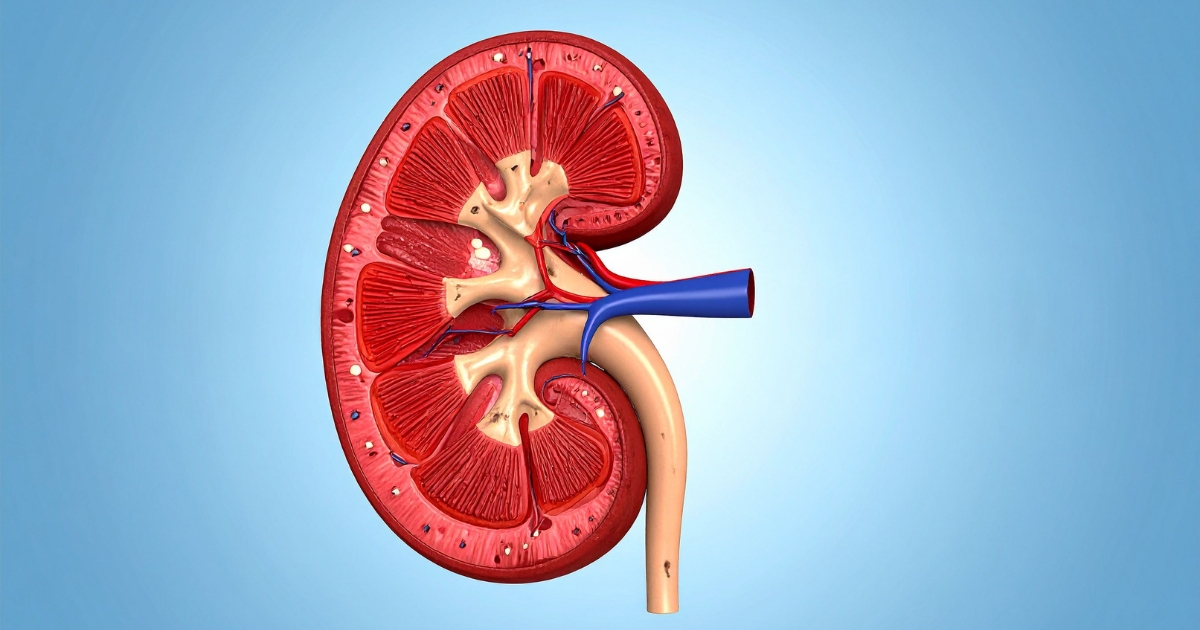
The kidneys regulate electrolytes, filter toxins, and maintain blood pressure through a complex network of nephrons. When functioning properly, this system keeps your internal environment stable. Alcohol throws this balance into chaos.
Alcohol disrupts kidney function through its diuretic effect—forcing kidneys to expel water while toxins concentrate in the blood—and by causing irregular blood vessel constriction that impairs steady filtration. Over time, chronic drinking effects on kidneys include scarring of nephron tissue and reduced filtering capacity.
Acute kidney stress differs from chronic damage in both timeline and reversibility. A single binge-drinking episode can temporarily overwhelm the kidneys, causing short-term inflammation and electrolyte imbalances that resolve within days if drinking stops. Chronic exposure, however, leads to fibrosis—permanent scarring that progressively reduces kidney function. Understanding the first signs of kidney damage from alcohol requires recognizing when acute stress transitions to chronic harm.
| Kidney Function | Normal Operation | Impact of Alcohol |
|---|---|---|
| Fluid Balance | Regulates water retention and urine output | Diuretic effect causes excessive fluid loss and dehydration |
| Waste Filtration | Removes toxins and metabolic byproducts | Increased toxin load overwhelms filtering capacity |
| Blood Pressure Control | Maintains stable vascular pressure | Irregular vessel constriction disrupts pressure regulation |
| Electrolyte Balance | Keeps sodium, potassium, and minerals in proper ratios | Imbalances lead to cramping, weakness, and cardiac issues |
Early Warning Signs Your Kidneys Are Struggling with Alcohol
What are the first signs of kidney damage from alcohol? The answer typically emerges 72 hours to 2 weeks after heavy drinking episodes. Unlike a standard hangover that resolves within 24 hours, kidney-related symptoms persist and often worsen if drinking continues.
Physical changes often appear before pain does. Urination patterns shift—you may notice darker urine that smells stronger than usual. Fatigue that lingers beyond typical hangover recovery suggests your body is struggling to clear metabolic waste.
- Reduced urine output or dark, concentrated urine: Amber or tea-colored urine that decreases in volume despite normal fluid intake signals filtering problems.
- Persistent lower back pain on one or both sides: Dull aching just below the rib cage that worsens with movement.
- Unexplained swelling in extremities or face: Puffiness around ankles, hands, or under the eyes that does not improve overnight.
- Unusual fatigue and difficulty concentrating: Brain fog and exhaustion that rest does not relieve.
- Nausea or loss of appetite unrelated to hangover: Persistent queasiness beyond the first day after drinking.
- High blood pressure or irregular heartbeat: Electrolyte imbalances can trigger hypertension and palpitations.
The Difference Between Kidney Pain and Regular Back Pain from Drinking
Part of understanding the first signs of kidney damage from alcohol involves distinguishing kidney pain from routine back discomfort. Location provides the first clue. Kidney pain typically appears just below the rib cage on one or both sides of the spine, in the area known as the flank. The difference between kidney pain and back pain from drinking becomes clearer when you press gently on the area—kidney discomfort often intensifies with direct pressure, while muscle pain may ease with massage or stretching.
Kidney pain typically appears alongside urination changes—burning, urgency, or visible blood. You may also notice fever, chills, or nausea. Muscle pain improves with rest and heat application, whereas kidney pain persists regardless of position.
Certain red flags demand immediate medical attention. If pain arrives suddenly and severely, radiating from your back into your groin or abdomen, it may indicate a kidney stone or acute kidney injury. Blood in your urine, fever above 101 degrees, or inability to urinate despite feeling the urge all signal emergencies requiring same-day evaluation. When to see a doctor for kidney issues from alcohol is not a question to delay—these symptoms can progress rapidly to kidney failure if untreated. Do not wait for symptoms to worsen—emergency departments can run blood and urine tests within minutes to assess kidney function and begin treatment.
If you or someone you know is experiencing a medical emergency, call 911. For substance use crisis support, call or text 988 to reach the Suicide & Crisis Lifeline, available 24/7.
How Kidney Damage Progresses Without Intervention
Alcohol kidney disease stages follow a predictable pattern when drinking continues, measured by glomerular filtration rate (GFR)—the standard clinical metric for kidney function. Stage 1 involves temporary inflammation with GFR above 90 percent of normal. Stage 2 brings mild decline to 60–89 percent. By stage 3, chronic kidney disease has set in, with function dropping to 30–59 percent. Stages 4 and 5 represent severe impairment and kidney failure, requiring dialysis or transplant.
Progression speed varies based on drinking patterns, genetics, and overall health. Heavy daily drinkers may reach stage 3 within several years, while intermittent binge drinking can take longer but still causes cumulative harm. Concurrent conditions like diabetes or high blood pressure accelerate damage. Recognizing the first signs of kidney damage from alcohol becomes critical because most people feel relatively normal until reaching stage 3 or 4.
| Stage | Kidney Function | Symptoms |
|---|---|---|
| Stage 1 | 90% or higher GFR with kidney damage markers | Often none; detected through lab tests showing protein in urine |
| Stage 2 | 60–89% GFR with mild decline | Subtle fatigue, slight changes in urination frequency |
| Stage 3 | 30–59% GFR, moderate impairment | Persistent fatigue, swelling, back pain, high blood pressure |
| Stage 4 | 15–29% GFR, severe decline | Nausea, loss of appetite, difficulty concentrating, muscle cramps |
| Stage 5 | Below 15% GFR, kidney failure | Severe symptoms requiring dialysis or transplant |
Can Kidneys Recover from Alcohol Damage
When people ask, “What are the first signs of kidney damage from alcohol?” they often follow with whether recovery is possible. The answer depends on timing and extent of injury. Early-stage damage—stages 1 and 2—often reverses partially or fully with sustained abstinence. Inflammation subsides, blood flow normalizes, and remaining nephrons compensate for damaged ones.
Once scarring becomes extensive, however, recovery becomes limited. Stage 3 and beyond involve permanent loss of nephron tissue that cannot regenerate. Even with complete abstinence, function stabilizes rather than improves. The goal shifts from reversal to preventing further decline. This makes early intervention critical—the sooner you recognize the early warning signals and stop drinking, the better your odds of meaningful recovery.
Medical support from nephrologists and addiction specialists accelerates healing by treating both organ damage and underlying alcohol use disorder. Comprehensive care addresses both the physical consequences and the behavioral patterns that caused them.

Filtering Out Denial: Your Next Steps with Silicon Valley Recovery
Knowing “What are the first signs of kidney damage from alcohol?” is only valuable if you act on them. Medical evaluation becomes essential the moment you notice persistent symptoms—waiting to see if they resolve on their own risks permanent damage. A simple blood test measuring creatinine and blood urea nitrogen, combined with a urinalysis, reveals kidney function within hours. These tests are non-invasive, inexpensive, and available at any urgent care or primary care office.
Addressing alcohol use now prevents progression to chronic kidney disease, a condition that dramatically reduces quality of life and lifespan. Treatment for alcohol use disorder is not about willpower—it is about addressing the neurological and psychological factors that drive compulsive drinking. Evidence-based therapies like cognitive behavioral therapy, medication-assisted treatment, and peer support groups have proven success rates in helping people achieve lasting sobriety.
Silicon Valley Recovery offers comprehensive assessment and treatment services designed to address both the physical and behavioral aspects of alcohol-related health concerns. The clinical team includes addiction medicine specialists who understand how alcohol affects every organ system, including the kidneys. Treatment plans integrate medical monitoring, therapy, and relapse prevention strategies tailored to your specific situation. Taking the first step—whether that is a phone call, an online assessment, or an in-person consultation—can halt kidney damage before it becomes irreversible. Your kidneys have been working tirelessly to keep you alive; now is the time to give them the support they need to heal.
FAQs
These frequently asked questions address common concerns about alcohol-related kidney damage, recovery timelines, and when to seek medical care.
1. Why do my kidneys hurt after drinking even small amounts of alcohol?
Kidneys may hurt after minimal alcohol intake if they are already compromised or inflamed from previous drinking episodes. Even small amounts can trigger pain when nephrons are sensitized or when dehydration concentrates toxins. This sensitivity often indicates underlying damage. Medical evaluation is appropriate when pain persists or recurs.
2. How does alcohol affect kidney function differently than other organs?
Alcohol forces kidneys to work harder by acting as a diuretic and increasing toxin load simultaneously. Unlike the liver, which metabolizes alcohol directly, kidneys filter the byproducts and manage the dehydration alcohol causes. This dual burden makes them particularly vulnerable, especially when combined with high blood pressure or diabetes.
3. What are the stages of alcohol kidney disease and how quickly does it progress?
The stages range from 1 (mild damage with normal function) to 5 (kidney failure requiring dialysis). Progression speed depends on drinking patterns, genetics, and co-existing health conditions. Heavy daily drinkers may reach stage 3 within several years, while intermittent binge drinking can take longer but still causes cumulative harm.
4. How can I tell if my kidney pain is serious enough to go to the emergency room?
Seek emergency care if you experience severe flank pain with fever, blood in urine, inability to urinate, confusion, or rapid heartbeat. These symptoms suggest acute kidney injury, infection, or kidney stones—all conditions that can worsen rapidly. When in doubt, err on the side of caution and get evaluated immediately.
5. Does drinking water help protect kidneys when consuming alcohol?
Drinking water alongside alcohol reduces dehydration and helps kidneys flush toxins more efficiently, but it does not eliminate alcohol’s harmful effects. Hydration is a harm-reduction strategy, not a protective shield. The only way to fully protect kidney health is to limit or eliminate alcohol consumption, especially if you have already noticed early symptoms of alcohol-related kidney problems.