



Your eyes reveal more about substance use than you might realize. Physical changes like dilated or constricted pupils, bloodshot appearance, and a glassy or unfocused look are among the most visible signs that someone is using drugs. These eye-related symptoms occur because many substances directly affect the nervous system, causing immediate and noticeable changes in pupil size, blood vessel appearance, and overall eye health.
For people who have recently stopped using substances, knowing the timeline for physical healing provides reassurance during a vulnerable time. Early recovery brings many concerns, and worrying about visible signs of past drug use can create anxiety and self-consciousness. The good news is that most eye changes caused by drug use are temporary and reversible. Your body has a remarkable healing capacity, and understanding what to expect as your eyes begin to recover can provide hope and motivation during the challenging early weeks of sobriety.
How Different Drugs Affect Your Eyes and Pupils
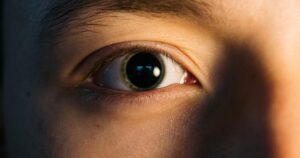
The visible changes in the eyes after using substances occur because substances interact directly with your autonomic nervous system, which controls involuntary functions, including pupil dilation and constriction. Stimulants like cocaine, methamphetamine, and MDMA trigger the sympathetic nervous system, causing pupils to dilate widely even in bright light. This dilation happens because these drugs increase norepinephrine and dopamine levels, which signal the muscles in your iris to open the pupil. Opioids like heroin, fentanyl, and prescription painkillers have the opposite effect, activating the parasympathetic nervous system and causing pupils to constrict to pinpoint size. These drug use physical signs eyes become recognizable patterns that reflect how substances disrupt normal regulatory systems.
Beyond pupil changes, different substances create distinct patterns in eye appearance that become recognizable with repeated use. Alcohol and marijuana commonly cause bloodshot eyes because they dilate blood vessels throughout the body, including the tiny capillaries in the whites of your eyes. Stimulant use often produces a glassy, overly bright appearance along with rapid eye movements and difficulty focusing. Many people using drugs also experience increased light sensitivity, leading them to wear sunglasses indoors or avoid bright environments. The eye symptoms by drug type vary, but all signal that normal regulatory systems have been disrupted.
| Drug Category | Primary Eye Effect | Additional Symptoms | Typical Duration |
|---|---|---|---|
| Stimulants (cocaine, meth) | Extreme pupil dilation | Rapid eye movement, glassy appearance | 4-12 hours per use |
| Opioids (heroin, fentanyl) | Pinpoint pupil constriction | Drooping eyelids, unfocused gaze | 3-8 hours per use |
| Alcohol | Bloodshot, red eyes | Difficulty focusing, slow pupil response | 6-24 hours |
| Marijuana | Significant redness | Glassy look, delayed blinking | 2-4 hours |
| Benzodiazepines | Slight constriction or normal size | Droopy eyelids, slow movements | 4-10 hours |
Recovery Timeline: When Your Eyes Return to Normal After Stopping Drugs
When do pupils return to normal? Understanding the bloodshot eyes recovery time helps set realistic expectations during early sobriety. Within the first 24 to 48 hours after stopping stimulant use, dilated pupils after stopping drugs typically begin returning to their normal size as the nervous system starts rebalancing. For opioid users, pinpoint pupils usually normalize within three to five days, though this timeline varies based on the specific drug’s half-life and how long it was used. Bloodshot eyes from alcohol or marijuana generally clear within one to two weeks as damaged blood vessels heal and inflammation reduces. However, chronic heavy use of any substance can extend these timelines because the body needs additional time to repair more extensive damage to the delicate tissues and regulatory systems that control eye function. Your eyes improve steadily as your body’s natural healing processes take effect.
The visible signs of drug use timeline follows a predictable pattern for most people in recovery, though individual factors create some variation. During the first week of sobriety, you may notice that your eyes still show obvious signs like redness, unusual pupil behavior, or a generally unhealthy appearance. By weeks two through four, most acute symptoms resolve as your nervous system regains normal function and blood vessels heal. Factors that influence how quickly your eyes return to normal include the type of drug used, duration and intensity of use, your age and overall health, hydration levels, sleep quality, and whether you have any underlying eye conditions. If eye symptoms persist beyond four to six weeks of sustained sobriety, or if you experience pain, vision changes, or extreme light sensitivity, seeking professional eye care is important to rule out damage that may require medical treatment.
- Days 1-3: Acute withdrawal symptoms may temporarily worsen eye appearance with excessive tearing, redness, or light sensitivity before improvement begins.
- Days 4-7: Pupil size typically returns to normal responsiveness to light; bloodshot appearance begins fading as blood vessels start healing.
- Weeks 2-3: Most visible redness clears; the glassy or unfocused look resolves as brain chemistry rebalances and sleep patterns improve.
- Weeks 4-6: Eyes should appear essentially normal for most people; any remaining subtle changes continue improving with sustained sobriety.
- Beyond 6 weeks: Persistent symptoms warrant professional evaluation to address potential underlying damage or unrelated eye health issues.
- Long-term recovery: Continued healthy habits support optimal eye health; most people report their eyes look healthier than during active use within three months of sobriety.
Restoring Eye Health: Healing Your Eyes After Drugs in Recovery
Restoring eye health in recovery requires more than simply waiting for symptoms to fade—active self-care accelerates healing and supports your body’s natural repair processes. Proper hydration is perhaps the single most important factor because dehydration worsens bloodshot appearance and delays healing of damaged blood vessels in the eyes. Drinking eight to ten glasses of water daily helps flush toxins from your system and keeps eye tissues properly moisturized. Nutrition also plays a crucial role in healing your eyes, with vitamins A, C, and E supporting tissue repair and reducing inflammation. Foods rich in omega-3 fatty acids, like salmon, walnuts, and flaxseed, help reduce eye dryness and support overall eye health. Quality sleep allows your eyes to rest and repair, so prioritizing seven to nine hours nightly accelerates the visible signs of drug use timeline toward normal appearance.

The physical healing of your eyes mirrors your overall recovery process, reminding you that patience and consistent healthy choices produce gradual but meaningful improvement. Your eyes are remarkably resilient organs with excellent healing capacity when given proper support through nutrition, hydration, and rest. However, the emotional component of visible recovery signs deserves attention too, as many people feel self-conscious about their appearance during early sobriety when reconnecting with family, returning to work, or rebuilding social connections. Many people in recovery report that seeing their eyes brighten and clear provides daily evidence that their body is healing. This visible progress often helps counter negative self-talk during difficult moments. Watching your eyes become healthy again serves as a tangible reminder of why sobriety matters. As the weeks pass and you notice your eyes looking clearer, brighter, and healthier, these visible improvements often become a powerful motivation to maintain sobriety.
| Recovery Support Strategy | How It Helps Your Eyes | Implementation Tips |
|---|---|---|
| Hydration (8-10 glasses daily) | Reduces bloodshot appearance, moisturizes eye tissues, and flushes toxins | Carry a water bottle, set hourly reminders, and track intake |
| Vitamin-rich nutrition (A, C, E) | Supports tissue repair, reduces inflammation, and strengthens blood vessels | Eat leafy greens, carrots, citrus fruits, nuts, and colorful vegetables |
| Quality sleep (7-9 hours) | Allows eye rest and cellular repair, reduces redness and puffiness | Maintain a consistent sleep schedule and create a dark sleeping environment |
| Reduced screen time | Decreases eye strain, allows healing, and reduces dryness | Take 20-second breaks every 20 minutes, limit recreational screen use |
| Preservative-free artificial tears | Soothes irritation, moisturizes without rebound redness | Use as needed, avoid “redness relief” drops with vasoconstrictors |
Begin Your Healing Journey With Professional Support at Silicon Valley Recovery
Physical healing, including the restoration of healthy eyes, is an integral part of comprehensive addiction treatment that addresses every aspect of your well-being. At Silicon Valley Recovery, we understand that recovery involves more than abstinence—it requires rebuilding your physical health, mental wellness, and confidence as visible signs of substance use fade and your true self emerges. Our evidence-based treatment programs combine medical support, therapeutic interventions, and holistic wellness practices that accelerate your body’s natural healing processes while addressing the underlying causes of addiction. Whether you are concerned about “How long do eyes look normal after drug use?” or you are ready to address the deeper issues driving substance use, our compassionate team provides the guidance and support you need during this transformative time. The physical changes you will notice, from clearer eyes to improved energy and appearance, reflect the profound internal healing happening as you build a foundation for lasting recovery. Contact Silicon Valley Recovery today to learn how our personalized treatment approach can help you reclaim your health, restore your confidence, and create the fulfilling life you deserve beyond addiction.
FAQs About Eyes After Drugs
How long do dilated pupils last after stopping stimulant use?
Pupil dilation from stimulants like cocaine or methamphetamine typically returns to normal within 24 to 48 hours after last use, though this varies by individual metabolism and usage patterns. Chronic users may experience slightly longer normalization periods of three to five days as their nervous system rebalances and eyes begin healing.
Why do my eyes stay bloodshot even after I quit drinking or using marijuana?
Bloodshot eyes can persist for one to two weeks after stopping use due to damaged blood vessels in the eye that need time to heal completely. Dehydration during early recovery can also prolong redness, making proper hydration essential for faster healing.
Can you tell what drug someone used just by looking at their eyes?
While certain patterns exist, such as constricted pupils suggesting opioids and dilated pupils indicating stimulants, eye symptoms alone cannot definitively identify specific drugs. Multiple factors, including lighting conditions, medical conditions, and prescription medications, can affect pupil size and the appearance of your eyes.
Will my eyes ever look completely normal again after long-term drug use?
Most eye changes from drug use are temporary and fully reversible within weeks to months of sustained sobriety as your body heals. However, some long-term effects, like persistent light sensitivity, may require medical treatment, and underlying damage from certain substances may need ophthalmological care for complete resolution.
What is the fastest way to get rid of bloodshot eyes during recovery?
Focus on hydration by drinking eight to ten glasses of water daily, getting seven to nine hours of quality sleep, using preservative-free artificial tears, and eating nutrient-rich foods that support healing. Avoid eye drops that promise to “get the red out” as they can cause rebound redness with regular use and delay natural healing.