


Is Meloxicam a Narcotic: Separating Fact from Fiction About This Common Pain Reliever
Is meloxicam a narcotic? It’s one of the most common questions patients ask their pharmacists about this drug, and the answer matters, especially if you’re navigating recovery.
If you’ve seen the term on a warning label, heard a pharmacist mention it, or wondered yourself, the question deserves a real answer. Perhaps you have read a warning label and wondered. With pain medication and addiction being rightfully viewed as serious matters, it is understandable that we should inquire. This is the actual answer, and the context in which it becomes useful.
Is Meloxicam a Narcotic? The Direct Answer
No. Meloxicam is not a narcotic. It is not an opioid. It does not appear on the controlled substances list. And it works through a completely different mechanism than any narcotic pain medication. The U.S. Food and Drug Administration (FDA) classifies meloxicam as a prescription nonsteroidal anti-inflammatory drug (NSAID), originally developed by Boehringer Ingelheim, a German pharmaceutical company, and approved in the United States in 2000.
What Meloxicam Actually Is: Classification and Drug Type
Understanding the meloxicam classification clears up most of the narcotic confusion. Mobic is a brand name for Meloxicam. FDA approved it in 2000, and it is used to treat arthritis, osteoarthritis, rheumatoid arthritis, and juvenile arthritis. It comes in tablet form and as an oral suspension. The majority of the forms are administered on a daily basis. It does not treat the pain and swelling by acting on the brain, but by inhibiting the body’s inflammatory signals. It is that difference that counts.
How Meloxicam Differs From Opioid Pain Medications
Opioids – things like oxycodone, hydrocodone, morphine – bind directly to opioid receptors in your brain and nervous system. That is how they kill pain. It is also how they produce sedation, that floaty feeling people describe, and most importantly, how they trigger the dopamine release that makes them addictive. Meloxicam does none of that. It works in your joints and tissues, not your brain. Calling meloxicam a narcotic because it is a pain medication is like calling ibuprofen a narcotic. Same logic, same flaw.
Meloxicam Uses in Modern Pain Management
As a pain relief medication, its main application is inflammatory pain, primarily arthritis. Stiff, swollen joints respond rather well to a medication that actually attacks the inflammation causing the pain and not simply masking the pain. Off-label use of meloxicam is also used to treat things like ankylosing spondylitis, menstrual cramps, and some acute musculoskeletal injuries. Severe acute pain – post-surgery, serious trauma, cancer pain – is not the appropriate call, as it is simply not that powerful. Better tools exist to do so.
Common Meloxicam Side Effects and Safety Concerns
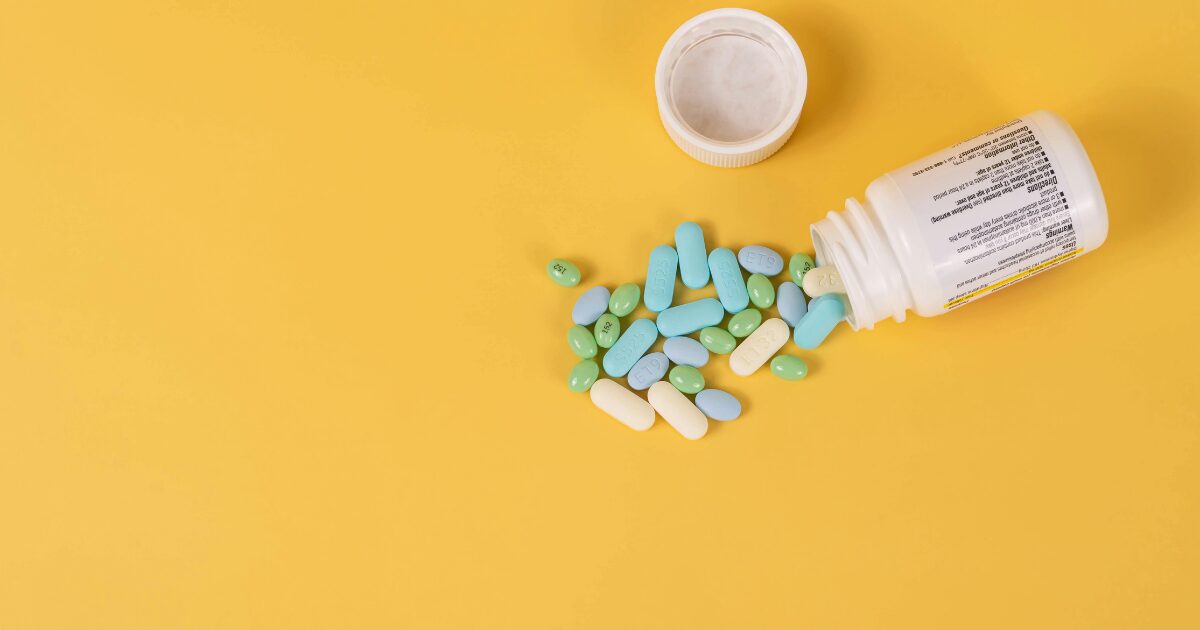
Common meloxicam side effects are not a narcotic addiction profile, but they are real, and they do require monitoring. MedlinePlus is categorical that it poses real dangers, in particular, to your stomach and your heart. These can be taken seriously, not in a frightening sense, but in an informed sense.
Gastrointestinal and Cardiovascular Risks
The NSAIDs have the ability to irritate the stomach lining and in the long run, they may lead to ulcers. These risks increase when taken over a long period, when you are older, when you are also taking blood thinners or steroids, or when you have previously had ulcers. Taking meloxicam with food helps reduce stomach irritation, but it does not eliminate the risk.
The risk of heart attack and stroke may rise, particularly with increased dosage, prolonged use, and when used by individuals who already have heart disease or who are already at risk. This is not to frighten you away from a medication which may actually be of use. It is meant to make sure you have that conversation with your doctor honestly, knowing all the variables.
Comparing Side Effect Profiles to Other Pain Relief Medications
Put it side by side with opioids and the risk picture looks very different. Both have real downsides, but they are different kinds of downsides:
| Feature | Meloxicam (NSAID) | Opioid Pain Medications |
| Addiction potential | None – no opioid receptor activity | High – activates reward pathways directly. |
| Physical dependence | No physical dependence | Develops with regular use; withdrawal on stopping. |
| Primary risks | GI ulcers, cardiovascular events | Respiratory depression, overdose, and dependence. |
| Controlled substance | No | Most are Schedule II, III, or IV. |
| Sedation and cognitive effects | None | Significant – impairs driving and decision-making. |
| Long-term concern | GI and cardiac monitoring needed | Tolerance, hyperalgesia, and addiction risk. |
Can You Become Addicted to Meloxicam?
In the clinical sense, no. Addiction involves the brain’s reward system getting hijacked by a substance that produces euphoria or relief that the brain starts craving. Meloxicam does not do that. It does not produce a high. It does not hit dopamine pathways. People who take it for years and then stop do not go through withdrawal. What they might notice is that their arthritis pain comes back – because the medication was managing a real underlying condition, and now it is not.
That is not addiction. That is just what happens when you stop treating a chronic illness.
Why Meloxicam Is Not a Controlled Substance
The DEA schedules substances when they have meaningful abuse potential, cause dependence, or pose a significant public health risk. Meloxicam clears none of those hurdles. There is nothing in it to abuse. You cannot get high from it. There is no street value for it. It does not produce the physical dependence that requires a federal scheduling designation. That is why your pharmacist fills it like a regular prescription – no special forms, no monitoring databases, no limits on refills beyond what your doctor writes.
Meloxicam Versus Opioids: Understanding the Critical Differences
For inflammatory pain – arthritis, joint issues, tendon problems – meloxicam is not just a safer option. It is often the more appropriate one medically. It addresses the actual cause of that type of pain rather than just numbing the signal.
Opioids are a different tool for different situations. Severe post-surgical pain, cancer pain, traumatic injuries – those can require something stronger. For people in recovery, that distinction is especially meaningful. Meloxicam does not trigger cravings. It does not interact with opioid receptors. It does not put sobriety at risk the way narcotic pain medications can.
Getting Professional Guidance on Pain Management at Silicon Valley Recovery
Pain and recovery can coexist. That is something a lot of people in early sobriety do not believe at first, because they have spent years using substances to manage physical and emotional discomfort.
At Silicon Valley Recovery, this conversation is part of standard care. Pain is real. Managing it without jeopardizing sobriety is possible. And having a clinical team that understands both sides of that equation makes a genuine difference.
If pain management in recovery is something you are navigating, reach out to Silicon Valley Recovery – we are here to help you find the approach that works for your whole life.

FAQs
-
Is meloxicam safe for long-term use compared to opioid pain medications?
Long-term meloxicam use is possible with proper monitoring – mainly keeping an eye on your stomach and getting cardiovascular check-ins if you have risk factors. Those risks are real but manageable. Long-term opioid use is a much messier situation: tolerance builds, doses often need to increase, and the addiction risk compounds over time.
-
What gastrointestinal risks should patients monitor while taking meloxicam daily?
The main ones to watch for are stomach pain, persistent heartburn or indigestion that was not there before, and any signs of GI bleeding – black or tarry stools, vomiting blood, or feeling unexpectedly dizzy and weak. That last group is the serious stuff that warrants a call to your doctor the same day, not a wait-and-see. Taking meloxicam with food reduces irritation. If you are also on aspirin, blood thinners, or corticosteroids, make sure your prescriber knows – the combination raises the risk significantly.
-
How does meloxicam’s addiction potential differ from narcotic pain relievers?
It basically does not have any. Narcotic addiction develops because opioids hit the brain’s reward system – they feel good, the brain associates them with relief, and craving develops over time. Meloxicam never touches that system. No euphoria, no reward signal, no craving. The only reason someone might feel they need to keep taking it is that their arthritis or inflammation returns when they stop – and that is just the disease, not addiction.
-
Can meloxicam treat severe pain as effectively as controlled substance alternatives?
Honestly, no – and that is okay because it is not trying to. Meloxicam is designed for inflammatory pain, and it does that well. For severe acute pain from surgery, injury, or cancer, you need something with more analgesic power. Those are different clinical situations that call for different tools.
-
Why isn’t meloxicam classified as a controlled substance like opioids?
Because it does not meet the criteria. The DEA schedules drugs based on abuse potential, dependence risk, and the degree of harm they can cause. Meloxicam has no meaningful abuse potential – you cannot get high from it, there is no street market for it, and it does not cause the kind of dependence that requires federal oversight. Opioids are scheduled because they check every single one of those boxes. Meloxicam checks none of them. Different drug, different risk profile, different regulatory category.