



Yes, does cocaine make your eyes red? It is a question with a clear answer, but the full picture involves more than simple redness. When someone uses cocaine, their eyes undergo several distinct changes—extreme pupil dilation, bloodshot appearance, and a characteristic “wide-eyed” look that experienced observers can often recognize. Understanding does cocaine make your eyes red, and these eye symptoms matter whether you’re concerned about your own use, worried about someone you care about, or simply trying to educate yourself about cocaine’s physical signs in the eyes. The eyes often serve as one of the most visible and immediate indicators of cocaine use.
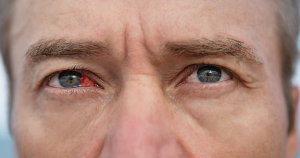
This guide explores why cocaine makes your eyes red through physiological mechanisms, what those changes look like in real time, how long symptoms persist, and how to distinguish cocaine-related eye symptoms from other common causes. We’ll address the timeline of eye symptoms, explain the mechanisms behind them, and discuss when eye changes signal a serious medical concern. Whether you’re asking does cocaine make your eyes red out of personal concern or because you’ve noticed changes in someone close to you, this article offers compassionate, non-judgmental information to help you understand what’s happening and when professional help becomes necessary.
Does Cocaine Make Your Eyes Red? The Physiological Mechanism Explained
Cocaine triggers dramatic changes in the eyes through its powerful effect on the sympathetic nervous system, which controls involuntary responses throughout the body, including eye function. When cocaine enters the bloodstream, it causes immediate vasoconstriction—a narrowing of blood vessels throughout the body, including the tiny capillaries in and around the eyes—followed by rebound vasodilation, where blood vessels expand beyond their normal size, flooding the eye area with blood and creating the characteristic bloodshot appearance. This mechanism explains why cocaine makes your eyes red through this cycle of constriction and expansion that stresses delicate eye tissues. Additionally, cocaine reduces oxygen flow to eye tissues during the vasoconstriction phase, which contributes to irritation and the bloodshot look that develops during or shortly after use.
The most dramatic and consistent eye change from cocaine use is extreme pupil dilation, medically called mydriasis, which occurs because cocaine floods the brain with neurotransmitters that activate the sympathetic nervous system’s “fight or flight” response. Normal pupils adjust constantly to light conditions, constricting in brightness and dilating in darkness, but cocaine overrides this natural response and forces pupils to remain extremely dilated regardless of lighting. This creates the distinctive “cocaine eyes” appearance—pupils so large that very little of the colored iris remains visible, combined with red or bloodshot whites of the eyes. The combination effect is what makes cocaine-related eye symptoms particularly noticeable: dilated pupils that don’t respond normally to light, plus visible redness and prominent blood vessels in the whites of the eyes. The answer to does cocaine make your eyes red includes both redness and pupil dilation occurring together, creating a distinctive pattern that sets cocaine use apart from other causes of bloodshot eyes from drug use.
| Eye Symptom | Mechanism | Typical Onset |
|---|---|---|
| Extreme pupil dilation | Sympathetic nervous system activation | Within 3-5 minutes of use |
| Bloodshot/red eyes | Vasoconstriction followed by rebound vasodilation | During or within 30 minutes after use |
| Light sensitivity | Inability of dilated pupils to constrict properly | Immediate and throughout the duration |
| Glassy, watery appearance | Eye irritation and excessive tear production | Variable, often within 15-30 minutes |
What Do Cocaine Eyes Look Like: Timeline and Symptoms
These cocaine physical signs in the eyes require knowing both the specific visual appearance and the cocaine symptoms in the eyes timeline. During active cocaine use, the most striking feature is pupils dilated to an extreme degree—often appearing as large black circles that consume most of the visible eye, leaving only a thin ring of colored iris around the edges. This pupil dilation typically begins within three to five minutes of cocaine use and reaches maximum dilation within 15 to 30 minutes. The whites of the eyes may appear bloodshot with visible red blood vessels, which directly answers whether cocaine makes your eyes red with clear visual evidence. The glassy or wide-eyed appearance, where the person looks intensely alert or startled, with eyes that seem to reflect light differently than normal due to the excessive pupil size and possible moisture from tearing, is another hallmark of what cocaine eyes look like.
The timeline for how long pupils stay dilated after cocaine varies based on dosage and individual metabolism, but most users experience noticeable pupil dilation for 30 minutes to two hours after use, with some cases extending up to six hours for higher doses. When people ask whether cocaine makes their eyes red, the redness in the eyes typically persists for two to six hours after use, though chronic users may develop persistent redness and visible blood vessels that remain even between use episodes. Lighting conditions significantly affect how noticeable dilated pupils appear—in dim lighting, dilated pupils may seem less unusual, which is why people using cocaine often avoid bright environments or wear sunglasses indoors. Additional eye-related symptoms include excessive tearing that creates a watery appearance, pronounced sensitivity to light that causes squinting or discomfort in normal lighting conditions, and difficulty focusing the eyes or tracking movement smoothly.
- Extremely dilated pupils that don’t constrict normally in bright light
- Bloodshot or red appearance in the whites of the eyes
- Glassy, watery look with possible excessive tearing
- Visible blood vessels more pronounced than usual
- Light sensitivity and squinting behavior in normal lighting
- Inability to focus eyes or track movement smoothly
How to Tell the Difference: Cocaine Eyes vs. Other Causes
Many conditions cause red eyes, which is why understanding the difference between red eyes weed and cocaine and other causes like allergies or eye strain is crucial for accurate assessment. The key differentiator when asking does cocaine make your eyes red is the combination of extreme pupil dilation plus redness, rather than redness alone. Cannabis use causes bloodshot eyes with normal-sized or only slightly dilated pupils, while allergies, eye strain from screens, or lack of sleep produce redness, but pupils remain reactive to light and constrict normally in bright conditions. When evaluating whether cocaine makes your eyes red indicates cocaine use, the answer must include this critical detail: cocaine causes a distinctive pattern of extremely dilated pupils that fail to constrict properly in bright light, combined with a bloodshot appearance—a combination rarely seen with other common causes of bloodshot eyes from drug use. Environmental factors like dry air, smoke exposure, or prolonged screen time can also affect eye appearance but typically produce milder symptoms without the extreme pupil changes characteristic of cocaine use.
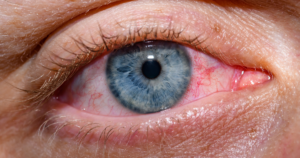
The “pupil test” provides one of the most reliable ways to distinguish cocaine use from other causes and helps answer can you tell if someone is on cocaine by their eyes—cocaine-affected pupils remain abnormally large even when a light is shone directly into them, whereas normal pupils constrict immediately in response to bright light. Context and accompanying signs that someone is using cocaine also matter significantly when evaluating whether eye symptoms suggest cocaine use, including restlessness or inability to sit still, rapid or pressured speech, jaw clenching or teeth grinding, and increased energy and activity levels. Some users attempt to mask symptoms with redness-reducing eye drops or sunglasses, but eye drops cannot address pupil dilation and may actually create a more unusual appearance by constricting blood vessels while pupils remain extremely dilated. This helps answer can you tell if someone is on cocaine by their eyes, though it’s important to recognize that eye symptoms alone, while suggestive, represent one indicator that becomes more significant when combined with behavioral changes, context, and other physical signs. Professional evaluation becomes essential when multiple indicators are present, and concerns persist over time.
| Cause | Pupil Response | Eye Redness | Other Symptoms |
|---|---|---|---|
| Cocaine use | Extremely dilated, non-reactive to light | Moderate to severe bloodshot appearance | Restlessness, rapid speech, increased energy |
| Cannabis use | Normal or slightly dilated, light-reactive | Pronounced bloodshot appearance | Relaxation, slower movements, increased appetite |
| Allergies | Normal, fully light-reactive | Mild to moderate redness | Itching, sneezing, watery discharge |
| Lack of sleep | Normal, fully light-reactive | Mild redness, possible dark circles | Fatigue, yawning, and slower reactions |
When Eye Symptoms Indicate a Serious Medical Concern
While ” Does cocaine make your eyes red is a common question, certain eye symptoms require immediate medical attention regardless of their cause. Severe eye pain, sudden vision changes or blurriness, unequal pupil sizes (one significantly larger than the other), or pupils that remain extremely dilated for more than six to eight hours after suspected cocaine use all warrant emergency evaluation. These symptoms could indicate serious complications, including retinal damage, dangerous increases in intraocular pressure, or neurological issues such as stroke, which cocaine use significantly increases the risk of experiencing. Chronic cocaine use creates cumulative damage to eye structures through repeated cycles of vasoconstriction and vasodilation, reduced oxygen delivery to delicate eye tissues, and elevated blood pressure that stresses blood vessels throughout the body, including those in and around the eyes. Over time, this damage can manifest as persistent vision problems, increased risk of retinal detachment, glaucoma, or other sight-threatening conditions that may not be immediately reversible even after stopping cocaine use.
If you’ve noticed persistent eye symptoms and are wondering if cocaine makes your eyes red, combined with behavioral changes in someone you care about, these symptoms may indicate a developing or established substance use disorder that requires professional intervention. When approaching someone about your concerns regarding whether cocaine makes your eyes red and other visible signs, focus on specific observations rather than accusations—mention that you’ve noticed their eyes appear different, they seem more restless or energetic at unusual times, or their behavior has changed in ways that worry you. It’s important to recognize that visible eye symptoms represent just one aspect of cocaine’s impact on overall health—cardiovascular stress, neurological damage, mental health effects, and social consequences often develop alongside the physical signs. Professional assessment becomes crucial when cocaine use is suspected or confirmed, as trained clinicians can evaluate the full scope of health impacts and recommend appropriate interventions based on individual circumstances and severity of use. Early intervention can prevent serious complications and improve long-term outcomes, making timely action essential when concerns arise about cocaine use and its visible effects.
Get Compassionate, Expert Help Today
Recognizing whether cocaine makes your eyes red and identifying the signs of cocaine use represent an important first step, but taking action to address substance use requires professional support in a safe, judgment-free environment. Silicon Valley Recovery provides comprehensive evaluation and evidence-based treatment for individuals struggling with cocaine use, whether you’re seeking help for yourself or supporting someone you care about through their recovery journey. Our clinical team understands that eye symptoms and other physical signs of cocaine use reflect deeper challenges with substance use patterns, underlying mental health concerns, and the complex factors that contribute to addiction. We offer medically supervised detox support to manage withdrawal safely, individualized treatment planning that addresses your specific needs and circumstances, and ongoing therapeutic support to build sustainable recovery skills. If you’ve noticed the warning signs—whether extreme pupil dilation, persistent redness, behavioral changes, or the combination of symptoms that indicate cocaine use—reaching out for professional help today can prevent serious health complications and start the path toward lasting recovery and wellness.
FAQs About Cocaine and Eye Symptoms
How long do pupils stay dilated after using cocaine?
Pupil dilation from cocaine typically lasts 30 minutes to 2 hours after use, though this varies based on the amount used and individual metabolism. In some cases, especially with higher doses, pupils may remain noticeably dilated for up to 6 hours, which relates to does cocaine make your eyes red symptoms.
Can you hide red eyes from cocaine use with eye drops?
While redness-reducing eye drops may decrease bloodshot appearance, they cannot address the extreme pupil dilation caused by cocaine, which is often the most noticeable eye symptom. The combination of constricted blood vessels from drops and dilated pupils can actually create a more unusual appearance.
Are red eyes always present when someone uses cocaine?
Not always—eye redness varies by individual, amount used, and method of use. Pupil dilation is more consistent and reliable as an indicator, though some users may show minimal eye symptoms while still experiencing cocaine’s other effects.
What’s the difference between red eyes from cocaine versus cannabis?
Cannabis causes red, bloodshot eyes with normal or slightly dilated pupils, while cocaine causes extreme pupil dilation that’s often more noticeable than redness. Cocaine users also typically display increased energy and restlessness, opposite to cannabis effects.
Can cocaine cause permanent eye damage?
Yes, chronic cocaine use can lead to serious eye complications, including retinal damage, vision problems, increased intraocular pressure, and a higher risk of vision-threatening conditions. These risks increase with frequency and duration of use, making early intervention important.