...

Identifying & Managing Common Relapse Triggers
In the context of treating addiction, relapse is the act of a recently abstinent addict returning to use of their addictive substance or behavior. In everyday language, relapse is commonly used interchangeably with the term “relapse into substance abuse,” which is considered the more general definition for returning to addictive behavior. Thus, addiction relapse may be a more appropriate term since not all addicts will return to abusing a specific drug or self-destructive behavior.

Addiction relapse results from the brain returning to addictive patterns of behavior that were overcompensated for in the past. Addiction relapse often occurs when a smoker begins associating situations and feelings with potential triggers for smoking, such as being in stressful situations during addiction recovery. Such stimuli can be reminders of past addictions, for example, drugs or alcohol. Once the brain develops patterns around the common relapse trigger and associates them with smoking, it may fall into old habits.

The process of relapse typically occurs in three stages:

  • Emotional relapse

  • Mental relapse

  • Physical relapse

What are the Common Addiction Relapse Triggers?

Substance abuse triggers are internal and external cues that cause a person in recovery to crave drugs and often relapse or lapse. A trigger for relapse is an emotional, environmental or social situation that drags up memories of drug or alcohol use in the past.

If you’re an addict or alcoholic reading this, you have probably gone through a relapse before. You know the signs, and you know how it feels. The potential for relapse is always there. It’s essential to learn about what addiction relapse triggers are if you want to avoid them so that you can remain sober in the future.

What are Internal and External Triggers? 

  • External triggers are certain activities, locations, people, objects, images, situations, and events that can make you want to use drugs or drink alcohol.

  • Internal triggers are thoughts or emotions that make you want to use drugs or alcohol.

Relapse is a significant component of staying clean and sober. Relapse can be defined as the return to drug or alcohol use after a period of abstinence. Closely about one-third of people relapse within one month, more than half relapse by six months, and virtually all relapse within a year.

Having an understanding of why addiction relapse occurs may help you to keep from the risk of relapse. Here are five of the most common and often seen relapse triggers and ways to avoid triggers in recovery:


1. HALT: Hungry, Angry, Lonely, Tired

The HALT acronym is one of many simple tools we can use to improve our quality of daily life when facing addiction. Identifying situations that cause us to put ourselves in emotional discomfort helps us be more effective in handling them effectively. For instance, if we are Hungry, Angry, Lonely, or Tired, we become vulnerable to poor decision-making and relapse.

Naming the sensation allows us to take action that may help prevent a situation from turning into one with negative consequences.


2. Emotional Stress

 Preventing relapse is a crucial part of the addiction recovery process; however, many individuals may not be fully prepared to cope with the common relapse trigger and temptations they encounter daily. These emotions can serve as reminders of a person’s history and former coping methods, inciting negative feelings of helplessness. When they feel like they are winning the battle against their drug addiction, a perceived negative emotion can lead them to use drugs or alcohol in the first place.

Anxiety is a symptom of relapse. Feeling powerless can trigger a potential relapse. Blaming others for your problems promotes relapse. Never being able to tolerate any discomfort puts you at risk for relapse.


3. Overconfidence

Reach the highest highs and the lowest lows. There’s no greater high than recovery, but that doesn’t mean you should get overconfident about your recovery. Overconfidence in recovery puts you at risk for relapse. Being optimistic about your new life as a sober individual is necessary, but becoming overconfident crosses a line from healthy confidence to self-satisfaction and addiction risk.


4. Social Isolation

Although your reliance on drugs or alcohol may have initially been your desire to fit in and feel part of a group, this reliance can easily lead to feelings of social isolation and loneliness over time. If you lack a support system to turn to when times are tough, or you’re feeling down, it can become easy to convince yourself that you need a drink or a drug of choice to help you through.

Social support is crucial to long-term recovery. To combat feelings of isolation, contact your nearest Narcotics Anonymous group or other 12 Step fellowship, and ask to be put in touch with a sponsor. Get involved in meetings and activities. This will help you build a recovery network and ease your loneliness.

5. Reminiscing

A major red flag that you have not truly accepted your addiction is when you reminisce about times from the past when you used it. This type of nostalgia is a way to romanticize your addiction, especially if you overlook all the suffering your addiction caused.

It’s important to remember that each drink or drug use was its separate incident with its consequences, emotions, and learning opportunities. These memories can stir up strong emotions that lead to the impulse to use a substance again. Objects in an individual’s everyday life may induce illicit drug cravings.

Holiday parties involving social drinking may be tricky. Avoid high-risk situations and locations. Some of the other people who may be triggering include former drug dealers, co-workers, employers, neighbors, spouses, or partners. Positive feelings can also serve as internal triggers.

Addiction is a chronic brain disease with a relapse rate similar to that of other chronic conditions like diabetes. Addiction is a ruthless master, always finding ways to trick the addict into believing that their behavior isn’t addictive. According to the National Institute on Drug Abuse, 40 to 60 percent of people who are treated for substance use disorders will relapse at some point.

If you start to rationalize your addictive behaviors by viewing them through rose-colored glasses, then you are becoming an enabler to your addiction. Focus on the pain your addiction caused you and others. This is what will help keep you on the path to sobriety.

Family dynamics may influence an individual’s substance use abstinence self-efficacy. If you find yourself stuck in a cycle of addictive behavior and are looking for a way out, complete recovery from the relapse process is possible. First, it’s essential to seek help and treatment from a professional specializing in substance abuse or mental health disorders.

Getting Help

Since many individuals with substance use disorder also suffer from co-occurring disorders, seeking help from an expert who can assess and treat any underlying condition that may have contributed to your addictive behavior is crucial.

At Silicon Valley Recovery, we provide individuals with a comprehensive treatment plan to avoid the common triggers for relapse. We use a combination of professionally supported 12-step meetings, balanced medical care, and evidence-based therapy to give patients a relapse prevention plan that they need to avoid relapse and achieve long-term sobriety. our substance abuse treatment aims to help individuals recognize the early warning signs of relapse and develop healthy coping skills to thwart a possibility of relapse.

Give us a call today at 408-547-4089 and start the recovery process. We offer a wide range of addiction treatment programs to help you fight negative behaviors.

FAQs

What are the most common triggers for relapse?

Common triggers for relapse include stress, negative emotions, social pressures, and environmental cues associated with past substance use. Additionally, certain situations or people that remind individuals of their previous habits can also act as triggers. It’s important to identify these triggers and develop coping strategies to manage them effectively.

What are 5 internal triggers?

1. Internal triggers are cues from within that prompt action. They often stem from emotions, thoughts, or pre-existing routines. Examples include boredom, loneliness, stress, uncertainty, and the desire for social connection. These triggers can drive behavior by creating a need to alleviate discomfort or fulfill a psychological need, leading individuals to seek solutions or distractions through various actions or products.

What are the top 3 factors that contribute to relapse?

The top three factors that contribute to relapse are stress, exposure to triggers, and lack of support. Stress can overwhelm coping mechanisms, making it difficult to maintain sobriety. Exposure to triggers, such as people, places, or situations associated with past substance use, can reignite cravings. A lack of support from family, friends, or support groups can leave individuals feeling isolated and vulnerable.

What are the triggers for people in recovery?

Triggers for people in recovery can include stress, emotional distress, environmental cues, social situations, and exposure to substances. These triggers can lead to cravings or urges to use substances again. Identifying and managing these triggers is crucial for maintaining sobriety and preventing relapse. Developing coping strategies and seeking support can help individuals in recovery handle these challenges effectively.

What scares you the most in recovery?

Fear of relapse is common in recovery. Many worry about returning to old habits and losing progress. It’s important to focus on building a strong support system and developing coping strategies to manage triggers and stress. Embracing a mindset of resilience and self-compassion can help in facing these fears and maintaining a positive path forward.
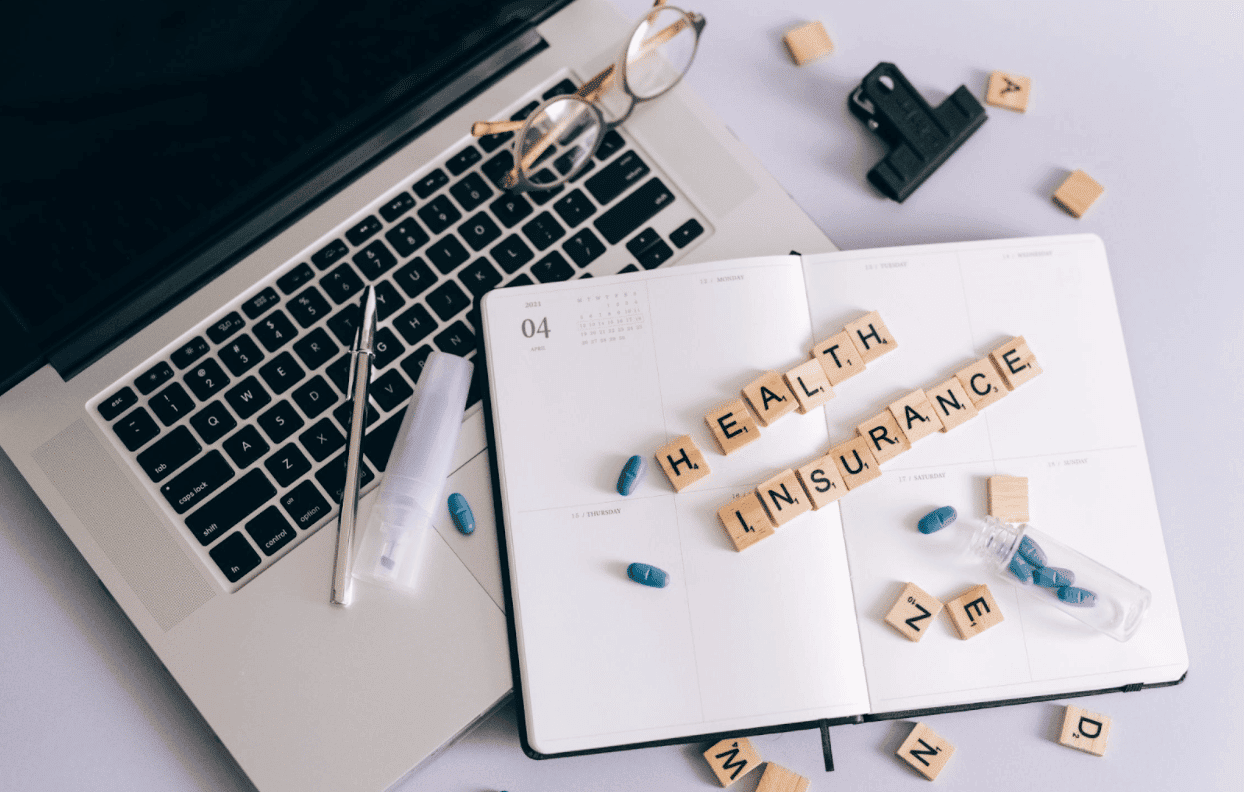
Does Insurance Cover Drug and Alcohol Rehab?

One of the most common questions we get is whether or not drug and alcohol rehab insurance coverage is part of your health care plan. In many cases, insurance covers substance use disorder treatment, but there’s a bit more to it than that. Have you also been thinking does insurance cover rehab?

Below, we’ll explain what you should know about paying for rehab for drug or alcohol addiction and your treatment options.

How Much Does Rehab Cost?

We cannot give you one figure to tell you how much rehab will cost. Nonprofits and the government sponsor free drug addiction treatment and alcohol addiction treatment options. Then, there are programs costing upwards of thousands of dollars a day. The thing to remember is that regardless of what your budget is, effective substance abuse treatment programs are available.

Unfortunately, the fear of how you’ll pay for treatment is one of the most significant barriers to getting help when it shouldn’t be. Even at a high-end treatment center, there are payment options, and insurance is one of those.

The cost of treatment depends on where you go, the type of facility, and how long your stay is. Whether you do onsite medical detox is also part of the cost. For example, outpatient substance abuse treatment tends to be less expensive than inpatient addiction treatment in a rehab program.

You have to recognize that the cost of not treating your addiction will end up being significantly more expensive than the cost of addiction treatment programs.

For example, if you’re an alcoholic and drink a 12-pack a day over a year, you’re spending thousands of dollars. You might also face legal problems, issues in your career, and medical expenses that can all add up to tens of thousands of dollars annually and potentially the loss of your job.

Other factors that are relevant when determining the cost of going to rehab are:

  • The center type—if you participate in outpatient programs or have a shorter stay, it will be less expensive than intensive inpatient treatment.

  • Types of treatment—the level of medical and mental health care you receive is an essential factor in the cost of addiction treatment.

  • Amenities—you can opt for a higher-end addiction treatment center with amenities similar to a resort, the most expensive programs.

Will Health Insurance Plans Cover Rehab?

Back to our original question regarding insurance providers and paying for treatment at a rehab center, “Will insurance cover rehab for drug or alcohol addiction?” Yes, it will often happen because a substance use disorder is a medical disease. There are caveats to that, though.

If you have a private health insurance provider, a good starting point is to check your policy to determine what type of treatment you have coverage for. The higher your insurance premiums, the more likely you’re going to have comprehensive coverage for rehab. If you have a group insurance plan from your employer, the same is true.

There are exclusions with many private insurance plans, so you’ll need to figure out what those are.

Insurance coverage for addiction treatment was expanded significantly in 2008 with the passing of the Affordable Care Act (ACA).

Under the ACA, insurance plans must offer alcohol and drug addiction coverage with benefits equal to the medical care and surgical benefits the program provides. Insurance, depending on your goal and exclusions, may cover:

Your insurance may not cover any services that aren’t medically necessary, such as non-medical amenities. There are also limitations on insurance policies if you relapse and return to treatment after your initial program.

Public insurance works similarly to private insurance regarding mental health treatment and drug rehab programs. There is likely some level of coverage for the cost of drug rehab or an alcohol rehab center, but with limitations.

The Affordable Care Act and Coverage for Substance Abuse

We touched briefly on the impact of the Affordable Care Act on addiction treatment. Ten essential health benefits exist under this law. According to the ACA, a vital health benefit must be available with no dollar limit on all health plans.

Substance abuse services and mental health services coverage falls under these benefits.

Also relevant are the Paul Wellstone and Pete Domenici Mental Health Parity and Addiction Equity Act of 2008. Under this federal law, health insurance companies and group health plans that provide substance abuse or mental health benefits can’t impose less favorable limitations on benefits than what they offer for surgical and medical benefits.

To sum it up, limits on treatment for substance abuse and behavioral health conditions can’t be more restrictive than limits on medical conditions that are part of the plan.

does insurance cover rehab

Does Insurance Cover Drug and Alcohol Rehab?

How Can You Find Out If Your Insurance Covers Rehab?

While the general answer is yes, insurance treatment facilities, how do you know for sure if you have drug rehab insurance coverage?

The best thing to do is call the provider of your health insurance coverage. When you talk to your insurance company, they can tell you what’s in your plan and figure out what you can afford.

  • When you contact your insurance company, ask them about your copay and deductible. These are what you’re going to have to pay out of pocket for the drug or alcohol treatment cost.
  • Ask how many days of treatment you have health coverage for in a drug rehab center.
  • Determine whether any medications you receive while in treatment are included in the coverage. Medication-assisted treatment is often helpful in a treatment plan.
  • Talk to your insurance company about detox program coverage for treatment.

If you aren’t sure where to begin, we can help you. We can contact your insurer on your behalf to figure out if our center is in your provider network. We can also get more details like the services and days covered by your plan for substance abuse treatment.

  • United Healthcare is one of the nation’s largest insurers, and their plans tend to cover at least part of treatment for addiction, including detox and inpatient rehab. United Healthcare operates the United Behavioral Health division, which helps provide policyholders information about substance abuse and mental health services to policyholders.
  • Cigna is another major insurer in the U.S. Cigna covers many rehab expenses, including inpatient and outpatient rehab. They also have a Behavioral Health division.
  • Aetna individualizes its policy limits based on the needs of the individual. You may have coverage for inpatient treatment, detox, and even partial hospitalization and continuing care.
  • Blue Cross Blue Shield provides coverage for almost one in three people in America. They offer rehab coverage with some plans, and they have a comprehensive mobile platform where you can find tools and support.
  • Other Options Are Available

If you need substance abuse treatment and don’t have insurance or don’t fully cover rehab, other payment options are available, such as a payment plan and financing options.

We encourage you to contact the Silicon Valley Recovery team by calling 408-547-4089. As one of the leading rehab facilities in California, our behavioral health services team can not only work with your insurance company, if applicable, but we can also help you explore alternative payment options. Financial assistance may be available too.

If you’re struggling with drug or alcohol addiction, there is no greater priority than getting the help you deserve at a qualified rehab center.

FAQs

Why do insurance companies deny rehab?

Insurance companies may deny rehab because they determine that treatment is not medically necessary. They might also deny if the rehab facility is out of network, if prescribed treatments are not covered under the policy, or if there’s insufficient documentation justifying the need for rehab. Additionally, coverage limits may have been reached, or the patient may not meet specific criteria set by the insurer.

How long will insurance pay for a rehab?

The duration that insurance will cover a rehab stay varies depending on the specific policy, the individual’s needs, and the recommendations of healthcare providers. Generally, insurance might cover short-term stays of 28-30 days, but longer-term coverage could extend to 60 or 90 days if deemed medically necessary. Always confirm with your insurance provider for precise details and coverage limits.

Who pays for rehab?

Insurance coverage is a common way to pay for rehab, including private insurance, Medicaid, or Medicare. Each plan varies, so it’s essential to check the specific details and limitations of coverage. Other options include payment plans, sliding scale fees, or financial assistance programs offered by rehab facilities. Always verify the accepted payment methods and available support before choosing a facility.

Will insurance cover rehab if you leave early?

Insurance coverage for rehab can vary based on the specific policy and provider. If you leave rehab early, whether insurance will cover the costs depends on the terms of your policy and the medical necessity requirements. It’s important to consult with your insurance provider to understand how early discharge might affect your coverage and any potential financial responsibilities.

What is the 3 hour rule inpatient rehab?

The “3-hour rule” in inpatient rehab requires patients to participate in at least three hours of therapy per day, five days a week. This therapy can include physical, occupational, or speech therapy, and is designed to aid in recovery and improve the patient’s functional abilities. The rule ensures an intensive level of rehabilitation necessary for progress and meets Medicare criteria for inpatient rehab facilities.

Is rehab considered a medical expense?

Yes, rehab can be considered a medical expense if it is necessary for a medical condition and prescribed by a healthcare professional. The costs associated with rehabilitation, such as treatment programs, therapy sessions, and medications, may qualify as deductible medical expenses on your taxes. It is advisable to consult with a tax professional to ensure compliance with tax regulations.

The Professional’s Guide to Addiction Recovery

There are unfortunate misconceptions we have about addiction. For example, when it comes to who we envision as an “addict,” it may not be the high-performing professional. In reality, people in high-pressure, high-stress jobs who may appear to have it all together are sometimes most affected by addictive substances.

When you’re in a high-profile or demanding position, you can feel a sense of shame about your addiction. In other instances, it might feel like an accepted part of your industry or corporate culture. One of our biggest priorities is helping you realize it’s not shameful. Addiction is a chronic disease requiring proper treatment.

The good news is that when you seek help from an addiction recovery center like ours that understands your particular needs, you can live a fulfilling and productive life. You can find clarity, make your family members proud, and rebuild relationships in addition to having a great career. 

Receiving comprehensive treatment for any other mental health issue and your substance use disorder is integral to a healthy life. 

What Industries Have the Highest Addiction Rates?

Below is a brief overview of some industries and professions with the highest addiction rates, and they’re likely to surprise you.

  • Healthcare professionals and doctors: We’ll delve into this a little more below, but doctors and medical professionals have an estimated rate of around 10% for substance abuse. Medical professionals are more likely to abuse prescription drugs than their patients.
  • Lawyers and legal professionals: When you’re a young lawyer, in particular, you face long hours, job stress, and potentially high debt payments from your education — around 29% of lawyers in their first ten years of practice report problematic drinking or alcohol abuse. 
  • Executives: High-level employees are plagued by substance abuse problems, whether in tech companies or other industries. Prescription drug abuse is prevalent among these professionals.

We’ll explore these professions and addiction among high performers a little more in-depth below. 

People in recovery enjoy better career performance and overfall fulfillment. Participation in a 12-step program like Alcoholics Anonymous or Narcotics Anonymous can help you maintain your recovery after treatment once you return to your career. 

Health Care Professionals

Health care professionals, including doctors and nurses, have some of the highest addiction rates in the entire workforce. The pandemic has probably worsened those trends, but it may be years before we can see the full impact.

People who work in health care are most likely to abuse narcotics, which are prescription opioids, including Fentanyl and Oxycodone.

Reasons people in health care are prone to developing substance use disorders include:

  • They work in a very demand, high-stress environment where their decisions quite literally are life-or-death in their daily life 
  • Medical professionals have to stay awake for long hours and often work all day or overnight
  • There are emotional, painful decisions and outcomes to deal with regularly
  • People working in health care have access to powerful prescription drugs

Unfortunately, the effects of addiction when you work in the medical field can be especially devastating. 

While being a healthcare professional can sometimes be thankless and heartbreaking, long-term recovery rates after treatment are high for people in this field who develop an addiction to prescription medications, other drugs, or alcohol.

Lawyers and Legal Professionals

Lawyers work long hours and deal with tremendous stress. In younger lawyers, the pressure may be particularly high since they’re also probably trying to pay off student loan debt and juggle financial responsibilities while working their way up the ladder in their careers.

Along with drug and alcohol addiction, many lawyers have a co-occurring mental health condition. For example, more than 45% of attorneys have co-occurring disorders like depression at some point in their careers. Around 12% of those lawyers reporting depression or a similar mental illness experience suicidal thoughts at least once.

Around 21% of lawyers may be problem drinkers or have an alcohol use disorder, and some estimates put the number as high as 36%. Approximately 9% of attorneys may struggle with prescription drugs. Stimulants are also an issue, helping attorneys stay awake for long hours, maintain high energy levels and potentially work more daily. 

Executives

Executives in all industries, including the tech industries, have higher rates of substance abuse than you might expect. For example, one study found nearly 20% of tech professionals abuse or have an opioid addiction. 

There’s also an alcohol culture in the tech industry, where it can be seen as acceptable to drink in work environments. For example, 53% of tech employees said they’d participated in a team bonding event with alcohol in one survey, and 35% said their employers sponsor happy hours.

Why Are High-Performing Professionals Likely To Abuse Substances?

Whether you’re working at a hospital, a start-up, or a high-profile established company, why are you, as someone who’s seen as a significant achiever, more likely to need a special level of care for substance abuse treatment?

There are a few factors that likely play a significant role.

  • When you’re a high-level employee or in any position of stress at your job, it’s demanding. Your schedule is packed, and you may start early in the morning and work late into the night. Everything you do has the potential to affect many other people. Executives and professionals may turn to drugs or alcohol to relax after challenging days, help them sleep, or as a coping mechanism. 
  • When you work in a stressful job, you may dedicate so much of your time and attention to it that your relationships suffer. You could find yourself struggling to connect with people on a personal level. Social support is critical to mental health, and without it, you could be more likely to turn to drugs or alcohol.
  • Many executives and professionals with substance abuse problems are high-functioning. They appear “normal,” and no one would assume they have a substance use disorder. 
  • These are people who may simultaneously make a lot of money and have disposable income, which in some cases can also fuel addiction more.
  • When someone struggles with drugs or alcohol and has a high-profile or stressful job, they may be apprehensive about the stigma of not just their substance use but the potential of going to an addiction recovery center and taking time from work.

Finding a Recovery Program 

If anything above sounds like you, the most important thing to do, once you realize that you have a problem, is find addiction treatment that will address your needs to help you start the recovery process through effective treatment options and behavioral therapy. 

The needs of someone who has the weight of other employees and a company on their shoulders will differ from someone in another profession on their path to recovery. 

Executive addiction treatment centers in California, like Silicon Valley Recovery, will create an individualized dual diagnosis treatment plan, with your career in mind. You have to work on identifying underlying causes for your addiction. You may also need treatment for a co-occurring mental health disorder like anxiety or depression, essential for your quality of life and relapse prevention. 

Realize you aren’t alone, and drug addiction recovery is possible and can work in your life. So many people in America are striving to drive their careers forward and maximize their productivity. You can’t do that to the detriment of your mental and physical well-being.

We encourage you to call 408-547-4089 and contact the team at Silicon Valley Recovery to learn how we can help you change your trajectory and get evidence-based treatment for the disease that keeps on taking. We’ll share details about our admissions process, medically assisted detoxification, exclusive support groups, executive treatment programs, and how our holistic approach can meet your unique needs as a professional. 

FAQs

What are the 5 Ps of recovery?

The 5 Ps of recovery are: Purpose, which involves finding meaning and direction in life; Passion, focusing on activities and interests that bring joy; Patience, understanding that recovery is a gradual process; Persistence, maintaining effort and commitment despite challenges; and Perspective, keeping a balanced view of situations and emotions. These elements collectively support a holistic recovery journey.

What are the 7 tips of recovery if you are an addict?

1. Acknowledge the problem and commit to change.
2. Seek professional help and support groups.
3. Develop a structured routine and set realistic goals.
4. Identify and avoid triggers.
5. Build a strong support network.
6. Focus on self-care and healthy habits.
7. Stay patient and persistent, understanding that recovery is a long-term process.

What are the five rules of addiction recovery?

1. Change Your Life: Focus on altering your environment and habits to support recovery.

2. Be Completely Honest: Honesty with yourself and others is crucial for progress.

3. Ask for Help: Seek support from professionals, friends, or support groups.

4. Practice Self-Care: Prioritize physical and mental health through healthy routines.

5. Don’t Bend the Rules: Stay committed to your recovery plan without exceptions.

What are the 5 stages of addiction recovery?

The five stages of addiction recovery are precontemplation, contemplation, preparation, action, and maintenance. In precontemplation, individuals may not recognize their addiction. Contemplation involves acknowledging the problem. Preparation is planning for change. Action is taking steps to overcome addiction. Maintenance focuses on sustaining long-term recovery and preventing relapse.

What are the 4 C’s of addiction?

The 4 C’s of addiction are Compulsion, Craving, Consequences, and Control. Compulsion refers to the overwhelming urge to engage in a behavior despite negative outcomes. Craving is the intense desire for the substance or behavior. Consequences involve the negative impacts on one’s life, and Control is the inability to limit or stop the addictive behavior.

How many days does it take to do a detox?

The duration of a detox can vary depending on the type and purpose of the detox program. Generally, detox programs can last anywhere from a few days to several weeks. A short detox might last 3 to 7 days, focusing on eliminating toxins and resetting the body. Longer detox programs, lasting 14 to 30 days, may aim for more comprehensive cleansing and lifestyle changes. Always consult a healthcare professional before starting a detox.

Overcome Addiction: Strategies for Lasting Recovery

A drug detox is an excellent way to get off an addictive substance and start anew. Whether someone is looking for best marijuana detox or any other treatment, these types of programs are especially helpful for women who have struggled with addiction and are considering a pregnancy. Withdrawal symptoms can be extreme, but they often fade after a few days or a week. A medical professional can advise you of what your symptoms may be and help you decide which treatment is right for you.

A medically supervised xanax detox can be a viable option for people who have not developed dangerous withdrawal symptoms. Although a person who is only addicted to a small amount of a stimulant will not experience immediate medical risks, a home detox can be mentally and physically demanding. There are some unexpected dangers of Addictive Substance that may arise during home or office drug detox. According to the Substance Abuse and Mental Health Services Administration, a drug addict may experience nausea or vomiting.

How to get off an Addictive Substance

If a person has not abused a drug or alcohol for a long period of time, they can opt for a natural detox, such as heroin detox. Natural detox involves drinking lots of water. While water does not provide many nutrients, it is extremely healthy for the body and will not harm it. A person who is in detox should drink lots of water. The oxygen in water will help the body heal itself and give it tons of energy. Other foods rich in vitamins and minerals will also provide extra energy.

Drugs are extremely addictive, so getting a medical detox is the best way to ensure that you get off the drugs you are addicted to. Just like cocaine detox is not an easy process, so one shouldn’t take it for granted. A medically supervised drug detox can prevent the Addictive Substance from spreading to other people. This process is crucial for your health and the recovery process. If you are thinking about going for a drug detox, consider contacting a medical professional.

In a drug rehab, medical professionals can offer a range of methods and approaches to help the patient recover. A physician can help you choose the best approach to get off the drugs you have been using for a long time. Even if it is opioid detox, the right treatment is essential for your mental and physical well-being. You should always seek medical advice before starting a drug detox program. A good treatment program will give you the tools to heal.

Detox from alcohol is also very important, if you are abusing it.

Before you start a drug detox, it is important to make sure you are physically able to stop using the substances you are addicted to. It is important to know that your body will go through withdrawal symptoms, and you will probably experience some unpleasant symptoms along the way. For this reason, it is essential to have a medically supervised drug detox during pregnancy. A person’s ability to drive is dependent on many factors, including the drug they’ve been abusing.

A drug test can be a daunting task. It involves cleansing the body of the substance and adjusting to life without it. In a drug detox, medical experts will give you medications and help you get through the withdrawal phase. During the detox, you’ll be able to pass the drug test, as well as continue with the recovery process. And you’ll need a medical professional to monitor your condition during the detox process.

A drug-detox is a very serious procedure. The goal of a drug detox is to help your body get rid of toxins and adjust to life without the substance. During a drug detox, the body will be cleansed of toxins and adjusting to life without the drug. Some people experience mild symptoms, while others experience more severe complications. In a typical marijuana detox, the withdrawal symptoms are intense.

A medically supervised drug detox is a very safe and effective way to treat substance dependence. It is a vital part of any rehabilitation program, so it is important to find one that will work best for you. In a hospital or clinic, medically supervised detox is a good option for pregnant women. For some substances, drug detox is a good option if you’ve had a long-term dependence.

Aside from this, EMDR trauma therapy and other services like those listed below can also be obtained from a center. These are:

FAQs

How to get out of drug addiction?

Seek professional help from a healthcare provider or addiction specialist. They can offer personalized treatment plans, which may include therapy, medication, and support groups. Building a strong support network of family and friends is crucial. Focus on healthy lifestyle changes, such as regular exercise and a balanced diet, to aid recovery. Remember, recovery is a gradual process, and setbacks can occur.

What are three things that can help with withdrawal symptoms?

Three things that can help with withdrawal symptoms include staying hydrated, engaging in regular physical activity, and seeking support from friends, family, or support groups. Staying hydrated helps flush toxins from the body, exercise can boost mood and reduce stress, and support from others provides emotional comfort and encouragement during the withdrawal process.

How to stop what you are addicted to?

Identify triggers and avoid them. Seek support from friends, family, or support groups. Replace addictive behaviors with healthier alternatives. Set clear goals and track progress. Consider professional help if needed. Stay patient and persistent, as overcoming addiction is a gradual process.

How long do withdrawals last?

Withdrawal symptoms can vary in duration depending on the substance, frequency of use, and individual factors. Generally, acute withdrawal symptoms may last from a few days to a couple of weeks. However, some symptoms, particularly psychological ones, can persist for several weeks or even months. It’s important to seek professional guidance for managing withdrawal safely and effectively.

What are the 5 steps of withdrawal?

1. Preparation:

Plan and set a date for withdrawal, ensuring a supportive environment.

2. Cessation:

Stop using the substance, often with medical supervision.

3. Acute Withdrawal:

Manage symptoms that arise, which can vary in intensity.

4. Post-Acute Withdrawal:

Address lingering symptoms and triggers.

5. Maintenance:

Develop strategies to prevent relapse and maintain sobriety.

How long does cold turkey last?

The duration of withdrawal symptoms when quitting cold turkey can vary depending on the substance and individual factors. Generally, acute withdrawal symptoms may last from a few days to a couple of weeks. However, some psychological symptoms or cravings might persist longer. It’s important to seek support and guidance during this period to manage symptoms effectively.

Is Marijuana Addictive? All You Need to Know

Is marijuana addictive? This question is especially relevant right now, as our society, in general, has shifting views on the use of the drug. Also, marijuana laws are changing rapidly. 

While marijuana remains an illegal drug at the federal level in the United States, many states have created laws surrounding its use. States allow it for medical purposes only, and there’s also a significant portion of legal recreational marijuana.

In 2012, Colorado voters approved an initiative legalizing the recreational sale and use of marijuana. Colorado was the first state to do so. Eighteen other states, as well as Washington D.C., have since done the same.

Smoking marijuana is in some ways like alcohol. Even though the stigma surrounding its use is declining, that doesn’t mean it’s not harmful and doesn’t have potentially adverse consequences. No matter the laws or the perception, it’s essential to recognize the reality of the risks of marijuana and what they can entail, including its addictive quality. 

How Does Marijuana Cause Addiction?

To explore the answer to “is marijuana addictive,” it’s helpful to have at least a general understanding of how it affects you.

Marijuana can have THC, a psychoactive compound and mood-altering substance. THC is what makes you feel high when you use marijuana. Regions of your brain that affect memory, learning, coordination, appetite, and pleasure have cannabinoid receptors. Those receptors are affected by the use of marijuana.

In the short term, THC alters the function of your hippocampus in your brain, as well as the orbitofrontal cortex. These parts of your brain influence your ability to learn and do complex tasks. There are effects on memory and focus too.

This also happens because marijuana’s impact on cannabinoid receptors affects your brain’s reward system.

The reward system includes brain regions controlling pleasurable actions that are healthy, such as eating and sex. However, according to the National Institute on Drug Abuse, drugs and alcohol can activate the reward system in unhealthy ways. 

As with other drugs of abuse, THC will stimulate the neurons in your reward system. That stimulation then leads to the release of dopamine. The dopamine release occurs at much higher levels than stimuli that are naturally rewarding. As there’s a surge of dopamine in your brain, it’s learning to repeat the activity leading to the reward, giving the drug its addictive properties. 

That all means that, yes, marijuana addiction can develop similarly to other types of drug abuse. 

Marijuana Addiction

Marijuana isn’t necessarily as addictive as some substances of abuse. For example, alcohol and opioids might be more addictive, but that doesn’t mean marijuana doesn’t have addiction potential.

  • Around 1 in 10 adults who use marijuana develop an addiction.
  • Even more significant risk for addiction exists in young people. 
  • If you use marijuana before you’re 18, the addiction rates go to 1 in 6.
  • If you’re addicted, you may have what’s technically called a cannabis use disorder. Someone with a cannabis use disorder will experience physical, social, or emotional problems because of their marijuana use. 
  • You may also hear it called a marijuana use disorder. As with other substance use disorders, it can be mild to severe.

According to the National Institutes of Health, cannabis use disorder is included in the Diagnostic and Statistical Manual of Mental Disorders, Fifth Edition (DSM-5). The DSM-5 is the gold standard for the diagnosis of psychiatric and addiction disorders.

Screen Shot 2021 12 15 at 17.42.21

The Symptoms of Cannabis Addiction

According to the DSM-5, for a diagnosis of a marijuana use disorder, there should be the presence of at least two of the following symptoms. 

These symptoms should occur within 12 months, indicating problematic long-term marijuana use.

  • Continuation of use, despite adverse effects in your life. For example, you might keep using it even if you have psychological or physical effects you know are related to your usage. 
  • Creating health problems
  • Having intense cravings for marijuana. 
  • Developing a tolerance and needing more and more for the same effects.
  • Having marijuana withdrawal symptoms when you stop using the drug, which is a sign of physical dependence. 
  • Giving up other activities or interests in your daily life. 
  • Use more marijuana than you intend or use it for a more extended period than you initially intended. 
  • Dangerous use, such as using marijuana and then driving.
  • Impacts on other priorities such as work or school, social life, or your family life. You might have a decline in school performance, for example. 
  • You spend a significant amount of time getting the drug, using it, and recovering from the effects.
  • You’ve tried unsuccessfully to reduce your use or stop.

Marijuana Use and the Young Brain

As mentioned above, young marijuana users are at the highest risk of developing a substance use disorder involving marijuana. 

  • Marijuana addiction also puts young people at risk of permanent brain damage. Marijuana affects many areas of the brain.
  •  Sometimes when those effects occur on the developing brain of a young person, they may not be reversible, according to the National Institute on Drug Abuse. 
  • Our brains are in a state of development until we reach our early 20s. During this time, we’re particularly susceptible to environmental influences, including substance use.
  • The earlier someone begins their abuse of marijuana; the more detrimental the effects of cannabis are likely to be on their brain. For example, currently available data suggest vocabulary and information measures of what’s known as crystallized intelligence are lower in young people who use marijuana. Crystalized intelligence is a measure of the knowledge you gain through learning or experience.

What Determines Whether You Develop Marijuana Dependence?

Some people can use recreationally and never develop symptoms of addiction. For other drug users, using addictive drugs just a few times can lead to problematic patterns. As with different types of addiction, there isn’t one particular risk factor relevant to marijuana use disorders.

There are often multiple risk factors playing a role.

  • Genetics is a strong predictor for the development of addiction, based on what we know from the National Institute On Drug Abuse. 
  • Mental health is another risk factor when it comes to addictive substances. It’s relatively common for people with an addiction to drugs or alcohol to have a co-occurring mental health disorder, such as anxiety or depression. You may use marijuana to self-medicate the symptoms of a psychiatric disorder, for example. You have underlying mental health issues that can also make you more prone to developing an addiction.
  • The issue of marijuana potency is something that we talk about more now too. The more potent marijuana is, the more it affects your brain, especially if you’re under the age of 25. The drug is getting more robust based on marijuana samples.

What Can You Do?

Is marijuana addictive? Yes.

How does marijuana cause addiction? It’s a complex effect that occurs on your brain and primarily your brain’s reward system that leads to the addictive nature of marijuana. Marijuana can also lead to withdrawal symptoms similar to other illicit drugs as well as alcohol. 

If you feel like marijuana use is problematic in your life, what can you do?

The most important thing is being honest with yourself and potentially your loved ones about what you’re experiencing. Again, because the stigma of marijuana is gradually reducing, we may think that it’s perfectly fine to use it. The reality is that it can have very real negative consequences. 

Once you’ve recognized the symptoms of a marijuana use disorder in yourself, treatment programs and support groups are available to help with your dependence. We encourage you to call 855-953-1345 and talk to a care coordinator at Silicon Valley Recovery to learn more about marijuana addiction and how you can explore treatment options like marijuana detox to improve your quality of life. 

FAQs

What are the negative effects of marijuana?

Marijuana can impair short-term memory, alter judgment, and affect coordination, increasing the risk of injury. It may also lead to addiction, mental health issues like anxiety or depression, and respiratory problems when smoked. Long-term use can impact brain development in adolescents and may reduce life satisfaction and achievement.

What is considered heavy marijuana use?

Heavy marijuana use is typically defined as using cannabis on a daily or near-daily basis. This level of use can lead to increased tolerance, dependence, and potential negative impacts on mental and physical health. It may also affect cognitive functions, motivation, and overall quality of life. It’s important to be aware of these potential effects and consider moderation.

Is marijuana as addictive as nicotine?

Marijuana can lead to addiction, known as marijuana use disorder, which occurs in about 9% of users. This rate increases to 17% for those who start using in their teens. While nicotine is highly addictive, affecting about 32% of users, marijuana’s potential for addiction is lower but still significant, especially with early and frequent use.

What are 5 facts about marijuana?

1. Marijuana contains compounds called cannabinoids, with THC and CBD being the most well-known.
2. It can be consumed in various forms, including smoking, vaping, edibles, and oils.
3. Marijuana has been used for medicinal purposes, such as pain relief and reducing inflammation.
4. It is legal for recreational use in some regions, while others only permit medical use.
5. Marijuana can have side effects, including altered perception and impaired memory.

What can marijuana do to your body?

Marijuana can affect the brain, leading to altered senses, mood changes, impaired body movement, difficulty with thinking and problem-solving, and impaired memory. It can also impact heart rate, increase the risk of stroke, and cause respiratory issues when smoked. Long-term use may lead to addiction and mental health problems.

How does marijuana affect your sleep?

Marijuana can affect sleep by altering the sleep cycle. It may help some people fall asleep faster and increase deep sleep stages, but it can also reduce REM sleep, which is important for dreaming and emotional processing. Long-term use might lead to dependence, affecting natural sleep patterns. Effects can vary based on the strain, dosage, and individual differences.

Drug Abuse Statistics: Trends & Key Facts to Know

We often hear about the opioid epidemic, which we will discuss below, but the United States faces more than just a problem with opioid use. We’re in the midst of a drug abuse epidemic in general, and it’s happening at alarming rates. Risk factors such as a person’s family history and environmental or cultural factors play significant roles in the likelihood of someone becoming addicted. Unfortunately, indicators show the epidemic seems to be getting worse.

It’s likely that as we learn more about the impact of the pandemic, we’ll also find that it significantly worsened the issue of substance abuse in the United States. We already see some of the pandemic-related drug and alcohol use numbers, and they’re difficult. The illicit drug abuse epidemic impacts social and economic well-being, and mental health issues such as panic attacks and anxiety have also risen. The ripple effects are clear when we examine the toll it has on public health.

So what’s the reality behind the substance use disorder statistics, and how did it all happen?

Drug Abuse Statistics

According to national survey results, illegal substance use disorders have been increasing across generations, demographics, and genders in the U.S. Differences in substance abuse have become more apparent, with some groups facing higher rates due to developmental factors and recurrent substance use.

It’s incredibly challenging even to know the full scope of people with a substance use disorder. Even based on what we do know according to self-reporting and overdoses, it’s alarming. Drug misuse often leads to complications of substance use, affecting brain functions, blood vessels, and sometimes leading to heart failure.

Along with deaths from the pandemic, 2020 appears to have been the deadliest ever in American history for drug use and drug addiction.

Related drug abuse statistics include:

  • The number of overdoses in 2020 hit record highs.
  • Oregon saw a 40% spike in drug deaths. Opioids were one factor, but there was a significant uptick in using other substances like meth. Cocaine deaths went up by 57%, and fentanyl contributed to 92% of these drug deaths.
  • Virginia, another state grappling with the costs of drug abuse, reported more than 2,030 deaths from overdoses in 2020, surpassing its previous record of 1,626.

The states above are only examples. Most other states had similar issues. We understand some of the reasons that 2020 was a particularly tragic year regarding substance abuse and associated deaths. People were isolated, and the lack of motivation combined with poor coping mechanisms led to a significant increase in substance use. Slurred speech, chest pain, and dilated pupils became common signs of drug abuse seen by healthcare providers.

The Most Commonly Used Drugs

Marijuana

Marijuana, also known as cannabis, is often viewed as a recreational drug, but it is not without risks. Many drug users see it as relatively harmless, but marijuana use can cause long-term use issues, including cognitive decline and drug seeking behavior.

Prescription and OTC Medications

Prescription drugs are widely abused, with prescription medications like opioids, anti-anxiety medications, and stimulants leading to addiction. Many of these drugs are taken for nonmedical reasons, often leading to severe consequences. Even over-the-counter medications have been misused.

Heroin

Heroin is one of the deadliest drugs, contributing to the opioid crisis. Unfortunately, opioid addiction often begins with earlier addiction to prescription drugs. Synthetic drugs, like fentanyl, have made heroin even deadlier.

Methamphetamine

The rise in methamphetamine use is another troubling trend. Meth-related deaths have increased significantly, especially among minority populations like American Indians and Alaska Natives.

The Opioid Epidemic

Drug Abuse

Drug Abuse Statistics: Behind the Epidemic

While meth is becoming more widespread, the opioid epidemic remains the most severe. Opioid overdoses continue to rise, fueled by both prescription opioids and illicit synthetic opioids like fentanyl. These drugs carry a high dependence liability, making recovery difficult without proper treatment and support from healthcare professionals.

Since 1999, more than 841,000 people have died from drug overdoses. In 2019, more than 70% of overdose deaths involved opioids, and injection drugs like heroin were a major factor.

Teenage Drug Abuse Statistics

Teens certainly aren’t immune to the damaging effects of drug abuse and addiction. Common symptoms of drug use among teens include cognitive impairment and a drop in school performance. Many also suffer from behavioral issues related to their drug use. The National Institutes of Health warns that teenage drug use could lead to chronic diseases later in life, such as heart disease and sleep disorders.

Protective factors, such as strong family support and access to mental health resources, can help reduce the chances of drug addiction among teens. For many, engaging with a mental health professional or participating in family therapy can be an essential step toward recovery.

FAQs

What are the statistics on substance abuse?

Substance abuse statistics reveal that millions of people are affected worldwide, with significant impacts on health, families, and economies. Data shows that alcohol and drug misuse contribute to numerous health issues and fatalities annually. Awareness and education are crucial for prevention and treatment, as the numbers indicate a growing need for resources and support services.

What are 5 facts about addiction?

1. Addiction affects brain function and structure, altering communication pathways and decision-making processes.
2. It can have genetic, environmental, and psychological factors influencing its development.
3. Addiction is a chronic disease, not simply a lack of willpower or moral failing.
4. Treatment options are available and can be effective in managing addiction.
5. Relapse is a common part of the recovery journey and doesn’t signify failure.

What percent of deaths are caused by drugs?

The percentage of deaths caused by drugs varies globally and can depend on factors such as region, demographics, and the type of drugs considered. On a general scale, the World Health Organization and other health agencies provide estimates, suggesting that drug use disorders contribute to a significant portion of the global disease burden. However, specific percentages may vary, and it’s essential to consider that drug-related deaths can include both direct overdoses and indirect consequences like accidents or health complications related to drug use.

What are the statistics of substance abuse in the world?

Global statistics indicate that substance abuse affects millions worldwide. Annually, approximately 35 million people suffer from drug use disorders, and around 275 million people have used drugs within the last year. Alcohol abuse leads to over 3 million deaths annually. These figures highlight the significant impact of substance abuse on public health and society.

What percentage of addicts recover?

Recovery rates for addiction vary widely depending on multiple factors, including the type of addiction, the individual’s circumstances, and treatment approaches. Studies suggest that approximately 40% to 60% of individuals with substance use disorders achieve sustained recovery, though success can significantly depend on personal commitment and support systems in place.

What is the most used drug in America?

The most used drug in America is caffeine. Widely consumed in coffee, tea, and various energy drinks, caffeine is a central nervous system stimulant. It is prevalent in daily routines and is legally and socially accepted, contributing to its widespread use. Caffeine enhances alertness and focus, making it a popular choice among Americans.

Conclusion

Drug abuse statistics show that substance use disorders continue to rise across the United States. However, treatment is available. If you’d like to explore substance abuse treatment options or speak to a licensed drug counselor, call 408-547-4089 and a care coordinator from the Silicon Valley Recovery team will help you explore chances of success with effective treatment programs, including behavioral therapies and community take-back programs. Recovery is possible, even for those dealing with the harshest consequences of substance use.

It’s likely as we learn more about the impact of the pandemic, we’ll also find that it significantly worsened the issue of substance abuse in the United States We already see some of the pandemic-related drug and alcohol use numbers, and they’re difficult. The illicit drug abuse epidemic impacts social and economic well-being and public health.

How Drug Detoxes Are Relatively Easy And Safe To Complete?

A marijuana detox is an important first step towards recovery while taking assistance from drug detox. While the process of withdrawal can be painful and uncomfortable, it is usually relatively easy and safe to complete. It is also necessary to know that the symptoms will subside after a few days and may be temporary. This is why it is important to find the best program that will provide you with the support and resources you need to succeed with drug detox.

There are many different types of detox programs available. Most of these programs are safe for the addict, although some have serious risks. SVR is also offering. These are but not limited to:

The most important thing is to find a program that offers the support you need. It should be safe for you as long as you’re comfortable and safe. It is crucial to talk to a professional about the type of treatment you should undergo. A medically assisted detox is the best option for those with severe addictions.

It is important to note that rapid detox is a more expensive alternative, but it does eliminate the substances faster than a regular detox. The benefits of this treatment are that it prevents withdrawal symptoms that are painful and dangerous for the addict. This type of treatment is a last resort, but there is no guarantee of success. There are also several risks and complications of rapid detox.

Acute withdrawal symptoms may last several days, even a week. However, post-acute withdrawal symptoms may take months or even a year. These symptoms require medical supervision to prevent a relapse or physical complications. Some heroin users experience seizures, which can be life-threatening. The most important thing for the addict is to avoid any kind of withdrawal symptoms that might occur, no matter how difficult it is.


Drug Detox & Therapies

Aside from detox, many therapies are also considered. These are:

Acute withdrawal symptoms are very painful and may send a pregnant woman back to using the drug. The drug detox should be supervised by medical professionals. The withdrawal symptoms are not life-threatening, but can be uncomfortable and even dangerous for the fetus. As such, it is important for a pregnant woman to seek medical supervision throughout the detox. If she is physically dependent on the drug, she should have professional medical monitoring.

The withdrawal symptoms from a drug detox can vary greatly. Depending on the drug, the withdrawal symptoms may last for up to a week. Similarly, post-acute withdrawal symptoms can take months, even a year. Most of these symptoms will appear within six to twelve hours after the last use. There are several medical complications that can occur during a home detox. These symptoms include nausea, vomiting, and agitation.

FAQs

What is the quickest detox?

The quickest detox typically involves a combination of drinking plenty of water, consuming a balanced diet rich in fruits and vegetables, and getting adequate rest. Incorporating regular physical activity to help the body eliminate toxins more efficiently can also be beneficial. It’s important to ensure that any detox approach is safe and suitable for your individual health needs.

How long does it take to completely detox?

The time it takes to completely detox can vary based on several factors, including the substance used, frequency and duration of use, and the individual’s overall health. Generally, detox can take anywhere from a few days to several weeks. Acute withdrawal symptoms often occur in the first week, but complete detoxification and recovery can take longer and requires ongoing support and care.

How can I detox my body easily at home?

Stay hydrated by drinking plenty of water to help flush out toxins. Incorporate more fruits and vegetables into your diet, focusing on options like leafy greens, berries, and citrus fruits that contain antioxidants. Regular exercise and adequate sleep support the body’s natural detoxification processes. Lastly, reduce intake of processed foods, caffeine, and alcohol to lighten the toxin load.

What makes detoxing easier?

Staying hydrated can significantly ease detoxification, as water helps flush out toxins from the body. Consuming a balanced diet rich in fruits, vegetables, and whole grains provides essential nutrients that support detoxification processes. Regular exercise enhances circulation and promotes sweating, aiding in toxin elimination. Adequate sleep and stress management also support effective detoxification.

What are three things that can help with withdrawal symptoms?

To help with withdrawal symptoms, consider staying hydrated, as it supports your body’s recovery and reduces discomfort. Engage in regular physical activity to boost mood and reduce cravings. Additionally, maintain a balanced diet rich in vitamins and minerals to support your body’s healing process and improve overall well-being during withdrawal.

How long does it take for a drug to be eliminated from the body?

The time it takes for a drug to be eliminated from the body can vary widely depending on several factors, including the drug’s half-life, the individual’s metabolism, age, health condition, liver and kidney function, and dosage. Generally, it can take anywhere from a few hours to several days for a drug to be fully cleared, but some drugs with longer half-lives may take weeks.

Medically Supervised Detox Safe & Effective Recovery

There are many benefits to medically supervised detox for marijuana, Xanax, or heroin detox, but choosing a facility with a certified doctor is crucial. The process can take up to a week, and the withdrawal symptoms can be uncomfortable. Once the addiction is stabilized, the client can move on to the next phase of recovery.

There are also several benefits to natural detox, which is best suited for healthy individuals without a history of dangerous withdrawal symptoms. While it will not be as intense as a medically supervised detox, it is still physically and emotionally taxing. It is important to note that unexpected medical complications can occur during this period of time. The Substance Abuse and Mental Health Services Administration lists several medical complications that can arise during detox.

This article will look at the benefits of supervised and best marijuana detox, as well as the things you need to know. Several other detox, treatments and therapies are also wide in demand.

These mental health treatments are:

  • Xanax detox
  • Cocaine detox
  • Opioid detox
  • Detox from alcohol
  • Expressive arts therapy
  • Adventure therapy
  • Family therapy activities
  • EMDR trauma therapy

During the withdrawal phase, patients will experience a series of symptoms. These symptoms may include decreased appetite, nausea, and headaches. Additionally, withdrawal from opioids can cause a host of mental conditions, including depressed mood, anxiety, and increased drug cravings. Withdrawal symptoms can last up to a week. Those with a history of drug use should consult with a doctor to decide what type of treatment is best for their needs.


Medically Supervised Detox

A medically supervised detox can help those who are addicted to this drug. Although marijuana detox can be uncomfortable, the presence of medical professionals in a medical facility will significantly reduce the discomfort and ensure that the patient is monitored around the clock. This level of care will be crucial in ensuring a successful detox. The dangers of doing it yourself are high, and you may experience a relapse before the process is complete.

In addition to the physical effects of cannabis, there are also the mental and emotional benefits of undergoing an opioid detox. The process of going through a medically monitored cannabis or Xanax detox is often the best way to combat drug dependency. Symptoms of withdrawal from an opioid can range from mild to severe and can last up to a week. If you are serious about quitting drugs, a medically supervised drug detox is the best option.

Once a medically supervised marijuana detox has been completed, the patient can go on to the next step of treatment. Despite the pain, nausea, and vomiting are common symptoms of withdrawal. If you are addicted to drugs, the process can be uncomfortable, but it is essential to get through the process. It is also a good way to get back to normal after a long period of drug use.

Once you have cured your addiction to opioids, you’ll have to find a safe and effective treatment center. The withdrawal symptoms include decreased appetite, stomach problems, and a loss of focus. Psychologically, you may experience increased feelings of depression and irritability. You may also develop a desire to take more drugs. If you are taking prescription painkillers, an opioid detox will be helpful.

While home-detox is a good option for a drug detox, it can be uncomfortable. Withdrawal symptoms can include reduced appetite, headaches, stomach issues, and decreased energy. The process of opioid recovery is essential and requires a medically supervised opioid detox. There are various medical complications associated with the process, but there are also a variety of options for the best drug rehab.

Drug withdrawal is uncomfortable and can lead to relapse after a detox. After a detox, your tolerance for an addictive substance decreases, but the habitual cravings remain. Once you’re free of an opioid, it’s vital to choose a medically supervised program to minimize these symptoms. During this time, you’ll be able to stop using the drugs and avoid the risk of relapse.

FAQs

What is medical detox?

Medical detox is a supervised process where individuals safely withdraw from substances under medical care. It helps manage withdrawal symptoms and ensures physical safety, providing a stable foundation for further treatment.

What is a benefit of medically supervised detox?

Medically supervised detox ensures patient safety by providing professional care and monitoring during withdrawal, reducing the risk of complications and uncomfortable symptoms.

Why is medical supervision necessary during detoxification?

Medical supervision during detoxification is crucial to manage withdrawal symptoms effectively and ensure patient safety. Withdrawal can cause severe physical and psychological symptoms, which can be life-threatening without proper medical support. Close monitoring by healthcare professionals helps stabilize the patient and provides interventions if complications arise.

What support do healthcare professionals provide during detoxification?

During detoxification, healthcare professionals offer medical assessments, symptom management, and emotional support. They administer medications to alleviate withdrawal symptoms, monitor vital signs, and provide counseling to address anxiety or depression. This comprehensive care ensures a safer detox process and aids in preparing for long-term recovery.

Rediscover Yourself at Silicon Valley Recovery

Experience a sanctuary of healing nestled in the heart of Silicon Valley. Our personalized addiction treatment center in San Jose offers a compassionate environment where individuals can find renewed hope and purpose.

All calls are 100% free and confidential