...

A Person Who Has Been Drinking Will Usually Behave This Way
When we drink alcohol, it affects our brains, bodies, and behavior. For some people, even minimal amounts of alcoholic beverages begin to affect their ability to function normally. A person who has been drinking alcohol will usually seem less coordinated, perhaps have slurred speech, and have lower inhibitions. Excessive alcohol consumption can also impair motor skills, leading to more dangerous situations, especially during activities that require alertness, like driving.

Along with general personality changes, some people might experience especially adverse changes in their behavior. For example, when a person who has been drinking even small amounts, they may become binge drinkers who sometimes become angry or aggressive. Excessive drinking can exacerbate these changes and create more pronounced negative effects.

Is someone an alcoholic simply because their personality changes when they drink? No.

An alcohol use disorder is a diagnosable condition with a set of criteria used in the evaluation, as with other mental health issues. Common signs of alcohol misuse don’t mean someone is an alcoholic or has an alcohol dependency. It can mean that they’re people with alcohol use problems or experience adverse outcomes when they drink. Being a problem drinker is a risk factor for developing a more significant alcohol use disorder, but it isn’t an addiction necessarily. Over time, tolerance to alcohol may develop, leading to increased alcohol intake and more severe health consequences, such as liver diseases or heart disease.

Alcohol abuse can have long-term effects on the body, including brain damage and heart failure, further complicating a person’s overall health. Below we break down some of the ways a person who has been drinking alcohol will usually behave and how drinking can impact our personality. You can also learn about addiction recovery here.

How Alcohol Changes Your Personality

You may have various motives for drinking alcohol. You may drink primarily when you’re socializing to serve as a way to be more outgoing, so it’s a situational factor. Some people drink when they’re happy, to celebrate. Others drink alcohol to relax at the end of the day, and some do so when they’re feeling upset as a coping mechanism.

When someone drinks, especially during a binge drinking session, they may experience changes to their personality. You may have a group of friends you usually have alcoholic drinks with. There may be the sad drunk or the happy drunk within that group. That person’s personality changes are probably similar every time they drink, no matter the environmental factors or outside circumstances.

Our expression of personality can shift when we’re drinking or drunk. Personality isn’t just how we outwardly behave or act in social situations under typical circumstances. Our personalities are complex and include how we feel and how we’re experiencing any given situation.

A reason for the changes is the loss of control you experience. Alcohol intoxication disinhibits the part of your brain that gives you self-control. That’s why you might become more extroverted when you drink, or you could become more angry and aggressive. You’re removing that element of control that you use in your daily life with the addition of alcohol.

Heavy alcohol consumption over an extended period can lead to more severe consequences. In the long term, people with alcohol use disorders may face not only mental health issues but also health risks such as liver damage, high blood pressure, and heart rate abnormalities.

The traits that come out when you drink are already there—they may be underlying. They are just heightened with the addition of alcohol, and especially during heavy drinking sessions.

If you’re someone who has underlying and unresolved anger, you’re more likely to expose that when you drink. If you’re generally happy, then you might experience a more over-the-top version of those feelings as you drink. However, drinking from time to time does not necessarily signal an alcohol problem.

Most researchers believe alcohol begins to affect a person’s abilities to conceal elements of their personality. It doesn’t make you a different person to drink, but rather it enhances underlying issues that might already exist.

Why Does Alcohol Lower Your Inhibitions?

As we’ve touched on, a person who has been drinking will usually do things they wouldn’t otherwise. Chemical reactions happen in your brain when you drink. These reactions also play a role in coordination, as the alcohol begins to affect a person’s abilities, especially in dangerous situations like driving.

When you drink, a few things happen:

  • GABA levels increase. GABA is a brain chemical messenger or neurotransmitter. When the neurotransmitter goes up, you feel relaxed, and your stress and anxiety go down. 
  • There’s an increase in dopamine in the brain. Dopamine sends chemical messengers that create feelings of pleasure, thus the buzz you get from drinking.
  • Norepinephrine goes up, which is a stimulating neurotransmitter. This is primarily responsible for excitement, as well as lower inhibitions and increased impulsivity. When your norepinephrine is high, it can make it hard for you to weigh the consequences of your decisions thoroughly. 
  • Alcohol consumption also affects the brain’s prefrontal cortex, responsible for helping you think rationally and clearly. When you drink, it impairs the abilities of your prefrontal cortex, making you more likely to act without thinking. Over time, frontal lobe function can also be damaged, leading to more long-term behavioral changes.

All these effects mean that if you’re already feeling angry or aggressive, that shield of inhibition goes away. You’re more likely to act on those feelings that were already there bubbling under the surface. This is also when symptoms of alcoholism may emerge, such as the inability to control alcohol consumption.

Many of the brain areas affected by alcohol also play a role in mental health issues. For example, if someone has co-occurring disorders like bipolar disorder, the influence of alcohol can also make the symptoms worse.

Alcohol and Aggression 
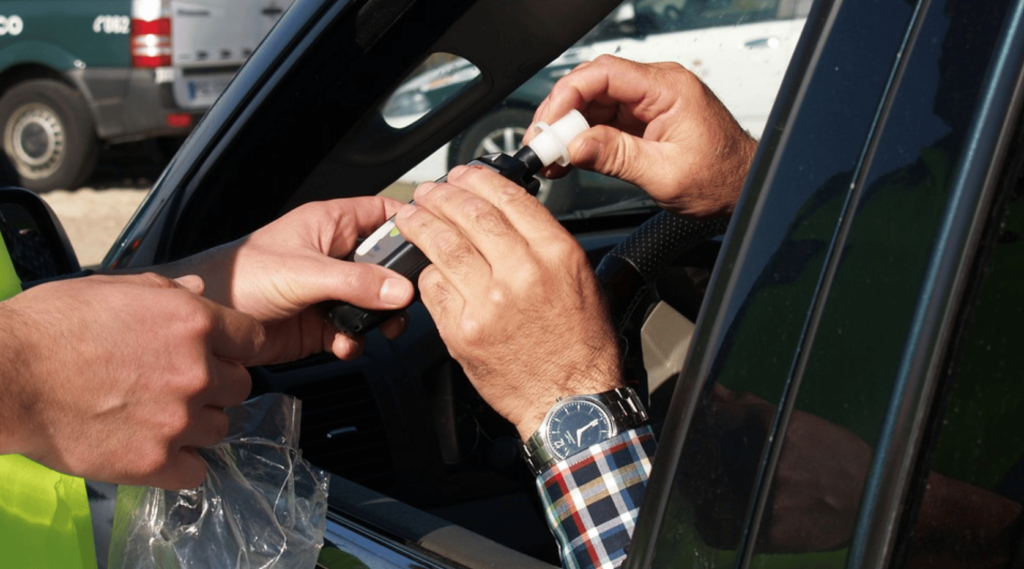
A Person Who Has Been Drinking Will Usually Behave This Way


There are certain people that we see and think, “they’re an angry drunk.” The reasons are due to the factors above. However, even if you’re not inherently angry, you may still get more violent or aggressive than you would otherwise.

For example, if someone were to provoke you after you’ve been drinking, you could be more likely to take the bait and engage with them. In your normal daily life, without the addition of alcohol, you’d probably just ignore or walk away from the situation.

It’s important to note links between alcohol misuse and intimate partner violence. In fact, in one study, 30% of couples reporting intimate partner violence said alcohol was a factor.

When we drink alcohol, it affects our brains, bodies, and behavior. For some people, even minimal amounts of alcoholic beverages begin to affect their ability to function normally. A person who has been drinking alcohol will usually seem less coordinated, perhaps have slurred speech, and have lower inhibitions.

Along with general personality changes, some people might experience especially adverse changes in their behavior. For example, when a person who has been drinking even small amounts, a person will sometimes become angry or aggressive.

FAQs

What do you call a drinking person?

A person who drinks alcohol can be referred to by various terms depending on the context and frequency of their drinking. Common terms include “drinker,” “alcohol consumer,” or “imbiber.” If the person drinks excessively or habitually, they might be called a “heavy drinker,” “binge drinker,” or “alcoholic.” The term “social drinker” is used for someone who drinks in social settings without overindulging.

What do you call a person who is in the habit of drinking?

A person who is in the habit of drinking is often referred to as a “drinker.” If the drinking is excessive or habitual, terms like “alcoholic” or “problem drinker” may be used. These terms can vary based on the context and severity of the drinking behavior. It’s important to approach such labels with sensitivity, as they can carry significant social and personal implications.

What do you call a person who drinks alcohol regularly?

A person who drinks alcohol regularly can be referred to as a habitual drinker or a regular drinker. If the drinking is excessive and impacts their daily life, they might be considered an alcoholic or someone with alcohol use disorder. It’s important to differentiate between social drinking and problematic drinking, as the latter may require professional help or intervention.

What are the four types of drinkers?

The four types of drinkers are social drinkers, who consume alcohol in social settings; binge drinkers, who consume large amounts in a short period; heavy drinkers, who regularly consume alcohol in large quantities; and problem drinkers, who experience negative consequences due to their drinking habits. Each type has distinct patterns and impacts on health and lifestyle.

What are the four drunk personalities?

The four drunk personalities are:

1) The Hemingways, who remain largely unchanged in behavior and personality when intoxicated.

2) The Mary Poppins, who become more cheerful and friendly.

3) The Nutty Professors, who become uninhibited and outgoing.

4) The Mr. Hydes, who may become more hostile or aggressive. These categories help in understanding how alcohol can affect different individuals’ behaviors.

What are the four types of wives of alcoholics?

The four types of wives of alcoholics are: the enabler, who covers up for the alcoholic’s behavior; the controller, who tries to manage the alcoholic’s life; the martyr, who sacrifices her own needs and often feels victimized; and the detached, who emotionally distances herself to cope with the situation. Each type represents different coping mechanisms in dealing with an alcoholic spouse.

Getting Help

We encourage you to call 408-547-4089 and reach out to the Silicon Valley Recovery addiction treatment team if you’re worried about your behavior or someone else’s. We can help you connect with resources to help to guide you in how to deal with a person who has been drinking.
Is Marijuana Addictive? All You Need to Know

Is marijuana addictive? This question is especially relevant right now, as our society, in general, has shifting views on the use of the drug. Also, marijuana laws are changing rapidly. 

While marijuana remains an illegal drug at the federal level in the United States, many states have created laws surrounding its use. States allow it for medical purposes only, and there’s also a significant portion of legal recreational marijuana.

In 2012, Colorado voters approved an initiative legalizing the recreational sale and use of marijuana. Colorado was the first state to do so. Eighteen other states, as well as Washington D.C., have since done the same.

Smoking marijuana is in some ways like alcohol. Even though the stigma surrounding its use is declining, that doesn’t mean it’s not harmful and doesn’t have potentially adverse consequences. No matter the laws or the perception, it’s essential to recognize the reality of the risks of marijuana and what they can entail, including its addictive quality. 

How Does Marijuana Cause Addiction?

To explore the answer to “is marijuana addictive,” it’s helpful to have at least a general understanding of how it affects you.

Marijuana can have THC, a psychoactive compound and mood-altering substance. THC is what makes you feel high when you use marijuana. Regions of your brain that affect memory, learning, coordination, appetite, and pleasure have cannabinoid receptors. Those receptors are affected by the use of marijuana.

In the short term, THC alters the function of your hippocampus in your brain, as well as the orbitofrontal cortex. These parts of your brain influence your ability to learn and do complex tasks. There are effects on memory and focus too.

This also happens because marijuana’s impact on cannabinoid receptors affects your brain’s reward system.

The reward system includes brain regions controlling pleasurable actions that are healthy, such as eating and sex. However, according to the National Institute on Drug Abuse, drugs and alcohol can activate the reward system in unhealthy ways. 

As with other drugs of abuse, THC will stimulate the neurons in your reward system. That stimulation then leads to the release of dopamine. The dopamine release occurs at much higher levels than stimuli that are naturally rewarding. As there’s a surge of dopamine in your brain, it’s learning to repeat the activity leading to the reward, giving the drug its addictive properties. 

That all means that, yes, marijuana addiction can develop similarly to other types of drug abuse. 

Marijuana Addiction

Marijuana isn’t necessarily as addictive as some substances of abuse. For example, alcohol and opioids might be more addictive, but that doesn’t mean marijuana doesn’t have addiction potential.

  • Around 1 in 10 adults who use marijuana develop an addiction.
  • Even more significant risk for addiction exists in young people. 
  • If you use marijuana before you’re 18, the addiction rates go to 1 in 6.
  • If you’re addicted, you may have what’s technically called a cannabis use disorder. Someone with a cannabis use disorder will experience physical, social, or emotional problems because of their marijuana use. 
  • You may also hear it called a marijuana use disorder. As with other substance use disorders, it can be mild to severe.

According to the National Institutes of Health, cannabis use disorder is included in the Diagnostic and Statistical Manual of Mental Disorders, Fifth Edition (DSM-5). The DSM-5 is the gold standard for the diagnosis of psychiatric and addiction disorders.

Screen Shot 2021 12 15 at 17.42.21

The Symptoms of Cannabis Addiction

According to the DSM-5, for a diagnosis of a marijuana use disorder, there should be the presence of at least two of the following symptoms. 

These symptoms should occur within 12 months, indicating problematic long-term marijuana use.

  • Continuation of use, despite adverse effects in your life. For example, you might keep using it even if you have psychological or physical effects you know are related to your usage. 
  • Creating health problems
  • Having intense cravings for marijuana. 
  • Developing a tolerance and needing more and more for the same effects.
  • Having marijuana withdrawal symptoms when you stop using the drug, which is a sign of physical dependence. 
  • Giving up other activities or interests in your daily life. 
  • Use more marijuana than you intend or use it for a more extended period than you initially intended. 
  • Dangerous use, such as using marijuana and then driving.
  • Impacts on other priorities such as work or school, social life, or your family life. You might have a decline in school performance, for example. 
  • You spend a significant amount of time getting the drug, using it, and recovering from the effects.
  • You’ve tried unsuccessfully to reduce your use or stop.

Marijuana Use and the Young Brain

As mentioned above, young marijuana users are at the highest risk of developing a substance use disorder involving marijuana. 

  • Marijuana addiction also puts young people at risk of permanent brain damage. Marijuana affects many areas of the brain.
  •  Sometimes when those effects occur on the developing brain of a young person, they may not be reversible, according to the National Institute on Drug Abuse. 
  • Our brains are in a state of development until we reach our early 20s. During this time, we’re particularly susceptible to environmental influences, including substance use.
  • The earlier someone begins their abuse of marijuana; the more detrimental the effects of cannabis are likely to be on their brain. For example, currently available data suggest vocabulary and information measures of what’s known as crystallized intelligence are lower in young people who use marijuana. Crystalized intelligence is a measure of the knowledge you gain through learning or experience.

What Determines Whether You Develop Marijuana Dependence?

Some people can use recreationally and never develop symptoms of addiction. For other drug users, using addictive drugs just a few times can lead to problematic patterns. As with different types of addiction, there isn’t one particular risk factor relevant to marijuana use disorders.

There are often multiple risk factors playing a role.

  • Genetics is a strong predictor for the development of addiction, based on what we know from the National Institute On Drug Abuse. 
  • Mental health is another risk factor when it comes to addictive substances. It’s relatively common for people with an addiction to drugs or alcohol to have a co-occurring mental health disorder, such as anxiety or depression. You may use marijuana to self-medicate the symptoms of a psychiatric disorder, for example. You have underlying mental health issues that can also make you more prone to developing an addiction.
  • The issue of marijuana potency is something that we talk about more now too. The more potent marijuana is, the more it affects your brain, especially if you’re under the age of 25. The drug is getting more robust based on marijuana samples.

What Can You Do?

Is marijuana addictive? Yes.

How does marijuana cause addiction? It’s a complex effect that occurs on your brain and primarily your brain’s reward system that leads to the addictive nature of marijuana. Marijuana can also lead to withdrawal symptoms similar to other illicit drugs as well as alcohol. 

If you feel like marijuana use is problematic in your life, what can you do?

The most important thing is being honest with yourself and potentially your loved ones about what you’re experiencing. Again, because the stigma of marijuana is gradually reducing, we may think that it’s perfectly fine to use it. The reality is that it can have very real negative consequences. 

Once you’ve recognized the symptoms of a marijuana use disorder in yourself, treatment programs and support groups are available to help with your dependence. We encourage you to call 855-953-1345 and talk to a care coordinator at Silicon Valley Recovery to learn more about marijuana addiction and how you can explore treatment options like marijuana detox to improve your quality of life. 

FAQs

What are the negative effects of marijuana?

Marijuana can impair short-term memory, alter judgment, and affect coordination, increasing the risk of injury. It may also lead to addiction, mental health issues like anxiety or depression, and respiratory problems when smoked. Long-term use can impact brain development in adolescents and may reduce life satisfaction and achievement.

What is considered heavy marijuana use?

Heavy marijuana use is typically defined as using cannabis on a daily or near-daily basis. This level of use can lead to increased tolerance, dependence, and potential negative impacts on mental and physical health. It may also affect cognitive functions, motivation, and overall quality of life. It’s important to be aware of these potential effects and consider moderation.

Is marijuana as addictive as nicotine?

Marijuana can lead to addiction, known as marijuana use disorder, which occurs in about 9% of users. This rate increases to 17% for those who start using in their teens. While nicotine is highly addictive, affecting about 32% of users, marijuana’s potential for addiction is lower but still significant, especially with early and frequent use.

What are 5 facts about marijuana?

1. Marijuana contains compounds called cannabinoids, with THC and CBD being the most well-known.
2. It can be consumed in various forms, including smoking, vaping, edibles, and oils.
3. Marijuana has been used for medicinal purposes, such as pain relief and reducing inflammation.
4. It is legal for recreational use in some regions, while others only permit medical use.
5. Marijuana can have side effects, including altered perception and impaired memory.

What can marijuana do to your body?

Marijuana can affect the brain, leading to altered senses, mood changes, impaired body movement, difficulty with thinking and problem-solving, and impaired memory. It can also impact heart rate, increase the risk of stroke, and cause respiratory issues when smoked. Long-term use may lead to addiction and mental health problems.

How does marijuana affect your sleep?

Marijuana can affect sleep by altering the sleep cycle. It may help some people fall asleep faster and increase deep sleep stages, but it can also reduce REM sleep, which is important for dreaming and emotional processing. Long-term use might lead to dependence, affecting natural sleep patterns. Effects can vary based on the strain, dosage, and individual differences.

Drug Abuse Statistics: Trends & Key Facts to Know

We often hear about the opioid epidemic, which we will discuss below, but the United States faces more than just a problem with opioid use. We’re in the midst of a drug abuse epidemic in general, and it’s happening at alarming rates. Risk factors such as a person’s family history and environmental or cultural factors play significant roles in the likelihood of someone becoming addicted. Unfortunately, indicators show the epidemic seems to be getting worse.

It’s likely that as we learn more about the impact of the pandemic, we’ll also find that it significantly worsened the issue of substance abuse in the United States. We already see some of the pandemic-related drug and alcohol use numbers, and they’re difficult. The illicit drug abuse epidemic impacts social and economic well-being, and mental health issues such as panic attacks and anxiety have also risen. The ripple effects are clear when we examine the toll it has on public health.

So what’s the reality behind the substance use disorder statistics, and how did it all happen?

Drug Abuse Statistics

According to national survey results, illegal substance use disorders have been increasing across generations, demographics, and genders in the U.S. Differences in substance abuse have become more apparent, with some groups facing higher rates due to developmental factors and recurrent substance use.

It’s incredibly challenging even to know the full scope of people with a substance use disorder. Even based on what we do know according to self-reporting and overdoses, it’s alarming. Drug misuse often leads to complications of substance use, affecting brain functions, blood vessels, and sometimes leading to heart failure.

Along with deaths from the pandemic, 2020 appears to have been the deadliest ever in American history for drug use and drug addiction.

Related drug abuse statistics include:

  • The number of overdoses in 2020 hit record highs.
  • Oregon saw a 40% spike in drug deaths. Opioids were one factor, but there was a significant uptick in using other substances like meth. Cocaine deaths went up by 57%, and fentanyl contributed to 92% of these drug deaths.
  • Virginia, another state grappling with the costs of drug abuse, reported more than 2,030 deaths from overdoses in 2020, surpassing its previous record of 1,626.

The states above are only examples. Most other states had similar issues. We understand some of the reasons that 2020 was a particularly tragic year regarding substance abuse and associated deaths. People were isolated, and the lack of motivation combined with poor coping mechanisms led to a significant increase in substance use. Slurred speech, chest pain, and dilated pupils became common signs of drug abuse seen by healthcare providers.

The Most Commonly Used Drugs

Marijuana

Marijuana, also known as cannabis, is often viewed as a recreational drug, but it is not without risks. Many drug users see it as relatively harmless, but marijuana use can cause long-term use issues, including cognitive decline and drug seeking behavior.

Prescription and OTC Medications

Prescription drugs are widely abused, with prescription medications like opioids, anti-anxiety medications, and stimulants leading to addiction. Many of these drugs are taken for nonmedical reasons, often leading to severe consequences. Even over-the-counter medications have been misused.

Heroin

Heroin is one of the deadliest drugs, contributing to the opioid crisis. Unfortunately, opioid addiction often begins with earlier addiction to prescription drugs. Synthetic drugs, like fentanyl, have made heroin even deadlier.

Methamphetamine

The rise in methamphetamine use is another troubling trend. Meth-related deaths have increased significantly, especially among minority populations like American Indians and Alaska Natives.

The Opioid Epidemic

Drug Abuse

Drug Abuse Statistics: Behind the Epidemic

While meth is becoming more widespread, the opioid epidemic remains the most severe. Opioid overdoses continue to rise, fueled by both prescription opioids and illicit synthetic opioids like fentanyl. These drugs carry a high dependence liability, making recovery difficult without proper treatment and support from healthcare professionals.

Since 1999, more than 841,000 people have died from drug overdoses. In 2019, more than 70% of overdose deaths involved opioids, and injection drugs like heroin were a major factor.

Teenage Drug Abuse Statistics

Teens certainly aren’t immune to the damaging effects of drug abuse and addiction. Common symptoms of drug use among teens include cognitive impairment and a drop in school performance. Many also suffer from behavioral issues related to their drug use. The National Institutes of Health warns that teenage drug use could lead to chronic diseases later in life, such as heart disease and sleep disorders.

Protective factors, such as strong family support and access to mental health resources, can help reduce the chances of drug addiction among teens. For many, engaging with a mental health professional or participating in family therapy can be an essential step toward recovery.

FAQs

What are the statistics on substance abuse?

Substance abuse statistics reveal that millions of people are affected worldwide, with significant impacts on health, families, and economies. Data shows that alcohol and drug misuse contribute to numerous health issues and fatalities annually. Awareness and education are crucial for prevention and treatment, as the numbers indicate a growing need for resources and support services.

What are 5 facts about addiction?

1. Addiction affects brain function and structure, altering communication pathways and decision-making processes.
2. It can have genetic, environmental, and psychological factors influencing its development.
3. Addiction is a chronic disease, not simply a lack of willpower or moral failing.
4. Treatment options are available and can be effective in managing addiction.
5. Relapse is a common part of the recovery journey and doesn’t signify failure.

What percent of deaths are caused by drugs?

The percentage of deaths caused by drugs varies globally and can depend on factors such as region, demographics, and the type of drugs considered. On a general scale, the World Health Organization and other health agencies provide estimates, suggesting that drug use disorders contribute to a significant portion of the global disease burden. However, specific percentages may vary, and it’s essential to consider that drug-related deaths can include both direct overdoses and indirect consequences like accidents or health complications related to drug use.

What are the statistics of substance abuse in the world?

Global statistics indicate that substance abuse affects millions worldwide. Annually, approximately 35 million people suffer from drug use disorders, and around 275 million people have used drugs within the last year. Alcohol abuse leads to over 3 million deaths annually. These figures highlight the significant impact of substance abuse on public health and society.

What percentage of addicts recover?

Recovery rates for addiction vary widely depending on multiple factors, including the type of addiction, the individual’s circumstances, and treatment approaches. Studies suggest that approximately 40% to 60% of individuals with substance use disorders achieve sustained recovery, though success can significantly depend on personal commitment and support systems in place.

What is the most used drug in America?

The most used drug in America is caffeine. Widely consumed in coffee, tea, and various energy drinks, caffeine is a central nervous system stimulant. It is prevalent in daily routines and is legally and socially accepted, contributing to its widespread use. Caffeine enhances alertness and focus, making it a popular choice among Americans.

Conclusion

Drug abuse statistics show that substance use disorders continue to rise across the United States. However, treatment is available. If you’d like to explore substance abuse treatment options or speak to a licensed drug counselor, call 408-547-4089 and a care coordinator from the Silicon Valley Recovery team will help you explore chances of success with effective treatment programs, including behavioral therapies and community take-back programs. Recovery is possible, even for those dealing with the harshest consequences of substance use.

It’s likely as we learn more about the impact of the pandemic, we’ll also find that it significantly worsened the issue of substance abuse in the United States We already see some of the pandemic-related drug and alcohol use numbers, and they’re difficult. The illicit drug abuse epidemic impacts social and economic well-being and public health.

Rediscover Yourself at Silicon Valley Recovery

Experience a sanctuary of healing nestled in the heart of Silicon Valley. Our personalized addiction treatment center in San Jose offers a compassionate environment where individuals can find renewed hope and purpose.

All calls are 100% free and confidential