...

Developmental Coordination Disorder Challenges in Daily Life and Practical Strategies for Support

Developmental Coordination Disorder (DCD) is a neurodevelopmental condition that affects motor skills and coordination in children and can continue into adulthood. Although the exact causes of DCD are not fully understood, researchers believe that the condition is linked to abnormal brain development and is not caused by any physical illness or injury. DCD is often diagnosed in young kids when they struggle to learn how to walk, run, hold objects, or play sports.

It is estimated that up to six percent of children around the world have DCD, which makes this disorder quite common. While DCD cannot be fully cured, with a proper treatment plan, patients can learn to manage the symptoms of DCD and significantly improve their quality of life. In our article, we will explain the main symptoms of Developmental Coordination Disorder, discuss the ways DCD affects the life of a person diagnosed with this disorder, and provide a few effective treatment options.

What Is Developmental Coordination Disorder?

Developmental Coordination Disorder (DCD), also known as dyspraxia, is a disorder that affects movement and coordination. This disorder is usually diagnosed in childhood when parents or caregivers of the child notice the kid is struggling to develop their motor skills. DCD is not related to the intelligence of the child—the disorder may be diagnosed in a seemingly healthy kid who meets their milestones yet has trouble with balance and coordination.

At the moment, there is no consensus within the medical community regarding the causes of developmental coordination disorder. It is possible that the disorder develops before the child is born due to the abnormal development of neurons in the brain. Some researchers have linked DCD to low birth weight and premature birth.

Common Symptoms of Developmental Coordination Disorder

Here are a few signs of developmental coordination disorder you may notice in your child:

  • Clumsiness: The child often bumps into people and objects, trips and falls when walking or running, and struggles to maintain balance
  • Poor Motor Skills: The kid is unable to master tasks typical for their age—for instance, a four-year-old child with DCD may not be able to use scissors or cutlery
  • Developmental Delays: If the child is not crawling or walking when their peers are already on the move, it may be an indication of DCD

On top of the physical symptoms of DCD, kids with this disorder may have emotional and psychological issues—low self-esteem, difficulty making friends, and anxiety. For example, if a child cannot participate in sports activities together with their peers, it may negatively affect their mental health.

How Is Developmental Coordination Disorder Diagnosed

The diagnosis of Developmental Coordination Disorder should be made by a qualified medical professional—a doctor who specializes in pediatrics or a psychologist.

A healthcare provider will talk to the parents or caregivers of the child to learn more about their medical history and observe the child to see whether their movements are atypical for their age. There are several tests that can be performed to determine whether the child has DCD—for instance, the doctor may want to test the intelligence of the kid to see whether their cognitive functions are intact.

In general, DCD is diagnosed when a child is five years old. If you have reasons to believe your child has this disorder, talk to the doctor as soon as you detect the symptoms of DCD—the earlier the diagnosis is made, the sooner the child will start treatment.

Challenges of Living With Developmental Coordination Disorder

Without proper treatment, Developmental Coordination Disorder may negatively impact the life of the diagnosed individual and persist into their adulthood. Here are a few challenges associated with DCD:

Poor Academic Performance: Children with DCD may struggle in school—their handwriting may be messy and illegible, they may have trouble focusing in class, and their low self-confidence will prevent them from participating in extracurricular activities

Health Issues: Kids with DCD are often incapable of taking part in physical activities and sports, which means they may lead a sedentary lifestyle. Moreover, there is always a risk of injury—for a child with poor balance and coordination, a simple task such as going up and down the stairs may end up in a fall.

Social Difficulties: It can be hard for a child with DCD to make friends and fit in with their peers. When your movement looks awkward and you cannot play with other kids, you may feel isolated and deal with bullying.

Effective Strategies to Treat Developmental Coordination Disorder

While there is no cure for developmental coordination disorder at the moment, there are several therapies parents can implement to help their children. Here are a few treatment options to consider:

Work With an Occupational Therapist

A certified occupational therapist will be able to teach the child skills they lack. The therapist will develop a personalized plan for the kid targeting the skills that require improvement—for example, if the child is unable to dress on their own, the therapist will focus on this skill

Introduce Physical Therapy

A physical therapist can assist the child and their parents in coming up with exercises that will be beneficial for the kid. Regular physical activity will help the child improve their strength, balance, and coordination.

Talk to a Psychologist

Children with DCD may need emotional support to cope with their diagnosis. A mental health provider will give the child tools to manage their stress and build their confidence.

FAQs

What Is Developmental Coordination Disorder?

Developmental Coordination Disorder (DCD) is a disorder that affects a person’s movement and coordination. This disorder is usually diagnosed in early childhood.

What Are the Symptoms of Developmental Coordination Disorder?

The most common signs of DCD are clumsiness (poor balance and difficulty holding objects), inability to master motor skills, and developmental delays.

How Is Developmental Coordination Disorder Diagnosed?

A doctor should diagnose DCD after talking to the parents of the child and observing the child’s behavior. The diagnosis is typically made when the child is five years old.

What Are the Causes of Developmental Coordination Disorder?

There is no known cause of DCD. Some researchers believe the disorder develops before birth due to abnormal brain development, while others have linked DCD to premature birth.

Can Developmental Coordination Disorder Be Treated?

It is possible to manage the symptoms of DCD with targeted therapy. Parents should work with occupational and physical therapists as well as enlist the help of a mental health provider to support their child.

Get Support for Developmental Coordination Disorder at Silicon Valley Recovery

Living with Developmental Coordination Disorder can be overwhelming for both children and their families—but you don’t have to navigate it alone. At Silicon Valley Recovery, our experienced team provides compassionate, individualized care to help individuals manage the emotional and psychological challenges that often accompany DCD. Whether you or your child is struggling with anxiety, low self-esteem, or co-occurring mental health concerns, we’re here to help. Contact Silicon Valley Recovery today to learn more about our treatment programs and take the first step toward a stronger, more confident future.

Can You Lace Weed With Fentanyl: Myths, Risks, and Real-World Concerns

The opioid crisis has raised serious concerns about fentanyl contamination in the drug supply—including marijuana. As fentanyl continues to show up in unexpected substances, many people are asking: can weed be laced with fentanyl?

While fentanyl-laced weed may seem unlikely, reports of this dangerous combination have emerged in communities across the country. Knowing the symptoms, risks, and how to respond to a potential exposure could save your life or the life of someone you care about.

Below, we cover whether it’s possible to lace marijuana with fentanyl, the warning signs of exposure, and what steps to take in an emergency.

Can You Lace Weed With Fentanyl?

Yes, it is technically possible to lace weed with fentanyl. Because fentanyl is water-soluble, it can be dissolved and sprayed onto cannabis leaves—often without any visible trace. While the full effects of smoking fentanyl-laced marijuana are still being studied, inhaling or ingesting fentanyl in any form carries severe health risks, including fatal overdose.

Fentanyl is extraordinarily potent. A dose as small as 2 milligrams can be lethal, and the substance is roughly 50 times stronger than heroin. Because it is both odorless and colorless, a person could consume fentanyl-laced weed without realizing it—even if they are experienced cannabis users with a high tolerance.

Why Would Someone Lace Weed With Fentanyl?

There are several reasons marijuana may be laced with fentanyl, despite the obvious danger:

  • To create a stronger high. Fentanyl is far more powerful than cannabis. Adding it to weed intensifies the psychoactive effects, which some users may seek out deliberately.
  • To increase customer dependency. Some dealers lace marijuana with fentanyl to create a more addictive product. Customers who unknowingly develop a dependence on the opioid are more likely to return for repeat purchases.
  • To feed an existing addiction. In some cases, individuals with an opioid use disorder may add fentanyl to their cannabis supply to increase their tolerance or sustain their habit.

Symptoms of Smoking Fentanyl-Laced Weed

Whether you use marijuana recreationally or medicinally, it’s important to recognize the warning signs of fentanyl exposure. If you experience any of the following symptoms after smoking cannabis, seek help immediately:

  • Nausea or vomiting. Sudden nausea or vomiting after inhaling marijuana may indicate the presence of an opioid contaminant.
  • Dizziness. Feeling unusually lightheaded, unsteady, or disoriented could be a sign of fentanyl exposure.
  • Respiratory distress. Shortness of breath, shallow breathing, or audible wheezing are hallmark symptoms of opioid involvement and require urgent attention.
  • Confusion or erratic behavior. Difficulty concentrating, unusual agitation, or impaired judgment—especially when combined with physical symptoms—should raise immediate concern.

Dangers of Fentanyl-Laced Marijuana

Consuming marijuana that has been contaminated with fentanyl poses several serious risks:

  • Unpredictable and overwhelming effects. While the initial euphoria may feel more intense than expected, the experience can quickly escalate into severe agitation, panic, or a loss of physical control.
  • Addiction. Even a single unintentional exposure to fentanyl can begin to alter brain chemistry. Repeated exposure dramatically increases the risk of developing opioid dependence, which carries devastating physical and psychological withdrawal symptoms.
  • Fatal overdose. Fentanyl is one of the leading causes of overdose death in the United States. If you or someone you know shows signs of overdose—such as slow or stopped breathing, unresponsiveness, or blue-tinged skin—call 911 immediately.

What to Do If You Smoked Fentanyl-Laced Weed

If you suspect that your marijuana was laced with fentanyl and you or someone nearby is showing signs of an overdose, take these steps:

  • Stop using the product immediately. Set aside the remaining cannabis. If possible, preserve a sample—it may be needed by medical professionals or law enforcement to confirm the presence of fentanyl.
  • Use a fentanyl test strip. If you use marijuana regularly, consider keeping fentanyl test strips on hand. These inexpensive kits can detect trace amounts of fentanyl before you consume a product.
  • Administer naloxone (Narcan) if available. Naloxone can temporarily reverse the effects of an opioid overdose. If someone is unresponsive or struggling to breathe, administer naloxone and call 911 right away.
  • Monitor your symptoms closely. The effects of fentanyl exposure—including dizziness, headaches, and breathing difficulties—can persist for several days. Stop all cannabis use, stay hydrated, eat well, rest, and seek medical attention if symptoms worsen.

FAQs

1. Is it possible to put fentanyl in weed?

Yes. Fentanyl can be dissolved in liquid and sprayed onto cannabis during cultivation or packaging. Because fentanyl is odorless and colorless, contaminated weed may look and smell identical to uncontaminated product.

2. How can I tell if my weed was laced with fentanyl?

You typically cannot tell by appearance alone. However, symptoms like nausea, dizziness, difficulty breathing, and confusion after smoking cannabis may indicate fentanyl contamination. Fentanyl test strips offer a reliable way to check your supply before use.

3. What are the risks of smoking fentanyl-laced weed?

The primary risks include opioid addiction, respiratory failure, and fatal overdose. Even a small amount of fentanyl can be lethal, making contaminated cannabis extremely dangerous.

4. Why do people lace weed with fentanyl?

Common reasons include enhancing the drug’s potency, creating customer dependency to boost sales, or feeding an existing opioid addiction. In many cases, the end user has no idea their marijuana has been tampered with.

5. What should I do if I smoked fentanyl-laced weed?

Stop smoking immediately, preserve any remaining product, and monitor for overdose symptoms such as slow breathing, confusion, or loss of consciousness. Administer naloxone if available and call 911 if symptoms are severe. Seek medical care even if symptoms seem mild, as fentanyl effects can escalate quickly.

Protect Yourself From Fentanyl-Laced Weed With Silicon Valley Recovery

If you or a loved one has been affected by fentanyl exposure or is struggling with substance use, Silicon Valley Recovery is here to help. Our compassionate team provides evidence-based treatment for opioid addiction and co-occurring disorders in a supportive, confidential environment. Contact us today to learn about your options and take the first step toward recovery.

Does Fentanyl Make You Itch: Common Causes and What It Can Mean

Fentanyl, a potent synthetic opioid, is used in medical settings to manage severe pain, especially after surgeries or for chronic pain conditions. However, like many opioids, fentanyl has a range of side effects, including addiction, when misused. One of the unexpected side effects of fentanyl is itchiness, which causes discomfort for patients taking this medication.

If you or your loved one is affected by this issue, you may want to know why fentanyl makes you itch and what you can do to address this problem. Our guide will explain the connection between fentanyl use and itchy skin and offer tips to manage this side effect.

Why Does Fentanyl Make You Itch?

It is not uncommon for patients to experience itchy skin after taking fentanyl or other opioids. This side effect is usually linked to the way opioids affect our bodies on the chemical level.

Fentanyl binds to the opioid receptors in our brains, blocking the pain but also triggering the release of histamine. While histamine is a natural chemical released by our bodies to get rid of allergies, an increase in histamine levels is often associated with itching, hives, and headaches.

Fentanyl and Allergic Reactions

There is a difference between normal itching caused by histamine release and an allergic reaction to fentanyl. While allergies to fentanyl are rare, you should be aware of the symptoms of an allergic reaction to this medication:

● Itchy skin and hives

● Skin rash

● Swelling of the face and neck

● Breathing difficulties

If you believe you are allergic to fentanyl, inform your healthcare provider and seek alternative pain management treatments.

How to Manage Itching Caused by Fentanyl

Thankfully, you can tackle the itching from fentanyl with a few simple solutions:

● Moisturize your skin. Apply lotion to your skin at least once a day to prevent dryness and reduce itching.

● Use antihistamines. Over-the-counter antihistamines can be very effective against itching. Talk to your doctor to find the right antihistamines for you.

● Refrain from scratching. It may be tempting to scratch your skin when it itches, but this will only aggravate your condition, leading to skin infections and damage.

When to Speak to a Doctor About Fentanyl Side Effects

While mild itching is not dangerous, you should bring up this side effect during your next visit to the doctor and ask if you should continue taking fentanyl.

If the itching does not go away and is accompanied by other symptoms (nausea, dizziness, breathing problems, chest pain, etc.), seek medical help as soon as possible. A doctor will examine you, prescribe you medications to deal with the side effects, and suggest alternatives to fentanyl.

FAQs

Does Fentanyl Make You Itch?

Yes, fentanyl stimulates the release of histamine in your body, which leads to itchy skin.

What Are the Side Effects of Fentanyl?

Apart from itching, fentanyl use is associated with such side effects as nausea, constipation, drowsiness, confusion, and breathing difficulties.

How Long Does the Itching From Fentanyl Last?

In most cases, the itching will subside within a few hours. If the itching persists, talk to your doctor about discontinuing fentanyl.

How to Get Rid of the Itching From Fentanyl?

You can reduce the itching by taking antihistamines, keeping your skin moisturized, and avoiding hot showers.

Can You Be Allergic to Fentanyl?

While it is uncommon, some people are allergic to fentanyl. If you break out in hives and have trouble breathing after taking fentanyl, seek medical attention immediately

Find Help and Support in Silicon Valley Recovery

Itching is a fairly common side effect of fentanyl, and while it does not pose a threat to your health, it can be quite annoying. Luckily, you can manage this symptom if you know the reason behind the itching and have the right tools to treat it.

If you are planning to take fentanyl or have already started taking it, our team at Silicon Valley Recovery is ready to assist you. Contact Silicon Valley Recovery today and let our experts help you build a personalized treatment plan!

What Does Heroin Look Like, From Street Samples to Real-World Signs

Heroin is a highly addictive and illegal substance derived from morphine, a natural compound found in the seed pods of the opium poppy. Recognizing heroin in its various forms can be a crucial step in identifying potential drug abuse in a friend or a loved one. The appearance of heroin can vary depending on its purity and the additives used by drug manufacturers to dilute the product and increase their profits.

In this blog, we will answer the question “What does heroin look like?”, describe all the main variations of this drug, and explain the risks associated with heroin abuse. If you or someone you care about is struggling with heroin addiction, reach out to Silicon Valley Recovery to get professional help and support.

The Appearance of Heroin

Heroin is a drug made from morphine, a substance naturally found in opium poppy plants. In most cases, this illegal drug looks like a powder or resin and comes in a variety of colors from white to black. The color and texture of heroin depend on the method of manufacturing and the additives included in the final product.

Below you will find a detailed description of the three main types of heroin—brown, white, and black tar—and their unique characteristics. Keep in mind that while the color and the look of heroin can tell you a lot about its purity, even the purest form of heroin is extremely dangerous to your health.

Brown Heroin

As the name suggests, brown heroin is a light brown or beige powder. This type of heroin is usually made with morphine that was not fully refined, which gives the powder its distinctive brown color. Sometimes additives like caffeine, sugar, or lactose are mixed in during the manufacturing process to increase the volume of the product.

Brown powder heroin is usually smoked instead of injected. Compared to white powder heroin, this type is less refined and therefore less potent. Nonetheless, brown heroin is still an addictive and dangerous drug that can lead to many negative health consequences.

White Powder Heroin

White heroin is typically found far away from its place of origin since this type of heroin is considered to be the purest form of the drug. It is made from heavily refined morphine and usually contains few additives, which makes it more potent compared to brown heroin. In addition, white powder heroin easily dissolves in liquid, making it perfect for injection.

It may be difficult to identify white heroin since it closely resembles many innocent substances, such as sugar, salt, baking soda, and certain medications. Pay attention to the behavior of your friend or family member—if they exhibit any symptoms of heroin abuse, you should reach out to them and contact an addiction specialist.

Black Tar Heroin

Black tar heroin looks quite different from brown and white powder heroin. Instead of a fine powder, black heroin resembles a piece of resin or rock. It can be dark brown or black, solid or sticky to the touch. This type of heroin is usually made in Mexico and sold and consumed in North America.

Due to the cheap and quick method of manufacturing, black tar heroin is an impure form of heroin. It is usually injected directly into the bloodstream—the insoluble impurities present in the drug can lead to collapsed veins, inflamed and infected arteries, and serious infections such as tetanus and sepsis.

Signs of Heroin Use

Here are some of the most common symptoms of heroin abuse you may notice in a person who struggles with addiction

  • Euphoria and drowsiness. A short-lived feeling of intense excitement and happiness, followed by extreme sleepiness, is often observed in people who consume heroin.
  • Memory loss and confusion. Heroin affects the brain of the person, making it difficult for them to focus on the task at hand, remember things, and respond to others quickly.
  • Weight loss and poor nutrition. People addicted to heroin often forget to eat and drink, which leads to dehydration, weight loss, and malnutrition.
  • Depression and anxiety. Unfortunately, heroin users often struggle with their mental health—it is common to feel agitated and nervous and have suicidal thoughts after short-term and long-term heroin use.

The Dangers of Heroin Addiction

Heroin is one of the most addictive drugs in the world—it only takes a few doses for a person to develop a mental and physical dependency on the substance. Here are a few reasons to be concerned about heroin abuse

  • Heroin adversely affects the brain function of the person—you may notice cognitive impairment, trouble concentrating, and issues with short-term and long-term memory.
  • People who consume heroin often struggle with their mental health—it is not uncommon to feel depressed and anxious and suffer from insomnia after taking heroin.
  • Heroin addiction will hurt the social life of the individual, from poor performance at work or studies to conflicts with family and friends. Drug abuse will change the life of the person for the worse.

FAQs

What Does Heroin Look Like?

Heroin usually comes in powder form, though in some cases it may look like a rock or a piece of coal. The color of heroin varies from white to black depending on its purity.

What Are the 3 Types of Heroin?

There are three main types of heroin: brown powder heroin (an unrefined form of heroin with additives), white powder heroin (the purest and most potent type of heroin), and black tar heroin (an impure sticky substance with many additives).

What Are the First Signs of Heroin Addiction?

The initial symptoms of heroin abuse include short-term euphoria, drowsiness, confusion, agitation, and nausea. If you suspect someone you know is taking heroin, talk to them and encourage them to see a doctor.

Is Heroin Addiction Treatable?

Yes, it is possible to overcome heroin addiction with therapy and medication. You should reach out to a certified healthcare provider to come up with a personalized treatment plan that suits the patient and their unique circumstances.

How to Help a Person Addicted to Heroin?

There are several things you can do to support a heroin user: educate them about the dangers of drug consumption, be there for them when they need to talk, and accompany them to the rehab center to get the treatment they need.

Overcoming Heroin Addiction With Silicon Valley Recovery

Whether you have spotted heroin in your house or noticed worrying behavior of your loved one, recognizing the drug and the symptoms of its use is only the first step. Get in touch with Silicon Valley Recovery—our team of addiction experts will be able to diagnose the issue, assist the patient in crisis, and come up with a tailored treatment plan for long-term recovery.

Heroin Detox Centers Near Me: What to Look for in Local Medical Supervised Withdrawal Care

Searching for “heroin detox centers near me” is a crucial first step toward recovery. Heroin addiction is a serious medical condition that can affect your physical and mental health, personal and professional life, and future prospects. Heroin withdrawal is extremely challenging and dangerous to manage without professional support.

In this guide, we will help you understand the importance of finding a heroin detox center near you, the benefits of medical detox, the main factors to consider when choosing a rehab facility, and the advantages of ongoing addiction treatment. Overcoming heroin addiction may be difficult—but with the right help, recovery is possible.

Understanding the Importance of Heroin Detox

Heroin detox is the process of removing all traces of the drug from your system and managing the resulting withdrawal symptoms. When you suddenly quit heroin after developing a dependency, your body reacts negatively, leading to a wide range of physical and psychological symptoms—from nausea and muscle pain to depression and insomnia.

The purpose of heroin detox is twofold. First, you need to go through withdrawal to start your recovery journey. Second, you need to establish the foundation for avoiding heroin in the future. Attempting to go through withdrawal without medical assistance is dangerous—you should rely on the expertise of addiction specialists to keep you safe and comfortable.

Benefits of Medical Detox for Heroin Addiction

There are many benefits to enrolling in a professional detox program instead of trying to quit heroin on your own.

Safe environment. Detox centers offer a controlled setting where patients can go through withdrawal under the supervision of trained medical professionals.

Withdrawal management. Doctors can prescribe medication to alleviate withdrawal symptoms and help patients feel more comfortable throughout the process.

Medication-Assisted Treatment (MAT). Certain medications, such as Methadone and Buprenorphine, can be used to reduce cravings and prevent relapse.

Psychological support. In addition to treating the physical symptoms of withdrawal, patients can work with therapists and counselors to address the root causes of their addiction.

How to Choose a Heroin Detox Center Near You

Here are a few factors you may want to consider when selecting a detox facility.

Location. Is the center close to your home? Is it easy to reach? Will your family be able to visit you while you are undergoing treatment?

Accreditation. Is the facility licensed to provide addiction treatment? Does the medical staff have the necessary credentials?

Treatment options. Does the center offer the program you need? Can you get medication-assisted treatment for heroin addiction?

Cost. Will your insurance provider cover the treatment? Can the facility offer you a payment plan?

Local Resources and Support for Heroin Recovery

In addition to joining a detox program, you can expand your support network by relying on local resources.

Support groups. Join a local chapter of Narcotics Anonymous (NA) to share your struggles and achievements with people who will understand you and support your recovery.

Therapy. Find a licensed therapist in your area and attend individual and family therapy sessions to address the mental health aspects of addiction.

Healthcare provider. Talk to your doctor about your substance use disorder—you may receive valuable tips on recovery and prescriptions for medication you may need.

Ongoing Treatment and Therapy After Heroin Detox

Detox is only the first step on the path to long-term recovery. If you were enrolled in a short inpatient or outpatient detox program, you should continue your treatment after you are done with withdrawal.

Preventing relapse. Your chances of avoiding heroin in the future are much higher if you continue going to therapy and benefiting from medication-assisted treatment.

Addressing co-occurring disorders. If your addiction was preceded or caused by mental health issues such as anxiety or depression, you should work with a therapist to improve your mental health.

Building a support network. From joining local support groups to attending therapy with your family members—surround yourself with people who will help you remain sober.

FAQs

  1. What is heroin detox?

        Heroin detox is the process of ceasing drug intake and eliminating it from your body. It is usually accompanied by withdrawal symptoms—physical and psychological reactions of your body to the lack of heroin.

        2. What are the symptoms of heroin withdrawal?

        Heroin withdrawal symptoms may include nausea, vomiting, muscle aches, shaking, anxiety, agitation, depression, insomnia, high blood pressure, and increased heart rate.

        3. Should I enroll in a heroin detox program?

        It is recommended to undergo heroin withdrawal under the supervision of medical professionals. This way, you will have access to the medication you need and receive psychological support from therapists and counselors.

        4. What are the benefits of medical detox for heroin addiction?

        Medical detox allows you to quit heroin in a safe environment under medical supervision, manage withdrawal symptoms with the help of prescribed medications, and get psychological support from mental health professionals.

        5. What should I do after completing a heroin detox program?

        To increase your chances of recovery, you should continue your treatment after detox. Attend therapy sessions, rely on the support of your friends and family, and join a local support group to connect with people who will understand your struggles.

        Begin Your Recovery With Silicon Valley Recovery

        We hope this guide has helped you realize the importance of finding a heroin detox center near you and enrolling in a detox program to overcome your addiction. Detox allows you to quit substance use in a safe environment under medical supervision—give yourself the best chance of recovery.

        Reach out to Silicon Valley Recovery to learn more about our heroin detox and treatment programs. Our team is here to provide you with the guidance and support you need to overcome addiction. You can conquer heroin addiction and return to a healthy and happy life.

        Delta 8 Duration in Your System: What to Know

        One of the federally legal alternatives to conventional marijuana, Delta-8 THC, has become popular in recent years. It is often marketed as having less intense effects than Delta-9 THC and is available in gummies, vape cartridges, tinctures, and edibles. A lot of individuals are, however, shocked to discover that Delta-8 acts like this in the body, and it can also show up in drug tests.

        How long does delta 8 stay in your system? That is also a question depending on various factors, which are metabolism, frequency of use, and the type of drug test, and so on. The knowledge of the mechanism of Delta-8 processing and detection may assist people in making better and safer choices.

        What Is Delta 8 THC and How Does It Differ from Delta 9?

        One of the naturally occurring cannabinoids is called delta-8 THC and is present in hemp in small quantities. It is chemically almost identical to Delta-9 THC, the main psychoactive in marijuana, with a minor difference in molecular structure.

        The consequence of this small variation is:

        • Psychoactive impacts of a weak nature.
        • Interaction with cannabinoid receptors of a similar type.
        • Similar body metabolic residues.

        Test-wise, Delta-8 and Delta-9 are typically identical since they both metabolize into THC-COOH, the substance most frequently sought by drug tests.

        The Metabolic Process of Delta 8 in Your Body

        The Delta-8 THC is absorbed into the bloodstream after consumption and is processed in the liver. During metabolism, it is then converted to THC-COOH, the same inactive metabolite produced by Delta-9 THC.

        THC-COOH is soluble in fats and thus can be stored in the fat cell and released gradually with time. This is what makes the detection window possibly far longer than the intoxication period, especially in the case of repeated drug usage.

        Key Factors That Affect Detection Time

        Delta-8 detection time does not have a universal response. The duration of existence of Delta 8 in your system is not very long, and it depends on a number of personal and behavioral factors.

        Key variables include:

        • The frequency and time of use
        • Dosage and product potency
        • Body fat percentage
        • Metabolism speed
        • Hydration levels
        • Overall liver health

        Occasional users can clear Delta-8 much more quickly than daily or heavy users.

        Drug Test Types and Their Detection Windows

        The testing of delta-8 THC is possible by the same testing procedure as marijuana. It is interesting to note that there is no difference in Delta-8 and Delta-9 THC in standard drug tests.

        It is useful to compare detection windows before considering each one of the tests.

        Drug Test TypeEstimated Detection Time
        Urine test3–30 days
        Blood test1–2 days
        Saliva test1–3 days
        Hair testUp to 90 days

        The time of detection is very dependent on the usage frequency and the personal metabolism.

        Urine Tests: The Standard Screening Approach

        The most common way of identifying Delta-8 THC in work, legal, and clinical environments is the urine test. Instead of detecting active THC, urine screening tests for active THC-COOH, the metabolite that is inactive, and which is produced during the combination of cannabinoids by the body. Since Delta-8 and Delta-9 THC both metabolize to THC-COOH, the two drugs cannot be identified through urine tests.

        The time of detection differs considerably depending on the frequency of use of Delta-8, the potency of the product, and the metabolism of an individual. Infrequent users can clear the metabolites quite fast, but consistent or chronic use enables the THC-COOH to accumulate in the fat cells and be released over time. The following table describes the common urine detection windows depending on the use patterns.

        Usage PatternEstimated Urine Detection TimeExplanation
        Single or occasional use3 to 7 daysLimited metabolite buildup allows faster elimination
        Moderate use (several times per week)7 to 15 daysRepeated exposure increases metabolite storage
        Frequent use (daily)15 to 30 daysTHC-COOH accumulates in fat tissue
        Heavy or long-term use30+ daysThe fat cells release slowly, which increases the duration of identification.

        Blood and Saliva Testing for Delta 8 THC

        Active THC compounds are identified through a blood test instead of the metabolites deposited. The duration of detection of delta-8 is usually 1 to 2 days, which is dependent on dosage and frequency.

        Delta-8 can be detected 1 to 3 days after use by a saliva test. These are less frequently used tests that are, however, applied occasionally in roadside or short-duration situations.

        Neither blood nor saliva tests are good at detecting prior exposure, but only recent use.

        Why Delta 8 Use Can Still Cause Problems

        Delta-8 is not a harmless substance, even though it is commonly considered a legal or safer choice. The uncontrolled psychoactive effects and the implications of drug tests can put this drug in unforeseen situations.

        Potential concerns include:

        • Violation of the law in purchasing a drug.
        • Tolerance or dependence increased.
        • Fatigue, dizziness, or lack of coordination.
        • Poor quality because of unregulated production.

        Delta-8 may risk the progress and stability of persons in recovery or those who regularly undergo drug testing.

        Need Guidance? Connect with Silicon Valley Recovery Today

        Delta-8 use questions may be accompanied by general questions about substance use, testing, or control. Confidential, compassionate, and evidence-based support is offered at Silicon Valley Recovery.

        In case the use of Delta-8 has caused confusion, consequences, or a fear of drug testing or dependency, assistance can be provided.

        Contact Silicon Valley Recovery now and receive professional assistance and privacy. Making informed decisions results in healthier outcomes.

        FAQs

        1. How long does Delta 8 THC stay in your urine?

        Delta-8 THC is detectable in urine for 3 – 30 days based on the frequency of use and the metabolism. Chronic or heavy use increases the time to detection.

        2. Will Delta 8 show up on a standard drug test? 

        Delta-8 THC will be detected on a regular drug test, yes. Those tests identify the presence of the metabolites of THC and do not differentiate between delta-8 and delta-9 THC, both will lead to a positive outcome.

        3. What factors influence how long Delta 8 stays in your system?

        Detection time is a factor of dosage, frequency of use, the percentage of fat in the body, metabolism, water level, and liver condition. Regular users and those with a higher level of body fat are usually characterized by the fact that they have a longer retention of the THC metabolites as compared to occasional users.

        4. How long can Delta 8 be detected in a blood test?

        Delta-8 THC is generally observed in the blood between 1 and 2 days following use. Blood tests are most effective in establishing recent use and are therefore used in cases where evidence of current impairment is required.

        5. Is Delta 8 THC detectable in hair follicle tests? 

        Yes, the hair follicle tests have the ability to detect the use of Delta-8 THC up to 90 days after taking it. These tests are, however, less frequently used since they are more expensive and cannot be used to detect recent use in the past few days or 7 to 10 days.

        Does Heroin Have a Smell? What People Commonly Notice and Why It Matters

        When it comes to identifying heroin, many people wonder whether this illegal drug has a distinctive aroma. Noticing an unusual smell in your house or car can be an important first step in preventing heroin abuse and addiction. However, heroin comes in many forms, and some varieties of this drug are nearly odorless.

        In our article, we will explain whether heroin has a smell, describe its scent, and list the main signs of heroin use you should be aware of. We will also discuss the dangers of heroin addiction and offer you a path toward a safe and quick recovery. Heroin use disorder is a serious mental health condition—make sure to reach out to Silicon Valley Recovery if you or your loved ones need professional help.

        Does Heroin Have a Smell?

        Yes, heroin does have a smell, though its aroma may not be too strong or easy to recognize, especially if you have never encountered this drug before. Typically, unrefined heroin, such as black tar heroin, has a noticeable acidic smell, while pure white heroin may be completely free of any scent.

        It may be challenging to identify heroin solely by its smell—nonetheless, this drug has a unique aroma that may alert you to its presence. Pay attention to the unusual chemical smell in your residence or vehicle, and combined with other signs of heroin use, you may be able to determine that a friend or a family member is abusing this drug.

        What Does Heroin Smell Like?

        The scent of heroin depends on its type and purity. Here are the most common types of heroin and their smell:

        • Black tar heroin. This unrefined type of heroin is usually produced in Mexico. It is sticky and dark, and it often contains many impurities. Black tar heroin is typically dissolved and injected rather than smoked. This type of heroin has a strong smell that you may be able to notice—people often describe it as vinegary or similar to the smell of burnt licorice.
        • Brown heroin. This light brown powder is common in Europe. It is usually smoked or snorted. Brown heroin has a distinctive acidic smell that resembles the aroma of vinegar.
        • White heroin. This is the purest form of heroin. It is made from diamorphine hydrochloride, and it is popular in Asia. White heroin may have no smell at all, making it difficult to identify.

        How to Recognize Heroin by Its Smell

        While it may be tricky to figure out what heroin smells like if you have never felt its aroma before, there are a few methods you can try to recognize its scent:

        • Pay attention to an unusual smell. If you have never felt a similar aroma in your house before and you cannot explain its origin, it may be heroin, especially if the smell is pungent and acrid.
        • Check the enclosed spaces. The smell of heroin is easier to notice in a small, unventilated room. Walk into the closed room or sit in the car with the windows rolled up to see if you can feel the smell more distinctly.
        • Ask an experienced person for help. You may enlist the help of a friend or a professional who has encountered heroin before—an experienced person will be able to recognize the smell even if it is very faint.

        Other Signs of Heroin Use

        The smell of heroin is only one of the signs that a person may be using this drug. Here are a few common symptoms of heroin abuse you may notice:

        • Heroin paraphernalia. You may find a strange spoon with burn marks on it, tiny plastic bags or balloons, a pipe, and a syringe in the belongings of the person you are worried about.
        • Physical symptoms. A person who suffers from heroin addiction may have constricted pupils, poor personal hygiene, sudden weight loss, shallow breathing, and marks on their skin left from injecting the drug.
        • Mental symptoms. Drug abuse often leads to irritability, anxiety, and depression. If a normally calm person seems on edge and agitated, and there is no apparent reason for their behavior, they may be abusing heroin.

        Dangers of Heroin Use

        Heroin is an illegal, highly addictive substance—its use may lead to a myriad of physical and mental health problems. Here are a few reasons to be concerned about heroin addiction:

        • Short-term effects. A person who uses heroin may feel nauseous and drowsy, struggle to breathe properly, and deal with mental confusion and poor coordination.
        • Long-term effects. Heroin addiction may lead to the development of several chronic conditions—heart and liver disease, constipation, pneumonia, infertility, insomnia, depression, and sexual dysfunction, to name a few.
        • Risk of overdose. It is very dangerous to take a large quantity of heroin at once—a person may lose consciousness and fall into a coma. In some cases, a heroin overdose leads to a fatal outcome.

        FAQs

        Does Heroin Have a Smell?

        Heroin does have a smell, though its scent varies based on the type of heroin—while black tar heroin has a strong smell, white heroin may be odorless.

        What Does Heroin Smell Like?

        The smell of heroin is often described as vinegary or acidic—its aroma is similar to the smell of many cleaning chemicals.

        How Can You Tell Heroin by Its Smell?

        You can recognize heroin by its pungent smell—if you feel an unusual acrid smell in your house and cannot explain its origin, consider this may be heroin.

        What Are the Signs of Heroin Use?

        In addition to the smell of heroin, you may notice a person is abusing the drug if they have drug paraphernalia in their possession and display physical and mental symptoms of drug use.

        Is Heroin Addiction Dangerous?

        Heroin addiction may have devastating consequences for a person—this drug negatively affects both the body and the mind and increases the risk of premature death.

        Address Heroin Concerns With Silicon Valley Recovery

        We hope that our guide was able to help you figure out the smell of heroin and recognize its presence in your home. While noticing the odor of heroin may alert you to the problem, it is crucial to pay attention to other symptoms of heroin abuse and get help for yourself or your loved one.

        Reach out to Silicon Valley Recovery to get in touch with mental health professionals who will be able to assist you. Our experts will design a personalized treatment plan for you and support you during your recovery journey.

        How Long Does Suboxone Block Opioids and What That Means for Daily Life

        Suboxone is a prescription medication utilized in the treatment of opioid addiction and is an important step in the recovery journey for many individuals who struggle with substance use disorder. One of the main benefits of Suboxone is its ability to block the effects of opioids—but how long does Suboxone block opioids, and what are the exact advantages of this medication?

        In our article, we will explain the duration of Suboxone effects, list the factors that may change how long Suboxone stays in a person’s system, and talk about the benefits of this medication in addiction treatment. We will also answer the most frequently asked questions on this topic and provide you with guidance on incorporating Suboxone into your recovery journey.

        What Is Suboxone?

        Suboxone is a medication used to treat opioid addiction. It combines buprenorphine (a partial opioid agonist that blocks the negative effects of opioid drugs) and naloxone (an opioid antagonist that prevents misuse of medication.) Suboxone helps people reduce opioid cravings and withdrawal symptoms and can be used during medically supervised detox as well as long-term maintenance treatment.

        How Long Does Suboxone Block Opioids?

        On average, Suboxone can block the effects of opioid drugs for 12-24 hours. The exact duration of Suboxone effects will depend on a few factors we have listed below—some people will stop experiencing the impact of Suboxone only 6 hours after taking the medication, while others will feel its effects for 2 full days. Your doctor will be able to prescribe you the proper dosage of Suboxone and adjust it to suit your needs.

        What Factors Affect the Duration of Suboxone Effects?

        Here are the main factors that play a role in how long Suboxone will remain in your system:

        • Dosage. Typically, the doctor will prescribe you 2 mg or 8 mg of Suboxone per day—the higher the dosage, the longer you will feel the effects of the medication.
        • Frequency of Use. If you have been taking Suboxone every day for several weeks or months, it may build up in your system and remain there for a long time.
        • Weight and Age. Your body mass and age will affect the way your organism metabolizes medication—a younger person with a lower weight will process Suboxone faster compared to an older and heavier individual.

        What Are the Benefits of Suboxone?

        Proper Suboxone usage under the supervision of a qualified healthcare provider can be very advantageous for a person who suffers from opioid addiction:

        • Manageable Detox. Many people are reluctant to quit opioids because they are scared of withdrawal and the painful symptoms it brings—with Suboxone, you will be able to control and even prevent these symptoms.
        • Reduced Cravings. Suboxone binds to the same receptors in the brain targeted by opioids, which means you will no longer feel the temptation to misuse drugs.
        • Lower Risk of Overdose. Suboxone blocks the effects of opioids—if you take drugs while you are on Suboxone treatment, likely, you will likely not feel their impact on your brain and body.

        FAQs

        How long does it take for Suboxone to start working?

        Suboxone is usually taken sublingually (a person puts a Suboxone tablet or film under their tongue to let it dissolve). You will feel the effects of the medication 20-70 minutes after you take it.

        How long should I take Suboxone?

        There is no fixed duration for Suboxone therapy—some patients take it for a few days during detox to manage withdrawal, while others remain on Suboxone treatment for several years. Consult with your doctor to determine the best course of action for your recovery.

        Can I take Suboxone and opioids at the same time?

        It is highly inadvisable to combine Suboxone and opioid drugs—this may lead to serious side effects (intense headaches, high blood pressure, and accelerated heart rate) and increase the risk of a drug overdose.

        What are the side effects of Suboxone?

        There may be adverse effects you experience after taking Suboxone: headaches, nausea, insomnia, pain in muscles and joints, fatigue, fever, and mood swings. If you suffer from these symptoms, reach out to your doctor—they may decide to lower your Suboxone dosage or discontinue this medication.

        What are the benefits of Suboxone?

        The main advantages of Suboxone include the prevention of withdrawal symptoms, a gradual reduction in drug cravings, and a lower probability of drug misuse in the future. This medication will help you restore normalcy in your life without the negative influence of substance abuse.

        Embrace Recovery With Suboxone Support

        We hope that our guide was able to explain the purpose of Suboxone treatment and its benefits for a person who struggles with opioid addiction. This medication will block the effects of drugs on your brain, help you cope with withdrawal, and put you on the path to recovery.

        In case you are looking for professionals to assist you with Suboxone therapy and build a personalized treatment plan for yourself or your loved one, get in touch with Silicon Valley Recovery. Our team will be happy to answer your questions about Suboxone and support you on your recovery journey.

        Opioid Withdrawal Insomnia: Causes, Coping Strategies, and Long-Term Sleep Recovery

        Sleep disturbances rank among the most challenging aspects of opioid recovery. When you stop using opioids after prolonged use, your body undergoes significant adjustments that frequently disrupt normal sleep patterns. Opioid withdrawal insomnia affects countless individuals working toward recovery, creating exhaustion that compounds an already difficult process.

        Understanding why insomnia occurs during withdrawal and knowing how to manage it can make a meaningful difference in your recovery journey. Poor sleep doesn’t just leave you tired. It affects judgment, increases stress and raises relapse risk. Addressing sleep problems proactively supports both short-term comfort and long-term success in overcoming opioid dependence.

        Understanding the Connection Between Opioid Withdrawal and Insomnia

        Opioids target specific receptors in the brain, altering how the central nervous system functions. These drugs are commonly prescribed for moderate to severe pain management, but their euphoric effects contribute to high addiction potential. In 2020, approximately 2.7 million people in the United States were diagnosed with opioid use disorder, reflecting the widespread nature of this public health challenge.

        When someone uses opioids regularly, their brain chemistry adapts to the presence of these substances. The body becomes accustomed to functioning with opioids influencing neurotransmitter activity, sleep-wake cycles and stress responses. Once opioid use stops, the body must readjust to operating without these drugs, a process that produces various withdrawal symptoms.

        Sleep disturbances emerge as a common withdrawal symptom because opioids significantly affect the central nervous system’s regulation of sleep. While actively using opioids, many people experience increased drowsiness and sleep more than usual. During withdrawal, this pattern reverses dramatically. The brain’s sleep regulation systems, no longer suppressed by opioids, often overcorrect, producing insomnia, restlessness and difficulty achieving restful sleep.

        Psychological symptoms accompanying withdrawal also contribute to sleep problems. Anxiety, agitation, depression and racing thoughts make relaxing into sleep difficult. Physical discomfort from other withdrawal symptoms, including muscle aches, sweating and restlessness, further interferes with the ability to fall and stay asleep.

        How Long Does Insomnia Last During Opioid Withdrawal?

        The duration of withdrawal-related insomnia varies considerably between individuals. No fixed timeline applies to everyone, as multiple factors influence how long sleep disturbances persist. On average, acute insomnia lasts approximately one to two weeks after the last opioid dose. However, some individuals experience sleep difficulties lasting several months, particularly those recovering from long-term or high-dose opioid use.

        Factors Affecting Insomnia Duration

        Factor Impact on Sleep Recovery Considerations
        Type of opioid used Short-acting opioids clear faster; long-acting opioids may cause prolonged symptoms Heroin, codeine vs. methadone, extended-release formulations
        Duration of use Longer use periods typically mean longer adjustment times Years of use requires more extensive brain readjustment
        Dosage levels Higher doses create greater physiological dependence Tapering may reduce symptom severity
        Previous sleep patterns Pre-existing sleep issues may complicate recovery Address underlying sleep disorders separately
        Access to treatment Professional support improves outcomes Medications and therapy accelerate improvement
        Overall health status Better general health supports faster recovery Nutrition, exercise and stress management matter

        Healthcare providers can assess individual circumstances and provide personalized recommendations for managing insomnia duration and severity. Working with professionals who understand both addiction medicine and sleep health produces the best outcomes.

        Tips for Coping With Insomnia During Opioid Withdrawal

        Managing withdrawal insomnia requires a comprehensive approach addressing physical comfort, behavioral habits and professional support. These strategies can help improve sleep quality during this challenging period.

        Consult with healthcare providers. Medical professionals offer invaluable guidance tailored to your specific situation. Doctors can prescribe appropriate medications to assist with sleep while ensuring these treatments don’t interfere with recovery goals. Both over-the-counter and prescription options may help, but professional guidance ensures safety and effectiveness. Don’t hesitate to reach out if insomnia persists beyond a few days.

        Optimize your sleep environment. Creating conditions conducive to sleep supports your body’s natural rest mechanisms. Keep your bedroom cool, as lower temperatures promote better sleep. Invest in comfortable bedding that supports physical relaxation. Minimize light exposure, particularly blue light from electronic devices, in the hours before bedtime. Consider blackout curtains, white noise machines or other environmental modifications that promote restfulness.

        Establish consistent sleep habits. Maintaining regular sleep and wake times helps regulate your body’s internal clock, even when sleep feels elusive. Go to bed and wake up at the same times daily, including weekends. This consistency trains your body to expect sleep at appropriate times.

        Practice relaxation techniques. Calming activities before bed help transition your mind and body toward sleep. Consider deep breathing exercises, progressive muscle relaxation, gentle stretching, meditation, aromatherapy with lavender or chamomile, warm baths, journaling to process thoughts and emotions, or listening to calming music. Experiment with different approaches to discover what works best for you.

        Limit stimulants and sleep disruptors. Avoid caffeine, nicotine and heavy meals in the hours before bedtime. While alcohol might seem to promote sleep initially, it actually disrupts sleep quality and should be avoided during recovery.

        How Insomnia Affects Opioid Recovery

        Sleep quality directly impacts recovery success in multiple ways. Understanding these connections emphasizes why addressing insomnia matters beyond simple comfort.

        Impact of Sleep on Recovery Outcomes

        Sleep Status Effects on Recovery Long-Term Implications
        Adequate sleep Improved cognitive function, stable mood, sufficient energy for treatment participation Better treatment adherence, stronger coping skills
        Mild insomnia Increased irritability, reduced concentration, moderate fatigue May slow progress but manageable with intervention
        Severe insomnia Impaired judgment, heightened anxiety and depression, exhaustion Significantly elevated relapse risk

        Research consistently demonstrates connections between sleep disturbances and opioid relapse. Patients struggling with insomnia during and after withdrawal show higher rates of returning to drug use. This relationship likely reflects multiple factors. Sleep deprivation impairs decision-making abilities, increases emotional reactivity, reduces stress tolerance and diminishes motivation for recovery activities.

        When you’re well-rested, you’re better equipped to engage in treatment programs, practice coping skills and resist cravings. Cognitive performance improves, mood stabilizes and you have energy to invest in building a drug-free life. Prioritizing sleep isn’t self-indulgence during recovery. It’s an essential component of successful treatment.

        When to Seek Help for Opioid Withdrawal Insomnia

        A few sleepless nights during early withdrawal, while uncomfortable, typically don’t require immediate intervention. Short-term insomnia resolves for most people as acute withdrawal symptoms subside. However, certain situations warrant professional attention.

        Seek help if insomnia persists beyond one to two weeks without improvement. Contact a healthcare provider if you experience signs of significant sleep deprivation including severe irritability, inability to concentrate, dizziness, confusion or emotional instability. Reach out immediately if sleep problems contribute to thoughts of using opioids again or if you’re struggling to participate in recovery activities due to exhaustion.

        Healthcare providers can diagnose underlying causes of persistent insomnia and prescribe appropriate treatments. Mental health professionals offer additional support, teaching coping skills, relaxation techniques and lifestyle modifications that promote better sleep. Comprehensive treatment addresses both the physical and psychological aspects of withdrawal insomnia.

        Find Support at Silicon Valley Recovery Center

        Opioid withdrawal insomnia presents real challenges, but you don’t have to face them alone. Professional support makes a meaningful difference in managing sleep disturbances and building a foundation for lasting recovery. Silicon Valley Recovery Center provides comprehensive addiction treatment programs that address the full spectrum of withdrawal symptoms, including sleep difficulties. Our experienced team understands the connection between quality sleep and successful recovery, offering evidence-based approaches to help you rest better and recover stronger. Contact Silicon Valley Recovery Center today to learn how our programs can support your journey toward an opioid-free life.

        FAQs

        1. What are the common symptoms of opioid withdrawal?

        Opioid withdrawal produces both physical and psychological symptoms. Physical symptoms include muscle aches, nausea, vomiting, diarrhea, sweating, hot and cold flashes, runny nose and increased heart rate. Psychological symptoms include anxiety, irritability, agitation, depression, difficulty concentrating and insomnia. Symptom severity varies based on the type of opioid used, duration of use and individual factors.

        2. How long does opioid withdrawal insomnia typically last?

        Opioid withdrawal insomnia duration varies considerably between individuals. On average, acute sleep disturbances last one to two weeks after stopping opioid use. However, some people experience sleep difficulties for several months, particularly those recovering from long-term or high-dose use. Factors influencing duration include the specific opioid used, length of use, dosage levels and access to professional treatment.

        3. Can medications help treat insomnia during opioid withdrawal?

        Yes, various medications can help manage withdrawal insomnia when prescribed by healthcare providers. Options may include sleep aids, anti-anxiety medications or other treatments tailored to individual needs. Medical supervision ensures these medications support rather than interfere with recovery goals. Never take sleep medications without consulting a doctor, as some substances may complicate opioid recovery.

        4. Why is addressing insomnia important for opioid recovery success?

        Sleep quality directly impacts recovery outcomes. Research shows that patients struggling with insomnia during withdrawal face higher relapse rates. Sleep deprivation impairs judgment, increases stress and anxiety, reduces coping capacity and diminishes energy for treatment participation. Addressing sleep problems supports cognitive function, emotional stability and overall treatment adherence, all factors contributing to successful long-term recovery.

        5. What natural strategies help improve sleep during opioid withdrawal?

        Natural sleep improvement strategies include maintaining consistent sleep and wake times, creating a cool and dark sleep environment, avoiding caffeine and screens before bed, practicing relaxation techniques like deep breathing or meditation, taking warm baths, engaging in gentle exercise during the day and limiting daytime napping. Combining multiple approaches often produces better results than relying on any single strategy.

        Does Gabapentin Help With Opioid Withdrawal as a Supportive Treatment Option

        When facing the challenge of overcoming opioid addiction, many people wonder whether certain medications can alleviate their withdrawal symptoms. One of the drugs that is often mentioned in this context is gabapentin. Does gabapentin help with opioid withdrawal, and should you include it in your recovery journey?

        In our article, we will explore the benefits of using gabapentin for opioid withdrawal and examine the effectiveness of this medication. We will also look into the side effects of gabapentin and offer alternative solutions to address opioid withdrawal symptoms.

        What Is Gabapentin?

        Gabapentin is a medication primarily designed to treat epilepsy and manage seizures. The drug can also be prescribed to address chronic pain and relieve the symptoms of restless legs syndrome. Gabapentin is an anticonvulsant—it affects the nerves and chemicals in the human body responsible for seizures and pain.

        In recent years, the off-label use of gabapentin has expanded to include anxiety reduction and insomnia treatment. Thanks to the drug’s ability to decrease agitation and promote calmness, gabapentin has become a useful tool in assisting patients undergoing various addiction treatments, including alcohol dependency and marijuana addiction.

        Understanding Opioid Withdrawal

        Opioids are powerful painkillers that target the brain’s opioid receptors and increase the production of endorphins—chemicals responsible for alleviating pain and enhancing pleasure. Unfortunately, while effective, opioids are highly addictive—even a short prescription from your healthcare provider can lead to dependency.

        Once a person becomes addicted to opioids, they may experience a myriad of unpleasant symptoms when they attempt to cut down on their drug consumption or quit taking opioids altogether. These symptoms are both physical (muscle pain, headaches, sweating, nausea) and psychological (anxiety, irritability, insomnia, depression).

        Can Gabapentin Help With Opioid Withdrawal?

        There are several benefits to using gabapentin during opioid withdrawal:

        Gabapentin can be of great help during opioid withdrawal. Several studies have confirmed the efficacy of this medication—patients who were given gabapentin during their recovery reported that it helped them cope with the withdrawal symptoms and reduced their pain.

        Potential Side Effects of Gabapentin

        Like any medication, gabapentin may have side effects:

        Before you start taking gabapentin for opioid withdrawal, you should be aware of the side effects associated with this drug. While gabapentin is usually well-tolerated by patients, some individuals may have an adverse reaction to the medication—in this case, the doctor may adjust the dosage or suggest you stop taking gabapentin.

        Alternatives to Gabapentin for Opioid Withdrawal

        If you are looking for medications similar to gabapentin or want to have several options to choose from before you start your recovery, consider these alternatives to gabapentin for opioid withdrawal:

        While gabapentin is a viable option for opioid withdrawal, you may want to consider other medications that can help you cope with the symptoms of this challenge. Make sure to talk to your physician—a trained medical professional will be able to diagnose your issue and prescribe the best medication for your unique circumstances.

        FAQs

        What was gabapentin originally used for?

        Gabapentin is a drug intended to prevent and treat seizures—it was first approved for medical use in 1993 for epilepsy treatment.

        What are the symptoms of opioid withdrawal?

        Opioid withdrawal may lead to various physical and mental health issues—patients struggle with muscle aches, anxiety, headaches, insomnia, nausea, and depression.

        Is gabapentin good for opioid withdrawal?

        Gabapentin is capable of reducing the symptoms of opioid withdrawal—this medication lowers anxiety, improves sleep, and manages pain.

        What are the side effects of gabapentin?

        The most common side effects of gabapentin are dizziness, drowsiness, and fatigue. In rare cases, patients may suffer from breathing difficulties and suicidal thoughts.

        What are the alternatives to gabapentin?

        There are several drugs similar to gabapentin you may want to use for opioid withdrawal—ask your doctor about methadone, buprenorphine, clonidine, and naloxone.

        Embracing Recovery With Silicon Valley Recovery

        Incorporating gabapentin into your treatment plan can be a smart choice—this medication has been proven to be effective when it comes to addressing opioid withdrawal. Gabapentin will reduce the symptoms of withdrawal and make your recovery journey easier.

        If you are looking for a personalized approach to opioid addiction treatment, reach out to Silicon Valley Recovery. Our team will support you every step of the way—we will help you select the best medication for your unique case and provide you with the tools you need to conquer your addiction. Contact us today to find out how we can assist you.

        How Long Does Prescription Medicine Last: What to Know About Safety and Effectiveness

        When you or a loved one is treated by a healthcare provider, you are likely to receive a prescription for one or several medications. It is important to remember that all drugs have a specific shelf life and will eventually expire. Consuming expired pills can be dangerous to your health.

        If you are wondering how long prescription medicine lasts, our blog will be able to help you. Below you will find the definition of the shelf life of prescription drugs, a few factors that affect the longevity of medications, and useful tips on the proper storage of your medicine.

        What Is the Shelf Life of Prescription Medication?

        Prescription medication shelf life can be defined as the period of time calculated from the date the medicine was manufactured during which the drug is safe to consume, and it remains effective to treat the symptoms it was prescribed for. After this time passes, the medication is considered expired—it may lose its potency and, in some cases, become dangerous for the patient.

        There is no universal shelf life for prescription drugs—on average, medications are safe to use for up to two or three years. You should check the packaging of the medicine to see its expiration date and pay attention to the storage instructions, especially if you are planning to keep the drug at home for a long time.

        Does the Type of Medicine Affect Its Shelf Life

        The formulation of the medicine plays a huge role when it comes to the duration of its shelf life. Here are a few types of medicine and their average shelf life:

        • Tablets. Solid drugs usually last longer compared to their liquid alternatives—you may be able to store and use them for up to four or five years.
        • Capsules. Similar to tablets, this type of medicine is good for long-term storage—the average shelf life of a capsule is around five years.
        • Powders. This medication is often used to make an oral suspension—once you mix the powder with the liquid, its shelf life will be limited to five or seven days.
        • Creams. If your doctor has prescribed topical treatment, make sure you do not keep it for a long time—on average, creams and ointments last for a year.
        • Injectables. Liquid medications intended for injection should not be used for more than a year or two. Besides, once the bottle is opened, it must be consumed within a few days.

        What Factors Impact the Longevity of Prescription Medicine

        Several elements may influence the shelf life of prescription drugs:

        • Storage conditions. Environmental factors such as light, temperature, humidity, and air exposure may either shorten or prolong the shelf life of the medicine.
        • Type of packaging. It has been confirmed that drugs kept in their original containers last longer; moreover, blister packs are better for the longevity of the medicine compared to plastic or glass bottles.
        • Type of medicine. As we have explained above, certain formulations are more suitable for long-term storage—for instance, solid drugs have a longer shelf life than liquid medicines.

        How to Store Prescription Medication Properly

        Follow these tips to make sure your prescription drugs remain safe and effective:

        • Review the instructions on the medication label and adhere to them. If the packaging says you must keep the drug away from sunlight or store it in a cool place, ensure these conditions are met.
        • Find a suitable location for the medicine. Patients often make the mistake of storing drugs in the bathroom—this room is rarely dry. Choose a locked cabinet in your bedroom or kitchen instead.
        • Pay attention to the expiration date. While it is not always dangerous to consume expired drugs, it is recommended to dispose of the medicine once it has passed its expiration date.

        Can You Take Expired Prescription Medicine

        It is advised to avoid taking medicine that has expired. While in many cases the drug will not harm you, it may not have the desired effect—the medicine loses its potency after its shelf life is over. This may be crucial for your treatment and recovery—for instance, if you fail to take effective pain medication after the surgery, your healing process may be delayed.

        In rare cases, expired medicine will negatively affect your health. If you or your family member has taken drugs that have passed their expiration date, and you have noticed unusual side effects—dizziness, nausea, or abdominal pain—reach out to your doctor.

        FAQs

        What Is the Average Shelf Life of Prescription Drugs?

        On average, prescription medicines last for two or three years. The shelf life of the drug will depend on its formulation and storage conditions.

        What Determines the Shelf Life of a Drug?

        Several factors affect the longevity of the medicine—its type (tablets, capsules, liquid, injectables, etc.) and storage (temperature, light exposure, humidity of the room, and type of container).

        Is It Safe to Take Medicine After Its Expiration Date?

        You should not consume drugs that have expired—they may be ineffective for your treatment and, in some cases, harmful to your health.

        How to Know the Expiration Date of a Prescription Medicine?

        Check the packaging of the drug to learn its expiration date—manufacturers usually calculate the shelf life of the medicine and list the date on the label.

        How to Extend the Shelf Life of Prescription Medicine?

        To increase the longevity of your medicine, store it in a dry, dark, and cool place. There may be special storage instructions on the label of the drug—follow them to preserve the medicine.

        Ensure Your Safety With Silicon Valley Recovery

        Understanding how long prescription drugs last and when it is time to dispose of expired medicine is crucial for your health. Different types of medicines have varying shelf lives—if you are unsure whether a particular drug is safe to consume, it is best to consult with a healthcare professional.

        Our team is here to help you—get in touch with Silicon Valley Recovery to receive personalized advice regarding prescription medications and make sure you never put your health at risk.

        Strongest Adderall Prescription: What Doctors Consider Before Reaching Maximum Dosage

        Adderall is a widely recognized medication primarily prescribed for Attention Deficit Hyperactivity Disorder (ADHD) and narcolepsy. It is a central nervous system stimulant that can help increase attention, focus, and impulse control for those diagnosed with ADHD. However, understanding the strongest Adderall prescription, its potential side effects, and the proper way to use it is crucial for patients and caregivers.

        In this guide, we will delve into the uses of Adderall, the available dosage options, potential risks associated with its consumption, and alternative treatments for ADHD. If you or your loved one is considering starting Adderall, consult your healthcare provider to determine if this medication suits your needs.

        What Is Adderall?

        Adderall is a prescription medication consisting of four amphetamine salts: amphetamine aspartate, amphetamine sulfate, dextroamphetamine saccharate, and dextroamphetamine sulfate. This combination of ingredients makes Adderall a potent stimulant designed to affect brain chemicals and neurotransmitters.

        Adderall is approved by the Food and Drug Administration (FDA) to treat the following conditions:

        • Attention Deficit Hyperactivity Disorder (ADHD): Adderall can increase focus, reduce impulsivity, and improve organizational skills in patients diagnosed with ADHD.
        • Narcolepsy: Adderall can be used to manage narcolepsy, a chronic sleep disorder characterized by an overwhelming urge to sleep and sudden attacks of daytime drowsiness.

        In some cases, Adderall is also used off-label to treat depression and help patients struggling with major depressive disorder (MDD) achieve better results when combined with antidepressants. Nonetheless, the efficacy of Adderall for depression remains unproven.

        Available Adderall Dosages

        Adderall comes in two formulations: instant release (IR) and extended release (XR). Patients can choose to take Adderall orally in the form of tablets or capsules. Your healthcare provider will help you select the optimal Adderall dosage based on your age, weight, medical history, and personal needs.

        Adderall IR Dosages

        Adderall IR tablets are available in the following strengths:

        • 5 mg
        • 7.5 mg
        • 10 mg
        • 12.5 mg
        • 15 mg
        • 20 mg
        • 30 mg

        Adderall IR is usually taken two to three times a day, with the first dose administered in the morning. You can expect Adderall IR to kick in within an hour and last four to six hours.

        Adderall XR Dosages

        Adderall XR capsules are available in the following strengths:

        • 5 mg
        • 10 mg
        • 15 mg
        • 20 mg
        • 25 mg
        • 30 mg

        Adderall XR is designed to be taken once a day since this formulation lasts between 12 and 24 hours. While Adderall XR takes longer to start working (from 30 minutes to 2 hours), its prolonged benefits make it a popular choice among patients.

        Potential Side Effects of Adderall

        Like any medication, Adderall may cause certain side effects, from mild to severe. Make sure you are aware of the potential consequences of taking Adderall before you start your treatment.

        Common Side Effects of Adderall

        Here are a few of the most common side effects of Adderall:

        • Headache
        • Nausea
        • Dry mouth
        • Loss of appetite
        • Weight loss
        • Difficulty sleeping
        • Increased heart rate
        • Feeling nervous and restless

        These side effects are typically minor and go away on their own after a few days of treatment. If these side effects persist or cause you significant discomfort, talk to your doctor about adjusting your dosage or switching to a different medication.

        Severe Side Effects of Adderall

        In rare cases, taking Adderall can lead to more serious side effects, such as:

        • Chest pain
        • Shortness of breath
        • Paranoia
        • Hallucinations
        • Uncontrollable muscle movements (tremors and tics)
        • Changes in vision
        • Allergic reaction (rash, swelling, difficulty breathing)

        If you experience any of these side effects after taking Adderall, seek medical help immediately.

        Who Should Take Adderall?

        Adderall is primarily prescribed to children and adults with ADHD or narcolepsy. There is no single age group that can benefit from taking Adderall—anyone from a six-year-old child to a senior can be prescribed this medication.

        However, Adderall is not suitable for people with certain pre-existing conditions. Make sure you do not fall under the following categories before you take Adderall:

        • Allergy: If you are allergic to any of the ingredients used to make Adderall (such as amphetamine), do not include it in your treatment.
        • Heart Disease: Adderall can increase your blood pressure and heart rate. People with a history of heart problems (arrhythmia, heart attacks, etc.) should not take Adderall.
        • Mental Disorders: While Adderall can be used off-label to treat depression, it is not recommended for people with bipolar disorder, schizophrenia, and other mental illnesses due to its negative effect on psychosis.

        Adderall Alternatives

        If Adderall is not a good fit for you, there are plenty of alternative medications you can try to manage ADHD.

        Medication

        Here are a few ADHD medications you can try instead of Adderall:

        • Ritalin (Methylphenidate): Ritalin is a nervous system stimulant used to treat ADHD and narcolepsy. It is similar to Adderall in many ways yet has a lower risk of causing insomnia and weight loss.
        • Vyvanse (Lisdexamfetamine): Vyvanse is an amphetamine prescribed for ADHD and binge eating disorder. It is an alternative to both Adderall and Ritalin and a good option for patients who struggle with drug abuse since it is less addictive.
        • Dexedrine (Dextroamphetamine): Dexedrine is an amphetamine similar to Adderall that can boost a person’s focus, productivity, and alertness. It is mostly prescribed to patients with ADHD and narcolepsy.

        Therapy

        In addition to medication, consider enrolling in therapy to address ADHD. Working with a licensed therapist can help you understand the root of the problem and develop healthy coping mechanisms to reduce the symptoms of ADHD without drugs.

        FAQs

        1. What is the strongest Adderall prescription available?

        The highest FDA-approved dosage of Adderall is 30 mg for both immediate-release (IR) and extended-release (XR) formulations. However, higher doses increase the risk of dependency, misuse, and adverse side effects, especially when taken without close medical supervision.

        2. Can Adderall be addictive?

        Yes. Adderall is a stimulant and a Schedule II controlled substance, meaning it carries a high potential for misuse and addiction. Taking higher doses than prescribed or using Adderall without a prescription significantly increases the risk of substance use disorder.

        3. What are signs of Adderall misuse or dependence?

        Common signs include needing higher doses to feel the same effect, taking Adderall for reasons other than prescribed, insomnia, anxiety, irritability, appetite loss, and difficulty functioning without the drug. In severe cases, misuse can lead to paranoia, psychosis, or cardiovascular issues.

        4. Is it safe to stop taking Adderall suddenly?

        Stopping Adderall abruptly—especially after long-term or high-dose use—can cause withdrawal symptoms such as fatigue, depression, mood swings, and intense cravings. It’s important to seek medical guidance before discontinuing use.

        5. What are alternatives to Adderall for ADHD or stimulant misuse recovery?

        Treatment options may include non-stimulant ADHD medications, behavioral therapy, cognitive behavioral therapy (CBT), lifestyle changes, and structured addiction treatment programs that address both mental health and substance use concerns.

        Start Your Recovery From Adderall Dependence with Silicon Valley Recovery Center 

        If Adderall use has become difficult to control or is affecting your mental health, relationships, or daily life, help is available. The experienced team at Silicon Valley Recovery Center provides comprehensive, evidence-based treatment for stimulant misuse, co-occurring mental health conditions, and substance use disorders. Reach out today to schedule a confidential assessment and take the first step toward recovery, stability, and long-term wellness.

        Pitfalls to Steer Clear of with Low-Dose Naltrexone

        Low Dose Naltrexone (LDN) is a medication that is an opioid antagonist and is increasingly gaining popularity as a drug capable of controlling immune processes and inflammation in addition to general well-being. Despite the fact that LDN can coexist with other treatments, misconceptions about its use can lead to less efficiency or even the development of unwanted problems.

        As much as it is important to know why one should take low-dose naltrexone, it is equally important to know what not to take. Knowledge can be applied in reducing risks and making LDN as safe as possible, whether it is drug interactions and alcohol consumption, dose timing, liver problems, and so forth.

        Understanding Low-Dose Naltrexone and Its Purpose

        Low-dose Naltrexone is related to significantly reduced doses relative to doses in conventional methods of treating addiction. LDN is administered at 1 – 4.5mg, although the usual dose is 50mg or more.

        Even though LDN is applied to treat a variety of diseases, it remains an off-label drug and has to be approached as a prescription drug, with its contraindications to be taken into consideration.

        Critical Medication Interactions to Avoid

        One of the most important interactions in LDN safety is the interaction with other medications. Naltrexone is an opioid receptor antagonist, and its combination with certain medications can cause significant problems.

        It is necessary to mention before the description of the particular interactions that all drugs, including non-prescription drugs, must be discussed with a medical professional prior to the onset of LDN.

        Contraindicated drugs with LDN are:

        • Opioid pain medications.
        • Some anti-diarrheal medication.
        • Prescriptive therapy based on opioids.

        Opioid-Based Medications and LDN Conflicts

        Naltrexone binds to the opioid receptors, meaning that the opioid-based drugs will not take any effect when LDN exists. This can be risky where an individual requires pain-killing medication or emergency treatment.

        Potential risks include:

        • Sudden loss of pain control.
        • Increased pain or discomfort.
        • Caused withdrawal symptoms in opioid dependent patients who are precipitated.

        Due to them, LDN is deemed contraindicated in patients under the influence of opioids or who might require opioid drug therapy shortly.

        Alcohol Consumption: Why It Doesn’t Mix with LDN

        The other factor of importance is alcohol consumption when taking low-dose naltrexone. Even though LDN is not identical to standard-dose naltrexone, which is used to treat alcohol use disorder, alcohol use may still be problematic.

        Alcohol, as well as naltrexone, is hepatically metabolized. When they are combined, they put an additional burden on the liver and could cause an escalation in side effects.

        The following might be considered as potential problems with alcohol use on LDN:

        • Increased liver stress.
        • Increased adverse effects like nausea or fatigue.
        • Poorer LDN performance.

        Generally, alcohol should be avoided when using LDN for people who are in recovery or to monitor the health of the liver.

        Monitoring Liver Function While on Low-Dose Naltrexone

        Though LDN is normally taken in very low doses compared to regular naltrexone, liver functioning is still crucial- particularly in people with known liver-related disorders.

        At higher dosages, Naltrexone is known to have a risk of liver enzyme increase. Although this risk is lower with LDN, it has not been eliminated.

        The medical professionals can also advise the periodic blood test to check the liver enzymes, especially in long-term use.

        Warning Signs of Liver Complications

        Early warning of the symptoms will enable one to seek medical attention before the symptoms result in severe complications.

        The possible indicators of liver stress are:

        • Persistent fatigue.
        • Dark urine.
        • Yellowing of the skin or eyes.
        • Abdominal discomfort.
        • Unexplained nausea.

        Medical consideration should be sought immediately in case of any of these symptoms.

        Dosage Timing Mistakes That Reduce Effectiveness

        The medication timing is important for the efficacy of low-dose naltrexone. People tend to prescribe LDN to be used at night, according to the theories on the endorphin cycles in sleep. The table below is to highlight the effective patterns of usage versus problematic usage patterns to further illustrate common mistakes.

        Effective UseMistakes to Avoid
        Consistent daily timingIrregular dosing
        Following the prescribed dosageSelf-adjusting dose
        Coordinating with the providerMixing with opioids
        Monitoring side effectsIgnoring symptoms

        Understanding Side Effects of Low-Dose Naltrexone

        Similar to any drug, LDN can have side effects, especially in the initial stages of the treatment process. The majority of the side effects are not serious or long-term, but awareness can eliminate unnecessary anxiety.

        Side effects that are reported include:

        • Vivid dreams.
        • Sleep disturbances.
        • Headaches.
        • Mild nausea.
        • Temporary fatigue.

        Such effects are usually solved in the first few weeks as the body adapts. Nevertheless, chronic or acute symptoms are always to be addressed with a healthcare provider.

        When Low Dose Naltrexone May Be Contraindicated

        LDN has some contraindications that can render it unsuitable for some people. These include:

        • Current dependence or opioid use.
        • Acute liver disease.
        • Some health issues that impact liver performance.
        • Lack of the capacity to quit opioid drugs.

        Proper screening assists in the use of LDN in a safe manner.

        Questions About LDN? Silicon Valley Recovery Is Here to Help

        Medication decisions can be complicated, particularly when they overlap with recovery, chronic illness, or a long-term treatment strategy. At Silicon Valley Recovery, the professionals are aware of the significance of safe and informed use of medication.

        In case you are worried about what to avoid when taking low-dose naltrexone, or you feel that the use of medications is having an impact on your health or recovery, you can be assisted.

        Get in touch with Silicon Valley Recovery today to learn more or speak with a specialist. Informed choices are a key part of long-term well-being.

        FAQs

        1. What medications should I avoid when taking low-dose naltrexone?

        Medications based on opioids are not recommended because LDN is an opioid antagonist/blocker and may result in withdrawal symptoms. Never take LDN without consulting a healthcare provider regarding all other medications.

        2. Can I drink alcohol while on low-dose naltrexone?

        Alcohol is generally discouraged while taking LDN due to increased liver strain and potential side effects. This is especially important for individuals in recovery or with liver concerns.

        3. How does low-dose naltrexone affect liver function?

        LDN is less likely to affect liver function than higher doses, but monitoring is still recommended. Liver enzyme tests may be used to ensure safe use.

        4. What is the best time to take low-dose naltrexone?

        LDN is commonly taken at night to align with natural endorphin cycles. However, timing should always follow provider recommendations.

        5. What are the most common side effects of low-dose naltrexone?

        Common side effects include vivid dreams, mild sleep disturbances, and headaches. These typically resolve within a few weeks.

        L484 Pill: Comprehensive Guide to Its Uses and Effects

        Medications marketed as over-the-counter options are perceived as harmless. Although some of them are harmless with proper use, wrong dosage, effects, and risks may result in severe health issues. An example of such medication is the L484 pill, which is a widely used pain relief medication that is easily available in most homes.

        Since the L484 pill is readily available and something many people are well aware of, it is necessary to know what it is, how it does its job, and when using it may cause concern. This guideline provides a factual and concise summary to guide people in making sound judgments concerning their health and safety.

        What Is the L484 Pill and Why Does It Matter?

        The L484 pill is an over-the-counter drug that contains acetaminophen 500mg, which is a common pain reliever and fever reducer. It is usually used to treat non-chronic and temporary pain and discomfort associated with conditions of daily life.

        The importance of the L484 pill is not that it is harmful in itself, but rather that the misuse of acetaminophen is among the causes of drug-related liver damage in the United States. It is imperative to know what you are taking and the quantity of it.

        Acetaminophen is safe when administered as per instructions, however, beyond the recommended amounts, there will be severe effects, though they may not manifest themselves at once.

        Breaking Down L484 Pill Identification Features

        Accurate L484 pill identification can help eliminate the possibility of misuse or confusion with other drugs. A lot of pills are similar, and errors in their identification may lead to the increased risk of taking an incorrect drug or dosage.

        Never take a pill until you’ve confirmed its identity using the details below.

        The most important distinguishing characteristics of the L484 pill are:

        • White oblong pill shape.
        • “L484” imprint on one side.
        • Smooth, film-coated surface.

        When a pill does not correspond to these features to the letter, it must not be taken without a professional review.

        Acetaminophen 500mg: The Active Ingredient Explained

        The active ingredient of the L484 pill is acetaminophen 500mg. One of the most widely used medicines globally is Acetaminophen, which is used in the treatment of pain and the reduction of fever.

        In contrast to other pain-relieving drugs, acetaminophen:

        • Lacks anti-inflammatory effects.
        • Not irritating to the stomach lining.
        • Does not thin the blood.

        This is due to its attributes of being a choice for those who are unable to use nonsteroidal anti-inflammatory drugs (NSAIDs).

        But the acetaminophen is metabolized by the liver, and that is why the dosage limit is essential.

        #image_title

        How This Over-the-Counter Analgesic Works in Your Body

        Acetaminophen, being an over-the-counter analgesic, acts on the principle of modifying the perception of pain and the body temperature control by the brain. It does not work in the injury region but in the middle of the nervous system.

        A properly taken acetaminophen can:

        • Reduce headache discomfort.
        • Lower fever.
        • Ease mild muscle aches.
        • Relieve general pain.

        The fact that it does not produce instant side effects on the majority of users is what leads to the wrong belief among some individuals that the higher dosage means it is safe- this is where danger comes in.

        Common Uses for Pain Relief and Fever Reduction

        L484 pill finds extensive application as a painkiller and fever suppressant. It is usually advised to be used temporarily to help with the symptoms, but not on a long-term basis.

        It should be noted before a list of common uses that acetaminophen is used to treat rather than cure.

        Ordinary causes of people taking the L484 pill include:

        • Headache treatment.
        • Reduction of fever in case of sickness.
        • Dental pain or toothaches.
        • Minor muscle or joint pain.
        • Cold or flu-related aches.

        Since acetaminophen is added to many combination products, there is the risk of accidental overdose when a combination of several drugs is used.

        Safety Considerations and Potential Risks

        Although acetaminophen is thought to be safe when taken in the recommended dose, any misuse leads to severe consequences. Liver damage is the greatest risk, and it may manifest without symptoms at an early stage.

        Before outlining specific risks, it’s important to note that the maximum daily dosage should never be exceeded without a healthcare professional prescribing it.

        Risks which could be related to high acetaminophen dosage include:

        • Liver toxicity.
        • Acute liver failure.
        • Abdominal pain, nausea, and vomiting.
        • Repeated abuse can cause liver damage in the long term.

        The consumption of alcohol with acetaminophen greatly predisposes to liver injury.

        Understanding Safe vs. Risky Use

        To explain safe usage, the following table indicates some major differences between the recommended and risky usage patterns.

        Safe UseRisky Use
        Following the labeled dosageExceeding daily dose limits
        Checking combination medicationsTaking multiple acetaminophen products
        Avoiding alcoholMixing with alcohol
        Short-term useProlonged or frequent misuse

        These differences can be understood to avoid unintentional damage.

        Generic Tylenol vs. Brand Name: What You Should Know

        The question many individuals will be asking themselves is whether generic Tylenol is the same as brand-name Tylenol. The generic acetaminophen products, such as the L484 pill, contain the same active ingredient and effectiveness.

        The major dissimilarities include:

        • Branding and packaging.
        • Cost.
        • Inactive ingredients.

        Generic drugs should be equally safe and effective as branded drugs. Nevertheless, all the safety measures are similar irrespective of brand.

        When Pain Relief Becomes a Concern: Reach Out to Silicon Valley Recovery

        The occasional use of over-the-counter drugs is a normal practice, but the dependence on pain relief drugs may sometimes be indicative of something more serious. The use of the medication more often, in more significant amounts, or to overcome the emotional state can be a sign of the emerging problem.

        Silicon Valley Recovery professionals know that it does not necessarily begin deliberately with the misuse of medication. The health outcomes can be avoided in the long term through early support.

        Whether you or the person you love is having trouble with the use of pain medicine or has any questions about using over-the-counter drugs, you can get some assistance.

        Contact Silicon Valley Recovery and seek confidential counsel and advice. Seeking help early can make all the difference.

        FAQs

        1. What exactly is the L484 pill, and what is it used for?

        L484 pill has acetaminophen 500mg and is used to reduce pain and fever. It is usually used for headaches, minor pain, and temporary pain.

        2. How can I identify a white oblong L484 pill?

        The L484 pill is white and oblong-shaped and has the imprint: L484 etched on one side. In case a pill does not correspond to such a description, it should not be taken.

        3. Is the L484 pill the same as brand-name Tylenol?

        Yes. L484 pill, which is a generic version of Tylenol, has the same active compound, acetaminophen. The same can be said when used properly.

        4. What are the risks of taking too much acetaminophen 500mg?

        Exceeding the maximum dose of acetaminophen may result in severe liver damage and liver failure in difficult situations. The risk is amplified by alcohol or a combination of various acetaminophen products.

        5. When should I seek professional help for pain medication use?

        One should seek professional assistance in case the use of medication becomes common, surpasses the prescribed doses, or is taken in order to feel better. Negative health outcomes can be prevented by timely intervention.

        How to Convince Someone to Stop Drinking When They Don’t Think They Have a Problem

        Are you struggling to help a friend or a loved one who is misusing alcohol? We know how hard and stressful it can be to watch someone you care about be harmed by drinking too much. Our guide will teach you how to accurately spot the symptoms of alcohol use disorder and have a productive and compassionate conversation about this issue.

        It is not easy to support someone on their journey to sobriety – but your care and guidance can make a huge difference in their life. Use our tips to find the right words and the right time to talk to your friend or your family member about cutting alcohol out of their life.

        Understand the Impact of Alcohol Addiction

        Before you talk to your friend or family member about their drinking problem, it is crucial to comprehend the scope of the issue, both for the person struggling with addiction and the people around them. While moderate alcohol consumption is generally not considered harmful, becoming dependent on alcohol will lead to negative consequences both for the physical health of the individual and their lifestyle.

        Alcohol abuse may lead to numerous health complications –  high blood pressure, liver disease, stroke, digestive problems, and cancer, to name a few. In addition, a person who suffers from alcohol addiction may struggle to maintain their normal lifestyle –  they can have problems at work or in school, get into fights with their friends, and be isolated from their peer group, and face legal troubles due to their erratic behavior.

        Learn to Recognize the Signs of Alcohol Use Disorder

        There is no one single symptom of alcohol addiction;  however, there are several red flags you can pay attention to, especially if your friend has been acting strangely lately. Here are a few common behavioral and physical signs of alcohol use disorder (AUD):

        ●    High tolerance. If your friend has been drinking more than usual and they do not seem to be intoxicated after consuming large quantities of alcohol, they may have developed a high tolerance for alcohol –  this is one of the main signs of addiction.

        ●    Mood swings. Has your loved one seemed irritable, anxious, or aggressive lately? Their bizarre behavior may be linked to alcohol addiction, especially if they are showing symptoms of depression.

        ●    Withdrawal symptoms. When a person feels unwell after they stop drinking alcohol, it may be a sign of withdrawal. Pay attention to symptoms such as headaches, nausea, sweating, and shaky hands –  your friend may require medical assistance to safely detox from alcohol.

        Talk to a Person Struggling With Alcoholism

        Choose the right time to sit down with your friend and have a private conversation with them. You should speak to them when they are sober, and no one is around to interrupt your discussion. It is recommended to talk to your friend in a familiar, comfortable environment –  for instance, you may come over to their place and speak to them at home.

        There is no “right” thing to say to a person with an alcohol problem –  every conversation will be unique. However, you should aim to express your concerns without accusing your friend or making them feel guilty. Let them know you have noticed the changes in their behavior, explain the dangers of alcohol addiction, and offer your help –  it may be a good idea to reduce alcohol consumption or quit drinking altogether.

        Provide Long-Term Support and Assistance

        Your job is not done after you talk to your loved one one time –  whether your friend listened to your concerns and decided to keep drinking or they agreed to embrace sobriety, be there for them in the future. A short, friendly message or a quick visit to check up on your friend will be appreciated.

        If your loved one decided to give up alcohol, remind them of their achievement if they start backtracking in their decision –  for instance, if they feel left out when your friend group goes to the bar, invite them to join you in alcohol-free activities you can enjoy together. In case the behavior of your friend does not change for the better, you may talk to their family and reach out to mental health professionals together.

        Reach Out to Professional Addiction Services

        You do not have to handle this challenge on your own –  nowadays, there are many organizations and individuals specializing in addiction treatment that will be able to assist you and your friend. Below you can find a few resources that may be useful to you and your loved one:

        ●    Substance Abuse and Mental Health Services Administration (SAMHSA). Contact SAMHSA at 1-800-662-4357 to get free, confidential guidance 24/7 –  their representatives will be able to refer you to the nearest treatment facility.

        ●    Alcoholics Anonymous (AA). Join the support group in your area to meet other people who struggle with alcoholism and attend meetings together with your friend –  you may find a local chapter of AA on their official website.

        ●    Silicon Valley Recovery (SVR). Get in touch with our team of professionals who have experience in dealing with alcohol addiction and recovery –  we will design a personalized treatment plan for your friend and help them start their journey to sobriety.

        FAQs

        What are the main symptoms of alcohol addiction?

        Common signs of alcohol addiction include high tolerance to alcohol, withdrawal symptoms such as nausea and headaches, and mood swings.

        How does alcohol addiction affect a person?

        Alcohol misuse may lead to serious health problems –  for instance, a person may suffer from heart disease or cancer. Moreover, alcohol addiction will negatively impact a person’s life –  their productivity will go down, they may get into fights with friends, and their behavior may lead to legal troubles.

        What should you say to someone to make them stop drinking?

        When you talk to your friend about their alcohol problem, tell them you are worried about their well-being and list the symptoms you have noticed –  make sure they know you are not blaming them and are willing to support them on their recovery journey.

        How to help a person with alcohol addiction?

        There are several ways to assist a loved one with this challenge –  talk to them to express your concern, be there for them in the future, even if they decide to keep drinking, and reach out to mental health professionals who specialize in addiction recovery.

        What is Alcohol Use Disorder?

        Alcohol Use Disorder (AUD) can be defined as a person’s inability to control their drinking despite the negative consequences of this behavior. If your friend suffers from AUD, you should talk to them and persuade them to give up alcohol for their own well-being.

        Rely on Your Conversation Skills to Help Someone You Care About

        Talking to a friend or a family member about their drinking habits may feel daunting, yet it is necessary to prevent long-term addiction and the negative consequences associated with alcohol misuse. From recognizing the symptoms of alcoholism to enlisting the help of a professional therapist,  you can do a lot to help your loved one.

        Our team at Silicon Valley Recovery is here to assist you and your friend—do not hesitate to get in touch with us, share your concerns, and find the best treatment for your loved one. Reach out to us today.

        How Long Does it Take To Die from Alcoholism, and What The Timeline Reveals About Addiction and Recovery

        Alcoholism, a severe form of alcohol use disorder, is a chronic disease characterized by an inability to control or stop drinking despite adverse consequences. Excessive alcohol consumption leads to numerous physical and mental health issues, impacting personal and professional life and reducing life expectancy. Understanding the dangers of alcohol addiction and how long it takes to die from alcoholism is crucial for timely intervention and prevention.

        Several factors determine how fast a person may die from alcohol poisoning or related health conditions, from the average amount of alcohol consumed daily to co-occurring disorders and lifestyle. In this guide, we will explore the life expectancy of people diagnosed with an alcohol use disorder (AUD), the main factors affecting the prognosis, and the benefits of quitting alcohol.

        Table of Contents

        Average Life Expectancy of a Person With Alcohol Use Disorder

        On average, people addicted to alcohol die 24-28 years earlier than individuals who do not drink. One study found that the mean age of death for men diagnosed with alcoholism was 47-53 years, depending on the study group. For women, the average age of death was 50-58 years.

        For comparison, according to the CDC Centers for Disease Control and Prevention, the average life expectancy in the United States for the general population is 76.4 years, 73.5 years for men, and 79.3 years for women. Excessive alcohol consumption significantly reduces a person’s lifespan, especially if left untreated.

        Factors Affecting the Longevity of a Person Struggling With Alcohol Addiction

        The life expectancy of an individual suffering from alcohol addiction depends on numerous factors, including:

        • Drinking habits: In general, the more a person drinks, the more harm they do to their health. Binge drinking and heavy drinking are associated with a higher risk of death.
        • Age: Young people are more resilient and may have a higher chance of recovery compared to older individuals.
        • Gender: Research shows that women are more prone to alcohol-related deaths than men.
        • Overall health: People with underlying health conditions may suffer more from alcohol abuse, especially if they struggle with liver disease, heart disease, or mental health disorders.
        • Access to treatment: Fortunately, alcoholism is a treatable disease—but without proper medical help, a person may succumb to addiction.

        How Alcoholism Shortens Your Life

        There are many ways in which alcohol kills a person, from acute alcohol poisoning to chronic conditions caused by long-term alcohol consumption:

        • Liver damage: The liver is the organ responsible for filtering toxins, alcohol included, from your blood. Drinking leads to fat buildup in the liver, inflammation, liver scarring (cirrhosis), and ultimately liver failure.
        • Heart disease: While some believe that alcohol is good for the heart, in reality, alcohol raises your blood pressure and increases the risks of high cholesterol, arrhythmia, cardiomyopathy, heart attack, and stroke.
        • Pancreatitis: Inflammation of the pancreas is often linked to alcohol abuse. People with pancreatitis suffer from severe stomach pain, nausea, fever, and an increased heart rate.
        • Cancer: Alcohol is considered a carcinogen—a substance that promotes cancer. Alcohol drinkers have a higher chance of being diagnosed with breast, liver, esophagus, throat, and mouth cancer.
        • Mental health problems: From memory lapses and cognitive decline to depression and anxiety, alcohol negatively affects the brain of the drinker.

        Does Quitting Alcohol Increase Your Life Expectancy?

        The best thing you can do for your health is to give up alcohol, return to a healthy lifestyle, and add a few more years to your life. Here are a few benefits of alcohol cessation:

        • Lower mortality. A study dedicated to the life expectancy of people with AUD discovered that individuals who received treatment for their addiction lived longer than those who continued drinking.
        • Better physical health. After you stop drinking, you will quickly notice positive changes in your body—your weight is returning to normal, your skin looks better, and you no longer suffer from insomnia.
        • Improved mental health. It takes only a few weeks of abstinence to see the benefits of sobriety—reduced stress levels, stable mood, no brain fog, and better concentration.

        FAQs

        What is the life expectancy of an alcoholic?

        On average, alcohol addiction reduces a person’s lifespan by 25 years—compared to non-drinkers, individuals diagnosed with AUD die much younger.

        What is the most common cause of death in alcoholics?

        The leading cause of death among people who struggle with alcoholism is cardiovascular disease—excessive drinking is known to contribute to high blood pressure, arrhythmia, heart attacks, and strokes.

        What are the chances of dying from alcoholism?

        Research shows that one in ten adults between 20 and 64 years old dies prematurely because of alcohol consumption. In the group of people aged 20-49 years, one in eight deaths is attributed to drinking.

        Can you die from alcohol withdrawal?

        In some cases, alcohol detox may be fatal – symptoms like seizures and delirium tremens pose a serious danger to the person’s life. This is why it is important to undergo alcohol withdrawal under medical supervision.

        Can you recover from alcohol addiction?

        Yes, it is possible to overcome alcoholism with the help of healthcare professionals and the support of your loved ones. Talk to a doctor you trust to come up with a treatment plan that suits your needs.

        Get Help From Silicon Valley Recovery

        Alcoholism drastically shortens a person’s life; from chronic health issues to premature death, there are many dangers associated with alcohol addiction. Fortunately, this is a problem you can solve—as soon as you quit drinking, you will be able to reap the benefits of sobriety and prolong your lifespan.

        Whether you are struggling with alcohol addiction or worried about a loved one who drinks, our team is here to help you. Silicon Valley Recovery offers personalized treatment plans for patients with AUD—reach out to us today to start your recovery journey.

        How To Get Rid of Hot Flashes After Drinking Alcohol with Simple Science-Backed Strategies

        Experiencing hot flashes after enjoying a drink or two can be an uncomfortable surprise. While hot flashes are often associated with menopause and hormonal changes, alcohol consumption is also a known trigger for this phenomenon. In most cases, hot flashes after drinking are mild and should not be a cause for concern.

        If you would like to learn how to get rid of hot flashes after drinking alcohol as well as prevent this reaction in the future, there are several simple steps you can take. In our guide, we explore the connection between hot flashes and alcohol and provide effective solutions to this problem.

        Table of Contents

        Why Am I Getting Hot Flashes After Drinking Alcohol?

        Before you can treat hot flashes after alcohol consumption, it is important to understand why this reaction occurs in the first place. Several factors may contribute to hot flashes triggered by drinking.

        The main reason why alcohol may cause hot flashes is the effect of drinking on your cardiovascular system. Alcohol is known to increase your heart rate and raise your body temperature. As blood vessels in your skin dilate, you may experience a sensation of warmth and observe skin redness.
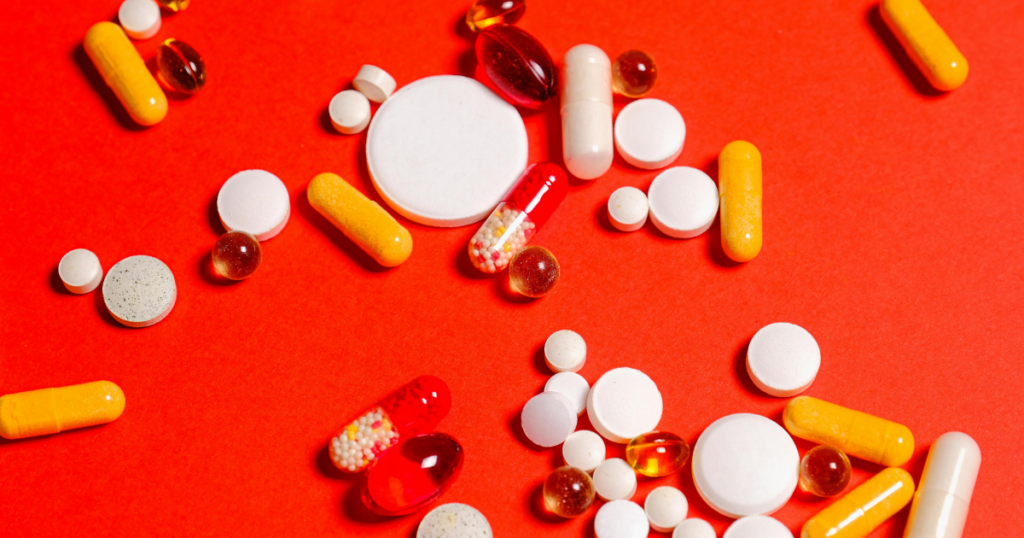
        If you are going through menopause, hormonal changes caused by this process, combined with the vasodilating properties of alcohol, may lead to hot flashes. Women who drink during menopause are also more likely to suffer from night sweats after consuming alcohol in the evening.

        How to Stop Hot Flashes After Drinking Alcohol?

        There are several methods you can try to get relief from hot flashes after drinking alcohol.

        Drink Cold Water

        One of the easiest ways to lower your body temperature and hydrate yourself is to drink a glass of cold water after you get a hot flash. If you are at a party or in a bar, remember to ask for water with your drinks.

        Put Ice Packs on Your Skin

        Applying something cold to your skin, such as an ice pack or a wet washcloth, can help you cool down and feel better. Focus on such areas as your neck, forehead, and wrists for the best results.

        Practice Deep Breathing

        When you start feeling unwell, take a few minutes to step outside, get some fresh air, and practice deep breathing. This will help you calm down, reduce stress, and accelerate your recovery.

        How to Prevent Hot Flashes When Drinking Alcohol?

        While hot flashes after alcohol intake are usually harmless, it is best to avoid this unpleasant experience in the future. Here is what you can do to prevent hot flashes:

        Identify Drinks That Cause Hot Flashes

        Some types of alcohol may be more likely to give you hot flashes. For example, beverages with a high alcohol percentage, such as vodka or whiskey, are a common trigger for this reaction. Pay attention to how your body reacts to different drinks so you can avoid those that do not suit you in the future.

        Wear Light Clothes

        Your outfit can have a huge impact on your comfort when you drink. Choose loose clothes made of breathable fabrics—this way, if you do get a hot flash, you will not feel restricted by what you are wearing.

        Reduce Your Alcohol Consumption

        Perhaps the best way to prevent hot flashes is to cut down on drinking or quit alcohol altogether. There are many benefits to giving up alcohol, from improved physical health to better sleep and mental clarity.

        When to Seek Help for Hot Flashes After Drinking

        In most cases, hot flashes should not alarm you—this is a short-term issue you can resolve within minutes. Nonetheless, sometimes hot flashes are a symptom of a more serious problem that requires a visit to a healthcare provider.

        If your hot flashes persist for a long time and you struggle to get rid of them, you feel dizzy and nauseous after drinking, or you have chest pain and difficulties breathing after consuming alcohol, you should see a doctor. A medical professional will examine you and create a personalized treatment plan suited to
        your needs.

        FAQ

        What Are the Symptoms of Hot Flashes After Drinking Alcohol?

        You can feel a hot flash coming if you suddenly feel warm or even hot in particular areas of your body—usually the face, neck, and chest. Hot flashes are often
        accompanied by excessive sweating and skin redness.

        Can Alcohol Trigger Hot Flashes?

        Yes, alcohol can give you hot flashes. This may happen due to the dilatation of blood vessels, increased heart rate, and higher body temperature after you drink
        alcohol.

        Does Alcohol Make Menopausal Hot Flashes Worse?

        Women who go through menopause are sometimes advised to give up alcohol; hormonal changes combined with the negative effects of alcohol on the endocrine
        The system may exacerbate the symptoms of menopause, including hot flashes.

        How Long Does It Take to Recover From a Hot Flash?

        Fortunately, the duration of a hot flash is usually short—on average, it lasts for three to four minutes. In rare cases, hot flashes persist for ten minutes or
        longer.

        What Is the Best Way to Get Rid of Hot Flashes After Drinking?

        You can deal with a hot flash after drinking by rehydrating your body, pouring cold water on your skin, breathing deeply, and stepping away from a hot or
        stressful environment.

        Stay Cool and Comfortable Without Alcohol

        Hot flashes are certainly unpleasant, but with the help of our tips and tricks, you will be able to manage and prevent them! Pay attention to the signals your body
        sends you—if drinking alcohol leads to discomfort, it may be better to reduce or quit consumption.

        Are you struggling with hot flashes and looking for assistance with alcohol withdrawal? Reach out to Silicon Valley Recovery! Our team will be happy to support you in designing a unique treatment plan and help you on your recovery journey.

        “`

        How Long Does It Take for Alcohol Withdrawal to Go Away? Timeline and Key Stages of Recovery

        Alcohol withdrawal is a challenging and often uncomfortable process that occurs when someone who has been drinking heavily for a long time suddenly stops or significantly reduces their alcohol intake. Understanding the timeline of alcohol withdrawal symptoms and the best ways to manage them is crucial for a safe and successful recovery. Whether you are concerned about your drinking habits or want to help a loved one who wants to quit drinking, it is important to know what to expect during alcohol withdrawal.

        How long does it take for alcohol withdrawal to go away? The symptoms of alcohol withdrawal usually begin within a few hours after the last drink and may last for several weeks, depending on the severity of alcohol use disorder. In some cases, people develop a potentially life-threatening condition known as delirium tremens and require professional medical assistance to deal with alcohol withdrawal. In this blog, we will explain the main symptoms of alcohol withdrawal, the typical duration of withdrawal from alcohol, and effective methods to relieve the symptoms.

        Table of Contents

        Understanding Alcohol Withdrawal

        Alcohol withdrawal happens when a person who is dependent on alcohol decides to quit alcohol or reduce the consumption of alcohol. Chronic alcohol use affects the chemicals in your brain—in particular, it reduces the production of gamma-aminobutyric acid (GABA), which is responsible for having a calming effect on your brain. It also increases the production of excitatory neurotransmitters such as norepinephrine.

        When you stop drinking alcohol, your brain may become overexcited, and you may experience a variety of unpleasant symptoms from mild anxiety to severe agitation. It is never a good idea to go through alcohol withdrawal on your own—reach out to friends and family and ask for help from medical professionals to ensure your safety.

        Alcohol Withdrawal Symptoms

        Here is a list of physical and mental symptoms you may suffer from when you stop drinking:

        • Headaches
        • Nausea and vomiting
        • Stomach pain
        • Loss of appetite
        • Sweating
        • Increased heart rate
        • Muscle tremors
        • Insomnia
        • Hyperactivity
        • Anxiety
        • Irritability
        • Depression
        • Hallucinations
        • Seizures

        While most people only have to deal with mild symptoms that go away on their own within a few days, in rare cases alcohol withdrawal leads to a condition called delirium tremens (DTs). If you or the person you are caring for starts shaking and sweating profusely, becomes disoriented and confused, and has visual hallucinations, bring them to the hospital as soon as possible.

        How Long Do Alcohol Withdrawal Symptoms Last?

        On average the alcohol withdrawal timeline spans a week. However the symptoms may persist for weeks and even months

        Here is what the timeline looks like:

        • 6-12 hours after the last alcoholic drink. Minor symptoms—headaches, nausea, sweating, and anxiety.
        • 12-24 hours after the last alcoholic drink. Moderate symptoms include hand tremors, disorientation, and agitation.
        • 24-72 hours after the last alcoholic drink. Severe symptoms include high blood pressure, hallucinations, and seizures.
        • 3-7 days after the last alcoholic drink. The symptoms start to subside after 72 hours, peaking on the fourth day.
        • 7+ days after the last alcoholic drink. In some instances psychological symptoms such as anxiety and irritability continue troubling the person.

        Factors Affecting the Duration of Alcohol Withdrawal

        The length of alcohol withdrawal depends on several factors—it is unique to every individual.

        People who have been drinking for years and have consumed large quantities of alcohol regularly whereas are more likely to struggle with withdrawal. If a person has tried to quit drinking before and gone through withdrawal in the past, the symptoms may be more severe the next time they stop consuming alcohol. Younger individuals have a better chance of coping, with withdrawal; for an older person, it may be more difficult to quit alcohol. Pre-existing mental health conditions, such as depression and anxiety, may exacerbate the symptoms of withdrawal. It is crucial to have a solid support system made up of friends, family, and medical providers who can offer their assistance and guidance.

        Tips to Manage Alcohol Withdrawal Symptoms

        There are several methods you can implement to treat alcohol withdrawal.

        It is advised to talk to a therapist or a doctor before you quit drinking, especially if you have an alcohol addiction—a healthcare provider will be able to design a treatment plan suitable for your needs. Let your friends and family know you are planning to give up alcohol—their encouragement and emotional support will be invaluable for your recovery. Even if you cannot enter a rehab facility, you should be under the supervision of a doctor who can prescribe certain medications to deal with withdrawal. Drugs like lorazepam and diazepam can be used to reduce anxiety and prevent seizures.

        Make sure you adhere to a healthy lifestyle. Eat nutritious meals, stick to the sleeping schedule you are comfortable with, and drink plenty of water to stay hydrated. You have to avoid situations that trigger you to drink, but it does not mean you should withdraw from social events.

        FAQs

        What is alcohol withdrawal?

        Alcohol withdrawal is a set of physical and psychological symptoms that start when a person who suffers from alcohol dependence stops drinking.

        What are the symptoms of alcohol withdrawal?

        The symptoms of alcohol withdrawal are numerous—a person may have headaches, nausea, and agitation, and in severe cases, hallucinations and seizures.

        How soon do alcohol withdrawal symptoms start?

        In most cases, the withdrawal symptoms begin 6 hours after the last drink—a person may feel anxious, have a headache, and struggle to fall asleep.

        How long does alcohol withdrawal last?

        Typically, it takes 3-7 days to get through alcohol withdrawal—the symptoms will peak on the fourth day after you stop drinking.

        Should you get a doctor to help you with alcohol withdrawal?

        Yes, it is recommended to reach out to a healthcare provider and ask for their assistance with alcohol withdrawal—they will be able to prescribe you medications to manage the symptoms.

        Start Your Recovery Journey Today

        We hope that our guide was able to answer your question—how long does it take for alcohol withdrawal to go away?—and that you learned the basics of alcohol withdrawal and its treatment. Remember that you do not have to go through this challenge on your own—rely on your close ones and bring in professionals to help you!

        Silicon Valley Recovery specializes in alcohol addiction treatment—our team will be glad to assist you! Reach out to us to discuss your unique circumstances, and we will design a personalized plan to fit your needs.

        Home Remedies to Stop Drinking Alcohol For a Calmer Mind and Healthier Body

        Struggling with alcohol addiction can be a daunting experience, affecting every aspect of a person’s life, from personal relationships to work performance and the state of a physical body and mental well-being. There are many ways to address this problem, from therapy and support groups to inpatient and outpatient treatment, as well as simple and effective home remedies to stop drinking alcohol.

        In our guide, we will explore the benefits of quitting alcohol, remedies you can try on your own, and the advantages of implementing these solutions. Lowering your alcohol consumption or cutting it out of your life completely will lead to a happier and healthier future.

        Understanding the Impact of Alcohol Consumption

        It is crucial to be aware of the negative consequences of alcohol addiction, whether you are struggling with this issue yourself or worried about the drinking habits of a person you care about. While on the surface, alcohol may seem like a harmless way to relax and have fun, when drinking becomes excessive and chronic, it leads to numerous problems.

        From minor symptoms such as headaches and nausea to the increased risk of heart disease, stroke, and liver damage, the adverse effects of alcohol on a person’s physical health are well-documented. Besides, alcohol abuse is often linked to mental health disorders—many people rely on alcohol to cope with stress and anxiety.

        Dietary Changes to Support Alcohol Withdrawal

        One of the best natural remedies to give up alcohol is to modify your diet. The food you consume may either help you deal with withdrawal symptoms or exacerbate the problem.

        Here are a few dietary tips to stop drinking:

        • Stay Hydrated—Drink at least 8 glasses of water every day to keep your body properly hydrated
        • Eat Fruits and Vegetables—Nutrient-dense food will replenish your body
        • Avoid Caffeine – Cut down on coffee and energy drinks that may increase your anxiety

        Herbal Supplements to Reduce Alcohol Cravings

        There are many vitamins and herbs to stop drinking alcohol that you can add to your diet to speed up your recovery. Below you can see the list of supplements that will assist you in the process:

        • Milk Thistle—Protect your liver with this powerful antioxidant
        • Kudzu—This herbal medicine has been praised for its ability to treat headaches and dizziness associated with alcohol withdrawal
        • Vitamin B—Heavy drinking is known to cause vitamin B deficiency—you can resolve this issue with supplements or food such as eggs and nuts

        Lifestyle Adjustments to Quit Drinking

        To successfully give up alcohol, you should make changes in your daily routine and surroundings. Implement the following suggestions to lower your alcohol consumption:

        • Identify Triggers—Pay attention to the situations that make you want to drink and avoid them
        • Pick Up a Hobby—Fill up your free time with fun activities that have nothing to do with alcohol
        • Exercise Regularly – Physical activity is known to reduce stress and improve a person’s mood

        When to Seek Help From Medical Professionals

        While home remedies can certainly be helpful, it is important to reach out to a healthcare provider when the situation gets out of control. A doctor will be able to diagnose the issue, prescribe medication, and come up with a personalized treatment plan that suits the patient and their unique circumstances.

        In addition, you may want to contact a mental health counselor or a therapist and explore the reasons behind the addiction with a professional. Very often, alcohol abuse has underlying psychological causes that should be addressed during therapy.

        FAQs

        What Are the First Steps to Stop Drinking Alcohol?

        Answer: Some of the initial steps to quit drinking include recognizing the problem, setting a goal, reaching out for support, and avoiding triggers.

        What Are the Benefits of Quitting Alcohol?

        Answer: Giving up alcohol will improve your physical and mental health, boost your energy levels, enhance your appearance, and help you build better relationships with those around you.

        What Vitamins Help With Alcohol Withdrawal?

        Answer: You should supplement your diet with vitamins B, C, and E – these nutrients will alleviate the symptoms of withdrawal and protect your organism.

        Can I Quit Drinking Without Medical Assistance?

        Answer: It is possible to stop drinking on your own, especially if you only drank socially in the past; however, if you were a heavy drinker, it is recommended to see a doctor.

        Should I See a Doctor About My Alcohol Addiction?

        Answer: Yes, if you or someone you care about is struggling with alcohol addiction, do not hesitate to reach out to a healthcare provider and ask for help.

        Embracing a Sober Future With Silicon Valley Recovery

        There are numerous home remedies to stop drinking alcohol that you can try—from dietary adjustments to lifestyle changes. If you or your loved one is struggling with alcohol addiction, remember that you can always rely on Silicon Valley Recovery to help you in your journey to sobriety. Our team is here to support you—get in touch with us to learn more about our services

        Can You Die From Drinking Rubbing Alcohol? What Really Happens When You Swallow It?

        Rubbing alcohol may seem like a harmless household item, but it is incredibly dangerous to drink. It is very different from alcohol that you drink at parties or at home with friends. There is a huge difference between sipping a glass of wine and ingesting rubbing alcohol.

        This blog was created to help you understand the dangers of drinking rubbing alcohol. Can you die from drinking rubbing alcohol? What should you do if someone you love drank rubbing alcohol by mistake? How can a professional team help you deal with the consequences of ingesting isopropyl alcohol?

        What Is Rubbing Alcohol?

        Rubbing alcohol, also known as isopropyl alcohol, is a common household item used for cleaning and disinfection. It is present in many health and cleaning products, and it is widely used by medical professionals and ordinary people at home.

        While rubbing alcohol is only meant for topical application, some people may decide to drink it. This is a terrible idea—isopropyl alcohol is not meant for human consumption, and it is dangerous to ingest it.

        Can You Die From Drinking Rubbing Alcohol?

        Yes, it is possible to die from drinking rubbing alcohol. The fatal dosage depends on a variety of factors—your age, weight, health condition, allergies, and much more. Even if you do not die from ingesting isopropyl alcohol, you may seriously harm your body by drinking it.

        There is a huge difference between safe-to-drink ethanol and dangerous isopropyl alcohol. If you are worried about someone you love accidentally drinking rubbing alcohol stored in a mislabeled bottle, you should learn about the symptoms of rubbing alcohol poisoning to react fast in case of an emergency.

        Symptoms of Isopropyl Alcohol Poisoning

        Here are the most common signs of rubbing alcohol poisoning you should look out for:

        • Stomach pain and cramps
        • Nausea and vomiting
        • Diarrhea
        • Dizziness and confusion
        • Headache
        • Low body temperature
        • Slurred speech
        • Difficulty breathing
        • Loss of coordination

        In some cases, a person who drank rubbing alcohol may go into a coma. Pay attention to their symptoms and make sure to get medical assistance as soon as possible.

        What to Do If You Drank Rubbing Alcohol?

        Whether you consumed isopropyl alcohol yourself or you are worried about a friend or a family member who drank rubbing alcohol, there are a few things you can do to improve the situation.

        First of all, do not panic—a clear head will help you figure out the next steps. If a person who drank rubbing alcohol is only exhibiting mild symptoms—such as an upset stomach and a minor headache—you may decide to let them stay at home and treat them there without calling an ambulance.

        Nonetheless, it is recommended to get a professional medical provider to examine the person who ingested isopropyl alcohol. A doctor or a nurse will be able to properly diagnose the symptoms of rubbing alcohol poisoning and prescribe adequate treatment.

        Preventing Rubbing Alcohol Misuse

        Here are a few tips you can follow to make sure no one drinks rubbing alcohol by mistake:

        • Keep isopropyl alcohol out of reach of children
        • Always properly label bottles that contain rubbing alcohol
        • Supervise teenagers in your household—sadly, some minors may decide to drink rubbing alcohol to get intoxicated
        • Talk to your kids about the dangers of drinking alcohol – both ethanol and isopropyl alcohol are unsafe for children

        Seek Help From Silicon Valley Recovery

        If you believe a person in your household drank rubbing alcohol – whether it was accidental or they consumed it on purpose – reach out to mental health professionals from Silicon Valley Recovery to get the help you need.

        Our team will be able to advise you—we have a lot of experience when it comes to alcohol and drug abuse prevention and treatment. Let our experts support you and your family during this challenging time.

        Frequently Asked Questions

        What is rubbing alcohol made of?

        Rubbing alcohol is primarily composed of isopropyl alcohol and water. It is meant for external use only.

        Is rubbing alcohol safe to drink?

        No, you should never drink rubbing alcohol—it is dangerous to ingest it.

        How many people die from rubbing alcohol poisoning?

        Fatalities from rubbing alcohol are rare—it is estimated that around 150 people die from isopropyl alcohol poisoning in the US every year.

        What are the symptoms of rubbing alcohol poisoning?

        The most common signs of rubbing alcohol poisoning are stomach pain, nausea, vomiting, dizziness, and confusion.

        How to prevent rubbing alcohol poisoning?

        To make sure no one in your family drinks rubbing alcohol by mistake, you should keep it out of the reach of children and always label it properly.

        Understand the Danger of Drinking Rubbing Alcohol

        Accidentally or intentionally drinking rubbing alcohol can have serious consequences for a person’s health. From mild symptoms such as nausea to coma and death, isopropyl alcohol should never be consumed.

        If you or your loved one drank rubbing alcohol by mistake, get in touch with Silicon Valley.
        Recovery Silicon Valley Recovery to talk to our professionals. We will be able to advise you and guide you and come up with a personalized treatment plan to suit your needs.

        Alcohol Withdrawal Seizure Timeline What To Expect And How Symptoms Typically Progress

        Understanding the alcohol withdrawal seizure timeline is crucial for anyone considering reducing their alcohol consumption or supporting a loved one struggling with addiction. While drinking is an accepted social activity in many cultures worldwide, heavy alcohol use is known to cause a wide range of health problems and increase the risk of accidental injuries. It is important to be aware of the symptoms of alcohol withdrawal and the dangers of quitting alcohol abruptly without medical supervision.

        This article will explain what alcohol withdrawal seizures are, list the main symptoms to watch out for, describe the typical timeline of the withdrawal process, and offer treatment and management tips. We will also answer the most frequently asked questions on this topic to provide our readers with the information they need to protect their health and make safe choices.

        Table of Contents

        What Are Alcohol Withdrawal Seizures?

        Alcohol withdrawal seizures are a serious complication that may occur when a heavy drinker suddenly stops consuming alcohol. In most cases, seizures are preceded by mild and moderate withdrawal symptoms, such as nausea, headaches, anxiety, and tremors. People experiencing seizures may lose consciousness, shake uncontrollably, and fall to the ground, which puts them at risk of getting injured.

        According to research, approximately 2 to 5 percent of patients going through alcohol withdrawal develop seizures within 2 or 3 days after quitting alcohol. The likelihood of getting a seizure depends on a variety of factors, including a history of epilepsy, previous withdrawal attempts, and concurrent health disorders. It is advised to seek medical help as soon as the initial symptoms of alcohol withdrawal appear to prevent seizures.

        Symptoms of Alcohol Withdrawal Seizures

        Mild and moderate symptoms of alcohol withdrawal usually show up within 6 hours of the last drink. Below are the most common symptoms to look out for

        • Agitation and irritability
        • Anxiety and depression
        • Sweating and clammy skin
        • Headaches and dizziness
        • Nausea and vomiting
        • Shaky hands and body tremors
        • Increased heart rate and high blood pressure
        • Sensitivity to light and noises

        Alcohol withdrawal seizures are considered a severe symptom of withdrawal. Here are the warning signs of a pending seizure to be aware of

        • Intense confusion and disorientation
        • Sudden loss of consciousness
        • Uncontrollable muscle spasms
        • Jaw clenching and teeth grinding
        • Falling on the floor and shaking
        • Loss of bladder and bowel control

        If someone you know is having a seizure, move them away from dangerous locations (for example, a busy road), put a soft object under their head, turn them on their side, and call emergency services for assistance.

        Timeline of Alcohol Withdrawal Symptoms

        While the alcohol withdrawal timeline may differ from person to person, in most cases the duration of the withdrawal fits into a 7-day timeframe.

        Here is what you can expect when you stop drinking alcohol.

        6 to 12 Hours

        The first symptoms of alcohol withdrawal may appear as soon as 6 hours after your last drinking session. Minor symptoms you may experience during this time include

        • Hand tremors
        • Excessive sweating
        • Feelings of anxiety
        • Lack of appetite
        • Difficulty sleeping

        12 to 48 Hours

        More symptoms may develop within 12 to 48 hours of abstaining from alcohol. It is not unusual to have

        • Stomach ache
        • High blood pressure
        • Vomiting
        • Confusion
        • Increased heart rate

        This is the period when you are most likely to get a seizure, especially if you have a history of seizures and were a heavy drinker. Make sure you are supervised by a medical professional during the first two days of your withdrawal.

        48 to 72 Hours

        After 2 days, more serious symptoms of alcohol withdrawal may kick in. You may go through the following

        • Body temperature fluctuations
        • Hallucinations
        • Trouble thinking clearly
        • High fever
        • High blood pressure

        On top of that, between 48 and 72 hours, you may have an episode of delirium tremens, a severe symptom of alcohol withdrawal that requires hospitalization.

        4 to 7 Days

        The majority of people who go through alcohol withdrawal feel better by the end of the first week. Nonetheless, some symptoms may persist for 7 days or longer, especially if you were addicted to alcohol for a long time. It is not uncommon for psychological symptoms such as anxiety and insomnia to last for several weeks.

        Remember that the alcohol withdrawal timeline depends on many factors: your drinking habits, medical history, and personal circumstances. Reach out to a doctor to come up with a personalized withdrawal plan that works for you.

        Factors Affecting the Onset of Alcohol Withdrawal Seizures

        There are several factors that can influence the development of seizures during alcohol withdrawal

        • Quantity and Duration of Alcohol Consumption
          People who consumed large quantities of alcohol on a daily basis and were addicted to alcohol for many years are more likely to struggle with withdrawal and get seizures when they stop drinking.
        • Previous History of Withdrawal and Seizures
          If you have attempted to quit alcohol in the past and had seizures during or outside of the withdrawal process, your chances of having seizures this time are higher.
        • Medical History
          Do you suffer from epilepsy or any other condition characterized by seizures? Make sure to consult your physician before you give up alcohol—your doctor will be able to advise you and offer you medication to manage the withdrawal.
        • Age and Gender
          While there is no definitive research on the link between a person’s demographics and their chances of having alcohol withdrawal seizures, some studies claim that older people and women are more susceptible to seizures.

        FAQs

        1. How common are alcohol withdrawal seizures?

        Alcohol withdrawal seizures occur in approximately 2–5% of people who suddenly stop drinking after heavy or prolonged alcohol use. While not extremely common, they are serious and can escalate quickly without proper care. Individuals with a history of seizures or multiple withdrawal attempts are at higher risk.

        2. Can alcohol withdrawal seizures happen without other symptoms first?

        Although most people experience early symptoms—such as tremors, anxiety, and nausea—before a seizure occurs, it is possible for seizures to appear suddenly without clear warning. This is especially true for people with severe alcohol dependence. Because symptoms can be unpredictable, medical supervision is always recommended.

        3. How long after quitting alcohol can seizures occur?

        Seizures most commonly occur between 12 and 48 hours after the last drink, though some cases develop as early as 6 hours or as late as 72 hours into withdrawal. The exact timing depends on individual health factors and drinking patterns. Continuous monitoring during the first two days is especially important.

        4. Are alcohol withdrawal seizures life-threatening?

        Yes, withdrawal seizures can be dangerous and may lead to complications such as falls, injuries, or progression to delirium tremens (DTs). Without prompt treatment, DTs can become life-threatening. Immediate medical attention significantly reduces the risk of severe outcomes.

        5. How can alcohol withdrawal seizures be prevented?

        The best way to prevent seizures is to undergo medically supervised detox, where healthcare providers can offer medications to stabilize the nervous system. Benzodiazepines are commonly used to reduce seizure risk and manage symptoms. Attempting to quit “cold turkey” at home increases the likelihood of complications and should be avoided.

        How Does Someone on Meth Act: Signs, Behaviors, and Changes in Daily Life

        Methamphetamine, commonly known as meth, is a powerful and addictive stimulant that affects the central nervous system. This drug has a significant impact on a person’s behavior, appearance, and mental health. Recognizing the signs of meth use can be crucial for providing timely help and support to those in need. In this guide, we will explore the behavioral and psychological symptoms of meth abuse and offer advice on addressing this issue.

        Whether you suspect that your loved one may be struggling with meth addiction or want to learn more about the effects of this drug, our comprehensive resource will equip you with the necessary knowledge. From short-term agitation to long-term cognitive deficits, meth use can manifest in various ways and harm a person’s life in many aspects. Continue reading to understand how meth affects users and what you can do to assist them.

        Understanding Methamphetamine

        Methamphetamine is a highly addictive stimulant that affects chemicals in the brain responsible for pleasure, focus, energy levels, and more. Initially developed as a medication for narcolepsy and obesity, meth is primarily used as an illegal recreational drug nowadays.

        This substance looks like a white crystalline powder with no smell and a bitter taste. People ingest meth in a variety of ways—by snorting the powder, injecting it into their veins, inhaling it through a pipe, or ingesting it in pill form. The method of administration affects the onset and duration of meth effects.

        Short-Term Behavioral Effects of Meth Use

        The initial effects of meth use are temporary—you may notice these symptoms for a few hours or days after the person ingests the drug. Here are the most common short-term signs of meth use you should be aware of:

        Changes in Physical Appearance

        Even a brief meth use may negatively affect the way the person looks. You may see their skin is pale and sweaty, they have acne or other skin conditions, their jaw is clenched, and their lips are dry and cracked.

        Behavioral Changes

        Meth is a psychoactive drug, which means it has a powerful effect on a person’s behavior. The user may appear more energetic and talkative than usual—while euphoria and alertness are not necessarily negative symptoms, they should raise concern when there is no apparent reason for such a mood change.

        Emotional Symptoms

        In addition to affecting a person’s looks and mannerisms, meth has an impact on their mental health. The drug may make the user anxious and confused—in certain cases, meth leads to aggressive behavior and hallucinations.

        Long-Term Behavioral Consequences of Meth Addiction

        If a person continues to take meth, their addiction will lead to severe and sometimes irreversible consequences for their behavior. Chronic meth use harms a person’s life in many ways:

        Addiction

        While it is possible to get addicted to meth after one or two intakes, when the drug use is not stopped, the person may develop a substance use disorder that will persist for a long time. Meth targets the brain chemistry of the user—their body starts to depend on the drug to function normally.

        Cognitive Deficits

        Meth is known for its negative effect on a person’s cognition. Long-term drug use is associated with memory loss, poor concentration, inability to make decisions, lack of verbal skills, and reduced motor speed.

        Lifestyle Changes

        Meth addiction will inevitably affect a person’s life. The individual may abandon their professional responsibilities and give up on their personal hobbies to focus on drug use; in many cases strained relationships with friends and family members are observed.

        Psychological Symptoms of Meth Use

        Methamphetamine significantly affects a person’s brain function and behavior. Here are the mental symptoms you may notice after short- and long-term meth use:

        Anxiety and Depression

        It is common for meth users to feel uneasy and agitated after they take the drug. Meth messes with the neurotransmitters in the person’s brain—once the effect of the drug wears off, the individual may feel hopeless and depressed.

        Psychosis

        In some cases meth use leads to psychosis—the person may struggle to distinguish between reality and hallucinations. If you have noticed someone is being delusional and paranoid, talk to them and reach out to a medical professional for help.

        Violent Behavior

        Agitation caused by meth may result in aggressive outbursts. Typically calm and composed individuals may start raising their voices and even resort to physical violence when they are confronted or provoked.

        How to Help Someone Struggling With Meth Addiction

        Whether the meth use of your loved one was short-lived or they have been struggling with addiction for a long time, your support and compassion combined with assistance from a mental health professional will help them to overcome this challenge. Here is what you can do to help a meth user:

        Talk to the Person

        It is important to speak to the individual you are worried about and share your concerns with them. Choose a quiet, private spot for a conversation; approach the person without judgment and offer your support—you may be able to convince them to give up meth and seek therapy.

        Reach out to a professional.

        Get in touch with a doctor or therapist that specializes in drug addiction and ask them for advice. A mental health provider will be able to diagnose the patient and come up with a personalized treatment plan that suits the needs of the meth user.

        Rely on Support Groups

        There are numerous organizations in the country that specialize in helping meth addicts and their loved ones. You can find a local peer support group to join—being surrounded by people that can relate to your struggles will be beneficial both for the drug user and their family.

        FAQs

        What are the short-term effects of meth use?

        Meth use may temporarily affect a person’s appearance (pale skin, dry lips) and behavior (euphoria, increased energy levels). In most cases these symptoms disappear within a few days.

        What are the long-term effects of meth use?

        Prolonged meth use may lead to addiction and cognitive deficits (such as memory loss and poor concentration) as well as mental health issues like anxiety and depression.

        How to Help Someone With Alcohol Withdrawal When A Loved One is Struggling

        Supporting someone going through alcohol withdrawal can be a challenging yet incredibly important task. Withdrawal symptoms can be intense, and managing them requires patience, knowledge, and understanding. Whether you are a family member, a close friend, or a colleague of a person struggling with alcohol addiction, you may want to learn how to help them during this difficult time.

        In our guide, we will walk you through the basics of alcohol withdrawal, explain the symptoms of this condition, and teach you how to assist your loved one on their journey to recovery. From creating a safe environment for them to knowing when to reach out to medical professionals, there are many ways you can make a difference and be there for the person you care about.

        Table of Contents

        Understanding Alcohol Withdrawal

        Alcohol withdrawal is a range of physical and mental symptoms a person may experience after they abruptly stop drinking alcohol or significantly reduce their alcohol consumption after being dependent on alcohol for a long time. This condition may last for several weeks—in most cases, symptoms resolve within five days, but psychological effects may persist.

        Withdrawal happens when the brain has to adjust to the absence of alcohol—this substance affects the brain chemistry, so its sudden removal leads to a brain dysfunction. On average, symptoms of alcohol withdrawal start within eight hours after the last drink and peak within three days.

        Steps to Support Someone During Alcohol Withdrawal

        Here are a few ideas you may find useful when helping your loved one manage alcohol withdrawal:

        • Educate the Person Struggling With Alcohol Addiction and Yourself. It is crucial to recognize the symptoms of withdrawal and understand the reason behind this condition—talk to your friend or family member to make sure they realize their drinking habits have affected their physical and mental health.
        • Be There for Your Loved One. Tell the person you care about that you are aware of their problem and you are ready to help them—sometimes, moral support and a friendly shoulder to cry on are enough to set the individual on the path to recovery.
        • Create a Safe Environment for Them. If your friend decides to quit alcohol, you can assist them by removing alcohol from their residence, keeping them company when they stay at home, and discouraging them from attending parties and events where alcohol is served, at least for a little while.
        • Monitor Alcohol Withdrawal Symptoms. While there are many mild symptoms you should be on the lookout for—headaches, nausea, insomnia, and anxiety—some symptoms, such as seizures and hallucinations, will require medical intervention.

        Medical Treatment for Alcohol Withdrawal

        Do you wonder whether alcohol withdrawal can be treated at home or the person you care about needs to be hospitalized? A doctor will be able to evaluate the severity of the withdrawal and prescribe a suitable course of treatment based on the symptoms of the patient.

        In case the alcohol dependence of the individual is mild, it may be possible to manage the withdrawal with medication at home. Nonetheless, it is recommended to consult a healthcare provider who can prescribe drugs that will alleviate the symptoms of withdrawal—for instance, benzodiazepines are known for their efficacy when it comes to alcohol withdrawal treatment.

        Long-Term Recovery From Alcohol Addiction

        Therapy After Alcohol Withdrawal. Once the acute symptoms of withdrawal have been resolved, it is still important to address the addiction—a therapist will help the patient understand the reasons why they started drinking in the first place and come up with a treatment plan that suits the individual and prevents relapse.

        Build a Support Network for the Person Struggling With Addiction. Let your friend know they can rely on you—if you cannot be there for them all the time, make sure they are surrounded by people who care about their well-being. You can also suggest they join a support group in your area—sharing their struggles with people who go through the same thing may be beneficial.

        Focus on the Lifestyle of Your Loved One. There are many habits the person can implement to reinforce their recovery—sticking to a healthy diet, exercising, picking up new hobbies, and avoiding people and places that trigger their addiction are some of the things that will help them move on.

        How Silicon Valley Recovery Can Assist You

        Whether you are able to convince your loved one to handle their withdrawal at home or the person requires inpatient treatment in the hospital, the support of addiction recovery professionals will be invaluable. Reach out to Silicon Valley Recovery to learn from the experts!

        Our team will be able to guide you and your friend or family member struggling with alcohol addiction—we will develop a personalized treatment plan for our patient and equip them with the skills they need to overcome their dependency and lead a happy, fulfilling life.

        FAQ

        What are the symptoms of alcohol withdrawal?

        Symptoms of alcohol withdrawal range from mild (headaches, nausea, sweating) to severe (hallucinations, seizures, agitation). On average, the symptoms persist for 3-5 days.

        How long does alcohol withdrawal last?

        The duration of alcohol withdrawal depends on several factors—in most cases, it lasts for less than a week, but some symptoms may persist for a few weeks.

        How can I help someone going through alcohol withdrawal?

        You can assist the person struggling with alcohol addiction by educating them about the dangers of withdrawal, being there to support their efforts, and bringing them to a doctor.

        Is alcohol withdrawal dangerous?

        It is possible to treat alcohol withdrawal at home; however, in some cases, this condition may be life-threatening. It is advised to show the patient to a healthcare provider who can prescribe them the necessary medication.

        Do I need to involve doctors in the treatment of alcohol withdrawal?

        Yes, you should at least consult a medical professional about the condition of your loved one—a doctor will be able to diagnose the patient and either let you treat them at home or admit them to the hospital.

        Reach Out to Silicon Valley Recovery for Help

        Now that you know how to help someone with alcohol withdrawal, you can be there for your loved one during this challenging time and provide them with the support they need. From recognizing the symptoms of withdrawal to coming up with a long-term recovery plan together with a therapist, your care and encouragement may make all the difference.

        At Silicon Valley Recovery, we are prepared to assist you and your loved one on this journey. Do not hesitate to contact us—our experienced professionals will be able to advise you, respond to your concerns, and treat your friend or family member either at home or in the hospital.

        “`

        Subtle Physical and Behavioral Signs and How To Tell if Someone is On Methadone

        Recognizing the signs that someone might be taking methadone can be a crucial step in offering them the support and care they might need. Methadone is a medication often prescribed to help with opioid addiction, but like any drug, it can have side effects and consequences for a person’s health and behavior. If you suspect a friend or a loved one is struggling with methadone use, our guide will help you understand the symptoms of methadone consumption and its impact.

        Our comprehensive guide on how to tell if someone is on methadone will assist you in spotting the physical symptoms of methadone use as well as the changes in a person’s behavior and lifestyle this medication may cause. We will also explain the purpose of methadone prescriptions and give you advice on supporting someone who is on methadone—from having a compassionate private conversation to involving medical professionals in their treatment.

        What Is Methadone?

        Methadone is a medication that is used to treat individuals who struggle with addiction to opioids—it changes the way the brain and nervous system respond to pain, which makes it similar to drugs such as heroin or morphine. In addition, methadone may be prescribed to a patient who suffers from severe chronic pain, especially if other medications have failed to help them.

        Developed in the last century, methadone is on the World Health Organization’s List of Essential Medications and remains one of the most popular drugs to manage opioid dependence. This medication reduces drug cravings and eases withdrawal symptoms, making it easier for the patient to stick to their recovery journey.

        Why Is Methadone Prescribed?

        There are two main reasons to prescribe methadone to the patient: pain relief and opioid addiction treatment. This synthetic analgesic drug can be given to the person who is struggling with post-surgical pain or chronic pain that disrupts their daily life as well as the individual that requires assistance with substance abuse treatment.

        While methadone can be efficient to address opioid dependence, it is important to remember that this medication should only be taken under the supervision of a healthcare provider. The administration of methadone comes with certain risks—for instance, a patient may develop a dependence on this drug, especially if they were taking it to treat their addiction to heroin or oxycodone.

        Physical Symptoms of Methadone Use

        Here are the most common physical signs of methadone consumption you may notice:

        ● Drowsiness. Similar to other sedatives, methadone may make the person feel sleepy—they can have trouble staying awake and alert during the day and appear lethargic.

        ● Nausea. Your loved one looks pale and complains about feeling unwell—it is possible they are taking methadone or another drug they are allergic to.

        ● Slow Breathing. If you can tell the person’s breathing is unusually slow and their movements are uncoordinated, they may be experiencing a methadone overdose, which means they will require immediate medical assistance.

        Behavioral Signs of Methadone Consumption

        Methadone use may affect the behavior of the individual—below you can see the changes to watch out for:

        ● Confusion. Is your friend having trouble focusing on a simple task? Are they struggling to remember things that happened recently? Methadone consumption may lead to cognitive impairment.

        ● Poor Concentration. Someone on methadone may not be able to pay attention to what is going on around them—this can be especially dangerous if they are driving a car or operating machinery.

        ● Mood Swings. Methadone impacts the brain function of the person—this can mean elevated or depressed mood, agitation, irritation, and euphoria.

        Supporting Someone on Methadone

        Whether your family member or a friend was prescribed methadone by their doctor or started taking it without a prescription, they will benefit from the support of their loved ones. Pay attention to the symptoms listed above, talk to the person you are worried about, and advise them to see a doctor to adjust or discontinue their methadone treatment.

        If you believe methadone use negatively affected the physical and mental health of the person you care about, you can reach out to a mental health professional or an addiction specialist and ask your friend to join you in a therapy session. A qualified therapist will be able to diagnose the issue and come up with a personalized treatment plan for the patient.

        FAQs

        What is methadone used for?

        Methadone is a medication used to treat chronic pain and assist patients who suffer from opioid dependence—it minimizes withdrawal symptoms and has a calming effect on the person.

        What are the side effects of methadone?

        The most common adverse effects of methadone are dizziness, drowsiness, nausea, vomiting, and muscle pain. In case the methadone overdose is suspected—for example, the person has trouble breathing and passes out—you should call the emergency services.

        Can you tell if someone is taking methadone?

        It is possible to recognize the signs of methadone use upon close observation—from the changes in the person’s behavior, such as confusion and agitation, to the physical symptoms, like sleepiness and lack of coordination.

        Is methadone safe to use?

        When it is taken as prescribed by the doctor, methadone can be good for the patient; nevertheless, you should be aware of its side effects and make sure the person stops taking it if it harms their health.

        What to do if someone is on methadone?

        If a person close to you is taking methadone, whether they have a prescription or not, you can be there for them to talk. Talk to them about your concerns and bring them to a healthcare provider who will be able to help them.

        Offer Help and Support With Methadone Use

        We hope that our guide was useful and you learned how to tell if someone is on methadone—both the physical symptoms and behavioral changes associated with this drug may mean your loved one is in trouble. While methadone can be beneficial for the treatment of opioid addiction, its use should be carefully monitored.

        Are you looking for advice and support for someone on methadone? Reach out to Silicon Valley Recovery! Our team is a phone call away—we will be able to guide you, listen to your concerns, and come up with a treatment plan tailored to the needs of your friend or family member. Do not hesitate to contact us!

        LGBTQ+ Community & Addiction Understanding the Link

        In the vibrant tapestry of human diversity, the LGBTQ+ community represents a multitude of identities and experiences. As we celebrate Pride Month, it is crucial to recognize and understand the challenges faced by this community, particularly the link between LGBTQ+ individuals and addiction. This article aims to shed light on this complex issue, fostering empathy, raising awareness, and providing a foundation for support. By acknowledging these struggles and promoting inclusivity, we can create a safer and more inclusive society for all.

        The Intersection of LGBTQ+ Identity and Addiction

        LGBTQ+ individuals often face unique stressors and discrimination, which can contribute to higher rates of addiction. The journey of self-discovery, the process of coming out, and societal prejudice can lead to emotional distress and isolation. These factors, combined with the lack of acceptance from family, friends, and communities, can drive some individuals to turn to substances as a means of coping.

        Mental Health Disparities and Substance Use

        1. Prevalence of Mental Health Disorders: LGBTQ+ individuals experience disproportionately higher rates of mental health disorders compared to the general population. Anxiety, depression, post-traumatic stress disorder (PTSD), and suicidal ideation are among the challenges faced. Substance use can often serve as a self-medication method, temporarily alleviating emotional pain or providing an escape from daily struggles.
        2. Minority Stress: The concept of minority stress, coined by psychologist Ilan Meyer, highlights the chronic stress experienced by marginalized groups due to societal discrimination and prejudice. LGBTQ+ individuals may face rejection, bullying, and harassment, leading to internalized homophobia or transphobia. This ongoing stress contributes to an increased risk of developing addictive behaviors.
        3. Barriers to Mental Health Services: The stigma surrounding mental health within the LGBTQ+ community can prevent individuals from seeking the help they need. Fear of judgment, discrimination, or a lack of culturally competent care may discourage individuals from accessing appropriate support systems. This further perpetuates the cycle of substance abuse as a coping mechanism.

        Nurturing Supportive Environments

        1. Cultivating Acceptance: Creating inclusive communities and fostering acceptance within families, schools, and workplaces is crucial. Encouraging open dialogue, promoting education about LGBTQ+ identities, and dismantling stereotypes can help reduce the stigma associated with being LGBTQ+. Acceptance plays a pivotal role in preventing substance abuse and supporting those in recovery.
        2. Accessible Mental Health Services: It is imperative to ensure that mental health services are easily accessible and culturally competent for LGBTQ+ individuals. Healthcare professionals and therapists should undergo training to develop an understanding of the unique challenges faced by this community. Creating safe spaces for open and honest conversations can encourage individuals to seek the help they deserve.
        3. Peer Support and Community Organizations: LGBTQ+-specific support groups and community organizations can provide a sense of belonging, understanding, and empowerment. Connecting with peers who share similar experiences can help combat feelings of isolation and provide invaluable support during recovery journeys.

        As we celebrate Pride Month, let us remember that the LGBTQ+ community is not immune to the challenges of addiction. By acknowledging the interplay between LGBTQ+ identity and substance abuse, we can work towards fostering empathy, raising awareness, and creating supportive environments. Let us be champions of inclusivity, working together to dismantle stigma and provide the necessary resources for mental health support. By doing so, we can ensure that every individual within the LGBTQ+ community feels seen, heard, and valued and that no one feels the need to turn to substances as a means of coping.

        If you or someone you know is struggling with mental health issues, please reach out to us. Our trained professionals are here to provide a safe and affirming space for LGBTQ+ teens to explore their emotions, seek guidance, and receive the support they need. Remember, you are not alone, and asking for help is a sign of strength. Together, let us pledge to be advocates for change. Educate yourself, support LGBTQ+ organizations, and reach out to those who may be struggling

        FAQs

        How does being LGBTQ affect mental health?

        Being LGBTQ can influence mental health due to societal stigma, discrimination, and lack of acceptance. These factors may lead to increased stress, anxiety, and depression. Supportive environments and affirming communities can help mitigate these challenges, fostering resilience and positive mental health outcomes for LGBTQ individuals.

        What is addiction linked to?

        Addiction is linked to a combination of genetic, environmental, and psychological factors. Genetics can predispose individuals to addiction, while environmental influences such as exposure to drugs, peer pressure, and stress can contribute. Psychological aspects, including mental health disorders, trauma, and coping mechanisms, also play a significant role in the development of addictive behaviors.

        What is the connection between love and addiction?

        Love and addiction share common brain pathways, both releasing chemicals like dopamine that create pleasurable feelings. This overlap can lead to obsessive behaviors and intense emotional highs and lows in both love and addiction. Understanding this connection helps in recognizing unhealthy patterns in relationships and addressing them constructively.

        Why is connection the opposite of addiction?

        Connection serves as the opposite of addiction because it fulfills our innate need for belonging and emotional bonds, which addiction often seeks to replace. When individuals feel connected to others, they find support and understanding, reducing the isolation and loneliness that can drive addictive behaviors. Building meaningful relationships can therefore act as a protective factor against addiction.

        Who said connection is the opposite of addiction?

        The phrase “connection is the opposite of addiction” is attributed to Johann Hari, a journalist and author who discussed this idea in his TED talk and book. He suggests that a lack of meaningful social connections can contribute to addiction, and fostering strong, supportive relationships can be a crucial part of recovery. Hari’s perspective emphasizes the importance of community and understanding in addressing addiction.

        What is the paradox of addiction?

        The paradox of addiction lies in the conflicting nature of how substances or behaviors initially provide pleasure or relief, yet ultimately lead to negative consequences. People continue to engage in these addictive behaviors despite knowing the harm they cause, creating a cycle that’s difficult to break. The paradox is rooted in the brain’s reward system, where short-term rewards overshadow long-term well-being.

        Alcohol and Anxiety – Understanding the Connection and Effects

        When you first consider the question “does alcohol cause anxiety,” the most obvious answer might be no. Many people rely on alcohol to cope with anxiety because of its relaxing effects.

        There’s more to it than that, however. Alcohol and anxiety have complex relationships, and alcohol-induced anxiety is a real problem for many people. Someone with a history of substance abuse may be more susceptible to developing any mental disorder. 

        The Effects of Anxiety

        Anxiety is something that people often talk about in terms of diagnosing themselves when they’re experiencing something distressing for them. Along with being a term often casually thrown around, it’s also a very real and potentially debilitating disorder. Anxiety has diagnostic criteria like other medical conditions and mental health conditions. 

        An anxiety disorder isn’t the same as occasionally experiencing normal feelings of anxiety in stressful situations. People with anxiety disorders affect their life in major ways and impair their functionality.

        Types of anxiety disorders include:

        • Generalized anxiety disorder: When someone struggles with a generalized anxiety disorder (GAD), they have a constant, ongoing level of stress about various things in their life that’s out of proportion to the actual situation. Worries and anxiety symptoms may be broad and include money, health, relationships, and other things.
        • Social anxiety disorder: Also known as social phobia, it’s more than being shy when dealing with social anxiety disorder. You might have physical symptoms or avoid normal daily activities because of your fear of being around others with diagnosable social anxiety disorder. 
        • Panic disorder: This mental disorder leads to significant, sudden, and unexpected physical symptoms like a pounding heart, sweating, choking, shortness of breath, and an impending sense of doom. For some people, severe panic attacks can feel like a heart attack.

        Other anxiety disorders include obsessive-compulsive disorder (OCD) and post-traumatic stress disorder (PTSD).

        Using Alcohol to Cope with Anxiety

        One relatively common thing is turning to substances to cope with the symptoms of a mental disorder like anxiety. People use alcohol to reduce stress and unwind. In the short term, alcohol is a depressant and sedative that slows your central nervous system.

        Initially, drinking it can help reduce your anxiety, help you feel generally relaxed, and even give you a mood boost. Some of the effects of alcohol can be similar to certain anti-anxiety medications.

        The relaxation you feel when you first drink may be due to your blood alcohol content rising. At first, you feel good as your BAC levels go up. Then, as those levels fall, you can feel depressed or more anxious than before. This can quickly lead to a vicious cycle culminating in potential alcohol addiction. 

        Does Alcohol Cause Anxiety?

        When you drink, it changes your brain neurotransmitters, including your levels of serotonin. According to the National Institute of Mental Health, those effects can worsen symptoms in people with anxiety disorders or lead to alcohol-induced anxiety when maybe you didn’t have it before. 

        Long-term consequences of heavy drinking and alcohol abuse can include new or worsening mental health problems, including alcohol-induced or more intense anxiety. 

        People with an alcohol use disorder, according to research, have difficulties recovering from traumatic events. This difficulty likely stems from the changes in brain activity that occur because of the alcohol itself.

        Long-term alcohol abuse can put you at greater risk of anxiety disorders in some cases, among other negative consequences. 

        There’s another potential relationship between excessive drinking and anxiety to be aware of too.

        High anxiety levels are a symptom of alcohol withdrawal related to long-term excessive alcohol consumption. If you’ve been regularly consuming large amounts of alcohol and suddenly stop, you may have alcohol withdrawal-induced anxiety. Other withdrawal symptoms can include hallucinations, sweating, vomiting, seizures, and increased anxiety levels.

        does alcohol cause anxiety

        Hangover Anxiety

        Even if you aren’t necessarily a regular or heavy drinker, alcohol-induced anxiety can occur in other ways. Namely, there’s the concept of so-called “hangxiety.”

        When you have the symptoms of a hangover, you might have physical and psychological symptoms similar to mental health conditions, including anxiety.

        There are likely multiple reasons for increased anxiety-like behaviors and feelings when you have a hangover.

        One could be a social phobia. When you drink, it can help you feel more socially relaxed. Then, your social phobia symptoms can return once those effects wear off. You can feel worse when your physical hangover symptoms are paired with worsening social anxiety.

        You might also feel more intense social phobia because you did things when drinking that embarrass you or you wouldn’t normally do. 

        Another reason is that your body attempts to detox. If you drink heavily the night before, your body has to process that alcohol to remove it from your body. The detox period is like mild withdrawal and can include anxiety, nervousness, and restlessness.

        Other reasons that anxiety can feel worse during a hangover include:

        • Emotional withdrawal can occur when your endorphins, natural feel-good hormones, are coming down after drinking. Drinking can make them rise at first, but then they naturally decrease, leading to a potentially low mood, emotional disturbances, and anxiety. Some of the symptoms can be similar to depressive disorders. 
        • Dehydration makes you urinate more than usual, and you’re probably not focusing as much on staying hydrated as you should. This can cause anxiety along with other mood changes.
        • Folic acid deficiency can occur because of drinking, and low levels of the nutrient are associated with anxiety and depression.
        • Certain medicines can interact negatively with alcohol increasing feelings of anxiety.
        • When you drink, you may not get enough sleep or have poor sleep quality, which can cause anxiety and other mood changes.

        Substance Abuse and Anxiety: Co-Occurring Disorders

        Not everyone who drinks and experiences alcohol-induced anxiety has a co-occurring mental disorder, but some people do.

        There are bidirectional relationships between substances and a mental disorder. 

        • As discussed above, someone might try to self-medicate their anxiety symptoms with problematic drinking. 
        • That can worsen their anxiety disorder and contribute to an alcohol use disorder or addictive behaviors. 
        • There’s also evidence that alcohol abuse can contribute to developing a mental health disorder.
        • The same brain areas tend to be affected by both substance use disorders and mental health disorders.
        • When someone has a mental health disorder and a substance use disorder, it’s a co-occurring disorder.
        • Co-occurring disorders need unique treatment. You can treat one without the other because the outcomes aren’t likely favorable. For example, if you treat someone’s alcoholism and not their anxiety disorder, they’re more likely to relapse than someone without comorbid anxiety. 

        Co-occurring disorder treatment is specialized and holistic so that both problems are dealt with individually and in the context of one another. If someone receives proper treatment for an anxiety disorder, they’re less likely to return to the use of alcohol to self-medicate.

        Substance Abuse Treatment in the SF Bay Area

        Effective treatments for co-occurring anxiety in alcohol-dependent patients usually include behavioral therapy, medication, and ongoing participation in something like a 12-step therapy such as Alcoholics Anonymous. According to research in the American Journal of Psychiatry, treatment of anxiety disorders might occur in a group or individual setting. 

        If you’d like to learn about treatment for substance use disorder, reach out to Silicon Valley Recovery today at 408-547-4089. Our team can provide compassionate but informative answers about treating alcoholism and drug abuse. 

        FAQs

        Does quitting alcohol reduce anxiety?

        Quitting alcohol can reduce anxiety in some individuals. Alcohol is a depressant and can affect the brain’s natural balance, sometimes leading to increased anxiety levels. By eliminating alcohol, the body begins to restore this balance, potentially leading to reduced anxiety symptoms. However, individual experiences may vary, and it’s essential to consider other factors that might influence anxiety.

        Is anxiety a side effect of alcohol?

        Yes, anxiety can be a side effect of alcohol consumption. Alcohol may initially seem to reduce anxiety, but it can lead to increased anxiety levels after its effects wear off. This rebound anxiety can occur because alcohol disrupts the balance of chemicals in the brain, which can exacerbate feelings of anxiety once its initial calming effects subside.

        What is the number one trigger for anxiety?

        The number one trigger for anxiety is often stress, which can stem from various sources such as work pressure, financial difficulties, or personal relationships. Stressful events can activate the body’s fight-or-flight response, leading to heightened anxiety. Identifying stressors and managing them effectively can help in reducing anxiety levels.

        How does alcohol affect mental health?

        Alcohol can significantly impact mental health by affecting brain chemistry and function. It can lead to increased feelings of depression and anxiety, disrupt sleep patterns, and impair cognitive functions. Chronic use may result in long-term mental health issues, such as alcohol dependency, and can exacerbate existing mental health conditions. Reducing alcohol consumption is often recommended to improve mental health outcomes.

        What mental illness do most alcoholics have?

        Depression is a common mental illness observed in individuals with alcohol use disorder. The relationship is complex, as alcohol can exacerbate depressive symptoms, while depression can increase the risk of alcohol abuse. Both conditions often co-occur, requiring integrated treatment approaches to address the intertwined nature of mood disorders and substance use.

        What are the four types of wives of alcoholics?

        The four types of wives of alcoholics are often categorized based on their coping mechanisms and responses to their spouse’s alcoholism. They include the enabler, who tries to cover up the problem; the controller, who attempts to manage the alcoholic’s behavior; the martyr, who feels victimized and burdened; and the uninvolved, who emotionally detaches from the situation.

        Alcohol Abuse and ADHD: Understanding the Complex Connection

        There are complex relationships that can occur between alcohol and ADHD; sometimes, a person might be more prone to abuse alcohol because of these coexisting conditions. In other cases, an individual might develop a polydrug substance abuse disorder because of a combination of medication and alcohol. We talk in more detail below about these relationships between ADHD and alcohol abuse.

        What is ADHD?

        ADHD stands for attention-deficit hyperactivity disorder. Attention-deficit/hyperactivity disorder is one of the most common neurodevelopmental disorders in childhood, often first diagnosed when someone is a child. Then, the symptoms tend to continue into adulthood. A child with an attention disorder can experience problems controlling impulsive behaviors and paying attention, or they may be overly active.

        It’s normal for kids to have difficulty focusing or behaving appropriately occasionally, but with ADHD, the child doesn’t grow out of the behavior. The symptoms are ongoing, can be severe, and cause problems in functionality at home, school, and in relationships. Core symptoms in a child might include:

        • Daydreaming frequently
        • Forgetfulness
        • Misplacing items often
        • Fidgeting or squirming
        • Excessive talking
        • Making careless mistakes
        • Having a hard time resisting temptation
        • Inhibitory control 
        • Impulse control issues 
        • The trouble with taking turns
        • Problems getting along with others

        There are three types of attention deficit disorders; they are based on the particular attention-deficit/hyperactivity disorder symptoms someone experiences. 

        • Predominantly inattentive presentation: In this situation, it’s hard for someone to finish tasks, pay attention to details, or follow instructions. Someone with a diagnosis of this type of ADHD might be easily distracted or forgetful of the details of daily routines.
        • Predominantly hyperactive-impulsive presentation: In this type of ADHD, someone could talk or fidget a lot, have a hard time sitting still, and be restless or behave impulsively.
        • Combined presentation: Symptoms of this type will usually include symptoms of the above types equally.

        Researchers are studying the risk factors and potential causes of this disorder, which may help reduce the risk of someone developing it in the future. The causes aren’t known, but research, as it stands currently, shows genetics are a big part of it.

        Scientists are also looking at risk factors such as premature delivery and low birth weight, brain injury, alcohol and tobacco use during pregnancy, and exposure to environmental toxins or risks during pregnancy.

        ADHD Medications

        People with this mental health condition usually receive a combination of treatments—most often, psychotherapy, behavioral therapy, and medication. Effective treatment plans can look different for everyone. 

        Broadly, medications can fall into two categories—stimulants and non-stimulants.

        Stimulants are the first-line treatment, and this category includes amphetamines and methylphenidate.

        Non-stimulant medication is reserved for patients who don’t benefit from stimulant medications or don’t tolerate them well. Non-stimulants include atomoxetine, clonidine, and guanfacine.

        Finding the right medication and dose, as well as other treatment options, can take time and is often reliant on trial and error working closely with a treatment provider. 

        The most frequently prescribed ADHD medications include Adderall XR, Concerta, Dexedrine, Evekeo, and Focalin XR. Other options include Ritalin, Straterra, and Vyvanse.

        Medications tend to work best when combined with behavioral treatments like cognitive therapy. 

        Alcohol and ADHD

        Is there a link between ADHD and alcoholism?

        Researchers do believe there are associations between ADHD and alcohol abuse. This doesn’t mean everyone with attention disorders will abuse alcohol, but having this mental health condition can increase the risk. 

        ADHD is considered a risk factor for alcohol abuse but not a cause, because it can increase the risk of abusing or developing an addiction to other substances, such as stimulants or depressants. This is true of other mental disorders and alcohol’s effects. 

        The links between alcohol and ADHD include:

        • In a twin study in 2018, more severe cases during childhood was associated with earlier use of alcohol and more frequent or heavier use.
        • Based on a 2015 study, people with ADHD are more likely to engage in binge drinking in early adulthood.
        • In a study conducted in 2009, participants were more likely to show increased sensitivity to alcoholic beverages and greater impairment.
        • Alcohol impairment is thought to make some symptoms of ADHD more severe. For example, people who drink and have the condition could have more problems focusing and higher levels of impulsiveness. Long-term alcohol use can cause problems with decision-making, cognition, memory, and speech, and the effects could make the symptoms worse.
        • Childhood ADHD, according to a systematic review in 2011, increases the risk of alcohol use later in life. 

        When someone has ADHD, they may be at a higher risk of abusing alcohol because they’re attempting to self-medicate. Self-medication is one reason people with all types of mental health disorders will have higher rates of substance abuse.

        If you have ADHD symptoms and attempt to deal with them on your own with drug abuse or alcohol, it will end up worsening the problem. This includes abusing illicit drugs or prescription drugs. 

        There are also theories that when you have a mental health disorder, including ADHD, it affects the same areas of your brain as addiction, and there may be similar susceptibilities.

        Alcohol, Depression, and ADHD

        There are complex relationships between the use of alcohol, ADHD, and psychiatric disorders like depression. None of the three cause each other, but they are often related.

        • People with ADHD are more likely to both experience depression and use alcohol, alcohol use is associated with depression.
        • People with ADHD, according to a study in 2019, may be at a higher risk for simultaneous heavy drinking and depression.
        • Alcohol affects brain chemistry, and worsening symptoms lead to a higher risk of depression.
        • Getting involved in a cycle of alcohol abuse can be difficult to break out of. For example, after you drink heavily, you could wake up feeling depressed, guilty or anxious. You could be restless or have a harder time than normal focusing. Then, you might drink to cope with whatever you’re experiencing.

        The Risk for Substance Use and ADHD

        Alcohol isn’t the only substance people with ADHD abuse. In a 2017 review, researchers found ADHD is a risk factor for other types of substance abuse and dependence.

        The link is likely related to common symptoms like impulsivity, hyperactivity, and problems with emotional function. These three symptoms also play a role in substance use, so someone with ADHD is at a higher risk of addiction.

        Someone who is diagnosed with ADHD and a substance use disorder needs specialized treatment.

        What Happens When You Take ADHD Medicine and Alcohol?

        Combining your ADHD medication with alcohol can heighten the effects of both and put you at risk of serious consequences and complications. The interactions between medication and alcohol depend on the particular type of medicine.

        When someone uses stimulants like Adderall and Ritalin, most commonly prescribed, they increase the activity of the central nervous system. Alcohol, by contrast, decreases CNS activity. Rather than one canceling out the effects of the other, alcohol changes how your body processes your ADHD medication.

        This can lead to symptoms like high blood pressure, chest pain, irregular heartbeats, a racing heart rate, and problems sleeping.

        Using ADHD medication and alcohol together can also cause a greater risk of overdose and alcohol poisoning. Over time, taking both substances regularly and at the same time puts you at more of a risk of a stroke or heart attack.

        Alcohol Abuse Treatment in the San Francisco Bay Area

        While there are links between the abuse of alcohol and ADHD, there are steps you can take to avoid this situation. There are also treatment programs available that can consider your unique needs and co-occurring disorders. Reach out to learn more, whether you’re struggling with alcohol-related problems, illegal drugs, or co-occurring mental health issues. 

        To learn more about treatment programs available to you, contact the Silicon Valley Recovery team by calling 408-547-4089.

        FAQs

        Can alcohol worsen ADHD symptoms?

        Alcohol can indeed exacerbate ADHD symptoms. It affects brain function, potentially increasing impulsivity, reducing focus, and impairing decision-making. For those with ADHD, alcohol can make it harder to manage symptoms effectively.

        Why am I getting drunk so fast all of a sudden?

        Changes in body weight can impact alcohol tolerance. A decrease in weight means less body mass to absorb alcohol, leading to quicker intoxication.

        Why is living with ADHD so hard?

        ADHD impacts daily life due to difficulties with focus, impulsivity, and organization. These challenges can affect work, relationships, and personal goals, making it hard to manage tasks effectively.

        Is it safe for people with ADHD to drink alcohol?

        Alcohol can interact with ADHD medications, potentially reducing their effectiveness and increasing side effects. It may also exacerbate ADHD symptoms like impulsivity and concentration issues. Always consult with a healthcare provider before consuming alcohol if you have ADHD.

        Addiction and Eating Disorders: Co-Occuring Disorders

        Addiction and eating disorders are considered co-occurring disorders. In addition, a co-occurring disorder occurs along with the addiction. The co-occurring disorder can appear before, simultaneously, or after the addiction. We often use the term dual diagnosis interchangeably with co-occurring disorders.

        If someone is struggling with a diagnosis of both addiction and an eating disorder, they need specialized treatment. Dual diagnosis treatment considers the symptoms, effects, and underlying causes of both conditions at the same time. That’s important for someone to have positive outcomes in their recovery.

        Along with eating disorders and substance addictions, depression, post-traumatic stress disorder, and anxiety often co-occur with drug or alcohol abuse.

        According to the Substance Abuse and Mental Health Administration, an estimated eight million Americans have co-occurring disorders.

        Someone diagnosed with a mental health disorder is twice as likely to develop an addiction to substances and vice versa.

        Understanding Eating Disorders

        Eating disorders aren’t simply about food and body weight. They’re complex mental health disorders that require effective psychological treatment to manage. 

        The disorders are defined in the American Psychiatric Association Diagnostic and Statistical Manual of Mental Disorders, fifth edition, also known as the DSM-5.

        • In the United States, an estimated 20 million women and 10 million men currently have an eating disorder.
        • This range of psychological conditions can lead to unhealthy eating habits, often with obsessions over food, weight, body shape, and sometimes excessive exercise. 
        • Severe eating disorders can lead to serious physical health complications or death if untreated.
        • While anyone can experience an eating disorder, these mental health conditions are common in adolescent girls and young women.

        Eating disorders include:

        • Anorexia nervosa—someone with anorexia may think they’re overweight and have a distorted body image, even if they’re extremely underweight. Anorexia symptoms include calorie restriction, avoiding certain types of food, and constant weight monitoring. Obsessive-compulsive symptoms also frequently occur in people with anorexia nervosa. The mortality rate can be high without appropriate treatment for anorexia nervosa. 
        • Bulimia nervosa—this eating disorder includes recurrent episodes of eating very large amounts of food in a short period of time with a lack of control and then purging to try and get rid of the discomfort and make up for the calories consumed. People with bulimia nervosa might make themselves throw up after a period of binging. Purging is one of the possible compensatory behaviors someone might engage in. 
        • Binge eating disorder—symptoms are similar to bulimia or the anorexia subtype relating to binging. Someone with a binge eating disorder will feel a loss of control and eat large amounts of food in short periods of time. People with binge eating disorder don’t purge following binge episodes. 

        There are other eating disorders, such as pica, restrictive food intake disorder, and rumination disorder. The three above are most common and are most often associated with substance use disorders. These disorders have a major impact on quality of life and physical health. 

        Factors that could raise the risk of developing disordered eating include a family history of these disorders or other mental health issues, trauma, or dieting history. 

        According to the National Institute of Mental Health, if you have a personal history of anxiety, obsessive-compulsive disorder, or anxiety, these co-occurring conditions can increase the risk of an eating disorder. 

        General signs of an eating disorder can include:

        • Not being able to stop destructive behavioral symptoms even when trying
        • Being obsessively preoccupied with food
        • Not being a healthy weight or able to maintain a normal weight 
        • Compulsive exercise 
        • Dental problems like worn tooth enamel 
        • Changes in menstrual period 
        • Extremely picky eating 
        • Body image dissatisfaction or body image issues
        • Intense cravings
        • Strict rituals surrounding dieting or food in daily life 
        • Isolation to hide abnormal eating patterns
        Eating Disorder

        The Relationship Between Eating Disorders and Substance Abuse

        When someone has a substance abuse disorder, they lose control of their use of drugs or alcohol. A person may develop both an addiction and a physical dependence.

        • When you’re addicted to a substance, your brain’s rewards centers experience activation when you use it. 
        • Your brain is hardwired to continue seeking things that bring pleasure, which drugs do.
        • Over time, these effects lead to compulsive substance use that you can no longer control. 
        • You may have cravings and a preoccupation with getting and using more of the substance.
        • Physical dependence occurs as your body develops a tolerance. You need more and more of whatever the substance is to feel high or get the effects you’re seeking. Your body changes how it makes certain brain chemicals in response to drug or alcohol exposure. If you were to stop using something you depend on, you would experience withdrawal symptoms.

        Many factors can increase the risk of becoming addicted to something, and a lot of these factors are similar to the risk factors for eating disorders.

        • Environment and social factors play a role. 
        • A history of trauma or physical or sexual abuse can raise the risk of eating disorders and addiction.
        • Mental health is also relevant in both. If you have an untreated mental health disorder, you’re more at risk of conditions like anorexia and addiction.
        • Using drugs or alcohol can be a coping mechanism or a way to deal with your feelings when you struggle with an eating disorder. Eating disorders are very isolating, and substances can become an escape.

        There are other ways the two can be connected as well. Some people develop addictions stemming from the desire to lose weight. If you’re anorexic, you could also use stimulants like cocaine or prescription amphetamines to reduce your appetite and lose weight, which then contributes to addiction.

        Eating Disorder Treatment

        Like the contributing risk factors are similar for eating disorders and addiction, so are the treatment approaches.

        Eating disorders can be managed and treated with psychotherapy. Psychotherapy is a form of talk therapy where you work with a counselor or other mental health professional. Cognitive-behavioral therapy (CBT) is an example of an evidence-backed approach to treating eating disorders. CBT is also very often part of addiction treatment.

        When you participate in CBT, you start to understand your distorted thinking patterns driving your emotions and behaviors, so you can then change them.

        Medications and medical care may be part of a treatment plan, particularly when someone with an eating disorder also has a mental disorder like depression or anxiety disorders. 

        Nutrition counseling can help with managing eating disorder symptoms, and it can also help promote recovery from addiction. Nutritional counseling following addiction can help return your body to a sense of balance and restore what was lost in terms of vitamins and nutrients. 

        Dual Diagnosis Treatment

        If you’re seeking help for multiple conditions, one of which is an addiction, dual diagnosis treatment is the best type of program option. An intensive inpatient residential treatment program can be ideal. An inpatient treatment center provides a secure, safe and stable environment which is important in the early days of your recovery.

        A dual diagnosis inpatient care plan will work to untangle the complex relationships between your disorders.

        Often, dual diagnosis treatment is also trauma-informed since it’s such a common element of the background of many people with co-occurring disorders. 

        There are different levels of care available, depending on the symptoms you experience and your needs regarding both addiction and identifying eating disorder solutions. Family therapy might also be part of a treatment plan because of the role environmental factors can play in eating disorder behaviors and addiction. 

        If you’d like to learn about dual diagnosis treatment options, the Silicon Valley Recovery team can answer questions if you call us at 408-547-4089. We can speak confidentially and in a way that you’re comfortable with, wherever you are in your journey or road to recovery. 

        FAQs

        What are the symptoms of eating disorder?

        Symptoms of an eating disorder can include severe food restriction, binge eating, or purging behaviors. Individuals might exhibit an intense fear of gaining weight, distorted body image, or preoccupation with food, weight, and body shape. Physical signs can include significant weight fluctuations, gastrointestinal issues, and fatigue. Emotional symptoms may involve anxiety, depression, or social withdrawal.

        What are the different types of eating disorders?

        The different types of eating disorders include Anorexia Nervosa, characterized by restricted eating and an intense fear of gaining weight; Bulimia Nervosa, involving cycles of binge eating followed by purging; Binge-Eating Disorder, marked by recurrent episodes of eating large quantities of food; and Avoidant/Restrictive Food Intake Disorder (ARFID), which involves limitations on the amount or types of food consumed.

        What qualifies as disordered eating?

        Disordered eating includes irregular eating behaviors such as extreme dieting, frequent meal skipping, chronic overeating, or using food to cope with emotions. Unlike an eating disorder, disordered eating might not be diagnosed but can still negatively impact physical and mental health. It’s crucial to pay attention to these patterns as they might indicate deeper issues and can develop into more severe problems if left unaddressed.

        What are some common signs of disordered eating?

        Common signs include frequent dieting, preoccupation with food, body dissatisfaction, and irregular eating patterns. Physical symptoms may involve fluctuations in weight, digestive issues, and fatigue. Emotional signs can include feelings of guilt or shame around eating, anxiety about food, and avoiding social situations involving meals.

        How can I approach a loved one who may have disordered eating?

        Approach with empathy and understanding. Choose a private and comfortable setting, express concern without judgment, and focus on specific behaviors rather than appearance. Encourage them to seek professional help and offer support in finding resources or attending appointments.

        What triggers eating disorders?

        Eating disorders can be triggered by a combination of genetic, environmental, and psychological factors. Stressful life events, societal pressure, and certain personality traits like perfectionism may also contribute. Family dynamics and cultural influences can play a role, as well as biological predispositions that affect how individuals respond to these factors.

        Childhood Trauma & Addiction Understanding the Link

        There is increasing research linking trauma in a person’s childhood to the formation of addiction either in childhood, adolescence, or adulthood. Adverse Childhood Experiences (ACEs) are strongly correlated to addiction in older adulthood and can manifest earlier in that person’s life into childhood addiction. Exposure to trauma can impact childhood and adolescence development and evolve into addiction at an older age.

        Substance abuse exists as a way to self-medicate. The person who is turning to the addiction is doing so in some way to relieve feelings of distress and masked or numb, deep pain.

        Maladaptive coping mechanisms can be formed and depend upon environmental and genetic conditions in the person’s life. When a child experiences 1 to 4 tiers of adverse childhood experience, like psychological abuse and neglect, and physical, emotional, and sexual abuse and neglect, the desire to escape emotional pain and pressure can trigger the formation of addiction, whether to alcohol or drug use, or both.

        These occur most commonly in vulnerable, marginalized populations, where childhood addiction is co-originating with childhood traumatic events and can ensue for a prolonged period or go untreated by childhood trauma therapists. One of the best ways to treat the child or adult suffering from this dynamic is to take a skilled childhood trauma therapist who uses trauma-informed care, focused on attaining sobriety and then addressing their past and the origin of their issues.

        Childhood Addiction as an Adolescent 

        There is a highly correlated risk for adult substance abuse when a child is exposed and starts to use alcohol and other drugs. Drug use and childhood addiction in adolescents are linked to chronic problems in this population. Certain signs of childhood addiction and adolescent drug use are:

        • Underachievement
        • Poor academic performance
        • Juvenile delinquency
        • Teenage pregnancy
        • Depression

        Drug use during adolescence can lead to adverse effects in the family environment. Some of those effects include:

        • Low self-esteem
        • Poor school performance
        • Parental rejection and disapproval
        • Alienation and peer pressure
        • Family dysfunction
        • Abuse and divorce

        Early use in life makes an enduring impact and most likely will lead to future use in adulthood. With limited family and social support, childhood addiction may start sooner when a child is helpless to control their conditions. The early employment of therapy with a childhood trauma therapist can possibly aid in breaking this intergenerational curse of addiction within the family line.

        Origins of Childhood Addiction

        Factors that contribute to childhood trauma and illicit drug use in adulthood are:

        • Family dysfunction
        • Childhood aggression
        • Peer pressure
        • Genetics
        • Hyperactivity in childhood
        • Traumatic events or ACEs

        Childhood trauma, and subsequent adulthood addiction, can develop from an insecure attachment with a primary caregiver. Parental rejection can contribute to the child forming maladaptive patterns if they exhibit a lack of compliance in the household, high-risk behavior, and starts to display early onset of disorders like Conduct Disorder, ADHD, and Oppositional Defiant Disorder. These are especially pernicious as the child exhibits a lack of self-control, leading to later drug abuse.

        Early treatment is key, especially with a gifted, trauma-informed childhood addiction therapist and supportive network. Even early treatment of ADHD and Post Traumatic Stress Disorder has indicated a lower threat of adult drug use. Exploring that child/adult’s attachment to a caregiver and whether there was alcohol abuse with parents can significantly reduce the pressure and stress after an ACE (Adverse Childhood Experience). A trauma-focused treatment with a childhood trauma therapist can help the person develop resilience and skills that allow them to cope and adapt to adverse situations. 

        Child abuse is a highly significant factor in substance use in adolescence and future adulthood. Abuse and neglect in the home pose several factors that lead to high-risk drug abuse. These factors affecting the young person can be:

        • Anger as a pervasive state
        • Stress
        • Resentment of parents
        • Family drug use
        • Low parental monitoring
        • Socioeconomic disadvantage
        • Lack of knowledge of risks
        • Certain behavioral triggers

        Early detection has found that addictions to alcohol, tobacco, cocaine, and marijuana are most prevalent.

        Childhood Trauma

        Childhood Brain Development

        How a child’s brain develops is linked with childhood experiences and early environmental conditions, biology, and encounters of a traumatic type that can all be factors for predicting a child’s susceptibility to developing an addiction.

        In the occurrence of an ACE, whether from abuse, neglect, or unexpected events, trauma shapes a child’s brain. Neural pathways develop to either benefit or work against the brain’s ability to cope or be resilient. It is possible that in the occurrence and repeated exposure to traumatic events, the child, and then the adult, will run to self-medicating and substance use to cope with the pain and overwhelm.

        Experiences can affect brain development, even altering the normal chemical balance. In extreme conditions that adversely affect abnormal brain development, research has shown that addiction directly correlates.

        Because of prolonged exposure to maltreatment in the earlier years, high degrees of stress can be felt and lead to pressures that, over the long run, can lead to substance use as a way to relieve it. The temporary and short-lived escape drug use also promotes more mounting stress, as added pressures accumulate because of the increasing consequences of drug abuse that continue to alter the brain.

        Kaiser Permanente conducted a study, which showed that an encounter with up to 4 traumatic events as a child can increase the likelihood that the child can become an alcoholic. The study also shows that traumatic events led to obesity in 60% of that population, and made them even more susceptible to drug use.

        The Importance of Treatment

        Addiction develops and morphs into other forms of compulsive behavior, like food addiction, sexual promiscuity, and video game addiction. When trauma is buried, numbed, or forgotten over the years, we can find the attempt to manage the often unrelenting pressures of stress to engage adults in drug and alcohol use, and without trauma-informed treatment, the inherited generational curse has a chance to continue. 

        The trauma has to be addressed in treating addiction, as well as the family dynamic. Childhood trauma therapists who specialize in trauma-focused care, need to be addressing the illicit drug dependence first, then address the co-occurring underlying issues that originated in those earlier years.

        If you, or someone you love, are struggling with addiction, call 408-547-4089 and talk to a care coordinator at Silicon Valley Recovery to discuss substance abuse treatment program options in the San Francisco Bay Area. 

        FAQs

        How does childhood trauma show up in adults?

        Childhood trauma can manifest in adults through anxiety, depression, and difficulty forming relationships. It might also lead to emotional dysregulation and trust issues. These individuals may avoid situations reminiscent of past trauma or react intensely to stressors. They might struggle with self-esteem and exhibit perfectionism or fear of failure.

        What are the signs of childhood trauma?

        Childhood trauma can manifest in various ways, such as mood swings, anxiety, withdrawal from social interactions, and difficulties in school. Physical symptoms might also occur, including headaches or stomachaches. Behavioral changes like aggression, sleep disturbances, or a heightened startle response can also be indicators.

        What qualifies as childhood trauma?

        The effects of childhood trauma can vary widely among individuals but often include increased anxiety, depression, difficulty forming attachments, and challenges with self-esteem. Children might struggle academically, have behavioral issues, or develop trust issues. These effects can persist into adulthood, affecting personal relationships and overall quality of life.

        Can childhood trauma be healed?

        Yes, childhood trauma can be healed. It involves processing and integrating traumatic experiences, often with the help of therapy. Healing is a personal journey that varies for each individual, requiring patience and support.

        Rediscover Yourself at Silicon Valley Recovery

        Experience a sanctuary of healing nestled in the heart of Silicon Valley. Our personalized addiction treatment center in San Jose offers a compassionate environment where individuals can find renewed hope and purpose.

        All calls are 100% free and confidential