...

Alcohol Rehab Timeline: Your Guide to Recovery Journey

Alcohol addiction is a complex journey, but with a well-defined rehab timeline, recovery becomes achievable. Understanding the stages and milestones of alcohol rehab can provide clarity and motivation on the path to sobriety. This guide will walk you through each phase of the alcohol rehab timeline, incorporating insights from top competitors to ensure you receive the best possible guidance.

What is Alcohol Rehab?

Alcohol rehab is a program designed to help people overcome substance use disorder and alcohol dependence. It typically includes medical care, therapy, and support to address both physical and mental health needs. This approach aims to manage symptoms of alcohol withdrawal and support individuals throughout their recovery journey.

According to the Mental Health Services Administration, alcohol rehab involves a multi-faceted approach, including medical detox to address physical dependence and related health conditions. This often involves overseeing the alcohol detox phase and managing complications of alcohol withdrawal.

Phase 1: Assessment and Intake

The first step in any alcohol rehab program is assessment and intake. This phase includes:

  • Initial Assessment: A comprehensive evaluation of the individual’s physical health, mental health, and level of alcohol dependency. Medical professionals assess for co-occurring mental health conditions and behavioral health conditions. This helps determine the timeline for alcohol withdrawal and plan for the recovery process.
  • Medical History Review: Understanding past medical conditions and any co-occurring disorders. This includes evaluating for liver damage and other potential complications from heavy drinking.
  • Intake Interview: Gathering information about the individual’s alcohol intake patterns, triggers, and personal goals for recovery. This helps in identifying risk factors and tailoring a treatment plan.

Leading rehab facilities emphasize the importance of thorough assessments to tailor treatment plans effectively. This includes evaluating risk factors and potential medical complications related to alcohol abuse, such as Delirium tremens and alcohol withdrawal delirium.

Phase 2: Detoxification

Detoxification, or detox, is the process of clearing alcohol from the body. It’s a crucial phase that often requires medical attention due to potential severe withdrawal symptoms. Key aspects include:

  • Medical Supervision: Monitoring vital signs and managing withdrawal symptoms such as tremors, nausea, and alcohol withdrawal seizures. Rapid heart rate and heart palpitations are common physical symptoms that need careful monitoring. In severe cases, life-threatening symptoms like visual hallucinations and auditory hallucinations may occur.
  • Medication-Assisted Treatment (MAT): Using medications to ease withdrawal symptoms and reduce cravings for alcohol. This approach helps in managing both mild withdrawal symptoms and severe alcohol withdrawal symptoms effectively.
  • Psychological Support: Counseling and therapy sessions to help people cope with the emotional challenges of detox, including depressed mood and brain fog.

Competitors highlight the necessity of a comfortable environment during detox to ensure a smooth transition into the subsequent phases of rehab. This phase addresses physical withdrawal symptoms and severe alcohol withdrawal syndrome, preparing individuals for the next stages of recovery.

Phase 3: Therapy and Counseling

Once detox is complete, the focus shifts to therapy and counseling:

  • Individual Therapy: In-person sessions with a licensed therapist to explore underlying issues contributing to alcohol addiction. This includes addressing mental health disorders and co-occurring mental health issues.
  • Group Therapy: Peer support and sharing personal experiences with others in similar situations, fostering a sense of community.
  • Behavioral Therapy: Cognitive-behavioral techniques to modify thought patterns and behaviors associated with alcohol use, targeting poor impulse control and addictive substances. This helps manage emotional symptoms and psychological symptoms related to addiction.

Competitor analysis reveals a trend towards holistic approaches that combine various therapy modalities to address the complex nature of addiction. These approaches often include strategies for managing emotional symptoms and psychological symptoms, and integrating behavioral therapy for comprehensive care.

Phase 4: Aftercare Planning

As rehab nears completion, aftercare planning becomes crucial:

  • Continuing Care Options: Setting up ongoing therapy sessions or support group meetings to maintain sustained abstinence. Self-help groups and a continuum of care are vital for ongoing support.
  • Relapse Prevention Strategies: Developing skills and strategies to avoid triggers and maintain sobriety. This includes addressing risk factors for relapse and implementing self-help groups.
  • Lifestyle Adjustments: Incorporating healthy habits and routines to support long-term recovery. Engaging in regular exercise and pursuing enjoyable activities can significantly improve quality of life.

Top competitors emphasize the importance of robust aftercare plans to reduce the risk of relapse and support sustained recovery. This often involves a continuum of care that includes inpatient rehab, outpatient setting, and intensive outpatient programs.

FAQs

What is the timeline for recovering alcoholic?

The timeline for recovering from alcohol addiction varies for each individual, generally involving several stages. Initially, detoxification can last a few days to a week. This is followed by weeks or months of acute recovery, focusing on physical health and coping strategies. Long-term recovery and maintenance can span months to years, focusing on sustained sobriety and lifestyle changes.

How long is the average alcohol rehab stay?

The length of an average alcohol rehab stay varies depending on the individual’s needs and the program type. Generally, inpatient programs last 28 to 30 days, though some may extend to 60 or 90 days. Outpatient programs can range from a few weeks to several months. The duration is tailored to ensure comprehensive recovery and address the person’s specific situation.

How long does it take for the body to fully recover from alcohol?

Recovery time from alcohol varies depending on factors like the amount and duration of consumption, individual health, and age. Generally, acute withdrawal symptoms may subside within a week, but full physical and mental recovery can take months. The liver, for instance, may take several weeks to regenerate and restore normal function, while brain chemistry adjustments might require a longer period.

What are the hardest days of sobriety?

The hardest days of sobriety often vary for each individual, but common challenging periods include the first few days after quitting, as withdrawal symptoms can be intense. Milestone days, such as anniversaries of sobriety or stressful life events, may also be difficult as they can trigger cravings or emotional distress. Building a solid support system and coping strategies can help manage these tough times.

What do 100 days without alcohol do to your body?

Quitting alcohol for 100 days can lead to significant health improvements. These include better liver function as the liver starts to repair itself, improved mental clarity and cognitive function, and enhanced sleep quality due to more restful sleep cycles. Additionally, many people notice improvements in their skin, weight management, and a stabilized mood, contributing to overall well-being.

What are the four types of wives of alcoholics?

The four types of wives of alcoholics are often categorized based on their coping mechanisms and interactions with their spouse’s alcoholism. These types include the enabler, who makes excuses and covers up the problem; the controller, who tries to manage the alcoholic’s life; the martyr, who bears the burden silently; and the detached, who emotionally withdraws from the situation.

Conclusion

Navigating the alcohol rehab timeline can be daunting, but understanding each phase and the support available can make the journey more manageable. By leveraging insights from top competitors and focusing on personalized care, individuals can embark on a journey to recovery and improved wellness.

If you or your loved one is struggling with alcohol addiction, contacting a reputable rehabilitation facility can be the first step toward a healthier, alcohol-free life. Recovery is possible with the proper support and commitment.

For more information, you can reach out to resources such as the National Helpline or consult with qualified healthcare providers. Remember, with the right treatment center and range of evidence-based treatments, you can achieve lasting recovery.
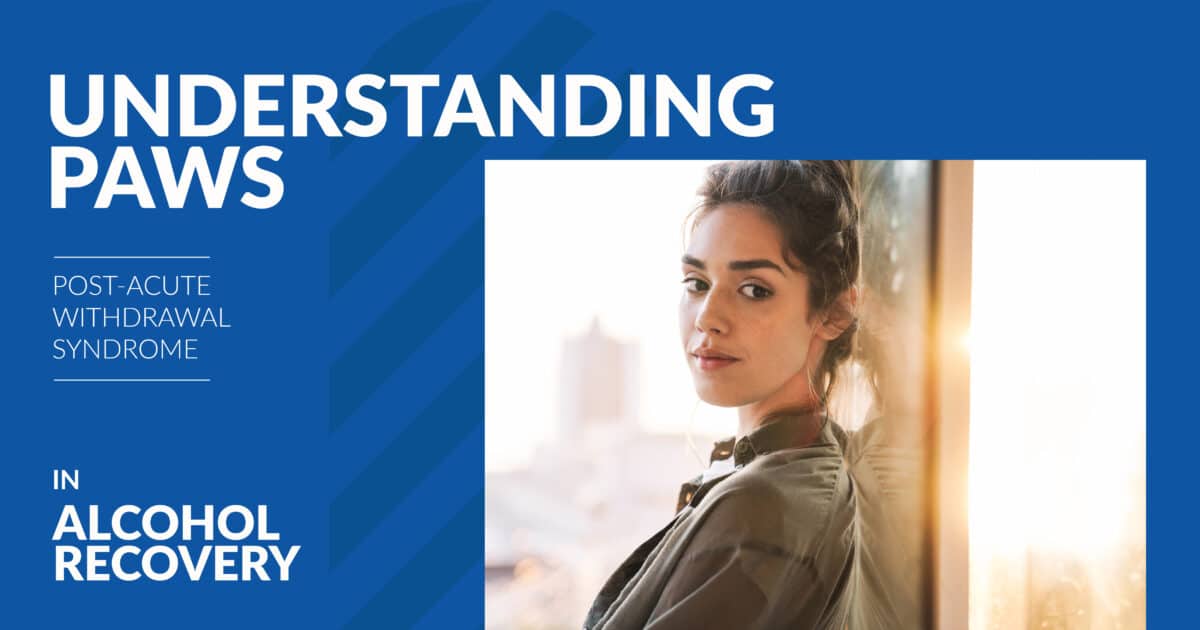
PAWS in Alcohol Recovery: Symptoms & Management

In the journey of alcohol recovery, understanding Post-Acute Withdrawal Syndrome (PAWS) is crucial. PAWS refers to a prolonged withdrawal phase that some individuals experience after the initial detoxification from alcohol. It can present various challenges, and understanding its nuances can significantly aid long-term recovery.

What is Post-Acute Withdrawal Syndrome (PAWS)?

Post-acute Withdrawal Syndrome (PAWS), commonly known as PAWS, is a condition that affects individuals recovering from alcohol addiction, unlike acute withdrawal symptoms, which typically occur shortly after stopping alcohol use. PAWS manifests as a prolonged set of symptoms that can last for weeks or even months. These symptoms are not just physical but also include psychological and emotional challenges.

Symptoms of PAWS:

  • Mood Swings: Emotional instability, irritability, and anxiety.
  • Sleep Disturbances: Insomnia or vivid dreams.
  • Cognitive Issues: Poor concentration, impaired concentration, and memory problems.
  • Physical Symptoms: Fatigue, dizziness, muscle aches, and headache.
  • Cravings: Intense urges to use alcohol again, alcohol cravings.

How Long Does PAWS Last?

PAWS duration can vary widely among individuals. On average, PAWS symptoms may persist for several weeks to a few months after the initial detoxification phase. Factors such as the amount of alcohol consumed, overall wellness, and individual biochemistry play significant roles in determining the duration of PAWS. Months into recovery, individuals might still experience post-acute withdrawal symptoms as their brain and body continue adjusting.

Managing PAWS in Alcohol Recovery

Effective management of PAWS is crucial for successful alcohol recovery. Here are strategies that can help mitigate its impact:

Medical Supervision and Support

Seeking professional medical guidance during recovery can provide essential support. Medical professionals and addiction specialists can offer medications and therapies tailored to manage PAWS symptoms effectively. Healthcare providers play a vital role in addressing chemical imbalances and providing a comprehensive treatment plan. This is particularly important during the acute withdrawal phase and the initial stage of recovery.

Healthy Lifestyle Choices

Maintaining a balanced diet, regular exercise, and adequate sleep can help alleviate PAWS symptoms. These lifestyle factors contribute to well-being and support the body’s recovery process. Incorporating physical activities into daily life helps manage chronic pain, improve sleep quality, and enhance overall quality of life. Self-care strategies, such as maintaining a consistent sleep schedule and incorporating deep breathing exercises, can also support mental health and manage emotional symptoms.

Counseling and Therapy

Engaging in behavioral therapy and counseling sessions can address the psychological aspects of PAWS. Cognitive-behavioral therapy (CBT) and individual therapy help individuals develop healthy coping strategies, manage stress, and navigate triggers that may lead to relapse. Therapy is instrumental in addressing co-occurring mental health conditions and co-occurring mental health disorders, which can complicate the recovery journey.

Support Groups

Joining support groups like Alcoholics Anonymous (AA) provides a network of peers who understand the challenges of PAWS and offer encouragement. The sense of community and supportive relationships in these groups promote accountability and help individuals maintain their sobriety. This network can be crucial in overcoming intense cravings and managing the emotional symptoms of PAWS.

FAQ’s

How long do PAWS from alcohol last?

PAWS from alcohol can last for several months to even a couple of years after stopping drinking. The duration varies depending on individual factors such as the severity of alcohol use, overall health, and support systems. Symptoms may gradually decrease over time, but some individuals might experience lingering effects that require ongoing management and support.

What triggers PAWS?

Post-Acute Withdrawal Syndrome (PAWS) can be triggered by various factors, including stress, lack of sleep, poor nutrition, and exposure to environments or situations associated with past substance use. Emotional distress, such as anxiety or depression, can also contribute to the onset of PAWS symptoms. It’s important to maintain a healthy lifestyle and seek support to manage these triggers effectively.

How to counteract PAWS?

To counteract PAWS, focus on maintaining a healthy lifestyle. Regular exercise, a balanced diet, and adequate sleep can help stabilize mood and energy levels. Mindfulness practices such as meditation or yoga can reduce stress and anxiety. Support groups or therapy can provide emotional support and coping strategies. Avoiding triggers and staying connected with a supportive community are also beneficial.

What is the best treatment for PAWS?

The best treatment for Post-Acute Withdrawal Syndrome (PAWS) involves a combination of therapies and lifestyle changes. Cognitive-behavioral therapy (CBT) and counseling can help address psychological symptoms. Regular exercise, a balanced diet, and adequate sleep support physical health. Mindfulness practices and stress management techniques can also be beneficial. It’s important to have a strong support system and possibly join support groups for ongoing recovery.

How long does it take for paws to go away?

The duration for PAWS (Post-Acute Withdrawal Syndrome) to subside varies depending on the individual and the substance involved. Generally, symptoms can last from a few weeks to several months. Some individuals may experience symptoms for up to a year or more. Factors such as the type of substance, duration of use, and individual health can influence the recovery timeline.

What medications are used for paws?

Medications for PAWS (Post-Acute Withdrawal Syndrome) may include antidepressants, anti-anxiety medications, and sleep aids to manage symptoms like depression, anxiety, and insomnia. It’s important to consult a healthcare professional for a tailored treatment plan, as medication needs can vary based on individual circumstances and the specific substance involved.

Conclusion

Understanding PAWS in alcohol recovery is essential for both individuals in recovery and their support networks. By recognizing the symptoms of PAWS, understanding their duration, and employing effective management strategies, individuals can navigate this challenging phase toward sustained sobriety and improved overall well-being. This understanding is crucial for achieving a successful path to recovery and managing alcohol withdrawal and its long-term effects.

In conclusion, PAWS is a significant aspect of alcohol recovery that requires attention and understanding. With the proper knowledge, support, and strategies, individuals can successfully manage PAWS and achieve long-term sobriety.

The Connection Between Alcohol Detox and Comprehensive Health Improvement

Alcohol detoxification, often the first step toward recovery from alcohol addiction, plays a pivotal role in achieving comprehensive health improvement. This process addresses immediate physical dependence and sets the stage for long-term wellness. Understanding the profound impact of alcohol detox on overall health can illuminate its importance beyond addiction recovery.

What is Alcohol Detox?

Alcohol detoxification refers to the process of eliminating alcohol from the body. For individuals struggling with alcohol addiction, detox is the initial phase of treatment. It typically involves supervised withdrawal, as stopping alcohol consumption can lead to severe withdrawal symptoms that include tremors, nausea, and, in extreme cases, Alcohol withdrawal seizures or delirium tremens (DTs). These symptoms of alcohol withdrawal can range from mild to severe, affecting overall physical and mental health. In cases of acute alcohol withdrawal, medical professionals might need to provide immediate medical attention to manage life-threatening symptoms.

Key Points:

  • Purpose: To safely manage withdrawal symptoms and prepare individuals for ongoing treatment. This includes addressing both the common symptoms and severe form of withdrawal.
  • Methods: Supervised medical detoxification is recommended to ensure safety and comfort. Healthcare professionals and treatment professionals play a critical role in managing these processes.
  • Duration: The duration of detox varies based on individual factors such as the level of addiction and overall health. It can range from a few days to several weeks, depending on the severity of alcohol use disorder and the individual’s alcohol detox timeline.

Importance of Alcohol Detox for Health Improvement

Physical Health Benefits

  • Stabilizing Body Functions: Alcohol abuse can severely impact various bodily functions, including liver function, cardiovascular health, and neurological processes. Detoxification allows the body to stabilize and begin repairing these systems. For example, detox can help reverse liver damage caused by prolonged alcohol intake and improve blood pressure and heart rate. Addressing cirrhosis scars and supporting liver function are crucial steps in the detox process. Detox from alcohol can also assist in the recovery of alcohol poisoning effects and improve overall brain health.
  • Reducing Health Risks: Long-term alcohol use is associated with increased risks of liver disease, heart disease, and neurological disorders. Detoxification marks the first step in mitigating these risks and promoting better overall health. It reduces the likelihood of developing alcohol-related liver disease and supports improved management of medical conditions related to heavy drinking and excessive drinking.

Mental and Emotional Well-being

  • Clarity and Stability: Alcohol dependence often clouds mental clarity and emotional stability. Detoxification helps restore clarity of thought and emotional balance, laying the groundwork for effective psychological therapy and counseling. Mental health services administration often includes these aspects in treatment programs. This is especially important for addressing mental health issues and behavioral health conditions.
  • Enhanced Mood Regulation: Alcohol disrupts neurotransmitter levels in the brain, affecting mood regulation. Detox allows these systems to reset, promoting more stable and positive moods. This improved mental health condition can support better coping mechanisms and a more balanced psychological state, addressing mental health disorders and co-occurring mental health conditions. Psychological symptoms such as auditory hallucinations and visual hallucinations can also be managed through effective detox.

Social and Occupational Functioning

  • Rebuilding Relationships: Alcohol addiction can strain relationships with family, friends, and colleagues. Successful detoxification can facilitate rebuilding these relationships through regained trust and improved communication. For those dealing with severe alcohol withdrawal symptoms, this aspect is particularly crucial for social reintegration and improving their relationship with alcohol.
  • Work Performance: Alcohol abuse can impair cognitive function and productivity. Detoxification supports better concentration, memory, and overall cognitive abilities, enhancing work performance. Addressing cravings for alcohol and improving quality of life are key benefits of effective detox, impacting both personal and professional spheres.

Integrating Detox with Health Improvement Strategies

Nutritional Support

Nutrition is crucial during and after detox to support physical recovery and overall health improvement. Adding a balanced diet rich in vitamins, minerals, and antioxidants helps repair cellular damage caused by alcohol and supports organ function. For those undergoing detox from alcohol, focusing on nutrient-rich foods can aid in managing symptoms of alcohol detox and improving overall health. Foods like brown rice and other nutrient-dense options can help mitigate abdominal pain and support recovery. Incorporating drinking water into the diet helps manage blood sugar levels and improve overall hydration during the detox process.

Exercise and Physical Activity

Regular exercise aids detoxification by promoting circulation and toxin elimination, improving mood, and reducing cravings. Physical activity supports overall well-being and helps individuals regain strength and stamina. Engaging in exercise can also help manage heart palpitations and rapid heart rate that might occur during detox, contributing to a healthier lifestyle.

Psychological Support

Detoxification is often accompanied by psychological therapies such as cognitive-behavioral therapy (CBT), individual counseling, and group therapy. These therapies address underlying issues contributing to alcohol addiction and equip individuals with coping strategies for long-term sobriety. Effective management of alcohol withdrawal and long-term recovery are often supported through these mental health treatments. The American Psychiatric Association and organizations like Alcoholics Anonymous provide valuable resources and support during this phase of recovery.

Holistic Approaches

Holistic therapies like yoga, meditation, and acupuncture can support medical detoxification by encouraging relaxation, lowering stress levels, and boosting overall mental and physical health. These approaches can help mitigate the effects of Post-Acute Withdrawal Syndrome and enhance the overall recovery process. Evidence-based treatments and alternative therapies contribute to a comprehensive approach to detox and recovery.

FAQ’s

Q: How long does alcohol detoxification take?

A: The duration depends on individual factors, typically ranging from a few days to a week or more for severe cases. The alcohol detox process and alcohol detox stage are tailored to each individual’s needs and may vary based on the severity of withdrawal from alcohol and the initial symptoms experienced.

Q: Can alcohol detox help improve liver function?

A: Yes, by reducing alcohol consumption and supporting liver health through proper nutrition and medical supervision, detox can contribute to liver damage recovery and better overall liver function. This is a key aspect of the detox process and is crucial for those experiencing liver-related medical conditions.

Q: Is medical supervision necessary for alcohol detox?

A: Yes, especially for individuals with a history of severe alcohol dependence, as withdrawal symptoms can be dangerous without proper medical care. The safest option often includes inpatient treatment or medical detox programs for severe alcohol withdrawal symptoms. Follow-up care and ongoing assessment by qualified healthcare providers ensure a comprehensive approach to treatment.

Conclusion

Alcohol detoxification is not merely a step in addiction recovery but a cornerstone of comprehensive health improvement. By addressing physical dependence and preparing individuals for ongoing treatment, detox sets the stage for a healthier, more fulfilling life. Integrating detox with nutritional support, exercise, psychological therapies, and holistic approaches maximizes its benefits, fostering long-term well-being. Understanding the connection between alcohol detox and comprehensive health improvement underscores its significance in achieving holistic recovery and wellness.

Detox from Marijuana: Effective Strategies for a Clean System

In a world where marijuana is increasingly legalized, it’s essential to understand the need for effective detoxification methods, especially for individuals seeking a fresh start. Marijuana detox is a crucial step towards reclaiming control over one’s life, and at Silicon Valley Recovery, we are committed to providing comprehensive addiction treatment tailored to individual needs. In this guide, we’ll explore various strategies on how to detox from marijuana, shedding light on the importance of a holistic approach to recovery.

Understanding Marijuana Detox

What is Marijuana Detox?

Marijuana detoxification is the process of eliminating THC (tetrahydrocannabinol), the psychoactive compound in marijuana, from the body. THC tends to accumulate in fatty tissues, making detoxification challenging but not impossible. The body’s ability to naturally eliminate THC is a slow process, but with the right strategies, individuals can expedite the removal of toxins from their system.

Why Choose Marijuana Detox?

Whether you’re aiming to pass a drug test, mitigate withdrawal symptoms, or embark on a journey toward complete sobriety, marijuana detox is the first step. It sets the stage for a successful recovery by clearing the mind and body of residual THC, paving the way for a healthier, more balanced life.

How to Detox from Marijuana

Gradual Reduction Method

Overview

A gradual reduction approach involves slowly tapering marijuana use, allowing the body to adjust to decreasing THC levels. This method minimizes withdrawal symptoms and provides a smoother transition to sobriety.

Steps

  • Set a Schedule: Create a realistic schedule for reducing marijuana consumption over several weeks.
  • Monitor Progress: Keep a journal to track daily marijuana intake and gradually decrease the dosage.
  • Seek Support: Share your goals with friends, family, or a support group to build a network that understands and encourages your journey.

Hydration and Nutrition

Overview

Proper hydration and nutrition play a crucial role in marijuana detoxification. Drinking water and consuming nutrient-rich foods help flush toxins from the body and support overall health during the detox process.

Steps

  • Increase Water Intake: Aim for at least eight glasses of water daily to help flush THC metabolites through urine.
  • Nutrient-Rich Diet: Incorporate fruits, vegetables, and lean proteins to provide essential vitamins and minerals that aid in detoxification.
  • Herbal Teas: Certain herbal teas, like dandelion or green tea, possess detoxifying properties that can support the cleansing process.

Exercise and Sweating

Overview

Exercise accelerates the metabolism and promotes sweating, which is beneficial for expelling THC from the body. Regular physical activity also helps manage stress and improve mood during the detoxification period.

Steps

  • Cardiovascular Exercise: Engage in activities like running, cycling, or swimming to increase heart rate and stimulate the metabolism.
  • Sauna Sessions: Saunas induce sweating, aiding in the elimination of toxins through the skin. Regular sauna sessions complement the detox process.
  • Mindful Movement: Practices like yoga or tai chi not only contribute to physical well-being but also help alleviate stress and anxiety.

Supervised Detox Programs

Overview

For those seeking professional guidance, supervised detox programs, such as those offered at Silicon Valley Recovery, provide a structured and supportive environment for marijuana detoxification.

Steps

  • Assessment: Begin with a comprehensive assessment to understand individual needs and develop a personalized detox plan.
  • Medical Monitoring: Trained professionals monitor the detox process, ensuring the safety and well-being of individuals throughout their journey.
  • Therapeutic Support: Incorporate counseling, therapy, and group sessions to address the psychological aspects of addiction and provide tools for lasting recovery.

Silicon Valley Recovery’s Approach

At Silicon Valley Recovery, we recognize that each individual’s journey to recovery is unique. Our comprehensive addiction treatment programs encompass a range of evidence-based approaches tailored to meet specific needs. Here’s how our approach aligns with effective marijuana detox:

Personalized Treatment Plans

Our experienced team conducts thorough assessments to understand the unique challenges and goals of each individual. By crafting personalized treatment plans, we address the physical, emotional, and psychological aspects of marijuana detox.

Medical Supervision

Silicon Valley Recovery prioritizes the safety and well-being of our clients. Our medical professionals closely monitor the detox process, ensuring a comfortable and secure environment for individuals as they embark on their recovery journey.

Therapeutic Modalities

Understanding that detoxification is not solely a physical process, our programs incorporate various therapeutic modalities. Individual and group counseling, cognitive-behavioral therapy, and holistic approaches contribute to a well-rounded treatment experience.

Aftercare Support

The journey to recovery extends beyond the initial detoxification phase. Silicon Valley Recovery provides robust aftercare support to help individuals maintain sobriety and navigate the challenges of daily life post-treatment.

Embarking on the path to marijuana detox requires commitment, support, and effective strategies. Whether choosing a gradual reduction method, incorporating lifestyle changes, or seeking professional help, the goal is to achieve a healthier, more fulfilling life free from the constraints of marijuana dependence. At Silicon Valley Recovery, we are dedicated to guiding individuals through this transformative journey, offering a comprehensive approach that fosters lasting recovery and a brighter future. If you or a loved one is ready to take the first step towards a marijuana-free life, contact Silicon Valley Recovery today for compassionate and personalized addiction treatment.

FAQs

How is marijuana removed from the body?

Marijuana is primarily removed from the body through metabolism in the liver, where it is broken down into various metabolites. These metabolites are then excreted through urine and feces. The process can take several days to weeks, depending on factors like frequency of use, body fat percentage, and individual metabolism rates. Hydration and physical activity may aid in the elimination process.

What’s the fastest way to clear your system?

The fastest way to clear your system is to stay hydrated by drinking plenty of water, which helps flush out toxins. Engaging in regular physical activity can also boost your metabolism and aid in detoxification. Consuming a balanced diet rich in fiber, fruits, and vegetables supports the body’s natural cleansing processes. Avoiding processed foods, alcohol, and caffeine can further enhance the body’s ability to detoxify efficiently.

How do you flush out detox?

To flush out detox, focus on staying hydrated by drinking plenty of water, which helps the body eliminate toxins. Incorporate a balanced diet rich in fruits, vegetables, and whole grains to support liver function. Regular exercise and adequate sleep also aid in the detoxification process. Avoid processed foods, alcohol, and caffeine to minimize toxin intake.

What are three things that can help with withdrawal symptoms?

Three things that can help with withdrawal symptoms include staying hydrated, engaging in regular physical activity, and seeking support from friends, family, or support groups. Staying hydrated helps flush toxins from the body, exercise can boost mood and reduce stress, and support from others provides emotional comfort and encouragement during the withdrawal process.

How many days does it take to detox your body?

The time it takes to detox your body can vary depending on several factors, including the type of detox program, individual health conditions, and lifestyle. Generally, a detox can range from a few days to a couple of weeks. Short-term detoxes might last 3-7 days, while more comprehensive programs could extend to 10-14 days. It’s important to consult with a healthcare professional before starting any detox regimen.

Alcoholic Hepatitis: Causes, Symptoms & Treatment

In the bustling heart of Silicon Valley, amidst the hum of innovation and the gleam of technological breakthroughs, there exists a haven for healing – Silicon Valley Recovery. This oasis, tucked away from the frenzy of the tech world, is where individuals grappling with addiction find solace. Today, let’s delve into a specific concern that often echoes in the corridors of recovery – alcoholic hepatitis. Is it a lurking consequence of raising too many glasses in celebration?

Unraveling the Mystery of Alcoholic Hepatitis

Alcoholic hepatitis, colloquially known as the “brewers’ droop,” is a condition that sends shivers down the spine of many tipplers. But can you genuinely get hepatitis from alcohol? Let’s uncork the bottle of information and pour out the facts.

Pouring Over the Basics

Before we dive into the intricacies, let’s establish some fundamentals about alcoholic hepatitis.

  1. Definition Matters: Alcoholic hepatitis is not a contagious disease. It is an inflammation of the liver caused by excessive alcohol consumption over an extended period. It’s a self-inflicted wound, so to speak.
  2. Cheers to Moderation: Occasional to moderate alcohol consumption typically doesn’t lead to alcoholic hepatitis. It’s the chronic, heavy drinking that paves the way to liver inflammation.
  3. The Liver’s Breaking Point: The liver, a remarkable organ with regenerative powers, has its limits. Excessive alcohol strains it, leading to inflammation that characterizes alcoholic hepatitis.

Alcohol and Hepatitis: A Cozy Connection?

  1. Not a Direct Causation: It’s crucial to note that alcohol itself doesn’t contain the hepatitis virus. You won’t catch hepatitis from a glass of bourbon. However, alcohol weakens the liver, making it more susceptible to infections, including hepatitis.
  2. Weakening the Fortress: Chronic alcohol use compromises the liver’s immune function, creating a chink in its armor. This weakened defense can allow hepatitis viruses to strike more fiercely.
  3. A Dance with Cirrhosis: Prolonged alcohol abuse can lead to cirrhosis, a severe scarring of the liver. Cirrhosis, in turn, elevates the risk of contracting viral hepatitis.

Signs and Symptoms

Recognizing alcoholic hepatitis isn’t a guessing game. The body sends out distress signals, and being vigilant can make all the difference.

  • Yellow Flags: Jaundice, a yellowing of the skin and eyes, is a classic sign of liver distress. 
  • Abdominal Discord: Pain or swelling in the abdomen could signal an inflamed liver. 
  • Exhaustion, Not Celebration: Unexplained fatigue and weakness are common companions of alcoholic hepatitis.

The Silicon Valley Recovery Touch

In the heart of innovation, Silicon Valley Recovery stands as a beacon of hope. Here, the approach to treating alcoholic hepatitis is as unique as the valley itself.

Personalized Care in the Tech Haven

  1. Tailored Treatment Plans: No two individuals are the same, and neither are their journeys to recovery. Silicon Valley Recovery crafts personalized treatment plans, addressing the unique needs and challenges of each person.
  2. Holistic Healing: Beyond conventional methods, the recovery center embraces holistic approaches. From mindfulness practices to nutritional support, the focus is on nurturing the mind, body, and spirit.

Scientific Synergy with Compassion

  1. Evidence-Based Practices: The recovery journey at Silicon Valley Recovery is guided by science. Evidence-based practices underpin the treatment modalities, ensuring a path to recovery rooted in research and success.
  2. Compassion at the Core: The staff, highly trained and deeply compassionate, understands that healing extends beyond the physical. Emotional support is woven into the fabric of recovery, creating a nurturing environment.

Wrapping Up the Revelations

As we bid adieu to our exploration of alcoholic hepatitis, it’s evident that excessive alcohol consumption can indeed pave the way to this liver inflammation. However, Silicon Valley Recovery offers a haven where recovery isn’t just a clinical process but a personal journey toward rediscovering oneself.

In this tech-centric valley, where innovation echoes in every corridor, the innovation extends to recovery. Alcoholic hepatitis may cast a shadow, but with the right support and personalized care, the sun can break through, illuminating the path to a healthier future.

FAQs

Can alcoholic hepatitis be cured?

While there’s no direct cure for alcoholic hepatitis, stopping alcohol consumption completely can lead to significant improvements. Treatment focuses on managing symptoms and preventing further liver damage. In severe cases, medications or liver transplantation may be necessary. Recovery largely depends on the extent of liver damage and abstaining from alcohol.

What is the survival rate for alcoholic hepatitis?

The survival rate for alcoholic hepatitis varies widely based on severity. Mild cases can have a survival rate of around 70-90% over a short term. However, severe cases can drastically reduce survival rates, with a three-month mortality rate of 30-50% if untreated. Early diagnosis and treatment, along with abstinence from alcohol, can improve outcomes significantly.

What is alcoholic hepatitis?

Alcoholic hepatitis is an inflammatory condition of the liver caused by excessive alcohol consumption. It results in the liver becoming swollen and tender, potentially leading to jaundice, liver failure, or cirrhosis if alcohol intake continues.

How long does it take for alcoholic hepatitis to improve after stopping alcohol?

Recovery time varies based on the severity of the condition and individual factors. Mild cases may show improvement within weeks of abstinence, while severe cases could take months for significant recovery. It is crucial to maintain a complete cessation of alcohol and follow medical advice for optimal recovery.

Fentanyl Addiction Treatment: Overcoming Dependency

Fentanyl Addiction

In this fast-paced world, addiction has taken on various forms and intensities. One of the most menacing among them is the notorious Fentanyl addiction, part of a larger class of drugs known as opioid drugs. This powerful drug has claimed countless lives, leading to a surge in drug overdose deaths. Illegal fentanyl has especially contributed to these grim statistics, with its presence often found in the drug supply without the users’ knowledge. It has permeated communities with its potent grip, leaving a trail of broken lives in its wake. Opioid addiction not only devastates individuals but entire families and communities. Buckle up as we embark on a journey to understand the depths of Fentanyl addiction, shed light on its causes and symptoms, explore treatment options, and ultimately find hope in the face of darkness.

The Deadly Reality of Fentanyl Addiction

The Unseen Enemy

Fentanyl addiction, also known as Fentanyl use disorder, is a ruthless foe that enslaves individuals from all walks of life. This synthetic opioid, intended for pain relief for people with chronic pain, was designed for medical purposes to alleviate severe discomfort. However, it has spiraled into a deadly drug used recreationally, causing a staggering number of opioid overdose deaths every year. The allure of Fentanyl lies in its supercharged potency — it’s 50 times stronger than heroin, making it extremely dangerous. Even a tiny dose of fentanyl can result in death, especially when combined with other illicit drugs.

Unmasking the Devil’s Playground

How does Fentanyl work?

Fentanyl binds to the brain’s opioid receptors, which are part of the brain circuits responsible for regulating pain and emotions, producing a euphoric effect that can be fatal in large doses.

What are the methods of intake?

Fentanyl patches, nasal spray, injections, and fake prescription pills are among the methods of intake. Unfortunately, many users are unaware that the prescription pain relievers they buy illegally are laced with Fentanyl, a key reason behind the increasing count of drug overdose cases.

What makes Fentanyl so dangerous?

Fentanyl’s strength surpasses that of heroin, making accidental overdoses more likely. A lethal dose of Fentanyl can be as small as two milligrams, depending on the individual’s tolerance, and the presence of Fentanyl in other prescription opioids is often undetected until it’s too late. Opioid overdose from Fentanyl can lead to life-threatening symptoms like respiratory arrest, limp body, and clammy skin, often causing permanent brain damage or death without immediate intervention.

What are the street names for Fentanyl?

China White, Apache, Dance Fever, Tango, and Jackpot are some of the common street names for Fentanyl, though they disguise its deadliest drug nature.

The Glimmer of Hope

Prying Open the Path to Recovery

Treatment for Fentanyl addiction is possible, offering a glimmer of hope to those trapped in its suffocating grip. Acknowledging the problem and seeking help from a health care professional are crucial steps toward recovery. The opioid overdose reversal drug, Naloxone (available in doses of Naloxone like fast-acting nasal spray), can be a lifesaver during an overdose, giving individuals another chance at life.

The Power of Holistic Healing

Detoxification

Medical professionals supervise the detox process to safely cleanse the body of prescription fentanyl and other forms of fentanyl present in the system.

Rehabilitation

Inpatient or outpatient programs offer structured therapy, including Behavioral therapies and Contingency management. Counseling, massage therapy, and physical therapy provide additional support to heal both mind and body. These therapies target not only the addictive nature of Fentanyl but also its adverse effects on mental and physical health.

Medication-Assisted Treatment (MAT)

Medications like Methadone or Buprenorphine help alleviate withdrawal symptoms and cravings, especially in those suffering from opioid use disorder and its overdose effects. MAT programs have proven successful in reducing counts of drug overdose among those recovering from Fentanyl addiction.

Post-Treatment Support

Aftercare programs, such as counseling and 12-step groups, play an essential role in reinforcing recovery efforts. These programs also educate about using fentanyl test strips to detect the presence of Fentanyl in street drugs, potentially saving lives from an unexpected fentanyl overdose.

Frequently Asked Questions

Can Fentanyl addiction be overcome?

Yes, with the right treatment and a strong support system, recovery is possible. The use of opioid drugs like Fentanyl doesn’t have to define your life. Health professionals can guide you through recovery with proven strategies.

Is Fentanyl addiction treatable on an outpatient basis?

It depends on the severity of the addiction. In some cases, outpatient treatment may be effective, but others may require inpatient care to avoid relapse and manage the lethal dose risks associated with Fentanyl.

Can Fentanyl addiction lead to overdose?

Absolutely. Due to Fentanyl’s high potency, accidental overdose is a grave risk. Fentanyl analogues found in street fentanyl often make the drug even more dangerous, as users may not know the exact dose of fentanyl they are consuming.

Are there any long-term effects of Fentanyl addiction?

Yes, long-term effects can include memory loss, cognitive impairment, respiratory arrest, and even death. Additionally, untreated addiction can lead to an increased risk of mental illness and health conditions that may require lifelong management.

I am currently a client at Silver Lining, doing the outpatient program. I have struggled with addiction for almost 5 years now. I have never gained so much insight and knowledge about substance use disorders as I have since attending Silver Lining. The program is super affordable as well, insurance or not. The place is filled with amazing people who genuinely care. I wish I could stay affiliated forever. – Alissa Gilroy

Holding onto Hope – The Light at the End of the Tunnel

In conclusion, the battle against Fentanyl addiction is not one to be fought alone. Seek help from health professionals, support groups, and loved ones who will surround you with unwavering support. Remember, recovery may not be easy, but it is possible. Opioid overdose and addiction are challenges, but with the right help, there is always hope. Silicon Valley Recovery offers a safe, relaxing environment where you can comfortably experience authentic healing. Our highly-trained staff for Drug and Alcohol Addiction Treatment is dedicated to helping you find freedom from your addiction and discover a greater sense of self and purpose. We help you do this with personalized care and evidence-based practices, helping you heal from both the physical and mental health topics surrounding addiction.

Cocaine Overdose Signs: Recognizing the Warning Signs

Cocaine Overdose Signs


A cocaine overdose is an alarming and potentially fatal situation. As a powerful stimulant, cocaine can have devastating effects on the mind and body when used in excessive amounts. Recognizing the signs of a cocaine overdose is crucial for timely intervention and potentially saving a life. In this article, we delve into the topic, providing vital information to help you identify these warning signs.

Common Cocaine Overdose Signs

When someone has overdosed on cocaine, their body undergoes several distressing changes. Being able to recognize these signs is of utmost importance. Look out for the following indications:

Profound Agitation and Restlessness:

  • The individual may display extreme restlessness, fidgeting, and a sense of heightened alertness.
  • Persistent pacing or inability to sit still may be observed.

Excessive Sweating:

  • Sweating excessively, even in cool surroundings, is a noticeable symptom of a cocaine overdose.
  • The person’s skin may feel clammy or moist to the touch.

Irregular Heartbeat and Elevated Blood Pressure:

  • Cocaine is notorious for causing an irregular heart rhythm and significantly increased blood pressure.
  • The person’s heart rate may become rapid and irregular, and they may experience chest pain or discomfort.

Dilated Pupils:

  • One of the most prominent physical signs of a cocaine overdose is dilated pupils.
  • The person’s pupils may appear much larger than usual, even in well-lit environments.

Severe Cocaine Overdose Signs

In more severe cases of cocaine overdose, the symptoms intensify, posing an immediate threat to life. Recognizing these signs is crucial for prompt medical intervention:

Seizures:

  • Seizures are a serious complication of cocaine overdose and can occur suddenly without any prior history.
  • The person may experience convulsions, loss of consciousness, and muscle stiffness.

Chest Pain and Cardiac Arrest:

  • As the overdose progresses, chest pain becomes even more intense and may radiate to the arm or jaw.
  • In extreme cases, cocaine overdose can lead to cardiac arrest, requiring immediate resuscitation.

Respiratory Distress:

  • Overdosing on cocaine can cause significant damage to the respiratory system.
  • The person may struggle to breathe, experience shortness of breath, or even stop breathing altogether.

FAQs: Frequently Asked Questions

What are the signs of cocaine toxicity?

Signs of cocaine toxicity can include elevated heart rate, high blood pressure, increased body temperature, chest pain, nausea, anxiety, agitation, tremors, confusion, seizures, and, in severe cases, cardiac arrest or stroke. These symptoms arise due to cocaine’s stimulating effects on the central nervous and cardiovascular systems, posing significant health risks.

What are the signs of an overdose?

Signs of an overdose can vary depending on the substance used, but common indicators include difficulty breathing, unconsciousness, extremely pale or clammy skin, bluish tint to lips or fingertips, vomiting, and confusion or disorientation. Prompt medical attention is crucial if any of these symptoms are present, as an overdose can be life-threatening.

What are the symptoms of a stimulant overdose?

Symptoms of a stimulant overdose can include increased heart rate, hypertension, hyperthermia, agitation, hallucinations, and seizures. Individuals may also experience chest pain, severe anxiety, and paranoia. It is critical to seek immediate medical attention if these symptoms occur, as a stimulant overdose can be life-threatening.

How do I know if I have OD?

If you’re questioning whether you have OD, look for signs such as frequent misunderstandings or conflicts in team settings, a lack of progress despite efforts, or a general sense of disorganization. These could indicate organizational dysfunction. Consider assessing your environment for these issues to determine if further evaluation or changes are needed.

How long does an overdose take?

The time it takes for an overdose to occur can vary widely depending on factors such as the substance involved, the amount taken, and the individual’s physiology. Some overdoses can happen within minutes, while others may take hours to manifest. It’s critical to seek medical attention immediately if an overdose is suspected, as timely intervention can be lifesaving.

What drugs are commonly overdose on?

Commonly overdosed drugs include opioids like heroin and prescription painkillers such as oxycodone and hydrocodone. Other frequently overdosed substances are benzodiazepines, antidepressants, cocaine, methamphetamine, and alcohol. These substances can lead to severe health complications or death when taken in large amounts or combined with other drugs.

This facility is the best rehab center that you will ever go to. They exude kindness and are all around amazing. When you are there, you will feel the warmth of family and the compassion of people who really care. From the CEO, Sonja, therapist, case manager, techs, and nursing, the staff works in tandem to provide an excellent level of care that meets all client needs. I would recommend this gem to anyone who is seeking treatment.Ivan DeJesus Jr.

Conclusion: Recognize the Signs, Save a Life

In conclusion, cocaine overdose is a silent danger that requires immediate attention. By familiarizing yourself with the signs and symptoms, you can potentially save a life in an emergency. Remember, time is of the essence when it comes to responding to a cocaine overdose. Act swiftly and seek professional help to ensure the best possible outcome.

Silicon Valley Recovery is a safe, relaxing environment where you can comfortably experience authentic healing. Our highly-trained staff for Drug and Alcohol Addiction Treatment is dedicated to helping you find freedom from your addiction and discover a greater sense of self and purpose. We help you do this with personalized care and evidence-based practices. This heart-centered and scientific approach is tailored to meet each person’s needs. Being in treatment doesn’t need to feel like being in treatment.

Stress and Alcohol – The Dangerous Impact on Mental Health

We all experience stress in our lives, whether it’s due to work, relationships, or other personal challenges. In our quest to find solace and relaxation, many of us turn to alcohol as a coping mechanism. However, what may seem like a temporary relief can quickly spiral into a toxic cycle, further deteriorating our mental health. In this article, we will delve deeper into the harmful relationship between stress and alcohol, exploring their impact on our well-being and providing you with effective strategies to manage them both.

The Vicious Cycle: Stress and Alcohol

Stress, often described as the body’s response to internal or external pressures, can significantly impact our mental state. The excessive release of stress hormones can lead to anxiety, depression, and an overall sense of unease. While alcohol may offer temporary respite, it exacerbates the very issues it claims to alleviate. Let’s take a closer look at how stress and alcohol interact and perpetuate a vicious cycle.

Stress as the Catalyst

  1. Heightened stress levels trigger a desire for escapism.
  2. Seeking solace, individuals turn to alcohol as an alluring de-stressing agent.
  3. Alcohol provides temporary relief by suppressing the central nervous system, leading to a numbing effect.
  4. However, this relief is short-lived and gives way to intensified negative emotions once alcohol wears off.
  5. The underlying stress remains, often even worsened by alcohol’s depressive effects.
  6. The cycle repeats, with individuals seeking solace in alcohol, perpetuating a harmful pattern.

Alcohol as the Amplifier

  1. Alcohol consumption increases cortisol levels, a hormone associated with stress.
  2. This amplifies the strain on our mental health, intensifying feelings of anxiety and unease.
  3. Alcohol’s sedative effects can distort our perception of stress, leading to poor decision-making and impaired judgment.
  4. The consequences of these choices can further contribute to stress and perpetuate the cycle.
  5. The negative emotional impacts of stress are amplified by alcohol, deepening feelings of depression and hopelessness.
  6. Ultimately, the combination of stress and alcohol creates a downward spiral that is difficult to escape.

Managing Stress and Alcohol: A Balancing Act

Breaking free from the grip of stress and alcohol requires a comprehensive approach that addresses both issues simultaneously. At Silicon Valley Recovery, we understand the importance of this dual focus. By combining effective stress management techniques with strategies to moderate alcohol consumption, you can take control of your mental well-being and break the cycle of toxicity.

1. Recognize Your Triggers

Identifying the underlying causes of stress in your life is crucial. Pay attention to situations, relationships, or activities that lead to heightened stress levels. By recognizing your triggers, you can develop strategies to either avoid or cope with them effectively.

2. Build a Support Network

Surrounding yourself with a supportive network of friends, family, or mental health professionals can provide the emotional support and guidance you need. They can offer valuable insights and coping mechanisms, enabling you to navigate stress more effectively without relying on alcohol.

3. Engage in Stress-Relieving Activities

Finding healthy and constructive outlets for stress relief is essential. Engage in activities that bring you joy and help you relax, such as exercise, mindfulness, or pursuing hobbies. These activities can naturally boost your mood and reduce stress levels, making alcohol less appealing as a coping mechanism.

4. Practice Moderation

If you choose to consume alcohol, it is crucial to exercise moderation. Set limits on how much you drink, and be mindful of your consumption patterns. Keeping track of your alcohol intake helps you stay aware of any unhealthy habits and allows you to make more conscious choices.

5. Seek Professional Help

If you find it difficult to break the cycle of stress and alcohol on your own, don’t hesitate to seek professional help. Our team of experts can provide the guidance and support necessary to overcome this challenging journey. They can help you develop personalized strategies and address underlying issues that contribute to the cycle.

FAQs

Is it bad to drink alcohol when stressed?

Drinking alcohol when stressed can provide temporary relief but often leads to more stress and anxiety in the long run. Alcohol can disrupt sleep, impair judgment, and increase the risk of developing unhealthy coping mechanisms. It’s important to find healthier ways to manage stress, such as exercise, meditation, or talking to a professional.

What is the 20 minute rule for alcohol?

The 20-minute rule for alcohol suggests waiting 20 minutes after finishing a drink before deciding to have another. This allows time for the alcohol’s effects to become apparent, helping to prevent overconsumption. It encourages mindful drinking by giving the body time to process the alcohol, reducing the risk of drinking too quickly and potentially leading to better decision-making regarding alcohol intake.

Why am I getting drunk so fast all of a sudden?

Changes in body composition, age, medication, or health conditions can affect alcohol tolerance. Weight loss or muscle mass reduction can lead to faster intoxication. Aging slows metabolism, impacting alcohol processing. Medications or health issues like liver problems can also play a role. It’s important to consider these factors if you notice a change in how alcohol affects you.

What does giving up alcohol do to your body?

1. Improves liver function and reduces the risk of liver disease.
2. Enhances mental clarity and cognitive function.
3. Boosts energy levels and improves sleep quality.
4. Supports weight loss and reduces calorie intake.
5. Strengthens the immune system.
6. Lowers the risk of cardiovascular diseases.
7. Improves skin health and appearance.
8. Reduces anxiety and depression symptoms.

What is the hardest day when you quit drinking?

The hardest day when you quit drinking is often the first day. This is when withdrawal symptoms can be most intense, and the psychological challenge of breaking a habit is at its peak. The body and mind are adjusting to the absence of alcohol, which can lead to cravings, anxiety, and irritability. Support from friends, family, or support groups can be crucial during this time.

What are the first signs of liver damage from alcohol?

The first signs of liver damage from alcohol can include fatigue, abdominal pain, and jaundice, which is a yellowing of the skin and eyes. Other early symptoms may involve nausea, vomiting, and a general feeling of being unwell. As the liver becomes more damaged, symptoms can progress to include swelling in the legs and abdomen, confusion, and easy bruising or bleeding.

    “Amazing place that I owe so much to. The staff are so kind and helpful, from the intake group to counselors and therapists. A very professional group who will help you get through the hardest challenge in your life.” – John Manon

    The toxic relationship between stress and alcohol can have severe consequences on our mental health. While alcohol may seem like a temporary solution, it only serves to amplify stress and perpetuate a harmful cycle. At Silicon Valley Recovery, we are dedicated to helping individuals break free from this destructive pattern. Take control of your mental well-being and choose healthier ways to manage stress, ensuring a brighter and happier future.

    Rediscover Yourself at Silicon Valley Recovery

    Experience a sanctuary of healing nestled in the heart of Silicon Valley. Our personalized addiction treatment center in San Jose offers a compassionate environment where individuals can find renewed hope and purpose.

    All calls are 100% free and confidential