How Does Someone on Meth Act: Signs, Behaviors, and Changes in Daily Life

Methamphetamine, commonly known as meth, is a powerful and addictive stimulant that affects the central nervous system. This drug has a significant impact on a person’s behavior, appearance, and mental health. Recognizing the signs of meth use can be crucial for providing timely help and support to those in need. In this guide, we will explore the behavioral and psychological symptoms of meth abuse and offer advice on addressing this issue.

Whether you suspect that your loved one may be struggling with meth addiction or want to learn more about the effects of this drug, our comprehensive resource will equip you with the necessary knowledge. From short-term agitation to long-term cognitive deficits, meth use can manifest in various ways and harm a person’s life in many aspects. Continue reading to understand how meth affects users and what you can do to assist them.

Understanding Methamphetamine

Methamphetamine is a highly addictive stimulant that affects chemicals in the brain responsible for pleasure, focus, energy levels, and more. Initially developed as a medication for narcolepsy and obesity, meth is primarily used as an illegal recreational drug nowadays.

This substance looks like a white crystalline powder with no smell and a bitter taste. People ingest meth in a variety of ways—by snorting the powder, injecting it into their veins, inhaling it through a pipe, or ingesting it in pill form. The method of administration affects the onset and duration of meth effects.

Short-Term Behavioral Effects of Meth Use

The initial effects of meth use are temporary—you may notice these symptoms for a few hours or days after the person ingests the drug. Here are the most common short-term signs of meth use you should be aware of:

Changes in Physical Appearance

Even a brief meth use may negatively affect the way the person looks. You may see their skin is pale and sweaty, they have acne or other skin conditions, their jaw is clenched, and their lips are dry and cracked.

Behavioral Changes

Meth is a psychoactive drug, which means it has a powerful effect on a person’s behavior. The user may appear more energetic and talkative than usual—while euphoria and alertness are not necessarily negative symptoms, they should raise concern when there is no apparent reason for such a mood change.

Emotional Symptoms

In addition to affecting a person’s looks and mannerisms, meth has an impact on their mental health. The drug may make the user anxious and confused—in certain cases, meth leads to aggressive behavior and hallucinations.

Long-Term Behavioral Consequences of Meth Addiction

If a person continues to take meth, their addiction will lead to severe and sometimes irreversible consequences for their behavior. Chronic meth use harms a person’s life in many ways:

Addiction

While it is possible to get addicted to meth after one or two intakes, when the drug use is not stopped, the person may develop a substance use disorder that will persist for a long time. Meth targets the brain chemistry of the user—their body starts to depend on the drug to function normally.

Cognitive Deficits

Meth is known for its negative effect on a person’s cognition. Long-term drug use is associated with memory loss, poor concentration, inability to make decisions, lack of verbal skills, and reduced motor speed.

Lifestyle Changes

Meth addiction will inevitably affect a person’s life. The individual may abandon their professional responsibilities and give up on their personal hobbies to focus on drug use; in many cases strained relationships with friends and family members are observed.

Psychological Symptoms of Meth Use

Methamphetamine significantly affects a person’s brain function and behavior. Here are the mental symptoms you may notice after short- and long-term meth use:

Anxiety and Depression

It is common for meth users to feel uneasy and agitated after they take the drug. Meth messes with the neurotransmitters in the person’s brain—once the effect of the drug wears off, the individual may feel hopeless and depressed.

Psychosis

In some cases meth use leads to psychosis—the person may struggle to distinguish between reality and hallucinations. If you have noticed someone is being delusional and paranoid, talk to them and reach out to a medical professional for help.

Violent Behavior

Agitation caused by meth may result in aggressive outbursts. Typically calm and composed individuals may start raising their voices and even resort to physical violence when they are confronted or provoked.

How to Help Someone Struggling With Meth Addiction

Whether the meth use of your loved one was short-lived or they have been struggling with addiction for a long time, your support and compassion combined with assistance from a mental health professional will help them to overcome this challenge. Here is what you can do to help a meth user:

Talk to the Person

It is important to speak to the individual you are worried about and share your concerns with them. Choose a quiet, private spot for a conversation; approach the person without judgment and offer your support—you may be able to convince them to give up meth and seek therapy.

Reach out to a professional.

Get in touch with a doctor or therapist that specializes in drug addiction and ask them for advice. A mental health provider will be able to diagnose the patient and come up with a personalized treatment plan that suits the needs of the meth user.

Rely on Support Groups

There are numerous organizations in the country that specialize in helping meth addicts and their loved ones. You can find a local peer support group to join—being surrounded by people that can relate to your struggles will be beneficial both for the drug user and their family.

FAQs

What are the short-term effects of meth use?

Meth use may temporarily affect a person’s appearance (pale skin, dry lips) and behavior (euphoria, increased energy levels). In most cases these symptoms disappear within a few days.

What are the long-term effects of meth use?

Prolonged meth use may lead to addiction and cognitive deficits (such as memory loss and poor concentration) as well as mental health issues like anxiety and depression.

How to Help Someone With Alcohol Withdrawal When A Loved One is Struggling

Supporting someone going through alcohol withdrawal can be a challenging yet incredibly important task. Withdrawal symptoms can be intense, and managing them requires patience, knowledge, and understanding. Whether you are a family member, a close friend, or a colleague of a person struggling with alcohol addiction, you may want to learn how to help them during this difficult time.

In our guide, we will walk you through the basics of alcohol withdrawal, explain the symptoms of this condition, and teach you how to assist your loved one on their journey to recovery. From creating a safe environment for them to knowing when to reach out to medical professionals, there are many ways you can make a difference and be there for the person you care about.

Table of Contents

Understanding Alcohol Withdrawal

Alcohol withdrawal is a range of physical and mental symptoms a person may experience after they abruptly stop drinking alcohol or significantly reduce their alcohol consumption after being dependent on alcohol for a long time. This condition may last for several weeks—in most cases, symptoms resolve within five days, but psychological effects may persist.

Withdrawal happens when the brain has to adjust to the absence of alcohol—this substance affects the brain chemistry, so its sudden removal leads to a brain dysfunction. On average, symptoms of alcohol withdrawal start within eight hours after the last drink and peak within three days.

Steps to Support Someone During Alcohol Withdrawal

Here are a few ideas you may find useful when helping your loved one manage alcohol withdrawal:

  • Educate the Person Struggling With Alcohol Addiction and Yourself. It is crucial to recognize the symptoms of withdrawal and understand the reason behind this condition—talk to your friend or family member to make sure they realize their drinking habits have affected their physical and mental health.
  • Be There for Your Loved One. Tell the person you care about that you are aware of their problem and you are ready to help them—sometimes, moral support and a friendly shoulder to cry on are enough to set the individual on the path to recovery.
  • Create a Safe Environment for Them. If your friend decides to quit alcohol, you can assist them by removing alcohol from their residence, keeping them company when they stay at home, and discouraging them from attending parties and events where alcohol is served, at least for a little while.
  • Monitor Alcohol Withdrawal Symptoms. While there are many mild symptoms you should be on the lookout for—headaches, nausea, insomnia, and anxiety—some symptoms, such as seizures and hallucinations, will require medical intervention.

Medical Treatment for Alcohol Withdrawal

Do you wonder whether alcohol withdrawal can be treated at home or the person you care about needs to be hospitalized? A doctor will be able to evaluate the severity of the withdrawal and prescribe a suitable course of treatment based on the symptoms of the patient.

In case the alcohol dependence of the individual is mild, it may be possible to manage the withdrawal with medication at home. Nonetheless, it is recommended to consult a healthcare provider who can prescribe drugs that will alleviate the symptoms of withdrawal—for instance, benzodiazepines are known for their efficacy when it comes to alcohol withdrawal treatment.

Long-Term Recovery From Alcohol Addiction

Therapy After Alcohol Withdrawal. Once the acute symptoms of withdrawal have been resolved, it is still important to address the addiction—a therapist will help the patient understand the reasons why they started drinking in the first place and come up with a treatment plan that suits the individual and prevents relapse.

Build a Support Network for the Person Struggling With Addiction. Let your friend know they can rely on you—if you cannot be there for them all the time, make sure they are surrounded by people who care about their well-being. You can also suggest they join a support group in your area—sharing their struggles with people who go through the same thing may be beneficial.

Focus on the Lifestyle of Your Loved One. There are many habits the person can implement to reinforce their recovery—sticking to a healthy diet, exercising, picking up new hobbies, and avoiding people and places that trigger their addiction are some of the things that will help them move on.

How Silicon Valley Recovery Can Assist You

Whether you are able to convince your loved one to handle their withdrawal at home or the person requires inpatient treatment in the hospital, the support of addiction recovery professionals will be invaluable. Reach out to Silicon Valley Recovery to learn from the experts!

Our team will be able to guide you and your friend or family member struggling with alcohol addiction—we will develop a personalized treatment plan for our patient and equip them with the skills they need to overcome their dependency and lead a happy, fulfilling life.

FAQ

What are the symptoms of alcohol withdrawal?

Symptoms of alcohol withdrawal range from mild (headaches, nausea, sweating) to severe (hallucinations, seizures, agitation). On average, the symptoms persist for 3-5 days.

How long does alcohol withdrawal last?

The duration of alcohol withdrawal depends on several factors—in most cases, it lasts for less than a week, but some symptoms may persist for a few weeks.

How can I help someone going through alcohol withdrawal?

You can assist the person struggling with alcohol addiction by educating them about the dangers of withdrawal, being there to support their efforts, and bringing them to a doctor.

Is alcohol withdrawal dangerous?

It is possible to treat alcohol withdrawal at home; however, in some cases, this condition may be life-threatening. It is advised to show the patient to a healthcare provider who can prescribe them the necessary medication.

Do I need to involve doctors in the treatment of alcohol withdrawal?

Yes, you should at least consult a medical professional about the condition of your loved one—a doctor will be able to diagnose the patient and either let you treat them at home or admit them to the hospital.

Reach Out to Silicon Valley Recovery for Help

Now that you know how to help someone with alcohol withdrawal, you can be there for your loved one during this challenging time and provide them with the support they need. From recognizing the symptoms of withdrawal to coming up with a long-term recovery plan together with a therapist, your care and encouragement may make all the difference.

At Silicon Valley Recovery, we are prepared to assist you and your loved one on this journey. Do not hesitate to contact us—our experienced professionals will be able to advise you, respond to your concerns, and treat your friend or family member either at home or in the hospital.

“`

Subtle Physical and Behavioral Signs and How To Tell if Someone is On Methadone

Recognizing the signs that someone might be taking methadone can be a crucial step in offering them the support and care they might need. Methadone is a medication often prescribed to help with opioid addiction, but like any drug, it can have side effects and consequences for a person’s health and behavior. If you suspect a friend or a loved one is struggling with methadone use, our guide will help you understand the symptoms of methadone consumption and its impact.

Our comprehensive guide on how to tell if someone is on methadone will assist you in spotting the physical symptoms of methadone use as well as the changes in a person’s behavior and lifestyle this medication may cause. We will also explain the purpose of methadone prescriptions and give you advice on supporting someone who is on methadone—from having a compassionate private conversation to involving medical professionals in their treatment.

What Is Methadone?

Methadone is a medication that is used to treat individuals who struggle with addiction to opioids—it changes the way the brain and nervous system respond to pain, which makes it similar to drugs such as heroin or morphine. In addition, methadone may be prescribed to a patient who suffers from severe chronic pain, especially if other medications have failed to help them.

Developed in the last century, methadone is on the World Health Organization’s List of Essential Medications and remains one of the most popular drugs to manage opioid dependence. This medication reduces drug cravings and eases withdrawal symptoms, making it easier for the patient to stick to their recovery journey.

Why Is Methadone Prescribed?

There are two main reasons to prescribe methadone to the patient: pain relief and opioid addiction treatment. This synthetic analgesic drug can be given to the person who is struggling with post-surgical pain or chronic pain that disrupts their daily life as well as the individual that requires assistance with substance abuse treatment.

While methadone can be efficient to address opioid dependence, it is important to remember that this medication should only be taken under the supervision of a healthcare provider. The administration of methadone comes with certain risks—for instance, a patient may develop a dependence on this drug, especially if they were taking it to treat their addiction to heroin or oxycodone.

Physical Symptoms of Methadone Use

Here are the most common physical signs of methadone consumption you may notice:

● Drowsiness. Similar to other sedatives, methadone may make the person feel sleepy—they can have trouble staying awake and alert during the day and appear lethargic.

● Nausea. Your loved one looks pale and complains about feeling unwell—it is possible they are taking methadone or another drug they are allergic to.

● Slow Breathing. If you can tell the person’s breathing is unusually slow and their movements are uncoordinated, they may be experiencing a methadone overdose, which means they will require immediate medical assistance.

Behavioral Signs of Methadone Consumption

Methadone use may affect the behavior of the individual—below you can see the changes to watch out for:

● Confusion. Is your friend having trouble focusing on a simple task? Are they struggling to remember things that happened recently? Methadone consumption may lead to cognitive impairment.

● Poor Concentration. Someone on methadone may not be able to pay attention to what is going on around them—this can be especially dangerous if they are driving a car or operating machinery.

● Mood Swings. Methadone impacts the brain function of the person—this can mean elevated or depressed mood, agitation, irritation, and euphoria.

Supporting Someone on Methadone

Whether your family member or a friend was prescribed methadone by their doctor or started taking it without a prescription, they will benefit from the support of their loved ones. Pay attention to the symptoms listed above, talk to the person you are worried about, and advise them to see a doctor to adjust or discontinue their methadone treatment.

If you believe methadone use negatively affected the physical and mental health of the person you care about, you can reach out to a mental health professional or an addiction specialist and ask your friend to join you in a therapy session. A qualified therapist will be able to diagnose the issue and come up with a personalized treatment plan for the patient.

FAQs

What is methadone used for?

Methadone is a medication used to treat chronic pain and assist patients who suffer from opioid dependence—it minimizes withdrawal symptoms and has a calming effect on the person.

What are the side effects of methadone?

The most common adverse effects of methadone are dizziness, drowsiness, nausea, vomiting, and muscle pain. In case the methadone overdose is suspected—for example, the person has trouble breathing and passes out—you should call the emergency services.

Can you tell if someone is taking methadone?

It is possible to recognize the signs of methadone use upon close observation—from the changes in the person’s behavior, such as confusion and agitation, to the physical symptoms, like sleepiness and lack of coordination.

Is methadone safe to use?

When it is taken as prescribed by the doctor, methadone can be good for the patient; nevertheless, you should be aware of its side effects and make sure the person stops taking it if it harms their health.

What to do if someone is on methadone?

If a person close to you is taking methadone, whether they have a prescription or not, you can be there for them to talk. Talk to them about your concerns and bring them to a healthcare provider who will be able to help them.

Offer Help and Support With Methadone Use

We hope that our guide was useful and you learned how to tell if someone is on methadone—both the physical symptoms and behavioral changes associated with this drug may mean your loved one is in trouble. While methadone can be beneficial for the treatment of opioid addiction, its use should be carefully monitored.

Are you looking for advice and support for someone on methadone? Reach out to Silicon Valley Recovery! Our team is a phone call away—we will be able to guide you, listen to your concerns, and come up with a treatment plan tailored to the needs of your friend or family member. Do not hesitate to contact us!

A21 Pill Identification Imprint Color Shape Uses and Side Effects

Proper identification of prescription drugs is essential for safety. The pill A21 is a drug that is most commonly searched because of its appearance and clinical uses. Knowledge of its imprint, color, shape, uses, dosage, and side effects is one of the reasons to use it responsibly and avoid risky combinations.

This guide can assist you in identifying the pill safely, understanding its medical use, and providing guidelines in the event of misuse. Educating yourself about your medicine may help avert accidental overdose, counterfeit drugs, and other health hazards.

Understanding the A21 Pill Identifier and Imprint Details

The imprint of the pill serves as an identification. Pharmacists, the medical databases, and medical professionals use the A21 pill identifier to ascertain the actual medication and its dosage. 

A stamp such as A21 provides the required information on what is in it, who manufactured it, and the dose of the pill. This ensures that if one of the pills is removed from the packaging, it can be safely identified.

Imprints regulated by the FDA play an important role in avoiding medication errors, particularly when pills are similar to each other. The Pill Identifier database provides references to verify a pill’s identity, allowing patients and caregivers to double-check their medications.

What the A21 Imprint Reveals About the Pill’s Composition

The A21 imprint on the pill is an indicator of the type of formulation, the manufacturer, and the dose. It distinguishes between immediate-release, extended-release, and combination drugs. 

This identification is important as the slightest deviations in composition can affect the action of the drug on the body. Proper imprint identification will guarantee that the drug is the one that the prescription described, and the likelihood of incorrect usage or side effects is reduced.

A21 Pill White, Round: Color and Shape Explained

A21 white, round pills are standardized to make them easy to use. Uncoated round and non-spherical pills are widely used since they are easy to make, easy to swallow, and the imprint can be clearly seen. The pharmacists use white color as it is easily differentiable among all other pills, and the marks are easier to read.

Why Pill Shape and Color Matter for Safe Identification

The shape and the color of the pill are not only a matter of aesthetics, but also a precaution. Although most drugs look alike, slight distinctions in shape, size, and color enable patients and medical professionals to distinguish them. For individuals on multiple prescriptions, it is difficult to identify these differences in order to avoid unintentional overdoses. 

MedlinePlus contains information on how to identify the pill and the significance of the physical appearance of the medications, including the prescribed ones.

A21 Pill Pictures and Imprint Variations

There can be minor differences in the pill images of A21, depending on the batch, manufacturer, or country of production. The differences may be differences in shade, depth of imprint, or surface texture.

FeatureTypical AppearancePossible Variations
ImprintA21Minor font or thickness differences
ColorWhiteOff-white or pale tones
ShapeRoundSlightly convex or flatter
FinishUncoatedChalky or smooth texture

Recognizing Genuine vs. Counterfeit A21 Pills

Fake pills have become a major concern, especially when procured online or through untrustworthy vendors. Original A21 pills brand drugs are imprinted accurately and centrally, with the same shape and the same color. Copies can be of uneven edges, imprints, a strange smell, or coarse structure.

A21 Pill Uses and Indications

The A21 pill is available in different forms, associated with its imprint and active ingredient. It is prescribed to treat certain medical conditions, and consistent and regular doses are required. Knowing the purpose of the pill will aid in avoiding abuse and ensure safe and effective treatment.

Medical Conditions Commonly Treated with the A21 Pill

The A21 pill is commonly used to treat long-term disorders or symptoms that require stable drug levels in the bloodstream. These conditions can also entail long-standing medical conditions, which need consistent daily dosages. Since several manufacturers might have pills of similar imprint, one needs to ensure that the exact formulation is consumed before taking it.

The medication safety information guide provided by the CDC (Centers of Disease Control and Prevention) has taught patients the right way to use and the correct dose of drugs that were prescribed to them.

A21 Pill Dosage and Administration Guidelines

The right amount of an A21 regimen is related to the prescription, the severity of the condition, and the health aspects of the individual. General administration recommendations are:

  • Use the pill in the manner in which your healthcare practitioner prescribed it.
  • Crushing or chewing should not be done unless an explicit directive is given by a doctor.
  • The pill should not be mixed with alcohol or other medications unless approved by a professional.
  • Keep it in a dry and room-temperature place, away from children and pets.
  • In case of missing a dose, only then take it as long as it does not conflict with the next dose.

The adherence to these recommendations will contribute to the effective performance of the pill and minimize the possibility of side effects or unintentional overdose.

A21 Pill Side Effects, Warnings, and Precautions

The side effects of the A21 pill may be mild to moderate, depending on the reaction of the person. The side effects are mild dizziness, headache, nausea, or stomach discomfort. Severe reactions are uncommon but may occur if the pill is misused, taken in higher doses than prescribed, or combined with other drugs.

Some of the precautions involve reporting allergies, any medical conditions that one has, and any current medication to the healthcare provider. The misuse of the A21 pill brand enhances dependency, overdose, and poor health impacts. Patients are not supposed to share drugs, and they are supposed to consult in case they have an unanticipated reaction.

Support for Prescription Misuse or Dependency at Silicon Valley Recovery

A21 pill dependency or addiction may develop when a person abuses it, like taking it at a higher frequency than prescribed or without a prescription. Silicon Valley Recovery is the place where alcoholics who are addicted to prescription medication can be assisted. Their programs encompass individual care, an evidence-based treatment plan, and a secure recovery area.

With the assistance of trained staff, a patient can acquire healthier coping patterns, take back control over the usage of medications, and avoid developing health issues in the long term. Early seeking of help enhances the chance of successful recovery. Contact Silicon Valley Recovery for confidential support.

FAQs

What are the imprint details on an A21 pill for identification purposes? 

The A21 pill mark contains the active ingredient, the company that manufactures the pill, and the dosage of the pill, a fact that does not make the pill look like a look-alike. To prevent the unintended misuse, one must always check the imprint prior to taking any type of medicine.

How can the white round shape help in identifying the A21 pill? 

A21 white round pill design with A21 round shape increases the visibility of the imprint, compared to other medications, which makes it safer. It is also easy to swallow and to visually check it before swallowing due to its shape.

Are there any variations in the A21 pill pictures based on imprint details? 

Yes, the pill pictures of A21 can have slight variations depending on the manufacturing company or a particular batch, but the major determinant is the imprint A21. Contact checked databases or a pharmacist in case of uncharacteristic changes.

What are the common uses and indications associated with the A21 pill?

The A21 pills are reliant on the active ingredient and the condition being treated, hence the same effect when taken in the right manner. To obtain the desired benefits safely, it is necessary to take the pill in the prescribed manner.

What side effects and precautions should one be aware of regarding the A21 pill?

Side effects of A21 pills are extremely mild and include dizziness, headache, or stomachache. Severe responses are rare, and patients should take drugs as prescribed. 

Adderall and OCD: What the Connection Means for Treatment and Daily Life

The interaction of Adderall and OCD is highly complex, especially in situations where individuals are manifesting both conditions, which include the symptoms of attention and the symptoms of an obsessive-compulsive nature. Despite the fact that Adderall is a prescription drug used to treat ADHD, intrusive thoughts, compulsive behavior, or anxiety were reported by the majority of patients after taking the medication.

The effects can be good to some and challenging to others, and therefore it is essential to be familiar with the way that the drug interacts with OCD patterns. Adderall doesn’t have patterns of obsessive-compulsive disorder, emotional responses, and day-to-day behaviors. Understanding the mechanisms, people will have an opportunity to treat others better and more assuredly.

How Adderall Can Affect OCD Symptoms

Adderall has many effects on OCD symptoms that are highly dependent on the neurobiology of a particular individual and the presence of ADHD co-morbidity. In individuals with ADHD, better concentration can occasionally alleviate the feeling of being overwhelmed, therefore indirectly lessening the stress-induced compulsions. 

In other instances, however, the stimulants can increase the severity of the obsessive patterns or the intrusive thoughts become more intense or urgent. This is the reason why clinicians pay a lot of attention to the Adderall and OCD correlation, as the effect of a stimulant on dopamine and norepinephrine may stabilize or increase obsessive loops. The realization of personal response is an essential element of achieving the correct treatment balance.

Stimulant Medication and OCD Mechanisms

Stimulant drugs alter the activity levels of neurotransmitters in a manner that could influence the level of attention and compulsive thought patterns. OCD is associated with hyperactivity of particular brain pathways; therefore, research on OCD using stimulant medications indicates that dopamine circuits play a central role, and variations in neurotransmission may cause modifications in the way the brain perceives intrusive thoughts.

To others, it leads to better articulation and clarity of the mind. To others, it may become a cause of an elevation in the urgency that defines compulsive behaviors. One of the useful materials that can explain neurobiological involvement in OCD is the National Institute of Mental Health (NIMH), which explains how the effect of alteration of dopamine and serotonin may change the manifestation of symptoms.

When Treating OCD with Stimulants May Be Considered Clinically Appropriate

Under some circumstances, including the presence of ADHD, stimulant therapy may be used for OCD. In cases where attention deficits inhibit the capacity of a person to participate in therapy or perform at the work or educational center, stimulants may possibly alleviate the frustration that causes compulsions.

Physicians usually resort to the practice where symptoms of ADHD are extreme or interfere with exposure-based OCD therapies. Clinical supervision is necessary, though, and treatment is to involve an observance of any increase in the frequency of intrusive thoughts or in ritualistic behaviors.

Adderall, Anxiety, and OCD: Managing Emotional Side Effects

Since people can also be more emotionally sensitive, stimulants can also provide a natural alertness. This may add to Adderall anxiety and OCD, particularly when the physical symptoms, such as heart racing or restlessness, simulate the symptoms of anxiety. As these sensations increase, they can lead to already existing OCD phobias or compulsions.

The only way to manage such effects is to be aware of the emotional patterns associated with the use of stimulants and devise measures like dose modifications, schedule manipulation, or inclusion of therapy and relaxation exercises. The Anxiety and Depression Association of America (ADAA) provides outstanding information on the possible effects of using stimulants on anxiety reactions.

The red flags may be sudden obsessions, compulsions, and increasing irritability, or even failure to cope with worrying. As soon as these symptoms appear, one should inform the clinician in time so that the treatment can be modified without any threats.

The changes can be a dose reduction, a change to a different medication, or the involvement of other therapeutic assistance. The patient-centered approach will aid in the elimination of the symptoms as well as support the therapeutic effects of the stimulant medication.

Treatment Pathways for ADHD and OCD Comorbidity

When an individual has both ADHD and OCD, the treatment approach will be more complex. Comorbidity demands the methods that involve both executive dysfunction and cycles of obsessions. Clinicians often give priority to either of the conditions resulting in the highest level of impairment.

The interventions can involve the introduction of stimulant or non-stimulant drugs along with the evidence-based interventions like Exposure and Response Prevention (ERP). 

Since the studies concerning ADHD OCD comorbidity are constantly growing, there are agencies such as the International OCD Foundation that can offer valuable educational resources that describe the treatment approach in the case of dual diagnosis.

Combining Therapy, Medication Alternatives, and Behavioral Support

A treatment plan can also be a combination of treatment methods, medication, and lifestyle changes that help in emotional regulation. In case the stimulants exacerbate the OCD symptoms, non-stimulant drugs such as atomoxetine or selective serotonin inhibitors can be adopted.

ERP, CBT, and mindfulness-based therapies are some of the therapy modalities that can be used to deal with compulsive thoughts and attention-related problems. It is also reinforced with behavioral support, such as structured routines and reinforcement systems, which enhances the progress of people with intersecting ADHD and OCD.

Daily Life Strategies for Managing Adderall and OCD

Treatment of Adderall and OCD in real life involves being aware, organized, and having a real plan regarding maintenance of emotional stability. Creating a routine can be used to decrease abnormal mood swings or compulsive reactions to medication variations. 

As the stimulant effects may worsen the stress, mindfulness, light exercise, hydration, and regular meals may establish a supportive environment to be able to perform adequately in the course of the day.

Setting Routines, Tracking Symptoms, and Improving Focus Mindfully

  • Note intrusive thoughts or compulsions daily to determine patterns.
  • Maintenance of Adderall dosing so that symptoms do not get worse.
  • Do short mindful sessions to counteract the tension of stimulants.
  • Use reminders or planners on your computer to ensure that you are not overwhelmed.

Personalized Treatment Support at Silicon Valley Recovery

At Silicon Valley Recovery, the clients undergo a personalized treatment that depends on their own experience of ADHD, OCD, and stimulant use. The team is concerned with the delivery of therapeutic, medical, and behavioral interventions that take into account the effect of medications such as Adderall on emotional and cognitive patterns. 

Their comprehensive nature is designed so that every individual is provided for and aimed at enhancing their whole well-being. 

Ready for support? Visit Silicon Valley Recovery.

FAQs

Can Adderall be used to treat OCD symptoms, and what are the potential benefits and risks?

Adderall is not a primary treatment for OCD, but it may be used when ADHD is also present. While it can improve focus, it may also increase anxiety or intrusive thoughts in some people.

How does stimulant medication like Adderall interact with OCD, and when is it appropriate for treatment?

Stimulants affect the dopamine and norepinephrine pathways, which may alter the OCD patterns. They are best suited to cases in which the ADHD symptoms are dominating the functioning, and clinical supervision is present.

What are the signs of Adderall-related anxiety and OCD, and how can these side effects be managed?

They include increased intrusive thoughts, agitation, irritability, and emerging compulsions. There is a tendency to use more or less dosage, assist with therapy, or use the alternative medication (non-stimulant).

What are the treatment options for individuals with ADHD and OCD comorbidity?

The choices are between stimulant or non-stimulant, SSRIs, cognitive behavioral therapy, and exposure-based therapy. Treatment is normally tailored based on the more debilitating condition.

How can daily routines and medication timing help manage Adderall and obsessive-compulsive disorder patterns?

Regular routines will stabilize mood and ensure that the symptoms do not suddenly increase. The right timing of medications suppresses stress, enhances concentration, and minimizes compulsions.

Adderall And Metabolism: What Really Shifts In Your Body

When the topic of Adderall and metabolism arises, the subject may be about losing weight fast or getting bursts of energy. But what exactly is going on in your body when you are using this stimulant? Adderall is being prescribed in large quantities to ADHD patients, but its effect goes well beyond concentration.

It goes into your metabolic system to improve your calorie burning, and you can eat more. It is vital to learn these changes when the weight gain or energy fluctuation is a problem.

How Adderall Affects Metabolism

Principally, Adderall augments the secretion of neurotransmitters such as dopamine and norepinephrine. This process directly influences Adderall’s effect on metabolism, accelerating multiple processes in the body. 

The sympathetic nervous system responds by accelerating the heart rate, elevating the body temperature, and raising alertness, which all lead to an acceleration of metabolic rate. 

This change tends to bring out observable variations in energy expenditure and physical activity during the day. To have a scientific perspective on the effects of stimulants on metabolic pathways, the National Institutes of Health gives a detailed summary of research.

Adderall Metabolism Rate and Influencing Factors

The rate of Adderall metabolism is different among individuals because of a number of physiological and non-physiological factors. The rate at which the drug is broken down depends on the genetic composition, liver enzyme activity, level of hydration, quality of the diet, and the health of the gut.

The age also contributes to it at times – older individuals have a slower metabolism of stimulants in the organism – some medications may accelerate or decelerate the breakdown of Adderall in the body. Such variations necessitate tracking of dosage with a medical practitioner.

Adderall and Basal Metabolic Rate (BMR)

The number of calories burned at rest is the basal metabolic rate (BMR). Since Adderall activates the central nervous system, the effects of Adderall on BMR appear to have a short-lived effect on the system. This increased condition implies that the body consumes extra energy when performing even the simplest tasks, such as breathing, blood circulation, and body temperature.

To a certain user, this transition introduces observable alterations in hunger habits and calorie intake requirements on a daily basis. Although this boost might seem to be helpful, particularly among those who are willing to lose weight, the metabolic boost is unpredictable and unsustainable. Change in BMR in the long term needs regular lifestyle modification- not stimulant drug use.

Energy Expenditure and Daily Activity on Adderall

The impact of Adderall on daily energy output is commonly one of the most well-known impacts. Using more concentration, motivation, and being more alert may influence physical and mental activities, either to be easier or more interesting. This indirectly helps in increased movement, an increased work rate, and increased calorie burn.

Why Users Experience Increased Alertness and Calorie Burn

The drug stimulates the sympathetic nervous system, which is the natural fight or flight mechanism of your body. It activates heart rate and circulation and provides a significant number of users with physical stamina.

Such physiological responses make Adderall energy usage more active, and even normal activities may require more calories than normal when using Adderall. To get into more of the details of the energy burned up due to stimulants, Harvard Health Publishing provides clear-cut medical explanations.

Adderall’s Impact on Appetite Suppression and Nutrition

Adderall’s appetite suppression, which is one of the most popular effects of Adderall, is one of the consequences that profoundly changes eating habits. Adderall suppresses hunger signals by acting on dopamine very fast, and thus most individuals miss meals without even noticing it.

In the long run, this repressed appetite may result in nutritional deficiencies, disordered eating, and a loss of muscle mass, all of which affect metabolic health in the long term.

Common consequences of reduced appetite on Adderall include:

  • Inconsistent meal timing.
  • Lower overall caloric intake.
  • Inadequate protein and micronutrient consumption.
  • Increased risk of fatigue due to nutrient deficiencies.
  • Poor recovery after physical activity.

Adderall and Weight Loss: Risks and Considerations

Adderall seems to encourage weight loss because it increases energy levels and lowers the appetite. Nonetheless, weight manipulation brought about by stimulant drugs is not very healthy or maintainable. 

The initial loss experienced within the initial few weeks can usually be attributed to dehydration, calorie intake limitation, and muscle wasting, but not loss of fat. To be safely guided on changes in weight and medication, the Mayo Clinic is a source of medical information.

Effect of AdderallShort-Term ImpactLong-Term Risk
Appetite suppressionDecreased hungerNutrient deficiency
Increased BMRHigher calorie burnMuscle loss
Elevated energyMore activityPhysical burnout
Faster metabolismTemporary weight lossWeight regain

Metabolism Side Effects of Adderall and When to Seek Care

Similar to any drug, the stimulants may have side effects, particularly concerning metabolic activity. This may be a raised pulse rate, lack of sleep, loss of fluid, digestive issues, or excessive weight gain. 

It is time to see a medical specialist or healthcare professional when you have the symptoms of being constantly nauseous, having palpitations in the heart, being most exhausted, or losing weight drastically.

It is necessary to listen to your body. Lack of appetite, sleep, or energy control that suddenly occur and are unusual are usually indications that require medical examination.

Supporting Healthy Metabolism and Recovery with Silicon Valley Recovery

We have learned at Silicon Valley Recovery how tricky the interplay of Adderall and metabolism may be. Regardless of the reason that might have caused your unexpected changes in weight, problems with appetite, or the need to use stimulants, our team will provide you with an exclusive experience of support that will allow you to get back to the state of metabolic balance and assume a long-term well-being state.

Through nutritional counseling, safe tapering strategies, physician-guided care, and holistic recovery programs, we help clients build healthier routines without relying on stimulants.

We assist clients in developing healthier habits without using stimulants by teaching them healthy nutrition, safe patterns of tapering, interprofessional care, and holistic recovery plans. Silicon Valley Recovery is ready to assist you in starting a safe and sustainable road to recovery, should you or someone you love require assistance. Contact Silicon Valley Recovery and get compassionate care and professional assistance.

FAQs

How does Adderall affect metabolism and energy expenditure during daily activity?

Adderall increases caloric consumption by accelerating the sympathetic nervous system, making the heart rate and alertness increase. The effect of this is higher energy use in normal activities.

What factors influence the Adderall metabolism rate, and how can it impact weight loss?

Genetics, hydration, diet, age, and liver functioning influence the rate at which the drug is dismantled. These differences determine the time span in which the stimulant activity occurs, as well as the degree to which the stimulant affects weight.

How does Adderall impact basal metabolic rate, and what are the potential side effects on metabolism? 

The rate at which the drug is degraded varies depending on genetics, hydration, diet, age, and liver functioning. These variations influence the amount of time it takes for the stimulant to take effect and the extent to which it will influence weight.

How significant is the effect of Adderall on appetite suppression and nutrient intake? 

It can also reduce hunger cues tremendously, resulting in missed meals and unhealthy nutrition. That can later lead to damage to the overall health and metabolism.

What are the risks and considerations of Adderall and weight loss related to metabolism side effects?

The weight loss associated with Adderall is not because of the drug but because of dehydration and under-eating. The long-term risks are associated with malnutrition, slowness of metabolism, and unhealthy weight gain.

Adderall and MDMA: Risks, Interactions, and Harm Reduction

It could be rather tempting to add Adderall and MDMA, especially in a case of a party or under pressure. But this kind of combination is hazardous; overstimulation, as well as fatal complications, can take place.

The combined physiological and psychological effects of the use of these substances are to be discussed in order to reduce the harm to the smallest possible level, to increase awareness, and to ensure safe recovery.

Understanding Adderall and MDMA Interactions

They are both psychostimulants, which influence the neurotransmitters of the brain – one of them is Adderall (on the basis of amphetamine), and the other is MDMA (ecstasy or Molly). The action of Adderall is largely attributed to the high concentrations of dopamine and norepinephrine that make a person alert, energized, and focused.

MDMA stimulates serotonin and dopamine and provides that euphoric feeling, emotion, and loss of senses. Taken together, these drugs may also interplay to increase the stimulative effect of one another, and this may be hazardous.

How Combined Stimulant Effects Can Increase Heart Rate and Overdose Risk

Combined, Adderall and MDMA have an appreciable effect of increasing the heart rate, blood pressure, and temperature. The drugs both increase catecholamine release, which would overwhelm the cardiovascular systems, especially in patients with underlying conditions. Overstimulation may cause arrhythmias, palpitations, and, in the worst-case scenario, heart failure.

Serotonin Syndrome and Its Dangers

Serotonin syndrome is a severe, potentially fatal disease that may develop when used in combination with substances that affect serotonin. Contrary to Adderall, which increases dopamine and norepinephrine, MDMA increases serotonin significantly. The combined effect can cause an imbalance in serotonin that can result in serotonin syndrome.

Key Warning Signs, Risk Factors, and Emergency Red Flags

Warning SignDescription
Confusion and AgitationInability to think, lack of focus, or abrupt mood swings.
High Body TemperatureExtreme hyperthermia may result in organ failure when untreated.
Rapid Heart RateTachycardia beyond a safe range; could progress to arrhythmias.
Muscle Rigidity or TremorsStiffness, tremors, or involuntary movements associated with muscles.
Gastrointestinal DistressDiarrhea, nausea, and vomiting are caused by excessively stimulated autonomic responses.

Preexisting cardiovascular diseases, large dosages, or other combinations with other serotonergic drugs are the risk factors. Emergency red flags involve a case that needs emergency medical attention, since the untreated serotonin syndrome is fatal.

Cardiovascular Strain from Adderall and MDMA Use

The cardiovascular system is severely overloaded when Adderall and MDMA are combined. The two drugs lead to the constriction of blood vessels and a higher cardiac output, causing high blood pressure and overworking the heart muscle. This can lead to dangerous complications, even among young and healthy adults.

Blood Pressure Spikes, Arrhythmias, and Dehydration Risks

The risks to cardiovascular health extend beyond just an increased heart rate. Dehydration leads to users spiking their blood pressure, irregular heart rhythms, and electrolyte imbalance. The heating-up of the body as a result of the thermogenic effect of MDMA is also possible, and Adderall can assist in reducing fatigue and encouraging long-term exercise.

  • Blood pressure spurts leading to a heart attack or stroke.
  • Thirst inhibition and dehydration caused by hyperthermia.
  • Overexertion during the process of dancing or physical activity occurs in both drugs.

Another report on the use of stimulants by the Centers of Disease Control and Prevention (CDC) supports these results and states the risks of using several stimulants, hydration, and monitoring.

Neurotoxicity and Cognitive Impact of Adderall and MDMA

Long-lasting or prolonged use of Adderall and MDMA may adversely affect the brain. The neurotoxic effects majorly affect serotonin and dopamine, leading to the long-term likelihood of cognitive dysfunction, emotional control, and sleep patterns.

Effects on Memory, Mood Regulation, and Sleep Cycles

MDMA-induced neurotoxicity has been documented to impair memory and is aggravated by Adderall, which hyperstimulates dopaminergic systems. The user can either have a short-term memory failure, a reduced attention span, or forgetfulness of new information.

The mood also acts in such a way that the loss of serotonin can cause anxiety, depression, or a state of emotional volatility. Excessive use of stimulants disrupts sleep habits, resulting in insomnia and sleep disturbances.

Several sources highlight the fact that neurotoxicity, such as that brought about by stimulants, has the potential to hinder the executive functions, which may impact daily life despite quitting the drug.

Harm Reduction Strategies for Safer Use

Although abstinence is the safest method, harm reduction could be effective for some users. These strategies aim to reduce risk while acknowledging that not everyone can avoid risk entirely.

Key Harm Reduction Strategies Include:

  • Dosing Moderation. Avoid high doses of either drug, and never combine without awareness of risks.
  • Spacing Use. Allow sufficient time between doses to prevent compounded stimulant effects.
  • Hydration. Take water in moderation, but not too much, as this will cause hyponatremia.
  • Cooling Precautions. Take a break in hot areas, and monitor the body temperature.
  • Buddy System. Who are you, and can you call an ambulance in case of an emergency?

Safe Recovery and Education with Silicon Valley Recovery

In the case of people with stimulant misuse issues, it is of paramount importance to pursue professional assistance. Silicon Valley Recovery offers individual care that is a combination of medical monitoring, counseling, and education on precautions. Through recovery and harm reduction education, people can then become in control of their physical and mental health.

There can be recovery programs based on cognitive-behavioral therapy, motivational interviewing, and cardiovascular or neurological complications monitoring due to the use of stimulants. 

Under professional supervision, patients can navigate the recovery process safely and learn ways to avoid relapse or harmful substance use in the future. To receive help, call Silicon Valley Recovery for professional assistance, and harm reduction training may be provided to help individuals make safer decisions and come out of it.

FAQs

What are the interaction risks associated with combining Adderall and MDMA regarding stimulant effects and increased heart rate? 

The concomitant use of Adderall and MDMA augments the stimulant effect and can lead to a disproportionately high heart rate and hypertension, as well as the increased likelihood of cardiovascular issues, including arrhythmia or heart failure.

How can the combined use of Adderall and MDMA lead to serotonin syndrome, and what are the key emergency red flags to watch out for?

MDMA increases the concentration of serotonin, and, as compared to Adderall, which enhances dopamine and norepinephrine, its use is likely to lead to the occurrence of serotonin imbalance in the case of joint use. The red flags would be confusion, agitation, high fever, and elevated heart rate, as well as muscle rigidity.

In what ways does the combination of Adderall and MDMA contribute to cardiovascular strain, such as blood pressure spikes and arrhythmias, and how does dehydration factor into these effects? 

The mixture constricts the blood vessels and increases the heart’s output, thereby causing high blood pressure and cardiac arrhythmia. The MDMA-induced hyperthermia that the Adderall covers used to counter fatigue leads to more chances of dehydration, worsening the load on the cardiovascular system.

What are the potential neurotoxicity consequences of using Adderall and MDMA together, particularly concerning memory, mood, and sleep?

Memory, attention, and executive functioning may be affected by neurotoxicity. Mood disorders such as anxiety and depression are possible, and also disturbed sleeping patterns as a result of hyperstimulation of the dopamine and serotonin lines.

What harm reduction strategies can be implemented to make the use of Adderall and MDMA safer, focusing on dosing, spacing, hydration, cooling, and drug checking? 

The safe practices would include moderate doses, spacing, remaining hydrated, monitoring the body temperature, using a drug testing kit, and having someone around in the case of an emergency. 

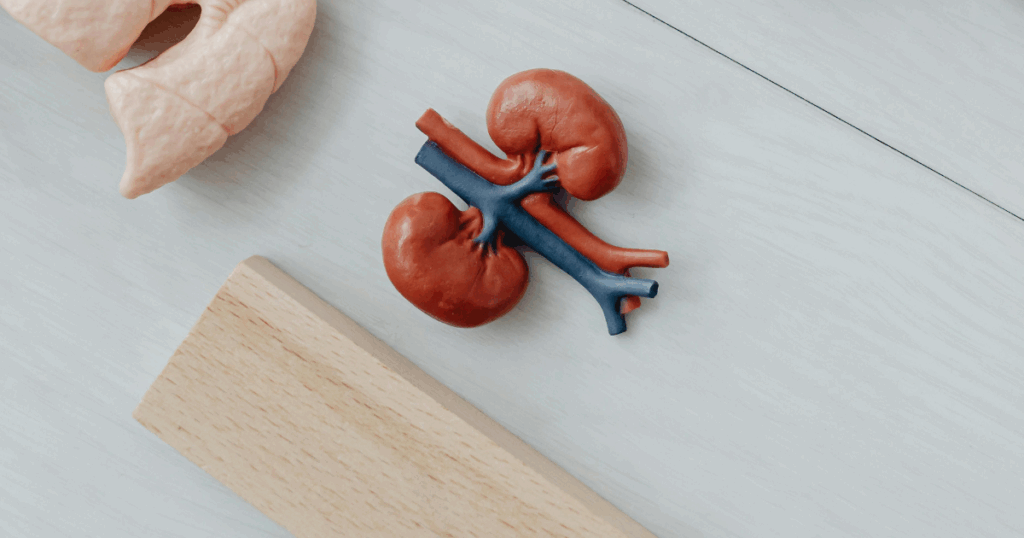
Adderall And Kidney Stones: Risks, Symptoms, and Prevention Tips

Adderall treatment of ADHD has the potential to enhance the ability to focus, school performance, and day-to-day activities, but it should be noted that many individuals are surprised to learn that the medication can also affect renal well-being.

The relationship between Adderall and kidney stones is not immediately apparent, but the stimulants can affect the hydration, urinary pH, and metabolic processes that could lead to the risk of forming stones.

Knowledge of the risk of kidney stones associated with Adderall can help prevent long-term complications and ensure the overall well-being of the kidneys in patients.

This blog simplifies the science, symptoms, and effective prevention strategies, providing a broad overview of an Adderall user (or other users with kidney-related concerns from stimulants).

Understanding Adderall and Kidney Stones

Kidney stones relate to Adderall because of the manner in which they are metabolized. Adderall activates the central nervous system by increasing the levels of dopamine and norepinephrine; however, the kidneys also metabolize it.

This implies that the kidneys increase their exertion to filter the drug and its byproducts. Kidney stones are formed when minerals that include calcium, oxalate, or uric acid lump up. Such stimulants as Adderall can alter the body’s system of fluids and electrolytes, making a small contribution to the conditions that favor the development of stones.

Although Adderall does not lead to stones, the metabolic changes, decreased hydration, and increased urinary concentration may create risk factors that cannot be overlooked. The National Kidney Foundation can also be useful as a source of general information regarding kidney stone development.

Adderall Kidney Stone Risk and Amphetamine Metabolism Factors

The mechanism of amphetamine stone formation in the kidneys starts with the breakdown of the stimulant drug in the body. Amphetamines cause metabolic and heat generation and energy production, which can indirectly cause the body to demand more water. Urine may become more concentrated when an individual fails to drink sufficient water to satisfy this augmented need. Condensed urine will easily crystallize the minerals and salts.

Another factor is urinary pH. Amphetamines have the ability to increase the acidity of the urine by a slight margin, and acidic urine is known to cause uric acid stones. Even though this is not as prevalent as calcium-based stones, the change in urinary chemistry may also play a major role.

Individuals who have issues with their kidneys or those with chronic dehydration, or who have experienced stones in their past, can have an increased risk of Adderall kidney stones and, therefore, should watch their hydration and kidney performance closely. 

To investigate the amphetamine metabolism in greater scientific detail, accessible clinical information is available in the MedlinePlus of the U.S. National Library of Medicine.

Dehydration, Adderall, and the Link to Kidney Stones

Adderall has a propensity to reduce appetite and elevate thirst, which leads to dehydration and, in other instances, kidney stones. Others might forget to take water adequately when on stimulant therapy. In combination with the effect of the medication on the increase of energy and metabolism, it can result in mild but chronic dehydration.

Dehydration will decrease the amount of urine, which means that minerals will be retained rather than lost. In the long run, such a concentrated environment is the best place to form crystals. 

Sweating, which is a common symptom during physical activity in people with stimulant-related restlessness, can further decrease fluids, which will increase the risk of developing kidney stones unless hydration is actively ensured.

Stimulant Medication Effects on Kidneys and Potential Side Effects

Stimulants like Adderall not only affect focus and energy but may also affect kidney function by changing blood pressure, urine volume, and metabolic rates. The factors do not always need to be harmful to healthy individuals with good kidneys, but they may predispose patients with underlying conditions or genetic problems.

Possible Adderall side effects include low levels of urine, high levels of urinary acid, slight renal stress when metabolizing the drug, or a rise in blood pressure, which influences the efficiency of filtration of the kidneys. These effects are most often mild and reversible, but in the case of long-term exposure or dehydration, the concern may be increased.

Signs of Strain and When to Seek Medical Evaluation

Kidney strain may not always present immediate symptoms, but early warning signs can include flank pain, dark urine, persistent lower-back discomfort, or unusual fatigue. If urine becomes foamy, bloody, or exceptionally concentrated, medical evaluation is recommended.

Individuals taking Adderall and other drugs processed via the kidneys are required to schedule periodic kidney function tests. High perspiration, acute dehydration, and sharp pains in the lower abdomen can also be signs of early kidney problems and could be in need of instant treatment. A helpful guide on kidney disease warning signs is available through the Mayo Clinic

Recognizing Symptoms of Adderall-Related Kidney Stones

The kidney stones that are related to the use of stimulants tend to share the same symptoms as the rest. However, as Adderall can relieve the pain or reduce the feeling of being thirsty or hungry, some of the initial symptoms may not be noticed by patients.

SymptomDescription
Sharp flank or back painSudden stabbing pain that may radiate toward the abdomen or groin
Dark or bloody urineA sign of irritation or urinary tract damage
Nausea or vomitingOften triggered by pain or urinary obstruction
Frequent urge to urinateEven when small amounts pass
Burning sensation during urinationCaused by crystal movement or infection

Early Detection and Clinical Management Options

Timely diagnosis is important, since sometimes small stones may pass without any invasive procedure. To establish the size and location of the stone, clinicians can prescribe urine tests, ultrasounds, or CT scans. Passage can be facilitated by pain relievers, hydration plans, and medications that relax the ureters. In more serious situations, less invasive surgeries such as shock-wave lithotripsy can be employed.

Preventing Kidney Stones While Taking Adderall

Suppose you have questions on how to prevent kidney stones while on Adderall. Although the use of Adderall does not necessarily produce stones, the effect of stimulants and lifestyle patterns may increase the risk. Fortunately, the development of stones can be decreased considerably with the help of some basic preventative measures.

  • Consume at least 8–10 cups of water per day according to the level of activity.
  • Do not take Adderall with too much caffeine, which contributes to dehydration.
  • Select foods with high water content, such as cucumbers, oranges, and watermelons.
  • Request your physician regarding regular kidney functional examinations.
  • Avoid high-oxalate foods in case of a history of stones.

Diet, Hydration, and Monitoring Tips for Long-Term Kidney Health

Hydration is the key to good kidney health, but the diet has an equal role to play. A moderate salt diet is a great way to prevent calcium imbalances that may lead to the development of stones. Sufficient magnesium may assist in achieving normal levels of oxalate, and fruits and vegetables contribute to improving the urine pH.

Urine color is also a measure to be maintained by patients; light yellow is a normal sign of good hydration. Here, individuals taking Adderall on a long-term basis need to consult their health care provider in terms of the schedule of the metabolic panel tests or kidney checks.

Protecting Kidney Health With Silicon Valley Recovery

Kidney health can become a concern for individuals who take stimulant medications, especially if they are dealing with co-occurring substance use, dehydration, or a poor diet. At Silicon Valley Recovery, professionals provide personalized guidance for individuals struggling with Adderall dependence, misuse, or side effects. 

It is time to get some help now in case you are experiencing symptoms such as kidney discomfort, dehydration, or addiction to Adderall. Contact Silicon Valley Recovery today to get professional help.

FAQs

How does using Adderall increase the risk of kidney stones? 

Adderall enhances the activity of the metabolism and may cause dehydration, which concentrates the minerals in the urine. This confined space increases the chances of crystal development, which contributes to the development of Adderall and kidney stones.

What are the potential side effects of Adderall on kidney health? 

Adderall may cause light strain to the kidneys because of the additional filtration levels, alkalinity of urine, and lower hydration. Although it is normally tolerable, the problem can be heightened by using long-term without appropriate intake of water, thus exposing one to kidney complications.

Can dehydration from Adderall usage lead to kidney stones?

Yes, chronic dehydration may be caused by reduced levels of thirst and high levels of energy. When the urine is concentrated, it is easier for minerals to crystallize and form stones.

How do stimulant medications like Adderall contribute to kidney stone formation? 

The stimulant drugs may affect the urine chemistry, hydration, and metabolism. These may provide the optimal environment in which the stones are formed, particularly when one is under-hydrated.

What are effective strategies to prevent kidney stones while taking Adderall? 

Good hydration, a nutritious diet, minimized caffeine use, and regular kidney check-ups will help to minimize the risk. It is also necessary to discuss the dosage and long-term kidney care with your doctor. 

Adderall And Kidney Function Risks, Interactions, And Monitoring Tips

Adderall is frequently used to treat attention deficit hyperactivity disorder (ADHD) and narcolepsy. Although it may be of great help in the enhancement of attention, power, and output, the effects that Adderall will have on the health of the kidneys are an issue that should be closely evaluated when referring to people with underlying renal problems.

It is important to know the signs of Adderall renal impairment, coping strategies, and the likely drug interactions in order to use it safely. This guide contains an in-depth examination of the risks of Adderall-related kidney disease, amphetamine renal clearance, and useful monitoring strategies.

Understanding Adderall’s Impact on Kidney Function

Adderall, which is a mixture of amphetamine salts, is an agent that mainly acts on the central nervous system, although this drug is excreted through the kidneys. The amphetamine compounds are excreted intact through the kidneys, approximately 30 percent, and therefore, kidney functioning can affect the pharmacodynamics of the drug. 

The impaired kidneys could slow down the clearance of drugs, which is a risk factor for increasing the side effects, such as high blood pressure, anxiety, or heart strain. The risk of chronic nephrotoxicity of Adderall is uncommon but exists, especially where kidney disease is present in the patient. 

There are also reports of cases of acute kidney injury, which in most cases are associated with high doses, dehydration, or simultaneous use of nephrotoxic agents. These risks can be explained by the need to personalize dosing and continuous monitoring.

How Stimulant Metabolism Connects to Renal Health

Adderall stimulants are broken down in the liver and excreted through the kidneys. The liver processes about 60 percent of amphetamine, with the kidneys eliminating the rest. Amphetamine is more likely to build up in the blood in patients with impaired kidney functioning, which intensifies stimulant response and risk of insomnia, anxiety, or cardiovascular problems.

The interdependence of the stimulant metabolism and the renal functionality is the reason why medical practitioners tend to conduct initial kidney functionality evaluations prior to commencing treatment. Lab ratios such as the amount of creatinine and eGFR (estimated glomerular filtration rate) provide the data regarding the clearance capability of the kidney.

Adderall in Renal Impairment: Risks and Dosage Adjustments

In patients who have low kidney clearance, the alteration of dosing is essential. Based on the renal impairment severity, clinicians can reduce the amount of dose or increase the dosing interval. The following is a breakdown of general considerations:

  • Mild impairment (eGFR 60–89 mL/min/1.73 m²). Standard dose may be acceptable, but careful monitoring is recommended.
  • Moderate impairment (eGFR 30–59 mL/min/1.73 m²). Dose reduction may be required.
  • Severe impairment (eGFR <30 mL/min/1.73 m²). Adderall is often contraindicated or used with extreme caution.

Renal dose adjustments for Adderall may be needed to lower the risk of toxicity and prevent medication buildup in the body. The patients should not independently decide to change the doses because this will predispose them to adverse events.

Amphetamine Renal Clearance and Pharmacokinetic Factors

The clearance of amphetamines is determined by the pH of urine, renal perfusion, and the available renal function. Acidic urine may enhance clearance with alkaline urine decreasing it, which may cause them to reach elevated plasma concentrations.

FactorEffect on Amphetamine ClearanceClinical Implication
Urine pH (acidic)Increased clearanceLower plasma concentration may require higher dosing
Urine pH (alkaline)Decreased clearanceHigher plasma levels, risk of toxicity
Reduced GFRSlower eliminationDose reduction needed
Concomitant nephrotoxic drugsCompounded renal stressIncreased monitoring essential

This table emphasizes the need for individualized treatment planning and ongoing kidney function evaluation when prescribing Adderall.

Adderall and Kidney Disease: Recognizing Nephrotoxicity Risks

The patients who already have kidney disease are at increased risk of Adderall nephrotoxicity. Long-term hyper-stimulant use could be a contributor to hypertension, decreased renal perfusion, or acute tubular injury. The signs of danger to be noted early include:

  • Pitting edema of the extremities or face.
  • Reduced urine output.
  • Constant tiredness or disorientation.
  • Acute rises in blood pressure.

Early diagnosis can enable the clinician to modify treatment in time to minimize renal damage in the long term.

Monitoring Kidney Function During Adderall Use

Frequently observing kidney function is part and parcel of Adderall safe treatment. Frequent blood analysis allows monitoring kidney function and observing the slightest shifts in the state of affairs prior to the development of severe complications.

Importance of Tracking Creatinine and eGFR Levels

It is customary to monitor creatinine levels, Adderall and eGFR and Adderall. Creatinine shows renal filtration ability, whereas eGFR gives an estimation of the general kidney functioning. The unexpected increase or decrease in creatinine or eGFR may be an indicator of a dose change or a short-term withdrawal of Adderall. 

To evaluate secondary impacts on renal health, healthcare providers are also able to check electrolytes and blood pressure. Learn more about Kidney Function Tests at Mayo Clinic.

Drug and Supplement Interactions Affecting Renal Function

Some drugs and nutritional supplements may change the clearance by the kidneys or enhance the effect of stimulants. These interactions are important to understand how to use them safely.

Understanding the Role of Adderall and Gabapentin

Adderall and gabapentin are also used together to treat anxiety and the symptoms of ADHD. Although they do not have any significant metabolic interactions, their antagonistic CNS activities may affect mood, cognition, and renal drug clearance. 

Gabapentin is mainly excreted by the kidneys; therefore, failure to clear it via the kidneys can increase its plasma concentration, thus increasing the risks in combination with Adderall when the Adderall levels are high. Drugs.com shared a drug interaction between Adderall and Gabapentin.

Warning Signs, Contraindications, and Clinical Follow-Up

Consistency should be used in order to minimize risks. The patient should know about the contraindications: severe kidney disease, uncontrolled hypertension, and heart disease.

Key Symptoms and When to Seek Medical Help

Contact a doctor immediately in case you experience:

  • Excessive pain in the flank or swelling.
  • Acute alterations in the urine flow.
  • Unaccountable tiredness, vertigo, or disorientation.
  • Constant high blood pressure.

Get Professional Help for Safe Adderall Management at Silicon Valley Recovery

Managing Adderall renal impairment or kidney disease requires professional guidance. At Silicon Valley Recovery, our team provides comprehensive evaluation, dosing strategies, and kidney function monitoring to ensure safe stimulant use. Our area of focus is individual attention to patients, which promotes their mental health and renal safety. 

Get in touch with us: Silicon Valley Recovery to get professional help and guidance to use Adderall safely.

FAQs

How does Adderall affect kidney function in patients with existing renal impairment? 

Adderall has the potential to accumulate in the body of patients with decreased renal functioning, exposing them to risk of side effects and possible kidney toxicity. Close observation and dosage changes are necessary.

What dosage adjustments are necessary for Adderall in patients with renal impairment? 

It depends on the extent of kidney impairment to determine the dosage. Normal dosing and controlled treatment can be applied to light cases, but in moderate and severe impairment, small doses or alternative therapy are required.

How is amphetamine renal clearance impacted by kidney function?

Lower renal clearance decreases the rate of elimination of amphetamine and increases plasma concentration and toxicity. Elimination can also be affected by urine PH and co-medications.

What risks are associated with Adderall use in individuals with kidney disease? 

The risk factors are nephrotoxicity, hypertension, fluid retention, and acute kidney injury. These risks are nullified with repeated monitoring and expert counseling.

How often should kidney function be monitored when using Adderall, and what are the key indicators, such as creatinine levels and eGFR?

Baseline and periodic evaluation of kidney functioning should be performed. Indicators of renal stress, such as creatinine levels and eGFR, are key markers to determine the dosing and indicate early signs of renal stress.

Adderall and Gabapentin Interactions, Risks, and Timing

The most frequent question that many individuals who take both stimulants and anticonvulsants pose is: What is the effect of taking Adderall and gabapentin together? Although Adderall treatment is common in cases of ADHD or narcolepsy and gabapentin treatment in cases of seizures, neuropathic pains, or anxiety, the relationship between them is complicated to the extent that it may not appear.

To be able to safely and effectively use adderall and gabapentin, one needs to know the interaction that exists between the two and the dangers and timing of the interaction. At Silicon Valley Recovery, we emphasize clarity and education to help people use medication safely and build a strong wellness mindset.

Understanding the Interaction Between Adderall and Gabapentin

Regarding adderall and gabapentin interaction, there are no well-documented direct metabolic interactions. According to Drugs.com, Adderall XR and gabapentin do not have known pharmacokinetic conflicts. However, their pharmacodynamic effects, stimulant vs. CNS modulator, can create unpredictable results.

Gabapentin is removed basically intact into the urine, so it is not as likely to have interactions with liver-metabolized medications such as Adderall. However, the combination of stimulant and tranquilizing effects could affect mood, cognition, and seizure threshold.

How Timing and Metabolism Affect the Combined Effects

Timing is critical. The effect of Adderall as a stimulant reaches its peak in a few hours, and the effect of Gabapentin is typically taken several times a day. The overlapping of the peaks and troughs may vary based on the schedule of the dosage, either tiring the body or making it alert.

For instance:

  • Adderall in the morning + gabapentin at night – minimal overlap, reduced risk of opposing effects
  • Both medications in the morning – peak effects coincide, possibly increasing CNS overload
  • Careful scheduling, based on individual metabolism, sleep patterns, and symptom targets, helps reduce risks.

Taking Adderall and Gabapentin Together: Potential Benefits and Risks

Attention and Anxiety Management

  • Purpose. In patients with anxiety or restlessness, in addition to ADHD.
  • How it Works. Adderall makes one more active and alert; however, in some cases, it may make one jittery or nervous. Gabapentin can be used to counter these side effects by offering a relaxing effect on the nervous system.
  • Clinical Benefit. Such a combination can enable the patients to enjoy better focus without feeling overstimulated or anxious.

Seizure Control and Stimulant Therapy

  • Purpose. In patients who need seizure prevention and cognitive enhancement.
  • How it Works. Gabapentin helps to stabilize nerve activity and decrease the chances of seizures, whereas Adderall improves attention and executive functions.
  • Clinical Benefit. This method enables healthcare professionals to treat neurological safety (seizure management) and meet the daily cognitive needs.

Neuropathic Pain and ADHD Management

  • Purpose. In people who have chronic nerve pains and ADHD symptoms.
  • How it Works. Gabapentin is used to treat neuropathic pain through a mechanism that alters disturbed nerve signal transmission, whereas Adderall is an effective stimulant used to enhance attention, motivation, and performance.
  • Clinical Benefit. Patients can obtain not only a reduction in pain but also improved cognitive function, which will ultimately increase the quality of life.

Adderall and Gabapentin Side Effects and Safety Warnings

Common side effects include:

  • Overstimulation 
  • Anxiety
  • Dizziness 
  • Rapid heartbeat
  • Impaired coordination
  • Irritability
  • Blurred vision

Recognizing Adverse Reactions

Ask a doctor to help you in case you:

  • Constant disorientation or impaired recollection.
  • Pain in the chest or cardiac arrhythmia.
  • Epileptic attacks or deterioration of seizure management.
  • Inordinate sleepiness or stumbling.

Dosage and Timing Considerations

Safe use depends on the Adderall and Gabapentin dosage and timing. Consider this table:

Timing ScenarioPotential BenefitRisk / Concern
Adderall in the morning, gabapentin at nightMinimal overlap smoother effectMay not manage daytime anxiety
Gabapentin multiple times + Adderall in the morningSteady gabapentin better calmnessHigh overlap – CNS or cardiovascular side effects
Staggered low-dose scheduleBalanced stimulation and calming effectRequires monitoring and adjustment

Tips for Safe Use

  • Start Low, Go Slow. Start with the minimum effective doses.
  • Maintain Consistent Timing. Track when each drug activates and inactivates.
  • Monitor Vital Signs. Monitoring of the heart rate and blood pressure is obligatory.
  • Talk To Your Provider. Report any side effects or areas of concern.
  • Avoid Abrupt Changes. Do not prevent or raise dosages without advice.

Safety Tips, Contraindications, and Alternatives

  • Kidney dysfunction- modify the dose of gabapentin.
  • Cardiovascular disease – use stimulants with caution.
  • Seizure history + can cause instability.
  • Polypharmacy – other CNS depressants or stimulants.
  • If pregnant or breastfeeding, refer to a clinician.
  • Non-stimulant ADHD psychotropic drugs (e.g., atomoxetine).
  • Substitute anxiolytics in place of gabapentin.
  • Behavioral intervention, therapy, or lifestyle intervention.

Research indicates that with some drug tests, gabapentin can yield a false-positive test for amphetamine at the National Center for Biotechnology Information.

Safe Medication Management with Silicon Valley Recovery

At Silicon Valley Recovery, we focus on evidence-based holistic care for everyone who takes Adderall and Gabapentin. Through a detailed examination, we will examine medical history, mental health, and current medication to provide safe and tailored treatment.

Our close observation and titration are used to adjust the amounts of drugs in order to reduce side effects while preserving the efficacy of the therapy. Clients are also taught and assisted, learning to monitor the symptoms, identify side effects, and take medications safely.

The model of integrated care that we use involves the combination of therapy, peer support, and relapse prevention with medication management to provide a balanced approach to recovery. We also cooperate effectively with the prescribing providers in order to have effective communication and continuity of care. To get assistance in coping with adderall and gabapentin, check out Silicon Valley Recovery.

FAQs

What should I know about the interaction between Adderall and Gabapentin?

Adderall is a stimulant, and Gabapentin is an antistimulant, which is used to relax nerve activity, and no significant direct drug interactions are reported. Nevertheless, the act of mixing them may occasionally change the focus, alertness, or initiate abnormal sedation or nervousness.

Are there any potential benefits or risks of taking Adderall and Gabapentin together?

The calming effect of Gabapentin may prove beneficial to some individuals to overcome the stimulating effects of adderall. Some of the risks are dizziness, loss of sleep, change of mood, or heart rate, based on personal sensitivity.

What are the common side effects and warnings when using Adderall and Gabapentin?

The most prevalent side effects can be fatigue, dizziness, insomnia, or irritability. Such red flags as extreme anxiety, chest pain, or atypical mood swings need to be addressed in an emergency situation.

How should I consider the dosage and timing when taking Adderall and Gabapentin?

Adderall is taken in the morning to prevent insomnia, and Gabapentin is more frequently consumed on many occasions in a day or at night. One should take his/her doctor carefully in order to avoid side effects overlapping or decreasing the effectiveness.

What are the safety tips and contraindications for combining Adderall and Gabapentin?

These medications should not be used with alcohol or other sedatives, and one should control blood pressure and heart rate. Individuals taking heart medication, having a kidney or substance abuse history, need to consult their doctor before taking them together. 

Rediscover Yourself at Silicon Valley Recovery

Experience a sanctuary of healing nestled in the heart of Silicon Valley. Our personalized addiction treatment center in San Jose offers a compassionate environment where individuals can find renewed hope and purpose.

All calls are 100% free and confidential