


Accutane, also known by its generic name isotretinoin, is a highly effective prescription medication used to treat severe, cystic, or nodular acne that does not respond to other treatments. While Accutane can provide life-changing results for those struggling with persistent acne, it is also associated with a range of serious side effects and strict usage guidelines. One of the most important precautions is to avoid alcohol while on Accutane. But why can’t you drink on Accutane? The answer lies in the combined impact on your liver and overall health. In this comprehensive guide, we’ll explore the dangers of mixing alcohol with Accutane, the potential side effects, and important steps to take if you’ve consumed alcohol during your treatment.
What Is Accutane?
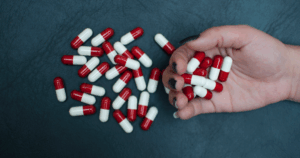
Accutane is a retinoid medication derived from vitamin A, prescribed for cases of severe acne that do not respond to other treatments such as antibiotics or topical creams. Its primary function is to decrease the amount of oil (sebum) produced by your skin’s sebaceous glands and regulate skin cell turnover. This process helps prevent clogged pores and reduces the severity of acne outbreaks. Although the brand name Accutane was discontinued by its original manufacturer in 2002, generic forms of isotretinoin are still widely prescribed and have become a standard solution for resistant acne worldwide.
Despite its effectiveness, isotretinoin is a powerful drug with a lengthy list of possible side effects. Patients must follow strict guidelines, including regular blood tests and contraceptive measures for women of childbearing age. One of the most frequently emphasized precautions is to avoid alcohol. This is because both Accutane and alcohol are metabolized by the liver, and combining them can increase the risk of liver toxicity and other complications. For more information on isotretinoin, visit the FDA’s official resource on isotretinoin.
Can You Drink Alcohol on Accutane?
Medical professionals universally advise against drinking alcohol while taking Accutane. The primary reason is the added strain both substances place on your liver. Isotretinoin can elevate liver enzymes, and alcohol is a well-known liver toxin. Consuming both together can exacerbate liver stress, increasing the risk of inflammation, fatty liver disease, and long-term hepatic damage. Even small amounts of alcohol can heighten these risks, especially if consumed regularly throughout your course of Accutane treatment.
In addition to liver concerns, combining alcohol and Accutane can amplify other side effects, such as dehydration, mood changes, and impaired concentration. If you are considering Accutane or are currently taking it, it’s best to abstain from alcohol until your treatment is complete and your healthcare provider confirms it’s safe to resume drinking.
Side Effects of Combining Accutane and Alcohol
Mixing Accutane and alcohol can lead to a host of unwanted side effects. These effects can range from mild discomfort to severe, long-term health complications. Below is a table outlining the most common symptoms and their descriptions:
| Symptom | Description |
|---|---|
| Increased Liver Enzymes | Temporary elevation that may lead to liver inflammation or permanent liver damage if left unchecked. |
| High Cholesterol Levels | Accutane can raise triglycerides, increasing the risk of heart disease and pancreatitis. |
| Dehydration | Both alcohol and isotretinoin can dehydrate the body, causing headaches, nausea, and joint pain. |
| Mood Swings | Alcohol is a depressant, and combined with Accutane, it can intensify anxiety, depression, and aggressive behaviors. |
| Poor Concentration | Dizziness and lightheadedness may impair your ability to drive or operate machinery safely. |
Long-Term Consequences of Drinking on Accutane
While some side effects may be temporary, others can have lasting impacts on your health. Here are some of the most significant long-term risks associated with combining Accutane and alcohol:
- Liver Damage: The liver is responsible for metabolizing both alcohol and isotretinoin. Using them together significantly increases the risk of liver inflammation, hepatitis, or even liver failure. Warning signs include jaundice (yellowing of the skin and eyes), persistent nausea, dark urine, and abdominal pain. If you experience any of these symptoms, seek medical help immediately.
- Blood Toxicity: Accutane may elevate triglyceride levels, which can lead to a condition called hypertriglyceridemia. This increases your risk of pancreatitis, diabetes, and other cardiovascular diseases. If you have a history of high cholesterol or blood disorders, discuss these risks with your doctor before starting Accutane.
- Mental Health Issues: There is evidence linking isotretinoin to mood disturbances, including depression and anxiety. Alcohol is also known to negatively impact mental health, often causing mood swings and increased depressive symptoms. Combining the two can intensify these effects, potentially leading to suicidal thoughts or behaviors in susceptible individuals.
For more information on how medications can affect liver health, consult the U.S. Department of Veterans Affairs resource on liver-damaging medications.

How Accutane Affects the Liver
Accutane is processed in the liver and is known to cause temporary increases in liver enzymes. For most people, these changes are mild and resolve after stopping the medication. However, in combination with alcohol, the risk of severe liver problems increases substantially. Symptoms to watch for include fatigue, loss of appetite, jaundice, and unexplained weight loss. It’s crucial to have your liver function monitored regularly with blood tests while on Accutane.
Symptoms of Liver Damage from Accutane and Alcohol
If you suspect liver damage, recognizing the symptoms early can make a significant difference. Here’s a table summarizing common warning signs:
| Symptom | Description |
|---|---|
| Jaundice | Yellowing of the skin and eyes, a classic sign of liver dysfunction. |
| Abdominal Pain | Tenderness or aching in the upper right abdomen, indicating liver inflammation. |
| Nausea | Feeling dizzy, unsteady, or vomiting, especially after consuming alcohol. |
| Dark Urine | Urine appears darker than usual due to improper processing of bilirubin. |
| Fatigue | Persistent exhaustion, which can be a sign of advanced liver disease. |
Who Is at Greater Risk of Liver Damage on Accutane?
While anyone taking isotretinoin should exercise caution, certain individuals are at higher risk for liver complications. These groups include:
- People with a history of liver disease: If you’ve had hepatitis, fatty liver disease, or other liver problems, inform your healthcare provider before starting Accutane.
- People with alcohol use disorder: If you struggle to abstain from alcohol, discuss this with your doctor. They may recommend alternative acne treatments that pose less risk to your liver.
- Individuals on other liver-metabolized medications: Drugs such as certain antibiotics, antifungals, or painkillers can further burden the liver. Always provide your doctor with a full list of medications and supplements before starting Accutane.
Understanding your risk factors and openly communicating with your healthcare provider can help you avoid serious complications during your Accutane treatment.
Tips for Managing Accutane Treatment and Alcohol Consumption
- Consult Your Doctor Before Starting Accutane: Personalized medical advice is essential. Your doctor will assess your overall health, review your medication history, and provide tailored guidance on how to safely navigate Accutane treatment.
- Avoid Alcohol Entirely During Treatment: The safest approach is to abstain from alcohol until your Accutane course is complete. This minimizes the risk of adverse effects and supports successful acne resolution.
- Monitor Your Physical and Mental Health: Stay alert for any new or worsening symptoms. If you notice mood changes, liver-related symptoms, or other side effects, report them to your healthcare provider promptly.
- Stay Informed: Read up on potential side effects and drug interactions associated with isotretinoin. Reliable sources like the American Academy of Dermatology’s isotretinoin guide can provide additional insights.
What to Do If You Have Consumed Alcohol on Accutane
If you’ve accidentally consumed alcohol while taking Accutane, don’t panic. There are steps you can take to reduce potential harm:
| Step | Description |
|---|---|
| Stay Hydrated | Drink plenty of water to counteract dehydration caused by both alcohol and Accutane. |
| Monitor for Symptoms | Watch for signs of liver stress such as jaundice, abdominal pain, or persistent fatigue. |
| Contact Your Doctor | Inform your healthcare provider that you’ve consumed alcohol while on Accutane and follow their instructions for further care. |
When to Seek Medical Help
Even if you only drank once while on Accutane, it’s important to know when to seek medical assistance. Call your doctor or go to the emergency room if you experience:
- Yellowing of the skin or eyes (jaundice)
- Persistent pain in the upper right abdomen
- Unusually dark urine
- Confusion, disorientation, or poor concentration
- Swelling in the legs or ankles
These symptoms may indicate acute liver distress or other serious complications that require immediate evaluation and treatment.
How Long Should You Avoid Alcohol After Finishing Accutane?
After completing your Accutane treatment, it is generally recommended to wait at least one to two weeks before resuming alcohol consumption. This allows your body sufficient time to clear isotretinoin from your system and for your liver enzymes to return to normal. If your treatment lasted several months, your healthcare provider may schedule follow-up blood tests to confirm your liver health before giving you the green light to drink alcohol again. Always check with your doctor before reintroducing alcohol into your routine.
Other Precautions to Take While on Accutane
- Review All Medications and Cosmetics: Some medications, such as tetracycline antibiotics and corticosteroids, should not be combined with Accutane. Additionally, avoid topical products containing alcohol or harsh ingredients, as your skin will be more sensitive and prone to irritation.
- Practice Effective Birth Control: Accutane is highly teratogenic, meaning it can cause severe birth defects. Women of childbearing age must use two forms of birth control and take regular pregnancy tests before, during, and after treatment. Your doctor will provide detailed instructions to ensure safety.
- Protect Your Skin from Sun Exposure: Isotretinoin increases your skin’s sensitivity to sunlight, making you more susceptible to sunburn. Use broad-spectrum sunscreen with a high SPF, wear protective clothing, and avoid tanning beds during treatment.
- Maintain Good Hydration and Skin Care: Accutane commonly causes dry skin, chapped lips, and dry eyes. Drink plenty of water, use gentle moisturizers, and apply lip balm regularly to minimize discomfort.
Get Support for Safe Recovery with Silicon Valley Recovery
If you or someone you love is struggling with alcohol use while undergoing Accutane treatment, support is available. Silicon Valley Recovery offers expert guidance, medical detox, and holistic care to help individuals manage substance use and achieve lasting wellness. Their team of professionals understands the unique challenges faced by those on medications like isotretinoin and provides compassionate, evidence-based support tailored to your needs. Don’t let alcohol put your health or acne recovery at risk—reach out for help and reclaim your well-being today.
Frequently Asked Questions About Accutane and Alcohol
Is it ever safe to drink alcohol while on Accutane?
No, it is not considered safe to drink alcohol while taking Accutane. The combination significantly increases the risk of liver damage, elevated cholesterol, dehydration, and mental health side effects. It’s best to abstain from alcohol until your course of treatment is complete and your doctor has confirmed your liver function is normal.
What should I do if I accidentally drank alcohol while taking Accutane?
If you consumed alcohol while on Accutane, monitor yourself for symptoms such as nausea, jaundice, abdominal pain, and fatigue. Stay hydrated and contact your healthcare provider to discuss your next steps. They may recommend additional blood tests or temporary discontinuation of the medication, depending on your symptoms and overall health.
How long does Accutane stay in your system after you finish treatment?
Accutane (isotretinoin) can remain in your system for several days after your last dose, but most of the drug is cleared within one to two weeks. Your doctor may recommend waiting at least 7-14 days before resuming alcohol consumption to ensure your liver has fully recovered and all traces of isotretinoin have been eliminated.
Can Accutane cause permanent liver damage?
While most liver-related side effects from Accutane are reversible upon discontinuation, combining it with alcohol or taking it for extended periods can increase the risk of permanent liver injury. Regular monitoring and abstaining from alcohol are crucial steps to prevent long-term complications.
Are there any alternatives to Accutane for severe acne?
Yes, there are alternative treatments for severe acne, including oral antibiotics, hormonal therapies, and other prescription retinoids. However, these options may be less effective for some individuals. If you have concerns about Accutane’s risks or cannot avoid alcohol, consult your dermatologist for personalized recommendations and alternative therapies that fit your lifestyle and health profile.