


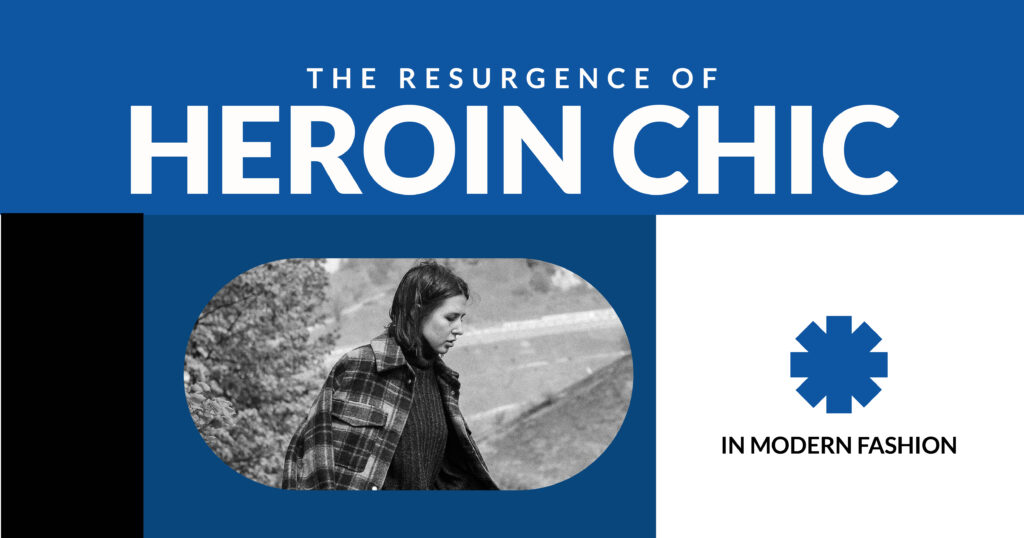
Heroin chic is a phrase, popularized in the early 1990s, that has recently experienced a revival in the fashion industry. It was an objectionable style that gained popularity on the runways and in fashion magazines, featuring waif-like models of the period, a trend that has been revived today. Although it is controversially associated with unhealthy body ideals, the revival of heroin chic is more multifaceted, with 90s fashion reinterpreted in a new context. This article discusses the brilliance of this edgy style, how it has evolved, and how it is shaping current trends, while speculating on its effects on body image and mental health.
Defining the Return of Heroin Chic in Modern Fashion
Heroin chic, with its pale complexion, thin models, and grunge-inspired style, reappeared in the past decade. This renaissance is not purely a fashion phenomenon; it reflects the cyclical nature of modern culture, where old trends are revisited in new forms. While the look is associated with the dark appeal of the 90s, its recent revival has sparked discussions about the evolving notion of beauty.
The Influence of 90s Supermodels on the Trend
Heroin chic was embodied by 90s supermodels such as Kate Moss and Naomi Campbell. They were small and frail, and this became the standard for high fashion. These models featured the grunge fashion movement, which was disheveled in hair, makeup, and clothing which was intentionally torn. Their appearance on the runway and on the adverts had an unforgettable impact on the fashion industry and heroin chic became a big aesthetic. The designers are going back to these styles today to aim at a feeling of nostalgia but at the same time, reinventing the aesthetic to align with current preferences.
The Waif Look and Its Lasting Impact
The waif appearance is one of the hallmark characteristics of heroin chic. This look referred to models who were extremely thin, to the point of being emaciated, with a delicate and ethereal air. Heroin chic was closely linked to the waif look in the 90s, and despite ongoing body image controversies, the look continues to influence the current fashion industry.
How Thin Models Redefined the Edgy Aesthetic
The thin models with their prominent cheekbones and sallow skin tones became the inspiration for new fashion designers seeking to create an edgy, raw style. The waif look challenged the conventional beauty standards, which placed voluptuous or muscular bodies, and instead underlined vulnerability and a non-traditional form of beauty. This thin androgynous ideal is still present in modern fashion promotions, although fashion is becoming increasingly more diverse and accepting of bodies. The 90s thin models contributed to the creation of a new kind of beauty that continues to captivate both designers and audiences.
Androgynous Style in the ’90s Fashion Scene
The 90s were also about thinness but it also adopted an androgynous approach that was not strict on either masculine or feminine. This trend in fashion put gender-neutral clothing into focus, as opposed to the gendered fashion of the past decades.
Breaking Gender Norms Through Grunge Fashion
The 90s heroin chic was closely tied to grunge fashion, which was a rebellion against societal norms. Oversized flannel shirts, leather jackets, and combat boots, which could be worn by any person, not necessarily of any particular gender, were the androgynous style that was usually related to grunge. The trend denounced the old ideas of gender roles and paved the way to a more accepting, and loose way of dressing. The influence of the 90s grunge fashion is also seen today in the grunge-style wear in the streets and in the gender-neutral collections.
Minimalist Fashion as the Core of the 90s Aesthetic
Minimalist fashion was a defining element of the 90s aesthetic, focusing on simplicity and functionality. Below is a table that highlights the key characteristics, cultural impact, and ongoing influence of this iconic fashion trend:
| Feature | 90s Minimalist Fashion |
| Key Characteristics | Simple, clean lines, neutral colors, understated designs |
| Cultural Impact | Reflects a shift towards simplicity and functionality, rejecting excess |
| Influential Designers | Calvin Klein, Jil Sander, Helmut Lang |
| Iconic Trends | Slip dresses, tailored suits, basic tees, black and white palette |
| Contrasts with the Previous Decade | A departure from the extravagant, bold fashion of the 80s |
| Current Influence | Inspires modern minimalist styles in both streetwear and high fashion |
Pale Complexion and Its Role in Fashion Identity
The minimalist, waif-like style gave rise to pale skin, which was an attribute of heroin chic. Along with the fact that pale skin was viewed as a symbol of vulnerability, it was also an intentional contrast with the tan, muscular body images of the preceding decades. This style of appearance was taken up by models like Kate Moss in the 90s, and this aspect contributed a lot to the cool minimalistic spirit of the 90s. Nowadays, a pale color of the skin is a characteristic of some fashion subcultures like goth and minimalist fashion.
Contemporary Fashion Inspired by 90s Heroin Chic
The influence of heroin chic is still visible in today’s fashion collections, which embrace the simplicity and rawness of the 90s. Designers are returning to past trends but putting a modern twist on them that aligns with current values. Nonetheless, these trends are reemerging, and in this case, the focus has changed to a more inclusive approach towards the body type, where numerous brands prefer to use models of all sizes. This new form of heroin chic is more inclusive and a little less controversial and is a compromise between nostalgia and beauty standards.
Reflecting on Fashion’s Influence with Silicon Valley Recovery
Mental health and body image can be greatly impacted by fashion and trends, especially by such an idea as heroin chic. We know that societal pressure and beauty ideals can influence self-esteem and psychological health at Silicon Valley Recovery. However, in case you or a person close to you has problems with body image or are addicted to fashion trends, help is available.
Contact Silicon Valley Recovery to get help today.

FAQs
How did 90s supermodels influence the grunge fashion trend?
Supermodels of the 90s, such as Kate Moss and Naomi Campbell, made the trend of grunge fashion popular with their thin, androgynous look. Their influence created a shift toward a more natural and minimalistic appearance.
What key elements define the waif look in 90s fashion?
The waif appearance is also a thin delicate one with or without a pale complexion. Such a look was coupled with the little makeup, which contributed to the coolness of the era.
How did androgynous style challenge traditional gender norms in the 90s grunge scene?
The 90s androgynous style furthered the trend of gender-neutral fashion by adopting clothes that were not strictly masculine or feminine, promoting equality in fashion.
What are the distinguishing features of 90s minimalist fashion?
Minimalist fashion in the 90s focused on understated designs, neutral colors, and clean lines. It avoided excessive embellishments, in contrast to the bold styles of previous decades.
Why was a pale complexion significant in the 90s fashion identity?
Some of the heroin chic style highlighted the use of pale skin, which represented vulnerability and simplicity. This beauty was unlike the tanned and fit body images of the past decades.