

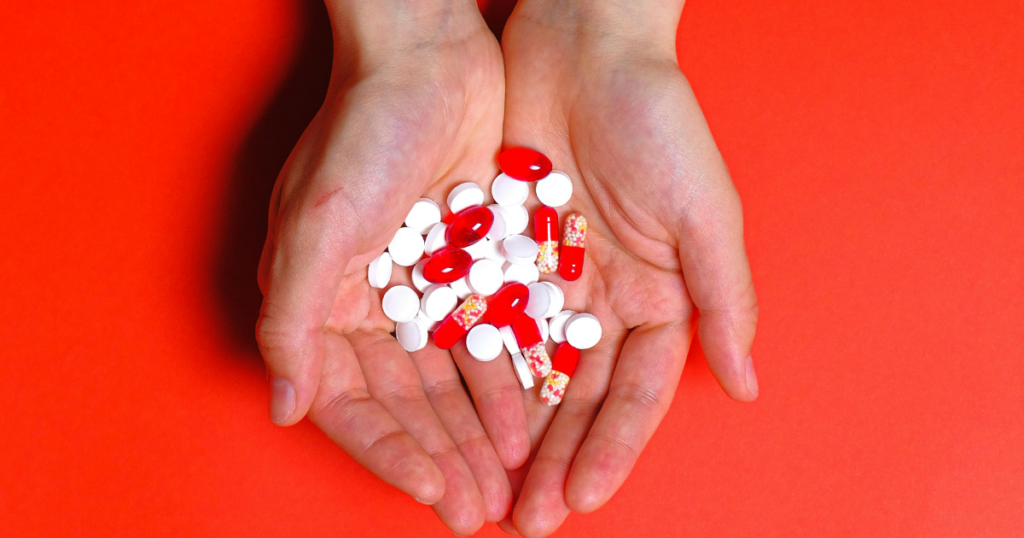
When you or a loved one is treated by a healthcare provider, you are likely to receive a prescription for one or several medications. It is important to remember that all drugs have a specific shelf life and will eventually expire. Consuming expired pills can be dangerous to your health.
If you are wondering how long prescription medicine lasts, our blog will be able to help you. Below you will find the definition of the shelf life of prescription drugs, a few factors that affect the longevity of medications, and useful tips on the proper storage of your medicine.

What Is the Shelf Life of Prescription Medication?
Prescription medication shelf life can be defined as the period of time calculated from the date the medicine was manufactured during which the drug is safe to consume, and it remains effective to treat the symptoms it was prescribed for. After this time passes, the medication is considered expired—it may lose its potency and, in some cases, become dangerous for the patient.
There is no universal shelf life for prescription drugs—on average, medications are safe to use for up to two or three years. You should check the packaging of the medicine to see its expiration date and pay attention to the storage instructions, especially if you are planning to keep the drug at home for a long time.
Does the Type of Medicine Affect Its Shelf Life
The formulation of the medicine plays a huge role when it comes to the duration of its shelf life. Here are a few types of medicine and their average shelf life:
- Tablets. Solid drugs usually last longer compared to their liquid alternatives—you may be able to store and use them for up to four or five years.
- Capsules. Similar to tablets, this type of medicine is good for long-term storage—the average shelf life of a capsule is around five years.
- Powders. This medication is often used to make an oral suspension—once you mix the powder with the liquid, its shelf life will be limited to five or seven days.
- Creams. If your doctor has prescribed topical treatment, make sure you do not keep it for a long time—on average, creams and ointments last for a year.
- Injectables. Liquid medications intended for injection should not be used for more than a year or two. Besides, once the bottle is opened, it must be consumed within a few days.
What Factors Impact the Longevity of Prescription Medicine
Several elements may influence the shelf life of prescription drugs:
- Storage conditions. Environmental factors such as light, temperature, humidity, and air exposure may either shorten or prolong the shelf life of the medicine.
- Type of packaging. It has been confirmed that drugs kept in their original containers last longer; moreover, blister packs are better for the longevity of the medicine compared to plastic or glass bottles.
- Type of medicine. As we have explained above, certain formulations are more suitable for long-term storage—for instance, solid drugs have a longer shelf life than liquid medicines.
How to Store Prescription Medication Properly
Follow these tips to make sure your prescription drugs remain safe and effective:
- Review the instructions on the medication label and adhere to them. If the packaging says you must keep the drug away from sunlight or store it in a cool place, ensure these conditions are met.
- Find a suitable location for the medicine. Patients often make the mistake of storing drugs in the bathroom—this room is rarely dry. Choose a locked cabinet in your bedroom or kitchen instead.
- Pay attention to the expiration date. While it is not always dangerous to consume expired drugs, it is recommended to dispose of the medicine once it has passed its expiration date.
Can You Take Expired Prescription Medicine
It is advised to avoid taking medicine that has expired. While in many cases the drug will not harm you, it may not have the desired effect—the medicine loses its potency after its shelf life is over. This may be crucial for your treatment and recovery—for instance, if you fail to take effective pain medication after the surgery, your healing process may be delayed.
In rare cases, expired medicine will negatively affect your health. If you or your family member has taken drugs that have passed their expiration date, and you have noticed unusual side effects—dizziness, nausea, or abdominal pain—reach out to your doctor.
FAQs
What Is the Average Shelf Life of Prescription Drugs?
On average, prescription medicines last for two or three years. The shelf life of the drug will depend on its formulation and storage conditions.
What Determines the Shelf Life of a Drug?
Several factors affect the longevity of the medicine—its type (tablets, capsules, liquid, injectables, etc.) and storage (temperature, light exposure, humidity of the room, and type of container).
Is It Safe to Take Medicine After Its Expiration Date?
You should not consume drugs that have expired—they may be ineffective for your treatment and, in some cases, harmful to your health.
How to Know the Expiration Date of a Prescription Medicine?
Check the packaging of the drug to learn its expiration date—manufacturers usually calculate the shelf life of the medicine and list the date on the label.
How to Extend the Shelf Life of Prescription Medicine?
To increase the longevity of your medicine, store it in a dry, dark, and cool place. There may be special storage instructions on the label of the drug—follow them to preserve the medicine.
Ensure Your Safety With Silicon Valley Recovery
Understanding how long prescription drugs last and when it is time to dispose of expired medicine is crucial for your health. Different types of medicines have varying shelf lives—if you are unsure whether a particular drug is safe to consume, it is best to consult with a healthcare professional.
Our team is here to help you—get in touch with Silicon Valley Recovery to receive personalized advice regarding prescription medications and make sure you never put your health at risk.