


“Drunk eyes” is a term used to describe the observable eye and facial changes that follow alcohol consumption. While drinking, many people notice signs like bloodshot eyes, unfocused staring, slow blinking, and abnormal eye movement. These changes are not random.
They happen because alcohol influences your brain, the muscles of the eye, and the processing systems of vision. Recognizing these changes can help you spot common intoxication signs in yourself or others, especially in social and safety-related situations.
What Do Drunk Eyes Mean, and Why Do They Happen?
Drunk eyes result from alcohol’s direct interference with brain function and eye movement. Alcohol affects muscle coordination, attention, and movement control. This makes the eyes appear glassy, sluggish, or unnaturally wide. These disruptions are usually accompanied by vision impairment, slow reaction, and loss of concentration.
The Physical Changes Behind Intoxicated Appearance
Alcohol makes blood flow increase in the face and the eyes. This leads to facial puffiness and red eyes. The tear film also becomes unstable, which can cause dryness and a burning sensation. These visible signs are classic indicators of intoxication, caused by the underlying physical changes alcohol triggers.
How Alcohol Affects Your Ocular Muscles
Your eye muscles must work together to keep images clear and aligned. Alcohol weakens this teamwork. When muscle timing becomes uneven, people experience double vision, drifting gaze, and difficulty tracking objects. This loss of control also connects with impaired coordination during walking and hand movement.
Bloodshot Eyes as a Primary Indicator of Intoxication
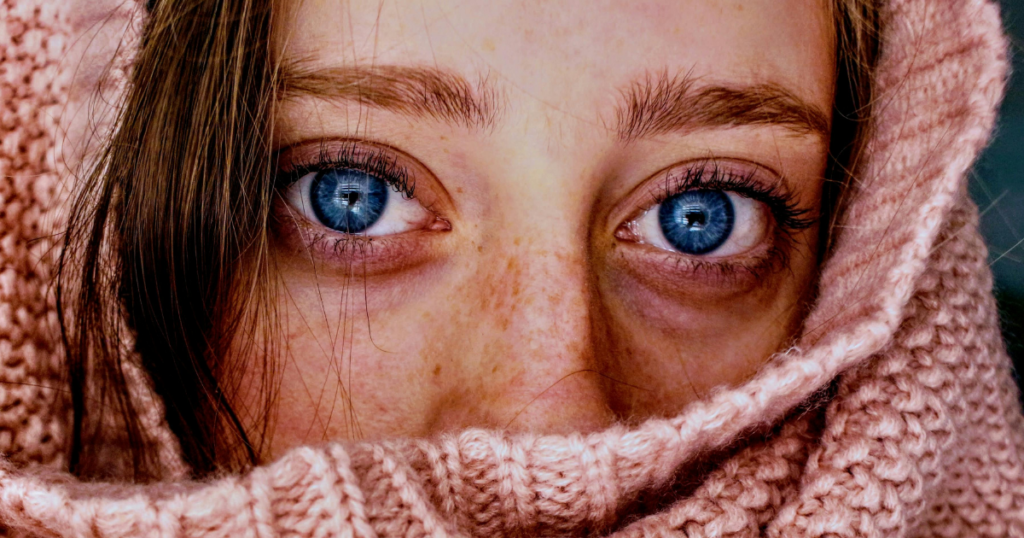
One of the earliest drunkenness indicators is visible bloodshot eyes.
Why Alcohol Causes Redness in the Eyes
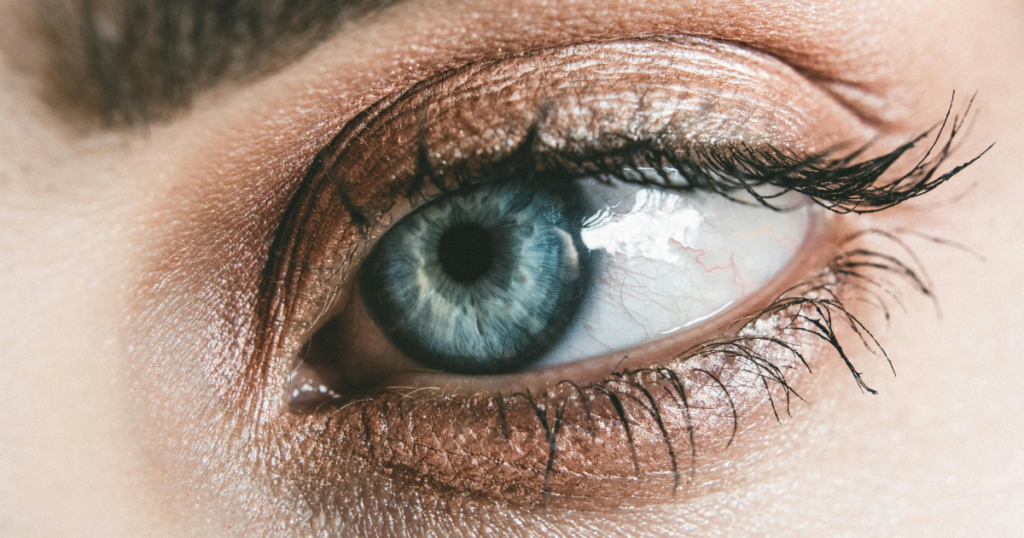
Alcohol causes tiny blood vessels to expand around the eyes. This creates redness and a tired appearance. It also reduces the supply of oxygen to small tissues, making the eyes seem irritated.
The effects of alcohol on the circulation and nervous system activity to cause redness in the face and eyes are well explained through reliable medical advice offered by the National Institute on Alcohol Abuse and Alcoholism.
The Role of Dilated Pupils in Alcohol Consumption
Dilated pupils can appear during drinking because alcohol interferes with the brain’s control of light response. Usually, pupils become small in bright light. This reflex is less accurate during intoxication.
Dilated pupils alone don’t confirm intoxication. They usually appear alongside other signs, such as slowed reactions, unsteady balance, and slurred speech. According to the National Eye Institute, alcohol disrupts the nerve signals that control pupil size and visual clarity.
Vision Impairment and Blurred Sight During Drunkenness
Alcohol gradually disrupts visual clarity, focus, depth perception, and everyday visual performance.
How Alcohol Disrupts Your Visual Processing
Alcohol reduces the brain’s ability to combine light signals into clear images. This leads to blurred edges, delayed recognition, and poor depth judgment. These changes explain why driving, reading signs, and recognizing faces become more difficult while intoxicated.
The Connection Between Impaired Coordination and Eye Movement
Eye tracking and body balance rely on the same brain systems. Vision impairment and unsteady movement go hand in hand when these shared brain systems are compromised. This relationship is supported by research from the Centers for Disease Control and Prevention.
Recognizing Drunkenness Indicators Through Facial Changes
These indicators can help people recognize dangerous alcohol consumption early, particularly in social settings, behind the wheel, and in the workplace.
- Drooping eyelids and delayed blinking.
- Uneven eye focus between both eyes.
- Sluggish facial reactions and smiles.
- Heavy staring or unfocused gaze.
- Increased redness around the eyes.
The Broader Effects of Alcohol on Your Body and Behavior
Alcohol affects both the body and behavior during progressive intoxication and daily functioning.
How Intoxication Signs Extend Beyond Your Eyes
Eye changes rarely appear alone. Alcohol also interferes with speech, balance, memory, and judgment. Visual disruption is usually followed by poor attention, slow decision-making, and emotional changes. When people ignore these early warnings, the risk of injuries and unsafe choices increases significantly.
| Area affected | Common changes during drinking |
| Brain | Slower thinking and delayed responses |
| Balance | Increased falls and poor posture |
| Speech | Slurring and reduced clarity |
| Memory | Short-term recall problems |
| Behavior | Risk-taking and emotional swings |
Getting Help and Support at Silicon Valley Recovery
In case alcohol consumption is becoming a problem for your health, social life, or general stability, professional help can make all the difference. Silicon Valley Recovery is a non-judgmental and confidential treatment center for those with drinking problems. Our clinical team helps individuals identify their triggers, build healthier coping strategies, and regain control over their recovery.
Whether you’re concerned about recurring binge drinking, chronic dependence, or early warning signs like vision changes and loss of control, reaching out for help can prevent long-term damage.
To learn more about the different treatment approaches, to schedule a personal consultation, and to start a healthier, safer future today, reach out to our recovery experts who genuinely care about your well-being.
FAQs
Can dilated pupils indicate alcohol intoxication without bloodshot eyes present?
Yes, redness may not be a requirement of dilated pupils. Other intoxication signs will normally indicate alcohol involvement. Pupil changes can occur due to nervous system effects even without visible redness.
How long do drunk eyes typically last after alcohol consumption stops?
Most eye changes fade within several hours. Heavy drinking may cause effects that last longer. Recovery time also depends on how quickly the body metabolizes alcohol.
What’s the difference between drunk eyes and other medical eye conditions?
Medical eye conditions tend to be chronic and persistent. Drunk eyes resolve with sobriety, while medical conditions do not. If symptoms continue after alcohol has worn off, a medical evaluation may be necessary.
Does alcohol affect night vision and depth perception while intoxicated?
Yes, alcohol weakens contrast and distance judgment. This increases accident risk at night. It also slows visual processing speed, making reactions to movement less accurate.
Why do some people show more obvious intoxication signs in their eyes than others?
The extent to which drunkenness indicators are noticeable depends on body size, tolerance, hydration, and fatigue. Genetics and individual sensitivity to alcohol also influence how visible these signs become.