


You wake up after a night out and catch your reflection in the bathroom mirror—your eyes are noticeably red, almost bloodshot. Maybe you’ve noticed this pattern before, or perhaps a friend commented on how your eyes look after you’ve been drinking. The question “Do your eyes get red when drunk?” is more common than you might think, and the answer involves fascinating physiological processes happening throughout your body. Alcohol affects nearly every system in your body, and your eyes are particularly vulnerable to these changes due to their delicate blood vessels and reliance on proper hydration. Understanding why alcohol makes your eyes red isn’t just about satisfying curiosity—it’s about recognizing what your body is telling you.
When you consume alcohol, your eyes respond almost immediately to the chemical changes in your bloodstream. The redness you see isn’t just cosmetic; it reflects real physiological stress on your ocular system. For some people, red eyes after drinking happen occasionally and resolve quickly, while for others, it becomes a predictable pattern that might signal something worth examining more closely. This blog will explore the science behind what’s happening when your eyes get red, how long these effects typically last, and what frequent occurrences might mean for your overall health and relationship with alcohol.
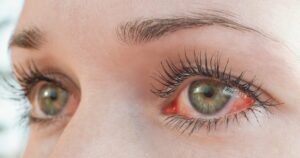
Do Your Eyes Get Red When Drunk? The Vasodilation Explanation
The primary reason you experience alcohol bloodshot eyes involves a process called vasodilation, where alcohol causes blood vessels throughout your body to expand and relax. When you drink, alcohol enters your bloodstream and triggers the release of histamines and other compounds that dilate blood vessels, including the tiny capillaries in your eyes. These delicate blood vessels in the sclera—the white part of your eye—become more prominent and visible when they expand, creating that characteristic red or pink appearance. The alcohol vasodilation effects happen quickly, often within minutes of drinking. Do your eyes get red when drunk? The visible answer comes almost immediately. The more you drink, the more pronounced this vasodilation becomes, leading to increasingly red and irritated-looking eyes.
Why does drinking cause red eyes beyond vasodilation? Dehydration plays a crucial role, and alcohol is a diuretic, meaning it increases urine production and causes your body to lose fluids faster than normal. Your eyes require consistent moisture to function properly, and when dehydration sets in, tear production decreases significantly. This combination of dehydration and red eyes creates a perfect storm—your eyes become dry, irritated, and inflamed while simultaneously dealing with expanded blood vessels. Additionally, alcohol disrupts your sleep architecture, preventing deep restorative sleep and leading to eye inflammation that compounds the redness caused by vasodilation and dehydration.
| Mechanism | How It Affects Eyes | Typical Timeline |
|---|---|---|
| Vasodilation | Blood vessels expand, making capillaries more visible | Begins within 20-30 minutes of drinking |
| Dehydration | Reduced tear production, dry and irritated eyes | Develops over 2-4 hours of drinking |
| Sleep Disruption | Inflammation, puffiness, and persistent redness | Most noticeable the morning after |
| Histamine Release | Allergic-type reaction causing additional redness | Varies by individual sensitivity |
Additional Eye-Related Effects of Drinking Alcohol
Beyond the redness itself, decreased tear production creates significant issues. Your tears contain essential oils and mucus that protect your eyes from infection and irritation, and when alcohol reduces this protective layer, your eyes become vulnerable to environmental factors like dust, smoke, and dry air. Many people experience an uncomfortable, gritty, or sandy sensation in their eyes after drinking, which is their cornea reacting to insufficient lubrication. Some individuals also experience an alcohol flush reaction, a genetic condition particularly common in people of East Asian descent, where the body struggles to metabolize alcohol efficiently. The alcohol flush reaction symptoms can include facial and eye redness along with headaches and nausea, making you wonder can alcohol damage your eyes in lasting ways.
Alcohol also affects your vision and eye muscle coordination in ways that go beyond simple redness. Your eye muscles require precise neurological control to focus properly and track moving objects, and alcohol impairs this coordination significantly. You might notice difficulty focusing on text, double vision, or a general blurriness that makes detailed tasks challenging. Some people develop temporary light sensitivity after drinking, finding bright lights uncomfortable or even painful. These vision changes, combined with redness, create multiple signs of drinking too much alcohol that become increasingly difficult to ignore when they occur regularly.
- Blurred or double vision caused by impaired eye muscle coordination and delayed visual processing, making it difficult to read or focus on objects at varying distances.
- Increased light sensitivity where normal lighting feels uncomfortably bright, often accompanied by headaches and a desire to stay in darker environments.
- Eye twitching or spasms in the eyelid muscles due to dehydration, electrolyte imbalances, and nervous system disruption from alcohol consumption.
- Reduced peripheral vision as alcohol affects your brain’s ability to process visual information from the edges of your visual field, creating tunnel vision effects.
- Slower pupil response to changes in light, making it harder to adjust when moving between bright and dark environments or when driving at night.
- Yellow-tinged whites of eyes in cases of liver stress or damage from chronic drinking, indicating more serious health concerns beyond temporary redness.
When Asking ‘Do Your Eyes Get Red When Drunk’ Becomes a Frequent Concern
If you’re repeatedly searching ‘do your eyes get red when drunk,’ the frequency of that question matters more than the answer itself. Occasional red eyes after a celebratory event or rare night out is one thing, but when you notice this pattern happening regularly—every weekend, multiple times per week, or whenever you drink—it may indicate a developing relationship with alcohol that deserves attention. The body’s consistent reaction to alcohol is sending you information about how frequently you’re drinking and how your system is responding to that pattern. Many people begin to recognize signs of drinking too much alcohol through these physical manifestations, with bloodshot eyes being one of the most visible and difficult to hide. When you start anticipating the redness, planning around it, or feeling concerned about others noticing, these thoughts themselves can signal that alcohol is playing a larger role in your life than you might prefer.
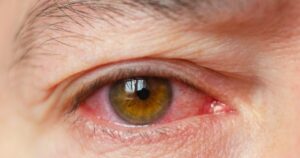
The psychology of concealing drinking symptoms often begins with seemingly minor accommodations—keeping eye drops in your desk drawer, avoiding morning meetings after drinking nights, or making excuses about allergies or lack of sleep. How long do red eyes last after drinking becomes a calculation you make when planning your schedule, determining whether you’ll look “normal” by the time you need to be somewhere important. When physical symptoms require this level of management, and you find yourself searching for solutions repeatedly, it’s worth considering whether the energy spent concealing the effects of drinking might be better directed toward examining the drinking itself. Regular physical symptoms serve as your body’s early warning system that alcohol consumption has crossed from occasional to problematic.
| Drinking Pattern | Eye Symptom Frequency | Potential Concern Level |
|---|---|---|
| Occasional social drinking (1-2 times monthly) | Rare red eyes, resolve within 24 hours | Low—typical physiological response |
| Weekly drinking (1-2 times per week) | Predictable redness after drinking sessions | Moderate—monitor for increasing frequency |
| Multiple times weekly or daily drinking | Persistent or chronic eye redness and irritation | High pattern suggests dependency concerns |
| Binge drinking episodes | Severe redness lasting 48+ hours | High—indicates harmful drinking levels |
| Concealing symptoms becomes routine | Using eye drops, makeup, or avoiding situations | Significant—behavior suggests awareness of the problem |
Finding Clarity and Support for Alcohol Concerns with Silicon Valley Recovery
If you’ve found yourself searching “do your eyes get red when drunk” more than once, or if you’re reading this article with a sense of recognition and concern, that awareness itself is valuable. Many people who eventually seek help for alcohol use disorder describe a period of increasing worry about physical symptoms—not just red eyes, but also sleep problems, digestive issues, mood changes, and the growing sense that alcohol is affecting their life in ways they didn’t intend. At Silicon Valley Recovery, we understand that acknowledging concerns about drinking often begins with noticing these physical signs and wondering what they mean. Our assessment process is designed to be non-judgmental and thorough, helping you understand where you are on the spectrum of alcohol use and what options might support your health and goals. Whether you’re dealing with occasional binge drinking that’s causing concerning symptoms or a more established pattern of daily drinking, professional support can help you examine your relationship with alcohol and explore healthier alternatives.
The question isn’t whether your eyes getting red when you drink makes you an “alcoholic”—it’s whether alcohol is affecting your life in ways you’d like to change, and whether you’re ready to explore what life might look like with different choices. Treatment approaches range from outpatient counseling and support groups to more intensive programs, all tailored to your specific situation and needs. If you’re wondering if your eyes get red when drunk and what that pattern means for your health, we’re here to help you find answers. Contact Silicon Valley Recovery today to speak with a compassionate team member who can answer your questions and help you take the first step toward clarity and health.
FAQs About Alcohol and Red Eyes
How long do red eyes last after drinking alcohol?
For most people, alcohol-related red eyes typically resolve within 24 to 48 hours after drinking, depending on how much was consumed and individual factors like hydration and sleep quality. If you drank heavily or are dehydrated, the redness and irritation may persist longer, sometimes extending into the third day before your eyes return to their normal appearance.
Can alcohol permanently damage your eyes?
Chronic heavy drinking can lead to permanent eye damage, including a condition called alcoholic optic neuropathy, where the optic nerve deteriorates due to nutritional deficiencies and toxic effects of alcohol. Long-term alcohol abuse can also contribute to cataracts, macular degeneration, and an increased risk of developing serious eye diseases that affect vision permanently.
Why do some people get redder eyes than others when drinking?
Genetic factors play a significant role in how severely your eyes react to alcohol, particularly variations in the genes that control alcohol metabolism and histamine response. People with alcohol flush reaction, especially common in those of East Asian descent, experience more pronounced redness due to inefficient breakdown of acetaldehyde, the toxic byproduct of alcohol metabolism.
Do eye drops help with alcohol-related red eyes?
Over-the-counter redness-reducing eye drops can temporarily constrict blood vessels and make your eyes appear less red, but they don’t address the underlying dehydration, inflammation, or other effects causing the problem. Using these drops regularly to mask drinking symptoms can actually worsen eye health over time and may delay addressing problematic alcohol use that’s causing the recurring redness.
Is waking up with red eyes a sign of drinking too much?
Consistently waking up with red, bloodshot eyes after drinking is indeed one of the signs of drinking too much alcohol, indicating that your body is struggling with the amount you consumed. This morning, redness results from the combined effects of alcohol metabolism, dehydration overnight, disrupted sleep quality, and inflammation—all signals that your drinking exceeded what your body can comfortably process.