



When someone struggles with dependent personality disorder, their overwhelming need for reassurance and care from others often masks a deeper problem that treatment providers frequently overlook: a co-occurring substance use disorder. Research shows that 40-50% of individuals with personality disorders also battle addiction, yet most traditional therapy approaches treat these conditions in isolation or sequentially rather than simultaneously. The fear of abandonment that defines dependent personality disorder creates a perfect storm for addiction, as substances temporarily numb the anxiety while deepening the very dependency patterns that fuel the disorder. Without integrated treatment that addresses both conditions at once, patients remain trapped in a cycle where each untreated condition undermines recovery in the other.
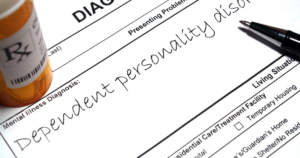
The failure rate of standard outpatient therapy for dependent personality disorder becomes starkly evident when addiction remains unaddressed in the treatment plan. Cognitive behavioral therapy and dialectical behavior therapy—the gold standards for personality disorder treatment—require consistent engagement, emotional regulation capacity, and the ability to practice new skills between sessions. Active substance use directly impairs these cognitive functions, rendering therapy significantly less effective or entirely ineffective. Meanwhile, addiction treatment that ignores the underlying personality disorder fails to address why the person turned to substances in the first place: an inability to tolerate emotional discomfort, regulate feelings independently, or maintain a stable sense of self without external validation. The solution lies not in choosing between treating the personality disorder or the addiction, but in recognizing that effective treatment must address both simultaneously through specialized dual diagnosis programming.
The Overlooked Link Between Dependent Personality Disorder and Substance Abuse
The connection between dependent personality disorder and substance use disorders runs far deeper than simple correlation—it represents a fundamental vulnerability in how individuals with this condition attempt to manage overwhelming emotional distress. People with dependent personality disorder experience pervasive and excessive need to be taken care of, leading to submissive and clinging behavior driven by fears of separation. When these fears become unbearable, substances offer temporary relief from the anxiety, creating a dangerous pattern where alcohol or drugs become another external source the person depends on for emotional regulation. This isn’t coincidental—the same psychological mechanisms that create unhealthy attachment patterns also make substances an appealing coping strategy for managing the terror of being alone or unsupported.
The cycle between emotional dependency issues and substance abuse becomes self-reinforcing in ways that complicate both conditions. Initially, alcohol or drugs may help someone with dependent personality disorder tolerate brief periods of separation from their attachment figure or numb the panic that arises when relationships feel threatened. However, substance use ultimately deepens dependency by impairing judgment, creating additional crises that require others to intervene and rescue them, and preventing the development of genuine self-reliance skills. What causes dependent personality disorder to persist and worsen is often this very pattern: substances mask the symptoms temporarily while preventing the person from developing healthier coping mechanisms and more secure attachment styles. The addiction becomes intertwined with dependent personality disorder, each condition feeding the other in a downward spiral that standard treatment approaches fail to interrupt effectively.
| DPD Characteristic | How It Increases Addiction Risk |
|---|---|
| Fear of abandonment | Substances temporarily numb separation anxiety and panic when alone |
| Difficulty making decisions independently | Alcohol or drugs reduce anxiety about autonomous choices and self-direction |
| Excessive need for reassurance | Substance use creates crises that elicit caretaking responses from others |
| Submissiveness to avoid conflict | May use substances with partners or friends to maintain relationships and avoid rejection |
| Inability to tolerate being alone | Substances become a companion that provides relief from loneliness and emptiness |
Why Standard Personality Disorder Treatment Options Fall Short for Dual Diagnosis Patients
Traditional outpatient therapy for dependent personality disorder operates on the assumption that patients can engage meaningfully with therapeutic interventions while managing their daily lives independently. However, when active addiction is present, this assumption crumbles. Substance use directly impairs the prefrontal cortex functions necessary for therapy to work—impulse control, emotional regulation, decision-making, and the ability to practice new behavioral patterns between sessions. The personality disorder treatment options available in standard outpatient settings—cognitive behavioral therapy, psychodynamic therapy, or supportive counseling—all require a level of cognitive functioning and emotional stability that active addiction destroys. This creates a frustrating cycle where both patient and therapist feel stuck, making minimal progress despite consistent effort.
Beyond the cognitive impairments, enabling behaviors in relationships actively perpetuate both dependent personality disorder and substance use patterns in ways that outpatient therapy cannot adequately address. Family members and partners of people with dependent personality disorder often develop codependency and mental health issues of their own, learning to accommodate, rescue, and take responsibility for the dependent person’s life decisions. Standard therapy sessions that occur once or twice weekly cannot compete with the 24/7 reinforcement of these dysfunctional patterns happening at home. Without intensive intervention that includes the entire family system and provides enough structure to interrupt these patterns, both conditions continue unchecked.
- Substance use impairs cognitive processing: Active addiction damages the brain regions responsible for learning new coping skills, making personality disorder therapy significantly less effective or completely ineffective.
- Outpatient settings lack necessary structure: Weekly therapy cannot compete with daily enabling patterns and substance availability that reinforce both codependency and mental health issues.
- Sequential treatment creates dangerous gaps: Treating addiction first then personality disorder (or vice versa) leaves patients vulnerable during transitions, with the untreated condition often triggering relapse in the treated one.
- Traditional therapy ignores physiological addiction: Talk therapy alone cannot address withdrawal symptoms, cravings, and the physical aspects of substance dependence that must be managed for recovery to succeed.
- Patients lack self-reliance skills for sobriety: Building self-reliance skills requires intensive practice in a structured environment where old patterns can be interrupted and new ones reinforced consistently.
- Family systems remain unchanged: Without family therapy addressing enabling behaviors in relationships, loved ones continue patterns that sabotage recovery efforts despite good intentions.
What Integrated Treatment for Dependent Personality Disorder and Addiction Actually Looks Like
Effective treatment for dual diagnosis personality disorders requires a comprehensive residential program where dependent personality disorder and addiction are addressed simultaneously from day one. This means clinical teams trained specifically in treating co-occurring disorders, not addiction specialists who occasionally encounter personality disorders or mental health therapists unfamiliar with addiction treatment. In an integrated program, patients participate in addiction recovery groups where they learn about triggers, cravings, and relapse prevention while simultaneously engaging in personality disorder-focused therapy that addresses unhealthy attachment patterns, fear of abandonment, and the development of autonomous decision-making skills. The residential environment provides crucial structure that interrupts the enabling dynamics present at home—patients must make their own beds, attend scheduled activities, and practice self-care without someone rushing in to rescue them from discomfort.

Building self-reliance skills happens through graduated exposure to independence within the safety of a structured program. Early in treatment, patients with dependent personality disorder may struggle with basic decisions about what to eat or which group to attend, experiencing significant anxiety when not directed by others. As treatment progresses, patients take on more responsibility—managing their own schedules, leading peer support activities, and eventually planning their discharge and aftercare without excessive input from staff. Family therapy becomes essential in this process, helping loved ones understand what causes dependent personality disorder patterns to persist and teaching them to respond differently. Rather than rushing in to solve problems or provide constant reassurance, family members learn to express confidence in the patient’s ability to handle challenges and establish boundaries that promote mutual respect rather than unhealthy dependency.
| Treatment Component | How It Addresses DPD and Addiction |
|---|---|
| Individual Therapy | Addresses attachment wounds, abandonment fears, and substance use triggers simultaneously with trauma-informed approaches |
| Group Therapy | Provides safe environment to practice assertiveness, receive peer feedback, and develop relationships not based on dependency |
| Family Therapy | Restructures enabling patterns, teaches boundaries, and helps loved ones support recovery without fostering dependency |
| Skills Training | Teaches decision-making, emotional regulation, distress tolerance, and practical life skills for independent functioning |
| Structured Milieu | Provides 24/7 opportunities to practice autonomy with coaching, interrupting patterns of learned helplessness |
Breaking Free from Emotional Dependency at Silicon Valley Recovery
Silicon Valley Recovery specializes in treating the complex intersection of dependent personality disorder and substance use disorders through integrated dual diagnosis programming that addresses both conditions simultaneously. Our residential treatment program provides the intensive structure necessary to interrupt enabling patterns while teaching practical self-reliance skills in a supportive environment. Patients participate in specialized groups focused on building autonomy, individual therapy addressing attachment wounds and personality patterns, addiction recovery programming including evidence-based therapies, and family sessions that help loved ones shift from enabling to genuinely supportive roles. If you or someone you love is struggling with emotional dependency and substance use, our admissions team can provide a confidential assessment and discuss how our program can provide the foundation for lasting recovery. Contact Silicon Valley Recovery today to learn more about our dual diagnosis treatment approach and take the first step toward genuine independence and freedom from addiction.
FAQs About Dependent Personality Disorder and Addiction Treatment
Can dependent personality disorder be treated at the same time as addiction?
Yes, integrated dual diagnosis treatment is actually more effective than treating conditions separately. Addressing both simultaneously prevents the untreated condition from undermining recovery in the other area.
How long does treatment for dependent personality disorder with co-occurring addiction typically take?
Residential treatment programs typically range from 30-90 days for stabilization, followed by ongoing outpatient support. Personality disorder treatment is long-term, but intensive programs provide the foundation for lasting change.
What’s the difference between codependency and dependent personality disorder?
Codependency describes relationship patterns where one person enables another’s dysfunction, while dependent personality disorder is a clinical diagnosis involving pervasive psychological need for others to assume responsibility for major life areas. Dependent personality disorder is more severe than codependency and requires professional treatment.
Will I lose my relationships if I treat my dependent personality disorder?
Healthy treatment actually improves relationships by establishing boundaries and mutual respect. While some unhealthy relationships may end, treatment helps you develop the capacity for genuine, balanced connections rather than fear-based attachments.
Can medication help with dependent personality disorder and addiction recovery?
While no medication specifically treats dependent personality disorder, medications can address co-occurring conditions like anxiety or depression that often accompany this disorder. Addiction treatment may include medication-assisted treatment for substance use disorders, always as part of comprehensive therapy.