

Seventy-two percent of lung cancer cases in the US are linked to tobacco smoking. While this statistic is concerning, the encouraging news is that it’s never too late to quit. Stopping smoking can instantly lower your risk of cancer and set your lungs on the path to self-repair.
If you smoke, quitting is one of the best things you can do for your health and well-being. It’s a huge accomplishment that deserves to be recognized.
When you quit smoking, you’ll probably have more energy, a longer life expectancy, and better mental health than when you used to smoke.
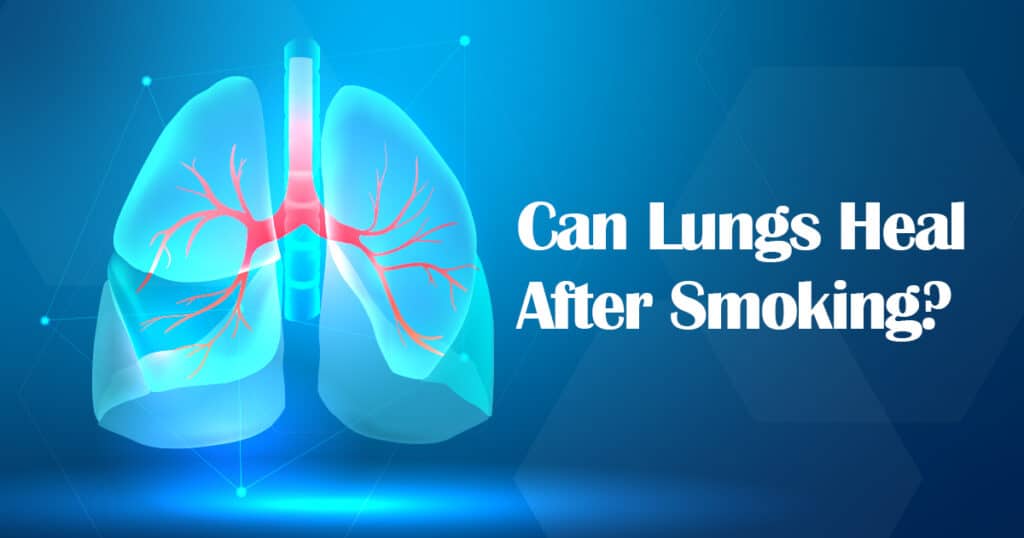
When it comes to quitting smoking, one of the most important considerations for many of us is the health benefits it will bring to our lungs. However, you may still be unsure about the effects of stopping smoking on our lungs. Perhaps you’re wondering if our lungs can truly recover from smoking. Or, in other words, can lungs heal after smoking?
Can Your Lungs Heal from Smoking
After quitting smoking, many people wonder whether their lungs can truly recover from years of tobacco exposure. The encouraging news is that your lungs possess remarkable self-healing abilities that activate almost immediately once you stop smoking.
Silicon Valley Recovery Center
Natural Lung Healing Process
Your lungs are extraordinary organs with an innate capacity to heal and regenerate themselves. The moment you quit smoking, your body initiates a complex healing process that begins restoring damaged tissues and improving lung function. This recovery process starts within hours of your last cigarette, though the timeline and extent of healing vary based on how long you smoked and the severity of damage sustained.
Within the first 72 hours, your bronchial tubes begin to relax, making breathing easier. The cilia tiny hair-like structures lining your airways start regenerating and resume their vital function of sweeping mucus and toxins out of your lungs. While you may experience increased coughing during the first few weeks after quitting, this is actually a positive sign. It indicates that your cilia are reactivating and clearing accumulated mucus from your respiratory system.
As weeks turn into months, the improvements become more noticeable. Inflammation in your airways decreases significantly, allowing more air to flow through. The removal of carbon monoxide from your bloodstream enables better oxygen delivery throughout your body, reducing shortness of breath during physical activities. Former smokers often report feeling more energetic and experiencing fewer respiratory issues as their lung function gradually improves.
Types of Permanent Lung Damage
While the lungs have impressive healing capabilities, it’s important to understand that some damage may be irreversible, particularly from long-term smoking. Two serious conditions can cause permanent impairment:
Emphysema destroys the delicate air sacs (alveoli) in your lungs, permanently reducing their surface area and impairing the exchange of oxygen and carbon dioxide. Once these structures are destroyed, they cannot regenerate.
Chronic Bronchitis causes persistent inflammation and scarring of the smaller airways that lead to the alveoli, obstructing oxygen flow and making breathing difficult.
Together, these conditions comprise Chronic Obstructive Pulmonary Disease (COPD), which can cause lasting respiratory problems and significantly diminish quality of life. The extent of permanent damage often correlates with “pack years” the number of cigarette packs smoked daily multiplied by years of smoking.
However, even if some damage is irreversible, quitting smoking prevents further deterioration and allows whatever healing is possible to occur. Your lungs will always function better as a non-smoker than they would if you continued smoking.
Can Lungs Heal After Vaping?
Vaping has been marketed as a safer alternative to traditional cigarettes, but emerging research reveals that e-cigarettes can also cause significant lung damage. If you’ve quit vaping and are wondering whether your lungs can recover, the answer is cautiously optimistic, though the science is still evolving.
Understanding Vaping-Related Lung Damage
Vaping exposes your lungs to harmful chemicals, including diacetyl, formaldehyde, vitamin E acetate, and heavy metals. These substances can cause inflammation, damage the delicate tissues lining your airways, and impair lung function. One serious condition linked to vaping is EVALI (E-cigarette or Vaping product use-associated Lung Injury), which causes severe inflammation in lung tissues.
The toxic chemicals in vape aerosol can damage cilia, reduce your lungs’ ability to clear mucus, and increase susceptibility to respiratory infections. Some vapers develop “popcorn lung” (bronchiolitis obliterans), a serious condition that causes scarring in the small airways, leading to permanent breathing difficulties.
The Healing Timeline After Quitting Vaping
Research indicates that lung function starts to improve within two to three weeks after quitting vaping. During this early period, inflammation begins to decrease, and your airways start recovering their normal function. You may notice reduced coughing and easier breathing as your body works to repair damaged tissues.
However, symptoms like coughing and breathing difficulties can persist for a year or longer as the lungs continue healing. The extent of recovery depends on several factors: how long you vaped, how heavily you used vaping products, and your overall health status.
While many people experience significant improvements after quitting, medical professionals aren’t entirely certain whether all vaping-related damage is fully reversible. Heavy or prolonged vaping may cause some permanent lung damage. The key takeaway: the sooner you quit vaping, the better your chances for meaningful lung recovery.
What Happens to Your Lungs When You Smoke?
To understand the impact of smoking on your lungs, it’s helpful to know how they function. When you inhale, air travels through your trachea, which divides into two main bronchi, each leading to one of your lungs. These bronchi further split into smaller airways called bronchioles, which end in tiny air sacs known as alveoli.
When you smoke, you inhale about 600 different compounds, which break down into thousands of chemicals, many of which are known carcinogens. Here’s how smoking affects various systems in your body:
- Heart: Smoking narrows blood vessels, making it harder for blood to circulate oxygen throughout your body, causing your heart to work harder.
- Brain: Nicotine withdrawal can lead to fatigue and difficulty concentrating.
- Respiratory System: Smoking causes inflammation and congestion in the lungs, making it difficult to breathe.
- Reproductive System: Over time, smoking can lead to infertility and reduced sexual drive.
- Lungs: Your lungs’ airways and little air sacs, known as alveoli, are damaged. At the same time, you’re weakening your lungs’ ability to defend themselves, making them more vulnerable to future harm. Long-term, this diminishes lung capacity and influences lung health, increasing your risk of diseases like lung cancer and chronic obstructive pulmonary disease (COPD).
What is COPD?
COPD refers to a collection of progressive lung diseases that make it difficult to expel air from the lungs. Emphysema and chronic bronchitis are two of the most prevalent, and they commonly occur simultaneously.
Understanding these effects underscores the importance of quitting smoking to improve overall health and lung function.
How do Lungs Heal After Smoking? The Healing Timeline
Short Term
When smokers stop smoking, they can reverse some of the short-term inflammatory alterations in their lungs.
- Swelling on the lungs’ and airways’ surfaces decreases, and lung cells produce less mucus. New cilia can form, which are more effective at clearing mucus discharges.
- Former smokers will discover that they have reduced shortness of breath when they exercise in the days to weeks following stopping. It’s unclear why this occurs, although it may have something to do with removing carbon monoxide from the blood. Carbon monoxide, which is contained in cigarette smoke, can obstruct oxygen transfer by binding to red blood cells in place of oxygen. This could explain why some smokers feel out of breath.
- Another reason former smokers have better breathing is that inflammation in the lining of their airways lessens due to the lining no longer being exposed to the chemical irritants in smoke. As a result of the lessened swelling, more air may move through the passages.
- Former smokers may cough more in the first few weeks after quitting than they did when they smoked. This, however, is a good thing since it signifies the cilia in the lungs have reactivated, and these fine hairs may now transfer excess mucus discharges from the lungs into the airways and toward the throat, where they can be coughed up. Coughing removes the mucus from the lungs.
- He said that stopping smoking has another health benefit: it lowers the chance of lung cancer. Former smokers who go longer without smoking have a lower risk of developing this cancer, albeit the risk never totally goes away. According to the Centers for Disease Control and Prevention, a former smoker’s chances of acquiring lung cancer are about half that of a smoker ten years after stopping. However, an ex-smoker has a higher risk of lung cancer than someone who has never smoked.
Long Term
Although the body is capable of healing some of the damage caused by smoking to lung cells and tissues, not all of the harm is reversible.
Damage to the lungs and a decline in lung function are directly proportional to the number of packs of cigarettes smoked per day multiplied by the number of years smoked, a metric known as “pack years.” The longer years in the pack, the more probable the lungs may be permanently damaged.
- Although the lungs have protection against injury, long-term exposure to the toxic compounds inhaled from cigarettes reduces these defenses. As a result of the inflammation and scarring caused by smoking, the lungs lose flexibility and cannot exchange oxygen adequately.
- Smoking for a long time can cause emphysema, a type of chronic obstructive lung disease (COPD). The alveoli, which are responsible for exchanging oxygen and carbon dioxide in the lungs, are destroyed in this illness. Shortness of breath and trouble breathing are symptoms of COPD. When a person’s lungs are damaged to the extent of emphysema, the airway walls lose their shape and elasticity, making it difficult to push all of the air out. These lung alterations are irreversible and permanent.
Scientists have now discovered that the damage to airways connected to emphysema begins a few years after a person begins smoking. However, symptoms of the condition may not appear for another 20 to 30 years.
How Long Does It Take for the Lungs to Heal?
The healing timeline for lungs after quitting smoking is a gradual process that unfolds over months and years. While some improvements happen almost immediately, complete healing takes considerable time and patience.
Silicon Valley Recovery Center
Short-Term Lung Recovery (Hours to Months)
Within just 12 hours after your last cigarette, carbon monoxide levels in your blood return to normal, increasing your body’s oxygen levels. After three days, your bronchial tubes begin to relax, making breathing easier, and your energy levels start to increase.
Within two weeks, your circulation begins to improve as blood flows more easily through your heart and muscles. After one month, the cilia in your lungs regain their typical function, significantly improving their ability to clear mucus and reduce infection risk. This is when many former smokers notice decreased coughing and shortness of breath.
Between three to nine months after quitting, lung function increases by approximately 10 percent. This improvement translates to noticeably reduced coughing, wheezing, and breathing problems during daily activities and exercise.
Long-Term Lung Recovery (Years to Decades)
One year after quitting, your risk for heart disease drops by half compared to when you were smoking. At this milestone, cilia function almost as well as in someone who never smoked, greatly improving respiratory health.
Five years after quitting, your risk of developing smoking-related lung diseases such as lung cancer and COPD decreases significantly. By ten years old, your risk of lung cancer is cut in half, and your lungs function almost like those of a non-smoker.
After 15 years of being smoke-free, your risk of coronary heart disease becomes close to that of someone who never smoked. While some damage from years of smoking may remain permanent, quitting dramatically reduces the risk of further harm and extends life expectancy significantly.
Do Lungs Heal Themselves?
Yes, your lungs possess remarkable self-healing capabilities. Unlike some organs that cannot regenerate damaged tissue, the lungs have natural mechanisms designed to repair themselves once harmful exposures stop.
How the Self-Cleaning System Works
Your respiratory system is equipped with sophisticated defense mechanisms that spring into action when you quit smoking. The cilia, microscopic hair-like structures that line your airways, are the primary cleaning crew of your lungs. Within the first one to two days of quitting, these damaged cilia start to reactivate and resume sweeping mucus and debris out of your lungs.
When you smoke, harmful chemicals paralyze or destroy these cilia, allowing mucus, toxins, and bacteria to accumulate in your airways. This buildup leads to chronic cough, increased infections, and breathing difficulties. After quitting, the cilia gradually heal and return to their protective function, which dramatically improves mucus clearance and reduces the risk of infection.
Your lungs also reduce inflammatory responses once cigarette smoke is no longer irritating the airways. Smoking inflames the lining of the airways, but when you quit, you no longer inhale toxic substances that irritate them, allowing healing to begin. This reduction in inflammation opens up constricted airways, improving airflow and breathing capacity.
Limitations of Self-Healing
While the lungs’ self-repair abilities are impressive, they have limitations. Complete recovery may take years, with some individuals experiencing substantial healing after 15 to 20 years of being smoke-free. However, certain types of severe damage, particularly emphysema and advanced COPD, involve permanent destruction of lung tissue that cannot fully regenerate.
The extent of healing depends heavily on how long you smoked and how much damage occurred. The concept of “pack years” (packs per day multiplied by years smoked) helps predict recovery potential. Higher pack years typically mean more permanent damage, but quitting at any point still provides significant health benefits and prevents further deterioration.
Natural Ways to Support Lung Health
While you can’t undo the damage caused by years of smoking, there are several natural approaches to help improve lung health and prevent further damage:
Coughing
According to Dr. Keith Mortman, a director of thoracic surgery, smokers often have a buildup of mucus in their lungs. Coughing helps expel this excess mucus, unblocking smaller airways and improving oxygen flow.
Exercise
Physical activity is crucial for maintaining and enhancing lung function. Simple exercises, such as walking, can help keep the air sacs in your lungs open, allowing for better oxygen exchange and overall lung health.
Avoid Pollutants
Minimizing exposure to pollutants like secondhand smoke, dust, mold, and chemicals is essential. Research indicates that filtered air can reduce mucus production in the lungs, helping prevent airway blockage. Check local air quality reports before going outside and avoid outdoor activities on days with poor air quality.
Drink Warm Fluids
Staying hydrated supports lung health by keeping mucus thin and easier to expel. Aim for 64 ounces of water daily. Warm beverages, such as tea or broth, can further help in thinning mucus. Green tea, in particular, has anti-inflammatory properties that may benefit lung health. If you prefer, steam therapy—breathing in water vapor—can also help reduce mucus and airway inflammation.
Eat Anti-Inflammatory Foods
A diet rich in anti-inflammatory foods may help reduce lung inflammation and support overall health. While it might not prevent lung damage, it can be beneficial. Include foods such as:
- Blueberries
- Cherries
- Spinach
- Kale
- Olives
- Almonds
Incorporating these strategies into your routine can support lung health and help you manage the effects of smoking.
Silicon Valley Recovery Center
Getting Addiction Treatment in the San Francisco Bay Area
Many long-term smokers have probably told you that quitting now is pointless because the damage to their lungs has already been done. This, however, is not the case.
While some lung damage is irreversible, some are not. Stopping smoking will protect your lungs from additional damage. Alternatively, if you already have COPD, quitting smoking will help to decrease the disease’s progression.
This means that, regardless of how long you’ve been smoking, the best thing you can do to enhance your health as a smoker is to quit. Quitting remains the best form of therapy you can provide to your lungs for a long-term basis.
If you’re looking for help quitting smoking or doing drugs in Northern California, call Silicon Valley Recovery at 408-547-4089 today.
FAQs
Can a smoker’s lungs fully recover?
Lung recovery varies with individual factors, such as smoking duration and overall health. Quitting smoking can lead to significant improvements over time. Lung function and health may partially recover, with reduced inflammation and improved cilia function, but some damage, especially from long-term smoking, can be permanent.
What physical changes occur 17 days after quitting smoking?
After 17 days of not smoking, circulation improves, and lung function begins to recover. The body continues to expel mucus and other remnants from smoking. Taste and smell senses become sharper, making food more enjoyable. You might notice breathing becomes easier as lung capacity increases.
Can black lungs turn pink again?
Lungs that have turned black due to smoking or pollution may not fully return to their original pink state. However, quitting smoking and avoiding pollutants can improve lung function and health over time. The body can heal to some extent, but complete reversal of discoloration is unlikely.
Can lung damage from smoking be reversed?
Some lung damage may improve over time if smoking is stopped, as the lungs begin to heal. Quitting smoking can slow the progression of lung disease and improve lung function. However, some damage, such as that from emphysema or chronic bronchitis, may be irreversible. Early cessation is key to maximizing recovery.