



You climb into bed exhausted, ready for sleep — then your mind switches on. Worries multiply, your heart races, and the harder you try to relax, the more wired you feel. This pattern, known as anxiety before bed, affects millions of adults and often signals deeper issues that warrant professional attention. Understanding why this happens and what actually works can transform your nights and improve your overall mental health.
Nighttime anxiety causes range from biological rhythms to unresolved stress, and for many, substance use quietly fuels the cycle. This guide explores the science behind bedtime distress, evidence-based relief strategies, and the signs that indicate you need professional treatment.
What Causes Anxiety Before Bed and Why It Gets Worse at Night
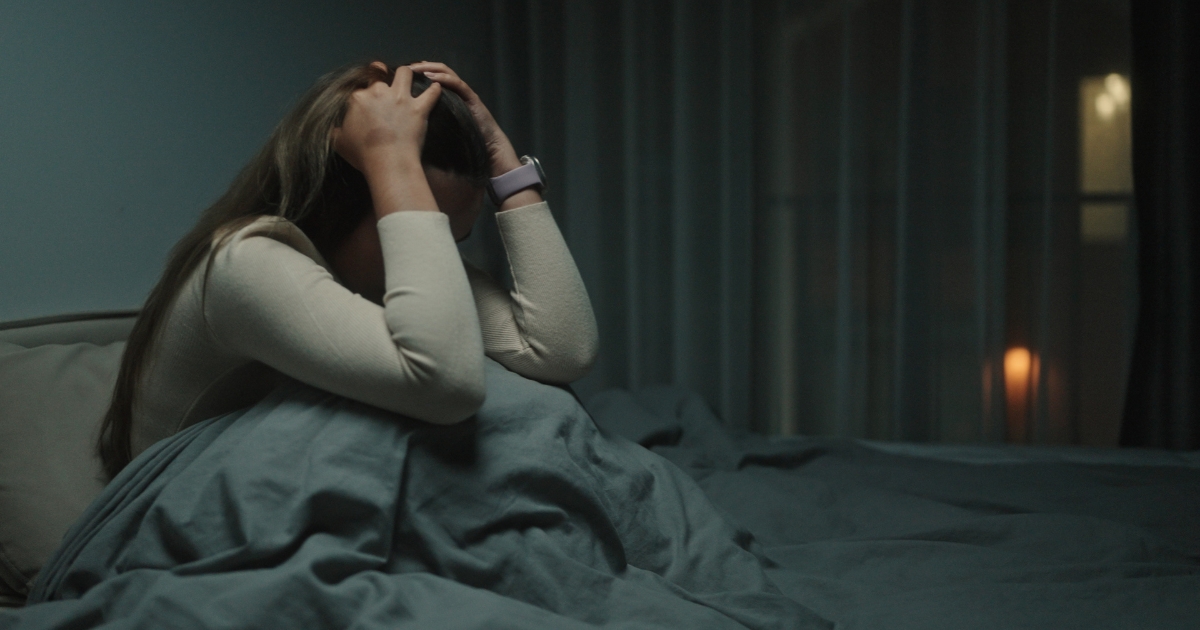
Your body follows a natural cortisol curve throughout the day. Cortisol typically peaks in the morning to help you wake and gradually declines toward evening. However, chronic stress can flatten or invert this pattern, leaving cortisol elevated when you should feel calm. When you lie down, the absence of daytime distractions removes the mental buffer that usually masks underlying tension. Your brain shifts from external tasks to internal focus, and unresolved worries flood in.
The quiet bedroom environment amplifies this effect. Your nervous system, still activated from the day’s stressors, struggles to downshift into rest mode. This mismatch between your body’s arousal state and the expectation of sleep creates a feedback loop: you worry about not sleeping, which generates more anxiety, which further delays sleep.
Sleep anxiety symptoms include rapid heartbeat, muscle tension, intrusive thoughts, and hypervigilance to bodily sensations. For many, anxiety before bed becomes the most predictable and distressing part of their day. The harder you chase sleep, the more elusive it becomes. This insomnia and anxiety connection creates a bidirectional relationship — each condition worsens the other, making professional intervention necessary when the cycle persists.
| Biological Factor | How It Fuels Nighttime Anxiety |
|---|---|
| Cortisol Dysregulation | Elevated evening cortisol keeps the body in alert mode when it should wind down. |
| Reduced External Stimulation | Lack of distraction shifts attention inward, amplifying worry and physical sensations. |
| Sympathetic Nervous System Activation | Fight-or-flight response remains engaged, preventing the parasympathetic shift needed for sleep. |
| Sleep Performance Pressure | Anticipatory anxiety about not sleeping creates a self-reinforcing cycle of arousal. |
The Hidden Connection Between Substance Use and Nighttime Anxiety
Many people turn to alcohol or other substances to manage anxiety before bed, believing it will help them relax. Alcohol suppresses REM sleep, then triggers a rebound effect during metabolism. Around 3 to 4 a.m., you may wake with a racing heart, sweating, and intense worry — a phenomenon known as alcohol-induced rebound anxiety.
Cannabis, benzodiazepines, and other sedatives follow similar patterns. As dependence develops, withdrawal symptoms emerge between doses, and these symptoms peak during evening hours when substance levels drop.
Nighttime panic attacks are more common among individuals with substance use histories. The body’s stress response becomes hypersensitive, and even minor physical sensations — a slight increase in heart rate, a shift in breathing — can trigger full panic. This hypervigilance keeps you locked in a state of arousal when you should be winding down.
- Alcohol’s rebound effect floods the system with stress hormones several hours after consumption, causing middle-of-the-night waking and panic.
- Disrupted REM sleep prevents the emotional processing that normally occurs during dreaming, leaving unresolved anxiety to accumulate.
- Tolerance cycles demand escalating doses to achieve calm, accelerating dependence and withdrawal severity.
- Withdrawal-related anxiety peaks in the evening as blood levels of the substance drop, creating a predictable pattern of nighttime distress.
Evidence-Based Techniques That Actually Calm Anxiety at Bedtime
Cognitive-behavioral strategies offer reliable relief for anxiety before bed when practiced consistently. Thought-stopping involves recognizing when your mind spirals into worry loops and deliberately redirecting attention. When a racing thought appears, mentally say “stop” and shift focus to a neutral anchor — your breath, a body scan, or a simple counting exercise. These bedtime stress relief techniques work best when you stick to them, ideally starting 30 to 60 minutes before you plan to sleep.
Progressive muscle relaxation systematically releases physical tension. Starting with your toes, tense each muscle group for five seconds, then release and notice the contrast. Move upward through your legs, abdomen, chest, arms, and face. This practice signals your nervous system that it’s safe to relax.
The 4-7-8 breathing method activates the parasympathetic nervous system, counteracting the fight-or-flight response. Inhale through your nose for four counts, hold for seven, then exhale slowly through your mouth for eight. Repeat four cycles. The extended exhale stimulates the vagus nerve, which directly calms the heart rate and reduces cortisol. Many people notice a shift in their nervous system within two to three minutes of starting this technique.
Sleep Hygiene Practices That Reduce Nighttime Triggers
Your bedroom environment and pre-sleep routine significantly influence how easily you can calm racing thoughts at night. Keep your room cool — between 65 and 68 degrees — as core body temperature naturally drops during sleep onset. Use blackout curtains or an eye mask to eliminate light, which suppresses melatonin production even in small amounts.
Set a firm screen cutoff 60 to 90 minutes before bed. If you must use a device, enable night mode and dim the brightness significantly. Replace scrolling with a calming activity — reading a physical book, journaling, or listening to a guided meditation.
Consistency matters more than most people realize. Going to bed and waking at the same time every day — even on weekends — stabilizes your circadian rhythm and makes it easier to fall asleep. Your body learns to anticipate rest at a predictable time, and the transition becomes smoother.
| Technique | Mechanism | Typical Timeframe for Effect |
|---|---|---|
| 4-7-8 Breathing | Activates vagus nerve, lowers heart rate and cortisol | 2 to 3 minutes |
| Progressive Muscle Relaxation | Releases physical tension, signals safety to nervous system | 10 to 15 minutes |
| Thought-Stopping | Interrupts rumination loops, redirects attention | Immediate to 5 minutes |
| Consistent Sleep Schedule | Stabilizes circadian rhythm, improves sleep onset predictability | 1 to 2 weeks |
Mindfulness and Grounding for Racing Thoughts
Mindfulness techniques anchor you in the present moment, breaking the cycle of future-focused worry that drives anxiety before bed. A simple body scan involves mentally checking in with each part of your body, noticing sensations without judgment. This practice shifts attention away from abstract fears and into concrete, immediate experience.
Grounding exercises engage your senses to pull you out of anxious thinking. The 5-4-3-2-1 technique asks you to identify five things you see, four you can touch, three you hear, two you smell, and one you taste.

When Professional Support Makes All the Difference at Silicon Valley Recovery
If anxiety before bed persists despite consistent use of coping strategies, or if you find yourself relying on alcohol or other substances to fall asleep, professional treatment is the next step. Red flags include panic attacks that wake you from sleep, chronic insomnia lasting more than three weeks, or using substances nightly to manage bedtime distress. These patterns indicate that the issue has moved beyond self-management and requires clinical intervention.
Silicon Valley Recovery specializes in treating co-occurring anxiety and substance use disorders with evidence-based approaches tailored to each individual. The clinical team understands that nighttime anxiety often intensifies in early recovery. Treatment includes cognitive-behavioral therapy for insomnia, trauma-informed care, medication management when appropriate, and specialized evening protocols that address why anxiety gets worse at night for those in recovery. Reach out today to learn how comprehensive care can restore restful sleep and lasting peace of mind.
FAQs
These frequently asked questions address the most common concerns about nighttime anxiety, from understanding why it happens to knowing when professional help is needed.
1. Why does anxiety get worse at night?
Your brain shifts from active distraction to internal focus once external stimulation drops. Cortisol patterns and circadian rhythm changes make the nervous system more reactive during evening hours.
2. Can drinking alcohol before bed help with sleep anxiety?
While alcohol may initially sedate you, it disrupts sleep cycles and causes rebound anxiety 3 to 4 hours later during metabolism. This rebound effect floods your system with stress hormones, often waking you in the middle of the night with a racing heart and heightened worry. Ultimately, alcohol worsens nighttime anxiety patterns rather than resolving them.
3. What’s the difference between normal bedtime worry and an anxiety disorder?
Normal worry responds to relaxation techniques and doesn’t significantly impair sleep quality or daily functioning. Clinical anxiety persists despite consistent coping efforts, causes chronic sleep disruption, and interferes with work, relationships, or overall well-being. When what helps anxiety at bedtime no longer provides relief, professional evaluation is warranted.
4. How long does it take for anxiety before bed to improve with treatment?
Most people notice improvement within 2 to 4 weeks of consistent cognitive-behavioral techniques and sleep hygiene adjustments. Those with co-occurring substance use may need 6 to 8 weeks as brain chemistry rebalances and withdrawal symptoms subside.
5. When should I consider residential treatment for nighttime anxiety?
If bedtime anxiety leads to substance use, causes severe sleep deprivation affecting daily function, or occurs alongside suicidal thoughts or panic attacks, intensive treatment provides the structure and support needed for recovery. Residential programs offer 24-hour clinical care and immersive therapy that outpatient settings cannot replicate. If you or someone you know is in crisis, call or text 988 to reach the Suicide & Crisis Lifeline, available around the clock.