



Reading Time: 6 mins
Adderall treatment of ADHD has the potential to enhance the ability to focus, school performance, and day-to-day activities, but it should be noted that many individuals are surprised to learn that the medication can also affect renal well-being.
The relationship between Adderall and kidney stones is not immediately apparent, but the stimulants can affect the hydration, urinary pH, and metabolic processes that could lead to the risk of forming stones.
Knowledge of the risk of kidney stones associated with Adderall can help prevent long-term complications and ensure the overall well-being of the kidneys in patients.
This blog simplifies the science, symptoms, and effective prevention strategies, providing a broad overview of an Adderall user (or other users with kidney-related concerns from stimulants).
Understanding Adderall and Kidney Stones
Kidney stones relate to Adderall because of the manner in which they are metabolized. Adderall activates the central nervous system by increasing the levels of dopamine and norepinephrine; however, the kidneys also metabolize it.
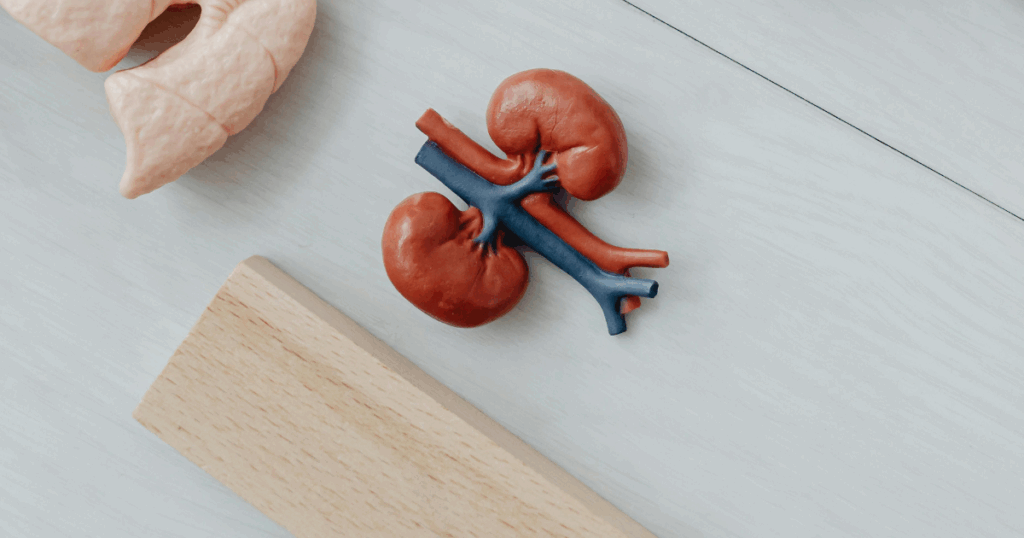
This implies that the kidneys increase their exertion to filter the drug and its byproducts. Kidney stones are formed when minerals that include calcium, oxalate, or uric acid lump up. Such stimulants as Adderall can alter the body’s system of fluids and electrolytes, making a small contribution to the conditions that favor the development of stones.
Although Adderall does not lead to stones, the metabolic changes, decreased hydration, and increased urinary concentration may create risk factors that cannot be overlooked. The National Kidney Foundation can also be useful as a source of general information regarding kidney stone development.
Adderall Kidney Stone Risk and Amphetamine Metabolism Factors
The mechanism of amphetamine stone formation in the kidneys starts with the breakdown of the stimulant drug in the body. Amphetamines cause metabolic and heat generation and energy production, which can indirectly cause the body to demand more water. Urine may become more concentrated when an individual fails to drink sufficient water to satisfy this augmented need. Condensed urine will easily crystallize the minerals and salts.
Another factor is urinary pH. Amphetamines have the ability to increase the acidity of the urine by a slight margin, and acidic urine is known to cause uric acid stones. Even though this is not as prevalent as calcium-based stones, the change in urinary chemistry may also play a major role.
Individuals who have issues with their kidneys or those with chronic dehydration, or who have experienced stones in their past, can have an increased risk of Adderall kidney stones and, therefore, should watch their hydration and kidney performance closely.
To investigate the amphetamine metabolism in greater scientific detail, accessible clinical information is available in the MedlinePlus of the U.S. National Library of Medicine.
Dehydration, Adderall, and the Link to Kidney Stones
Adderall has a propensity to reduce appetite and elevate thirst, which leads to dehydration and, in other instances, kidney stones. Others might forget to take water adequately when on stimulant therapy. In combination with the effect of the medication on the increase of energy and metabolism, it can result in mild but chronic dehydration.

Dehydration will decrease the amount of urine, which means that minerals will be retained rather than lost. In the long run, such a concentrated environment is the best place to form crystals.
Sweating, which is a common symptom during physical activity in people with stimulant-related restlessness, can further decrease fluids, which will increase the risk of developing kidney stones unless hydration is actively ensured.
Stimulant Medication Effects on Kidneys and Potential Side Effects
Stimulants like Adderall not only affect focus and energy but may also affect kidney function by changing blood pressure, urine volume, and metabolic rates. The factors do not always need to be harmful to healthy individuals with good kidneys, but they may predispose patients with underlying conditions or genetic problems.
Possible Adderall side effects include low levels of urine, high levels of urinary acid, slight renal stress when metabolizing the drug, or a rise in blood pressure, which influences the efficiency of filtration of the kidneys. These effects are most often mild and reversible, but in the case of long-term exposure or dehydration, the concern may be increased.
Signs of Strain and When to Seek Medical Evaluation
Kidney strain may not always present immediate symptoms, but early warning signs can include flank pain, dark urine, persistent lower-back discomfort, or unusual fatigue. If urine becomes foamy, bloody, or exceptionally concentrated, medical evaluation is recommended.
Individuals taking Adderall and other drugs processed via the kidneys are required to schedule periodic kidney function tests. High perspiration, acute dehydration, and sharp pains in the lower abdomen can also be signs of early kidney problems and could be in need of instant treatment. A helpful guide on kidney disease warning signs is available through the Mayo Clinic.
Recognizing Symptoms of Adderall-Related Kidney Stones
The kidney stones that are related to the use of stimulants tend to share the same symptoms as the rest. However, as Adderall can relieve the pain or reduce the feeling of being thirsty or hungry, some of the initial symptoms may not be noticed by patients.
| Symptom | Description |
| Sharp flank or back pain | Sudden stabbing pain that may radiate toward the abdomen or groin |
| Dark or bloody urine | A sign of irritation or urinary tract damage |
| Nausea or vomiting | Often triggered by pain or urinary obstruction |
| Frequent urge to urinate | Even when small amounts pass |
| Burning sensation during urination | Caused by crystal movement or infection |
Early Detection and Clinical Management Options
Timely diagnosis is important, since sometimes small stones may pass without any invasive procedure. To establish the size and location of the stone, clinicians can prescribe urine tests, ultrasounds, or CT scans. Passage can be facilitated by pain relievers, hydration plans, and medications that relax the ureters. In more serious situations, less invasive surgeries such as shock-wave lithotripsy can be employed.
Preventing Kidney Stones While Taking Adderall
Suppose you have questions on how to prevent kidney stones while on Adderall. Although the use of Adderall does not necessarily produce stones, the effect of stimulants and lifestyle patterns may increase the risk. Fortunately, the development of stones can be decreased considerably with the help of some basic preventative measures.
- Consume at least 8–10 cups of water per day according to the level of activity.
- Do not take Adderall with too much caffeine, which contributes to dehydration.
- Select foods with high water content, such as cucumbers, oranges, and watermelons.
- Request your physician regarding regular kidney functional examinations.
- Avoid high-oxalate foods in case of a history of stones.
Diet, Hydration, and Monitoring Tips for Long-Term Kidney Health
Hydration is the key to good kidney health, but the diet has an equal role to play. A moderate salt diet is a great way to prevent calcium imbalances that may lead to the development of stones. Sufficient magnesium may assist in achieving normal levels of oxalate, and fruits and vegetables contribute to improving the urine pH.
Urine color is also a measure to be maintained by patients; light yellow is a normal sign of good hydration. Here, individuals taking Adderall on a long-term basis need to consult their health care provider in terms of the schedule of the metabolic panel tests or kidney checks.
Protecting Kidney Health With Silicon Valley Recovery
Kidney health can become a concern for individuals who take stimulant medications, especially if they are dealing with co-occurring substance use, dehydration, or a poor diet. At Silicon Valley Recovery, professionals provide personalized guidance for individuals struggling with Adderall dependence, misuse, or side effects.
It is time to get some help now in case you are experiencing symptoms such as kidney discomfort, dehydration, or addiction to Adderall. Contact Silicon Valley Recovery today to get professional help.
FAQs
How does using Adderall increase the risk of kidney stones?
Adderall enhances the activity of the metabolism and may cause dehydration, which concentrates the minerals in the urine. This confined space increases the chances of crystal development, which contributes to the development of Adderall and kidney stones.
What are the potential side effects of Adderall on kidney health?
Adderall may cause light strain to the kidneys because of the additional filtration levels, alkalinity of urine, and lower hydration. Although it is normally tolerable, the problem can be heightened by using long-term without appropriate intake of water, thus exposing one to kidney complications.
Can dehydration from Adderall usage lead to kidney stones?
Yes, chronic dehydration may be caused by reduced levels of thirst and high levels of energy. When the urine is concentrated, it is easier for minerals to crystallize and form stones.
How do stimulant medications like Adderall contribute to kidney stone formation?
The stimulant drugs may affect the urine chemistry, hydration, and metabolism. These may provide the optimal environment in which the stones are formed, particularly when one is under-hydrated.
What are effective strategies to prevent kidney stones while taking Adderall?
Good hydration, a nutritious diet, minimized caffeine use, and regular kidney check-ups will help to minimize the risk. It is also necessary to discuss the dosage and long-term kidney care with your doctor.