



Knowing what does heroin look like can save a life. Whether you are a worried parent, a teacher, a first responder, or someone trying to protect a loved one, understanding the heroin appearance is an important first step. Heroin is an illegal opioid drug that comes in several forms, colors, and textures depending on where it comes from and how it was made. This guide breaks down everything you need to know about heroin substance identification in simple, clear language.
Physical Forms of Heroin and How to Identify Them
Heroin does not have just one look. It changes depending on how it is made and where it comes from. Heroin forms range from fine white powder to sticky dark chunks. Understanding these forms helps people recognize the drug and take action quickly.
Powder Heroin Characteristics and Appearance
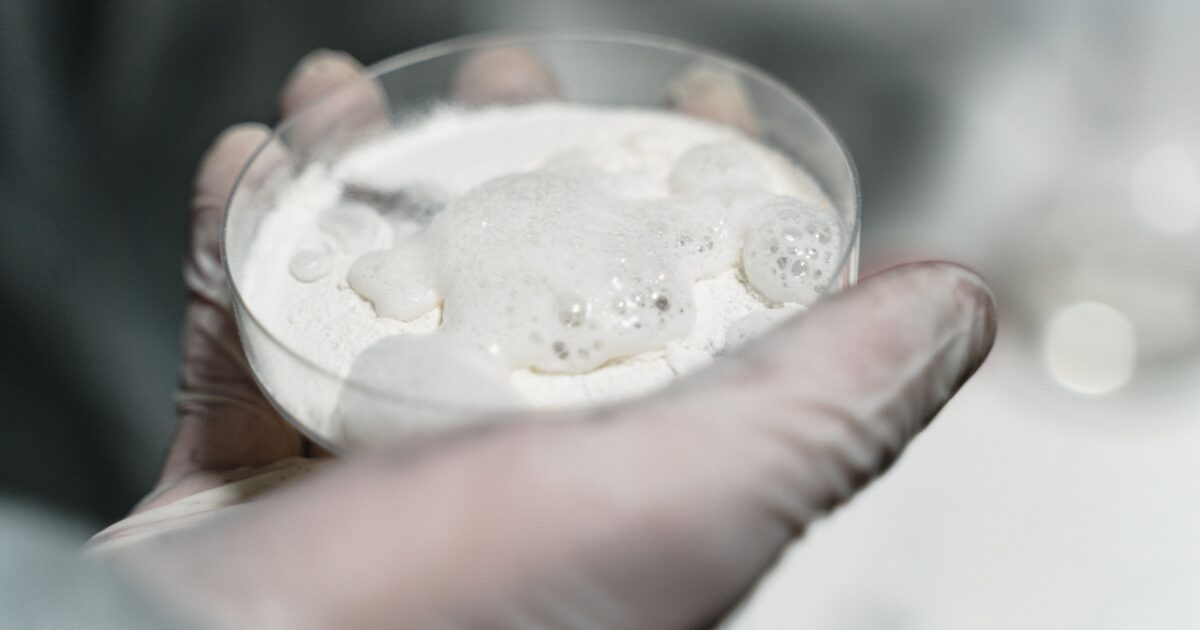
Heroin powder is one of the most common forms found in the United States. It usually looks like a fine, loose powder similar to flour or powdered sugar. The texture can feel smooth or slightly grainy when touched. White or off-white powder heroin is typically purer and comes from sources in South America or Southeast Asia. It dissolves easily in water, which is why it is often injected. Sometimes it is snorted directly in powder form. The smell can range from faint to a strong vinegar-like odor, which is a key identification clue.
Crystal and Rock Formations in Heroin Substances
Heroin crystal forms are less talked about but still exist. These look like small rocks or chunky crystals, sometimes glassy or semi-transparent. This form is sometimes called “China White” when it appears in a purer crystalline state. Rock heroin can be harder to crush and is sometimes smoked on foil. The heroin crystal structure often looks different from powder because it has not been fully broken down during processing. When crushed, it turns into a rough powder.
Color Variations in Heroin Samples
Heroin color is one of the easiest ways to try to identify the drug, but it can be tricky because the color changes based on the source and added chemicals. Here is a quick breakdown of the most common colors:
Why Heroin Color Changes Across Different Sources
| Heroin Color | Likely Origin | Common Additives |
| White or Off-White | South America, Southeast Asia | Few or no additives |
| Brown or Tan | Mexico, Southwest Asia | Plant materials, impurities |
| Black (Black Tar) | Mexico | Heavy processing residues |
| Pink or Rose | Rare batches | Dye, cutting agents |
| Gray | Mixed sources | Fentanyl, other substances |
The heroin color changes because of leftover plant materials, the chemicals used during manufacturing, and substances added to increase weight or potency. According to the Drug Enforcement Administration, purer heroin tends to be lighter in color, while lower-quality batches are darker due to more impurities left behind during production.
Distinguishing Heroin From Other Opioid Substances
Opioid identification can be challenging because many drugs look alike. Prescription opioids like oxycodone or morphine come in pill or tablet form, which makes them easier to tell apart from heroin. However, when heroin is crushed or dissolved, it can closely resemble other powders.
Drug appearance alone is never a reliable way to confirm what a substance is. Fentanyl, for example, is also a white powder that looks almost identical to heroin but is far more potent. Cocaine is another white powder that can be confused with heroin powder. The only way to confirm what a substance is, is through chemical drug testing strips or lab analysis.
Texture and Consistency Indicators of Heroin Quality
The texture of heroin tells a lot about its purity and what it has been mixed with. Higher-purity heroin usually feels silky and fine between the fingers. Lower-quality heroin may feel gritty, lumpy, or even sticky.
How Moisture Content Affects Heroin’s Physical State
Moisture plays a big role in how heroin feels and looks. When heroin absorbs humidity from the air, it can clump together and become sticky or hard. Dry heroin crumbles easily and stays as a loose powder. Black tar heroin is naturally sticky and dark because it has a much higher moisture content and fewer refining steps. If heroin is damp, it may appear darker and harder to break apart. Changes in moisture can also affect how the drug is used — wet heroin is harder to snort but may dissolve faster in water.
Packaging and Street-Level Presentation Methods
- Heroin is often sold in small glassine envelopes — tiny, see-through paper pouches — stamped with brand names or logos in ink.
- Small plastic baggies, sometimes the size of a coin, are another very common packaging method.
- Balloons (usually latex) are used to hide and swallow heroin for smuggling.
- Tin foil wrapping is seen when the drug is sold for smoking.
- Capsules or small folded paper “bindles” are also used at street level.
- Some dealers sell heroin in small vials or film canisters to make it look less suspicious.
Recognition Signs for Substance Identification in Emergency Situations
Recognizing heroin quickly in an emergency can be the difference between life and death. What does heroin look like in a crisis situation? Look for white, brown, or black powder or chunks near the person. Check for used needles, spoons with burn marks, or tin foil with dark residue. Smell can also help — heroin often smells like vinegar.
The Substance Abuse and Mental Health Services Administration recommends that anyone who suspects an opioid overdose should call 911 immediately and administer naloxone (Narcan) if available, without waiting to confirm what substance was used.
When to Seek Immediate Medical Intervention
If someone is unconscious, breathing very slowly, has blue lips or fingertips, or cannot be woken up after suspected drug use, call 911 right away. Do not wait to figure out what does heroin look like or what substance was used. Time is critical in an overdose situation. First responders are trained to handle opioid emergencies quickly, and early action saves lives.
Getting Professional Support at Silicon Valley Recovery
If you or someone you love is struggling with heroin use, you do not have to face it alone. Silicon Valley Recovery offers compassionate, professional support designed to meet you where you are. Our team understands that addiction is not a choice — it is a health condition that deserves real care and real solutions.
We provide personalized treatment plans, evidence-based therapies, and a safe space to begin healing. Recovery is possible, and it starts with one step. Reach out to Silicon Valley Recovery today and let us walk alongside you on the path to a healthier, substance-free life. You deserve support, and we are here to give it.
[Image-2_Here]
FAQs
-
Can heroin powder be mistaken for other white substances or drugs?
Yes, heroin powder looks very similar to cocaine and fentanyl. Visual identification alone cannot confirm which drug it is. Always use drug testing strips to identify any unknown white substance.
-
How does heroin crystal structure differ visually from powder heroin forms?
Heroin crystal appears as chunky, semi-transparent, or glassy small rocks. Powder heroin is finely ground and flows loosely like flour. Crystals must be crushed before they break down into powder form.
-
What causes brown heroin to appear darker than white heroin samples?
Brown heroin color comes from impurities and leftover plant materials. Less refining during production leaves behind dark organic compounds. Additives and cutting agents also contribute to a darker, murkier appearance.
-
Is heroin texture always the same regardless of its geographic origin?
No, heroin forms vary widely depending on the country of origin. Mexican black tar heroin is sticky, while Asian heroin is fine powder. Processing methods and local chemicals directly change texture and consistency.
-
How can someone identify heroin versus fentanyl by appearance alone?
Opioid identification by sight alone is nearly impossible between these two. Both can appear as fine white powder with no obvious visible difference. Fentanyl test strips are the only reliable method to tell them apart.